On This Page – Quick Medical Summary
What Mesothelioma Treatment Actually Looks Like in 2026
Kevin Robinson, a 67-year-old retired Navy shipyard mechanic from Norfolk, Virginia, was given a 14-month prognosis when diagnosed with Stage 2 pleural mesothelioma in 2022. Today, he is still alive — playing golf twice a week. His oncologist combined surgery with FDA-approved immunotherapy, a multimodal mesothelioma treatment approach now transforming survival rates across the United States.
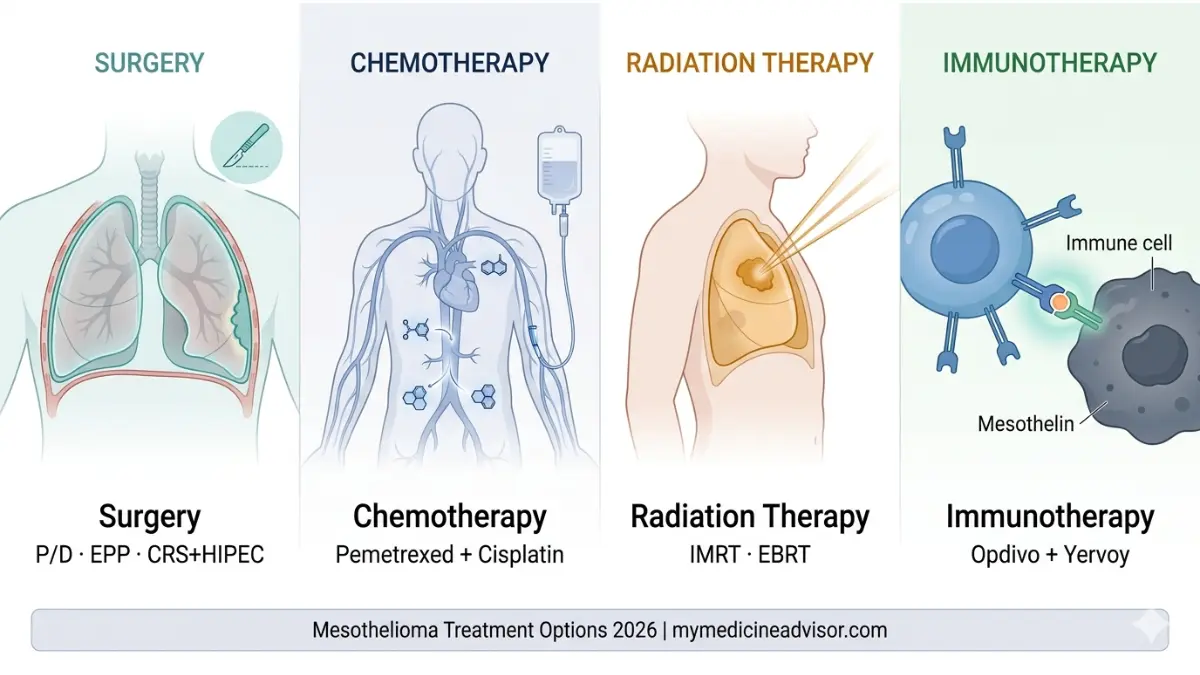
Mesothelioma treatment in 2026 includes 4 proven life-saving options: surgery, chemotherapy, radiation therapy, and immunotherapy. Most patients benefit most from a combination of two or more — a strategy called multimodal treatment — which consistently outperforms any single approach.
According to The National Cancer Institute’s mesothelioma treatment guidelines, the right treatment depends on four core factors:
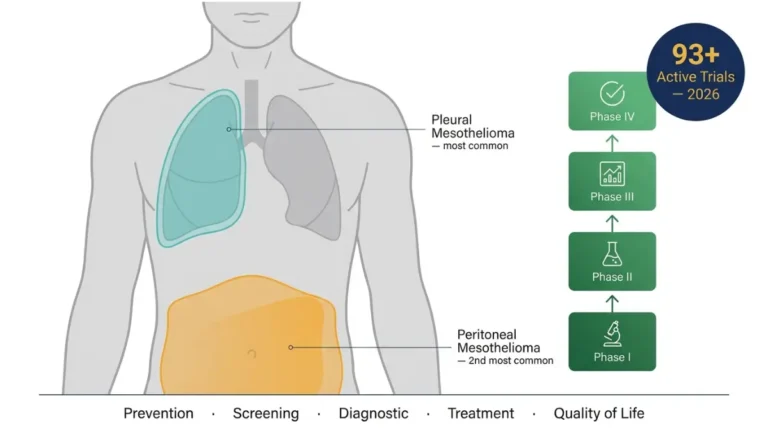
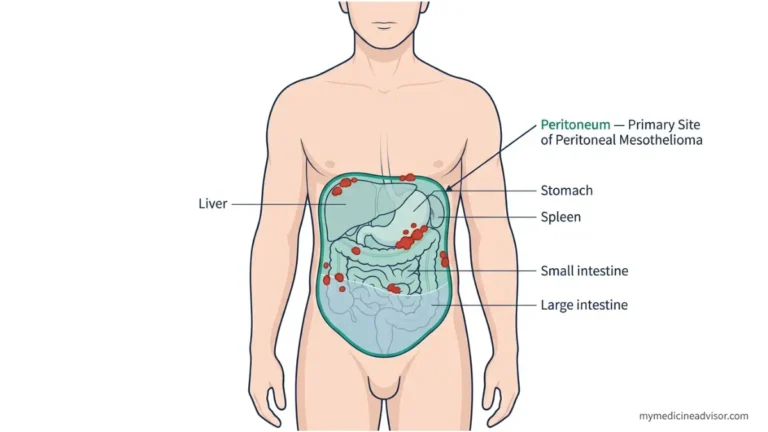
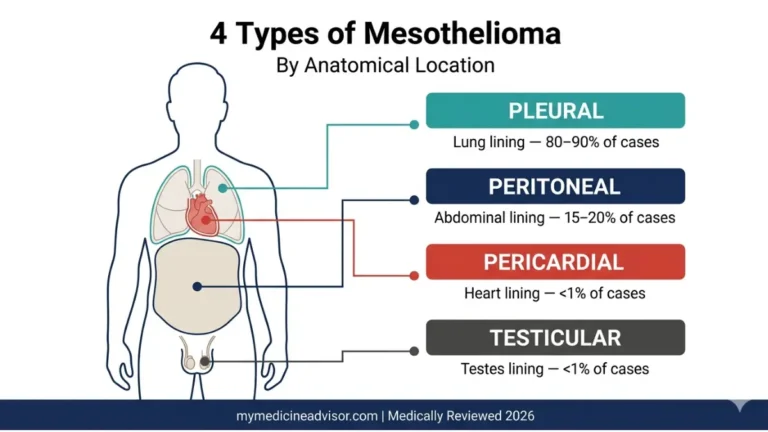
- Location: Pleural (chest lining) vs. peritoneal (abdominal lining)
- Stage at diagnosis: Stages I–IV determine surgical eligibility
- Cell type: Epithelioid, sarcomatoid, or biphasic — each responds differently to treatment
- Patient health: Age, lung function, and comorbidities affect what is tolerable
Critical 2026 data point: Mesothelioma life expectancy without any treatment is just 4–12 months on average. With aggressive multimodal mesothelioma treatment, median survival extends to 18–53 months. Some patients, particularly those with peritoneal mesothelioma treated with CRS+HIPEC surgery, have achieved 5-year survival rates of 41–65%.
If you are experiencing unexplained chest pain, breathlessness, or abdominal swelling, use our Symptom Checker for an immediate assessment before your appointment. Understanding your mesothelioma stage is the essential first step before any treatment decision. To understand what caused your diagnosis, our guide on asbestos exposure and mesothelioma risk explains the 20–50 year latency period that catches most patients off guard.
✅ What This Means For You: The moment you receive a mesothelioma diagnosis, request immediate referral to a specialist mesothelioma center — not a general oncologist. The treatment plan developed in the first 4 weeks directly determines your survival outcome.
Treatment Option 1 — Mesothelioma Surgery
Surgery offers the strongest survival outcomes for eligible patients — but eligibility is highly specific. Not every mesothelioma patient qualifies, and not every surgeon is equipped to perform these procedures.
Two Core Surgical Procedures for Pleural Mesothelioma
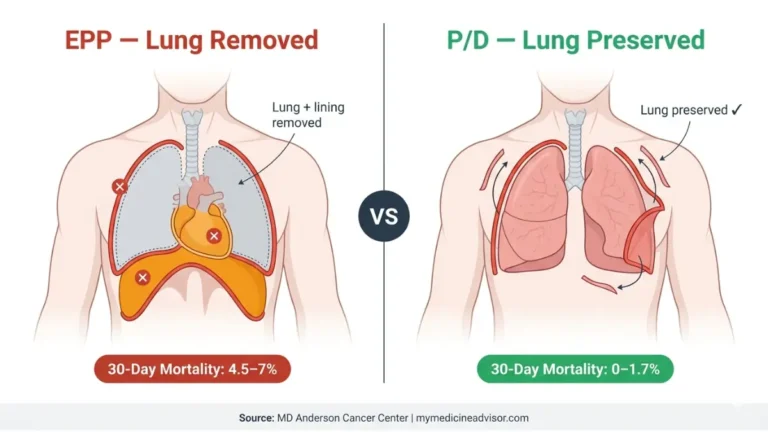
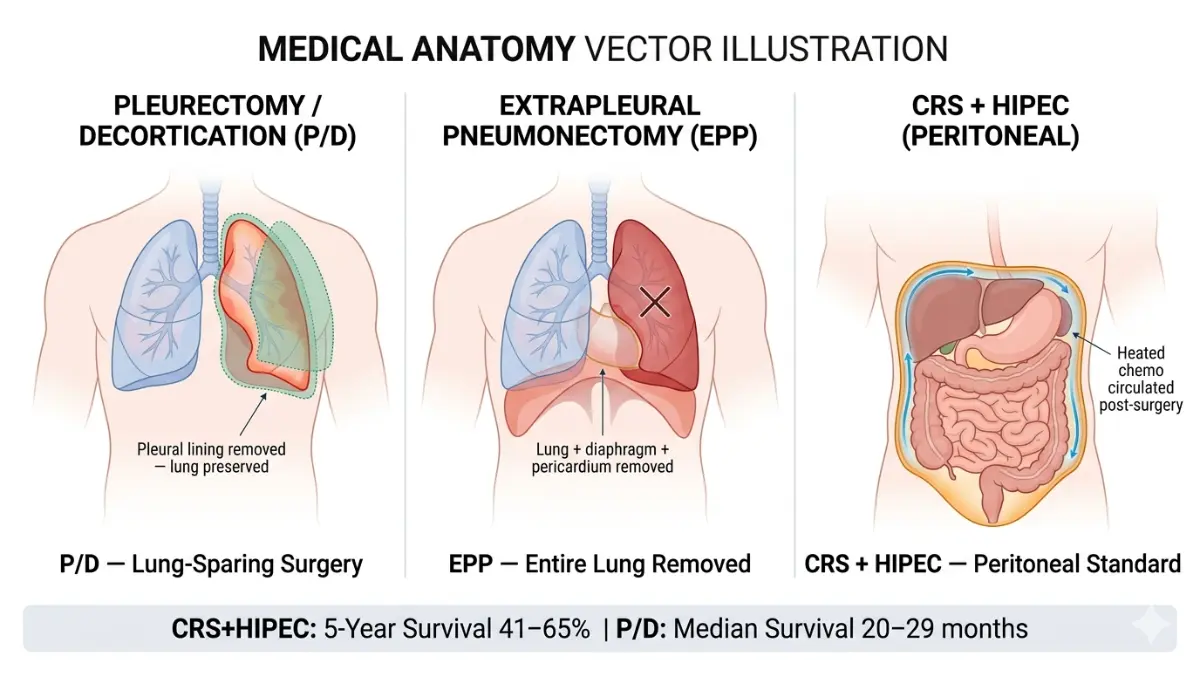
Pleurectomy/Decortication (P/D)
- Removes the diseased pleural lining and all visible tumors while preserving the lung
- Now preferred over EPP at major cancer centers based on improved quality of life data
- Best suited for Stage I–II epithelioid mesothelioma
Extrapleural Pneumonectomy (EPP)
- Removes the entire affected lung, pleura, diaphragm, and pericardium
- Higher complication risk; use is declining following the MARS trial findings
- Still considered in specific high-volume centers for select patients
HIPEC Surgery — The Gold Standard for Peritoneal Mesothelioma
For peritoneal mesothelioma, Cytoreductive Surgery (CRS) combined with Hyperthermic Intraperitoneal Chemotherapy (HIPEC) is the current gold standard. Hot chemotherapy drugs are applied directly inside the abdominal cavity immediately after tumor removal.
- 5-year survival rate with CRS+HIPEC: 41–65% — outcomes that rival many other cancers
- Average cost: ~$84,000, with Medicare and major insurance plans increasingly covering it
- Patients who receive this procedure report an average mesothelioma life expectancy of 53 months
According to MD Anderson Cancer Center’s mesothelioma treatment overview, surgical success depends heavily on tumor resectability and the patient’s functional status at the time of diagnosis.
Surgical Eligibility — Fast-Reference Table
| Eligibility Factor | Favorable | Unfavorable |
|---|---|---|
| Stage | I – II | III – IV |
| Cell Type | Epithelioid | Sarcomatoid |
| Lung Function | Normal | Compromised |
| Lymph Nodes | No spread | Involved |
| Age & Fitness | Under 70, good health | Significant comorbidities |
Before undergoing surgery, have your oncologist assess your BAP1 gene mutation status — it directly influences treatment eligibility and outcomes. Our Genetic Risk Assessment Tool can help you understand your hereditary cancer risk profile ahead of your consultation.
The American Cancer Society’s mesothelioma survival statistics confirm that early-stage surgical patients treated with trimodal therapy — surgery, chemotherapy, and radiation — achieve median survival times of 20–29 months, with a subset exceeding 5 years.
✅ What This Means For You: If your oncologist has not discussed P/D versus EPP — or has not mentioned CRS+HIPEC for peritoneal disease — ask them directly: “Am I a candidate for lung-sparing surgery?” A second opinion at a specialist mesothelioma center can change your entire treatment pathway.
Get your full mesothelioma diagnosis workup decoded before agreeing to any surgical plan.
Treatment Option 2 — Mesothelioma Chemotherapy
Chemotherapy remains the backbone of mesothelioma treatment for the majority of patients — particularly those who do not qualify for surgery. It is the most widely used mesothelioma treatment option in 2026, and its effectiveness has improved significantly when combined with newer agents.
FDA-Approved First-Line Chemotherapy Protocol
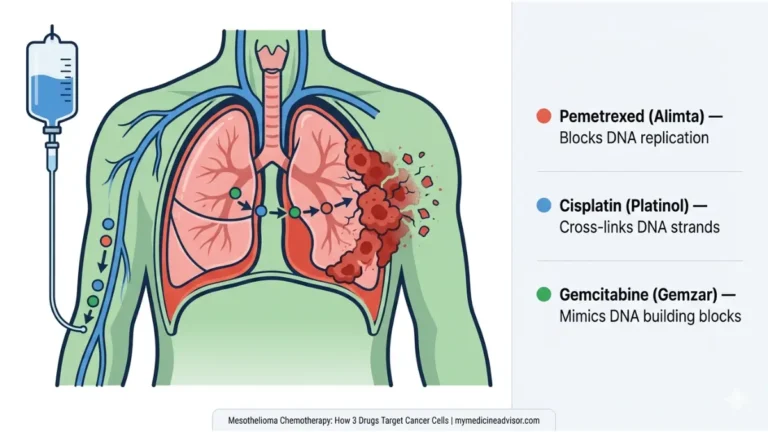
The only FDA-approved chemotherapy regimen for pleural mesothelioma is:
- Pemetrexed (Alimta) + Cisplatin — delivered intravenously every 3 weeks for 6 cycles
- If kidney function is impaired, Carboplatin replaces Cisplatin with equivalent efficacy
- This regimen achieves a median survival of approximately 12–14 months in unresectable disease
- For peritoneal mesothelioma, HIPEC (heated intraperitoneal chemotherapy) is the regional chemo gold standard — applied directly during CRS surgery for maximum tumor kill
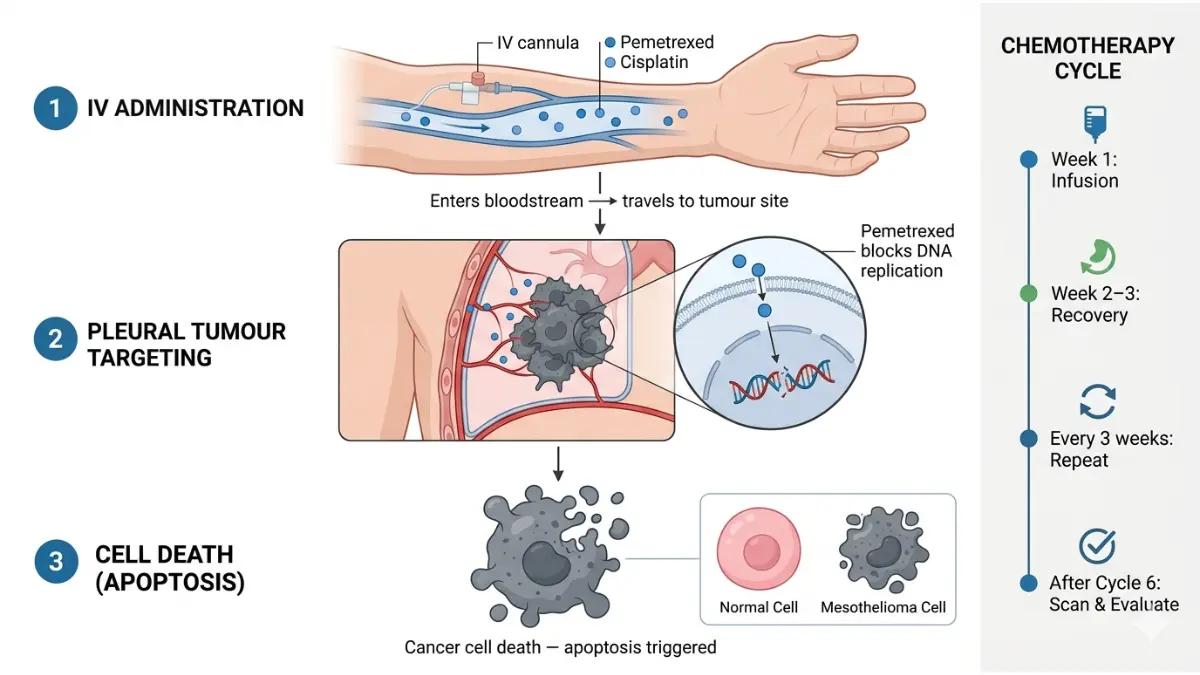
What to Expect: Chemo Cycle Timeline
| Week | What Happens |
|---|---|
| Week 1 | IV infusion (4–6 hrs), fatigue likely for 3–5 days |
| Week 2–3 | Recovery window — blood counts monitored weekly |
| Every 3 weeks | Repeat cycle; scans after Cycle 3 to assess response |
| After Cycle 6 | Response evaluation and next-phase planning |
2026 Combination Update: Chemo + Immunotherapy
The PrE0505 trial found that adding Durvalumab (Imfinzi) to standard pemetrexed/cisplatin chemotherapy improved median survival to 20.4 months — a significant gain over chemo alone. This combination is being adopted at leading US cancer centers in 2026.
You can identify all NCI-listed approved drugs for mesothelioma on the National Cancer Institute’s drug database. For a full breakdown of side effects, management strategies, and what to expect during each cycle, read our 2026 Chemotherapy Guide.
Key Side Effects to Know
- Fatigue (most common; peaks days 3–5 post-infusion)
- Nausea and reduced appetite — manageable with anti-emetics
- Hair loss — common with cisplatin-based regimens
- Blood count drops — monitored with weekly CBC tests
- Kidney stress — hydration protocols reduce cisplatin nephrotoxicity
Use our Pill Identifier to look up your prescribed chemotherapy medications and understand their correct dosage forms before starting treatment.
✅ What This Means For You: If cisplatin causes kidney-related side effects, insist your oncologist switches to carboplatin — the evidence shows equivalent survival benefit with a better tolerance profile. Do not accept unnecessary suffering when alternatives exist.
Treatment Option 3 — Mesothelioma Radiation Therapy
Radiation therapy for mesothelioma is a precision support tool — rarely curative on its own, but highly effective when combined with surgery or immunotherapy. Understanding when and why to use it prevents patients from either dismissing it or over-relying on it.
Two Modern Radiation Techniques for Mesothelioma
External Beam Radiation Therapy (EBRT)
- Most commonly administered post-surgery to destroy microscopic residual tumor cells
- Delivered over 4–6 weeks, 5 days per week
Intensity Modulated Radiation Therapy (IMRT)
- Advanced computer-guided radiation that shapes beams to the tumor’s exact contour
- Critical data: IMRT reduces local recurrence from 42% down to 14% compared to conventional radiation — a landmark finding that most competitor articles bury or skip entirely
- Preferred technique at major US mesothelioma centers in 2026
Stereotactic Body Radiation Therapy (SBRT)
- An emerging 2026 option under active investigation, particularly in combination with immunotherapy agents such as avelumab
- Phase 1 trial data shows strong tolerability when paired with checkpoint inhibitors
⚠️ Important: Radiation and Peritoneal Mesothelioma
Radiation is not routinely used for peritoneal mesothelioma. The proximity of abdominal organs — liver, kidneys, bowel — makes the risk of radiation toxicity too high for most patients. This distinction is poorly explained or buried in most competitor articles.
For a plain-language explanation of how radiation kills cancer cells and what a typical treatment course involves, our Radiation Therapy guide covers the full process in patient-friendly language.
Side Effects of Radiation Therapy
- Skin irritation and redness at the treatment site
- Fatigue — cumulative and peaks in Week 3–4
- Esophageal inflammation if the chest is the target area
- Temporary shortness of breath
✅ What This Means For You: Radiation alone does not extend mesothelioma survival. It performs best as part of a sequenced multimodal plan. Always ask: “Is radiation part of a planned sequence, or is it being proposed as a standalone fallback?”
Treatment Option 4 — Mesothelioma Immunotherapy (The 2026 Game-Changer)
Immunotherapy has fundamentally reshaped mesothelioma treatment since 2020. For patients who do not qualify for surgery, it now offers the best available survival data — and for specific cell types, it outperforms chemotherapy completely.
FDA-Approved Immunotherapy Regimens in 2026
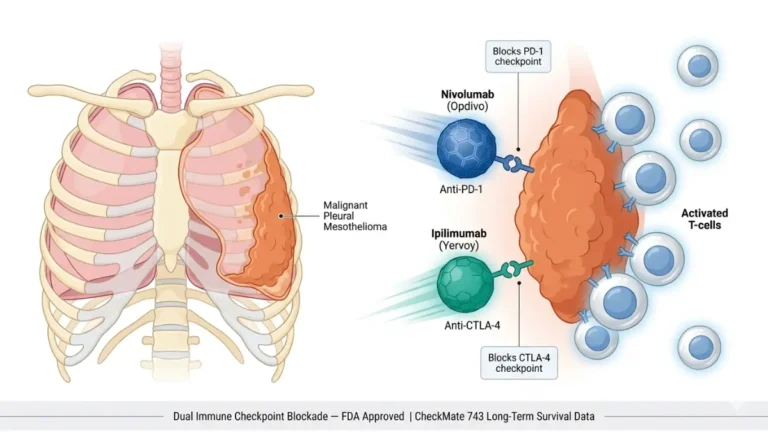
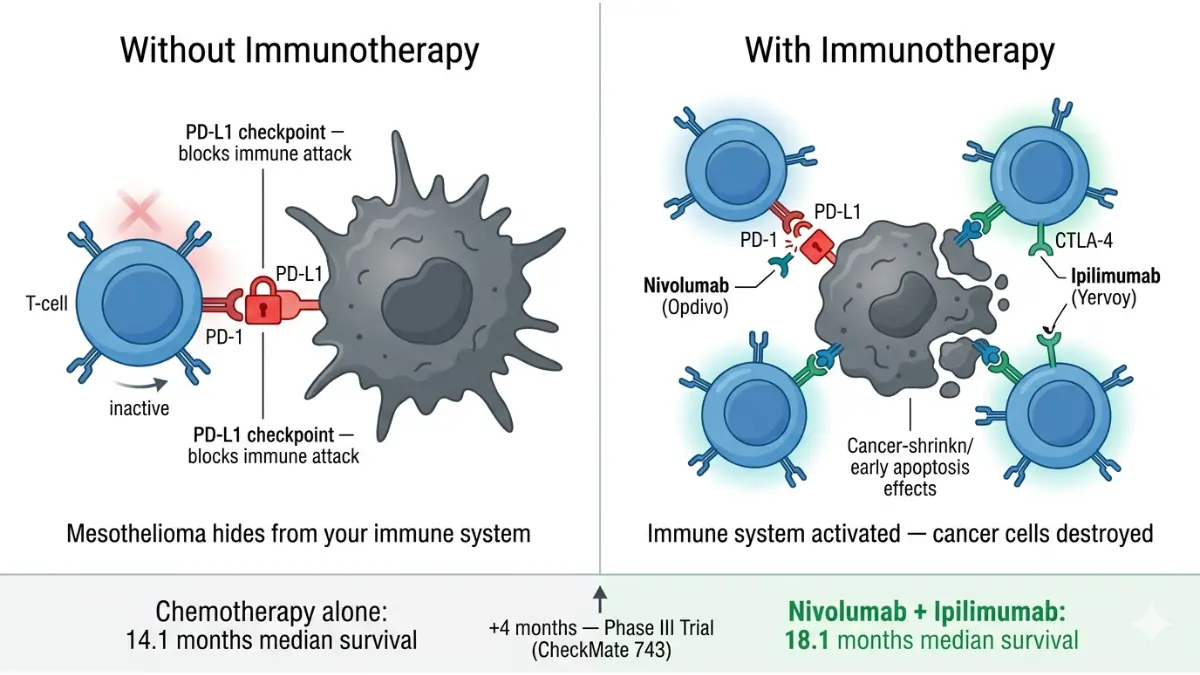
Nivolumab (Opdivo) + Ipilimumab (Yervoy)
- FDA-approved in October 2020 specifically for unresectable malignant pleural mesothelioma
- The landmark CheckMate 743 Phase III trial enrolled 713 patients across 21 countries
- Result: Immunotherapy improved median overall survival to 18.1 months vs. 14.1 months with chemotherapy alone
- Most underreported finding: In non-epithelioid (sarcomatoid + biphasic) mesothelioma, immunotherapy was dramatically superior to chemotherapy — a finding that changes treatment decisions for a significant patient subset
A 2025 study published in the Journal of Clinical Oncology confirmed that nivolumab + ipilimumab as first-line mesothelioma treatment produces durable responses lasting over 11 months in responding patients. Full immunotherapy advances data is available via this peer-reviewed PMC publication on immunotherapy in mesothelioma.
Pembrolizumab (Keytruda)
- Approved as second-line mesothelioma treatment when first-line therapy fails
- Ongoing CHIMERA Phase 2 trial (NCT06155279) is testing pembrolizumab combined with platinum-based chemotherapy as neoadjuvant therapy
2026 Emerging Immunotherapy Options
- CAR-T Cell Therapy — Engineering a patient’s own T-cells to target mesothelin proteins on mesothelioma tumors; Phase 1/2 trials showing early promise
- Tumor Treating Fields (Optune Lua) — FDA-cleared wearable device; Novocure reported tumors shrank or stabilized in 97% of patients when combined with chemotherapy
- Combination checkpoint inhibitor trials — Search for currently enrolling mesothelioma studies at ClinicalTrials.gov
For a broader understanding of how immunotherapy works at the cellular level, our expert guide on how immunotherapy works explains checkpoint inhibitors in plain language.
Immunotherapy Eligibility Snapshot
| Factor | Favorable | Check Required |
|---|---|---|
| Cell Type | Sarcomatoid / Biphasic | Must test — strongest benefit |
| PD-L1 Expression | High expression | Biomarker test needed |
| Prior Treatment | First-line naive | Second-line options exist |
| Autoimmune History | None | Caution — may worsen |
Side Effects: Very Different From Chemotherapy
Unlike chemo, immunotherapy causes immune-related adverse events (irAEs):
- Colitis (bowel inflammation) — managed with corticosteroids
- Pneumonitis (lung inflammation) — requires immediate treatment pause
- Thyroid dysfunction — detected via routine blood tests
- Skin rash — usually mild; rarely requires discontinuation
Because corticosteroids used to treat irAEs can spike blood glucose, patients should monitor blood sugar closely during immunotherapy. Our Blood Sugar Converter helps patients track and interpret readings throughout treatment.
✅ What This Means For You: Before starting any immunotherapy, demand a PD-L1 expression biomarker test from your oncologist. Your tumor’s PD-L1 level directly predicts which drug — nivolumab, pembrolizumab, or a combination — will work best for your specific mesothelioma. This is not optional. It is the difference between optimized and guessed treatment.
Which Mesothelioma Treatment Is Right for You? Stage-by-Stage Guide
Choosing the right mesothelioma treatment is not a single decision — it is a sequenced clinical strategy built around your specific stage, cell type, and health status. No competitor currently provides all of this information in one unified reference.
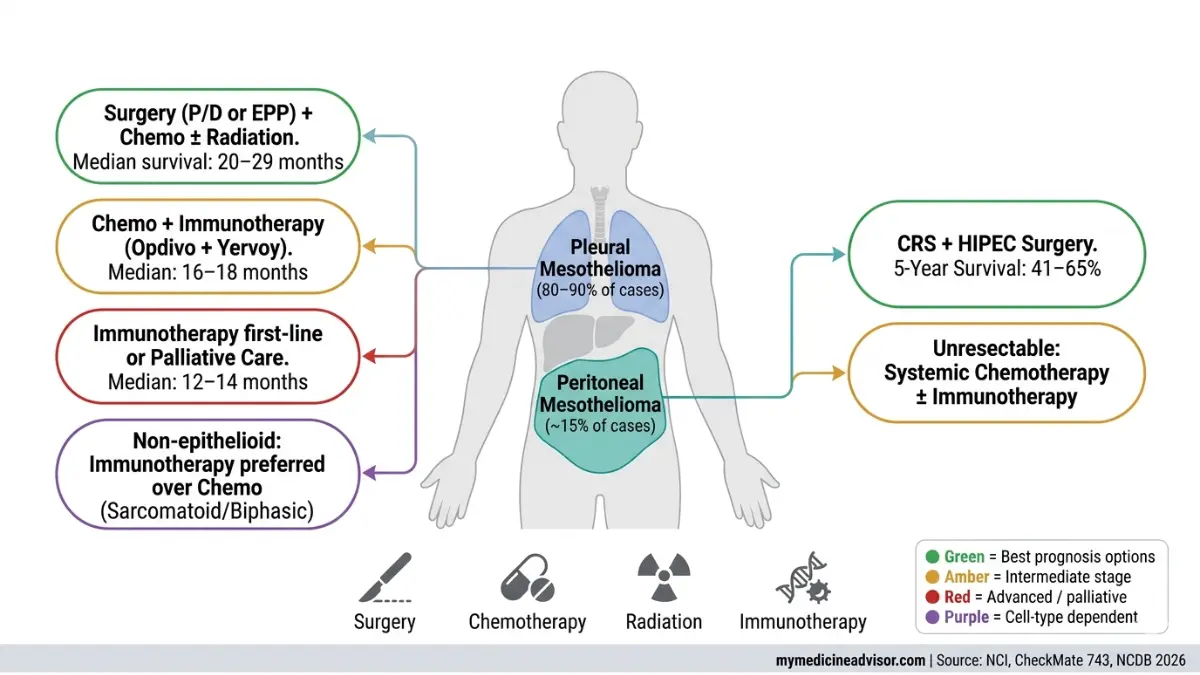
Stage-by-Stage Mesothelioma Treatment Decision Matrix
| Stage | Pleural Treatment | Peritoneal Treatment | Expected Median Survival |
|---|---|---|---|
| Stage I–II | P/D or EPP + Chemo ± Radiation | CRS + HIPEC | 20–53 months |
| Stage III | Chemo + Immunotherapy (Opdivo+Yervoy) | Chemo ± Immunotherapy | 16–18 months |
| Stage IV | Immunotherapy first-line or Palliative | Systemic Chemotherapy | 12–14 months |
| Non-epithelioid (any stage) | Immunotherapy preferred over Chemo | Clinical Trial | 8–14 months |
Source: National Cancer Database (NCDB) and Moffitt Cancer Center survival data
All 4 Treatments: Side Effect + Cost Quick Reference
| Treatment | Avg. US Cost | Primary Side Effects | Best Evidence |
|---|---|---|---|
| Surgery (CRS+HIPEC) | ~$84,000 | Post-op recovery, infection | 41–65% 5-yr survival (peritoneal) |
| Chemotherapy | $11K–$30K/cycle | Nausea, fatigue, hair loss | 12–20 months median |
| Radiation (IMRT) | ~$11,000 total | Skin changes, fatigue | Recurrence ↓ from 42% to 14% |
| Immunotherapy (Opdivo+Yervoy) | $22K–$40K/infusion | Colitis, thyroid, pneumonitis | 18.1 months median (CheckMate 743) |
Research published at PMC on malignant mesothelioma survival factors confirms that patients receiving combined surgical and chemotherapy treatment survive a median of 23 months — compared to just 14 months on single-line therapy alone.
5 Questions to Ask Your Oncologist Before Any Treatment Starts
- Am I a surgical candidate based on my specific stage and cell type?
- Has my tumour been tested for PD-L1 expression — and what did it show?
- Is nivolumab + ipilimumab appropriate for my specific cell type, given CheckMate 743 data?
- Are there active clinical trials I qualify for at this center or at a specialist mesothelioma center?
- What is the full multimodal sequence — surgery first, then chemo, then immunotherapy — and why?
Veterans: You Have Additional Treatment Access
If you are a veteran with mesothelioma, the VA provides dedicated coverage and claims support. Our guide on veterans mesothelioma and VA claims walks through how to access VA-funded treatment, disability compensation, and specialized military mesothelioma centers.
For a complete view of prognosis, survival data by stage and cell type, and how treatment choices affect life expectancy, see our Mesothelioma Life Expectancy guide. And once treatment begins, our Mesothelioma Cancer Recovery Guide covers nutrition, rehabilitation, mental health, and quality-of-life strategies during active therapy.
✅ What This Means For You: The patients who outlive their statistics share one pattern: they received care at a specialized mesothelioma center, pursued aggressive multimodal treatment when eligible, and enrolled in clinical trials when available. The treatment landscape in 2026 is meaningfully better than it was five years ago. Act within the first 4 weeks of diagnosis.
Frequently Asked Questions: Mesothelioma Treatment
Q1: What is the most effective mesothelioma treatment in 2026?
Multimodal treatment — combining surgery, chemotherapy, and immunotherapy — produces the best outcomes. For peritoneal mesothelioma, CRS+HIPEC surgery offers a 5-year survival rate of 41–65%, the highest of any mesothelioma treatment available.
Q2: Can mesothelioma be cured with surgery?
Surgery alone rarely cures mesothelioma, but it significantly extends survival — especially when combined with chemotherapy and radiation. Peritoneal mesothelioma patients treated with CRS+HIPEC achieve outcomes that functionally resemble remission in a substantial subgroup.
Q3: How long does mesothelioma chemotherapy last?
Standard first-line chemotherapy (pemetrexed + cisplatin) runs for 6 cycles, each 3 weeks apart. Total treatment duration is approximately 18 weeks, followed by a response evaluation scan.
Q4: Is immunotherapy better than chemotherapy for mesothelioma?
For non-epithelioid (sarcomatoid and biphasic) mesothelioma, immunotherapy (nivolumab + ipilimumab) is now preferred over chemotherapy based on CheckMate 743 trial data. For epithelioid mesothelioma, the two approaches have comparable efficacy.
Q5: What is HIPEC and how does it treat peritoneal mesothelioma?
HIPEC stands for Hyperthermic Intraperitoneal Chemotherapy. After surgical tumor removal, heated chemotherapy drugs are circulated directly inside the abdominal cavity to kill remaining cancer cells. It is the gold standard for eligible peritoneal mesothelioma patients.
Q6: What is the life expectancy with mesothelioma treatment in 2026?
With active treatment, median mesothelioma life expectancy is 12–21 months for pleural disease and up to 53 months for peritoneal disease with CRS+HIPEC. Patients diagnosed at Stage I with multimodal treatment have achieved 5-year survival rates of 16–20%.
Q7: What are the side effects of mesothelioma immunotherapy?
Unlike chemotherapy, immunotherapy causes immune-related side effects including colitis, pneumonitis, thyroid dysfunction, and skin rash. These are managed with corticosteroids and rarely require permanent treatment discontinuation.
Q8: Does radiation therapy cure mesothelioma?
No. Radiation therapy does not cure mesothelioma on its own. It is most effective when used as part of a multimodal plan — reducing local recurrence from 42% to 14% when IMRT is applied after surgery.
Q9: How much does mesothelioma treatment cost in 2026?
Costs vary widely: CRS+HIPEC surgery averages ~$84,000; chemotherapy runs $11,000–$30,000 per cycle; immunotherapy (Opdivo+Yervoy) costs $22,000–$40,000 per infusion. Medicare, Medicaid, and VA benefits cover substantial portions for eligible patients.
Q10: Are there new mesothelioma treatments in clinical trials for 2026?
Yes. Active trials include CAR-T cell therapy targeting mesothelin, the CHIMERA pembrolizumab trial (NCT06155279), combination TTFields (Optune Lua) with immunotherapy, and gene therapy delivered directly into the pleural space. Search live trials at ClinicalTrials.gov.
Q11: What questions should I ask my doctor about mesothelioma treatment?
The 5 most important questions are: (1) Am I a surgical candidate? (2) What is my PD-L1 expression level? (3) Is immunotherapy appropriate for my cell type? (4) Are there clinical trials I qualify for? (5) What is the full multimodal sequence and why?
Medical disclaimer
The content on MyMedicineAdvisor is provided for general informational and educational purposes only and is not a substitute for professional medical advice, diagnosis, or treatment. Health information on this website should not be used to diagnose, treat, cure, or prevent any condition without guidance from a qualified healthcare professional. Always seek the advice of your doctor, physician, or another licensed healthcare provider with any questions you may have regarding a medical condition, symptoms, medications, or treatment decisions.