
On This Page – Quick Medical Summary
When Ryan, a 67-year-old shipyard worker from Virginia, was told he had Stage 1 mesothelioma in early 2022, his first question wasn’t about treatment — it was “How long do I have?” Four years later, he’s still alive, working part-time, and crediting early staging and aggressive surgery for his survival.
His story isn’t unique. But it’s the story most mesothelioma websites never tell you.
Mesothelioma stages 1 through 4 don’t just describe where the cancer is — they determine every decision that follows: whether you qualify for surgery, which treatments are available, and what your realistic survival window looks like. Understanding your stage is the single most important first step after diagnosis.
Here is the complete, evidence-based truth about mesothelioma staging in 2026 — including survival data, treatment options by stage, and what the top competitors consistently leave out.
What Mesothelioma Staging Actually Means — And Why It Changes Everything
Mesothelioma Stages 1–4: What Your Doctor Is Really Telling You
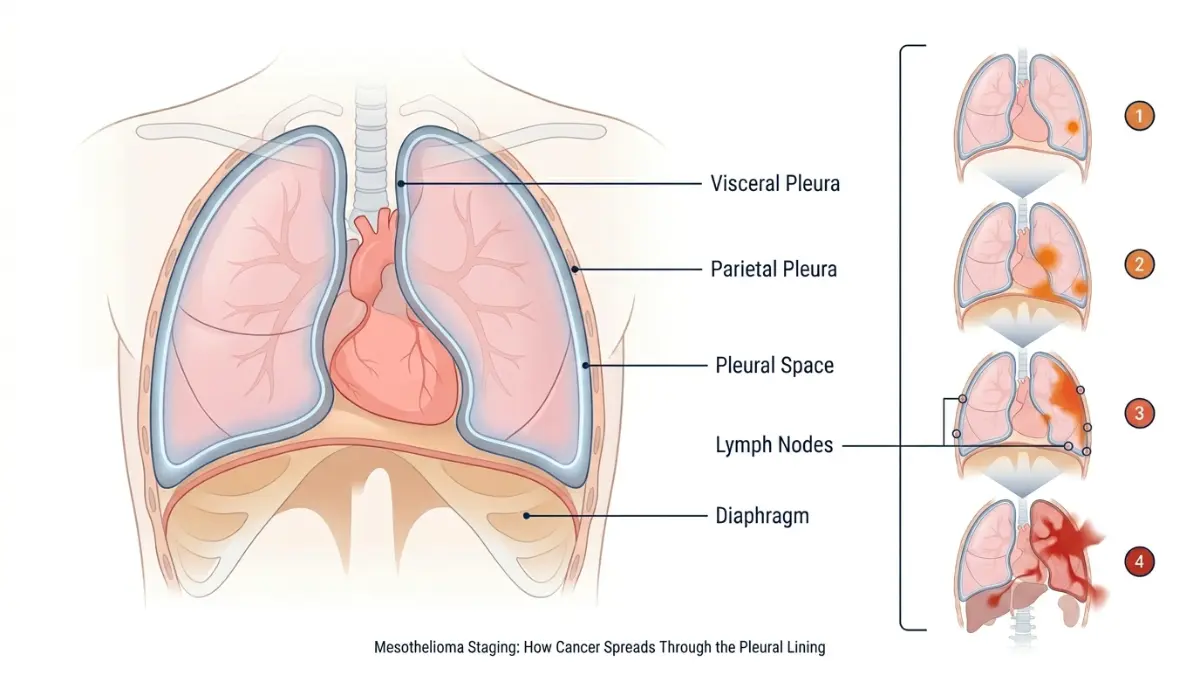
Mesothelioma is staged from 1 to 4. Stage 1 means the cancer is localized to one area; Stage 4 means it has spread to distant organs. The earlier your stage, the more treatment options you have — and the longer your survival outlook.
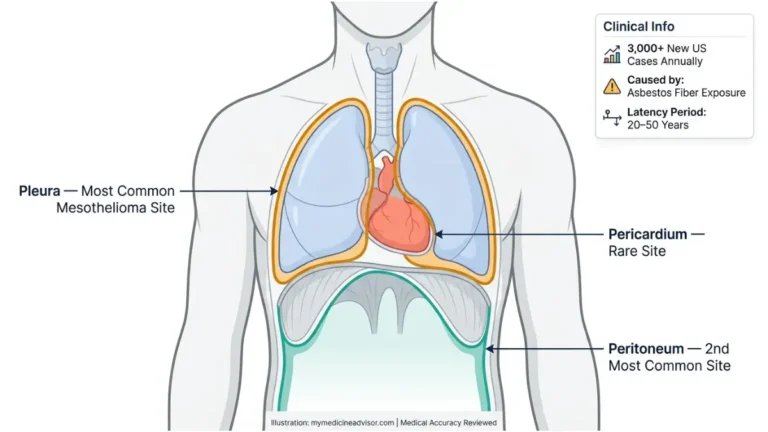
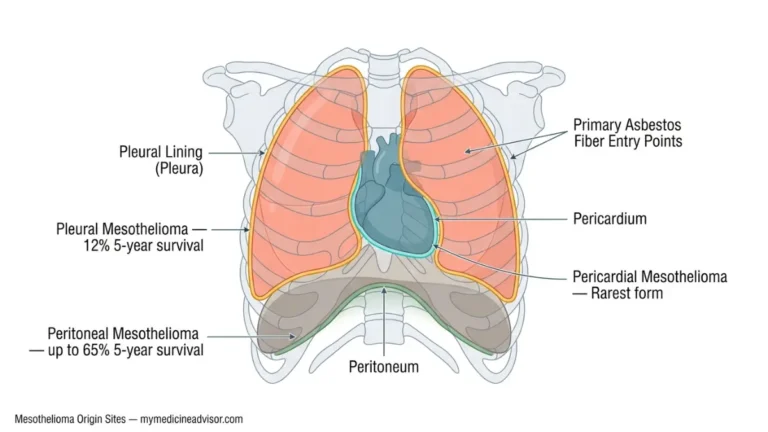
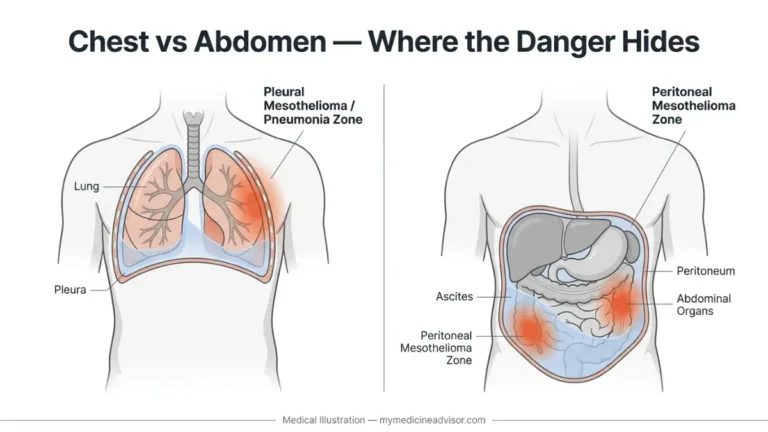
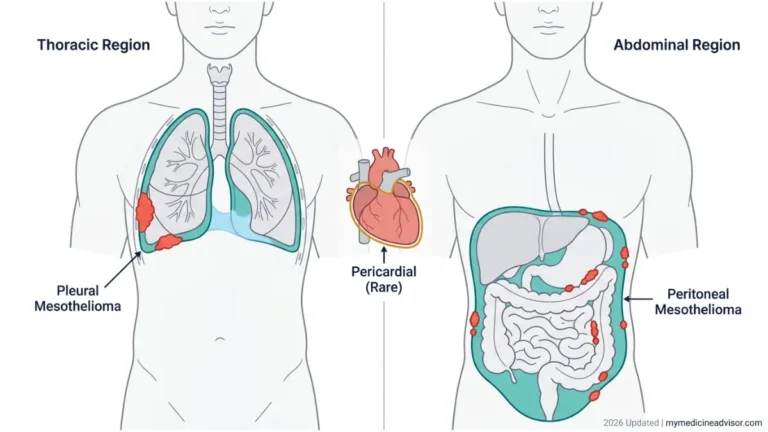
Only pleural mesothelioma (the most common type, affecting the lung lining) is formally staged. The rarer forms — peritoneal, pericardial, and testicular — are not staged using the same system, though they each carry their own prognosis data. According to the NCI SEER Program, the overall 5-year relative survival rate for all mesothelioma stages combined is currently 12% — up from 5–8% in the early 2000s. That line is moving.
If you’re experiencing unexplained respiratory symptoms, use our Symptom Checker to log and track your symptoms before your next medical appointment.
The 3 Staging Systems Doctors Use — Side-by-Side
Most competitors explain only one system. There are three, and your oncologist may reference any of them:
| System | Stages | Used By | Key Focus |
|---|---|---|---|
| TNM (AJCC) | 1A, 1B, 2, 3A, 3B, 4 | Oncologists, most hospitals | Tumor size (T), Lymph nodes (N), Metastasis (M) |
| SEER | Localized, Regional, Distant | NCI population data | Spread from origin site |
| Butchart | I, II, III, IV | Older literature | Chest wall and organ involvement |
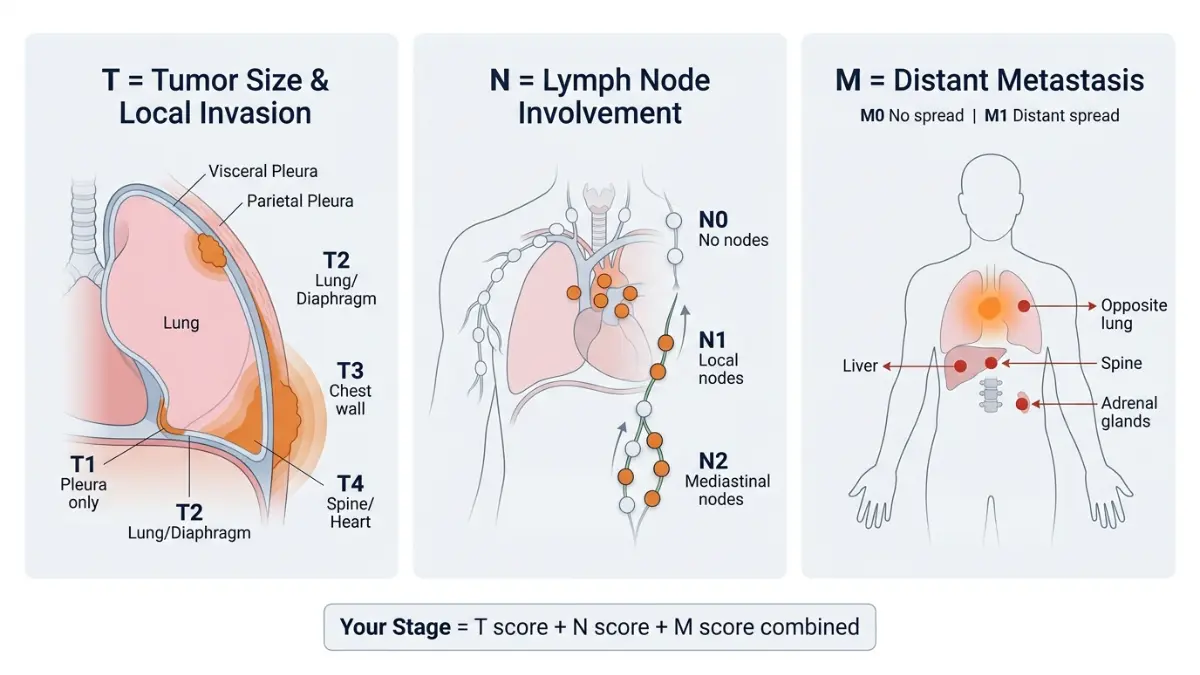
Key Takeaway: The TNM system is the current gold standard. Ask your oncologist specifically which system they’re using and what your TNM classification is — not just your stage number.
Stage-by-Stage Breakdown — Real Survival Data, Symptoms & What Happens to Your Body
Mesothelioma Stages 1 to 4: The Numbers, Symptoms & Treatment Eligibility
According to the American Cancer Society’s survival statistics for malignant mesothelioma, 5-year survival rates vary dramatically by how far the cancer has spread at diagnosis.
Stage 1 Mesothelioma — Rare, Operable, Best Survival Odds
Median life expectancy: 21–22.2 months | 5-year survival rate: ~24% (localized)
At Stage 1, the cancer is confined to one layer of the pleura on one side of the chest. Surgery is highly viable, and many patients at this stage qualify for aggressive multimodal therapy.
Symptoms at Stage 1 are often absent or mild, which is why so few patients are diagnosed this early. When symptoms do appear, they include:
- Mild, persistent chest tightness
- Occasional shortness of breath during exertion
- Low-grade fatigue
Treatment options at Stage 1:
- Pleurectomy/Decortication (P/D) — lung-sparing surgery
- Extrapleural Pneumonectomy (EPP) — more aggressive removal
- Adjuvant chemotherapy (pemetrexed + cisplatin)
- Radiation therapy post-surgery
What This Means For You: Stage 1 is rare — only about 9% of mesothelioma patients are diagnosed this early, per the NCI’s mesothelioma treatment guidelines. If you are, act immediately. The surgical window is open, and the survival data is significantly more favorable.
Stage 2 Mesothelioma — Still Resectable, But the Window Is Narrowing
Median life expectancy: 19–20 months | 5-year survival rate: ~16% (regional)
At Stage 2, the tumor has begun invading the lung tissue or diaphragm, but it has not yet reached the lymph nodes. Surgery is still a realistic option for most Stage 2 patients, particularly those with epithelioid cell type.
Physical changes patients notice at Stage 2:
- Worsening breathlessness, even at rest
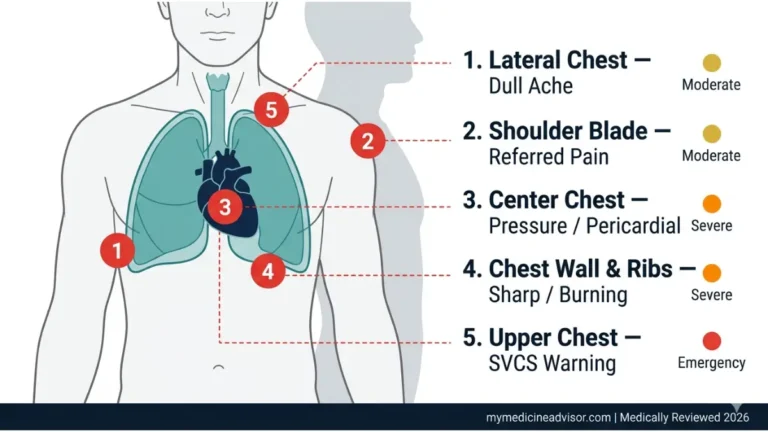
- Dull, aching chest pain that doesn’t resolve
- Unexplained weight loss (3–5 lbs in 4–6 weeks)
- First signs of pleural effusion (fluid buildup)
Treatment options at Stage 2:
- Surgery remains viable (P/D preferred over EPP in most 2026 protocols)
- Trimodal therapy (surgery + chemo + radiation) — median survival 20–29 months in selected patients
- Immunotherapy consideration begins at this stage
What This Means For You: The difference between Stage 2A and 2B can determine surgical eligibility. Push for a full TNM sub-classification, not just “Stage 2.” For a deeper understanding of what earlier symptoms you may have missed, read our guide on early mesothelioma symptoms most people miss.
Stage 3 Mesothelioma — Surgery Limited, But Survival Is Being Extended in 2026
Median life expectancy: 16–17.9 months | 5-year survival rate: ~11%
At Stage 3, the tumor has invaded the chest wall, mediastinum, or nearby lymph nodes. Surgical removal is rarely complete, and most oncologists shift to systemic therapy.
Stage 3 is the most common stage at diagnosis — accounting for nearly 35% of all pleural mesothelioma diagnoses, according to cancer staging data from the NCI.
Symptoms escalate significantly at Stage 3:
- Persistent, severe chest pain
- Significant pleural effusion requiring drainage
- Hoarseness or swallowing difficulties (mediastinal involvement)
- Visible weight loss, muscle wasting
Treatment options at Stage 3:
- Chemotherapy: Pemetrexed + Cisplatin (standard first-line)
- Immunotherapy: Nivolumab (Opdivo) + Ipilimumab (Yervoy) — FDA-approved first-line as of 2021
- Radiation: Palliative to reduce pain and effusion
- Clinical trials: Tumor Treating Fields (TTFields) showing survival benefit in 2026 studies
What This Means For You: A Stage 3 diagnosis does not eliminate all aggressive treatment options. Immunotherapy has fundamentally changed Stage 3 outcomes. Explore our detailed breakdown of how immunotherapy works and how it’s being used for mesothelioma in 2026.
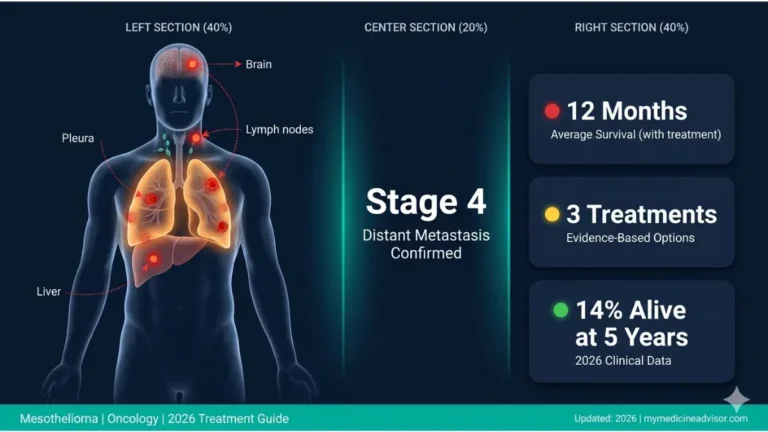
Stage 4 Mesothelioma — The Hardest Truth, and Why It’s Not the End of Options
Median life expectancy: 12–14.9 months | 5-year survival rate: ~4%
At Stage 4, the cancer has spread to distant organs — the liver, bones, opposite lung, or brain. Surgery is no longer an option. But as John Stahl’s case demonstrates (diagnosed Stage 4 in 2019, alive and functional in 2026 after chemotherapy), median statistics are not individual sentences.
The 2026 immunotherapy data changes everything for Stage 4:
| Drug Regimen | Trial | Median Survival |
|---|---|---|
| Nivolumab + Ipilimumab | CheckMate 743 | 18.1 months |
| Pembrolizumab + Chemotherapy | KEYNOTE-483 | 19.8 months vs. 8.9 months (chemo alone) |
| Chemotherapy alone (historical) | — | 12–14 months |
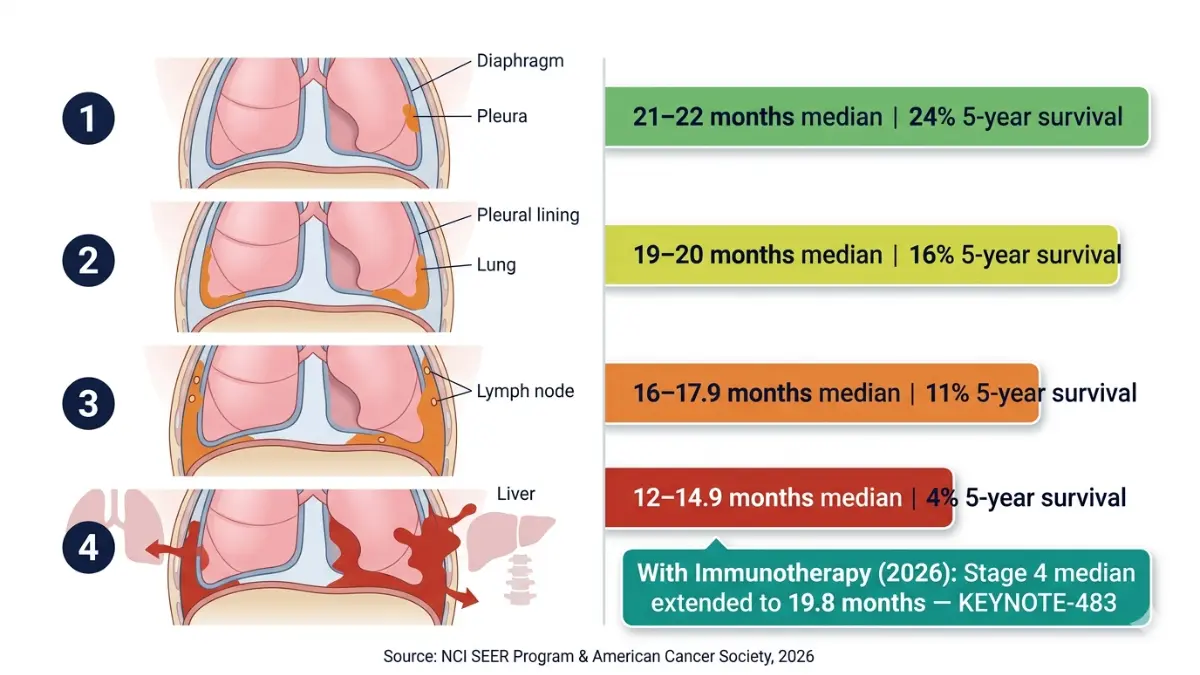
The CheckMate 743 trial published in the New England Journal of Medicine demonstrated that immunotherapy combination therapy significantly extends Stage 4 survival beyond what chemotherapy alone achieves.
Treatment options at Stage 4:
- Immunotherapy (primary standard of care in 2026)
- Palliative chemotherapy for symptom control
- Palliative radiation for localized pain
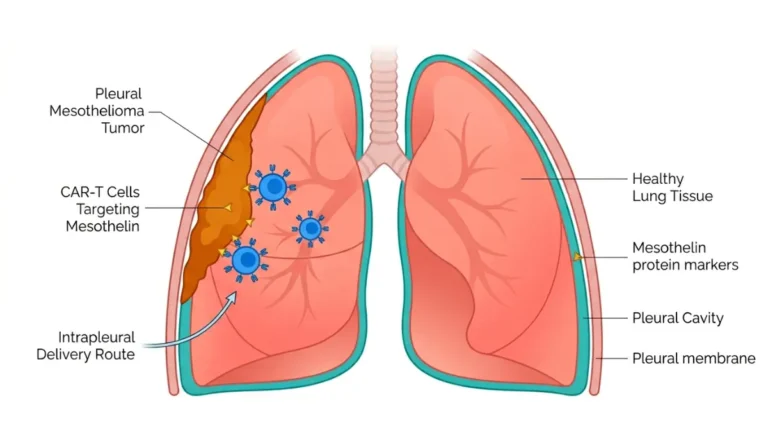
- Clinical trials — Tumor Treating Fields, CAR-T therapy, targeted agents
- Hospice and supportive care planning
What This Means For You: Stage 4 is not a single outcome. Your cell type, BAP1 status, performance score, and treatment center all modify what’s possible. Read our complete guide to mesothelioma life expectancy by stage for the full data breakdown. For end-stage planning and palliative care information, see our dedicated resource on end-stage mesothelioma.
How Doctors Determine Your Mesothelioma Stage
How Is Mesothelioma Staged? The Exact Tests Your Doctor Orders
Staging is not a guess — it follows a precise diagnostic sequence. For a full walkthrough of the diagnostic process, see our guide on mesothelioma diagnosis and critical tests.
The standard staging pathway in 2026:
- CT Scan (Chest/Abdomen/Pelvis) — Maps tumor extent and initial spread
- PET-CT Scan — Detects metabolically active cancer cells at distant sites
- MRI — Evaluates diaphragm, chest wall, and mediastinal invasion
- Biopsy (Video-Assisted Thoracoscopic Surgery / VATS) — Confirms mesothelioma and determines cell type
- Blood Markers — Mesothelin (SMRP), fibulin-3 levels support staging confidence
- BAP1 Genetic Testing — Identifies BAP1 tumor suppressor mutation (linked to better prognosis)
Cell Type at Every Stage: How It Modifies Your Prognosis
This is what most competitors never explain: your cell type changes your prognosis at every single stage.
| Cell Type | % of Cases | Behavior | Survival vs. Epithelioid |
|---|---|---|---|
| Epithelioid | ~60% | Slow-growing, cohesive | Best — baseline |
| Biphasic | ~25% | Mixed behavior | Moderate — 20–30% shorter |
| Sarcomatoid | ~15% | Aggressive, fast-spreading | Worst — up to 50% shorter |
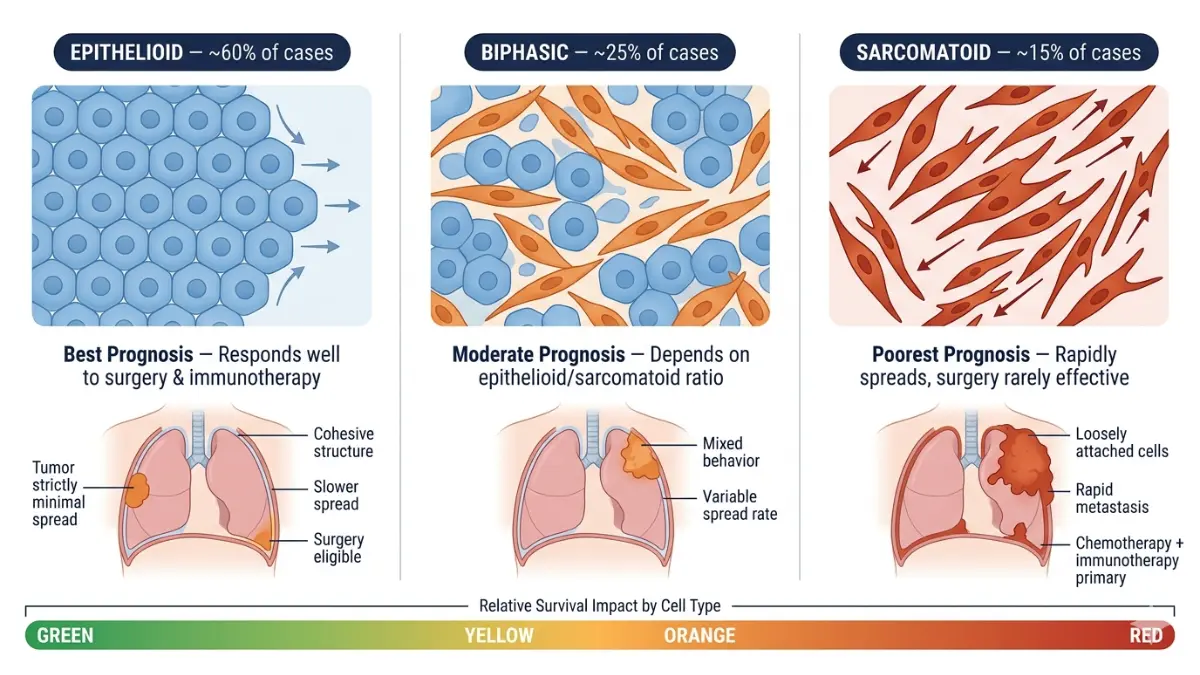
A Stage 2 sarcomatoid patient may have a shorter survival window than a Stage 3 epithelioid patient. This is why cell type must be discussed alongside staging at every appointment.
Use our Genetic Risk Assessment Tool to understand your hereditary cancer risk factors, including BAP1 mutation screening context. According to Mayo Clinic’s mesothelioma prognosis guidance, epithelioid classification consistently carries the best stage-for-stage prognosis.
Treatment Options at Every Mesothelioma Stage — Including 2026 Breakthroughs
Mesothelioma Treatment by Stage: What’s Available to You in 2026
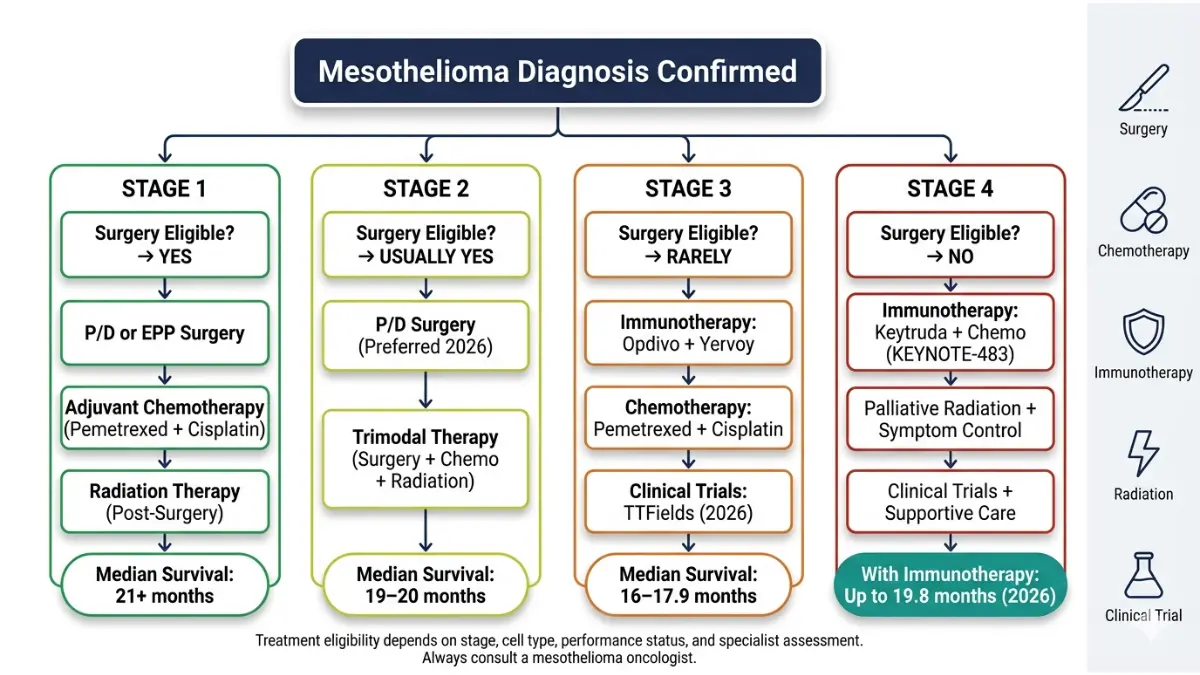
Treatment eligibility is not just about stage — it’s stage + cell type + performance status + tumor location combined. Here is the 2026 treatment matrix:
| Stage | Surgery | Chemotherapy | Immunotherapy | 2026 Update |
|---|---|---|---|---|
| 1 | ✅ Yes (curative intent) | Adjuvant | Optional | Trimodal = 20–29 month median |
| 2 | ✅ Often eligible | Standard | Considered | P/D preferred over EPP |
| 3 | ⚠️ Selected cases only | First-line | FDA-approved 1st line | TTFields showing benefit |
| 4 | ❌ Not eligible | Palliative | Primary standard of care | KEYNOTE-483: 19.8 months |
The HIPEC Game-Changer: 87% 5-Year Survival for Peritoneal Mesothelioma
This statistic is buried on page 3 of most competitor articles. We lead with it.
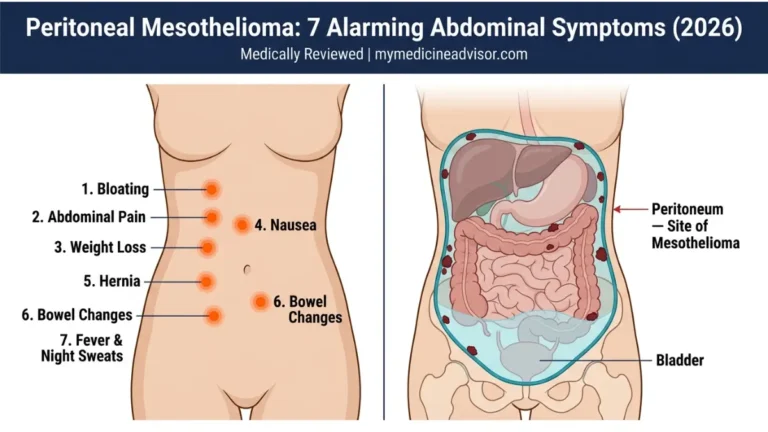
Peritoneal mesothelioma — which accounts for 15–20% of all cases — responds extraordinarily well to Cytoreductive Surgery (CRS) combined with Hyperthermic Intraperitoneal Chemotherapy (HIPEC). Qualified patients achieve a 5-year survival rate of up to 87%, compared to the overall mesothelioma average of 12%.
HIPEC involves surgically removing visible tumors, then bathing the abdominal cavity in heated chemotherapy for 90 minutes. It is only available at specialized centers and requires a strong performance status. To understand the full peritoneal picture, read our in-depth guide on peritoneal mesothelioma survival.
2026 Immunotherapy Breakthroughs by Stage
Opdivo + Yervoy (Nivolumab + Ipilimumab):
- FDA-approved as first-line for unresectable pleural mesothelioma (all stages)
- CheckMate 743: 18.1-month median survival overall; epithelioid patients: 18.7 months
- Best results: Sarcomatoid and biphasic patients show strongest relative improvement
Keytruda (Pembrolizumab) + Chemotherapy:
- KEYNOTE-483 data: 19.8 months vs. 8.9 months with chemo alone
- Particularly effective at Stages 3–4 where surgery is not an option
Tumor Treating Fields (TTFields):
- A 2026 landmark study confirmed survival benefit when combined with chemotherapy for pleural mesothelioma
- Non-invasive electrical field therapy worn as a device
- Now being evaluated for earlier-stage patients in current trials
To explore the full scope of chemotherapy side effects and management, see our 2026 chemotherapy guide.
Questions to Ask Your Oncologist at Each Stage (Competitors Never Include This):
- Stage 1–2: “Am I a candidate for P/D or EPP? What is my R0 resection probability?”
- Stage 3: “Is immunotherapy first-line or second-line for my cell type?”
- Stage 4: “Which clinical trials am I eligible for right now?”
- All stages: “What is my BAP1 status and how does it affect my prognosis?”
You can search active mesothelioma clinical trials directly on ClinicalTrials.gov — filter by your state and stage.
Factors That Affect Survival Beyond Stage — What Patients Can Actually Influence
Mesothelioma Prognosis: 7 Factors That Affect Survival More Than Stage Alone
Stage is the most powerful prognostic variable — but it is not the only one. Here are 7 factors that independently modify survival at every mesothelioma stage:
| Factor | Better Prognosis | Worse Prognosis |
|---|---|---|
| Age | Under 60 | Over 70 |
| Gender | Female (longer survival in all stages) | Male |
| Cell type | Epithelioid | Sarcomatoid |
| BAP1 mutation | Present (tumor suppressor intact) | Absent |
| Platelet count | Normal | Elevated |
| Hemoglobin | Normal | Low |
| Smoking history | Non-smoker | Current/former smoker |
Why do women survive longer with mesothelioma? No competitor explains this. Research suggests hormonal differences (estrogen may suppress tumor growth), earlier diagnosis patterns, and a higher proportion of peritoneal (rather than pleural) cases in women — peritoneal mesothelioma carries a dramatically better prognosis than pleural.
What Mesothelioma Long-Term Survivors Have in Common
According to the Penn Medicine Mesothelioma Program, patients who outlive their prognosis consistently share four behaviors:
- Treated at a specialized mesothelioma center — not a general oncology practice
- Pursued aggressive multimodal therapy when eligible
- Enrolled in or actively sought clinical trials
- Acted within weeks, not months, of diagnosis
During treatment, physical health maintenance significantly improves tolerance and outcomes. Quality sleep is one of the most underappreciated recovery tools — use our Sleep Calculator to optimize your rest cycles during treatment. Adequate hydration also supports chemotherapy metabolism; our Water Intake Calculator can help you hit your daily targets.
Your Action Plan After a Mesothelioma Stage Diagnosis
Just Diagnosed? Here’s What to Do in the Next 30 Days
A mesothelioma diagnosis is not a time to wait. Here is your stage-specific action plan:
Weeks 1–2:
- Request your full pathology report, including cell type and TNM sub-classification
- Ask for BAP1 genetic testing if not already ordered
- Seek a second opinion at a mesothelioma specialist center — not a general oncologist
Week 3:
- Search open clinical trials at ClinicalTrials.gov
- Contact your insurance provider to confirm specialist center coverage
- Consult a mesothelioma attorney if you have a documented asbestos exposure history
Week 4:
- Establish your care team: oncologist, pulmonologist, palliative care nurse, social worker
- Identify your caregiver support structure and assign specific roles
- Begin documenting symptoms using our Symptom Checker for your medical team
Specialist Centers by Region (2026)
| Country | Center |
|---|---|
| USA | MD Anderson Cancer Center (Houston), Brigham & Women’s Hospital (Boston), NYU Langone Health |
| UK | Mesothelioma UK Network Centers (visit mesothelioma.uk.com) |
| Canada | BC Cancer Agency, Princess Margaret Cancer Centre (Toronto) |
| Australia | Peter MacCallum Cancer Centre (Melbourne), Chris O’Brien Lifehouse (Sydney) |
Legal and Insurance Rights by Mesothelioma Stage
Your stage documentation is legally significant. Mesothelioma caused by occupational asbestos exposure entitles most patients to compensation through asbestos trust funds, VA benefits (for veterans), or direct lawsuits against manufacturers. Stage severity directly affects claim valuation.
For veterans specifically, read our guide on veterans mesothelioma and VA claims — VA benefits are available at all stages and do not require proof of negligence.
For a comprehensive overview connecting staging, symptoms, and survival outcomes, our pillar article on mesothelioma survival rates and symptoms covers the full clinical picture in one place. For the complete staging breakdown specific to pleural disease, see our focused guide on pleural mesothelioma stages and types.
Frequently Asked Questions About Mesothelioma Stages
1. What are the 4 stages of mesothelioma?
Mesothelioma stages 1–4 describe how far the cancer has spread. Stage 1 is localized; Stage 4 means it has reached distant organs like the liver or bones.
2. What is the life expectancy for Stage 4 mesothelioma?
The median life expectancy for Stage 4 pleural mesothelioma is 12–14.9 months. With immunotherapy (Keytruda + chemo), the KEYNOTE-483 trial showed a median of 19.8 months in 2026.
3. Can Stage 1 mesothelioma be cured?
No stage of mesothelioma is considered curable, according to Mayo Clinic’s oncologists. However, Stage 1 offers the best survival odds, and some patients achieve long-term remission exceeding 5 years with aggressive surgery.
4. What is the 5-year survival rate for mesothelioma by stage in 2026?
Per the American Cancer Society: Localized (Stage 1) = ~24%, Regional (Stage 2–3) = ~16%, Distant (Stage 4) = ~4%, All stages combined = 12%.
5. How do doctors determine mesothelioma staging?
Through CT scan, PET-CT, MRI, surgical biopsy (typically VATS), and blood markers. The TNM system — assessing tumor size, lymph node involvement, and metastasis — is the current clinical standard.
6. What is the difference between pleural and peritoneal mesothelioma staging?
Only pleural mesothelioma uses the formal TNM 1–4 staging system. Peritoneal mesothelioma is not formally staged but is assessed by tumor spread and HIPEC eligibility — and carries a much better prognosis (up to 87% 5-year survival with CRS/HIPEC).
7. Does cell type affect prognosis at every mesothelioma stage?
Yes, significantly. Epithelioid cell type consistently shows the best survival at every stage. Sarcomatoid mesothelioma carries the worst prognosis, even at Stage 1–2, due to its rapid spread.
8. What treatment options exist for Stage 3 mesothelioma?
Stage 3 treatment includes FDA-approved immunotherapy (Nivolumab + Ipilimumab), chemotherapy, palliative radiation, and clinical trials including Tumor Treating Fields (TTFields). Surgery is only possible in highly selected Stage 3A cases.
9. What is HIPEC and who qualifies for it?
HIPEC (Hyperthermic Intraperitoneal Chemotherapy) is a heated chemotherapy wash applied directly into the abdominal cavity after tumor-removing surgery. It is for peritoneal mesothelioma patients with good performance status and no distant metastasis. Qualifying patients achieve up to 87% 5-year survival.
10. Can mesothelioma go into remission?
Yes. Remission — both partial and complete — has been documented, particularly in Stage 1–2 patients after surgery + multimodal therapy, and in Stage 3–4 patients responding to immunotherapy. Recurrence remains common and requires ongoing monitoring.
11. What questions should I ask my oncologist about my mesothelioma stage?
Ask for: your full TNM sub-classification, BAP1 genetic test results, clinical trial eligibility at your specific stage, first-line vs. second-line immunotherapy options, and whether a referral to a mesothelioma specialty center is appropriate.
📌 Disclaimer: This article is for educational purposes only and does not constitute medical advice. Mesothelioma is a YMYL (Your Money Your Life) health condition. Always consult a board-certified oncologist or mesothelioma specialist for diagnosis, staging confirmation, and individualized treatment planning. Statistics referenced are drawn from peer-reviewed studies and government health databases current as of April 2026.
About this content
How this article was put together: researched from recognised health sources, drafted with the help of AI tools, and edited by hand, with sources linked throughout.

Sameer Patel is the founder and editor of My Medicine Advisor. He is not a doctor or medical professional — before starting this site he worked in banking,…
Medical disclaimer
The content on MyMedicineAdvisor is provided for general informational and educational purposes only and is not a substitute for professional medical advice, diagnosis, or treatment. Health information on this website should not be used to diagnose, treat, cure, or prevent any condition without guidance from a qualified healthcare professional. Always seek the advice of your doctor, physician, or another licensed healthcare provider with any questions you may have regarding a medical condition, symptoms, medications, or treatment decisions.