On This Page – Quick Medical Summary
When retired shipyard worker Marcus, 67, first noticed chest tightness and shortness of breath, his local doctor dismissed it as bronchitis. Fourteen months later, he received the diagnosis that changed everything: pleural mesothelioma — a rare, aggressive cancer caused by asbestos exposure decades earlier. His first words to his oncologist? “I have thirty questions and I need real answers.”
This article answers all 30 of them — plus 11 more — with 2026 data, no legal spin, and zero filler.
What Is Mesothelioma? — The Critical Foundation
Q1. What is mesothelioma and how serious is it?
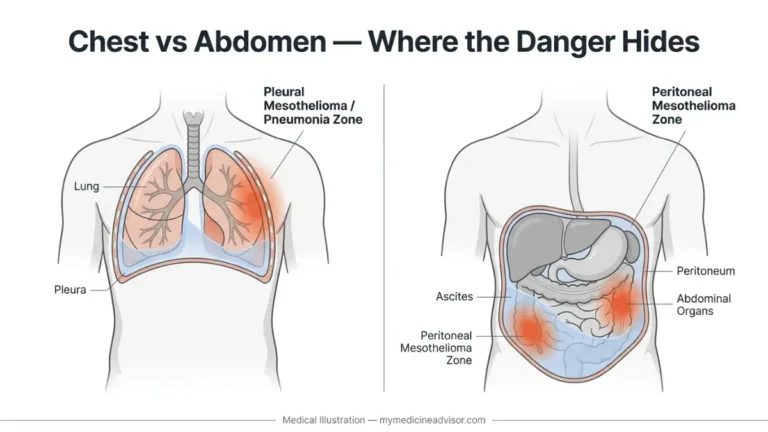
Mesothelioma is a rare, aggressive cancer that develops in the mesothelium — the thin protective lining surrounding the lungs, abdomen, heart, and testicles. It is directly caused by asbestos fiber inhalation or ingestion.
It is classified as a YMYL (Your Money or Your Life) critical diagnosis. Median survival without treatment is approximately 6–12 months. With modern multimodal therapy in 2026, some patients are living 2–5+ years.
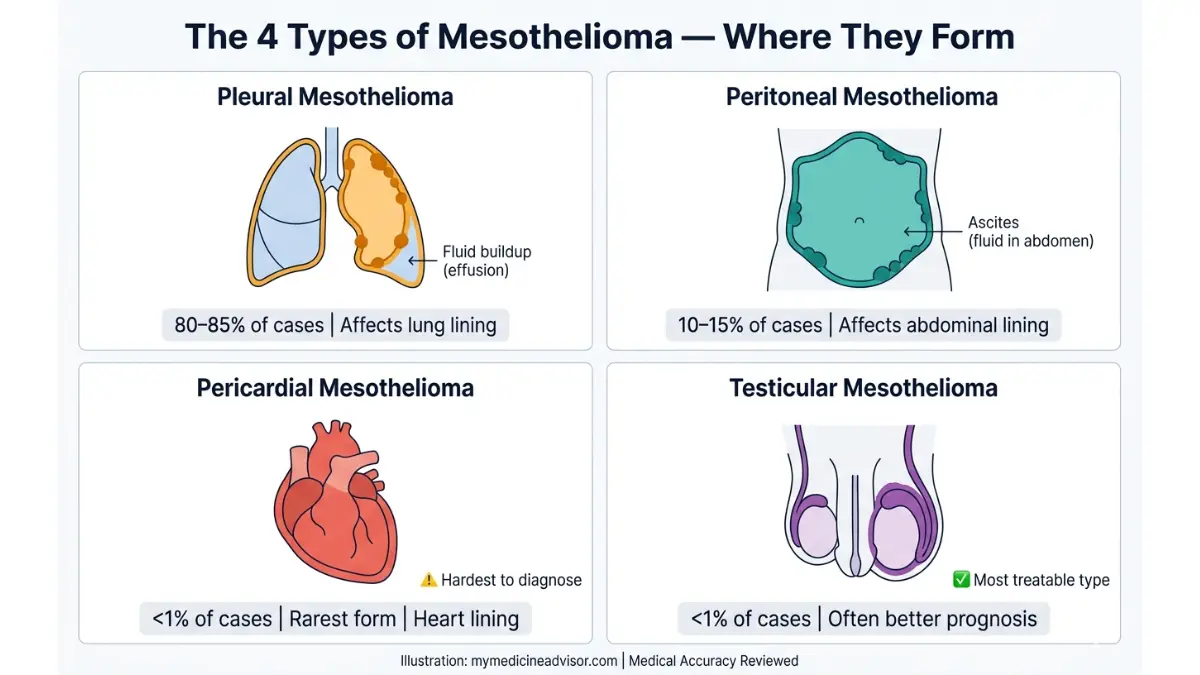
Q2. What are the 4 types of mesothelioma?
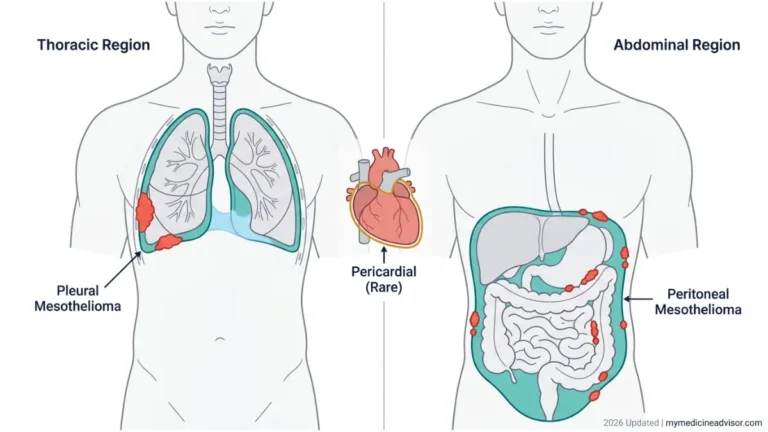
| Type | Location | % of Cases | Median Survival |
|---|---|---|---|
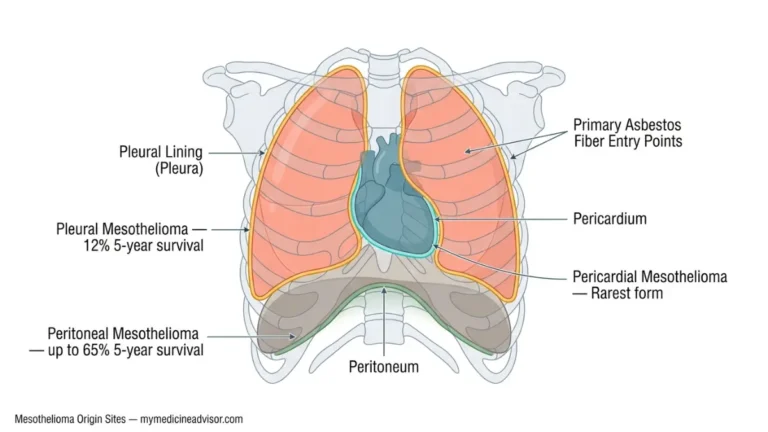
| Pleural | Lung lining (pleura) | 80–85% | 18–31 months |
| Peritoneal | Abdominal lining | 10–15% | 53+ months (with HIPEC) |
| Pericardial | Heart lining | <1% | 6 months |
| Testicular | Testicular lining | <1% | Variable, often favorable |
Key Takeaway: Peritoneal mesothelioma now has the most improved survival outlook in 2026 thanks to HIPEC surgery.
Q3. Is mesothelioma the same as lung cancer?
No — and this confusion delays diagnosis. Lung cancer forms inside lung tissue. Pleural mesothelioma forms in the lining surrounding the lung.
Both can be caused by asbestos, but they respond to different treatments. Misdiagnosing one as the other can cost critical months. Read our full comparison at Mesothelioma vs. Lung Cancer — Critical Differences for a clinical breakdown.
Q4. What is the mesothelium and why does it matter?
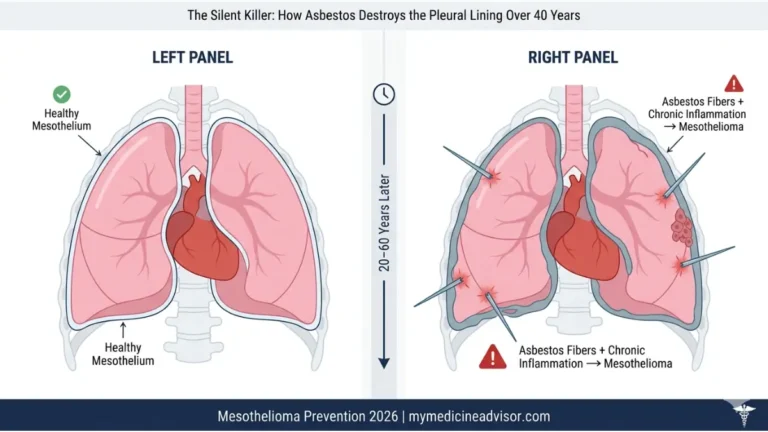
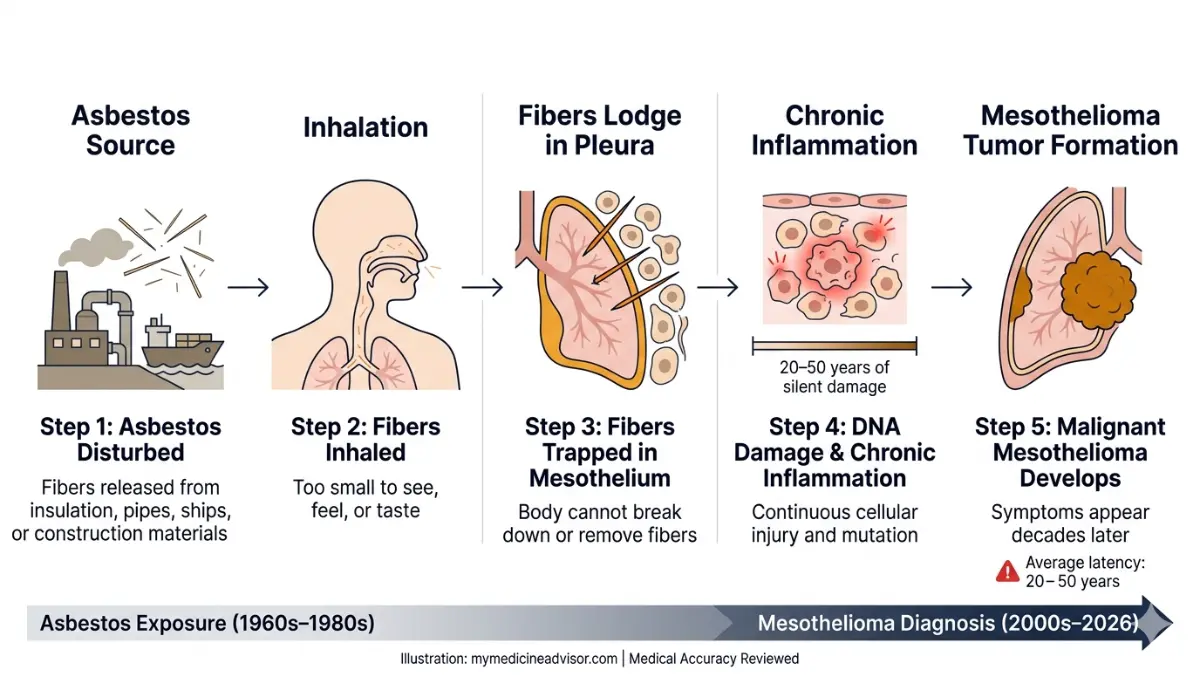
The mesothelium is a double-layered membrane that secretes lubricating fluid, allowing organs to move freely. When asbestos fibers become permanently lodged in this tissue, they trigger chronic inflammation, DNA damage, and eventually malignant tumor growth.
This lining covers the lungs (pleura), abdomen (peritoneum), and heart (pericardium) — which is why mesothelioma can appear in multiple organ systems.
Q5. How rare is mesothelioma — how many cases occur per year?
According to the National Cancer Institute, approximately 3,000 new mesothelioma diagnoses occur in the United States each year. Globally, the number exceeds 30,000 annually.
Despite its rarity, mesothelioma carries disproportionately high mortality because it is almost always diagnosed at an advanced stage.
Q6. Is mesothelioma hereditary or contagious?
Mesothelioma is neither hereditary nor contagious in the traditional sense. However, a mutation in the BAP1 gene can increase susceptibility to mesothelioma following asbestos exposure.
Families sometimes see multiple cases — not because of genetics, but due to secondary asbestos exposure when workers unknowingly brought fibers home on clothing. Use our Genetic Risk Assessment Tool if you have a family history of asbestos-related illness.
Warning Signs, Diagnosis & Staging
Q7. What are the early warning signs of mesothelioma?
Early symptoms are dangerously easy to dismiss. The American Cancer Society notes that most patients wait 3–6 months before seeking care. Don’t.
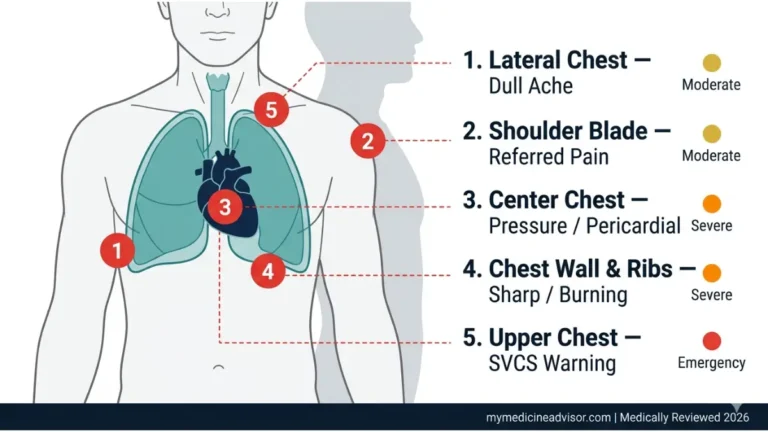
Pleural mesothelioma symptoms:
- Persistent dry cough or wheezing
- Chest pain (especially on one side)
- Shortness of breath — even at rest
- Unexplained fatigue
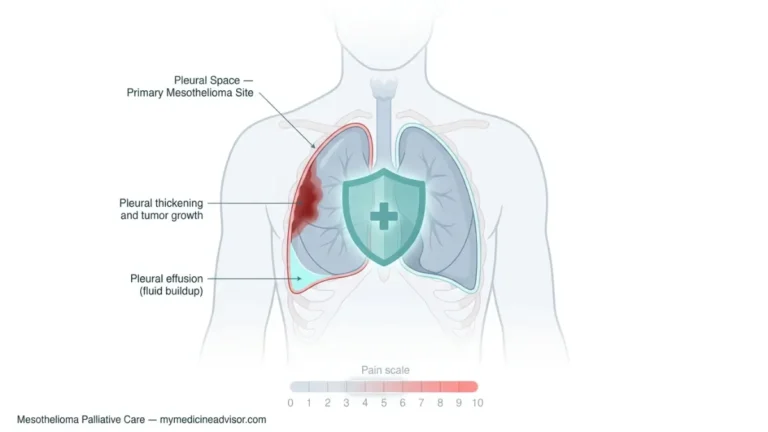
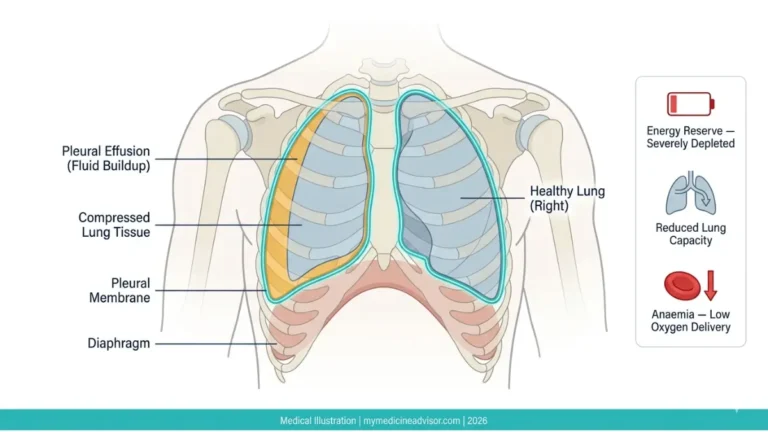
- Fluid buildup around the lungs (pleural effusion)
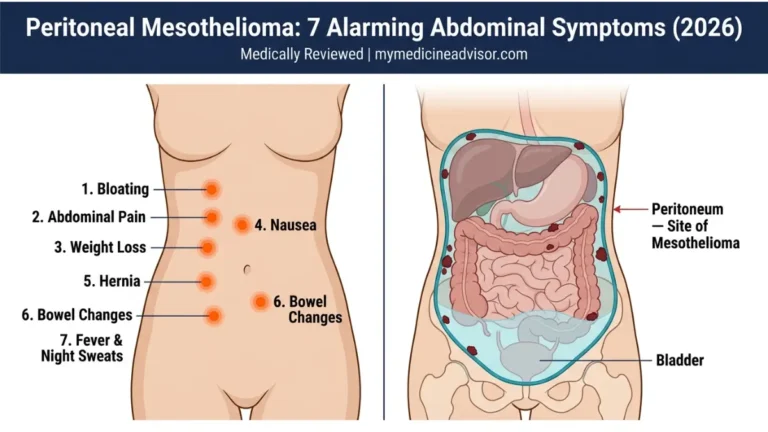
Peritoneal mesothelioma symptoms:
- Abdominal swelling or pain
- Nausea and unexplained weight loss
- Bowel changes or obstruction
Track any new or worsening symptoms using our free Symptom Checker and bring a log to your doctor. For a deeper clinical breakdown, see Mesothelioma Symptoms: Deadly Signs You Must Not Ignore.
Q8. Why does mesothelioma take decades to appear?
Mesothelioma has one of the longest latency periods of any cancer — typically 20 to 50 years between asbestos exposure and diagnosis. This is because asbestos fibers cause slow, progressive cellular damage.
Most patients diagnosed today were exposed to asbestos in the 1960s–1980s, before workplace safety regulations were enforced. The CDC’s occupational health data confirms the latency period is a primary reason for late-stage diagnoses.
Q9. How is mesothelioma diagnosed in 2026?
Diagnosis requires multiple steps. No single test is sufficient:
- Imaging — CT scan, PET scan, or chest X-ray to detect fluid or masses
- Blood tests — Mesomark (soluble mesothelin) and fibulin-3 biomarkers can signal risk
- Biopsy — The only definitive confirmation. Tissue or fluid samples are analyzed under microscopy
See the complete 2026 diagnostic process at Mesothelioma Diagnosis: Critical Tests Explained.
🔴 Critical Fact: Imaging alone cannot confirm mesothelioma. If your doctor suspects it, demand a biopsy referral — not a “wait and watch” approach.
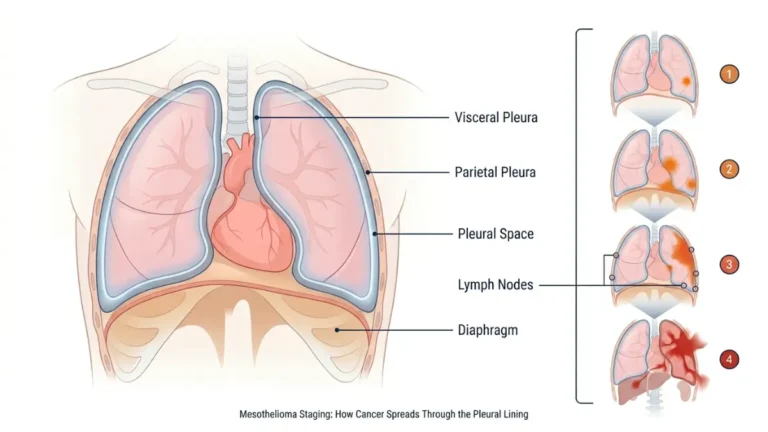
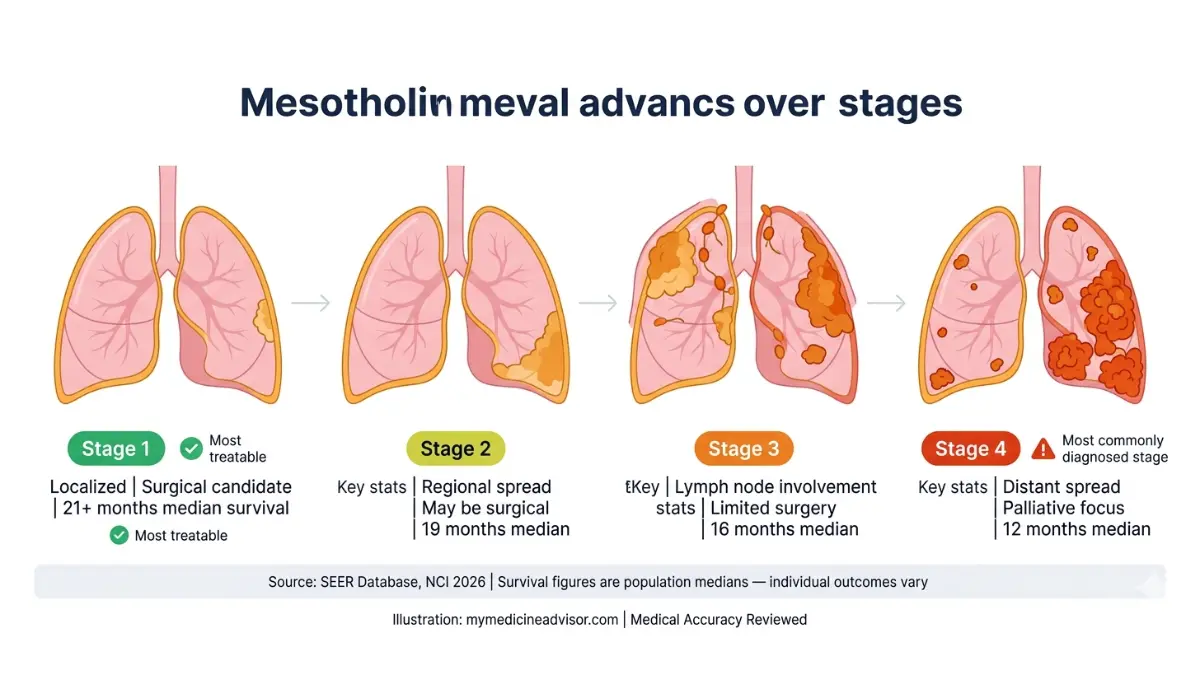
Q10. What are the 4 stages of pleural mesothelioma?
| Stage | Tumor Status | Lymph Nodes | Median Survival |
|---|---|---|---|
| Stage 1 | Localized to pleura | Not involved | 21+ months |
| Stage 2 | Spread to nearby tissues | Possibly involved | 19 months |
| Stage 3 | Regional spread | Involved | 16 months |
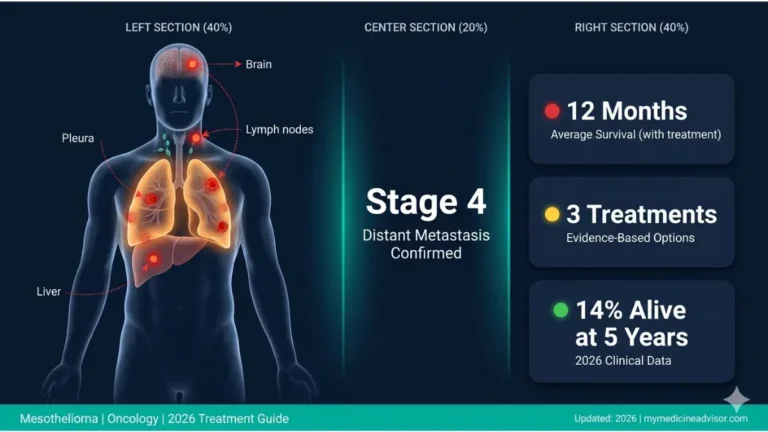
| Stage 4 | Distant metastasis | Spread | 12 months |
For stage-specific treatment strategies, visit Mesothelioma Stages: Complete Survival Guide 2026.
Q11. What is the only test that definitively confirms mesothelioma?
A tissue biopsy — specifically immunohistochemistry analysis — is the only way to officially confirm malignant mesothelioma. Fluid biopsies (thoracentesis) are less definitive but useful for symptom relief.
Pathologists look for specific markers including calretinin, WT-1, and mesothelin to differentiate mesothelioma from lung adenocarcinoma.
Q12. Can mesothelioma be caught early — and does it change outcomes?
Yes — and it matters enormously. Stage 1 mesothelioma patients have a median survival of 21+ months versus approximately 12 months at Stage 4. Early detection enables surgery-eligible patients to pursue curative-intent procedures.
Who should seek proactive screening? Anyone who:
- Worked in shipbuilding, construction, or insulation before 1985
- Has a first-degree relative with an asbestos-related illness
- Has the BAP1 gene mutation confirmed by genetic testing
Causes, Risk Factors & Who Is Most Vulnerable
Q13. What causes mesothelioma — is asbestos the only cause?
Asbestos exposure is the primary and dominant cause, responsible for approximately 80% of all mesothelioma cases. Other investigated risk factors include:
- Erionite (a naturally occurring silicate mineral found in parts of Turkey and the US Southwest)
- Radiation therapy to the chest (rare secondary cause)
- Simian Virus 40 (SV40) — still under investigation
- BAP1 gene mutation — increases cancer susceptibility
Learn how asbestos triggers mesothelioma at the cellular level in Mesothelioma Causes: The Asbestos Link Explained.
Q14. What jobs put workers most at risk for mesothelioma?
| High-Risk Occupation | Primary Exposure Era | Risk Level |
|---|---|---|
| Navy veterans / shipyard workers | 1940s–1980s | ⬛⬛⬛⬛⬛ Very High |
| Insulation installers | 1950s–1980s | ⬛⬛⬛⬛⬛ Very High |
| Construction workers | 1960s–1990s | ⬛⬛⬛⬛ High |
| Pipefitters and plumbers | 1950s–1980s | ⬛⬛⬛⬛ High |
| Auto mechanics (brake pads) | 1970s–1990s | ⬛⬛⬛ Moderate |
| Teachers in pre-1980 buildings | 1960s–1980s | ⬛⬛ Lower |
OSHA’s current asbestos exposure standards now limit permissible exposure levels — but millions of Americans worked under no such protections for decades.
Q15. Can you get mesothelioma from secondary asbestos exposure?
Yes — and it’s tragically underrecognized. Secondary (para-occupational) exposure occurs when workers unknowingly carry asbestos fibers home on their clothes, skin, or hair.
Spouses and children who laundered work clothing or simply lived in close contact are at documented risk. The American Lung Association has documented female mesothelioma cases almost entirely linked to household secondary exposure.
Q16. Why are veterans disproportionately affected by mesothelioma?
U.S. military veterans account for approximately 30% of all mesothelioma diagnoses in the United States — the single largest affected group. The Navy used asbestos extensively in ship insulation, engine rooms, and boiler systems from the 1940s through the 1980s.
Army and Air Force veterans were exposed in barracks, vehicle repair, and aircraft construction. VA disability benefits are available for eligible veterans — full details at Veterans Mesothelioma: VA Claims & Benefits Guide.
Q17. Does the BAP1 gene mutation increase mesothelioma risk?
Yes. The BAP1 tumor suppressor gene mutation is the most clinically significant genetic risk factor identified to date. Individuals with a germline BAP1 mutation face a significantly elevated lifetime risk of developing mesothelioma after asbestos exposure.
Paradoxically, BAP1-mutated mesotheliomas often have a better prognosis than sporadic cases — this is an active area of 2026 research at institutions including Memorial Sloan Kettering.
Q18. Is there a safe level of asbestos exposure?
No. According to the EPA and OSHA, there is no established safe threshold for asbestos exposure. Even brief, incidental contact carries measurable risk, though risk rises significantly with duration and concentration.
The EPA banned most new uses of asbestos in the United States — but millions of existing buildings still contain it.
Treatment Options & 2026 Breakthroughs
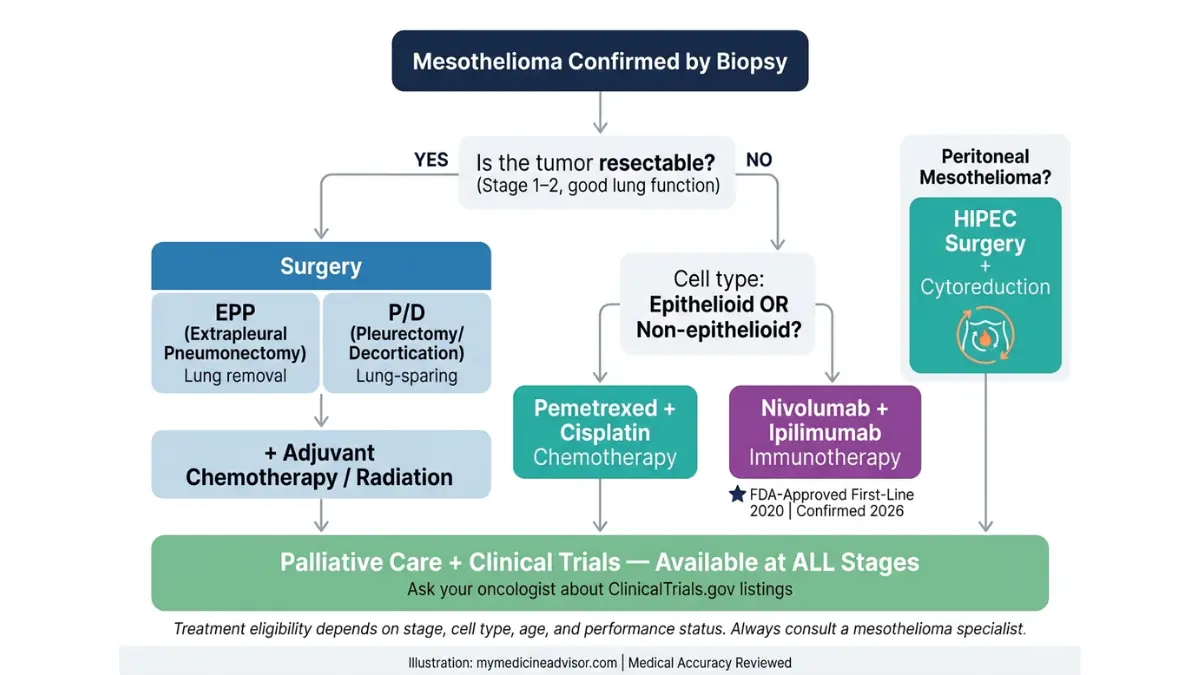
Q19. What are the main treatment options for mesothelioma?
| Treatment | Goal | Best For | 2026 Status |
|---|---|---|---|
| Surgery (EPP / P/D) | Curative intent | Stage 1–2, fit patients | Standard of care |
| Chemotherapy (Pemetrexed + Cisplatin) | Tumor control | Most stages | First-line if not immunotherapy |
| Immunotherapy (Nivolumab + Ipilimumab) | Immune activation | Unresectable pleural | FDA-approved first-line (2020, confirmed 2026) |
| Radiation Therapy | Local control | Post-surgical, palliative | Adjuvant use |
| HIPEC | Curative peritoneal | Peritoneal mesothelioma | Leading peritoneal standard |
For a complete 2026 treatment breakdown, see Mesothelioma Treatment Options: What Doctors Recommend.
Q20. Is surgery an option for all mesothelioma patients?
No — only approximately 20–30% of mesothelioma patients are surgical candidates. Eligibility depends on:
- Disease stage (Stage 1–2 most suitable)
- Cell type (epithelioid responds best)
- Patient lung function and cardiovascular health
- Absence of distant metastasis
The two primary surgeries are EPP (extrapleural pneumonectomy — lung removal) and P/D (pleurectomy/decortication — lung-sparing). Read the surgical comparison at Mesothelioma Surgery: EPP vs. P/D.
Q21. How has immunotherapy changed mesothelioma treatment in 2026?
This is the most significant development in mesothelioma treatment in a decade. The CheckMate 743 trial established nivolumab + ipilimumab (dual checkpoint inhibition) as a first-line FDA-approved option for unresectable pleural mesothelioma — delivering a median overall survival of 18.1 months versus 14.1 months for chemotherapy alone.
Patients with non-epithelioid (sarcomatoid or biphasic) cell types saw the greatest relative benefit. See the full immunotherapy clinical profile at Mesothelioma Immunotherapy: Nivolumab Guide 2026.
✅ What This Means For You: Before starting chemotherapy alone, ask your oncologist: “Am I a candidate for nivolumab + ipilimumab as first-line treatment?” The NIH’s PubMed CheckMate 743 study data confirms this is now a validated first-line option.
Q22. What is HIPEC and who does it help?
HIPEC (Hyperthermic Intraperitoneal Chemotherapy) is a surgical procedure used for peritoneal mesothelioma. After removing visible tumors, heated chemotherapy is circulated directly within the abdomen for 60–90 minutes.
Peritoneal mesothelioma patients who undergo cytoreductive surgery + HIPEC now achieve median survival rates exceeding 53 months — a dramatic improvement. The Moffitt Cancer Center is among the leading US centers performing this procedure.
Q23. Are there mesothelioma clinical trials available in 2026?
Yes — and they represent real hope. Active 2026 trials include:
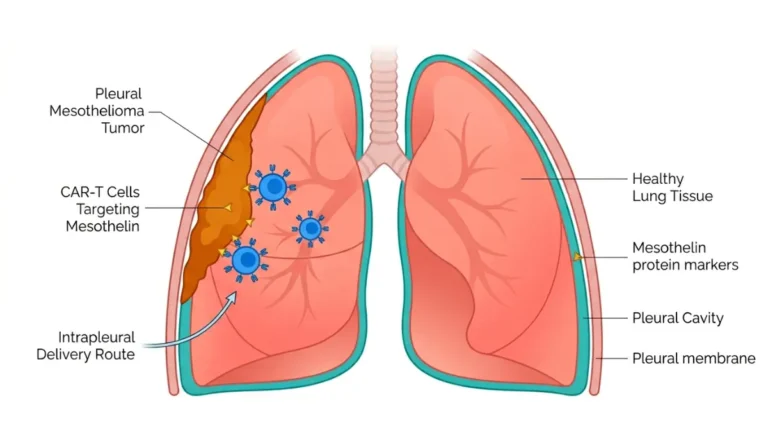
- CAR-T cell therapy targeting mesothelin-expressing tumors
- Pembrolizumab combinations with standard chemotherapy
- Tumor-treating fields (TTFields) with chemotherapy
- Oncolytic virus therapy — Phase I/II trials ongoing
Search active trials at ClinicalTrials.gov mesothelioma listings — filter by your state and stage. Our full 2026 guide is at Mesothelioma Clinical Trials 2026.
Q24. What are the side effects of mesothelioma treatment?
Chemotherapy (pemetrexed + cisplatin): Fatigue, nausea, low blood counts, kidney strain, mouth sores
Immunotherapy (nivolumab + ipilimumab): Immune-related adverse events — colitis, hepatitis, thyroid dysfunction, skin rash (less fatigue than chemo)
Surgery: Pain, reduced lung function, infection risk, extended recovery (6–12 weeks)
Radiation: Skin irritation, fatigue, esophageal inflammation if chest-targeted
Most side effects are manageable with supportive care. Discuss a palliative care co-management plan with your oncologist from day one — not just in end-stage.
Prognosis, Survival & Living With Mesothelioma
Q25. What is the life expectancy for mesothelioma in 2026?
| Type | 1-Year Survival | 3-Year Survival | 5-Year Survival |
|---|---|---|---|
| Pleural (all stages) | 73% | 23% | 12% |
| Peritoneal (surgery-eligible) | 92% | 74% | 52% |
| Pericardial | ~50% | Rare | <5% |
These figures are population averages from SEER data via the National Cancer Institute. Individual outcomes vary widely by stage, cell type, and treatment access. For a full breakdown, see Mesothelioma Prognosis & Survival Rates 2026.
Q26. Has anyone survived long-term with mesothelioma?
Yes — and this is critically important for newly diagnosed patients to know.
Paul Kraus of Australia was diagnosed with peritoneal mesothelioma in 1997 and is alive in 2026 — over 27 years post-diagnosis, making him arguably the world’s longest-surviving documented mesothelioma patient. He has written extensively about dietary intervention, mind-body approaches, and refusing conventional treatment in favor of integrative methods.
Importantly, survival outliers exist across all types. Heather Von St. James, diagnosed at age 36 with pleural mesothelioma in 2005, celebrated her 19th cancer-free anniversary in 2024 following EPP surgery at Boston’s Brigham and Women’s Hospital.
These are not anomalies for hope — they are documented data points that reflect how treatment access and biological factors can dramatically alter outcomes.
Q27. What support resources exist for patients and caregivers?
For patients:
- Cancer.net mesothelioma support resources — ASCO’s patient-facing oncology guide
- Mesothelioma Applied Research Foundation (MARF) — patient advocacy
- American Cancer Society 24/7 helpline: 1-800-227-2345
For caregivers: Caregiver exhaustion is real and clinically documented. If you are managing a loved one’s mesothelioma journey, prioritize your own sleep health — chronic caregiver sleep deprivation worsens decision-making and immune function. Use our Sleep Calculator to ensure you are protecting your own recovery windows.
💛 Caregiver Truth: “You cannot pour from an empty vessel. Your health is not selfish — it is strategic.”
Legal Rights, Financial Compensation & Next Steps
Q28. Can mesothelioma patients file for financial compensation?
Yes — and most families are unaware of how many channels are available:
- Personal injury lawsuits against asbestos manufacturers
- Wrongful death claims filed by surviving family members
- Asbestos trust funds — over $30 billion remains available across 60+ active funds
- VA disability compensation for eligible veterans
- Workers’ compensation depending on state and employer history
- Social Security Disability Insurance (SSDI) — mesothelioma qualifies for expedited processing
Full eligibility breakdown at Mesothelioma Financial Aid & Benefits 2026.
Q29. How much is a mesothelioma settlement or trust fund claim worth?
| Compensation Type | Average Amount (2026) |
|---|---|
| Personal injury lawsuit settlement | $1 million – $1.4 million |
| Trial verdict (if won) | $2.4 million+ |
| Asbestos trust fund claim | $100,000 – $300,000 per fund |
| VA disability (monthly) | $3,800 – $4,200/month (100% rating) |
| Wrongful death settlement | $1 million – $2.5 million |
Settlement data is sourced from RAND Corporation and Mealey’s Litigation Reports. See real payout data in Mesothelioma Settlements & Payouts 2026.
Important: Statutes of limitations vary by state — typically 1–3 years from diagnosis. Contact a mesothelioma attorney immediately after diagnosis to protect your rights.
Q30. What are the first critical steps after a mesothelioma diagnosis?
Act within the first 2 weeks:
- ✅ Get a second opinion from a mesothelioma specialist (not a general oncologist)
- ✅ Document your full asbestos exposure history — every job, location, and decade
- ✅ Request all pathology reports — cell type determines treatment eligibility
- ✅ Contact a mesothelioma attorney — free consultations, no upfront cost
- ✅ Check VA eligibility if you or a loved one served in the military
- ✅ Explore clinical trial options via ClinicalTrials.gov
- ✅ Connect with a palliative care team from day one — not just end stage
The most dangerous step is waiting. Early specialist engagement is the single most impactful decision a newly diagnosed patient can make.
Rapid-Fire Mesothelioma FAQs
1: Is mesothelioma always fatal?
Not always, but it is currently incurable. Some patients — particularly peritoneal cases — achieve long-term remission with aggressive treatment. Survival is not guaranteed, but it is possible.
2: Can mesothelioma go into remission?
Yes, documented cases of partial and complete remission exist, especially in peritoneal mesothelioma treated with HIPEC. Remission is rare but clinically confirmed.
3: What is the most common type of mesothelioma?
Pleural mesothelioma accounts for 80–85% of all diagnoses, forming in the lining surrounding the lungs.
4: Does smoking cause mesothelioma?
No. Smoking does not cause mesothelioma. However, smoking combined with asbestos exposure dramatically increases lung cancer risk. Mesothelioma risk comes from asbestos alone.
5: How long after asbestos exposure does mesothelioma develop?
Typically 20–50 years. Most patients diagnosed today were exposed between the 1960s and 1980s.
6: Is mesothelioma painful?
It can be, particularly in advanced stages. Chest pain, abdominal pain, and nerve compression are common. Modern palliative care effectively manages most mesothelioma pain.
7: Can women get mesothelioma?
Yes. While men account for ~80% of cases due to historical occupational exposure patterns, women develop mesothelioma — often from secondary household asbestos exposure.
8: What is biphasic mesothelioma?
Biphasic mesothelioma contains both epithelioid and sarcomatoid cells. Prognosis depends on the ratio — more epithelioid cells generally means better outcomes.
9: Is mesothelioma covered by Medicare or Medicaid?
Yes. Medicare Part A and B cover inpatient hospitalization, chemotherapy, and immunotherapy. Medicaid covers qualifying low-income patients. VA coverage is separate and comprehensive for eligible veterans.
10: Can a biopsy spread mesothelioma?
Needle tract seeding is a rare but documented risk — occurring in approximately 2–5% of cases. Surgeons typically irradiate biopsy sites post-procedure to minimize this risk.
11: What is the difference between asbestosis and mesothelioma?
Asbestosis is a chronic, non-cancerous fibrotic lung disease caused by asbestos. Mesothelioma is malignant cancer. Both are caused by asbestos exposure, but they are entirely different conditions. Learn more at Asbestosis: Symptoms & Deadly Delay.
🔴 If you or a loved one has recently received a mesothelioma diagnosis, do not navigate this alone. Visit mymedicineadvisor.com for our full mesothelioma resource cluster — built specifically for patients, families, and caregivers seeking real answers in 2026.
Medical disclaimer
The content on MyMedicineAdvisor is provided for general informational and educational purposes only and is not a substitute for professional medical advice, diagnosis, or treatment. Health information on this website should not be used to diagnose, treat, cure, or prevent any condition without guidance from a qualified healthcare professional. Always seek the advice of your doctor, physician, or another licensed healthcare provider with any questions you may have regarding a medical condition, symptoms, medications, or treatment decisions.