On This Page – Quick Medical Summary
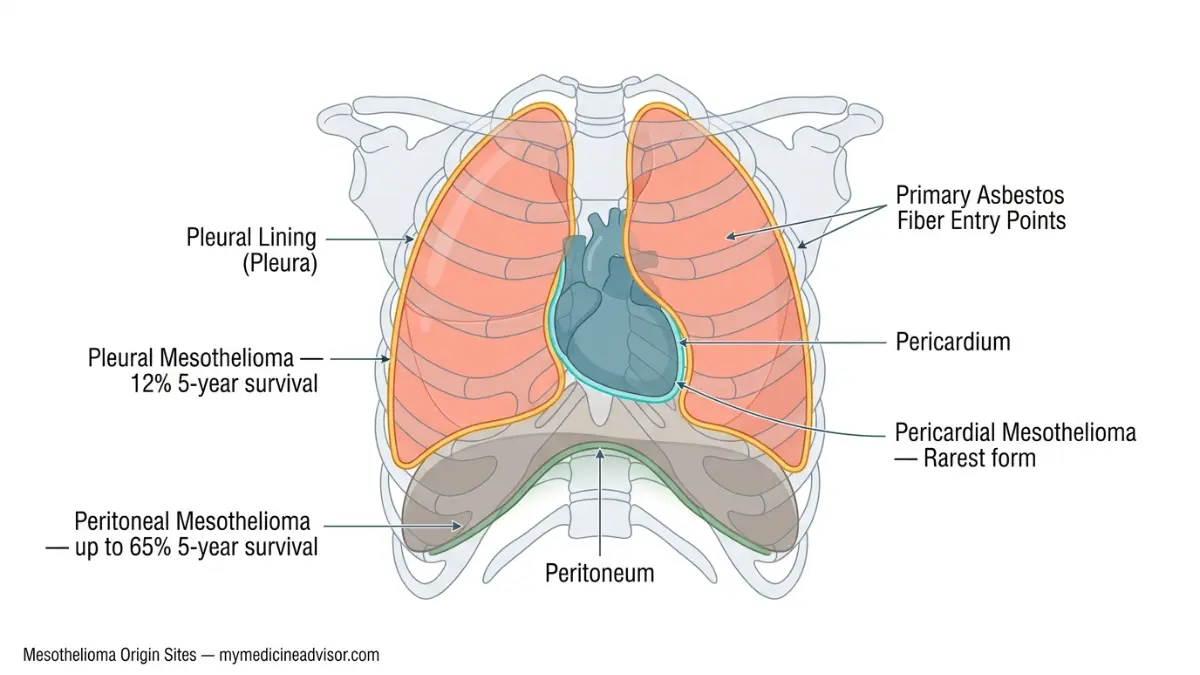
Mesothelioma prognosis describes what a patient can expect from their cancer — including survival time and quality of life. According to NCI SEER data, only 12% of patients survive 5 years after diagnosis. But that number is rising — and 2026 treatments are changing the ceiling faster than most patients know.
This guide breaks down every survival rate by type, stage, and treatment — plus what doctors actually use to calculate your personal prognosis.
If you’re already experiencing unexplained symptoms, use our Symptom Checker to document them before your next appointment.
What Is Mesothelioma Prognosis — And How Do Doctors Actually Calculate It?
A diagnosis confirms you have cancer. A prognosis estimates what happens next.
| Term | What It Measures | When It’s Given |
|---|---|---|
| Diagnosis | Type, location, and cell composition of cancer | At biopsy confirmation |
| Prognosis | Expected survival time and quality of life | After staging is complete |
| Life Expectancy | Months/years estimated for your case | Ongoing — updates with treatment |
| Survival Rate | % of patients alive at 1, 3, or 5 years | Population-based estimate |
The 5 Tools Oncologists Use to Estimate Mesothelioma Survival
Doctors don’t guess your prognosis. They run it through a multi-factor clinical framework:
- SEER Database (NCI) — Population-level survival statistics tracked across thousands of diagnosed cases
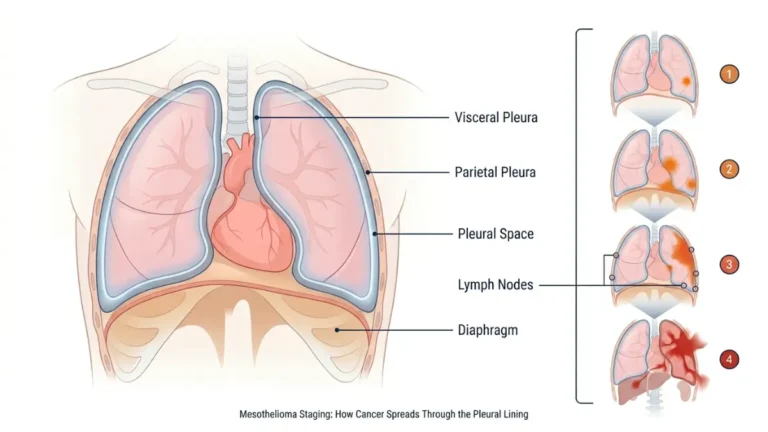
- TNM Staging System — Tumor size, lymph node involvement, and metastasis distance
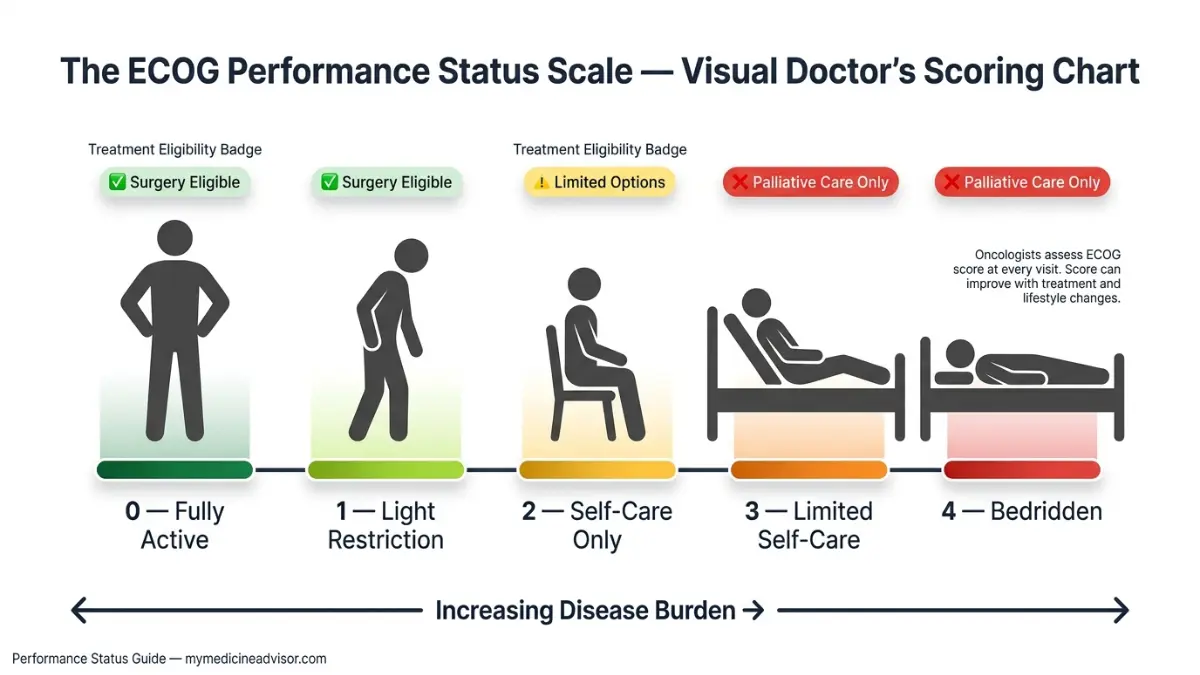
- ECOG Performance Status (0–4) — Your functional capacity score; a score of 0–1 qualifies you for aggressive surgery, while 3–4 limits you to palliative care only
- Histological Cell Typing — Biopsy analysis determines whether your tumor is epithelioid, sarcomatoid, or biphasic — the single most powerful survival predictor after stage
- BAP1 Biomarker Testing — According to Moffitt Cancer Center, patients with a BAP1 tumor mutation have a median survival of 5 years compared to under 1 year in patients without it
📌 What This Means For You: Ask your oncologist for your ECOG score and request BAP1 biomarker testing. These two results alone can dramatically change your treatment eligibility and survival estimate. You can also use our Genetic Risk Assessment Tool to document your exposure and genetic risk history before your specialist consultation.
The Real Mesothelioma Survival Rate Numbers (2026 SEER Data)
These figures come directly from the American Cancer Society and NCI SEER program, updated February 2026.
Survival Rate by Mesothelioma Type
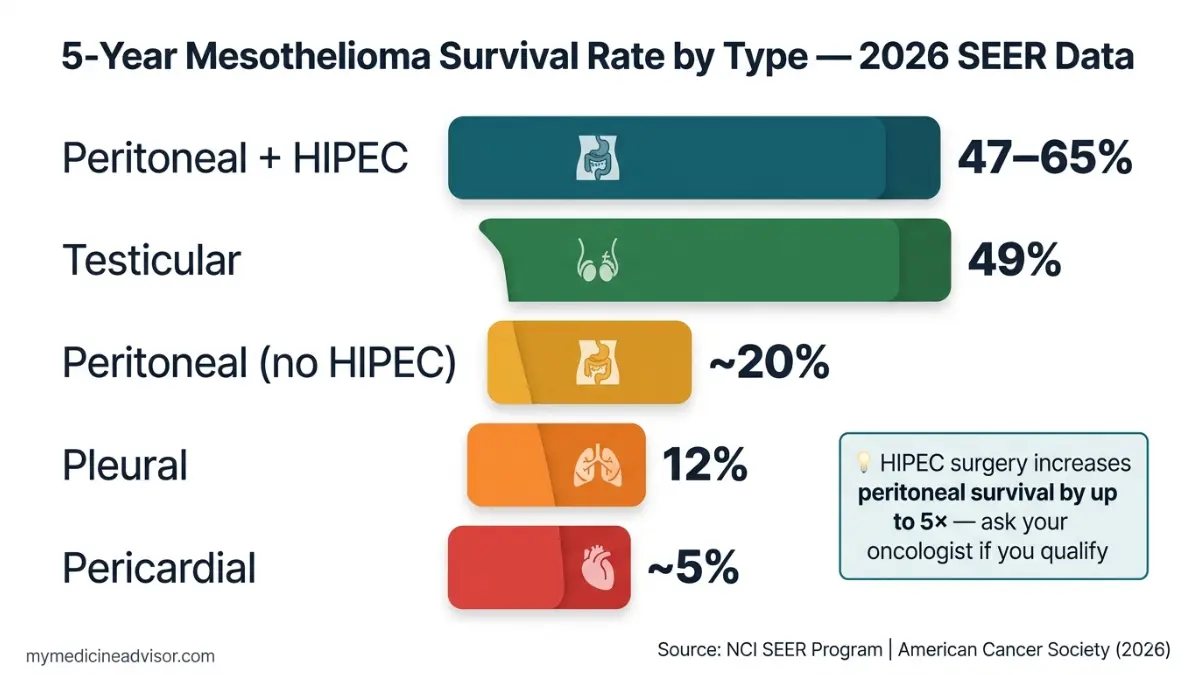
| Type | 1-Year | 3-Year | 5-Year | Avg Life Expectancy |
|---|---|---|---|---|
| Pleural | 73% | ~30% | 12% | 12–21 months |
| Peritoneal (no HIPEC) | ~50% | ~30% | ~20% | 12–20 months |
| Peritoneal (with HIPEC) | 92% | ~65% | 47–65% | 53+ months |
| Pericardial | Low | Very Low | ~5% | ~6 months |
| Testicular | Moderate | ~35% | 49% | 26–36 months |
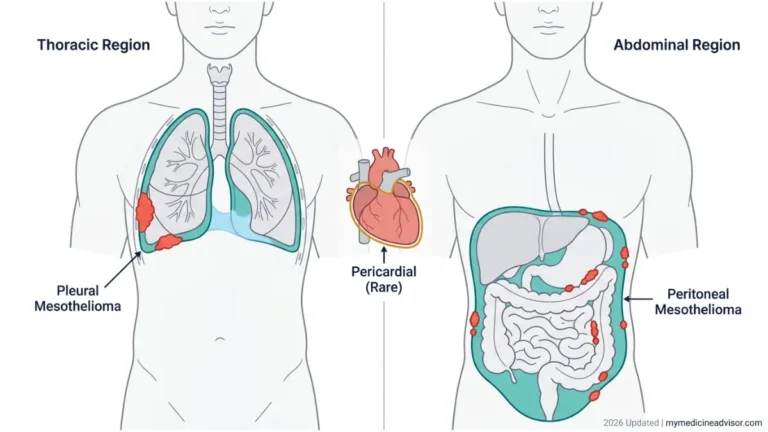
Peritoneal mesothelioma patients treated with HIPEC surgery have a five-year survival rate nearly five times higher than pleural mesothelioma patients. Location is not destiny — but it is a major variable. For a deeper breakdown by type, read our guide on peritoneal mesothelioma survival.
Survival Rate by Stage — Pleural Mesothelioma
| Stage | Median Survival | 5-Year Rate | Surgery Eligible? |
|---|---|---|---|
| Stage 1 | 21 months | 16% | ✅ Yes — best outcomes |
| Stage 2 | 19 months | 13% | ✅ Often yes |
| Stage 3 | 16 months | 11% | ⚠️ Rarely |
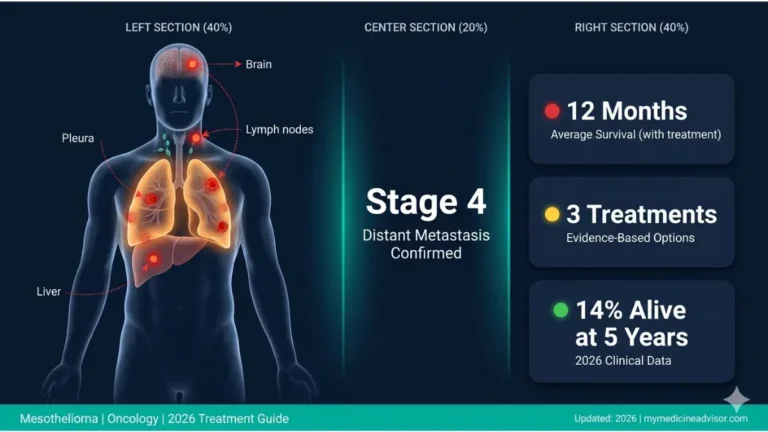
| Stage 4 | 12 months | 4–7% | ❌ Systemic therapy only |
Early diagnosis matters — Stage 1 patients have nearly double the median survival of Stage 4 patients. For the full staging breakdown, see our mesothelioma stages and survival guide.
Treatment vs. No Treatment — The Survival Gap
This table is what every patient needs to see before making any treatment decision:
| Scenario | Average Survival |
|---|---|
| No treatment | 4–6 months |
| Chemotherapy only | ~14 months |
| Surgery alone | ~19.8 months |
| Multimodal (surgery + chemo + immunotherapy) | 24–90 months |
📌 What This Means For You: Patients who pursue multimodal treatment can live up to 15× longer than those who receive no treatment. Every week of delay reduces surgical eligibility. Act fast.
8 Factors That Brutally Affect Your Mesothelioma Prognosis
According to Cancer.Net (ASCO), mesothelioma prognosis is shaped by a combination of clinical and biological factors — not just one number.
1. Cancer Stage at Diagnosis
Stage 1 patients have a median survival of 21 months; Stage 4 patients average just 12 months. Early diagnosis is the single greatest survival lever available.
2. Cell Type (Histology)
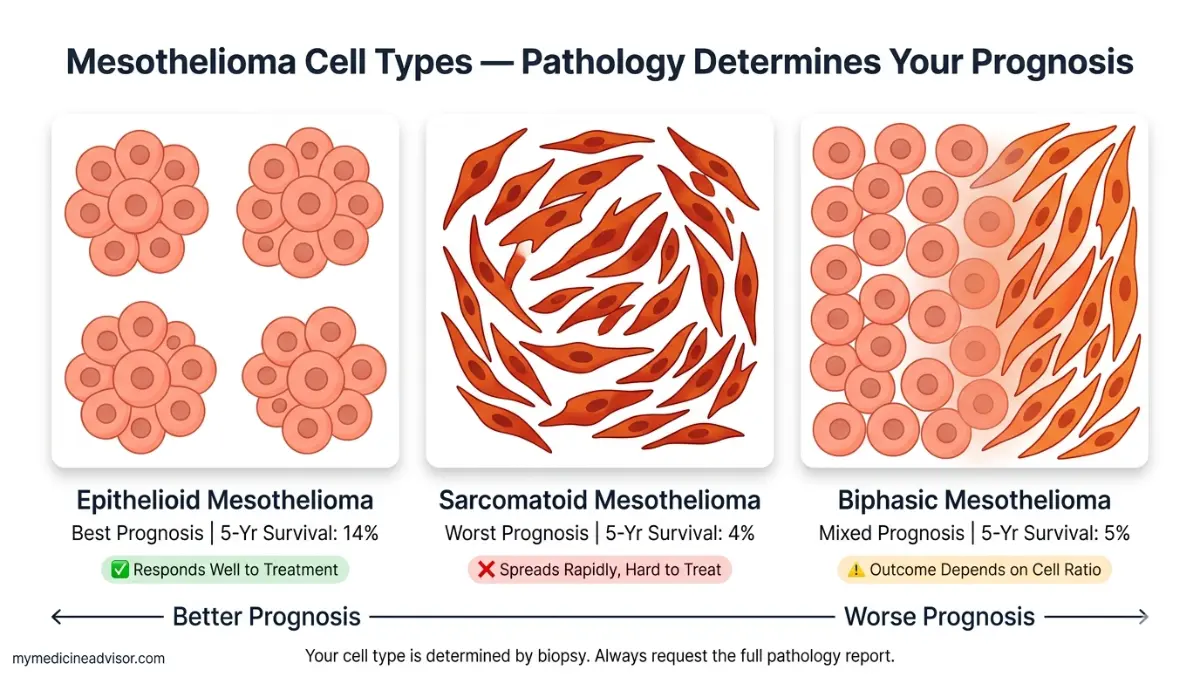
- Epithelioid: Best prognosis — 5-year survival rate of 14%, spreads slowly, responds to treatment
- Sarcomatoid: Worst prognosis — 5-year survival of only 4%, spreads aggressively, poor treatment response
- Biphasic: Middle ground — 5-year rate of 5%; outcome depends on which cell type dominates the tumor
Always request the full pathology report from your biopsy. Your cell type alone can mean the difference between 8 months and 24+ months median survival.
3. Tumor Location
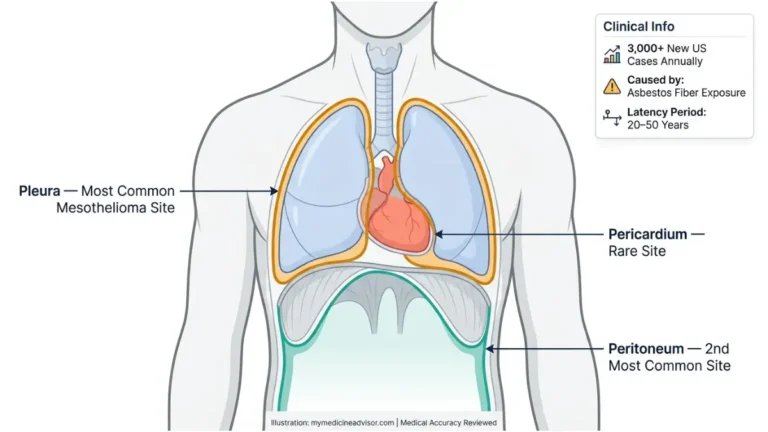
Peritoneal mesothelioma has a 5-year survival of 47–65% with HIPEC. Pleural mesothelioma sits at 12%. This is the widest survival gap in the entire disease.
4. Age at Diagnosis
Patients under 50 qualify for more aggressive treatments and tolerate surgery better. Patients over 65 face higher ECOG scores and fewer treatment options — though immunotherapy is changing this.
5. Gender
Women consistently outlive men across all stages of mesothelioma, even after controlling for age and treatment type. Hormonal factors and differences in tumor biology are the leading explanations.
6. BAP1 Mutation Status
As highlighted by Moffitt Cancer Center, patients whose tumors carry a BAP1 mutation have a median survival of 5 years compared to under 12 months in patients without it. This biomarker test is not routinely ordered — you must request it.
7. Misdiagnosis Delay
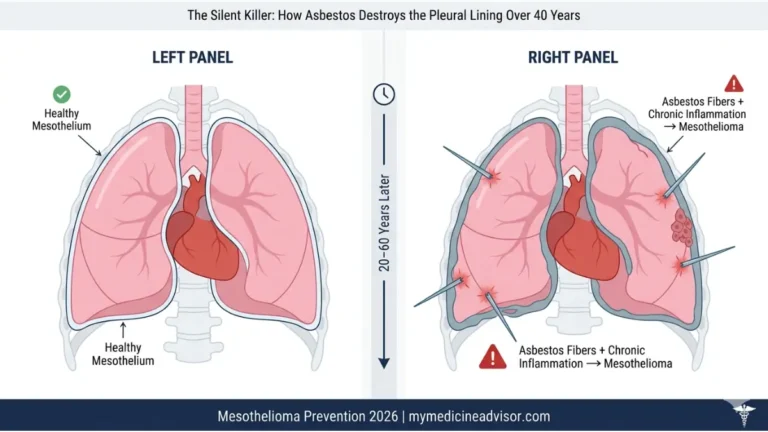
Mesothelioma has a 20–50 year asbestos latency period, and symptoms frequently mimic pneumonia, COPD, or heart disease. The average patient waits 3–6 months from first symptoms to correct diagnosis — a window that can cost surgical eligibility. Learn more about asbestos exposure and mesothelioma risk.
8. Overall Health (ECOG Performance Status)
- Score 0–1: Fully active or limited strenuous activity — eligible for aggressive multimodal treatment
- Score 2: Ambulatory, self-care capable — limited surgical candidacy
- Score 3–4: Limited self-care or bedridden — palliative care is the primary option
📌 What This Means For You: Your ECOG score is calculated at every oncology visit. Improving your physical fitness and nutrition before treatment can actually shift your score — and your treatment options.
How 2026 Treatments Are Rewriting Mesothelioma Survival Odds
The mesothelioma prognosis landscape has changed more in the last three years than in the previous two decades. Here’s what the data actually shows.
Immunotherapy Breakthrough: CheckMate 743 Results
The landmark CheckMate 743 trial, published in the New England Journal of Medicine, changed the treatment standard for unresectable pleural mesothelioma. Results showed:
- Nivolumab + Ipilimumab: 23% of patients alive at 3 years vs. only 15% on standard chemotherapy
- Median overall survival: 18.1 months vs. 14.1 months on chemo alone
- Epithelioid subgroup: Strongest responders
You can explore full immunotherapy details in our dedicated guide to mesothelioma immunotherapy and nivolumab.
Keytruda (Pembrolizumab) combined with chemotherapy — approved following 2024–2025 trials — has also shown meaningful survival improvements for patients with advanced malignant mesothelioma. Check current trial eligibility at ClinicalTrials.gov.
HIPEC for Peritoneal Mesothelioma: The Game-Changer
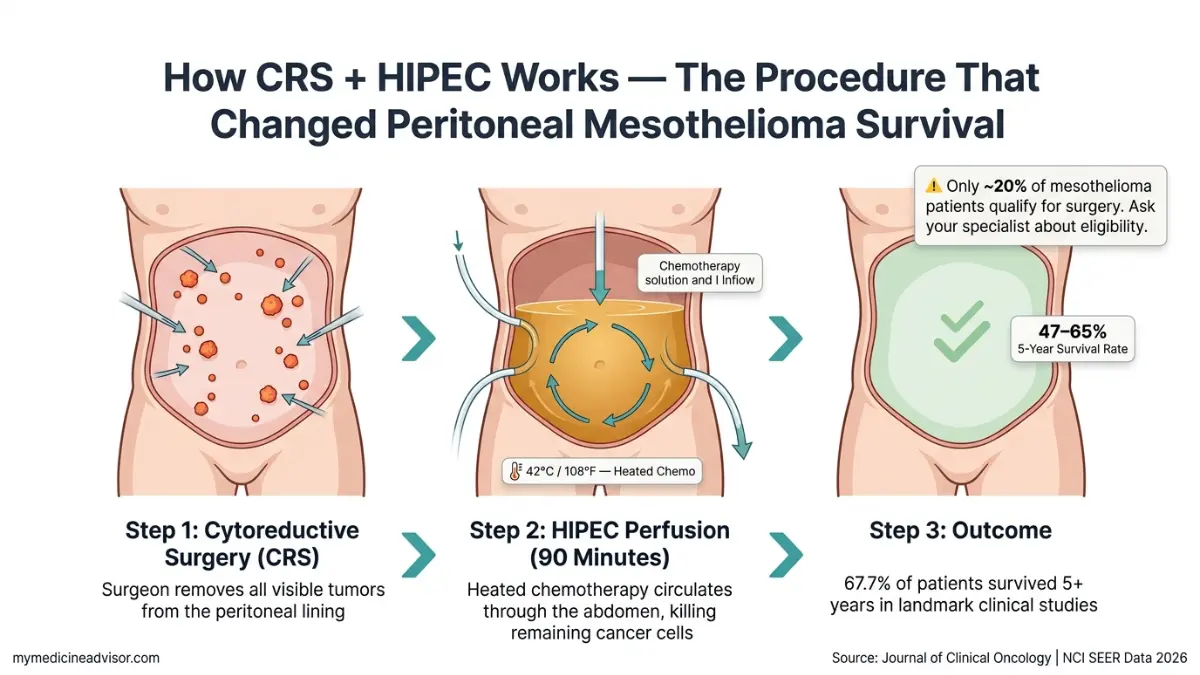
Cytoreductive Surgery (CRS) combined with Hyperthermic Intraperitoneal Chemotherapy (HIPEC) has transformed peritoneal mesothelioma outcomes:
- 5-year survival: 47–65% for HIPEC-eligible patients
- One landmark study reported 67.7% of peritoneal patients survived 5+ years after CRS + HIPEC
- Without surgery, peritoneal survival drops to under 6 months
- Only approximately 20% of all mesothelioma patients qualify for surgical intervention
For a direct comparison of surgical approaches, read our guide to mesothelioma surgery: EPP vs P/D.
Trimodal Therapy — The Highest Survival Ceiling
When surgery, chemotherapy, and radiation are combined for selected Stage I–II epithelioid patients:
- Median survival: 20–29 months
- Selected patients: Some exceeded 5 years
- Best candidates: Under 65, ECOG 0–1, epithelioid cell type, Stage I–II disease
For information on chemotherapy side effects and what to expect during treatment, see our mesothelioma chemotherapy guide.
📌 What This Means For You: A 2026 mesothelioma diagnosis is not the same as a 2016 diagnosis. Insist on a specialist second opinion before accepting any prognosis. Access to clinical trials can add months or years.
Real Patients Who Defied Their Mesothelioma Prognosis
These are not outliers presented for false hope. These are documented cases that reveal what is possible when patients access specialist care and aggressive treatment.
Paul Kraus — Nearly 30 Years Beyond Diagnosis
Diagnosis: Pleural mesothelioma, 1997 | Original Prognosis: Months to live | Actual Survival: Nearly 30 years
Paul is widely cited as the longest-living mesothelioma survivor on record. He combined conventional treatment with intensive lifestyle interventions — nutrition overhaul, immune support, and complementary therapies. His case underscores that survival statistics describe populations, not individuals.
Heather Von St. James — 15+ Years Post-Surgery
Diagnosis: Pleural mesothelioma, 2005 | Original Prognosis: 15 months | Actual Survival: 15+ years
Heather underwent an Extrapleural Pneumonectomy (EPP) followed by chemotherapy and radiation — trimodal therapy at its most aggressive. She is now a leading mesothelioma patient advocate. Her case matches exactly the profile of patients with the highest survival ceiling: early-stage, epithelioid cell type, full multimodal treatment.
Tamron Little — 18+ Years After Peritoneal Diagnosis
Diagnosis: Peritoneal mesothelioma | Treatment: CRS + HIPEC | Actual Survival: 18+ years and counting
Tamron’s case illustrates the transformative power of HIPEC for eligible peritoneal patients. She was treated at a specialized mesothelioma center — a factor that research consistently identifies as a survival advantage in its own right.
Supporting your body through treatment with proper nutrition is a documented factor in long-term outcomes. Our mesothelioma diet and foods guide covers what the evidence actually says.
📌 What This Means For You: These outcomes were not accidents. Every survivor above received care at a specialist center, pursued aggressive multimodal treatment, and acted quickly after diagnosis. Speed and specialization are the two factors most within your control.
Global Prognosis Comparison + 7 Immediate Action Steps
Mesothelioma Survival Rates: USA vs. UK vs. Australia vs. Canada (2026)
Most competitors only publish US data. Here is the global picture:
| Country | Annual Cases | Avg Survival | 5-Year Rate | Key Specialist Center |
|---|---|---|---|---|
| USA 🇺🇸 | ~3,000/yr | 12–21 months | 12% | MD Anderson, Moffitt Cancer Center |
| UK 🇬🇧 | ~2,700/yr | ~9–15 months | ~8% | Royal Brompton, Mesothelioma UK |
| Australia 🇦🇺 | ~700/yr | ~10–14 months | ~7–9% | Peter MacCallum Cancer Centre |
| Canada 🇨🇦 | ~500/yr | ~12–18 months | ~10% | Princess Margaret Cancer Centre |
The USA consistently leads in 5-year survival rates — largely due to access to specialized mesothelioma centers and clinical trial participation. For patients in the UK and Australia, access to centers with dedicated mesothelioma programs is especially critical given lower national averages.
For the full overview of all available treatment options, visit our comprehensive mesothelioma treatment options guide.
7 Immediate Action Steps After a Mesothelioma Diagnosis
Time is the most non-renewable resource in mesothelioma. Here’s what to do in the first 30 days:
- Request your full pathology report — confirm cell type (epithelioid, sarcomatoid, or biphasic)
- Ask for your ECOG Performance Status score — this determines surgical eligibility
- Seek a second opinion from a mesothelioma specialist — general oncologists rarely treat this disease
- Request BAP1 biomarker testing — it’s not routine but can completely reframe your prognosis
- Inquire about clinical trial eligibility — search current trials at ClinicalTrials.gov
- Engage palliative care early — even non-terminal patients benefit; studies show it extends survival. See our mesothelioma palliative care guide
- Document your asbestos exposure history — use our Genetic Risk Assessment Tool to build a complete exposure timeline for your specialist
📌 The Most Important Thing: The patients who live longest don’t just receive treatment — they receive the right treatment, fast, from specialists who see mesothelioma every day. That decision starts within days of diagnosis.
Frequently Asked Questions: Mesothelioma Prognosis 2026
1. What is the average mesothelioma prognosis in 2026?
The average mesothelioma prognosis is 12–21 months with treatment, based on NCI SEER data. Without treatment, average survival drops to just 4–6 months. Prognosis varies significantly by stage, cell type, and treatment center.
2. What is the 5-year survival rate for mesothelioma?
According to the American Cancer Society, the overall 5-year survival rate for mesothelioma is 12%. Peritoneal mesothelioma treated with HIPEC reaches 47–65%.
3. How do doctors estimate survival for mesothelioma patients?
Doctors use the TNM staging system, ECOG performance score, cell type from biopsy, SEER population data, and biomarker results. No two prognoses are identical — they are built from a combination of all these factors.
4. Which type of mesothelioma has the best prognosis?
Testicular mesothelioma has a 49% five-year survival rate. Peritoneal mesothelioma with HIPEC treatment reaches 47–65%. Both significantly outperform pleural mesothelioma at 12%.
5. Does treatment actually improve mesothelioma survival rate?
Yes — dramatically. Patients receiving multimodal therapy (surgery + chemotherapy + immunotherapy) can survive 24–90 months, compared to just 4–6 months with no treatment.
6. Can mesothelioma go into remission?
Yes. Remission — where no cancer is detectable — is documented in mesothelioma cases, particularly peritoneal mesothelioma after HIPEC. Complete remission is rare but has been reported in long-term survivors. Our guide on mesothelioma life expectancy covers this in detail.
7. What is the longest anyone has lived with mesothelioma?
Paul Kraus, diagnosed in 1997 with pleural mesothelioma, survived nearly 30 years — the longest documented case on record. His survival combined conventional treatment with aggressive lifestyle intervention.
8. Is peritoneal mesothelioma more survivable than pleural mesothelioma?
Yes — significantly. Peritoneal mesothelioma has a 5-year survival rate of 47–65% with HIPEC, compared to 12% for pleural mesothelioma. See our full breakdown in the peritoneal mesothelioma guide.
9. Does immunotherapy improve mesothelioma prognosis?
Yes. The CheckMate 743 trial showed 23% of patients alive at 3 years on nivolumab + ipilimumab, versus 15% on chemotherapy alone. Immunotherapy is now a frontline standard for unresectable pleural mesothelioma.
10. What stage of mesothelioma is worst for prognosis?
Stage 4 pleural mesothelioma carries the worst prognosis, with a 5-year survival rate of only 4–7% and a median survival of approximately 12 months with treatment.
11. Can lifestyle changes improve mesothelioma prognosis?
Lifestyle factors — including nutrition, light physical activity, stress reduction, and sleep quality — are documented contributors to treatment tolerance and quality of life. Use our Sleep Calculator to optimize recovery sleep during treatment. While lifestyle changes cannot cure mesothelioma, they measurably support treatment response and overall prognosis.
For the most comprehensive overview of mesothelioma survival data, symptoms, and treatment pathways, visit our pillar resource: Mesothelioma Survival Rates, Symptoms & Complete Guide 2026.
Medical disclaimer
The content on MyMedicineAdvisor is provided for general informational and educational purposes only and is not a substitute for professional medical advice, diagnosis, or treatment. Health information on this website should not be used to diagnose, treat, cure, or prevent any condition without guidance from a qualified healthcare professional. Always seek the advice of your doctor, physician, or another licensed healthcare provider with any questions you may have regarding a medical condition, symptoms, medications, or treatment decisions.