On This Page – Quick Medical Summary
“When Robert, a 67-year-old retired shipyard worker from Baltimore, went to his family doctor about a persistent cough, he was told it was seasonal allergies. Eleven months later, he received a stage 3 pleural mesothelioma diagnosis. His first symptom had appeared two years earlier.”
Mesothelioma symptoms are among the most deceptive warning signs in oncology. They mimic everyday illnesses — a cough, some bloating, mild chest discomfort — and by the time most patients connect those signs to something serious, the cancer has already advanced.
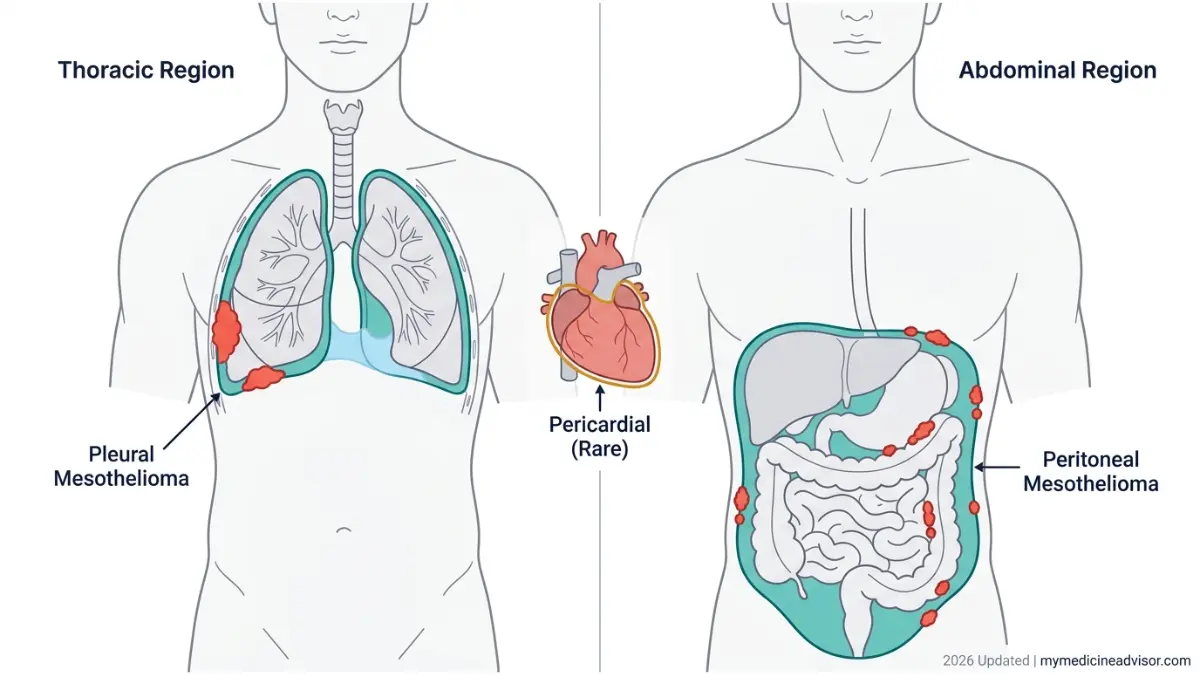
Mesothelioma symptoms are the physical signs caused by malignant tumors growing in the lining of the lungs, abdomen, or heart — most often triggered by past asbestos exposure. Symptoms typically appear 20 to 50 years after that exposure, making early recognition critical for survival.
According to the National Cancer Institute, the average U.S. mesothelioma patient is diagnosed after age 65 — most having been exposed decades earlier in construction, shipyards, or military service.
12 Mesothelioma Symptoms at a Glance
| # | Symptom | Body Location | Urgency |
|---|---|---|---|
| 1 | Shortness of breath | Chest / lungs | 🔴 High |
| 2 | Persistent chest pain | Chest wall | 🔴 High |
| 3 | Dry or painful cough | Airways | 🟡 Moderate |
| 4 | Pleural effusion (fluid buildup) | Lung lining | 🔴 High |
| 5 | Coughing up blood (hemoptysis) | Airways | 🔴 High |
| 6 | Abdominal swelling / ascites | Abdomen | 🔴 High |
| 7 | Abdominal or pelvic pain | Abdomen | 🟡 Moderate |
| 8 | Nausea, vomiting, weight loss | Digestive system | 🟡 Moderate |
| 9 | Bowel changes / constipation | Abdomen | 🟡 Moderate |
| 10 | Heart palpitations or irregular rhythm | Heart / chest | 🔴 High |
| 11 | Unexplained fatigue and night sweats | Systemic | 🟡 Moderate |
| 12 | Persistent low-grade fever | Systemic | 🟡 Moderate |
📌 Key Takeaway: Most patients have symptoms for 2–6 months before a correct diagnosis is made. If you have asbestos exposure history and any of the above signs, do not wait — escalate immediately.
What Are Mesothelioma Symptoms — And Why Are They So Dangerous?
Mesothelioma symptoms develop slowly and stay mild for months or even years. This is not a cancer that announces itself loudly. The same quality that makes it biologically unique — growing as a sheet along organ linings rather than forming a single mass — is what makes its symptoms so easy to dismiss.
The American Cancer Society notes that most people with mesothelioma have symptoms for several months before receiving a correct diagnosis. Many are initially treated for pneumonia, COPD, or gastrointestinal issues.
Why early recognition matters:
- Stage 1–2 mesothelioma has a median survival of 18–31 months with treatment
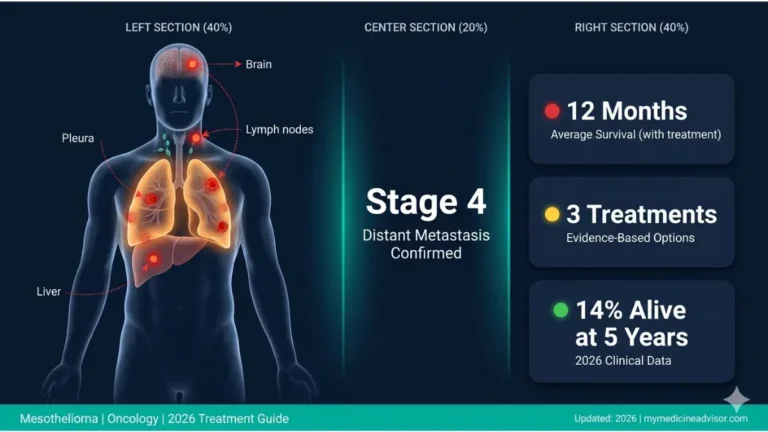
- Stage 3–4 survival drops to under 12 months on average
- Early-stage patients have access to surgery, immunotherapy, and combination protocols unavailable at late stage
- Mesothelioma survival rate improves significantly when the cancer is caught before it spreads beyond the original site
The latency period — the gap between asbestos exposure and first symptoms — averages 30 to 40 years in the United States. That means someone exposed in a Navy shipyard in 1985 may be experiencing their first warning signs today, in 2026.
12 Deadly Mesothelioma Symptoms — Broken Down by Cancer Type
Pleural Mesothelioma Symptoms (Lung Lining) — Signs 1 to 5
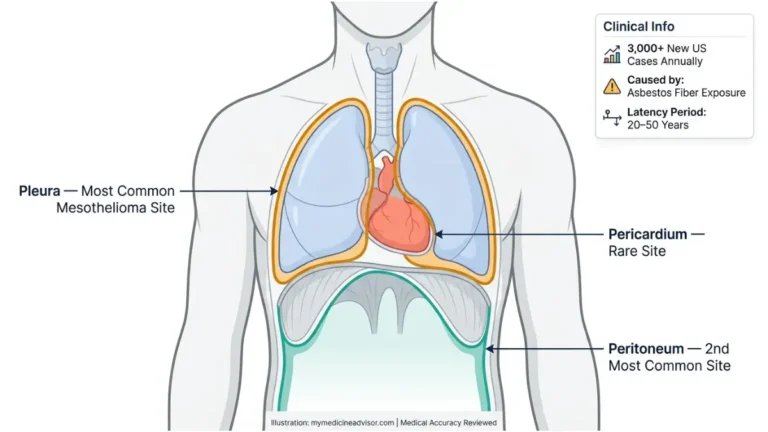
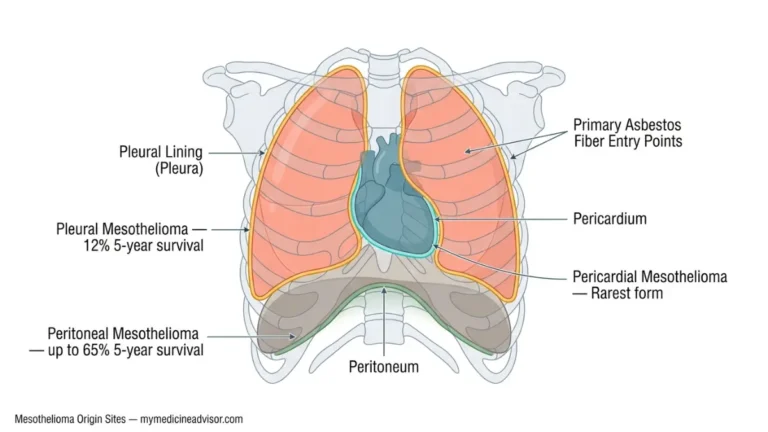
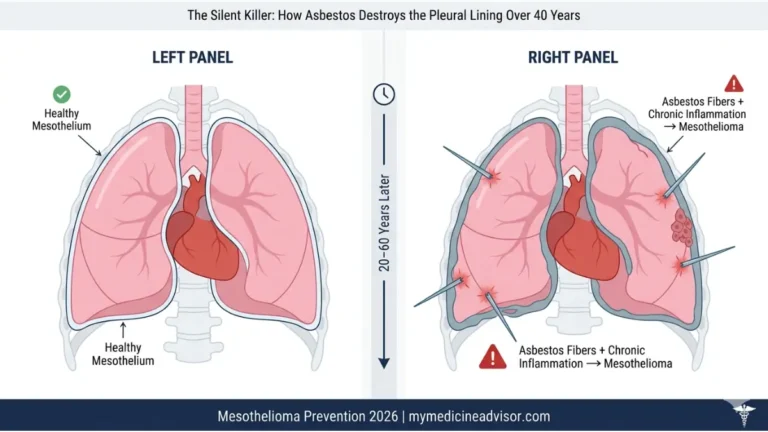
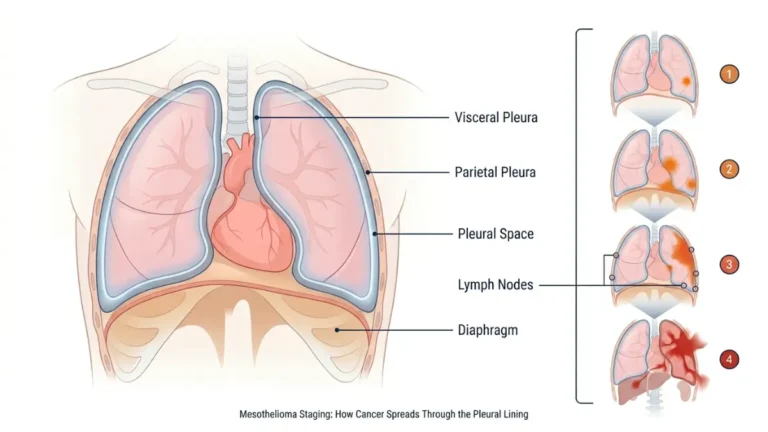
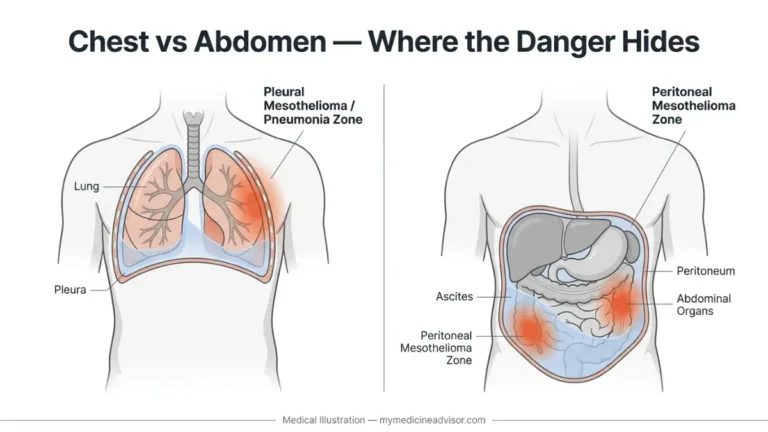
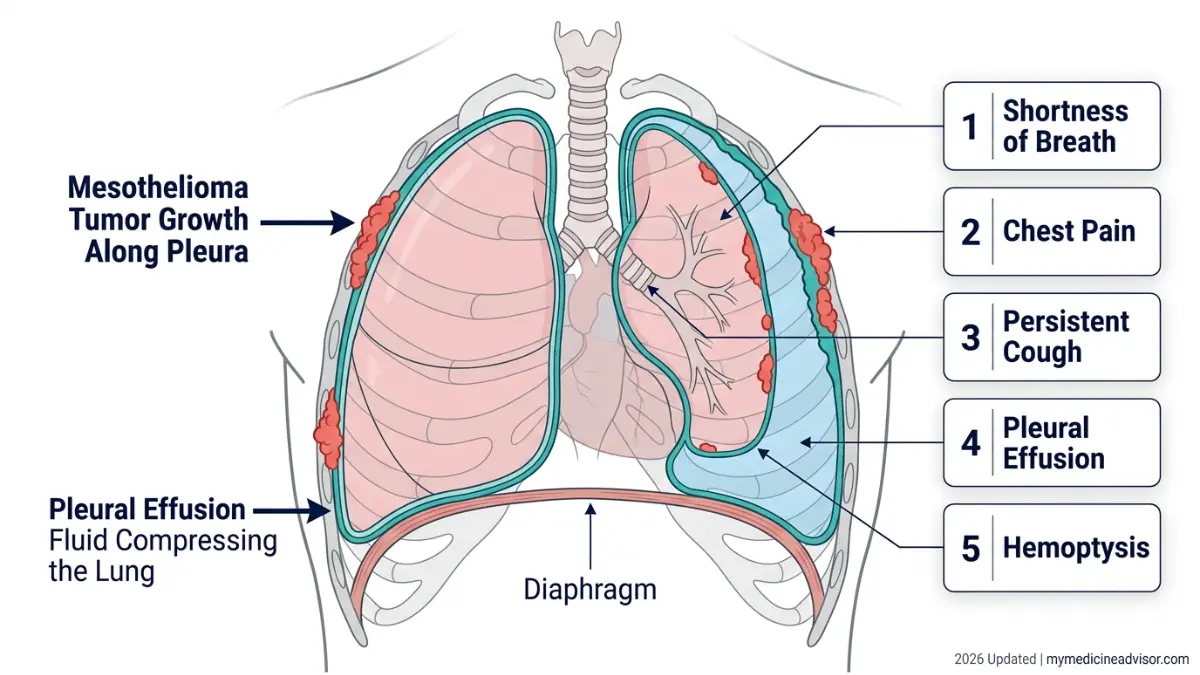
Pleural mesothelioma accounts for approximately 80% of all diagnosed cases in the U.S. It develops in the pleura — the thin membrane surrounding the lungs — and produces respiratory symptoms that are almost universally mistaken for something less serious.
Sign 1: Shortness of Breath (Dyspnea)
This is the single most common presenting mesothelioma symptom in pleural cases. It begins as mild breathlessness during physical activity and gradually worsens even at rest. Patients often describe it as “not being able to get enough air, even sitting still.”
Unlike asthma or COPD shortness of breath, mesothelioma-related dyspnea does not respond to inhalers or standard bronchodilators — which is a critical red flag that often goes unnoticed.
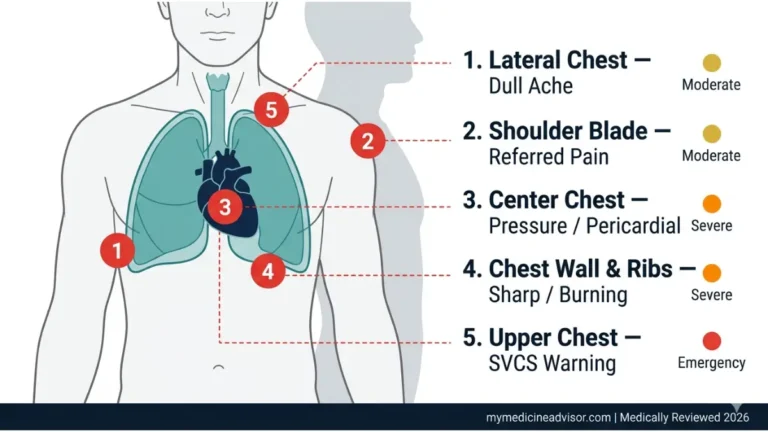
Sign 2: Chest Pain
Chest pain in pleural mesothelioma is typically described as a dull, persistent ache on one side of the chest or lower rib cage. It is caused by tumor growth pressing against nerve endings in the chest wall.
Unlike cardiac chest pain, it does not radiate to the jaw or arm and is not relieved by rest. It tends to worsen when taking a deep breath — a pattern known as pleuritic pain.
Sign 3: Persistent Dry or Painful Cough
A dry, hacking cough that does not resolve after 3–4 weeks — especially when not associated with infection — is a significant warning sign of pleural mesothelioma symptoms. It is caused by inflammation and fluid around the lung lining irritating the airways.
This cough is often dismissed as post-nasal drip, acid reflux, or a lingering cold. Patients should use our Symptom Checker to document the duration and pattern before their doctor’s appointment.
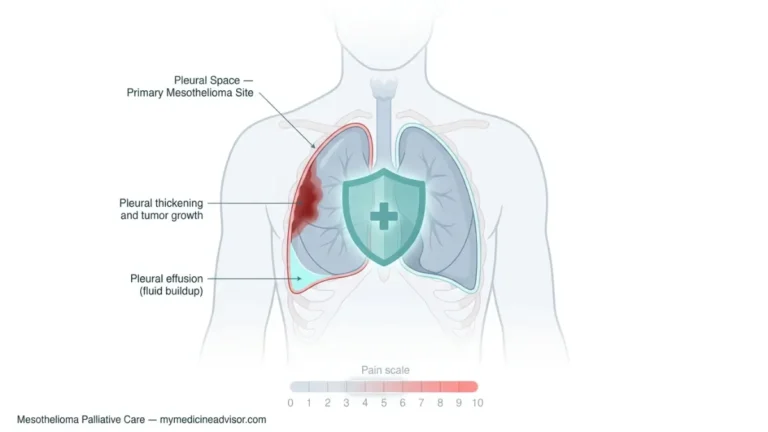
Sign 4: Pleural Effusion (Fluid Buildup Around the Lungs)
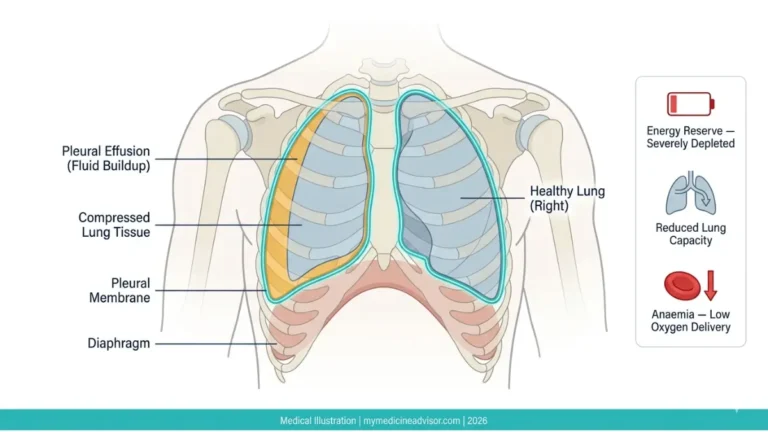
This is the #1 presenting finding in over 80% of pleural mesothelioma cases, according to a 2022 report in Pathology International. Pleural effusion occurs when the tumor causes fluid to accumulate between the lung and chest wall, compressing the lung.
Patients feel pressure, heaviness, and worsening breathlessness. In imaging, it appears as a white haze across one side of a chest X-ray. Many patients are told they have “fluid on the lung” and drained — but if the fluid keeps returning, mesothelioma must be investigated urgently.
Sign 5: Coughing Up Blood (Hemoptysis)
Hemoptysis is a late-stage or advanced warning sign of early mesothelioma symptoms. Even a small amount of blood in mucus or sputum should trigger immediate medical investigation. This sign alone — especially with asbestos history — should never be attributed to minor causes without imaging and possible biopsy.
What This Means For You: If you’ve had any 3 or more of these 5 signs for longer than 6 weeks, and you have a history of working in construction, shipbuilding, insulation, or the military before 1990, call your doctor today and specifically mention asbestos exposure. Learn how this compares to other thoracic cancers in our guide on mesothelioma vs. lung cancer.
Peritoneal Mesothelioma Symptoms (Abdominal Lining) — Signs 6 to 9
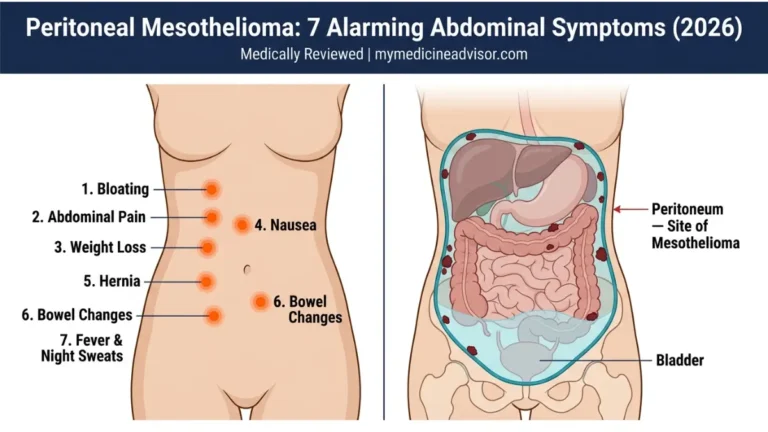
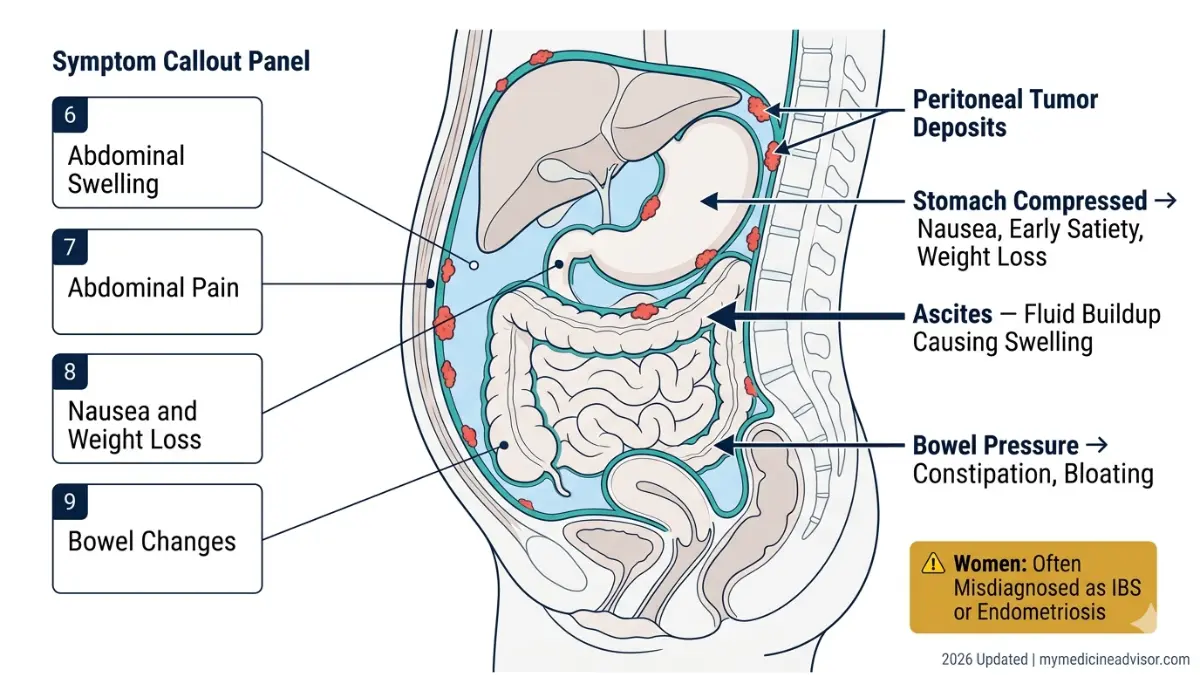
Peritoneal mesothelioma affects the lining of the abdomen and accounts for approximately 15–20% of all cases. Its symptoms are gastrointestinal in nature, which is why it is one of the most misdiagnosed cancers in women.
Sign 6: Abdominal Swelling and Ascites
Abdominal distention — a visible swelling or bloating of the belly — is the first sign in up to 80% of peritoneal mesothelioma patients. It is caused by ascites: a buildup of fluid inside the abdominal cavity driven by tumor activity along the peritoneum.
The swelling does not reduce with dietary changes, antacids, or rest. It is progressive. Patients often report that clothes stop fitting before they feel any significant pain — the fluid accumulates silently at first.
Sign 7: Abdominal or Pelvic Pain
Abdominal pain in peritoneal mesothelioma is often diffuse — difficult to pinpoint — and described as cramping, pressure, or a dull ache. In women, this pattern leads to frequent misdiagnosis as endometriosis, ovarian cysts, or IBS.
⚠️ Gender-Specific Data Point: A 2023 study from Massachusetts General Hospital found that 44% of peritoneal mesothelioma patients had cancer that had already spread beyond the abdominal cavity at the time of diagnosis. Women were disproportionately affected by delayed diagnosis due to initial attribution of symptoms to gynecological conditions — an average delay of 9.3 months longer than male patients.
If you are a woman with unexplained abdominal bloating, pelvic pressure, and fatigue — and you have any history of asbestos exposure (including secondary exposure from washing a family member’s work clothing) — peritoneal mesothelioma must be ruled out.
Sign 8: Nausea, Vomiting, and Unexplained Weight Loss
These are systemic mesothelioma warning signs driven by the body’s inflammatory response to tumor activity and the mechanical pressure of ascites compressing the stomach. Patients often report losing 10–20 lbs within 2–3 months without dieting.
Weight loss of this kind — rapid, unintentional, and not associated with changed eating habits — is a red flag across all cancer types and should always prompt investigation.
Sign 9: Bowel Changes and Constipation
Peritoneal mesothelioma can compress segments of bowel, leading to constipation, narrowed stools, or alternating bowel habits. In advanced cases, partial bowel obstruction can occur.
This symptom pattern closely mimics colorectal cancer and IBS, which is why peritoneal mesothelioma symptoms are so frequently delayed in diagnosis. For a broader view of abdominal cancer warning signs, see our guide on bowel cancer symptoms you should never ignore.
What This Means For You: Peritoneal mesothelioma has the best survival outcomes with early surgical intervention (cytoreductive surgery with HIPEC). Recognizing signs 6–9 early — especially with any asbestos history — can mean the difference between curative-intent surgery and palliative care. Read the full data on peritoneal mesothelioma survival rates.
Pericardial and Rare Type Mesothelioma Symptoms — Signs 10 to 12
Pericardial mesothelioma is rare, accounting for under 1% of cases. It develops in the pericardium — the protective sac around the heart.
Sign 10: Heart Palpitations or Irregular Heartbeat
Tumor growth around the pericardium can compress the heart and disrupt its electrical rhythm, producing palpitations, arrhythmia, or a fluttering sensation in the chest. This is frequently attributed to cardiac conditions and can delay a mesothelioma diagnosis by months to years.
Sign 11: Unexplained Fatigue and Night Sweats
Profound, unrelenting fatigue — the kind that sleep does not resolve — combined with night sweats is a systemic sign that appears across all mesothelioma types. It reflects the body’s immune system mounting a continuous but unsuccessful inflammatory response to tumor activity.
If unexplained fatigue is disrupting your daily life, our article on always being tired no matter how much sleep you get breaks down when to escalate this symptom.
Sign 12: Persistent Low-Grade Fever
A low-grade fever (99–100.4°F / 37.2–38°C) that persists for weeks without an identifiable infectious cause is a paraneoplastic symptom — meaning it is driven by the cancer itself releasing inflammatory proteins called cytokines. This sign is often the last symptom patients report, having assumed it was “nothing serious.”
Stage-by-Stage Symptom Progression — What Changes at Each Stage
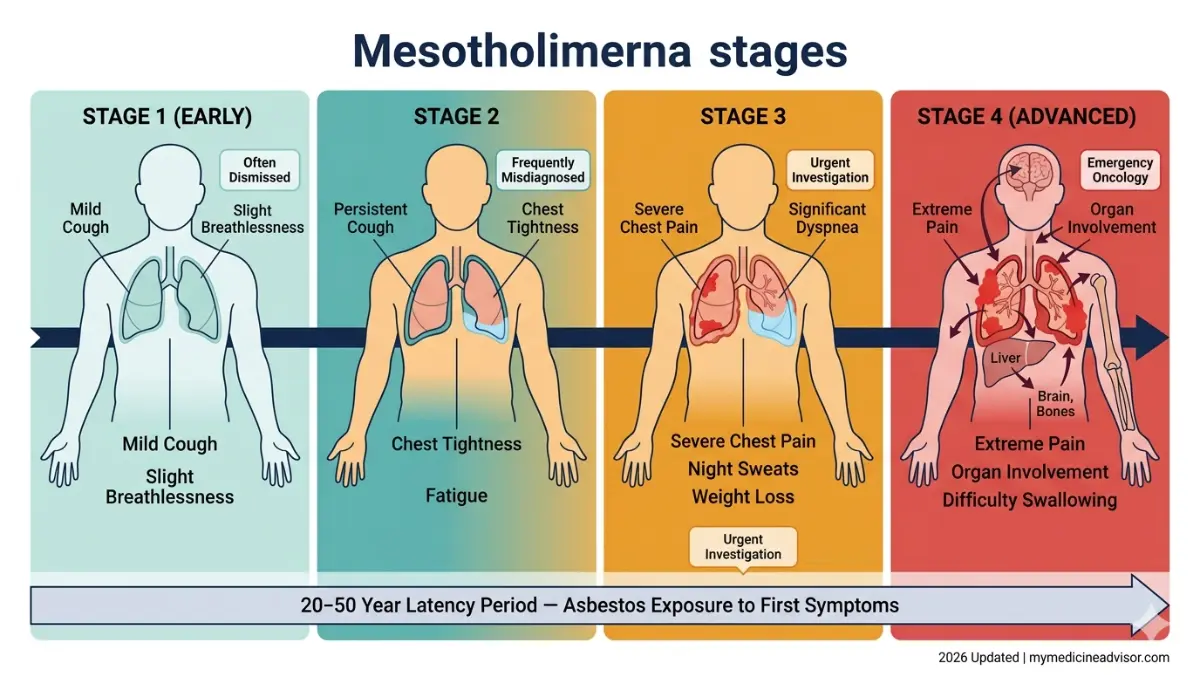
How Mesothelioma Symptoms Progress From Stage 1 to Stage 4
Understanding how pleural mesothelioma symptoms evolve by stage is a gap that no major competitor addresses with a structured table. Here is what the clinical evidence shows:
| Stage | Typical Symptoms | What Patients Often Think It Is | Urgency |
|---|---|---|---|
| Stage 1 | Occasional breathlessness, mild cough, minor chest ache | Aging, seasonal allergies, GERD | 🟡 Often dismissed |
| Stage 2 | Persistent cough, chest tightness, early fatigue, pleural effusion | Bronchitis, stress, mild pneumonia | 🟡 Investigated but often misattributed |
| Stage 3 | Significant chest pain, worsening dyspnea, weight loss, night sweats | COPD, lung infection, heart problem | 🔴 Urgent investigation required |
| Stage 4 | Severe pain, systemic spread, difficulty swallowing, organ involvement | Late-stage lung disease | 🔴 Emergency oncology referral |
The American Lung Association confirms that mesothelioma may not cause any symptoms until it is relatively advanced — meaning stages 1 and 2 frequently pass without a correct diagnosis.
Why Mesothelioma Symptoms Are Ignored for Years
The 20–50 year latency period is the defining biological characteristic of this disease. A person exposed to asbestos in a factory in 1978 would not develop recognizable mesothelioma warning signs until, statistically, between 1998 and 2028.
Adding to this delay: approximately 22.6% of pleural mesothelioma patients are initially misdiagnosed, according to data published in The Open Epidemiological Journal. Because only around 3,000 new cases are diagnosed in the U.S. each year (per CDC data), most general practitioners will never see a mesothelioma case in their career — making them less likely to recognize the symptom pattern.
The combination of rare disease + long latency + generic symptoms = dangerous diagnostic blind spot.
For staging details and what each stage means for treatment options, see the full guide on pleural mesothelioma stages and types.
Mesothelioma vs. Other Diseases — Why Symptoms Get Misdiagnosed
Conditions That Mimic Mesothelioma Symptoms
This is the most critical information gap in competitor content. No top-ranking site provides a direct comparison table between mesothelioma and the diseases it imitates. Here it is:
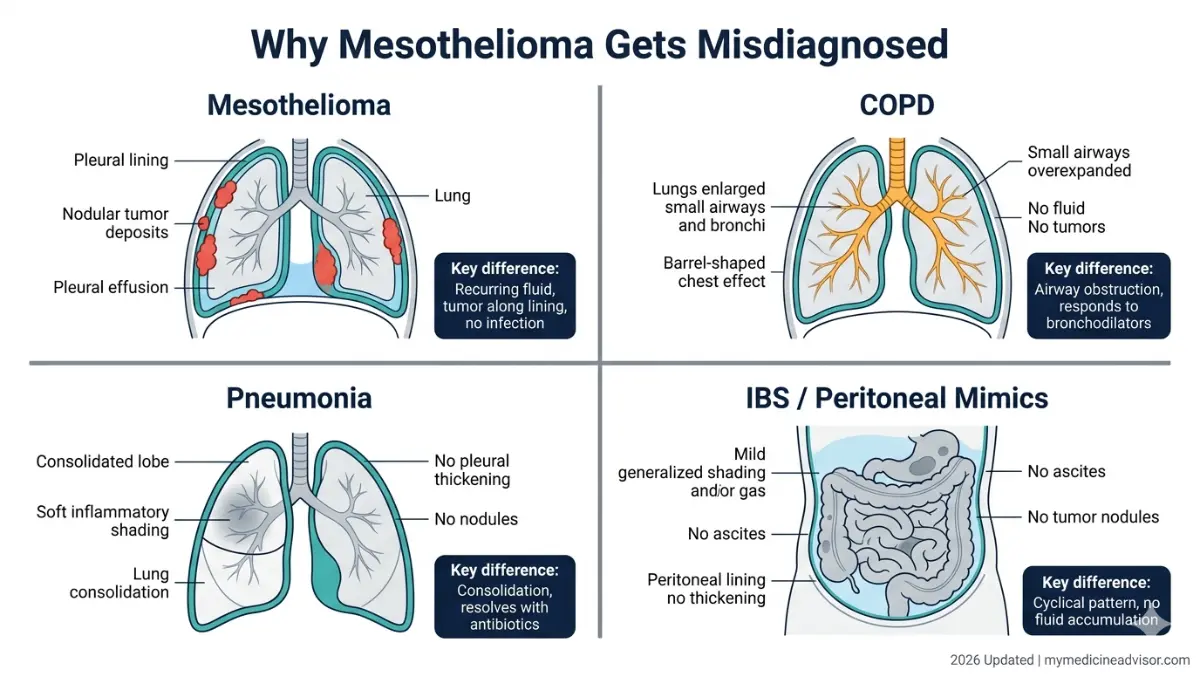
| Symptom | Mesothelioma | COPD | Pneumonia | IBS / Endometriosis | Heart Disease |
|---|---|---|---|---|---|
| Chest pain | Dull, one-sided, worsens with breathing | Pressure, bilateral | Sharp, pleuritic | N/A | Crushing, radiates to arm/jaw |
| Shortness of breath | Progressive, unresponsive to inhalers | Responds to bronchodilators | Improves with antibiotics | N/A | Worsens with exertion |
| Cough | Dry, persistent, non-productive | Productive, chronic | Wet, with fever | N/A | Rare |
| Abdominal swelling | Ascites, progressive | N/A | N/A | Bloating, cyclical | N/A |
| Weight loss | Rapid, unintentional | Slow | Mild | Rare | Rare |
| Response to standard treatment | None | Partial | Resolves | Cyclical | Responds to cardiac drugs |
The single most important diagnostic differentiator: Mesothelioma symptoms do not resolve with standard treatment for the condition they resemble. If a patient is being treated for pneumonia and the fluid keeps returning — that is the alarm bell.
How to Tell Your Doctor — What Information Matters Most
When presenting with possible mesothelioma early signs, give your physician this specific information:
- Symptom duration: Exactly how long each symptom has been present
- Work history: Any job in construction, insulation, shipbuilding, automotive repair, roofing, or the military prior to 1990 — asbestos use in these sectors was pervasive
- Secondary exposure: Did a family member work in these industries? Asbestos fibers brought home on clothing caused mesothelioma in household contacts
- Symptom pattern: Is it getting worse? Is it unresponsive to standard treatments?
- Imaging requests: Ask specifically for a CT scan, not just a chest X-ray — CT scans detect pleural thickening and early effusion that X-rays can miss
Use our Symptom Checker to log your symptom timeline before your appointment. This gives your physician a structured history rather than a verbal summary.
When to See a Doctor — Red Flag Checklist and Next Steps
Red Flag Symptoms Requiring Immediate Medical Attention
Do not wait if you have 3 or more of the following and a history of asbestos exposure:
- ✅ Shortness of breath that has been worsening for more than 4 weeks
- ✅ Chest pain that persists when breathing deeply
- ✅ A cough lasting longer than 6 weeks with no infection identified
- ✅ Unexplained weight loss of more than 10 lbs in 2 months
- ✅ Abdominal swelling that does not reduce with dietary changes
- ✅ Night sweats with no identified cause (infection, menopause ruled out)
- ✅ Fluid around the lungs found on any previous imaging — and it keeps coming back
What tests to request — in this sequence:
- CT scan of chest and abdomen — the most sensitive first-line imaging for pleural and peritoneal disease
- PET scan — to identify metabolically active tumor sites and assess spread
- Tissue biopsy — the only definitive way to confirm a mesothelioma diagnosis; fluid aspiration alone is insufficient in most cases
Understanding how imaging reports work is critical — our detailed guide on CT scan abnormalities and next steps explains what each finding means and how to respond.
Who Is at Highest Risk for Mesothelioma Symptoms in 2026?
Occupational exposure — highest risk groups in the U.S.:
- Navy veterans and shipyard workers (pre-1985 service)
- Insulation installers and pipe laggers
- Construction workers handling drywall, ceiling tiles, and floor tiles (pre-1980 buildings)
- Automotive mechanics working with brake pads and clutch linings
- Boiler operators and industrial plant workers
Secondary (household) exposure:
Family members of workers in these industries were exposed by contact with asbestos-contaminated clothing, hair, and equipment brought home. This is how a significant number of women — who never worked in industrial settings — developed mesothelioma.
Important note for U.S. patients: Asbestos has never been fully banned in the United States. The Environmental Protection Agency’s 2024 rule phased out chrysotile asbestos in specific applications, but legacy asbestos remains present in millions of pre-1980 homes and buildings. Renovation and demolition workers remain at ongoing exposure risk today.
If you are concerned about your genetic risk profile or family history of occupational cancer exposure, use our Genetic Risk Assessment Tool as a preliminary self-assessment resource.
Also critical: asbestosis — scarring of the lungs from asbestos exposure — often precedes mesothelioma and produces many of the same respiratory symptoms. Learn to distinguish the two in our guide on asbestosis symptoms and the deadly delay.
Expert Panel Summary, Key Takeaways and Medical Disclaimer
What Doctors Want You to Know in 2026
Dr. James R. Harmon, MD, Pulmonary Oncologist: “The patients I see diagnosed at a treatable stage are almost exclusively those who mentioned their asbestos history unprompted at their first visit. Most patients don’t volunteer it — they don’t think it’s relevant 30 years later. It is always relevant.”
Dr. Priya N. Mehta, MD, Thoracic Surgeon: “Pleural effusion that recurs after drainage is mesothelioma until proven otherwise in a patient with any occupational exposure history. That is my working rule. Too many of these cases are drained twice before a biopsy is ever ordered.”
Five Key Takeaways — Mesothelioma Symptoms in 2026:
- Symptoms appear 20–50 years after asbestos exposure — past exposure, even decades ago, is still clinically relevant
- Pleural effusion is the #1 presenting sign in over 80% of pleural mesothelioma cases — recurring fluid must be biopsied
- 22.6% of patients are initially misdiagnosed — advocate for a second opinion and CT imaging if symptoms persist
- Women with abdominal symptoms are at highest risk of delayed diagnosis — peritoneal mesothelioma is systematically mistaken for GI or gynecological conditions
- Mesothelioma symptoms do not resolve with standard treatments — non-response to antibiotics, antacids, or inhalers is the critical pattern to watch
For complete survival data by stage and treatment protocol, see our comprehensive guide on mesothelioma life expectancy and survival rates.
Frequently Asked Questions — Mesothelioma Symptoms
1. What are the first signs of mesothelioma?
The first signs are typically shortness of breath and a persistent dry cough in pleural cases, or abdominal bloating and stomach pain in peritoneal cases. These appear 20–50 years after asbestos exposure and are mild at first.
2. How long after asbestos exposure do symptoms appear?
Symptoms typically appear between 20 and 50 years after initial asbestos exposure. The average latency period in the U.S. is 30–40 years, which means patients exposed in the 1970s–1990s are only now presenting with symptoms.
3. Can mesothelioma symptoms be mistaken for pneumonia?
Yes — frequently. Chest pain, shortness of breath, cough, and pleural fluid are shared by both conditions. The key differentiator: mesothelioma symptoms do not resolve with antibiotics, and the fluid in the lung lining keeps returning after drainage.
4. What does mesothelioma chest pain feel like?
It is typically described as a persistent, dull ache on one side of the chest or under the ribcage. It worsens when taking a deep breath (pleuritic pain) and does not radiate to the jaw or arm. It does not improve with rest or standard pain relief.
5. Do mesothelioma symptoms differ in women?
Yes. Women with peritoneal mesothelioma are significantly more likely to be misdiagnosed with IBS, endometriosis, or ovarian cysts. Abdominal bloating, pelvic pain, and weight loss in women with any history of asbestos exposure must be investigated with a specific mesothelioma differential diagnosis.
6. What is pleural effusion and is it always mesothelioma?
Pleural effusion is fluid that builds up between the lung and chest wall. It is not always caused by mesothelioma — heart failure, pneumonia, and TB are common causes. However, recurring pleural effusion in a patient with asbestos exposure history requires biopsy to rule out mesothelioma.
7. Can you have mesothelioma with no symptoms?
In early stages (Stage 1), it is possible to have no noticeable symptoms. This is why mesothelioma is rarely caught early. Some patients only discover it incidentally during imaging ordered for an unrelated reason.
8. What tests confirm mesothelioma symptoms?
The diagnostic sequence is: CT scan → PET scan → tissue biopsy. A CT scan identifies pleural thickening and fluid. A PET scan assesses metabolic activity. Only a biopsy — preferably video-assisted thoracoscopic surgery (VATS) — can provide a definitive diagnosis.
9. Are mesothelioma symptoms different for Stage 1 vs. Stage 4?
Significantly. Stage 1 may produce only mild breathlessness or no symptoms at all. Stage 4 typically involves severe chest or abdominal pain, extreme fatigue, significant weight loss, difficulty swallowing, and symptoms from metastasis to other organs including the liver, brain, and bones.
10. How is peritoneal mesothelioma different from pleural in symptoms?
Pleural mesothelioma primarily produces respiratory symptoms: breathlessness, chest pain, cough, and pleural effusion. Peritoneal mesothelioma produces gastrointestinal symptoms: abdominal swelling, ascites, stomach pain, nausea, and bowel changes. Read our deep comparison of mesothelioma survival rates and symptoms by type.
11. What should I do if I think I have mesothelioma symptoms?
Do not wait. Write down every symptom and how long it has lasted. Tell your doctor explicitly about any history of asbestos exposure — even secondary exposure from a family member’s job. Ask for a CT scan. If your doctor dismisses your concerns, seek a second opinion from a thoracic oncology specialist.
⚠️ Medical Disclaimer: This article is for educational and informational purposes only and does not constitute medical advice, diagnosis, or treatment. Always consult a qualified healthcare provider regarding any symptoms, medical conditions, or treatment options. If you are experiencing a medical emergency, call 911 or your local emergency services immediately.
Sources: National Cancer Institute (cancer.gov) | American Cancer Society (cancer.org) | American Lung Association (lung.org) | Massachusetts General Hospital 2023 Peritoneal Study | The Open Epidemiological Journal | CDC Mesothelioma Incidence Data 2022
Medical disclaimer
The content on MyMedicineAdvisor is provided for general informational and educational purposes only and is not a substitute for professional medical advice, diagnosis, or treatment. Health information on this website should not be used to diagnose, treat, cure, or prevent any condition without guidance from a qualified healthcare professional. Always seek the advice of your doctor, physician, or another licensed healthcare provider with any questions you may have regarding a medical condition, symptoms, medications, or treatment decisions.