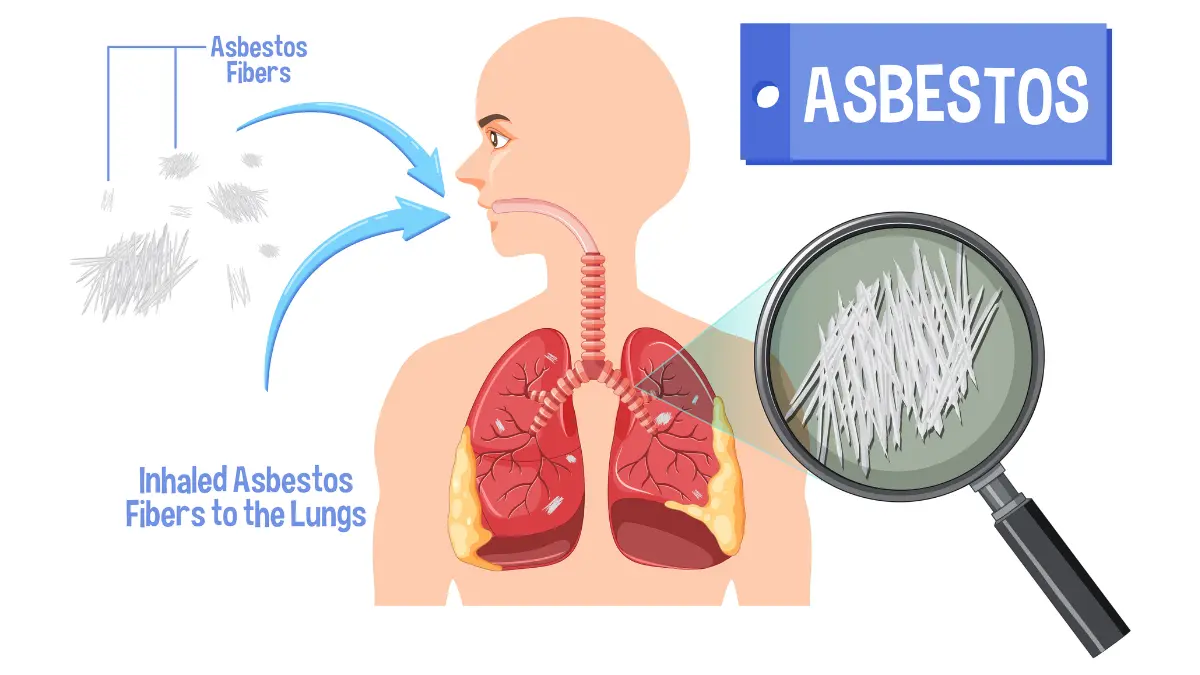

Asbestos exposure causes most cases of mesothelioma—a rare but aggressive cancer affecting the mesothelium, the thin tissue lining the lungs, abdomen, heart, and other internal organs. According to the National Cancer Institute, it is thought that the majority of mesotheliomas are directly attributable to inhaling or ingesting asbestos fibers. When these microscopic, durable fibers become lodged in lung tissue or the abdominal cavity, they trigger chronic inflammation and cellular damage over decades, eventually leading to malignant transformation.
The Human Cost: Maria’s Story
Maria, a 68-year-old former schoolteacher, never worked directly with asbestos. But her husband brought home asbestos dust on his work clothes for 30 years from his job at a shipyard. In 2023, persistent chest pain and shortness of breath led to a devastating diagnosis: pleural mesothelioma. Her case illustrates a critical, often overlooked risk—para-occupational exposure, where family members unknowingly inhale deadly fibers carried home by workers. The Centers for Disease Control and Prevention reports that while U.S. mesothelioma rates have declined from 1.08 per 100,000 in 2003 to 0.65 per 100,000 in 2022 due to reduced asbestos use, approximately 2,669 new cases were still diagnosed in 2022.
Key Immediate Takeaways:
- Primary cause: Inhaling or ingesting asbestos fibers (microscopic mineral crystals resistant to heat and chemicals)
- Latency period: Symptoms typically appear 10–40 years after initial exposure
- At-risk groups: Shipbuilders, construction workers, firefighters, demolition crews, auto mechanics, veterans, and their families
- Global perspective: Asbestos remains legal in many countries; the U.S. banned new uses in 1989 but grandfathered existing applications
If you’ve experienced known asbestos contact and notice persistent cough, unexplained weight loss, or chest tightness, consult an oncologist immediately and mention your exposure history. Early detection significantly expands treatment options, and monitoring via tools like our BMI Calculator and Symptom Checker can help track concerning health changes.
Disclaimer: This article is for educational purposes only and does not constitute medical advice. Always consult healthcare professionals for diagnosis and treatment recommendations.
Medical Deep Dive – How Does Asbestos Cause Mesothelioma?
Understanding the Mechanism: When Fibers Enter the Body
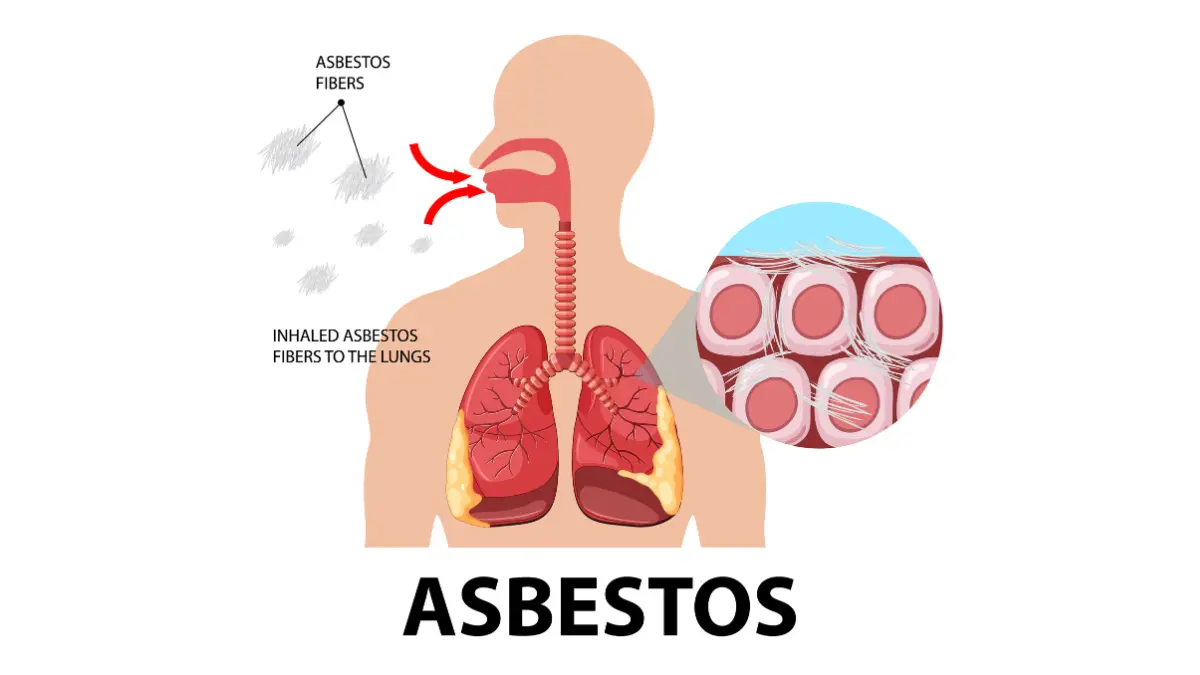
Asbestos exposure damages the mesothelium through multiple biological pathways that unfold over decades. When microscopic asbestos fibers—typically measuring less than 3 micrometers in diameter but up to several hundred micrometers in length—are inhaled or ingested, they navigate deep into lung tissue or the abdominal cavity. Unlike larger particles that the body can expel through coughing or mucus clearance, these durable, needle-like fibers become permanently lodged in the pleural space (lung lining), peritoneum (abdominal lining), or rarely, the pericardium (heart lining).
Cellular Damage: The Long Road to Cancer
Once embedded, asbestos fibers trigger chronic inflammation and repeated cellular injury. The body’s immune system recognizes these foreign materials and dispatches macrophages to engulf them, but the fibers’ shape and chemical durability prevent complete breakdown. This frustrated immune response generates reactive oxygen species (ROS)—unstable molecules that damage DNA, proteins, and cell membranes. According to research published by the National Institutes of Health, asbestos fibers also physically disrupt the mitotic spindle during cell division, causing chromosomal abnormalities and aneuploidy (abnormal chromosome numbers).
The cumulative result is genomic instability: DNA mutations accumulate in mesothelial cells, particularly deletions of tumor suppressor genes like p16/CDKN2A, NF2, and BAP1. Over 10 to 50 years—the typical latency period between first exposure and diagnosis—these damaged cells escape normal growth controls and develop into malignant mesothelioma. If you’re monitoring risk factors or unexplained symptoms, our Genetic Risk Assessment Tool can help evaluate family history and exposure patterns.
Fiber Types and Risk Differences
Not all asbestos fibers pose equal danger. The six commercially used asbestos minerals fall into two categories: serpentine (chrysotile, or “white asbestos”) and amphibole (crocidolite, amosite, tremolite, actinolite, anthophyllite). Research from the National Cancer Institute indicates amphibole fibers—especially crocidolite (“blue asbestos”) and amosite (“brown asbestos”)—are significantly more carcinogenic than chrysotile.
| Fiber Type | Commercial Name | Relative Mesothelioma Risk | Biopersistence |
|---|---|---|---|
| Crocidolite | Blue asbestos | Highest | Decades |
| Amosite | Brown asbestos | Very High | Decades |
| Tremolite | — | High | Decades |
| Chrysotile | White asbestos | Lower (debated) | Moderate |
Amphibole fibers are straight, thin, and needle-like, allowing deeper lung penetration and resisting breakdown by lung macrophages. Crocidolite fibers, measuring as small as 0.1 micrometers in diameter, lodge more easily in mesothelial tissue. Chrysotile fibers are curly and more flexible, leading to faster clearance—though contamination with tremolite (common in Quebec mines) historically increased mesothelioma risk in chrysotile-exposed workers.
Occupational and Environmental Sources
High-risk occupations historically included shipbuilding, construction, insulation work, automotive brake repair, firefighting, and asbestos mining. The Centers for Disease Control and Prevention reports that occupational asbestos exposure accounts for approximately 80% of mesothelioma cases. Peak workplace exposures in the 1940s–1970s reached 8–10 fibers per cubic centimeter (f/cm³) for insulators, with modern safety limits set at 0.1 f/cm³.
Para-occupational (take-home) exposure remains underrecognized: family members who laundered asbestos-contaminated work clothes or lived near asbestos sites developed mesothelioma without direct workplace contact. Environmental exposure occurs near natural asbestos deposits or industrial sites; residents of Libby, Montana, experienced elevated mesothelioma rates from vermiculite mine contamination. To assess overall wellness amid environmental concerns, explore our Health Tips section for preventive strategies.
What Global Experts Emphasize
International consensus panels, including the World Health Organization and International Agency for Research on Cancer (IARC), classify all asbestos types as Group 1 carcinogens—definitive causes of human cancer. A 2024 review in Environmental Health Perspectives reinforced that no safe threshold for asbestos exposure exists, particularly for amphibole fibers. Even brief, low-level exposures decades ago can cause mesothelioma, underscoring the importance of complete occupational and residential exposure histories during medical evaluations.
What This Means For You:
If you worked in high-risk industries before 1980, lived near shipyards or industrial sites, or handled asbestos-containing materials (floor tiles, pipe insulation, brake pads), inform your physician immediately—even if exposure occurred 30+ years ago. Early detection through low-dose CT screening in high-risk individuals can improve outcomes.
Beyond Asbestos – Emerging and Multifactorial Causes
Other Mineral Fibers: The Erionite Threat
While asbestos dominates mesothelioma causation globally, erionite—a naturally occurring fibrous zeolite mineral—has caused catastrophic mesothelioma epidemics in specific regions. In rural villages of the Cappadocia region of Turkey, environmental exposure to erionite-contaminated volcanic tuff used in building materials has led to mesothelioma mortality rates exceeding 50% of all deaths. In the village of Karain, Turkey, a cohort study of immigrants to Sweden documented that 78% of deaths were attributable to malignant pleural mesothelioma from childhood erionite exposure.
Research published by the Proceedings of the National Academy of Sciences confirms erionite deposits also exist in North Dakota, raising concerns about potential U.S. environmental exposure risks. Erionite fibers are thinner and more durable than most asbestos types, allowing deeper lung penetration and prolonged inflammatory responses. Similar patterns have emerged in Guanajuato, central Mexico, where environmental erionite exposure correlates with elevated mesothelioma incidence among relatively young individuals.
Genetic Susceptibility: The BAP1 Mutation
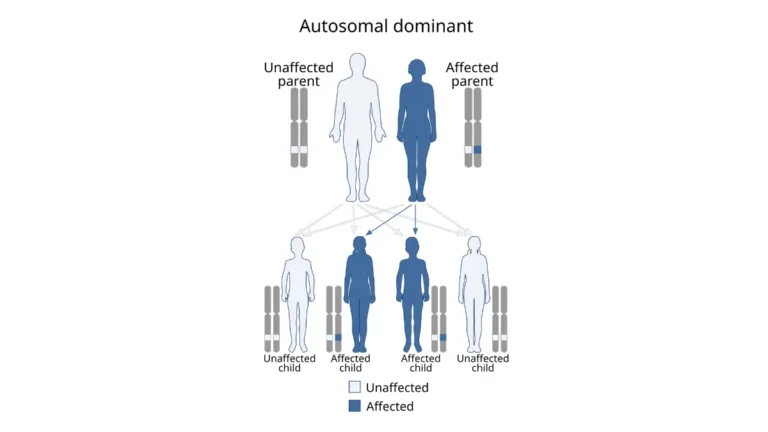
Inherited mutations in the BAP1 (BRCA1-Associated Protein 1) gene dramatically increase mesothelioma risk, even with minimal asbestos exposure. A landmark 2019 study from the National Institutes of Health found that obligate BAP1 mutation carriers have an estimated 33% lifetime risk of developing mesothelioma, compared to near-zero risk in the general population. BAP1 encodes a deubiquitinase enzyme critical for DNA repair; loss-of-function mutations impair homologous recombination, making cells vulnerable to carcinogenic fiber damage.
Approximately 12% of mesothelioma patients carry germline mutations in BAP1 or related DNA repair genes (BRCA2, CHEK2, PALB2, MLH1). These patients tend to develop mesothelioma at younger ages—often before age 60—and may have personal or family histories of uveal melanoma, cutaneous melanoma, or renal cell carcinoma. Animal studies demonstrate that mice with heterozygous BAP1 mutations develop mesothelioma after minimal asbestos exposure, confirming a gene-environment interaction. If you have a family history of mesothelioma or related cancers, consider genetic counseling and use our Genetic Risk Assessment Tool to evaluate hereditary risk factors.
Ionizing Radiation and Co-Exposures
Therapeutic radiation—particularly mantle field radiation for Hodgkin lymphoma—increases mesothelioma risk decades after treatment. A 2017 analysis found radiation-induced mesothelioma typically occurs 15–30 years post-exposure, with higher doses correlating with elevated risk. Unlike asbestos-related cases, radiation-induced mesothelioma may occur without occupational fiber exposure.
Smoking does not directly cause mesothelioma, but combined asbestos exposure and tobacco use synergistically increase lung cancer risk by 50-fold. This distinction is critical: while smoking cessation won’t prevent mesothelioma in asbestos-exposed individuals, it dramatically reduces concurrent lung cancer risk. For comprehensive wellness strategies, visit our Health Tips section for evidence-based lifestyle modifications.
Regional Risk Variations and Unanswered Questions
Mesothelioma incidence varies globally despite similar asbestos exposure levels. Hong Kong reports unexpectedly low rates despite heavy historical asbestos use, while China continues seeing rising incidence due to ongoing unregulated asbestos consumption. Genetic polymorphisms in inflammatory response genes, dietary antioxidants, or co-exposures to other environmental carcinogens may explain these discrepancies, though research remains inconclusive.
| Risk Factor | Mechanism | Population at Risk | Evidence Strength |
|---|---|---|---|
| Asbestos | Chronic inflammation, DNA damage | Occupational workers, families | Very High |
| Erionite | Similar to asbestos, deeper penetration | Turkey, Mexico, North Dakota residents | High |
| BAP1 mutation | Impaired DNA repair | Families with cancer clusters | High |
| Radiation | Direct DNA damage | Lymphoma survivors | Moderate |
| Smoking + Asbestos | Synergistic lung cancer risk (not mesothelioma) | Smokers with asbestos exposure | High |
Recent investigations from StatPearls emphasize chromosomal deletions on 3p, 9p, and 22q as additional susceptibility markers, though clinical screening applications remain under development. Understanding multifactorial causation enables personalized risk assessment and underscores the importance of genetic testing for patients with mesothelioma or strong family histories.
Patient Journey – Real Data, Diagnosis, Risks, and Global Outcomes
Typical Diagnostic Timeline and Barriers
Mesothelioma diagnosis often involves prolonged delays due to nonspecific symptoms and long latency periods. Symptoms typically emerge 10–50 years after initial asbestos exposure, with patients initially experiencing mild chest pain, shortness of breath, persistent dry cough, or fatigue that mimics pneumonia, bronchitis, or age-related decline. According to data published by the National Institutes of Health, one patient experienced constitutional symptoms—night sweats, weight loss, and malaise—for months before diagnosis, requiring multiple inconclusive biopsies before FNA (fine needle aspiration) confirmed malignant mesothelioma. Jessica Blackford-Cleeton, diagnosed with peritoneal mesothelioma in 2015, struggled for over a year to obtain an accurate diagnosis despite persistent symptoms, becoming her own advocate throughout the process.
From initial symptom recognition to definitive diagnosis can span 3–12 months, with imaging (CT scans showing pleural effusions or masses), tissue biopsy, and immunohistochemistry required for confirmation. Early-stage symptoms include chest tightness, body aches, fever, and fluid buildup in the chest (pleural effusion), while advanced-stage symptoms (stages 3–4) include coughing up blood (hemoptysis), severe weight loss, difficulty swallowing, and pain radiating to the ribcage and spine. For individuals concerned about symptoms, our Symptom Checker provides preliminary guidance on when to seek medical evaluation.
Prevalence by Occupation, Region, and Survival Outcomes
Research from the Centers for Disease Control and Prevention shows that 81% of mesothelioma cases occur in the pleura (lung lining), 11.1% in the peritoneum (abdomen), and 0.2% in the pericardium (heart lining). Among 63,620 U.S. cases diagnosed from 2003–2022, males accounted for 75.4% of diagnoses, reflecting higher occupational asbestos exposure. A 2023 analysis from the National Mesothelioma Virtual Bank identified the top three high-risk industries as manufacturing (22%), construction (13.5%), and education services (6.5%), with construction and extraction occupations (18.8%) and production roles (15.7%) most affected.
| Stage | Median Survival | 5-Year Survival Rate | Treatment Eligibility |
|---|---|---|---|
| Stage 1 | 22.2 months | 22.5% | Curative surgery + chemotherapy |
| Stage 2 | 20 months | ~39% (2-year) | Multimodal therapy |
| Stage 3 | 17.9 months | 13% | Palliative chemotherapy |
| Stage 4 | 14.9 months | 11% | Palliative care |
Gender differences in exposure patterns are stark: 76.4% of male patients report direct occupational asbestos contact, compared to 28.9% of females, while 18.6% of female patients experienced para-occupational exposure through family members. Female mesothelioma deaths most commonly occur in healthcare and social assistance, education services, and manufacturing, with elementary teachers and registered nurses among the most affected occupations. To track health metrics related to risk factors, consider using our BMI Calculator and Heart Rate Zone Calculator.
Real-World Patient Outcomes
Survival varies significantly by histological type: epithelioid mesothelioma (60–70% of cases) has better prognosis, with median survival of 18–24 months with treatment, while sarcomatoid (10–20% of cases) carries median survival of 8–12 months. The median survival from diagnosis to death is approximately 9 months overall, with 42.5% of patients dying within one year and 33.4% surviving 1–3 years. Data from the National Institutes of Health indicates that patients treated with chemotherapy, surgery, or immunotherapy show significantly improved survival compared to those receiving only supportive care.
What This Means For You:
If you worked in manufacturing, construction, military service, or education and notice persistent respiratory symptoms, request a thorough occupational exposure history evaluation from your physician. Early detection at stage 1–2 dramatically expands treatment options and can extend survival by 10+ months. Comprehensive wellness monitoring through our Health Tips can support overall resilience during treatment.
Prevention, Workplace Safety, and Legal/Ethical Dimensions
Workplace Safety and OSHA Standards
The Occupational Safety and Health Administration (OSHA) has established comprehensive regulations to protect workers from asbestos exposure across construction, general industry, and shipyard sectors. The permissible exposure limit (PEL) is set at 0.1 fibers per cubic centimeter (f/cc) as an 8-hour time-weighted average, with a short-term excursion limit of 1.0 f/cc for 30 minutes. However, OSHA explicitly states there is no safe level of asbestos exposure—exposures as brief as a few days have caused mesothelioma.
Employers must implement multiple protective measures under federal law:
- Conduct regular air quality monitoring and exposure assessments
- Establish regulated areas with restricted access and hazard signage
- Install engineering controls like HEPA-filtered ventilation systems
- Provide personal protective equipment (PPE) including NIOSH-approved respirators, protective clothing, and gloves
- Offer annual hazard awareness training in workers’ native languages
- Implement medical surveillance programs for employees exposed at or above PEL for 30+ days per year
The National Institute of Environmental Health Sciences (NIEHS) emphasizes critical work practices: never dry sweep asbestos-containing debris, always wet materials before cutting or disturbing them, and avoid carrying contaminated clothing home to prevent para-occupational exposure to family members. Workers should wash exposed skin immediately after shifts and change out of work clothes before leaving job sites. For overall wellness strategies that complement workplace safety, explore our Health Tips section.
Personal and Community Prevention
Homeowners and residents can reduce asbestos risks through proactive steps:
- Identify asbestos materials: Homes built before 1980 may contain asbestos in roofing shingles, floor tiles, pipe insulation, popcorn ceilings, and vermiculite attic insulation
- Avoid disturbance: Intact asbestos materials pose minimal risk; danger arises when fibers become airborne through renovation, demolition, or deterioration
- Hire certified professionals: Only EPA-licensed asbestos abatement contractors should remove or remediate materials
- Environmental awareness: If you live near industrial sites, former shipyards, natural asbestos deposits, or vermiculite mines, consult local health departments about exposure risks
The Environmental Protection Agency (EPA) regulates asbestos in public buildings and coordinates with OSHA to ensure comprehensive worker protections, particularly for state and local government employees not covered by federal OSHA jurisdiction.
Global Regulatory Comparison and Policy Gaps
Asbestos regulations vary dramatically worldwide. Over 70 countries—including the European Union, Australia (2003), Canada (2018), Japan, and New Zealand (2016)—have implemented complete asbestos bans. The International Labour Organization’s Convention No. 162 and the Basel Convention provide global frameworks for asbestos management.
| Country/Region | Ban Status | Year Implemented | Current Challenges |
|---|---|---|---|
| United States | Partial (EPA banned new uses 1989) | 1989 | Existing applications grandfathered |
| European Union | Complete ban | 2005 | Legacy materials in old buildings |
| Canada | Complete ban | 2018 | Indigenous communities near mines |
| China | No ban | — | Rising consumption, worker exposure |
| India | No ban | — | ~100,000 tons annual consumption |
| Russia | No ban | — | Major exporter to developing nations |
The United States banned new asbestos uses in 1989 but allowed continued use of existing products, creating ongoing exposure risks in demolition and renovation. China, India, Russia, and Brazil continue mining and using asbestos, exposing millions of workers and communities. For individuals concerned about genetic or environmental risks, our Genetic Risk Assessment Tool provides personalized evaluation guidance.
Legal Compensation and Asbestos Trust Funds
Over 60 asbestos bankruptcy trust funds—totaling more than $30 billion—compensate mesothelioma victims. The first trust, Johns Manville Asbestos Trust, was established in 1988 with $2.5 billion; new trusts like Duro Dyne began accepting claims in 2021. Median mesothelioma trust payouts range from $180,000 to $400,000, though amounts vary based on exposure evidence, diagnosis documentation, and individual trust criteria.
Claimants must typically provide:
- Medical proof of mesothelioma or asbestos-related disease diagnosis
- Documentation of product exposure (employment records, witness statements)
- Evidence of exposure timing and location
- Compliance with trust-specific statutes of limitations (usually 2–3 years post-diagnosis)
What This Means For You:
If diagnosed with mesothelioma, consult a specialized mesothelioma attorney immediately to identify applicable trust funds and legal options. State laws regarding compensation setoffs and statutes of limitations vary significantly. Workers in high-risk industries should document all asbestos exposures, maintain employment records, and undergo regular medical screening if exposure occurred.
Latest Breakthroughs, Future Directions, and Answers to Top PAA Questions
Breakthrough Immunotherapy and CAR T-Cell Therapy
Mesothelioma treatment has transformed dramatically in 2024–2025, with immunotherapy now established as first-line standard of care. In September 2024, the FDA approved pembrolizumab (Keytruda) combined with pemetrexed and platinum chemotherapy as first-line treatment for advanced pleural mesothelioma, marking the first chemoimmunotherapy regimen specifically approved for this cancer. According to updated guidelines from the American Society of Clinical Oncology, ipilimumab plus nivolumab immunotherapy should now be offered to all newly diagnosed pleural mesothelioma patients, with particularly strong efficacy in nonepithelioid (sarcomatoid and biphasic) subtypes.
A groundbreaking 2025 study published in Nature Medicine demonstrated that perioperative (pre- and post-surgery) combination immunotherapy with nivolumab and ipilimumab achieved median survival of 28.6 months in resectable mesothelioma patients, with nearly 36% remaining alive and recurrence-free at follow-up. This Johns Hopkins-led trial revealed that patients with undetectable circulating tumor DNA (ctDNA) after neoadjuvant immunotherapy experienced significantly longer survival, introducing liquid biopsy as a potential monitoring tool.
CAR T-cell therapy targeting mesothelin—a protein overexpressed on mesothelioma cells—represents the next frontier. A 2015 pilot trial of 21 patients showed 13 experienced significant tumor shrinkage, with two achieving complete metabolic response (“no evidence of disease”). In July 2025, a new phase I/II clinical trial began testing TNhYP218 CAR T-cells, engineered T-cells that recognize and destroy mesothelin-expressing mesothelioma cells, with 15-year safety follow-up mandated by the FDA. For personalized risk assessment during treatment planning, consider our BMR Calculator and Calorie Deficit Calculator to maintain optimal nutritional status.
Key PAA Questions Answered
1. What is mesothelioma?
2. What causes mesothelioma?
Asbestos exposure causes 80% of mesothelioma cases. Other causes include erionite fiber exposure, inherited BAP1 gene mutations, and therapeutic radiation.
3. How long after asbestos exposure does mesothelioma develop?
Symptoms typically appear 10–50 years after initial exposure, with an average latency period of 20–40 years.
4. Is mesothelioma curable?
Mesothelioma is not curable at any stage, but early detection (stage 1–2) combined with multimodal treatment—surgery, chemotherapy, and immunotherapy—can extend survival to 28+ months.
5. What are the early symptoms of mesothelioma?
Early symptoms include persistent dry cough, chest pain, shortness of breath, fatigue, unexplained weight loss, and fluid buildup in the chest or abdomen.
6. How is mesothelioma diagnosed?
Diagnosis requires imaging scans (CT, X-ray), blood tests, and tissue biopsy with immunohistochemistry to confirm malignancy and cell type.
7. What is the life expectancy with mesothelioma?
Average survival is 12–21 months for pleural mesothelioma and up to 53 months for peritoneal mesothelioma treated with HIPEC (heated intraperitoneal chemotherapy).
8. What treatments are available for mesothelioma?
Standard treatments include surgery (pleurectomy, extrapleural pneumonectomy), chemotherapy (pemetrexed/cisplatin), immunotherapy (nivolumab/ipilimumab, pembrolizumab), radiation therapy, and emerging CAR T-cell therapy.
9. Who is at highest risk for mesothelioma?
High-risk groups include construction workers, shipbuilders, veterans, firefighters, insulation installers, auto mechanics, and family members exposed to asbestos through contaminated work clothes.
10. Should mesothelioma patients get genetic testing?
Yes—the American Society of Clinical Oncology strongly recommends universal germline testing for all mesothelioma patients to identify BAP1 and other DNA repair gene mutations that affect treatment and family screening.
Evidence Strength Summary
| Treatment | Evidence Level | Survival Benefit | FDA Status |
|---|---|---|---|
| Nivolumab + Ipilimumab | High (Phase III) | Median OS 18.1 months vs. 14.1 months | Approved 2020 |
| Pembrolizumab + Chemo | High (Phase III) | Median OS 16.9 months vs. 16.1 months | Approved Sept 2024 |
| Perioperative Immunotherapy | Moderate (Phase II) | Median OS 28.6 months (resectable) | Investigational |
| CAR T-Cell (Mesothelin) | Low (Phase I/II) | 62% tumor shrinkage rate | Clinical trials |
Date-Stamped Research: International guidelines were updated January 2025, reflecting latest pembrolizumab approval and perioperative immunotherapy data. The National Cancer Institute’s treatment guidelines were last updated May 2025, confirming nivolumab/ipilimumab and pemetrexed/platinum regimens as standard options.
What This Means For You:
If diagnosed with mesothelioma, immediately request germline genetic testing (especially BAP1), discuss immunotherapy eligibility with an oncologist at a specialized mesothelioma center, and inquire about clinical trials for CAR T-cell or perioperative immunotherapy approaches. Maintaining overall health through our Health Tips and wellness monitoring tools supports treatment tolerance and outcomes.
Disclaimer: This article is for educational purposes only and does not constitute medical advice. Always consult healthcare professionals for diagnosis and treatment recommendations.
About this content
How this article was put together: researched from recognised health sources, drafted with the help of AI tools, and edited by hand, with sources linked throughout.

Sameer Patel is the founder and editor of My Medicine Advisor. He is not a doctor or medical professional — before starting this site he worked in banking,…
Medical disclaimer
The content on MyMedicineAdvisor is provided for general informational and educational purposes only and is not a substitute for professional medical advice, diagnosis, or treatment. Health information on this website should not be used to diagnose, treat, cure, or prevent any condition without guidance from a qualified healthcare professional. Always seek the advice of your doctor, physician, or another licensed healthcare provider with any questions you may have regarding a medical condition, symptoms, medications, or treatment decisions.