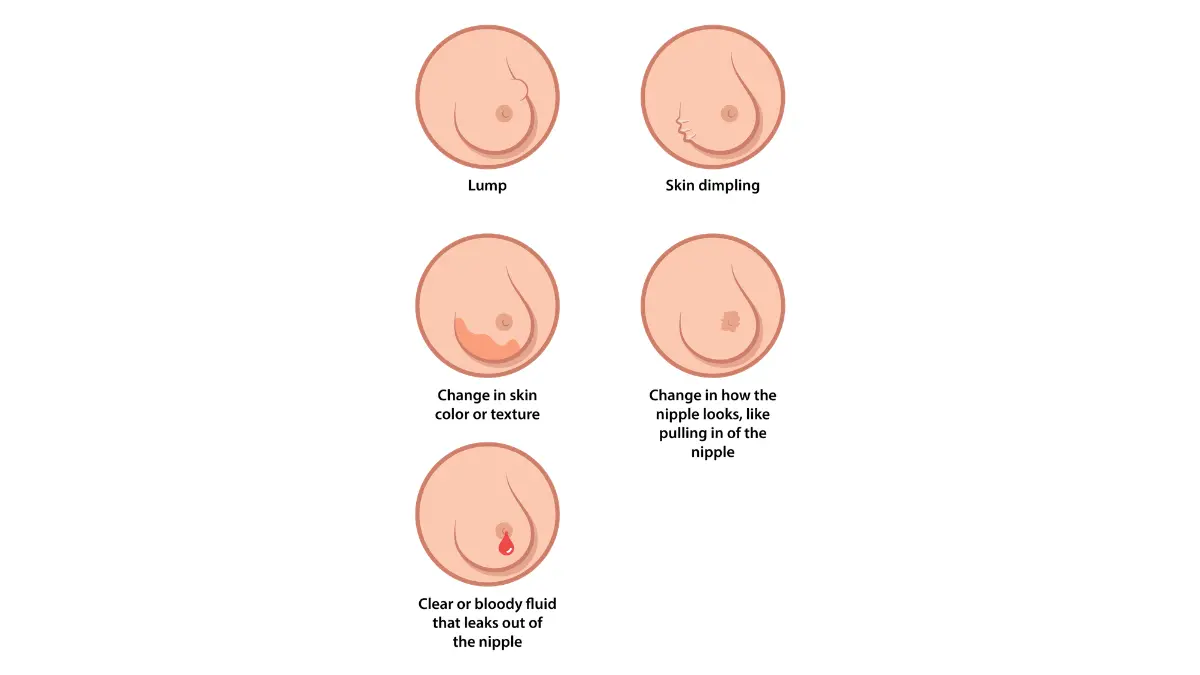
Breast Cancer Survival Rates by Stage: A Trusted Physician Guide
Stage IV breast cancer survival: 31% in 2026 data. A board-certified gynecologic oncologist explains what each stage and subtype means for your prognosis.

Stage IV breast cancer survival: 31% in 2026 data. A board-certified gynecologic oncologist explains what each stage and subtype means for your prognosis.
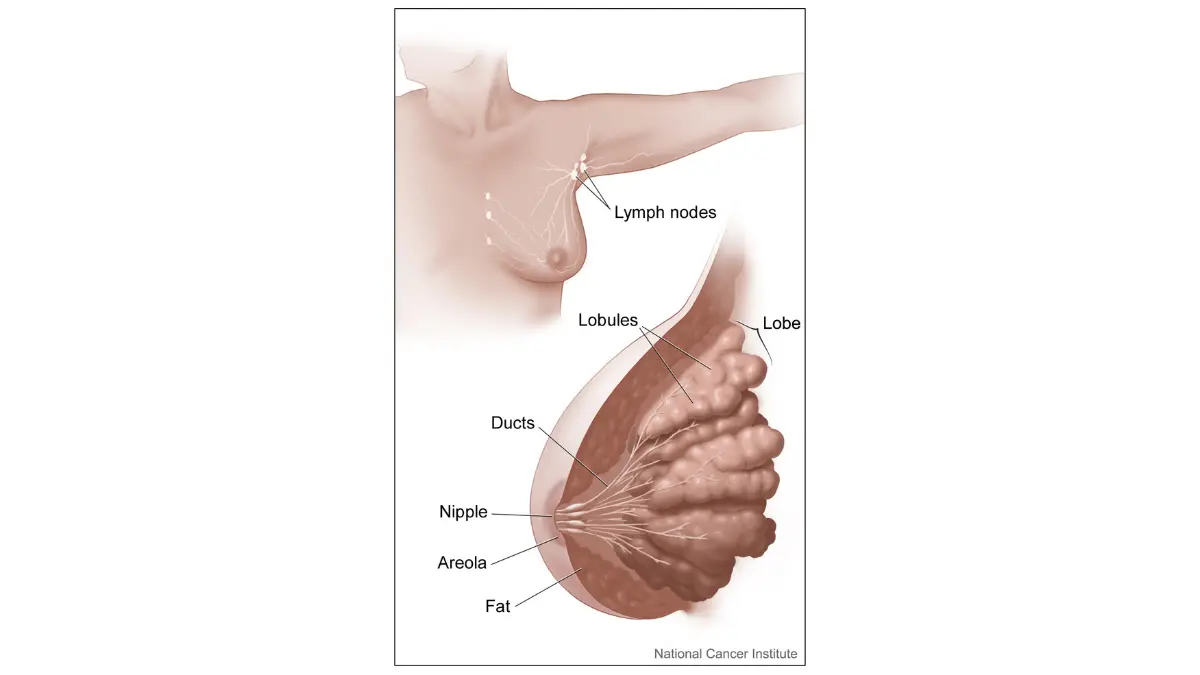
Breast cancer staging goes beyond a number. Your biomarker profile, TNM substage, and NCI SEER 2026 survival data shape your actual prognosis.
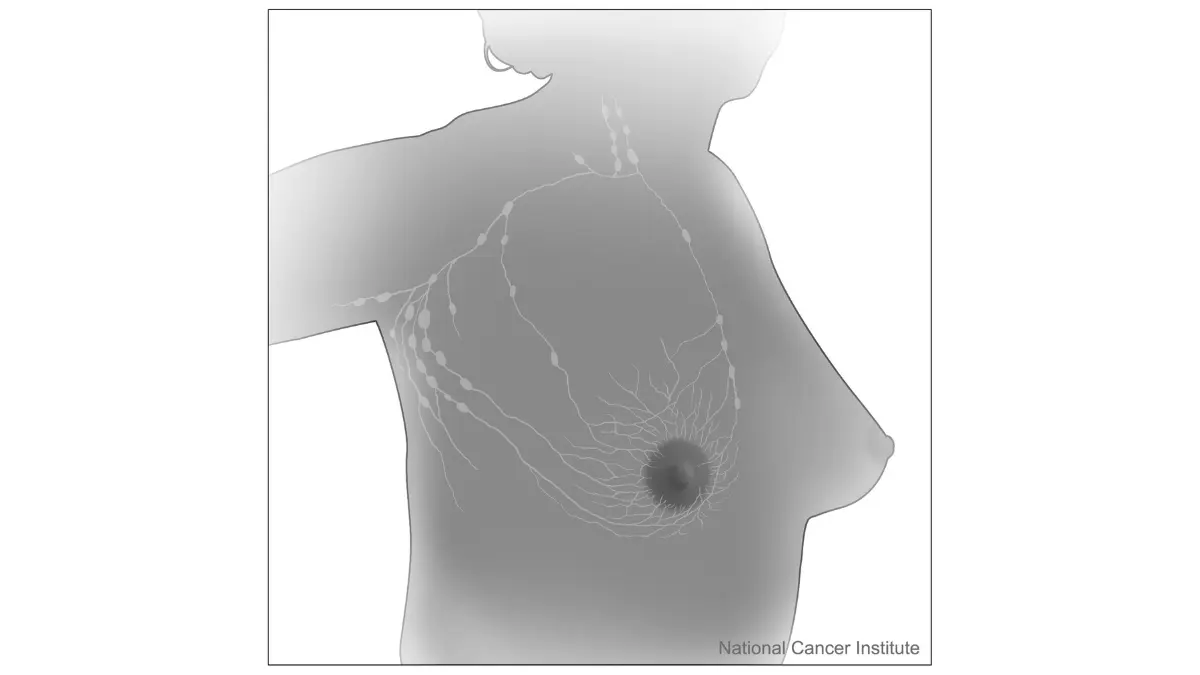
Breast cancer symptoms — most of them painless — have a 99% 5-year survival rate when localized. Here's what an oncologist checks first.

Breast cancer stage guides treatment—but receptor subtype changes the plan. An oncologist explains all four treatment pathways using NCCN 2026.

Palliative care for lung cancer isn't hospice — NCCN 2026 recommends concurrent enrollment from diagnosis. An oncologist explains when to start.
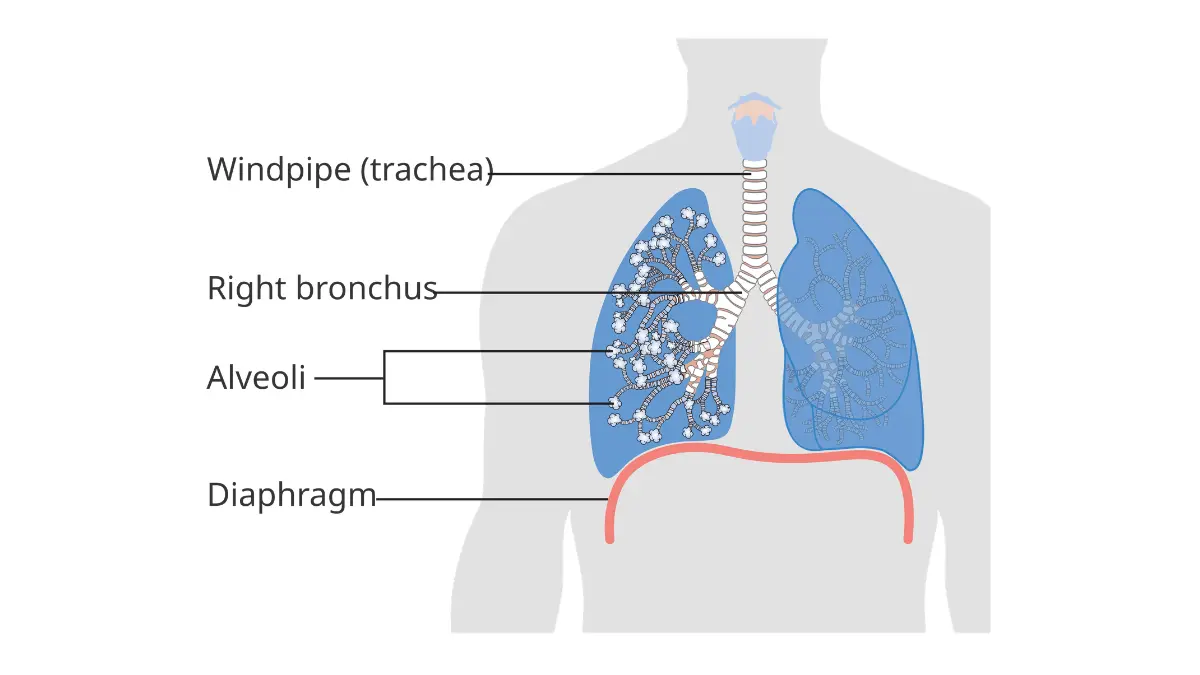
Liquid biopsy detects EGFR and T790M mutations from a blood draw—no surgery. A board-certified oncologist explains when NCCN 2026 endorses it over tissue biopsy.
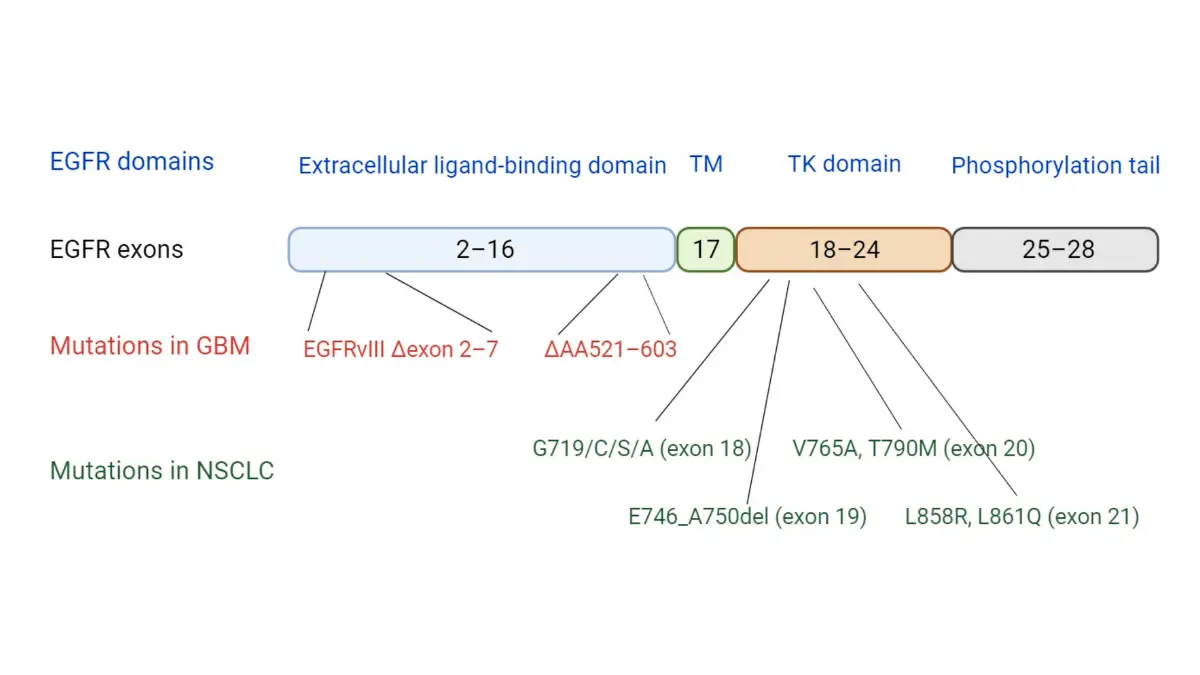
Lung cancer genetic testing covers 9 biomarker targets per 2026 NCCN — each linked to an FDA-approved drug. Know what your EGFR, ALK, or KRAS G12C result means.

Clinical trial patients in Phase III receive standard care—not placebo. Lung cancer eligibility: ECOG 0–2, biomarker profile, 4 enrollment steps inside.

SBRT delivers 93% 1-year local control for lung cancer in 1–5 sessions. Compare SBRT vs. IMRT vs. surgery with 2026 data — and know which side effects require same-day action.
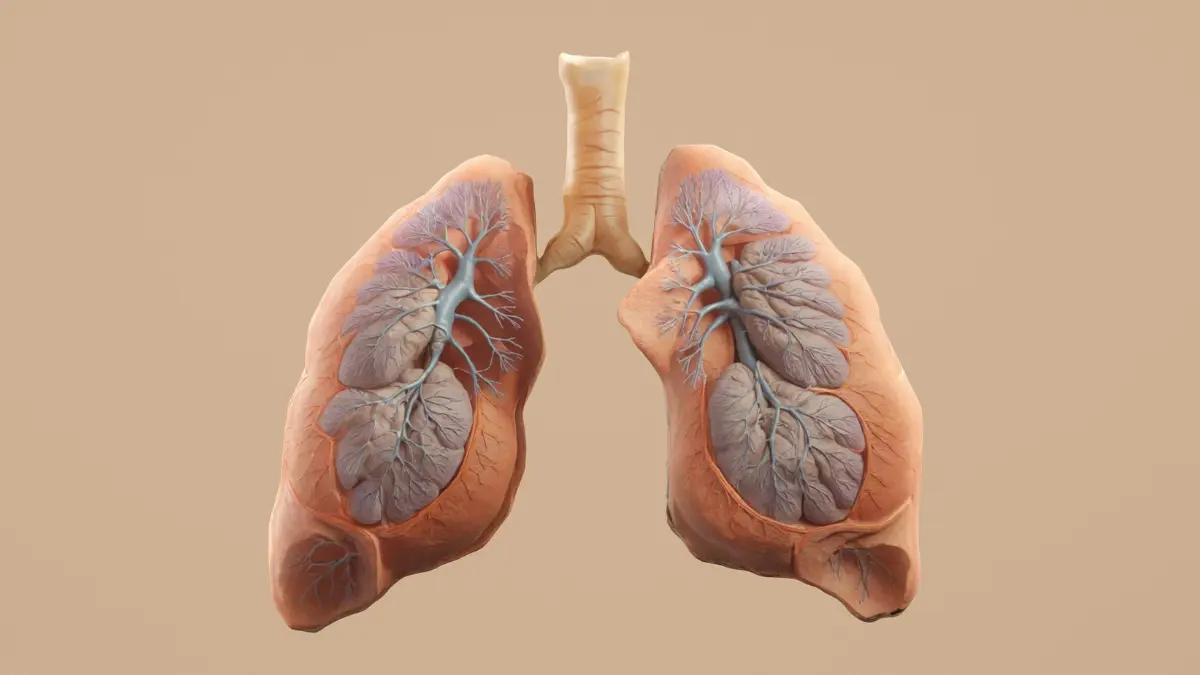
Lung cancer prognosis ranges from 63% at Stage I to 7% at Stage IV — biomarkers like EGFR can transform those numbers. See what your oncologist assesses.