Making Sense of Your CA 19-9 Result in Pancreatic Cancer
CA 19-9 isn't a yes-or-no cancer test. A high level often has a harmless cause, and 5–10% of people don't produce it at all—here's how to read yours.

CA 19-9 isn't a yes-or-no cancer test. A high level often has a harmless cause, and 5–10% of people don't produce it at all—here's how to read yours.
How is pancreatic cancer diagnosed? Rarely with one test: imaging, the CA 19-9 marker, and a biopsy work together to confirm it and guide care.
Pancreatic cancer weight loss isn't a willpower problem—it's driven by cachexia and lost digestive enzymes, which is why eating more rarely reverses it.
New-onset diabetes after 50 is rarely pancreatic cancer—about 99 in 100 are not. The combination to check is new diabetes plus weight loss.
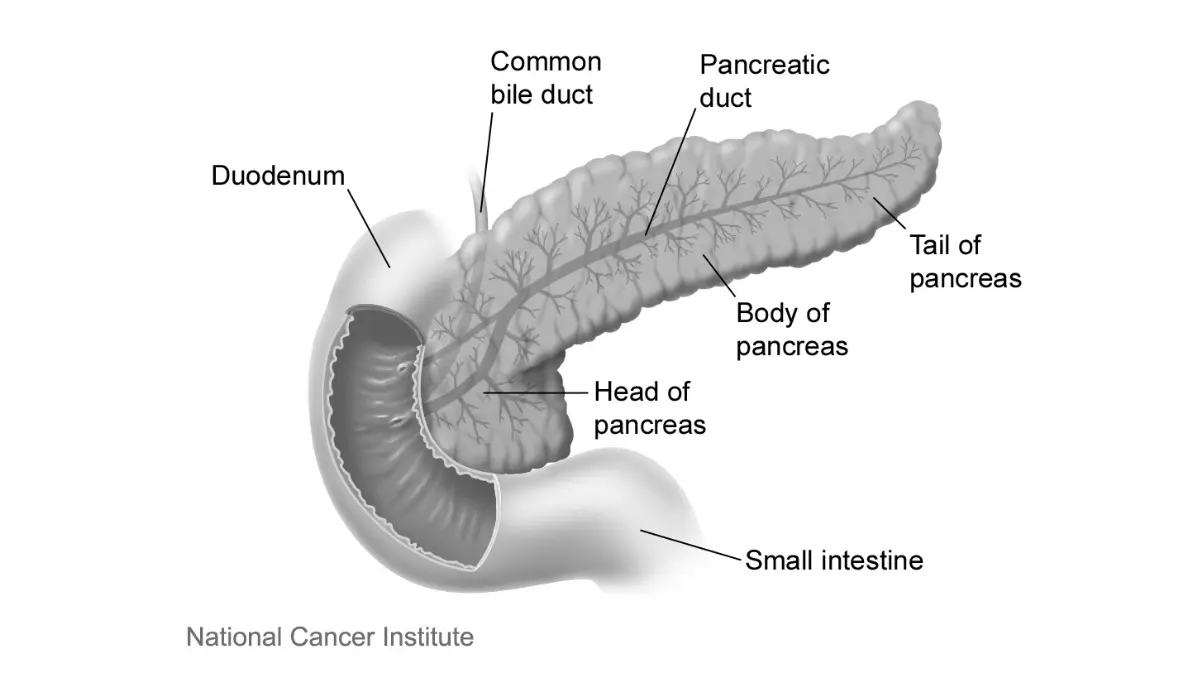
Jaundice and pancreatic cancer are often linked, but most jaundice isn't cancer. Learn the painless warning sign — and which symptoms mean the ER now.
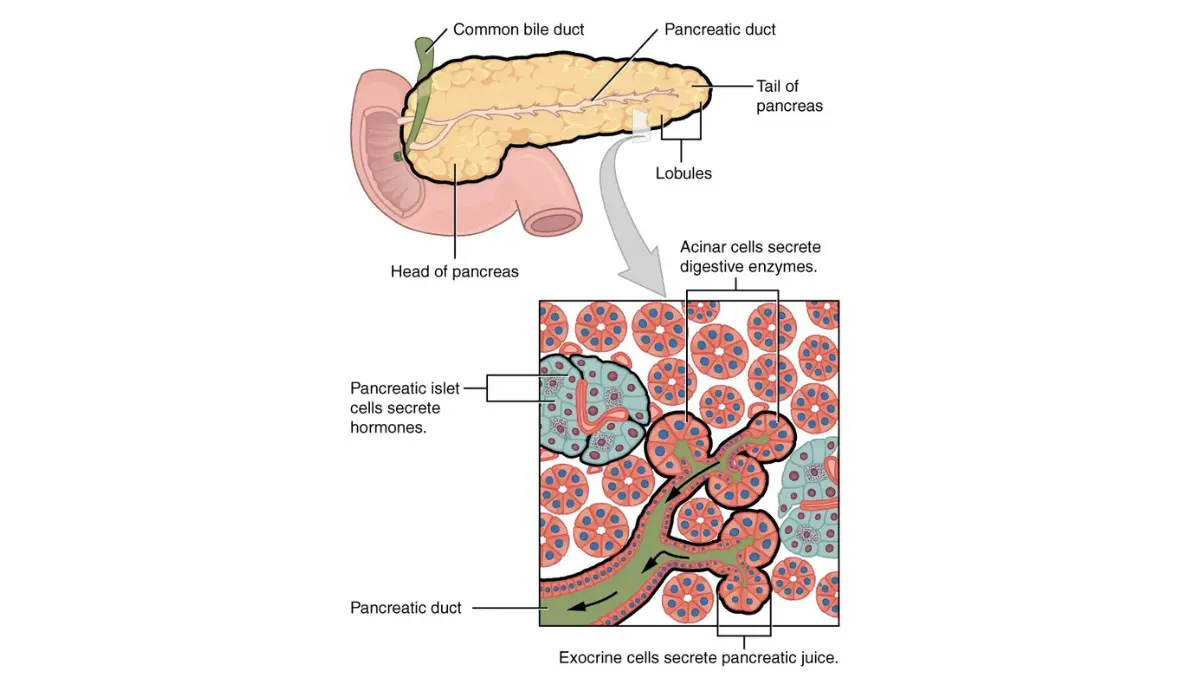
Pancreatic cancer pain often travels from the upper abdomen to the back — here's the anatomical reason why, and how to tell it from a simple backache.
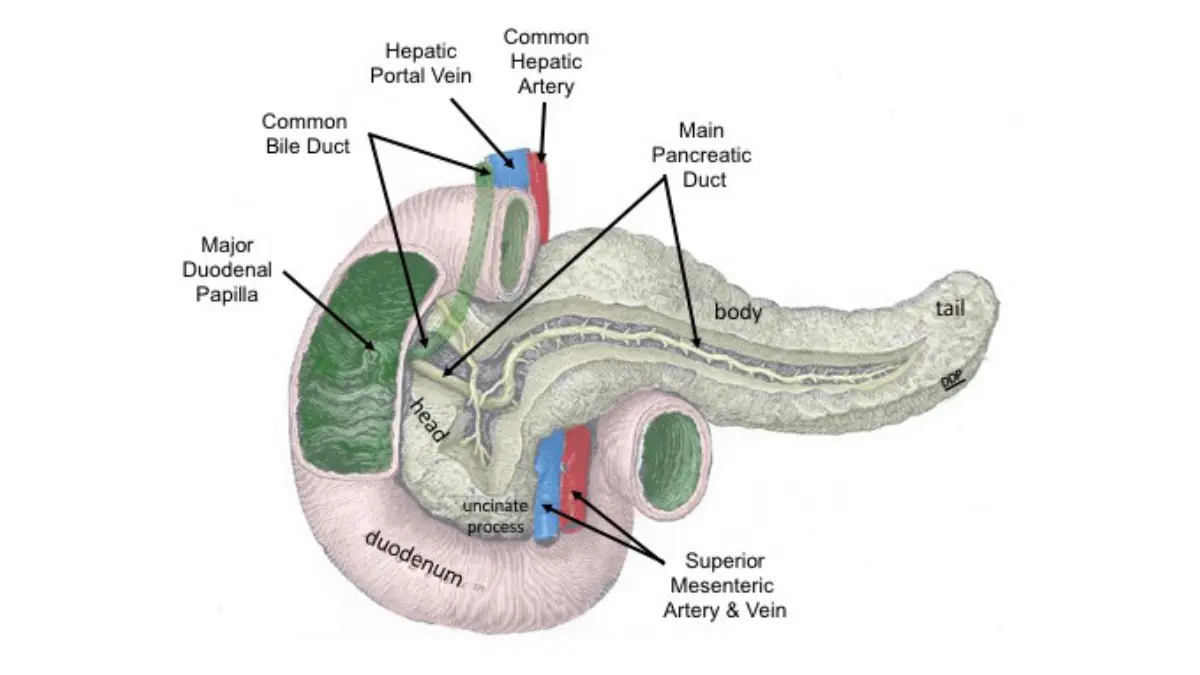
Pancreatic cancer symptoms in women match men's—but women often wait longer for a diagnosis. Here's what to watch for and why it's missed.
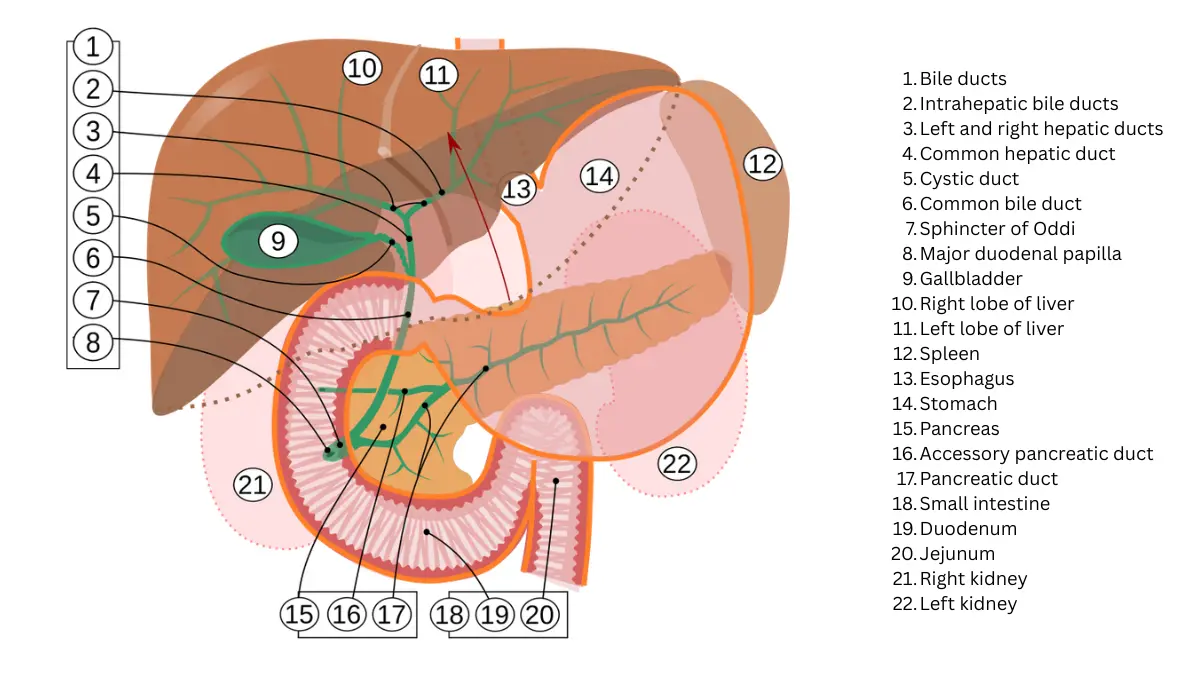
Early pancreatic cancer often hides—but a sudden diabetes diagnosis after 50 can be one overlooked clue worth taking to your doctor.
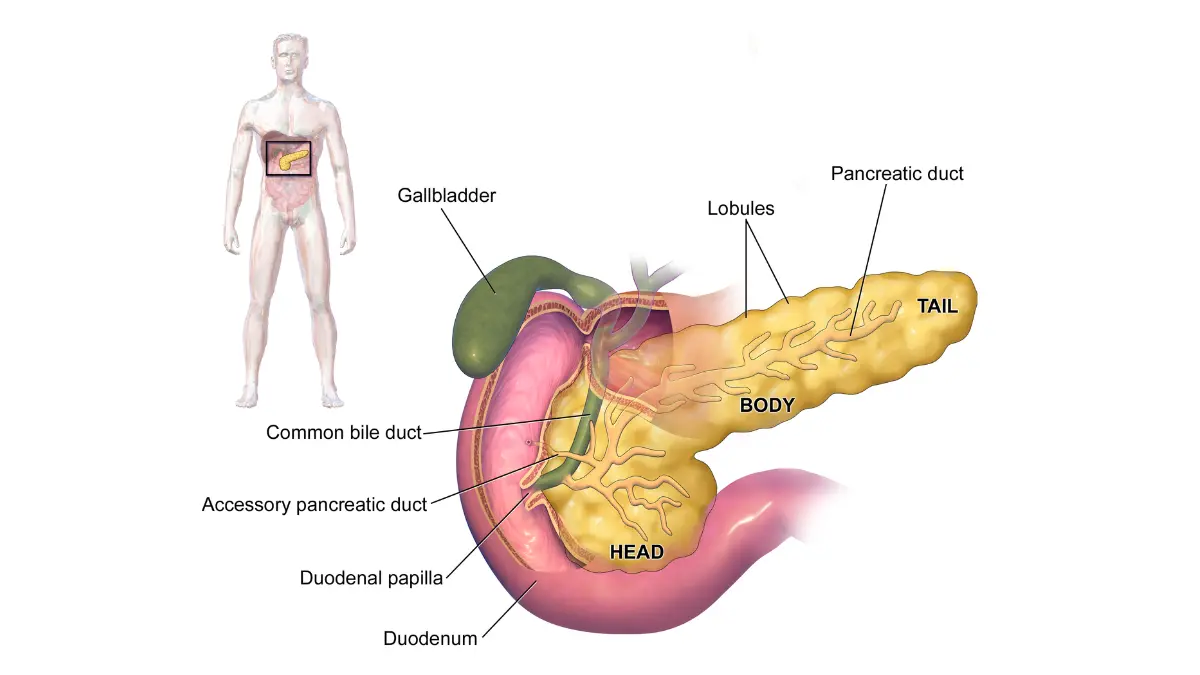
Pancreatic cancer carries a 13% five-year survival rate, yet stage at diagnosis shifts the outlook sharply — here's how it's staged and what treatment follows.
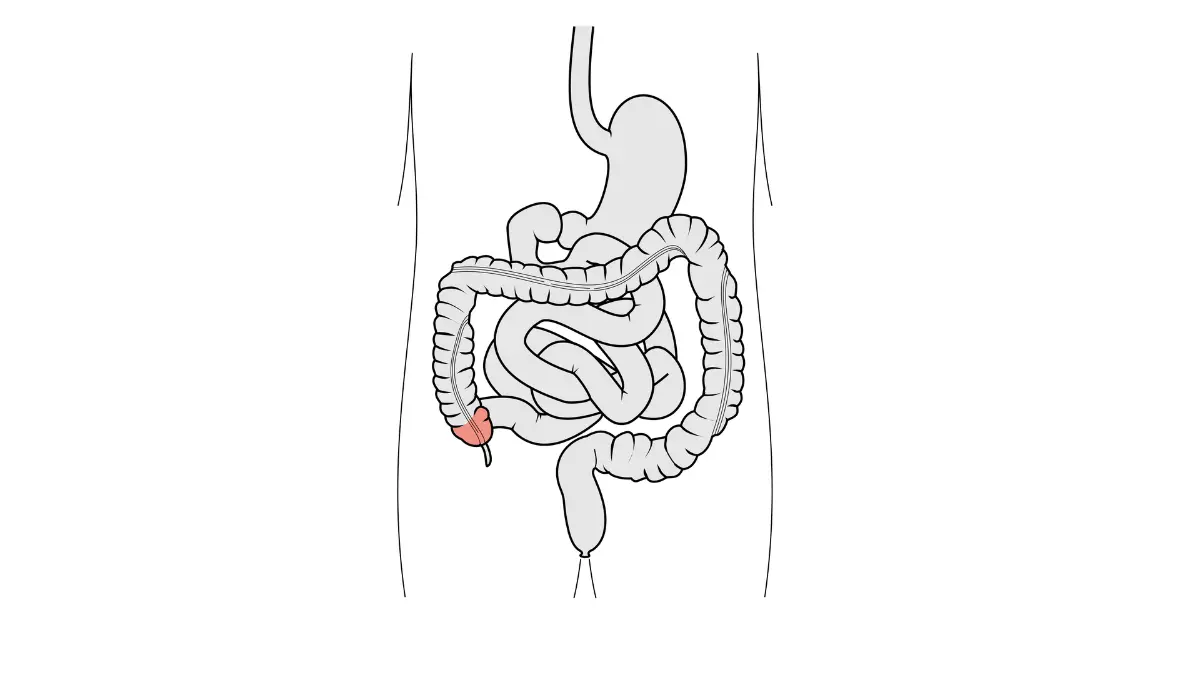
Helping a parent through colonoscopy prep means more than the diet—it's the split-dose timing, the meds to flag with their doctor, and the ride home.