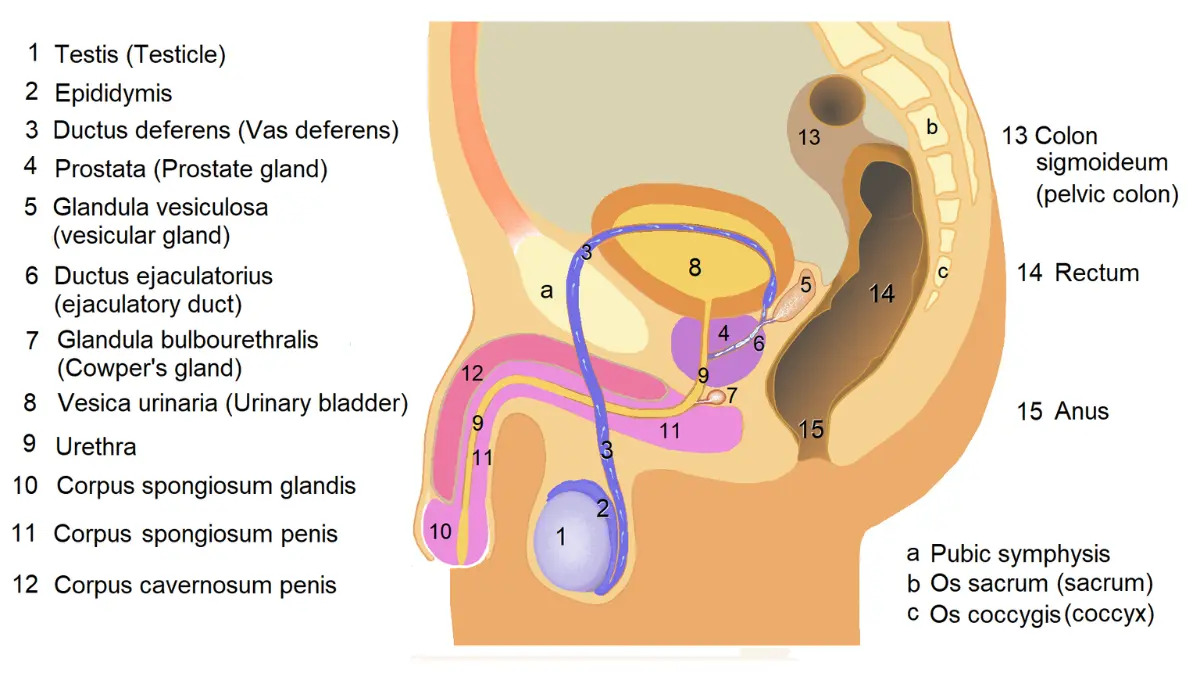
What Every Black Man Should Know About Prostate Cancer
Prostate cancer hits 1 in 6 Black men—the largest racial gap of any major cancer. Caught early, it's highly treatable. Here's when to screen.

Prostate cancer hits 1 in 6 Black men—the largest racial gap of any major cancer. Caught early, it's highly treatable. Here's when to screen.
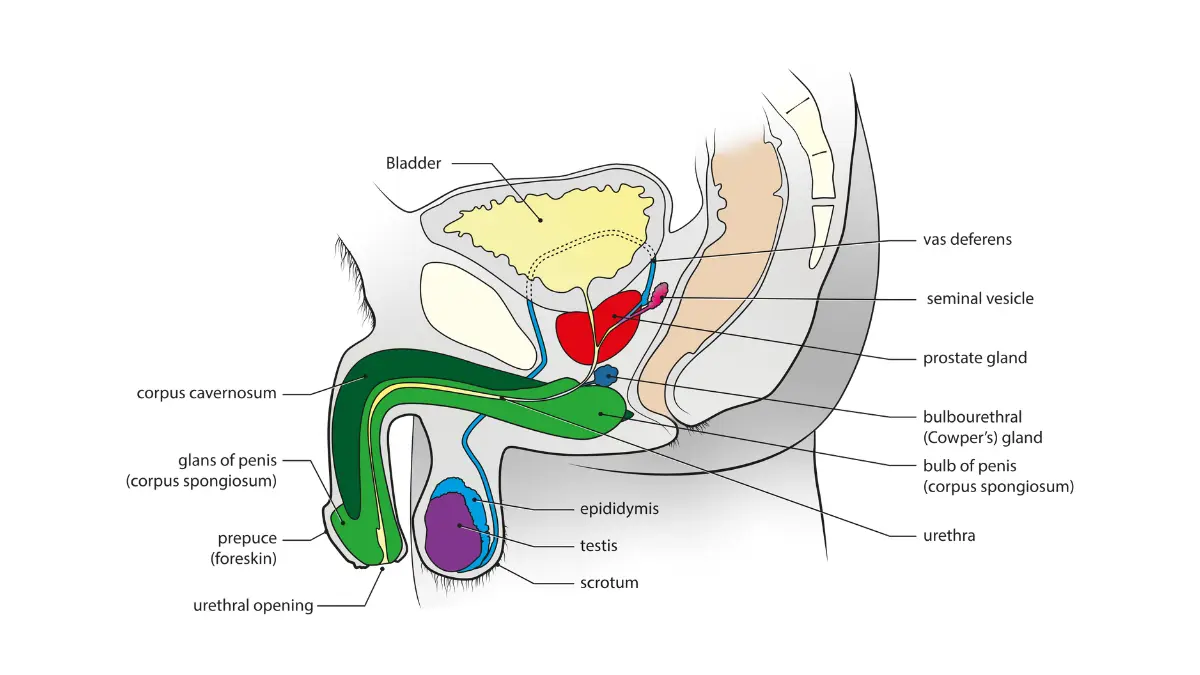
Prostate cancer causes are widely misunderstood. Age, family history, and genes are the proven risks — vasectomy and an enlarged prostate are not.
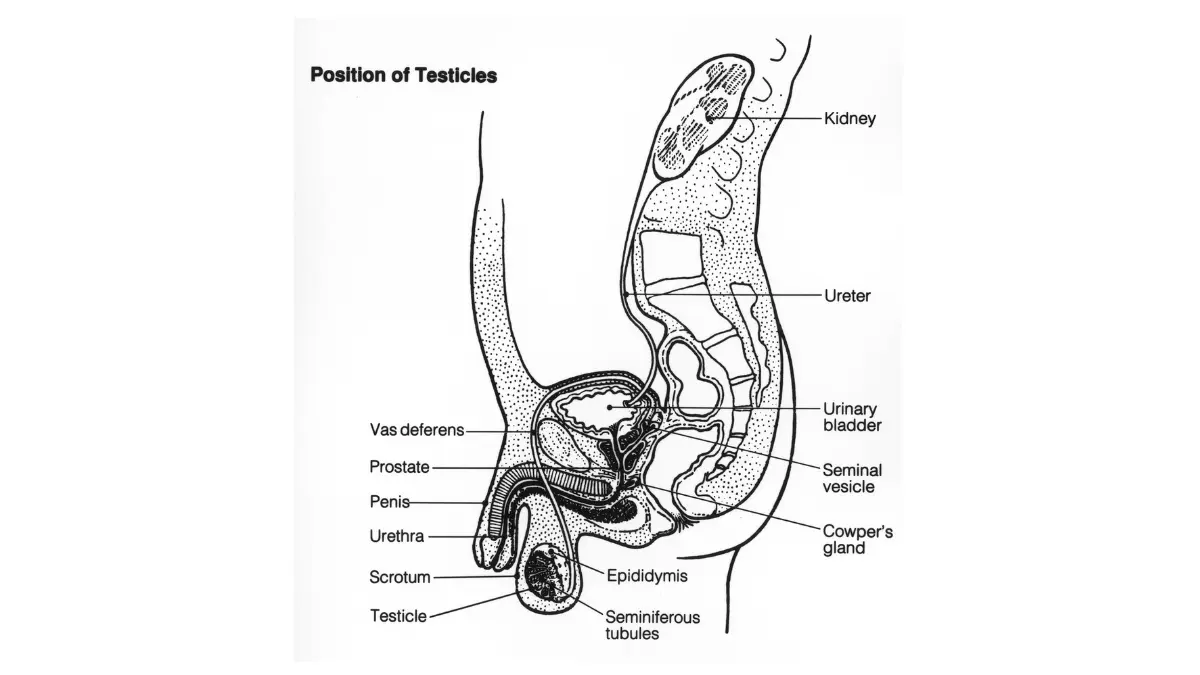
A PSMA PET scan spots prostate cancer spread that older scans miss, and trials show it's far more accurate. Here's how to read your results.
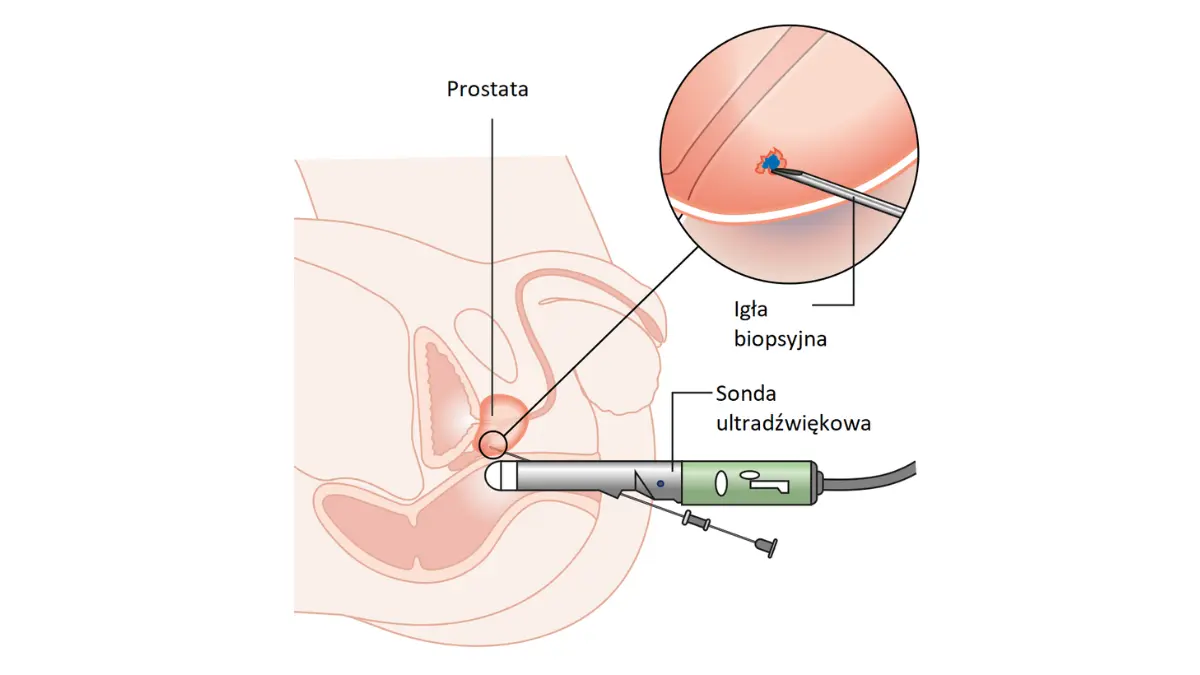
A prostate biopsy is the only way to confirm or rule out cancer after a high PSA. Here's what to expect, from MRI-guided biopsy to your Gleason score.
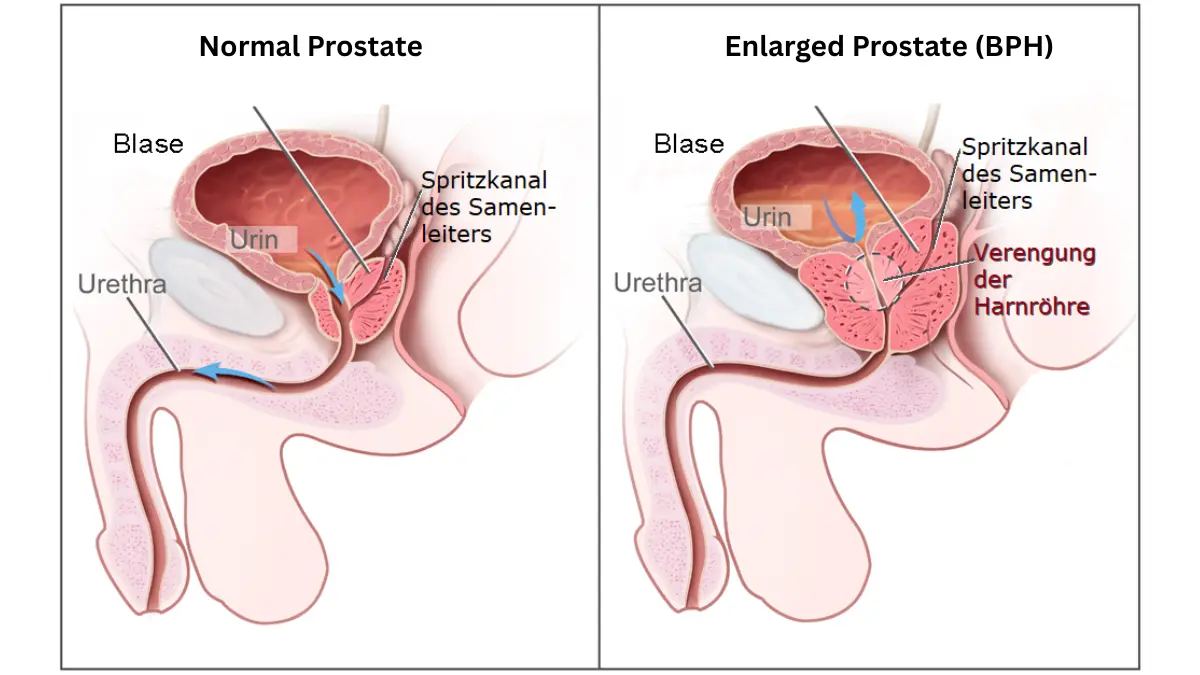
A high PSA on its own doesn't mean cancer. BPH, infection, recent exercise, and finasteride can all raise it—and many elevations settle on a repeat test.

A PSA test result means different things at 45 than at 70. See what's normal by age, what counts as high, and why one high reading rarely means a biopsy.
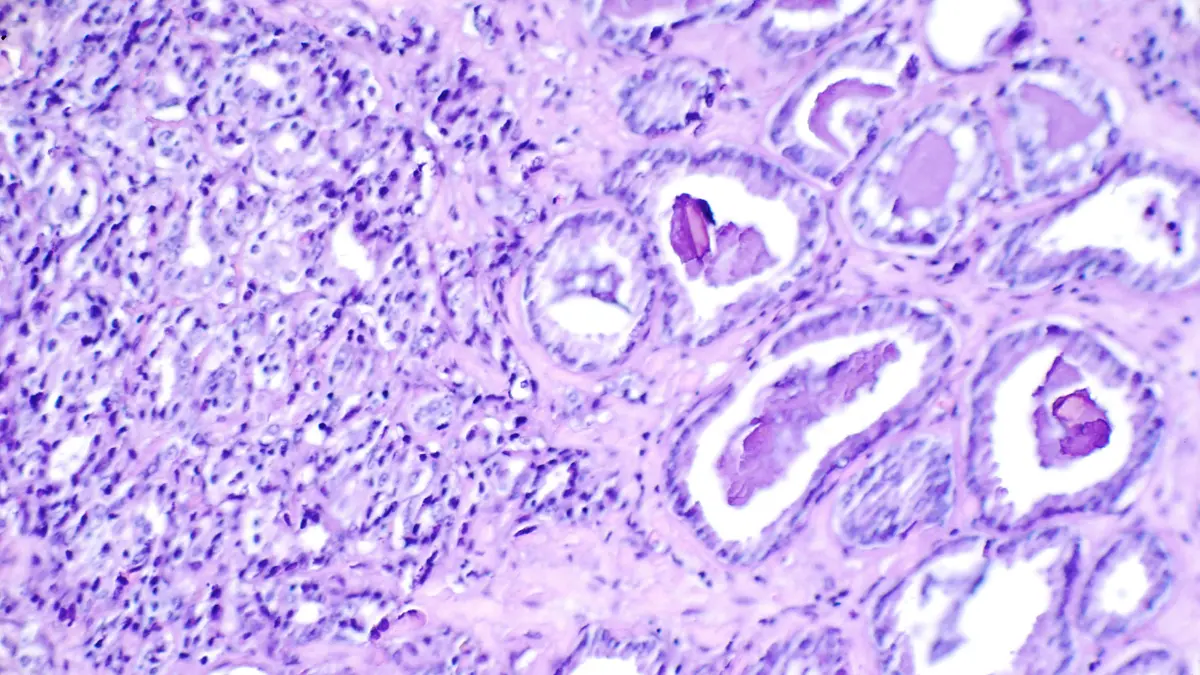
Your Gleason score grades prostate cancer from 6 to 10—but a 7 isn't one thing, and the score alone doesn't predict survival. Here's what it really means.

Stage 4 prostate cancer is treatable, not curable, and its survival rate is higher than older figures suggest. Here's what the numbers mean for you.

Prostate cancer stages range from 1 to 4, set by how far it has spread, your PSA, and your Grade Group. Here's what your stage really means.
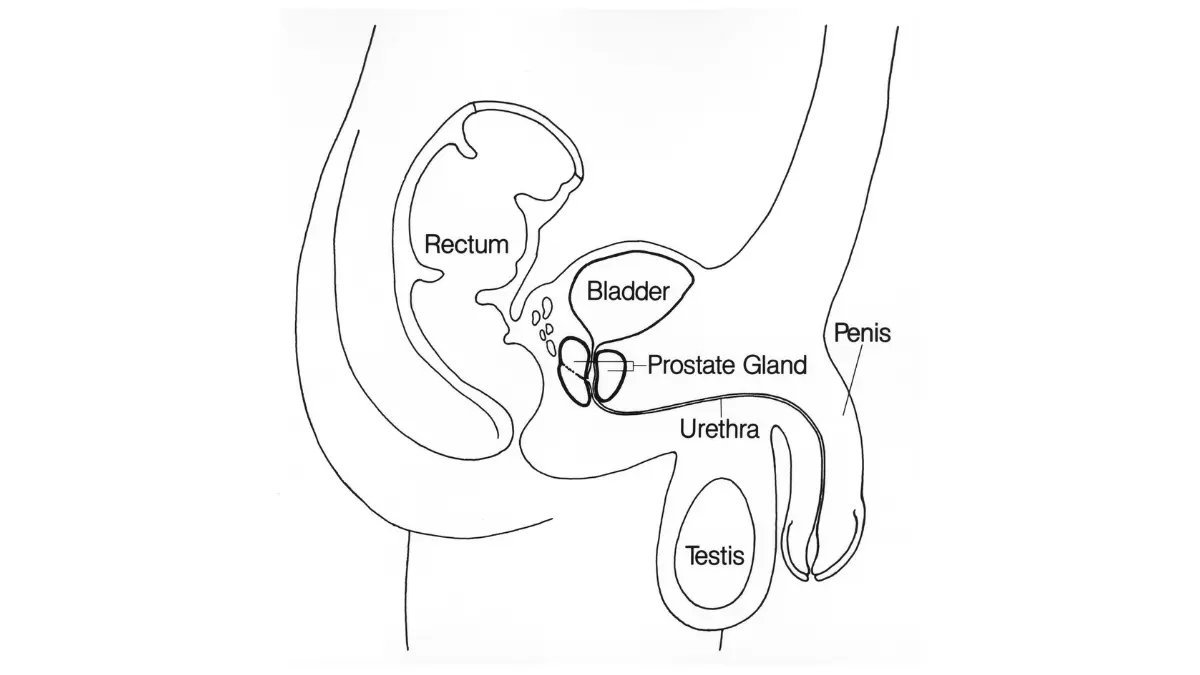
Early signs of prostate cancer are easy to miss—because there usually aren't any. Here's what doctors actually check, and when screening makes sense.