
Prostate Cancer Statistics 2026, From Cases to Survival
Prostate cancer statistics for 2026 show a 1 in 8 lifetime risk — but only 1 in 44 men die of it. Here's what the latest US numbers really mean.

Prostate cancer statistics for 2026 show a 1 in 8 lifetime risk — but only 1 in 44 men die of it. Here's what the latest US numbers really mean.

Prostate cancer survival rates vary by stage — from over 99% for localized disease to 38% once it spreads. Here's what the numbers mean for you.
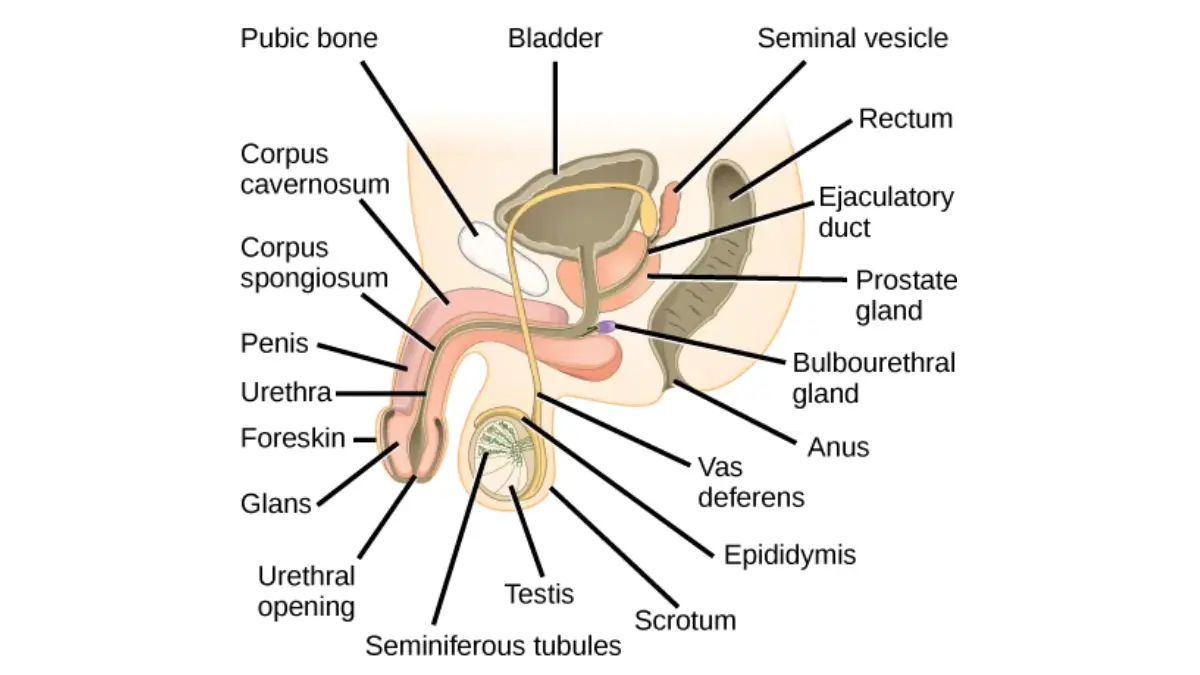
Metastatic prostate cancer has a 38% 5-year survival rate—but that average doesn't predict any one person's outlook. Here's how to read it.

Prostate cancer recurrence usually shows up first as a rising PSA — not symptoms. Here's how doctors read the threshold, doubling time, and PSMA PET scans.
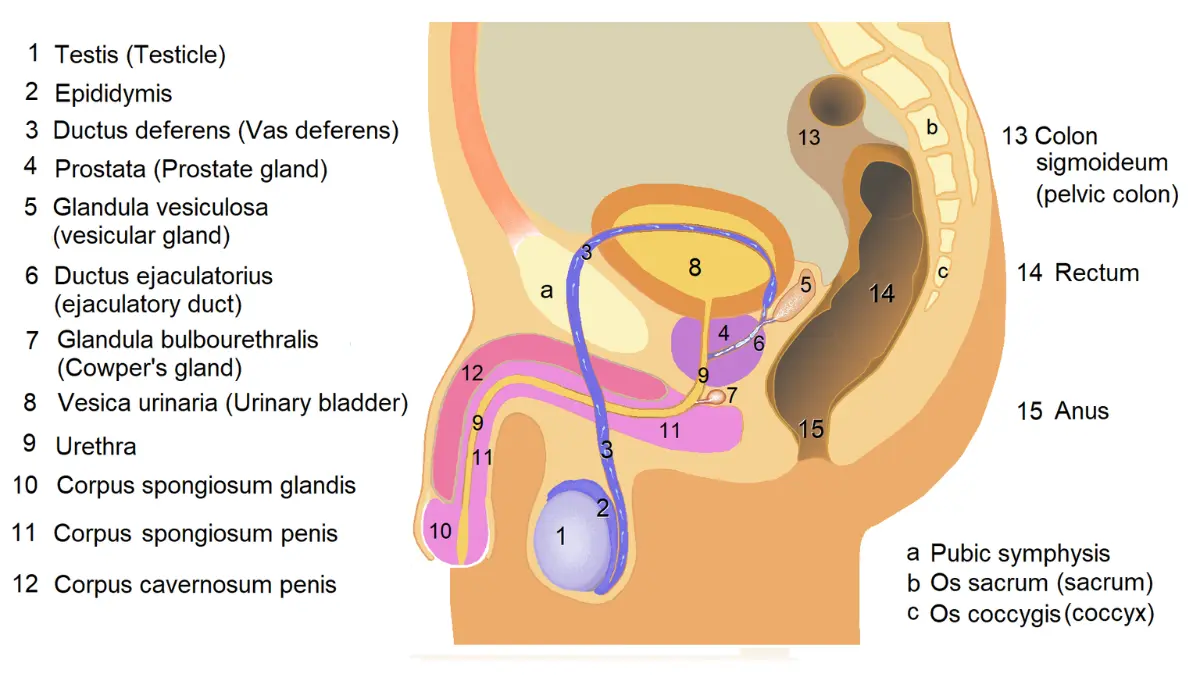
Leaking urine after prostatectomy is expected — and usually temporary. Here's the honest recovery timeline, from catheter removal to the 12-month mark.
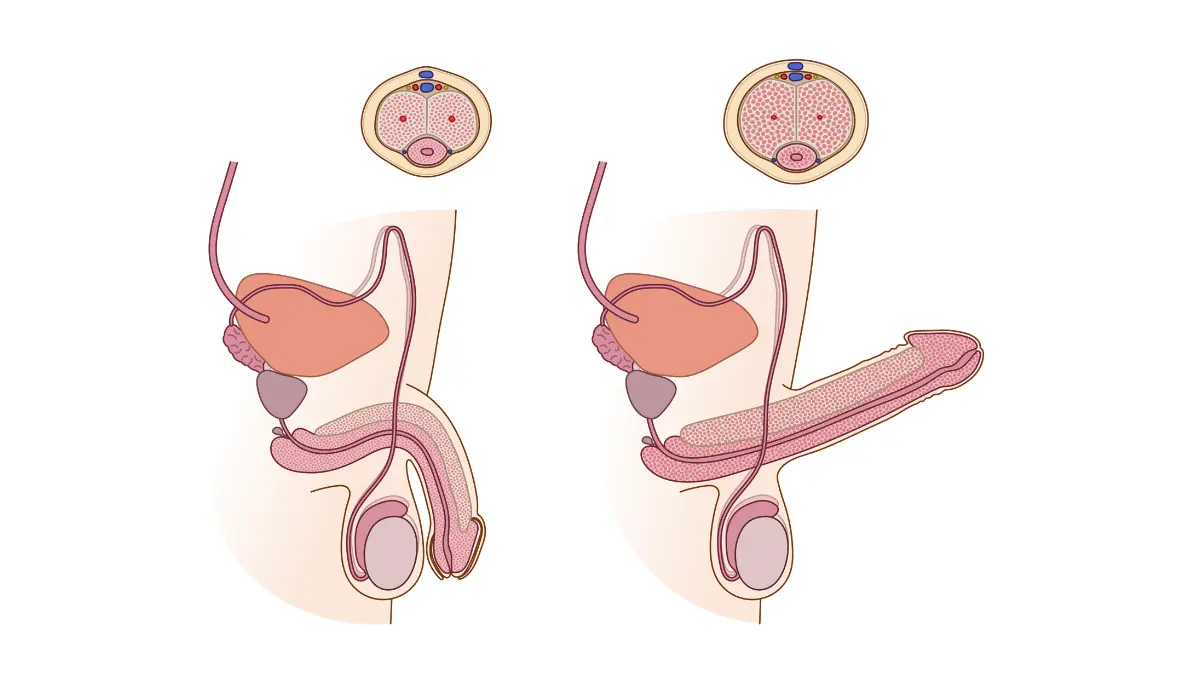
Erectile dysfunction after prostate cancer is common but often manageable — and recovery odds rise sharply for younger men with nerve-sparing surgery.
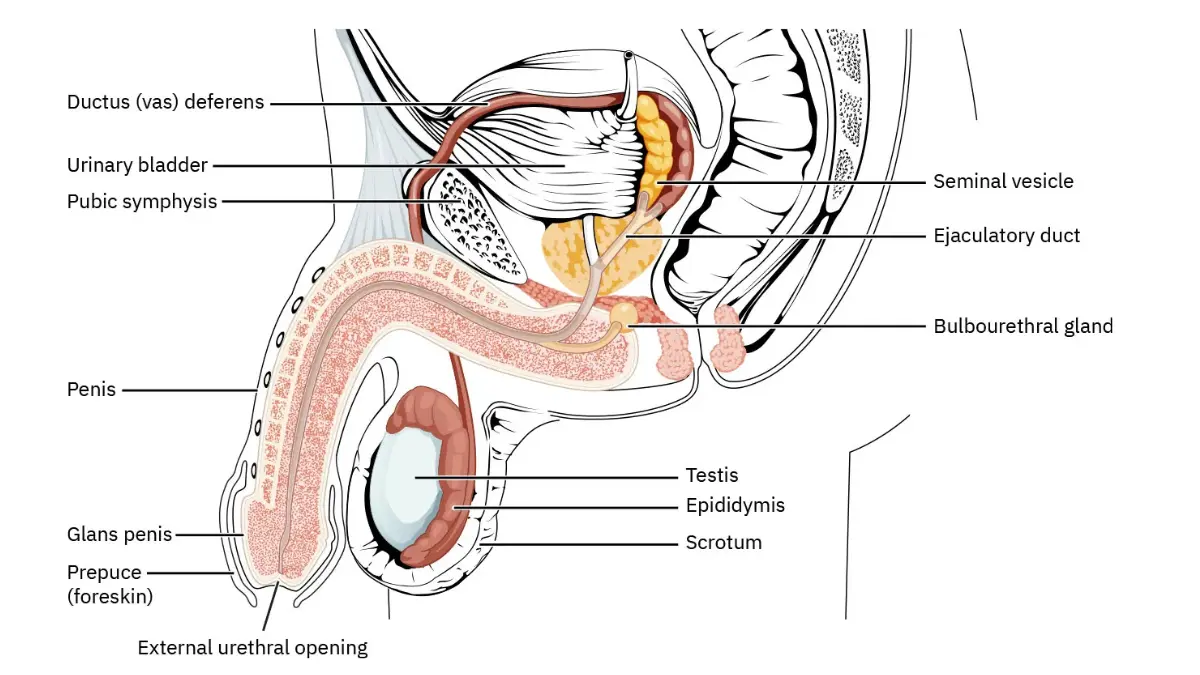
Choosing between prostate cancer surgery and radiation? Survival is nearly the same for both—what differs is the side-effect trade-off.
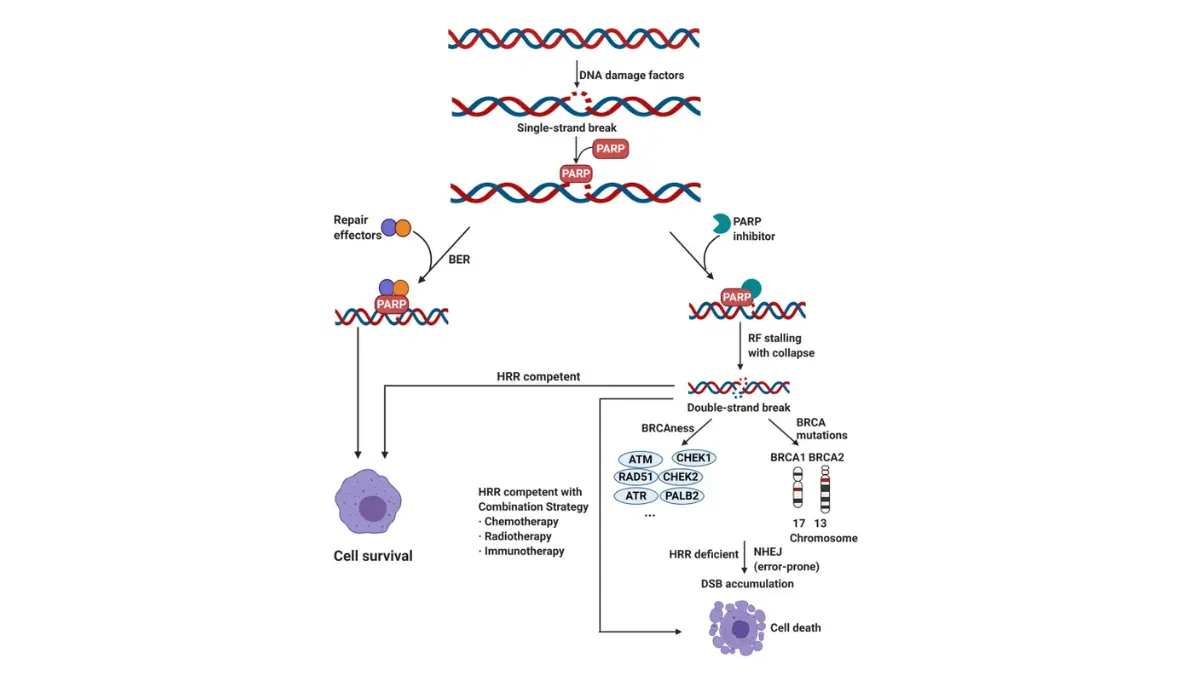
PARP inhibitors work only against prostate cancers with BRCA or HRR mutations—a December 2025 FDA approval added a BRCA2 hormone-sensitive option.

Immunotherapy for prostate cancer works differently than chemo: Provenge may extend survival even when scans don't shrink. Here's what that means for you.
Pluvicto, a lutetium-177 radioligand therapy, targets PSMA-positive metastatic prostate cancer — here's how it works and who qualifies.