
On This Page – Quick Medical Summary
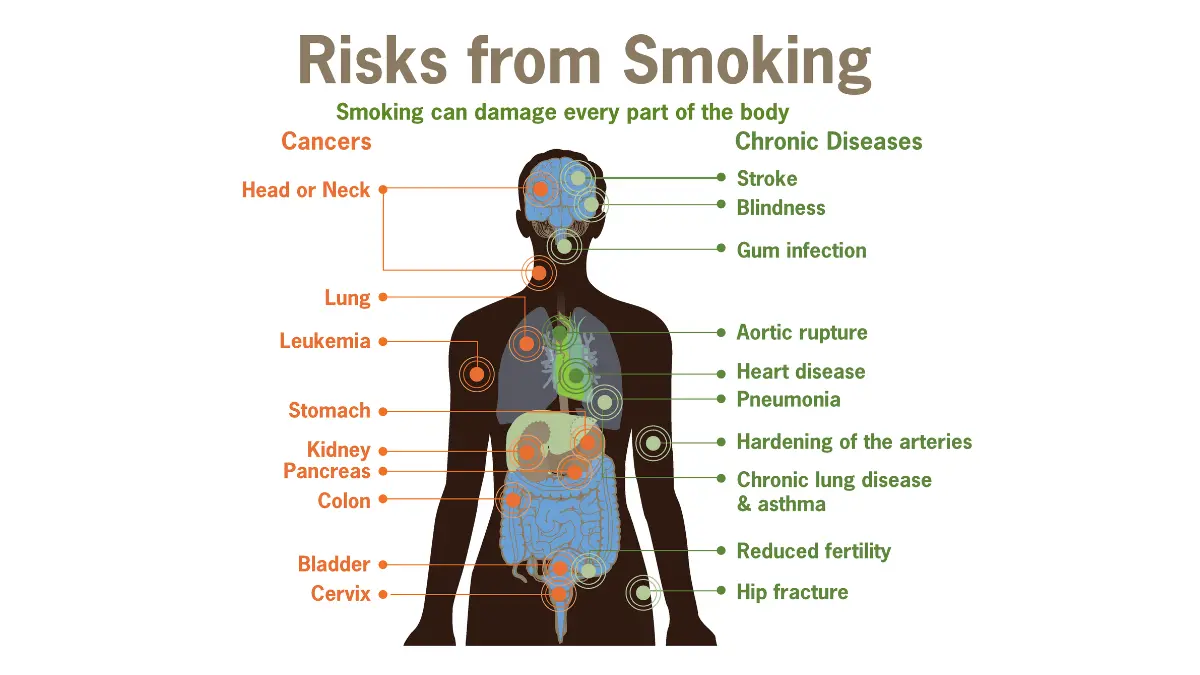
Quick Answer: Smoking is the #1 cause of lung cancer worldwide, directly responsible for 80–90% of all lung cancer deaths in the U.S. Every cigarette delivers 7,000+ chemicals — 70+ of which are confirmed carcinogens — straight into your lung tissue. Damage begins within seconds of your first inhale, compounding silently over years before surfacing as lung cancer, COPD, or fatal respiratory disease. There is no safe level of smoking.
The Brutal Reality — Smoking and Lung Cancer by the Numbers (2026)
Marcus, a 54-year-old warehouse supervisor from Cleveland, had smoked a pack a day since he was 19. In early 2026, he was diagnosed with Stage 3 non-small cell lung cancer. He had dismissed his persistent cough as nothing serious for nearly a year. By the time he was diagnosed, 35 years of smoking had caused irreversible damage throughout his left lung.
Marcus’s story is not rare. It is the statistical norm.
Lung cancer is the deadliest cancer in the United States — killing more Americans annually than breast, colon, and prostate cancers combined. In 2026, the American Cancer Society projects 226,650 new lung cancer diagnoses nationwide.
The numbers on smoking and lung cancer are unsparing:
- 80–90% of all U.S. lung cancer deaths are directly caused by cigarette smoking, according to the CDC’s Lung Cancer Risk Factors
- Smokers are 15 to 30 times more likely to develop or die from lung cancer than non-smokers
- 480,000 Americans die every year from cigarette smoking — more than from alcohol, car crashes, and drug overdoses combined
- Smokers die, on average, 10 years earlier than people who have never smoked
- 7,300 non-smokers die annually in the U.S. from lung cancer caused by secondhand smoke
If you smoke and are experiencing persistent chest symptoms, use our Symptom Checker to evaluate your risk immediately. You can also explore our detailed guide on the early signs of lung cancer and review lung cancer survival statistics by stage to understand what diagnosis timelines look like.
What This Means For You: Lung cancer caused by smoking is largely preventable. The earlier you quit or get screened, the better your outcomes.
Inside Every Cigarette — 7,000 Chemicals, 70 Confirmed Carcinogens
Most smokers know that cigarettes are harmful. Very few understand exactly what is happening inside their lungs with every single puff.
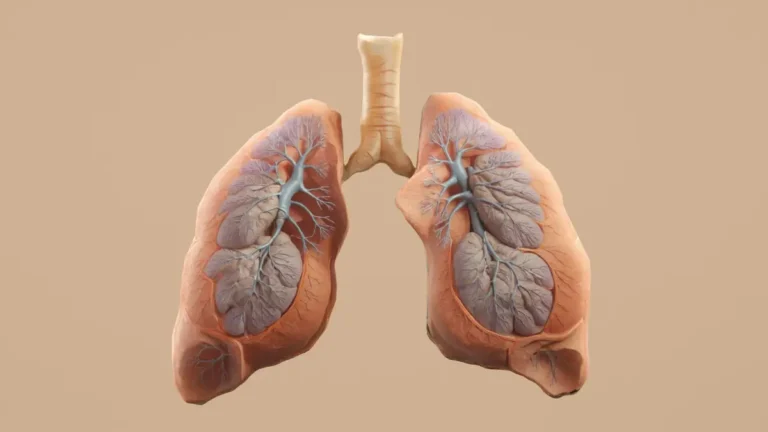
Tobacco smoke is a toxic aerosol containing over 7,000 chemicals. At least 70 of these are confirmed carcinogens — substances that directly mutate and destroy human cells. According to the National Cancer Institute, 36% of all smoking-related premature deaths in the U.S. are from cancer alone.
Here is what is inside every cigarette you light:
| Chemical | Also Found In | How It Destroys Lung Cells |
|---|---|---|
| Benzopyrene | Coal tar, vehicle exhaust | Forms DNA adducts; mutates KRAS and TP53 tumor-suppressor genes |
| Formaldehyde | Embalming fluid | Destroys cilia; triggers chronic airway inflammation |
| Arsenic | Rat poison | Causes oxidative DNA strand breaks |
| Polonium-210 | Radioactive element | Direct radiation exposure to bronchial epithelium |
| NNK / NNN (Nitrosamines) | Tobacco-specific compounds | Most potent lung carcinogens identified in any tested substance |
| Acrolein | Diesel exhaust fumes | Paralyzes cilia; accelerates mucus accumulation |
| Hydrogen Cyanide | Industrial chemical | Impairs mitochondrial function; drives mass cell death |
| Benzene | Petroleum/gasoline | Causes DNA strand breaks; linked to both lung cancer and leukemia |
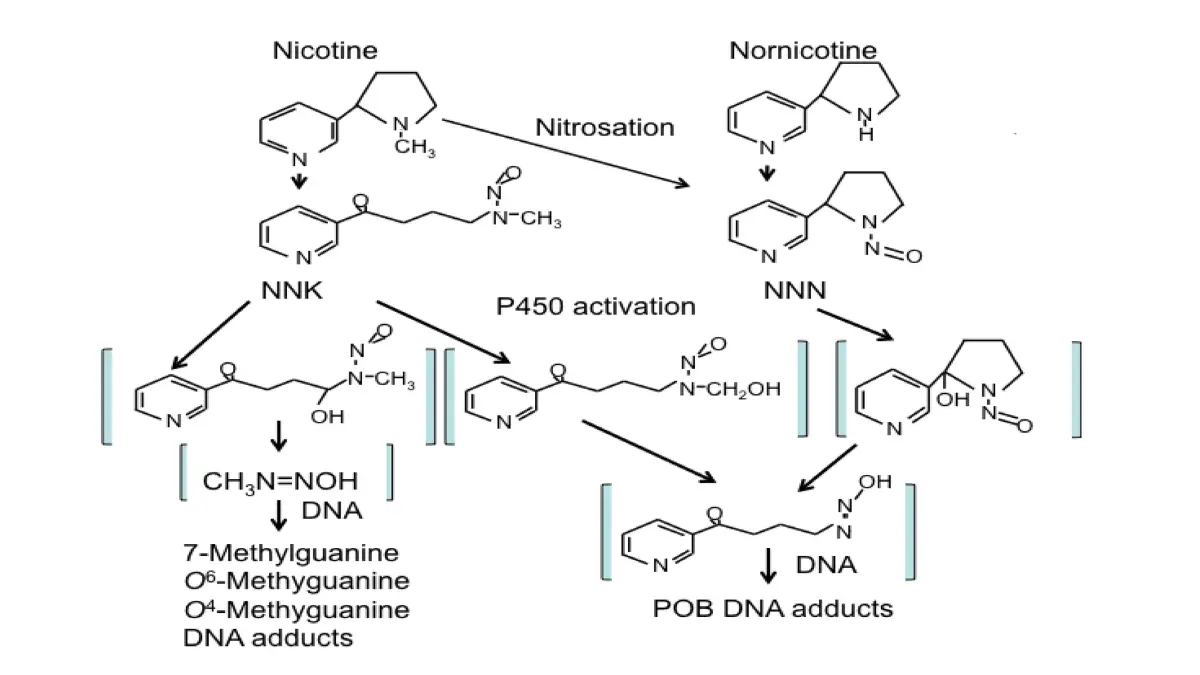
How carcinogens actually trigger lung cancer — step by step:
- Carcinogens are inhaled and bind directly to lung cell DNA
- This creates “DNA adducts” — chemical knots that distort genetic instructions
- Normal DNA repair mechanisms attempt to fix the damage — but repeated exposure overwhelms them
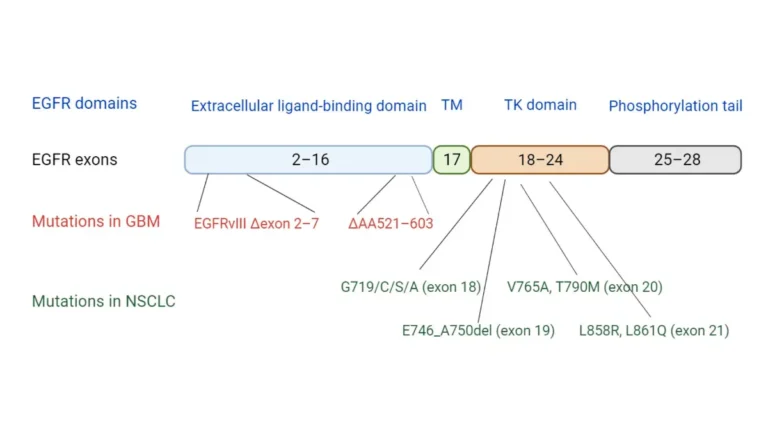
- Mutations accumulate in tumor-suppressor genes (TP53) and oncogenes (KRAS)
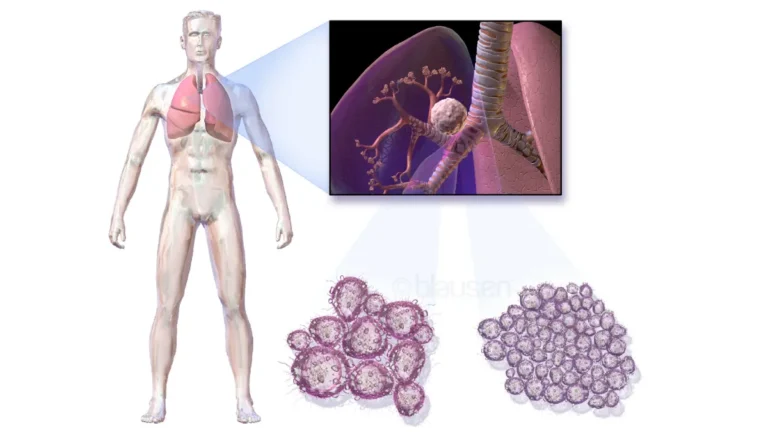
- A mutated lung cell begins dividing uncontrollably — forming a cancerous tumor
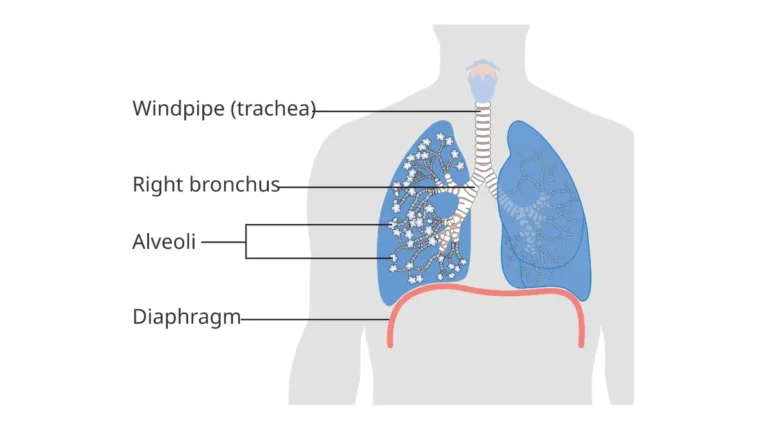
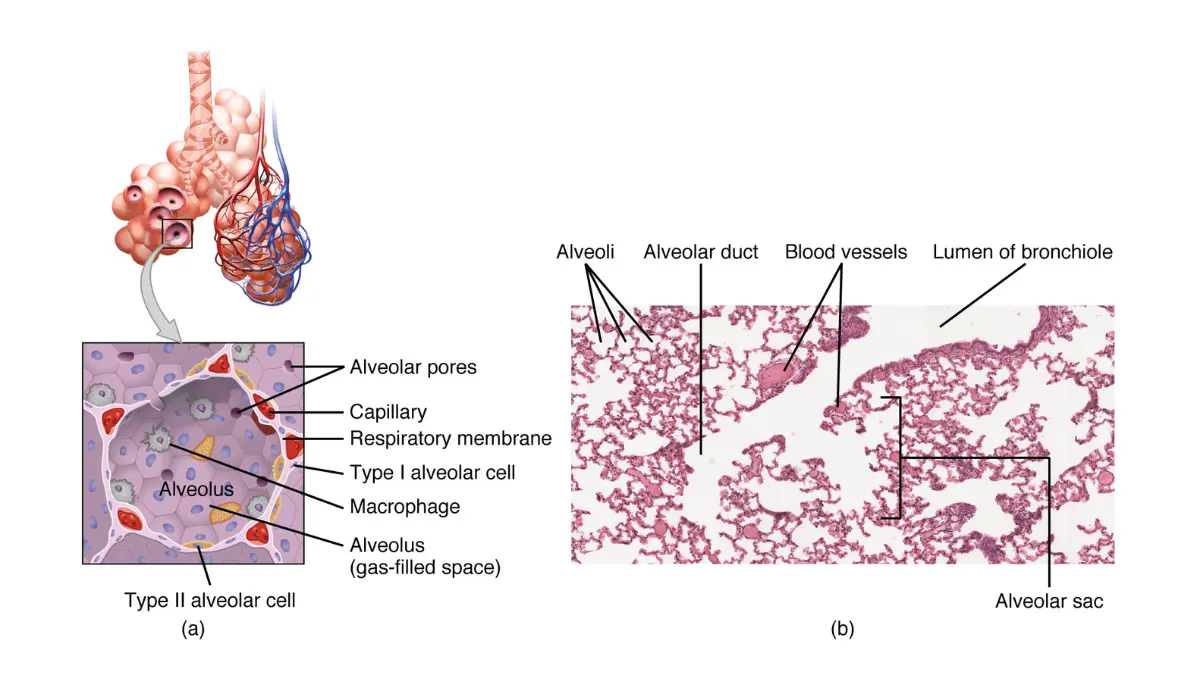
Tar — the sticky brown residue produced by burning tobacco — coats airways and destroys cilia, the microscopic hair-like structures that sweep debris and carcinogens out of your lungs. Once cilia are paralyzed, carcinogens remain in contact with lung tissue far longer, amplifying damage exponentially.
Research published in PMC/NIH confirms that chronic smoking-driven inflammation directly promotes tumor growth by triggering macrophage recruitment, delayed neutrophil clearance, and a surge in reactive oxygen species (ROS) throughout lung tissue.
Key Takeaway: Nicotine creates addiction, but the 70+ carcinogens in cigarette smoke are what physically destroy your lungs and initiate cancer.
How Smoking Damages Your Lungs — A Year-by-Year Timeline
This is the damage progression your doctor may not have mapped for you in detail — and it is the most critical information any smoker needs to see.
The Lung Damage Timeline:
| Timepoint | What Happens Inside Your Lungs |
|---|---|
| First puff | Cilia paralyzed within seconds; hot carcinogens hit bronchial lining |
| 20 minutes | Blood pressure spikes; airways begin to narrow |
| 8 hours | Carbon monoxide floods bloodstream, cutting oxygen delivery to lung cells |
| 1 week of smoking | Cilia function measurably impaired; mucus begins accumulating |
| 1 year | Persistent cough develops; chronic airway inflammation is established |
| 5 years | Measurable lung capacity reduction; early precancerous cell changes appear |
| 10 years | COPD risk significantly elevated; DNA mutations compound in bronchial epithelium |
| 20 years | Squamous cell carcinoma and adenocarcinoma risk peaks at up to 30× baseline |
| 30+ years | Cumulative pack-year burden critical; lifetime lung cancer risk at maximum |
Understanding Pack-Years — Your Personal Risk Metric
Clinicians calculate lung cancer risk using pack-years: packs smoked per day multiplied by years of smoking.
- 1 pack/day × 20 years = 20 pack-years
- 2 packs/day × 15 years = 30 pack-years
The higher your pack-year total, the greater your compounded lung damage and cancer risk. Use our Genetic Risk Assessment Tool alongside your smoking history to understand your full personal risk profile.
Smoking + Radon = Catastrophic Combined Risk
Radon gas — a naturally occurring radioactive gas found in soil — is the #2 cause of lung cancer in the U.S. When smoking and high radon exposure combine, the risk is synergistic, not merely additive. A smoker in a high-radon environment carries up to 10 times the lung cancer risk of a non-smoker in the same space.
What This Means For You: Every additional year of continued smoking adds another compounding, largely irreversible layer of lung damage. But quitting at any stage — even after 30 years — measurably reduces your cancer risk.
Smoking and Lung Cancer Types — NSCLC vs. SCLC
Not all smoking-related lung cancers behave the same way. The type of cancer that develops is closely tied to how long and how heavily you have smoked.
For the full clinical breakdown, see our dedicated guide on NSCLC vs. SCLC and our resource on lung cancer stages explained.
| Feature | NSCLC (Non-Small Cell) | SCLC (Small Cell) |
|---|---|---|
| % of all lung cancers | ~85% | ~15% |
| Smoking link | Strong | Near-total (98%+ of cases) |
| Growth rate | Slower | Extremely fast; spreads early |
| Most common subtypes | Adenocarcinoma, Squamous cell | Pure or combined SCLC |
| Early symptoms | Often silent for years | Cough, fatigue, weight loss appear earlier |
| Primary treatments | Surgery, targeted therapy, immunotherapy | Chemotherapy + radiation primarily |
| 5-year survival rate | 15–28% (stage-dependent) | ~7% overall |
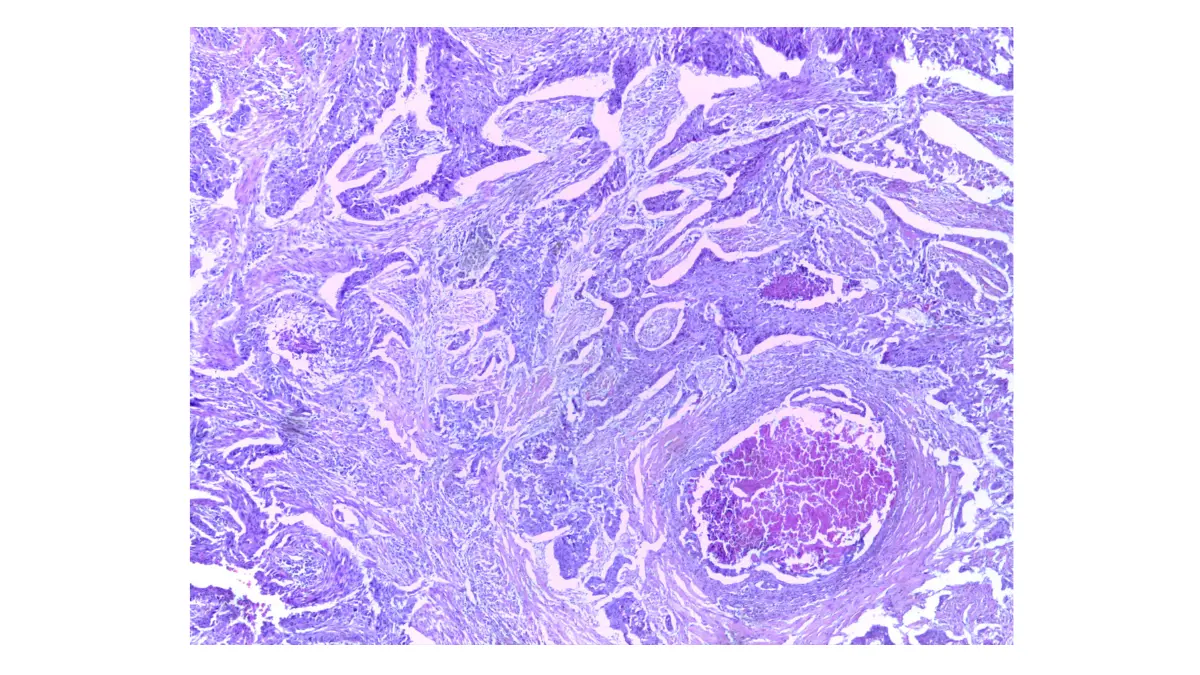
Squamous cell carcinoma forms in the central airways — the area most directly exposed to cigarette smoke inhalation. It is the most classically “smoker’s lung cancer,” driven by decades of heavy tobacco use.
Adenocarcinoma develops in the outer lung tissue. While still strongly smoking-linked, it is rising among lighter smokers and women — driven by deeper inhalation patterns and specific carcinogens concentrated in filtered cigarettes.
SCLC is almost exclusively a disease of long-term, heavy smokers. It is the most aggressive form of lung cancer — growing and spreading rapidly, frequently beyond the chest before diagnosis. The American Cancer Society confirms that cigar and pipe smoking carry nearly identical lung cancer risk to cigarettes.
Secondhand Smoke, Social Smoking & the “Light Cigarette” Myth
You don’t have to be the smoker to suffer serious lung damage.
Secondhand smoke — classified as a Group A human carcinogen by the EPA — kills approximately 7,300 non-smokers in the U.S. from lung cancer every year, according to the NCI’s Secondhand Smoke and Cancer fact sheet. Children regularly exposed to secondhand cigarette smoke develop measurably compromised lung function by the time they reach adulthood.
Globally, Cancer Research UK reports that smoking causes more than 6 in 10 lung cancer cases in the United Kingdom. In Australia, over 90% of lung cancers are tobacco-linked.
Now let’s dismantle the myths about “safer” smoking — because these beliefs cost lives. For a complete picture of all lung cancer risks, review our guide on lung cancer causes beyond smoking.
| Myth | The Science |
|---|---|
| “Light cigarettes are safer” | Smokers inhale more deeply to compensate — NCI confirms tar exposure is equivalent |
| “Social smoking is low-risk” | Even occasional smoking measurably damages DNA; there is no safe exposure threshold |
| “Menthol cigarettes are smoother and less harmful” | Menthol increases nicotine absorption and drives deeper, longer inhalation |
| “Vaping doesn’t damage lungs like cigarettes” | Vape aerosols contain formaldehyde, acrolein, and heavy metals — all confirmed lung toxins |
| “Low-tar cigarettes cut my cancer risk” | WHO confirms no proven risk reduction from low-tar or filtered cigarette products |
Quit Smoking Today — How Your Lungs Recover
Here is the most important fact in this entire article: your lungs are remarkably resilient, and quitting smoking at any age saves measurable years of life.
Recovery begins faster than most smokers realize:
| Time After Your Last Cigarette | What Recovers |
|---|---|
| 20 minutes | Blood pressure and heart rate normalize |
| 12 hours | Carbon monoxide clears from blood; oxygen delivery to lungs improves |
| 2 weeks – 3 months | Lung function and circulation measurably improve |
| 1 – 9 months | Cilia regrow; coughing and mucus production decrease significantly |
| 1 year | Coronary heart disease risk cut by 50% |
| 5 years | Stroke risk equals that of a lifelong non-smoker |
| 10 years | Lung cancer death risk approximately halved vs. continued smokers |
| 15 years | Heart disease risk matches that of a never-smoker |
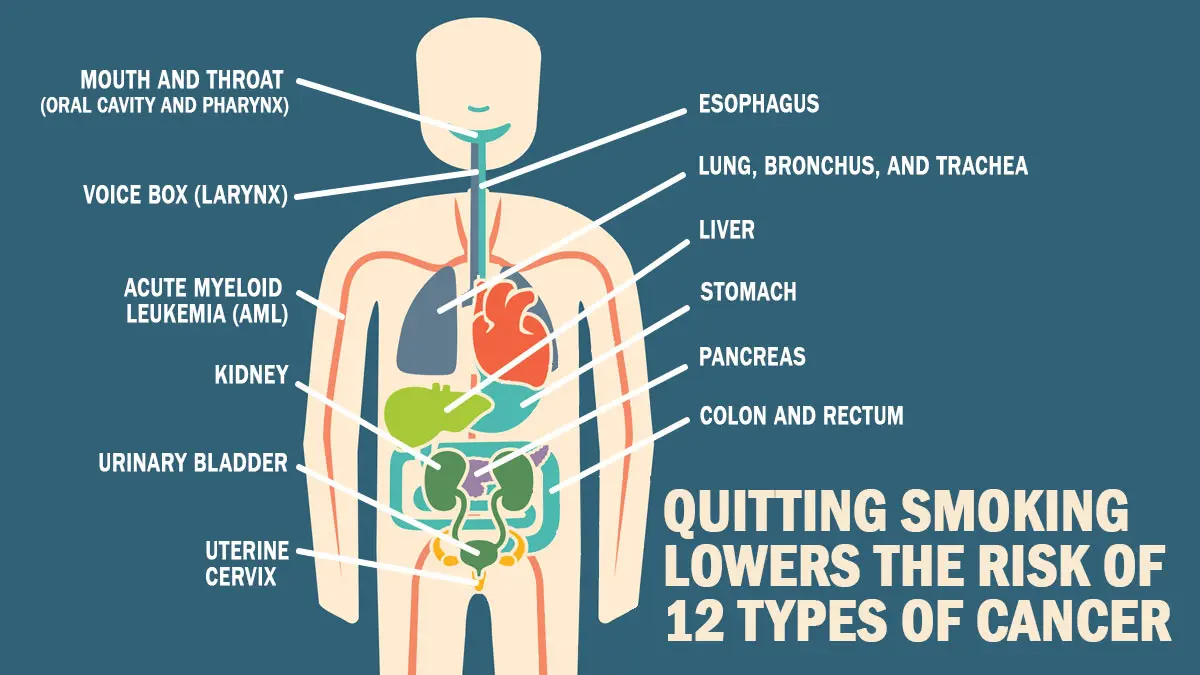
The NCI’s clinical quit smoking resource confirms that every smoker — regardless of age or duration — gains measurable life expectancy benefits by quitting. Benefits begin within 20 minutes of your last cigarette.
Cessation Methods Ranked by Clinical Evidence:
- Combination NRT (patch + gum or lozenge) — doubles success rates vs. willpower alone
- Varenicline (Chantix) — most effective single pharmacotherapy in clinical trials
- Bupropion — effective, especially in smokers with concurrent depression
- Behavioral counseling — significantly boosts long-term quit rates in combination with any medication
- Quitlines — call 1-800-QUIT-NOW; free, personalized coaching available in all 50 states
Your 5-Step Quit Plan — Starting Today:
- ✅ Step 1: Set a firm quit date — put it on your calendar right now
- ✅ Step 2: Tell one trusted person — accountability statistically doubles success
- ✅ Step 3: Speak to your doctor about NRT or prescription quit-smoking aids
- ✅ Step 4: Identify and avoid your top 3 smoking triggers for the first 21 days
- ✅ Step 5: Access free quit tools and support at smokefree.gov
As your lung function improves, carefully rebuilding cardiovascular activity is essential. Use our Heart Rate Zone Calculator to safely reintroduce exercise as your breathing capacity recovers. Many people also experience disrupted sleep during nicotine withdrawal — use our Sleep Calculator to optimize your rest cycles during this critical window. Staying well-hydrated supports your body’s detoxification process — calculate your daily needs with our Water Intake Calculator.
The World Health Organization estimates that quitting smoking before age 40 reduces the risk of smoking-related death by approximately 90%. Even quitting at age 60 meaningfully extends both lifespan and quality of life.
For a deeper understanding of how lung cancer develops, progresses, and is treated, visit our comprehensive pillar article: What Is Lung Cancer? — The Complete 2026 Medical Guide.
What This Means For You: Quitting smoking is the single most impactful health decision a smoker can make — at any age, at any stage. Your lungs will respond. The biology is unambiguous. Start today.
Frequently Asked Questions: Smoking and Lung Cancer
1. Does every smoker get lung cancer?
No — but all smokers sustain lung damage. Approximately 10–15% of long-term smokers develop lung cancer. However, smoking elevates the risk 15–30 times above baseline for everyone who smokes.
2. How many cigarettes a day causes lung cancer?
There is no safe number. According to CDC data, even fewer than one cigarette per day carries nine times the lung cancer death risk of a non-smoker.
3. How long does it take smoking to cause lung cancer?
Typically 20–30 years of sustained smoking. However, measurable precancerous cell changes can begin within 5 years of regular smoking.
4. Can your lungs heal after quitting smoking?
Yes — significantly. Cilia begin regrowing within 1–9 months. Lung cancer death risk is approximately halved within 10 years of quitting.
5. What chemicals in cigarettes cause lung cancer?
The primary culprits are benzopyrene, tobacco-specific nitrosamines (NNK, NNN), formaldehyde, arsenic, polonium-210, and benzene — all confirmed lung carcinogens.
6. Does secondhand smoke cause lung cancer?
Absolutely. Secondhand smoke is a Group A human carcinogen. It kills approximately 7,300 non-smoking Americans from lung cancer every year.
7. Are light cigarettes safer than regular cigarettes?
No. Smokers of light cigarettes automatically inhale more deeply to compensate. Carcinogen and tar exposure is clinically equivalent to regular cigarettes.
8. What are the first signs of lung damage from smoking?
A persistent cough, shortness of breath during mild activity, recurring chest infections, unexplained fatigue, and reduced exercise tolerance are early warning signals.
9. What is a pack-year and why does it matter?
Pack-years = packs per day × years smoked. Higher totals correlate directly with greater lung cancer risk and determine eligibility for annual low-dose CT lung cancer screening.
10. Is vaping safer for the lungs than smoking cigarettes?
Vaping eliminates tar but still delivers formaldehyde, acrolein, nicotine, and heavy metals directly into lungs. Long-term vaping lung damage data is still emerging — it is not considered safe.
11. What is the 5-year survival rate for lung cancer caused by smoking?
Overall, NSCLC carries a 5-year survival rate of approximately 15–28% and SCLC approximately 7%. Early-stage detection through annual low-dose CT screening dramatically improves outcomes.
⚠️ Medical Disclaimer: This article is intended for educational and informational purposes only and does not constitute medical advice, diagnosis, or treatment. If you smoke, have a family history of lung cancer, or are experiencing any respiratory symptoms, please consult a licensed healthcare provider immediately. For personalized risk assessment, ask your physician about low-dose CT lung cancer screening eligibility based on your smoking history.
About this content
How this article was put together: researched from recognised health sources, drafted with the help of AI tools, and edited by hand, with sources linked throughout.

Sameer Patel is the founder and editor of My Medicine Advisor. He is not a doctor or medical professional — before starting this site he worked in banking,…
Medical disclaimer
The content on MyMedicineAdvisor is provided for general informational and educational purposes only and is not a substitute for professional medical advice, diagnosis, or treatment. Health information on this website should not be used to diagnose, treat, cure, or prevent any condition without guidance from a qualified healthcare professional. Always seek the advice of your doctor, physician, or another licensed healthcare provider with any questions you may have regarding a medical condition, symptoms, medications, or treatment decisions.