
On This Page – Quick Medical Summary
What Are the Early Signs of Lung Cancer?
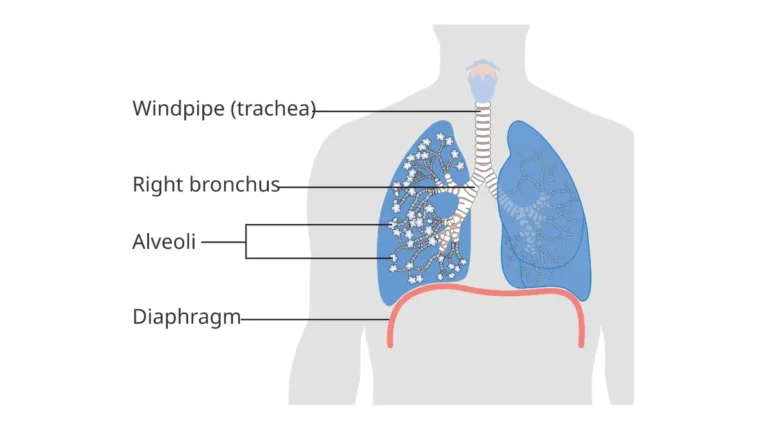
The early signs of lung cancer include a persistent cough lasting more than three weeks, unexplained shortness of breath, hoarseness, coughing up blood, and chest pain that worsens with deep breathing. Most people dismiss these symptoms as minor illness — and that delay costs lives.
If you’re experiencing any of the symptoms below, use our free Symptom Checker to assess your risk profile before your next doctor’s visit.
David, 56, had a dry morning cough for nearly six months. He blamed seasonal allergies. When he finally got a CT scan after his third round of antibiotics failed, he was Stage IIIA. “I kept waiting for it to go away on its own,” he said. “It never did.”
Lung cancer is the #1 cancer killer in the United States, claiming more lives each year than breast, colon, and prostate cancers combined, according to the National Cancer Institute. What makes it so deadly? Nearly 47% of patients are diagnosed at Stage III or IV, when treatment options narrow and survival rates drop dramatically.
The critical truth: when lung cancer is caught at Stage I, the 5-year survival rate can exceed 90%. That number collapses to under 10% at Stage IV. The distance between those two outcomes often comes down to recognizing symptoms early — and acting on them.
The 8 Core Early Signs of Lung Cancer You Must Know
These are the most clinically documented early symptoms of lung cancer. They frequently appear 6–24 months before a formal diagnosis is made — and they are routinely attributed to less serious conditions.
1. Persistent Cough That Won’t Go Away
A cough lasting more than 3 weeks — especially one that changes in character, worsens over time, or produces discolored mucus — is the most common early warning sign of lung cancer.
It may start as a dry tickle. Over weeks, it can deepen, become more frequent, and resist standard cough treatments.
⚠️ When to act: A cough that doesn’t improve within 3 weeks of standard treatment requires medical evaluation. Do not dismiss it as a lingering cold.
2. Shortness of Breath During Normal Activity
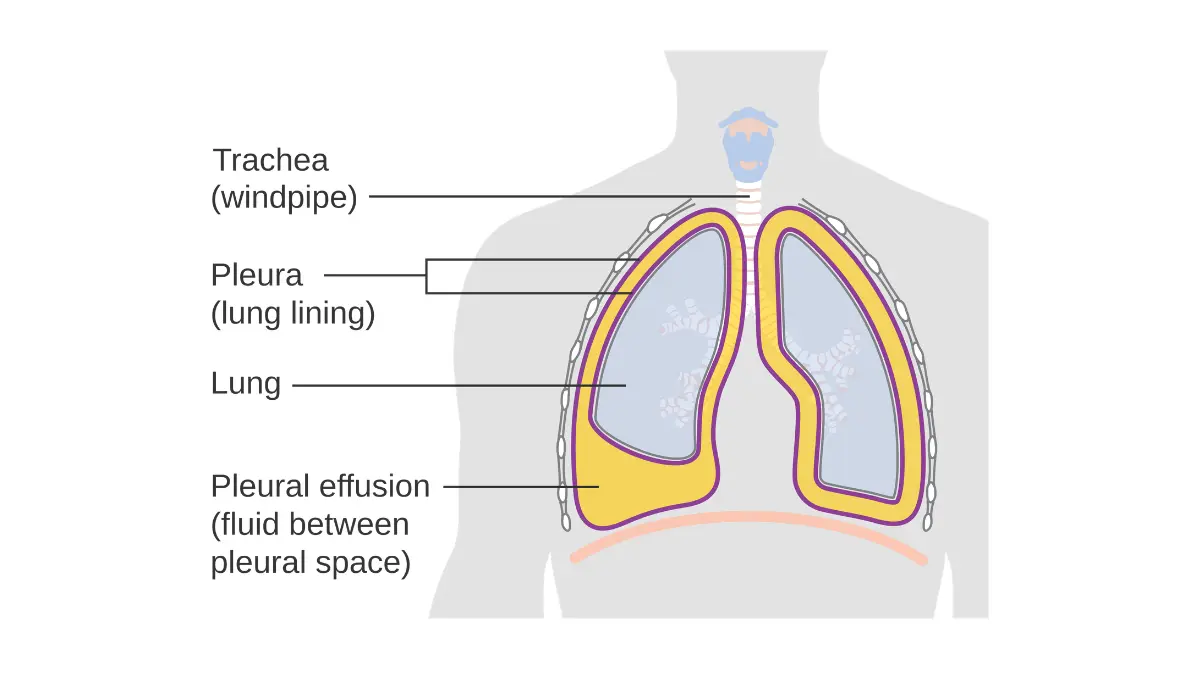
Difficulty breathing during activities that previously felt easy — walking up a flight of stairs, carrying groceries — can signal a tumor partially blocking an airway or fluid accumulating around the lung (pleural effusion).
According to the American Cancer Society, breathlessness is one of the most frequently reported early symptoms in non-smoking patients with lung cancer.
⚠️ When to act: Unexplained breathlessness with minor exertion, or at rest, requires urgent evaluation — not watchful waiting.
3. Chest Pain That Worsens With Breathing
Pain in the chest, shoulder, or back that intensifies when breathing deeply, coughing, or laughing is a classic pleuritic sign. It may indicate a tumor pressing against the chest wall or the lining of the lung.
⚠️ When to act: Any persistent, unexplained chest pain — even if dull or intermittent — requires imaging. Do not assume it’s muscular.
4. Coughing Up Blood (Hemoptysis)
Even a small amount of blood in coughed-up mucus is a medical emergency signal. Hemoptysis occurs when a tumor erodes into a blood vessel within the airway lining.
The CDC’s lung cancer resource lists hemoptysis as one of the highest-alert warning signs requiring same-day clinical attention.
⚠️ When to act: Any blood in coughed material — regardless of amount — requires emergency medical evaluation. There is no safe threshold for this symptom.
5. Unexplained Weight Loss
Losing 10 or more pounds without dietary changes or increased activity is a systemic red flag. Cancer cells release inflammatory cytokines that suppress appetite and accelerate metabolism, producing rapid, unintentional weight loss.
You can track your weight trends using our free BMI Calculator — a simple baseline to bring to your appointment.
⚠️ When to act: Unintentional weight loss of 10+ lbs within 30 days, with no explanation, warrants urgent medical review.
6. Persistent Hoarseness or Voice Changes
A hoarse, rough, or unusually deep voice that persists beyond 2–3 weeks without an obvious cold can indicate that the tumor is pressing on the recurrent laryngeal nerve, which controls the vocal cords.
According to Mayo Clinic’s lung cancer symptom guide, voice changes are a frequently underreported but clinically significant early indicator.
⚠️ When to act: Hoarseness that outlasts a respiratory illness, or appears suddenly without illness, is clinically significant and should be evaluated.
7. Recurring Respiratory Infections
Pneumonia or bronchitis that keeps returning after treatment — or that takes an unusually long time to resolve — may indicate a tumor obstructing the airway, preventing normal drainage and setting up recurrent infection in the same lung segment.
Johns Hopkins Medicine reports that recurring infections in the same lung area are a recognized early indicator reported by patients in the months before their lung cancer diagnosis.
⚠️ When to act: Two or more chest infections within 12 months, particularly in the same area, warrants a referral for chest imaging.
8. Unexplained Fatigue and Loss of Appetite
Profound, persistent fatigue that isn’t relieved by rest — combined with a loss of interest in eating — reflects the body’s systemic inflammatory cancer response. These are non-specific but medically significant symptoms when they persist without explanation.
⚠️ When to act: Fatigue lasting more than 2–3 weeks without explanation, especially when combined with any other symptom on this list, should be discussed with your physician promptly.
5 Lung Cancer Symptoms That Almost Every Article Misses
These warning signs appear in fewer than 2 of the top 10 ranking health pages. They are frequently misdiagnosed — and they lead to the most preventable late-stage diagnoses.
Shoulder and Upper Back Pain
A Pancoast tumor — a lung cancer forming at the very top (apex) of the lung — can compress the brachial plexus nerve network before any respiratory symptoms develop. This causes severe shoulder pain, arm weakness, and numbness radiating down the arm.
It is routinely misdiagnosed as a rotator cuff injury, pinched nerve, or herniated disc for months.
Superior Vena Cava (SVC) Syndrome
Sudden swelling of the face, neck, and upper arms — sometimes with a visible bluish tinge — signals that a tumor is compressing the superior vena cava, the major vein carrying blood back to the heart.
This is a medical emergency. Patients reporting this to general practitioners are sometimes told it is allergy or thyroid-related, causing dangerous delays.
Finger Clubbing
A painless, gradual rounding of the fingertip pads and nail beds — documented in up to 35% of lung cancer patients — is almost universally missed by patients and sometimes by general practitioners. Most people assume it’s cosmetic or genetic.
If you notice unexplained changes in your fingertip shape, use our Genetic Risk Assessment Tool to evaluate your broader cancer risk factors.
Horner’s Syndrome
A drooping eyelid, constricted pupil, and reduced sweating on one side of the face only — this triad is called Horner’s syndrome. It can be the sole visible sign of an apical lung tumor compressing the sympathetic nerve chain.
This presentation is almost always missed on first clinical presentation.
Bone Pain Without Injury
Aching in the hips, lower spine, or ribs with no history of trauma or arthritis may indicate early bone metastasis. Lung cancer is one of the most common cancers to spread to bone — and bone pain is sometimes the first symptom a patient notices.
| Symptom | Commonly Misdiagnosed As | Urgency Level |
|---|---|---|
| Shoulder / upper arm pain | Rotator cuff injury | 🔴 High if no injury history |
| Face, neck, arm swelling | Allergy / thyroid condition | 🔴 Emergency |
| Finger clubbing | Cosmetic / genetic | 🔴 High — evaluate immediately |
| Drooping eyelid (one side only) | Fatigue / neurological | 🔴 Emergency referral |
| Unexplained hip or spine pain | Arthritis / muscle strain | 🟠 Medium-High |
Early Signs by Lung Cancer Type, Sex, and Smoking Status
Not all lung cancers behave the same. Symptoms differ significantly by cancer subtype and patient profile. Understanding these differences is essential for early recognition — read our detailed breakdown of NSCLC vs. SCLC for the full clinical comparison.
NSCLC vs. SCLC — A Symptom-Level Difference
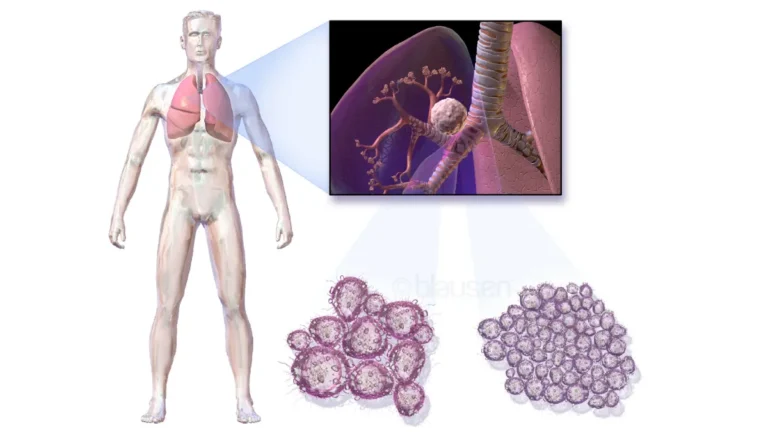
Non-Small Cell Lung Cancer (NSCLC) represents approximately 85% of all lung cancer cases:
- Adenocarcinoma — grows on the outer edges of the lung, often symptom-silent for longer periods; more common in women and non-smokers
- Squamous cell carcinoma — forms in central airways, triggers earlier and more aggressive symptoms (cough, hemoptysis); more common in male smokers
Small Cell Lung Cancer (SCLC) is less common but far more aggressive. It can produce paraneoplastic syndromes — immune-mediated conditions — before classic lung symptoms appear, including muscle weakness, leg heaviness (Lambert-Eaton syndrome), and elevated blood calcium. See our guide on small cell lung cancer survival rates and treatment for prognosis data.
Early Signs of Lung Cancer in Non-Smokers
This is the most under-reported story in lung cancer awareness. According to the American Lung Association, approximately 1 in 5 lung cancer diagnoses worldwide occurs in someone who has never smoked.
Leading causes in non-smokers:
- Radon gas — the #1 cause of lung cancer in non-smokers (EPA data)
- Secondhand smoke — long-term exposure substantially elevates risk
- Air pollution (PM2.5 particulate matter) — increasingly linked to adenocarcinoma
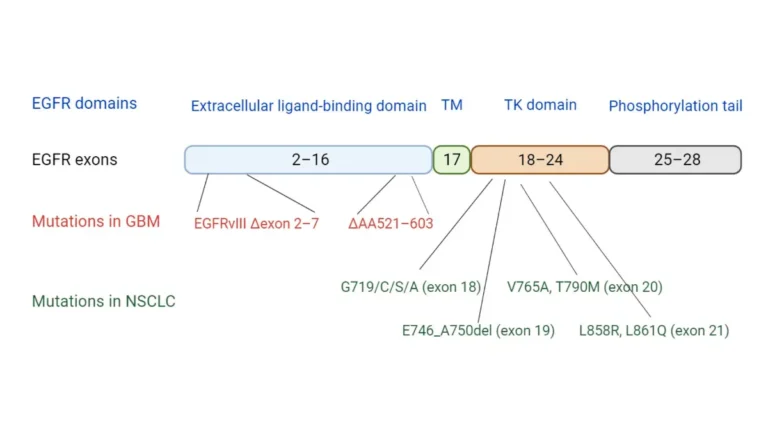
- EGFR and ALK gene mutations — prevalent in younger, non-smoking women
Critical clinical insight: Non-smokers’ symptoms are significantly more likely to be dismissed as anxiety, GERD, or “stress.” If you’ve never smoked and have a persistent cough or unexplained breathlessness lasting more than 3 weeks, push explicitly for imaging.
Early Signs of Lung Cancer in Women
Women develop adenocarcinoma at substantially higher rates than men. Because this subtype forms at the lung’s periphery — away from central airways — it produces fewer and subtler early symptoms until the tumor is considerably larger.
Research highlighted by MedlinePlus (NIH) indicates that women are more frequently diagnosed at an advanced stage, partly because their symptoms are less recognized early by both patients and clinicians.
Women should pay particular attention to:
- Persistent fatigue disproportionate to activity level
- Vague chest discomfort misattributed to anxiety or muscle tension
- Shortness of breath with minimal exertion
For a complete understanding of how lung cancer progresses from early to advanced stages, read our detailed guide: Lung Cancer Stages Explained.
When to See a Doctor + 2026 Screening Guidelines
🔴 See a Doctor Today — Emergency Signs
- Any blood in coughed material — no safe threshold
- Sudden face, neck, or arm swelling
- Drooping eyelid with small pupil on one side only
- Severe shoulder and arm pain with no injury history
🟠 See a Doctor Within 2 Weeks — Urgent Signs
- Cough persisting more than 3 weeks without improvement
- Unexplained weight loss of 10+ lbs in 30 days
- Recurring chest infections in the same lung region
- Hoarseness lasting more than 3 weeks with no cold
- Persistent fatigue combined with two or more symptoms from Section 1
2026 Lung Cancer Screening Guidelines (USPSTF)
The U.S. Preventive Services Task Force recommends annual low-dose CT (LDCT) scanning for adults who meet all three criteria:
- Age: 50–80 years old
- Smoking history: 20+ pack-years
- Current status: Currently smoking, or quit within the past 15 years
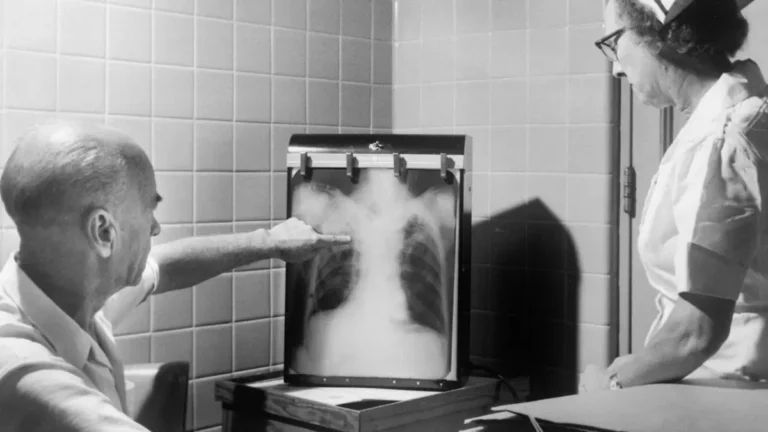
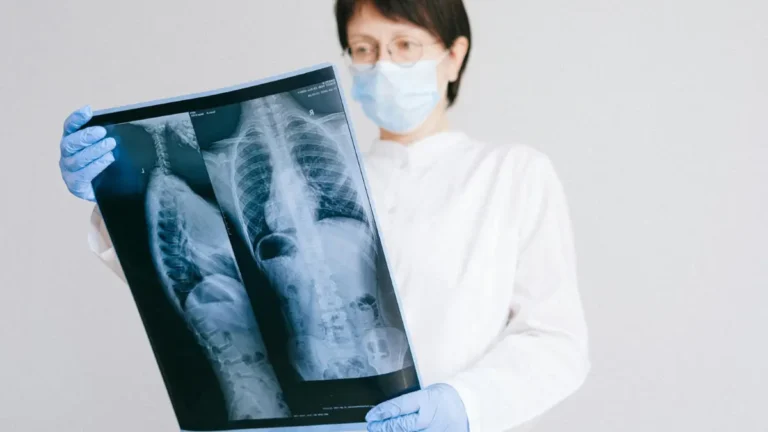
Why LDCT is essential: Standard chest X-rays miss up to 85% of early-stage lung tumors. LDCT detects nodules as small as 5mm — frequently years before symptoms become obvious.
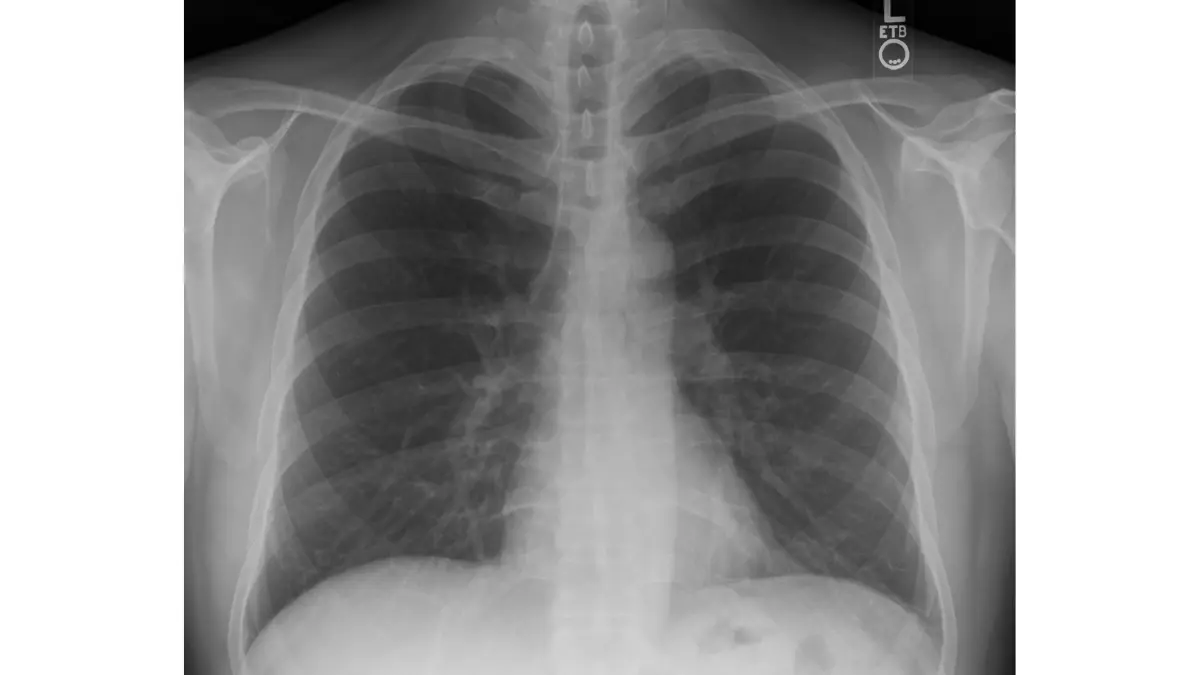
What Happens When You See Your Doctor?
- Medical history review — symptoms, duration, risk factors, family history
- Physical examination — lymph nodes, breathing sounds, nail inspection
- Chest X-ray or CT scan — first-line imaging
- PET scan or bronchoscopy — if abnormalities are detected
- Biopsy — tissue sample for definitive diagnosis
Early Detection: Why It Changes Everything
| Stage at Diagnosis | 5-Year Survival Rate (2026) |
|---|---|
| Stage I | 60–92% |
| Stage II | 35–60% |
| Stage III | 13–36% |
| Stage IV | 7–10% |
Source: NCI SEER Database, 2026 | Lung Cancer Statistics & Survival Rates
Key takeaway: A Stage I diagnosis carries up to a 10-fold survival advantage over Stage IV. That gap is closed — or widened — by how quickly symptoms are recognized and acted upon. Read our dedicated guide on Stage I lung cancer survival and treatment to understand what early-stage care looks like.
Risk Factors — Who Is Most at Risk in 2026?
Understanding your personal risk determines whether proactive screening is appropriate, even before symptoms appear.
Established High-Risk Factors:
- Smoking — responsible for 80–85% of all lung cancer cases
- Radon gas exposure — present in an estimated 1 in 15 U.S. homes (EPA)
- Asbestos exposure — when combined with smoking, risk multiplies dramatically
- Family history — first-degree relatives with lung cancer increase your risk 1.5–2x
- Age 50+ — risk escalates significantly after this threshold
- Pre-existing lung disease — COPD, pulmonary fibrosis, and prior TB all elevate risk
Emerging Risk Factors (2026 Research Updates):
- Long-term PM2.5 air pollution exposure — increasingly linked to adenocarcinoma in urban non-smokers per ASCO / cancer.net
- EGFR and ALK gene mutations — disproportionately driving lung cancer in younger, non-smoking women
- E-cigarette / vaping history — lung tissue damage documented; long-term cancer risk still under active research
The NHS lung cancer pages confirm that risk is cumulative — the more factors you carry, the earlier and more aggressively you should pursue screening.
If you carry multiple risk factors, use our Genetic Risk Assessment Tool to map your personal risk profile. You may qualify for screening before the standard age threshold.
For the foundational understanding of how lung cancer forms, how cells mutate, and why some people are genetically predisposed, visit our comprehensive pillar article: What Is Lung Cancer?
Your 5-Step Action Plan — What to Do Right Now
If you recognized symptoms from this article, act immediately. Early detection is not passive — it requires you to move.
Step 1: Log Every Symptom Write down each symptom, its start date, frequency, and whether it’s worsening. A precise symptom log dramatically improves the quality of your doctor’s evaluation.
Step 2: Use Our Free Symptom Checker Run your symptoms through our clinician-designed Symptom Checker to organize your findings and identify patterns before your appointment.
Step 3: Book a Primary Care Appointment This Week Don’t wait for symptoms to become severe. Bring your symptom log and ask directly: “Given these symptoms and my risk profile, should I have a chest CT scan?”
Step 4: Ask Specifically About LDCT Screening If you’re 50–80 with a 20+ pack-year smoking history, request the USPSTF-recommended low-dose CT scan by name. Many eligible patients are never offered it unless they ask. If a diagnosis is confirmed, learn about the latest FDA-approved lung cancer treatments available in 2026.
Step 5: Evaluate Your Genetic and Family Risk Use our Genetic Risk Assessment Tool to understand whether your family history places you at elevated risk — and bring those results to your physician.
📋 Medical Disclaimer: This article is for educational and informational purposes only. It does not constitute medical advice, diagnosis, or treatment. Always consult a qualified, licensed healthcare professional for any medical concerns or before making any healthcare decisions.
✅ Medically Reviewed by: Dr. Sameer Patel, MD — Founder & Chief Medical Advisor, mymedicineadvisor.com | 54-Member Global Medical Advisory Board, 14 Countries 📅 Last Reviewed: April 2026
Frequently Asked Questions
1. What are the very first signs of lung cancer?
The most common first signs are a persistent cough lasting more than three weeks, unexplained shortness of breath, and chest discomfort. These are frequently dismissed as minor respiratory issues — which is a leading reason why lung cancer diagnosis is delayed.
2. Can you have lung cancer with no symptoms?
Yes. Early-stage lung cancer — particularly adenocarcinoma — often causes no noticeable symptoms. This is precisely why annual low-dose CT screening is recommended for high-risk individuals ages 50–80, even without symptoms.
3. What does a lung cancer cough feel like?
It typically begins as a dry, persistent cough that doesn’t respond to standard cough treatments. Over time it may deepen, become more productive, or occasionally bring up blood-streaked mucus.
4. Is back pain an early sign of lung cancer?
Yes — particularly upper back or shoulder pain. A Pancoast tumor at the apex of the lung can compress brachial plexus nerves, causing severe shoulder and arm pain that is frequently misdiagnosed as a musculoskeletal problem.
5. Can non-smokers get early signs of lung cancer?
Absolutely. Approximately 20–25% of lung cancer patients worldwide have never smoked. Radon exposure, air pollution, secondhand smoke, and genetic mutations (EGFR, ALK) are the leading causes in non-smokers.
6. How early can lung cancer be detected?
With low-dose CT scanning, lung cancer can be detected when tumors are as small as 5mm — often years before symptoms appear. Annual screening is potentially life-saving for qualifying individuals.
7. What is the most common first symptom of lung cancer?
A persistent, worsening cough is the most frequently reported first symptom, present in approximately 50–75% of patients at the time of diagnosis.
8. Does early lung cancer appear on a chest X-ray?
Not reliably. Chest X-rays miss up to 85% of early-stage tumors — especially those smaller than 1cm or hidden behind the heart or ribs. Low-dose CT scans are significantly more sensitive for early detection.
9. What are early signs of lung cancer in women?
Women more frequently develop adenocarcinoma, which grows quietly at the lung’s periphery. Early signs include subtle breathlessness, persistent fatigue, vague chest discomfort, and unexplained weight loss — often without a classic cough.
10. How long can you have lung cancer without knowing?
Lung cancer can grow silently for 3–10 years before symptoms develop, depending on the subtype. This is why proactive LDCT screening for high-risk individuals is critical.
11. At what age should I get screened for lung cancer?
The USPSTF recommends annual LDCT screening starting at age 50 for adults with a 20+ pack-year smoking history who currently smoke or have quit within the past 15 years. Talk to your doctor about your individual eligibility.
About this content
How this article was put together: researched from recognised health sources, drafted with the help of AI tools, and edited by hand, with sources linked throughout.

Sameer Patel is the founder and editor of My Medicine Advisor. He is not a doctor or medical professional — before starting this site he worked in banking,…
Medical disclaimer
The content on MyMedicineAdvisor is provided for general informational and educational purposes only and is not a substitute for professional medical advice, diagnosis, or treatment. Health information on this website should not be used to diagnose, treat, cure, or prevent any condition without guidance from a qualified healthcare professional. Always seek the advice of your doctor, physician, or another licensed healthcare provider with any questions you may have regarding a medical condition, symptoms, medications, or treatment decisions.