
On This Page – Quick Medical Summary
Lung Cancer Symptoms in Women: The Key Differences Explained
When 38-year-old Maya, a non-smoking marathon runner from Ohio, visited her doctor with mild shortness of breath and persistent fatigue, she was sent home with an asthma inhaler. Fourteen months later, she was diagnosed with Stage II lung adenocarcinoma.
Her story is not rare. And it is not unique to smokers.
Lung cancer symptoms in women tend to appear later, feel subtler, and mimic common conditions like asthma or back pain — especially in women who have never smoked — because women develop a different tumor type that grows in a different part of the lung.
According to the American Cancer Society, lung cancer incidence rates among women under 65 now exceed those in men of the same age group — a seismic shift that demands a completely new awareness framework in 2026.
If you’re already noticing unexplained symptoms, use our free Symptom Checker to log patterns before your next doctor visit. For a full clinical foundation, our pillar guide on what is lung cancer explains the disease biology in depth.
Early Signs of Lung Cancer in Women — The Complete 2026 Symptom Guide
Common Early Lung Cancer Symptoms in Women
Most people picture lung cancer as an aggressive cough with blood. In women, the early signs of lung cancer are far quieter and far easier to dismiss. The CDC’s lung cancer resource confirms that many patients go undiagnosed until the disease has advanced — precisely because early warning signs don’t feel alarming.
Watch for these early lung cancer symptoms in women:
- Persistent cough lasting more than three weeks, gradually worsening
- Shortness of breath during routine activities — climbing stairs, light housework — without obvious cause
- Unexplained fatigue that doesn’t improve with rest
- Hoarseness or voice changes lasting more than two weeks
- Recurrent respiratory infections — bronchitis or pneumonia cycling back repeatedly
- Unintentional weight loss combined with reduced appetite
- Coughing up blood-streaked mucus — even a single streak warrants urgent medical attention
For a deeper breakdown of these patterns, see our clinically detailed guide on early signs of lung cancer.
Lung Cancer Symptoms Unique to Women
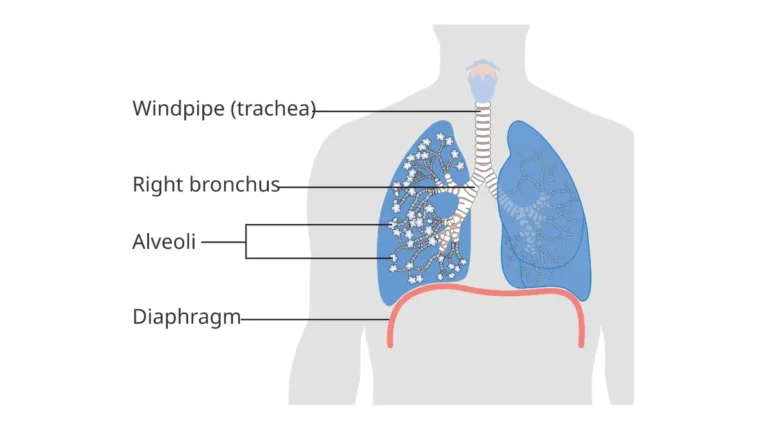
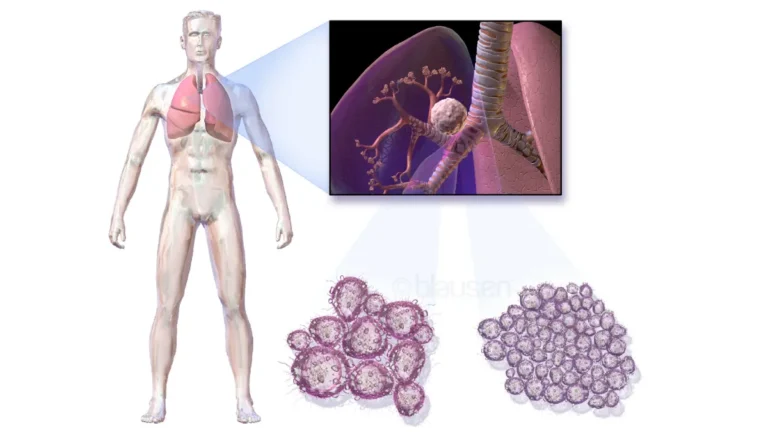
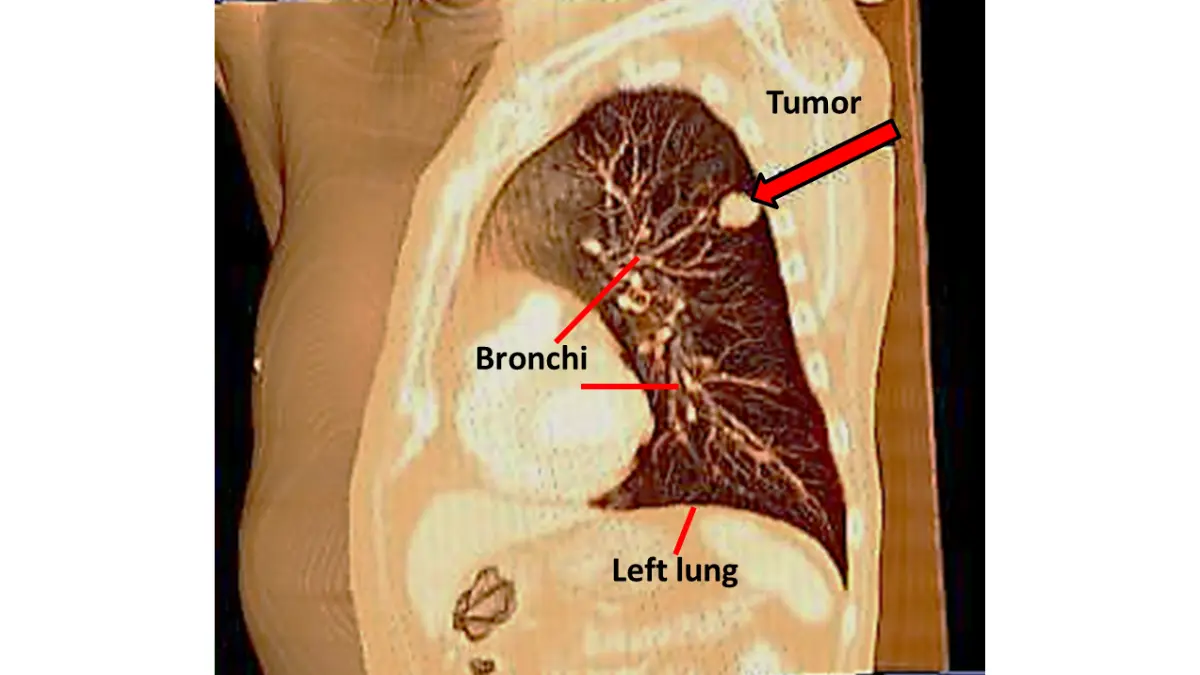
The most critical gap in every competitor’s content: women predominantly develop adenocarcinoma, a tumor type that grows silently on the outer edges of the lungs. Because it doesn’t obstruct central airways early, the classic cough-and-wheeze picture is frequently absent.
Instead, women with lung cancer often experience:
- Persistent back or shoulder pain — the tumor presses on the chest wall or diaphragm before it ever touches the airway
- Subtle, progressive breathlessness with no wheeze — easily confused with deconditioning or stress
- Fatigue as a standalone symptom — women routinely attribute this to hormonal changes, iron deficiency, or overwork
Symptom Differences: Women vs. Men
| Symptom | More Common in Women | More Common in Men | Both Equally |
|---|---|---|---|
| Back/shoulder pain | ✅ | ||
| Silent breathlessness | ✅ | ||
| Fatigue (often dismissed) | ✅ | ||
| Cough with blood | ✅ | ||
| Central chest pain | ✅ | ||
| Hoarseness | ✅ | ||
| Weight loss | ✅ |
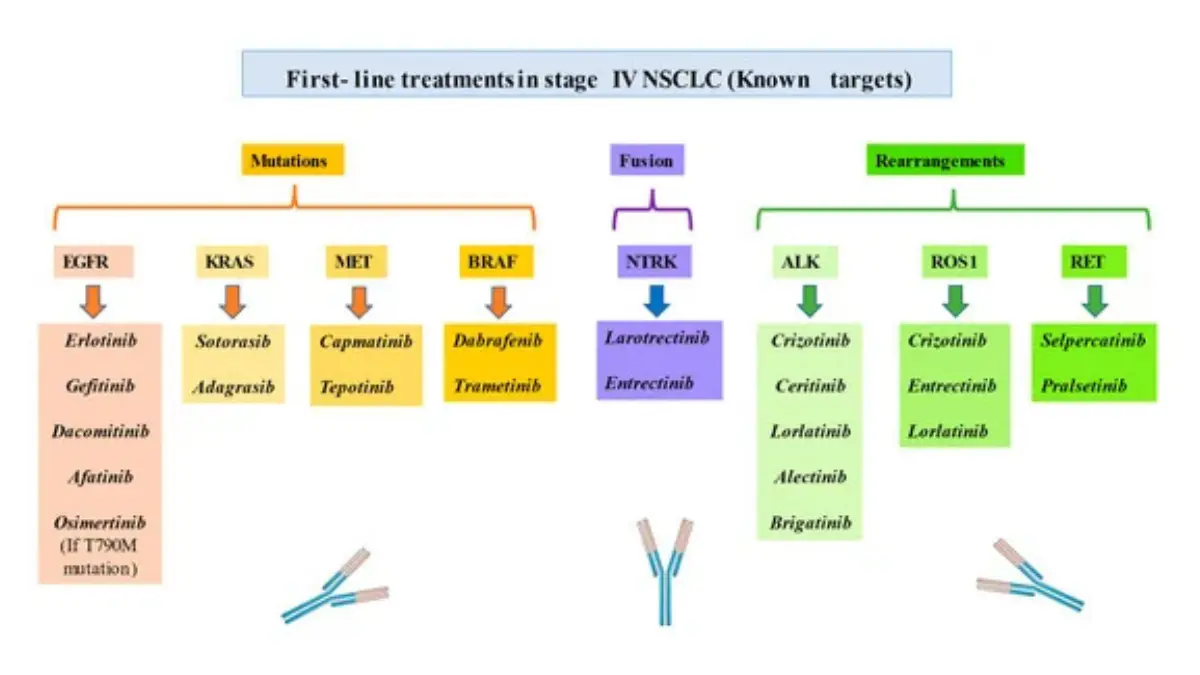
What This Means For You: Unexplained back pain alongside progressive breathlessness — even without a cough — is a pattern worth investigating with chest imaging. Women with a personal or family history of lung disease can assess their hereditary risk using our Genetic Risk Assessment Tool.
Lung Cancer in Women Who Have Never Smoked — The Silent Epidemic
How Common Is It, Really?
This is the section every competitor fails to cover adequately. Approximately 20% of women diagnosed with lung cancer in the U.S. have never smoked — a rate more than double that seen in men — according to the American Lung Association.
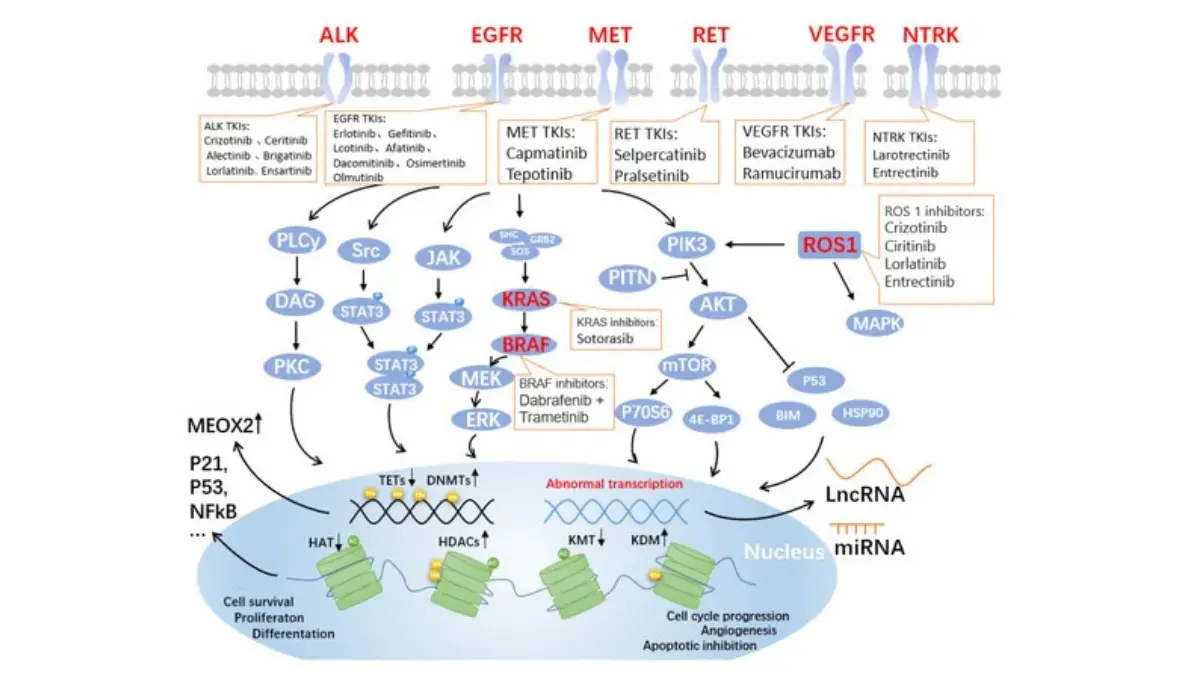
A landmark January 2026 study published in Cancers (PMC12838927) now formally classifies lung adenocarcinoma in never-smoking women as a biologically distinct disease entity, driven by hormonal, inflammatory, and genetic pathways entirely separate from tobacco exposure.
Why Non-Smoking Women Develop Lung Cancer
Estrogen plays a direct role. Lung tissue contains estrogen receptors (ERα and ERβ), and estrogen actively promotes adenocarcinoma cell proliferation. Peer-reviewed NIH research on estrogen and lung carcinogenesis confirms that pre-menopausal women show more aggressive tumor behavior and higher metastatic burden at diagnosis than post-menopausal women and men.
Other key drivers in non-smoking women:
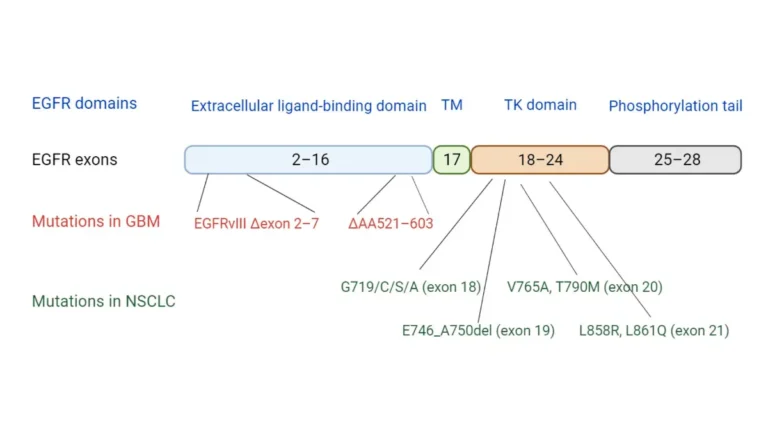
- EGFR mutations — present in 40–50% of never-smoking women’s lung cancers; highly targetable with approved oral therapies
- ALK rearrangements — more prevalent in younger non-smoking women; respond well to ALK inhibitor drugs
- Radon gas exposure — the #2 cause of lung cancer deaths in the U.S.; colorless, odorless, and present in millions of homes
- Indoor cooking fumes — high-heat cooking in poorly ventilated spaces elevates fine particulate (PM2.5) inhalation
- Long-term air pollution exposure — urban fine particulate matter is an increasingly recognized driver
Symptoms in Non-Smoking Women
Non-smoking women with lung cancer often have no classic cough at all. Their adenocarcinoma grows peripherally, silently, until it manifests as:
- Progressive breathlessness during exercise, even at low effort levels
- Unexplained fatigue persisting for weeks without resolution
- Dull, recurring back or shoulder ache with no injury history
If you’re noticing unusual breathlessness during exercise, our Heart Rate Zone Calculator can help you track whether your effort levels align with your breathing response — a useful early data point.
Yale Medicine’s evidence-based guide on lung cancer in nonsmokers confirms that most non-smoking patients have no early symptoms at all, making proactive awareness essential.
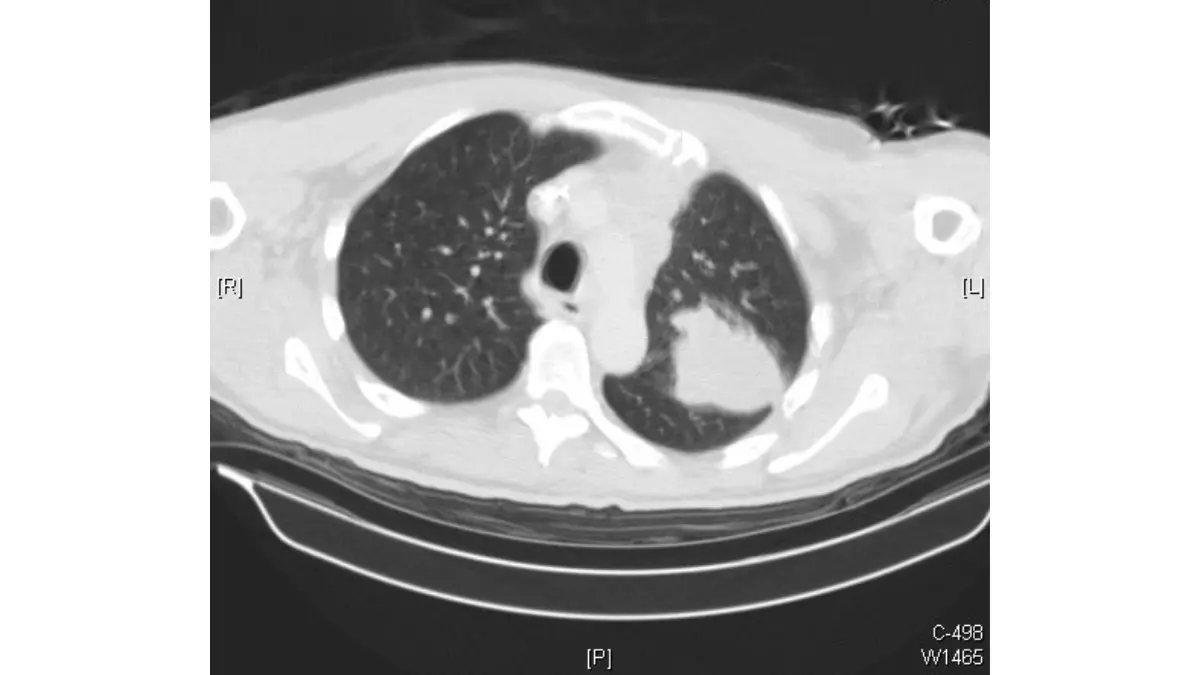
What This Means For You: “I’ve never smoked” does not mean you cannot get lung cancer. If you are a woman with persistent breathlessness, fatigue, or back pain with no clear cause, explicitly raise lung cancer with your doctor and request chest imaging.
Why Lung Cancer Symptoms in Women Are Routinely Misdiagnosed
The Wrong Diagnosis Pattern
Oncologists at Memorial Sloan Kettering Cancer Center have documented a consistent and alarming clinical pattern: when a young, female, or never-smoking patient presents with early lung cancer symptoms, clinical suspicion is dramatically lower than for an older male smoker.
Women with lung cancer are commonly sent home with these incorrect diagnoses first:
- Asthma or reactive airway disease
- Acid reflux / GERD
- Generalized anxiety disorder
- Walking pneumonia or recurrent bronchitis
- Musculoskeletal back pain or costochondritis
The average delay from first symptom to correct lung cancer diagnosis in non-smoking women is 12–18 months.
The Hormonal Biology Behind the Diagnostic Bias
The reason lung cancer behaves differently in women is not just a clinical oversight — it is biological. Estrogen receptors in lung tissue mean that younger, pre-menopausal women often harbor more aggressive, fast-dividing tumors that appear at more advanced stages than expected.
Persistent, unexplained fatigue — especially fatigue that disrupts sleep quality — is one of the earliest hormone-linked adenocarcinoma indicators. Our Sleep Calculator can help you determine whether your rest quality has been genuinely declining over recent weeks, which is data worth sharing with your physician.
Your Doctor Visit Script — What to Actually Say
Many women leave appointments without imaging because they didn’t know how to advocate for themselves. Use this framework:
- “I have had [symptom] for [X] weeks and it is not resolving.”
- “I would like to rule out lung cancer with a chest X-ray or low-dose CT.”
- “I have [risk factors] — I want to understand whether imaging is clinically appropriate.”
What This Means For You: If you’ve been told you have asthma or acid reflux but also have unexplained weight loss, back pain, or fatigue — ask directly: “Can we do imaging to rule out lung cancer?” Document your full symptom timeline with our Symptom Checker before the appointment.
How Lung Cancer Symptoms in Women Progress — Stage by Stage
Symptom Progression by Stage
Recognizing how lung cancer symptoms escalate helps women identify when urgency has changed. For complete staging criteria and survival data, see our guides on lung cancer stages explained and lung cancer statistics and survival rates.
| Stage | Typical Symptoms in Women | Recommended Action |
|---|---|---|
| Stage I | Mild breathlessness, subtle back/shoulder ache, fatigue (easily attributed to other causes) | See a doctor within 2 weeks |
| Stage II | Persistent cough, reduced exercise tolerance, hoarseness, chest discomfort | Urgent GP referral |
| Stage III | Worsening cough, possible hemoptysis, significant weight loss, swollen lymph nodes | Immediate specialist referral |
| Stage IV | Bone pain, neurological symptoms (headache, dizziness), severe breathlessness, jaundice | Emergency evaluation |
Red Flag Symptoms — Seek Same-Day Care
These symptoms require immediate medical attention:
- Coughing up blood — even a single streak in mucus or phlegm
- Sudden severe pain in one arm or shoulder (possible Pancoast tumor)
- Facial or arm swelling with breathlessness (Superior Vena Cava syndrome)
- New neurological symptoms combined with any respiratory complaint
Lung Cancer vs. Conditions It Mimics in Women
| Pattern | Lung Cancer | Asthma | GERD | Anxiety |
|---|---|---|---|---|
| Cough character | Persistent, worsening | Episodic, triggered | Post-meal | Dry, stress-linked |
| Breathlessness | Progressive, at rest or exertion | Reverses with inhaler | Rare | During panic episodes |
| Weight loss | Common | Uncommon | Rare | Variable |
| Back pain | Yes (peripheral tumor) | No | Possible | No |
| Responds to asthma treatment | No | Yes | No | No |
Our detailed guide on lung cancer signs and early warnings expands on these differential patterns with clinical depth.
Lung Cancer Screening for Women in 2026 — Your Action Plan
Who Qualifies for Lung Cancer Screening?
The U.S. Preventive Services Task Force (USPSTF) recommends annual low-dose CT (LDCT) scans for adults meeting all three criteria:
| Screening Criterion | Current USPSTF Standard |
|---|---|
| Age range | 50–80 years |
| Smoking history | 20 pack-years or more |
| Smoking status | Currently smoking, or quit within the last 15 years |
For never-smoking women: Formal USPSTF screening criteria do not yet apply. However, women with EGFR-associated family history or two or more of the risk factors below should have a direct, individualized conversation with their oncologist about early CT imaging.
Personal Risk Checklist for Women — 2026
Run through this before your next healthcare visit:
- [ ] First-degree family member (parent or sibling) with lung cancer?
- [ ] Exposed to radon, asbestos, or prolonged secondhand smoke?
- [ ] Cook frequently at high heat in a poorly ventilated space?
- [ ] Lived or worked in high-pollution urban areas for 10+ years?
- [ ] Experienced any respiratory or unexplained fatigue symptoms for more than 3 weeks?
- [ ] Pre-menopausal with unexplained back pain or breathlessness?
If 2 or more apply — speak to your doctor about early CT screening.
What Happens After a Diagnosis?
The National Cancer Institute outlines the standard diagnostic pathway:
- Imaging — chest X-ray or LDCT scan identifies a suspicious mass
- Biopsy — tissue sampling confirms malignancy and histological subtype
- Molecular testing — EGFR, ALK, ROS1, and PD-L1 status determines treatment eligibility
Women diagnosed with EGFR-positive or ALK-positive adenocarcinoma have access to highly effective targeted oral therapies. For Stage I cancers detected through screening, 5-year survival reaches 70–90%.
Use our Genetic Risk Assessment Tool to understand your hereditary lung cancer risk profile. For evidence-based data on outcomes, our article on Stage 1 lung cancer survival provides real numbers by stage and treatment type.
Real survivor accounts from MD Anderson Cancer Center document exactly the kind of subtle symptoms women describe before their diagnosis — worth reading if you’re in the process of evaluation.
What This Means For You: You do not need to be a smoker to take your lung health seriously. If you have 2 or more risk factors, or any symptom that has lasted more than three weeks without resolution, ask your doctor for a low-dose CT scan. Early detection is the single most powerful variable in lung cancer outcomes.
Frequently Asked Questions — Lung Cancer Symptoms in Women
1. What are the first signs of lung cancer in women?
The earliest lung cancer symptoms in women are typically subtle: mild breathlessness during routine activity, persistent unexplained fatigue, and dull back or shoulder pain. A cough is often absent in early-stage adenocarcinoma.
2. Can a woman get lung cancer without ever smoking?
Yes. Approximately 20% of women diagnosed with lung cancer in the U.S. have never smoked. EGFR mutations, estrogen-driven biology, radon exposure, and indoor cooking fumes are key drivers in non-smoking women.
3. How are lung cancer symptoms different in women compared to men?
Women most commonly develop adenocarcinoma, which grows on the lung’s outer edges and produces back pain and silent breathlessness. Men more typically develop squamous cell carcinoma in central airways, causing earlier and more obvious coughing.
4. What does early lung cancer actually feel like in a woman?
For most women, early lung cancer feels unremarkable — mild fatigue, a cough that won’t clear, or breathlessness that seems like being out of shape. That subtlety is precisely what makes it dangerous and frequently misdiagnosed.
5. Can lung cancer symptoms be mistaken for asthma in women?
Yes — and it happens at scale. Progressive breathlessness that doesn’t improve with an inhaler, or that worsens over weeks, must be re-evaluated with imaging rather than assumed to be asthma.
6. What is the most common type of lung cancer found in women?
Adenocarcinoma — a non-small cell lung cancer (NSCLC) subtype that starts in the lung’s outer mucus-producing cells. It is more strongly linked to EGFR mutations than squamous cell carcinoma. Our NSCLC vs SCLC guide breaks down both types in detail.
7. At what age do women most commonly develop lung cancer?
Incidence is rising fastest in women under 65. Women under 45 with EGFR mutations or genetic predispositions represent a growing, increasingly recognized at-risk group that was historically overlooked.
8. Does estrogen influence lung cancer risk in women?
Yes. Peer-reviewed research confirms that estrogen receptors (ERα, ERβ) in lung tissue actively promote adenocarcinoma cell growth. Pre-menopausal women with lung cancer present with more aggressive tumors compared to post-menopausal women and men.
9. When should a woman see a doctor about lung cancer symptoms?
Any symptom lasting more than three weeks — persistent cough, breathlessness, unexplained fatigue, or recurring back pain — warrants a GP visit. Ask explicitly about chest imaging at that appointment.
10. What is a low-dose CT scan and should women get screened?
A low-dose CT (LDCT) scan is the gold-standard lung cancer screening tool. The USPSTF recommends it annually for women aged 50–80 with 20+ pack-year smoking history who currently smoke or quit within the last 15 years.
11. Are survival rates better for women with lung cancer than men?
Yes. Women generally have better outcomes at every stage. This is partly because EGFR-positive adenocarcinoma responds strongly to targeted therapies, and partly because women with this tumor type tend to be diagnosed at earlier, more treatable stages.
Disclaimer: This article is for educational purposes only and does not constitute medical advice or a substitute for professional clinical evaluation. Always consult a qualified, licensed healthcare professional regarding personal diagnosis, screening decisions, and treatment planning.
About this content
How this article was put together: researched from recognised health sources, drafted with the help of AI tools, and edited by hand, with sources linked throughout.

Sameer Patel is the founder and editor of My Medicine Advisor. He is not a doctor or medical professional — before starting this site he worked in banking,…
Medical disclaimer
The content on MyMedicineAdvisor is provided for general informational and educational purposes only and is not a substitute for professional medical advice, diagnosis, or treatment. Health information on this website should not be used to diagnose, treat, cure, or prevent any condition without guidance from a qualified healthcare professional. Always seek the advice of your doctor, physician, or another licensed healthcare provider with any questions you may have regarding a medical condition, symptoms, medications, or treatment decisions.