
On This Page – Quick Medical Summary
You opened your results, saw RDW flagged high, and your stomach dropped. The first thing worth knowing: a high red cell distribution width means your red blood cells vary more in size than normal, and on its own it is a clue your doctor follows — not a diagnosis.
Where you are now shapes what matters here. If you mainly want to understand the number, start with what RDW measures. If you also have symptoms like fatigue, dizziness, or shortness of breath, the anemia and next-step sections are for you. And if you have already searched “high RDW and cancer” and worried yourself, read what the research means before doing anything else.
This guide sits inside our larger explainer on what a complete blood count can and can’t tell you, because a high RDW rarely travels alone — it is read alongside the rest of your CBC.
ℹ️ Medical Disclaimer: This is general health education, not medical advice, diagnosis, or treatment. A high RDW must be interpreted with your full blood count and clinical history by a licensed clinician; do not start iron, vitamin B12, folate, or any supplement, change your diet, or stop a prescribed medication based on this page. For decisions about testing, diagnosis, or treatment, consult your primary care physician or a board-certified hematologist.
What a high RDW actually measures
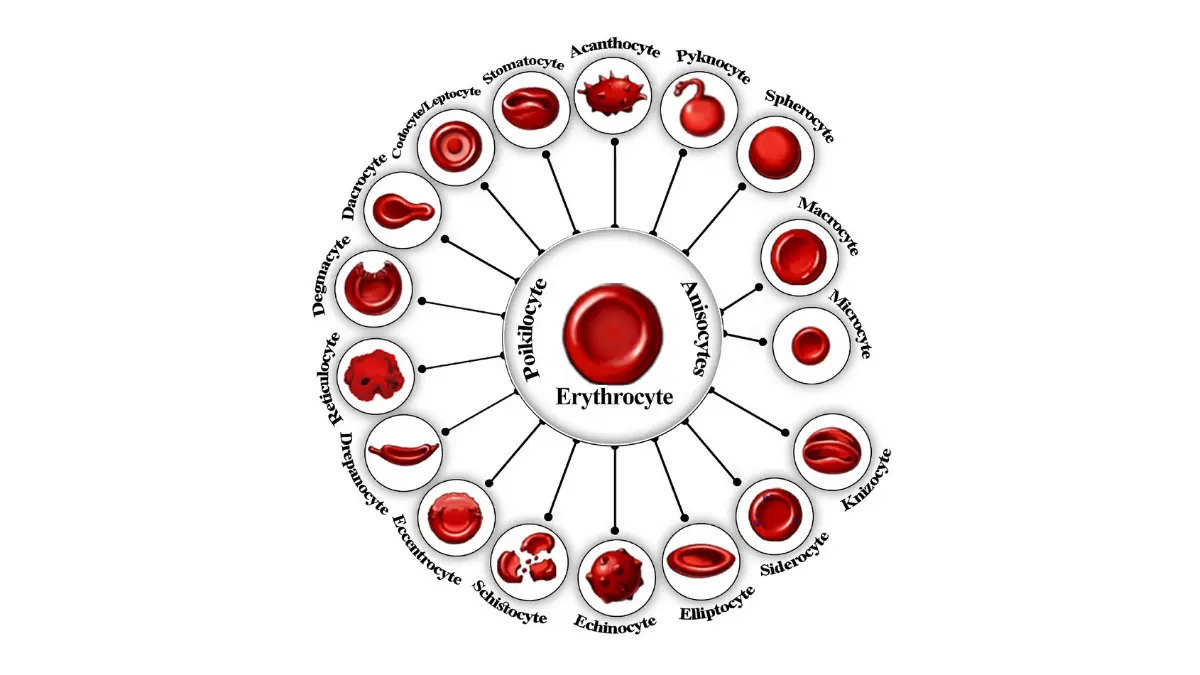
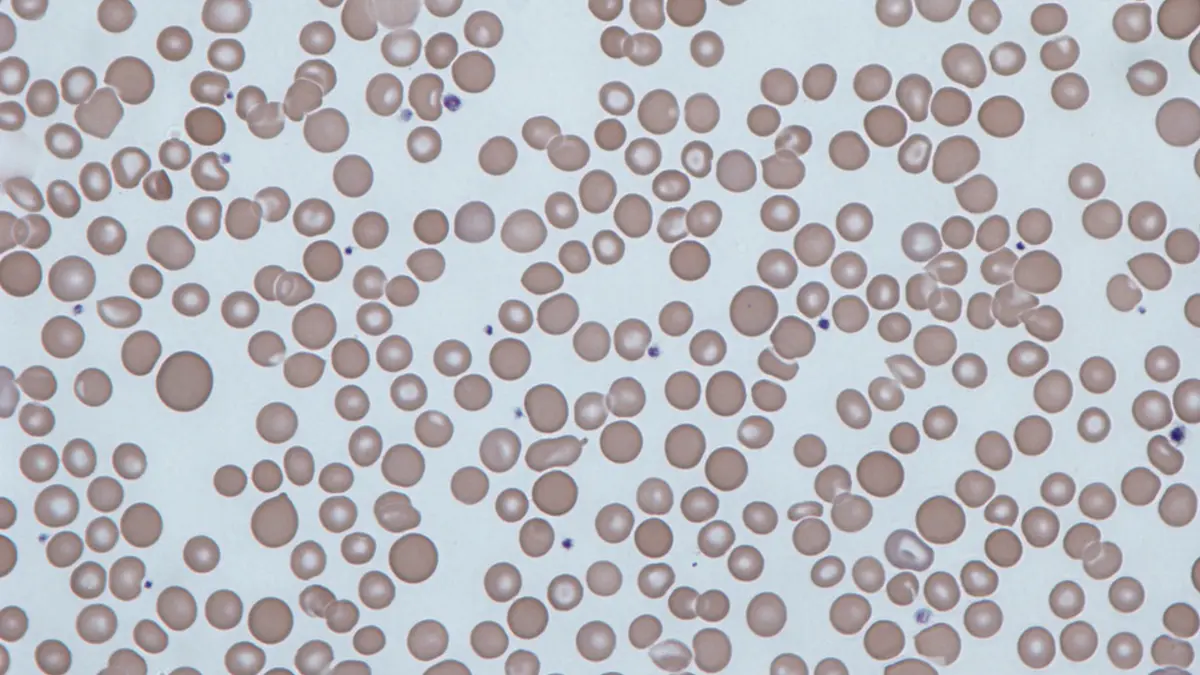
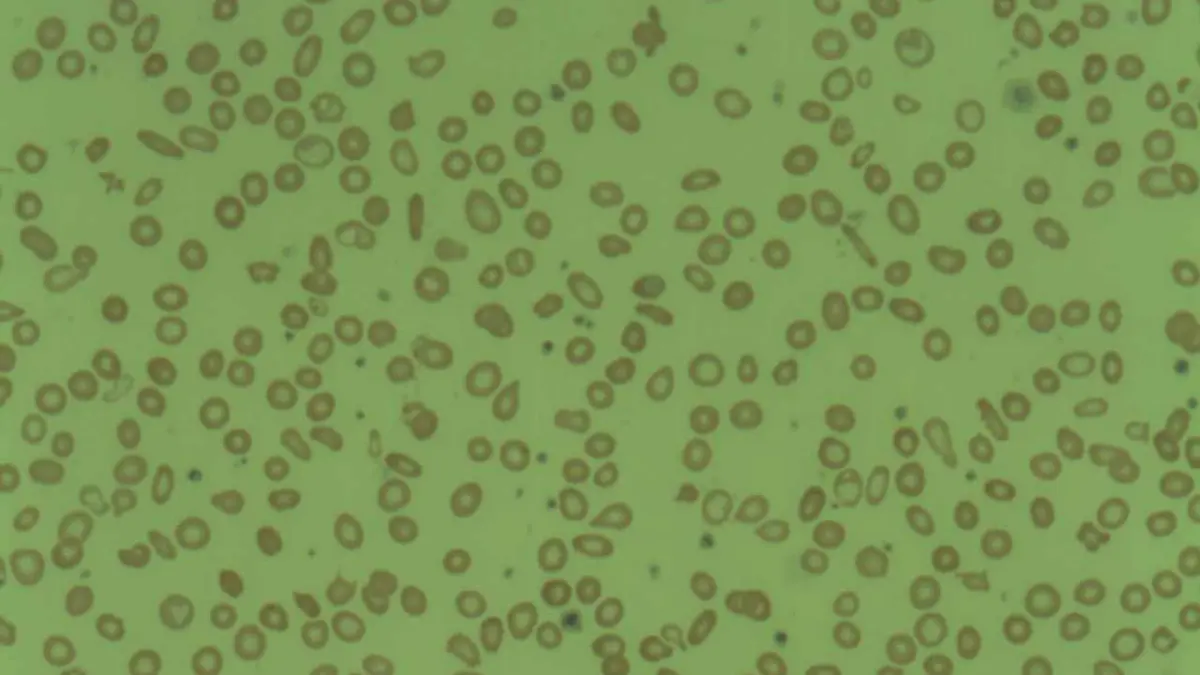
RDW measures how much your red blood cells differ from one another in size — a property clinicians call anisocytosis. Healthy red cells are close to uniform; when a mix of larger and smaller cells appears, RDW rises.
🔬 How It Works: Your lab analyzer measures thousands of red cells and plots their sizes on a graph called a histogram. Similar sizes make a narrow plot and a low RDW; spread-out sizes widen the plot and read high.
RDW-CV and RDW-SD: two ways labs report it
RDW-CV is a percentage — the version most results show — while RDW-SD is a direct measurement in femtoliters. Both describe the same variation, and your report may list either. You can see exactly how labs measure red cell distribution width on a standard CBC.
Why a “normal” range is not fixed
There is no universal cutoff. The reference range varies by the lab that runs the test, so the range printed beside your own result matters most. A commonly cited RDW-CV range is roughly 11.5–14.5%, but treat that as a guide — compare it with a CBC normal range chart and your own lab’s stated range.
Why doctors never read a high RDW by itself
A high RDW becomes useful only when your doctor reads it next to another value from the same panel. Alone, it flags that your red cells vary in size; paired with the right number, it starts to point toward why.
The one number doctors read alongside RDW: MCV
That number is MCV — mean corpuscular volume — the average size of your red cells. RDW shows how much size varies; MCV shows the typical size. Together they narrow the possibilities as neither does alone. Reading what your MCV means fills in the other half.
🩺 Physician Note: A high RDW can be one of the earliest signals of a developing nutritional deficiency, sometimes rising before hemoglobin or MCV change much — much of why it earns its place on the CBC.
Does a high RDW always mean anemia?
No. A high RDW reflects size variation, not a low blood count, so it can appear with or without anemia. Whether it matters depends on the rest of your results — especially hemoglobin and MCV — which is why doctors never act on RDW in isolation.
What a high RDW plus your MCV can point to
When your doctor combines a high RDW with your MCV, a few recurring patterns emerge — the shorthand hematologists use to decide what to check next.
| Your RDW + MCV | What it commonly suggests | Key clinical detail |
|---|---|---|
| High RDW + low MCV (small cells) | Iron deficiency anemia | High RDW here helps separate it from thalassemia trait, where MCV is low but RDW is often normal |
| High RDW + high MCV (large cells) | Vitamin B12 or folate deficiency | A large-cell pattern with high RDW points toward a nutritional or absorption problem |
| High RDW + normal MCV | Early or mixed deficiency | RDW can rise before MCV shifts, catching a deficiency early |
| Low MCV + normal RDW | Thalassemia trait or anemia of chronic disease | Uniform small cells lean away from iron deficiency |
Patterns follow the MCV–RDW classification described in peer-reviewed hematology literature and NIH sources; they guide further testing and are not diagnoses on their own.
High RDW with low MCV (small cells)
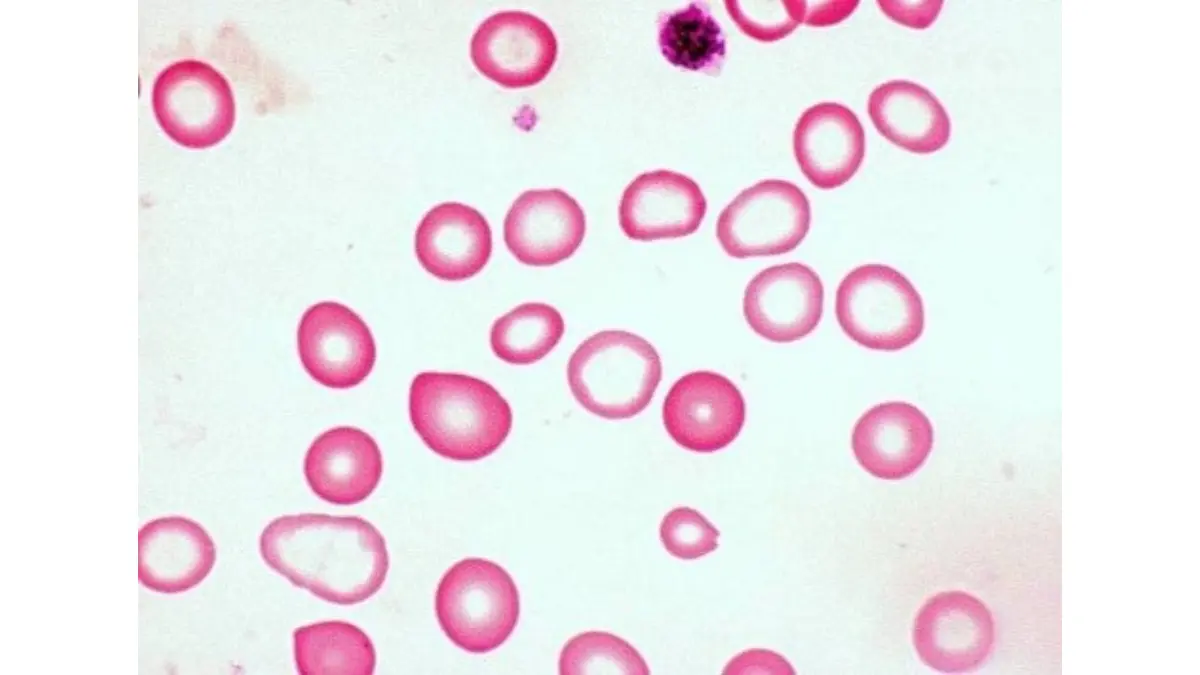
This most often points toward iron deficiency anemia. It also helps separate iron deficiency from thalassemia trait: both make small cells, but iron deficiency usually raises RDW while thalassemia trait often leaves it normal. Because treatments differ completely, low hemoglobin and iron studies are usually checked next.
High RDW with high MCV (large cells)
Large cells with a high RDW commonly suggest a vitamin B12 or folate deficiency. Liver disease and some medications also enlarge red cells, so this prompts a look at diet, absorption, and medical history.
High RDW with normal MCV
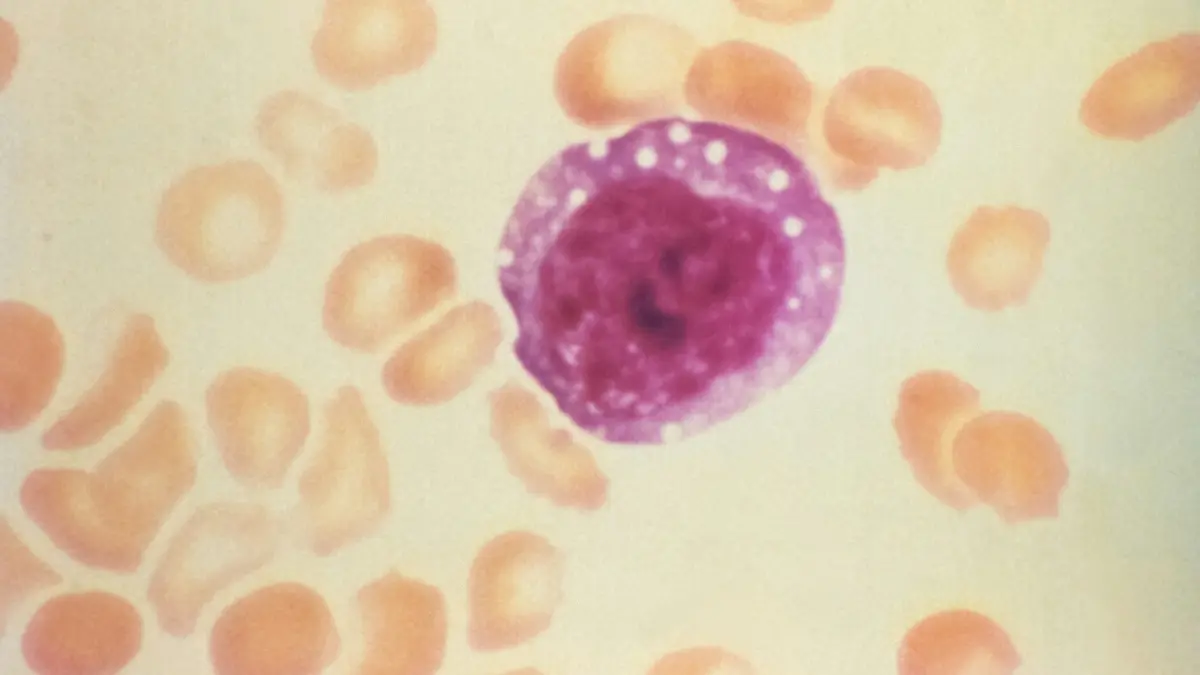
Here the average size looks normal but variation is high — often an early or mixed deficiency caught before MCV shifts. You can see how MCV sorts anemia into microcytic, normocytic, and macrocytic types in the underlying framework.
✅ Patient Action: Ask your clinician, “Based on my RDW and MCV together, do you recommend iron studies, a vitamin B12 and folate level, or both?” One caveat worth remembering: RDW overlaps between conditions, so this narrows possibilities — it does not diagnose.
Conditions a high RDW can point to
The most common reason for a high RDW is a nutritional deficiency — most often low iron, and sometimes vitamin B12 or folate. These are common, treatable causes; for many people a high RDW traces back to nothing more serious than low iron stores.
The most common cause: nutritional deficiency
Iron, B12, and folate deficiencies all disrupt how evenly your body builds red cells, pushing RDW up. Because a high RDW can appear early, it sometimes prompts testing before you feel clearly unwell — which is why doctors follow it with targeted blood work rather than guesswork.
Chronic conditions a high RDW can accompany
A high RDW can also appear alongside longer-term conditions. MedlinePlus notes it may signal several conditions a high RDW can point to, including chronic liver disease, heart disease, diabetes, kidney disease, and less commonly cancer such as colorectal cancer.
Read that list carefully: a high RDW is an associated signal, not evidence you have any of these, and many people with a raised RDW have none of them. If other results are also flagged — say, a low white blood cell count — your doctor weighs the whole picture rather than one number.
What research says about a high RDW and long-term health
If you have read that a high RDW is linked to serious illness or shorter survival, that research is real — and widely misunderstood. Large population studies find that people with a higher RDW have, as a group, higher rates of cardiovascular disease and death from many causes.
Why an elevated RDW shows up in outcome studies
RDW rises with inflammation, oxidative stress, and disturbed red-cell production — processes that accompany many illnesses. That is why it keeps appearing as an independent marker of risk in conditions like heart failure, growing stronger at higher levels. You can see the kind of research connecting higher RDW to long-term outcomes for yourself.
What this does not mean for you
Here is what the headlines leave out. These are group averages across large populations; they do not predict what will happen to any one person, and a high RDW on a routine CBC is not a diagnosis of heart disease, cancer, or anything else. Researchers still debate how useful RDW is for judging an individual’s risk.
✅ Patient Action: If your RDW is flagged, ask your primary care physician, “Given my full results and history, does this change anything about my care, or is it simply worth monitoring?”
What to do if your RDW is high
A high RDW is a starting point for follow-up, not something you treat directly — and the right next step depends entirely on the cause.
How a high RDW is usually followed up
Your clinician reads it alongside your MCV, hemoglobin, and often confirmatory tests. Depending on the pattern, that can mean iron studies to check your iron stores, or vitamin B12 results and a folate level. The aim is to find the cause, not to move the number itself.
How do you lower a high RDW?
You lower it by treating what raised it. When a deficiency is confirmed and corrected, red-cell production usually evens out over time and the RDW settles.
⚠️ Clinical Warning: Do not start iron, vitamin B12, or folate supplements on your own to “fix” a high RDW. Iron you do not need can be harmful, and supplementing B12 or folate can mask a deficiency your doctor needs to see and diagnose. Confirm the cause first.
Questions to bring to your appointment
Write down your flagged values and any symptoms first — checking your symptoms beforehand helps you describe them clearly. Then ask which follow-up tests fit your results, and whether a referral to a hematologist makes sense if the cause stays unclear.
Frequently asked questions
1. What does it mean if your RDW is high?
A high RDW means your red blood cells vary more in size than normal — anisocytosis. On its own it is a clue, not a diagnosis, most often pointing to a nutritional deficiency. Your doctor reads it with your MCV and hemoglobin to work out the cause.
2. Should I worry about a high RDW?
A single high RDW is rarely cause for alarm by itself. It signals that your red cells vary in size and prompts a closer look, usually finding a common, treatable cause such as low iron. It is a starting point for follow-up, not a verdict about your health.
3. What is the most common cause of a high RDW?
The most common cause of a high RDW is a nutritional deficiency — usually iron, and sometimes vitamin B12 or folate. These disrupt how evenly the body builds red cells. Because a high RDW can appear early, it may flag a deficiency before other blood values change.
4. What does a high RDW with low MCV mean?
A high RDW with a low MCV (small cells) most often suggests iron deficiency anemia. It also helps distinguish iron deficiency from thalassemia trait, which makes small cells but often a normal RDW. Your doctor confirms with iron studies before treating, since the two are managed differently.
5. What does a high RDW with normal MCV mean?
A high RDW with a normal MCV means your average cell size looks normal, but the cells vary more than expected. This can reflect an early or mixed deficiency caught before MCV shifts. It usually prompts follow-up blood tests, so discuss the specific next steps with your clinician.
6. Can a high RDW mean cancer?
A high RDW can be associated with some cancers, including colorectal cancer, but it is an associated signal, not evidence you have cancer. Most people with a high RDW do not, and common causes are nutritional. Review any other symptoms with your doctor to decide on appropriate testing.
7. What is a dangerously high RDW?
There is no single “dangerous” RDW number, because the value is only meaningful in context. What matters is how high it is against your lab’s range and what your MCV, hemoglobin, and symptoms show alongside it. Your doctor interprets the whole picture, not one threshold.
8. Does a high RDW always mean anemia?
No. A high RDW reflects variation in red cell size, not a low blood count, so it can occur with or without anemia. Whether it signals a problem depends on your hemoglobin and MCV — which is why a high RDW is always read with the rest of your CBC.
9. How do you lower a high RDW?
You lower a high RDW by treating its underlying cause, not the number itself. If a deficiency is confirmed, correcting the missing iron, B12, or folate usually lets red-cell production even out over time. Do not self-supplement to change the value; confirm the cause with your clinician first.
10. Can dehydration cause a high RDW?
RDW measures variation in red blood cell size, not hydration, so dehydration is not a typical or reliable cause of a high RDW. Other blood values are more sensitive to fluid balance. If your RDW is elevated, your doctor looks for causes tied to red-cell production instead.
11. What is the difference between RDW-CV and RDW-SD?
RDW-CV and RDW-SD report the same thing two ways. RDW-CV is a percentage and appears on most lab reports, while RDW-SD is a direct measurement in femtoliters. Both describe how much your red blood cells vary in size, and your report may list one or both.
The bottom line on a high RDW
A high RDW is a clue, not a verdict. It tells your doctor that your red blood cells vary in size, and read alongside your MCV and hemoglobin, it points toward a cause — most often a common, treatable deficiency rather than anything dangerous.
The most useful step is to bring your full results to your clinician and ask which follow-up tests fit your pattern. For how this number sits among the others on your panel, see our full guide to what a complete blood count can and can’t tell you.
About this content
How this article was put together: researched from recognised health sources, drafted with the help of AI tools, and edited by hand, with sources linked throughout.

Sameer Patel is the founder and editor of My Medicine Advisor. He is not a doctor or medical professional — before starting this site he worked in banking,…
Medical disclaimer
The content on MyMedicineAdvisor is provided for general informational and educational purposes only and is not a substitute for professional medical advice, diagnosis, or treatment. Health information on this website should not be used to diagnose, treat, cure, or prevent any condition without guidance from a qualified healthcare professional. Always seek the advice of your doctor, physician, or another licensed healthcare provider with any questions you may have regarding a medical condition, symptoms, medications, or treatment decisions.