
What Is the End Stage of Mesothelioma?
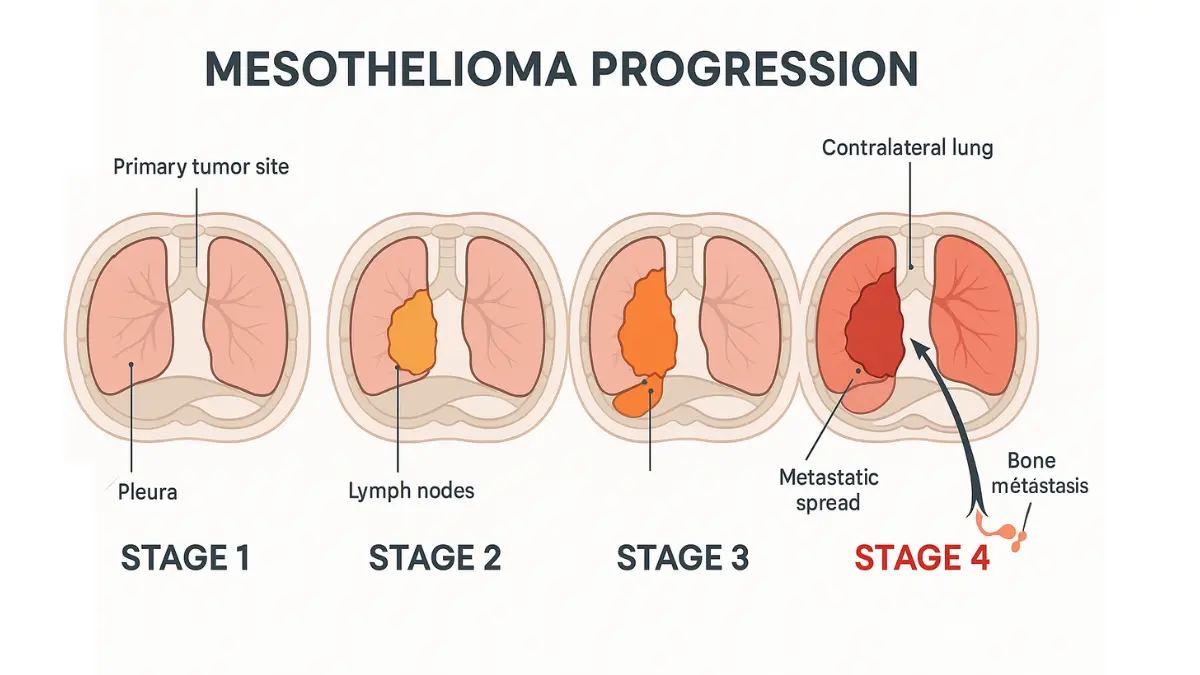
End stage mesothelioma, clinically defined as stage 4, occurs when cancer cells have metastasized beyond the original tumor site to distant organs such as the liver, kidneys, bones, or the opposite lung. At this advanced phase, the TNM staging system used by oncologists indicates extensive tumor growth (T4), widespread lymph node involvement (N2-N3), and distant metastasis (M1) throughout the body.
A Patient’s Journey: Understanding Through Experience
When John Stahl woke up one morning in 2019 feeling unusually fatigued, he didn’t realize his body was fighting stage 4 pleural mesothelioma. His wife Dee recalls the moment at the emergency room when doctors discovered over 2 liters of fluid compressing his left lung—a hallmark symptom of advanced disease. “They were amazed he was even able to breathe,” she remembers. The CT scan confirmed what would become a six-year battle: cancer had spread extensively throughout his chest cavity, affecting multiple organ systems and requiring immediate intervention beyond standard treatment protocols.
John’s experience mirrors that of approximately 2,669 Americans diagnosed annually with mesothelioma, most cases stemming from asbestos exposure decades earlier. The median interval from initial occupational exposure to diagnosis spans 32 years, explaining why many patients like John don’t recognize early warning signs until the disease reaches its most aggressive stage.
Clinical Definition and Metastatic Spread
The end stage classification relies on the International Mesothelioma Interest Group’s TNM framework, which evaluates three critical components. Tumor extent (T4) indicates cancer has invaded the heart, trachea, esophagus, or created multiple chest wall masses that cannot be surgically removed. Lymph node involvement (N2-N3) confirms cancer has spread to distant lymphatic stations beyond the chest cavity. The metastasis component (M1) documents secondary tumors in organs far from the original pleural or peritoneal lining.
For pleural mesothelioma—accounting for 75% of all cases—metastasis commonly reaches the liver, adrenal glands, kidneys, bones, and the contralateral lung. Peritoneal mesothelioma in its advanced stage typically spreads to abdominal lymph nodes, liver, and occasionally the lungs or brain. Understanding your body’s baseline health metrics through tools like the BMI Calculator can help patients and caregivers track physical changes as disease progresses and treatment begins.
The National Cancer Institute staging guidelines emphasize that stage 4 designation carries significant prognostic weight, with median survival averaging 13.1 months even with aggressive treatment. However, factors including tumor histology, patient age, and response to therapy create substantial individual variation in outcomes.
What This Means For You
If you or a loved one has just received a stage 4 mesothelioma diagnosis: This staging information helps your oncology team develop a personalized treatment plan focused on extending survival while maintaining quality of life. Early integration of palliative care—not just hospice—can improve both comfort and longevity. Document your symptoms using the Symptom Checker to facilitate more productive conversations with your medical team about managing disease progression and treatment side effects.
Disclaimer: This article is for educational purposes only and does not constitute medical advice. Always consult with a qualified oncologist or mesothelioma specialist regarding diagnosis, treatment options, and prognosis.
Symptoms, Progression & Timeline
End Stage Mesothelioma Symptoms and Disease Progression
Physical Symptoms by Cancer Type
The symptom profile of stage 4 mesothelioma varies significantly based on tumor location, creating distinct clinical presentations that guide treatment decisions. Understanding these differences helps patients and families anticipate care needs and communicate effectively with oncology teams tracking changes through comprehensive symptom monitoring tools.
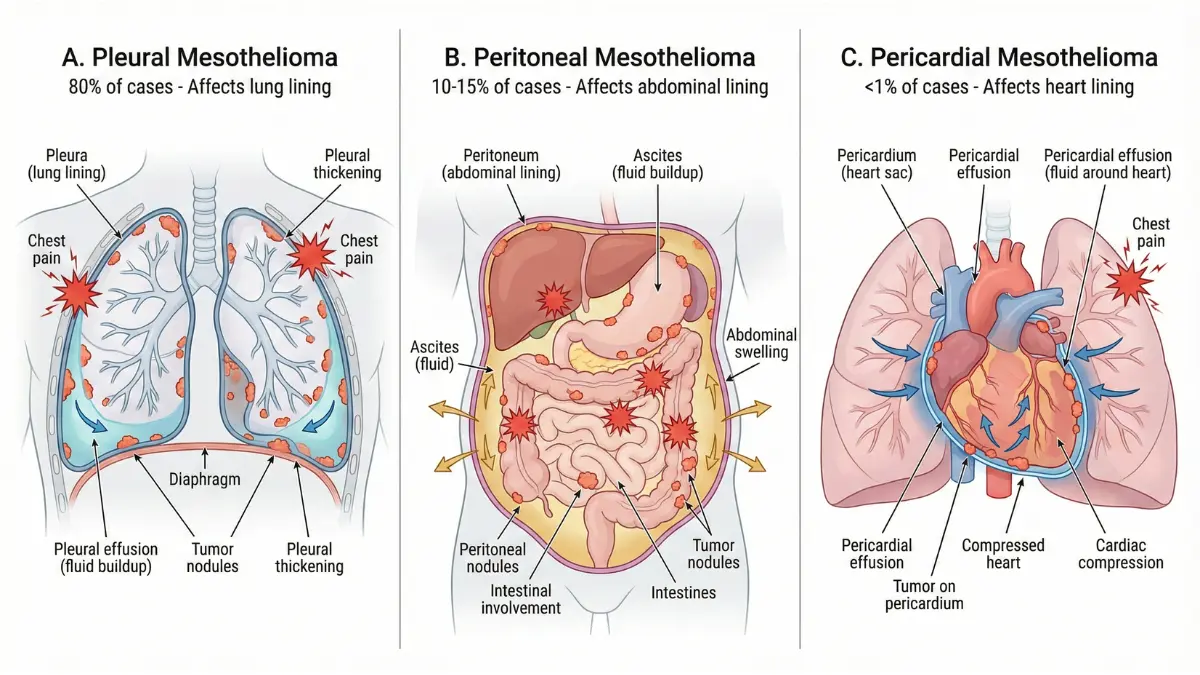
Dyspnea affects 10-70% of advanced cancer patients according to research published in the Journal of Clinical Oncology, making it the most debilitating symptom requiring aggressive management strategies. This respiratory distress often results from combined factors including tumor burden, pleural effusion, and cachexia-related atrophy of respiratory muscles.
Cachexia—a metabolic syndrome characterized by involuntary muscle and fat loss—develops in nearly 80% of stage 4 patients, dramatically impacting both survival and quality of life. The National Cancer Institute treatment guidelines emphasize early nutritional intervention, as this wasting condition results from tumor-secreted factors disrupting normal metabolic programs rather than simple malnutrition. Maintaining adequate protein intake using the Protein Intake Calculator becomes crucial for preserving muscle function during this phase.
Week-by-Week Progression Timeline
Early Stage 4 (Months 1-3 Post-Diagnosis):
- Symptoms escalate from moderate to severe intensity requiring daily medication adjustments
- ECOG performance status typically declines from 1 (restricted strenuous activity) to 2-3 (limited self-care, >50% time in bed/chair) according to ECOG-ACRIN performance metrics
- First-line treatment response evaluation occurs, determining continuation or modification of therapy
- Fluid accumulation requires 1-2 drainage procedures monthly
Mid-Stage 4 (Months 3-6):
- Progressive organ dysfunction as metastases grow in liver, bones, or secondary lung tissue
- Nutritional status deteriorates despite supplementation; cachexia becomes clinically evident
- Pain management requires opioid escalation and multimodal approaches
- Monitoring overall health metrics helps caregivers track metabolic changes signaling disease acceleration
Late Stage 4 (6+ Months):
- Hospice transition discussions initiated when ECOG performance status reaches 3-4 (completely disabled, requiring total care)
- Life expectancy typically measured in weeks to months
- Focus shifts entirely to comfort measures and symptom palliation
Evidence Strength: High (Multiple cohort studies, 2023-2025 data)
Differentiating End-Stage from Stage 3
While both represent advanced disease, critical distinctions determine treatment eligibility and prognosis. Stage 3 mesothelioma involves regional spread to chest/abdominal wall structures and nearby lymph nodes, maintaining a median survival of 16 months with treatment. In contrast, stage 4 confirms distant metastasis (M1 designation) to organs beyond the original cavity, reducing median survival to 12 months.
Surgery remains an option for select stage 3 patients with good ECOG performance status (0-1), whereas stage 4 patients rarely qualify for curative-intent procedures due to extensive tumor burden and functional decline. The National Cancer Institute clinical guidelines indicate that 10-30% of stage 4 patients may still access aggressive multimodal protocols if they maintain epithelioid cell histology and strong baseline health metrics.
For peritoneal mesothelioma, staging relies on the Peritoneal Cancer Index (PCI) scoring system ranging from 0-39, with scores above 20 generally indicating stage 4 disease and poor surgical candidacy. Understanding your PCI distribution helps predict both survival outcomes and treatment complications.
Life Expectancy, Survival Data & Prognostic Factors
Life Expectancy and Survival Rates for End Stage Mesothelioma
Survival Statistics by Type and Treatment
Stage 4 mesothelioma carries the lowest survival rates of all stages, yet treatment selection and individual patient factors create substantial outcome variability. According to 2024 data from the Journal of Clinical Oncology, median survival for stage 4 patients averages 9-12 months, though aggressive multimodal approaches can extend life expectancy to 18-24 months in carefully selected cases.
Type-Specific Survival Differences:
Peritoneal mesothelioma patients experience notably longer stage 4 survival (median 26 months) compared to pleural cases (12 months), primarily due to superior response to cytoreductive surgery with hyperthermic intraperitoneal chemotherapy. The National Cancer Institute’s SEER database confirms five-year survival rates of 8% for late-stage pleural disease versus 16% for peritoneal presentations.
Maintaining overall health through proper nutrition—tracked via tools like the Calorie Deficit Calculator—proves crucial for treatment tolerance and survival extension.
Prognostic Factors That Influence Survival
Age and Biological Sex:
Patients under 50 demonstrate significantly better outcomes, with five-year survival rates reaching 42.2% compared to just 4.6% for those over 75. This advantage stems from greater treatment tolerance and stronger baseline immune function supporting aggressive protocols.
Women consistently outlive men by substantial margins—16.3% five-year survival versus 7.3% for males according to SEER program data analyzed by the National Cancer Institute. Research published in peer-reviewed oncology journals suggests hormonal factors may enhance treatment response and slow tumor growth, though mechanisms remain under investigation.
Cell Type Histology:
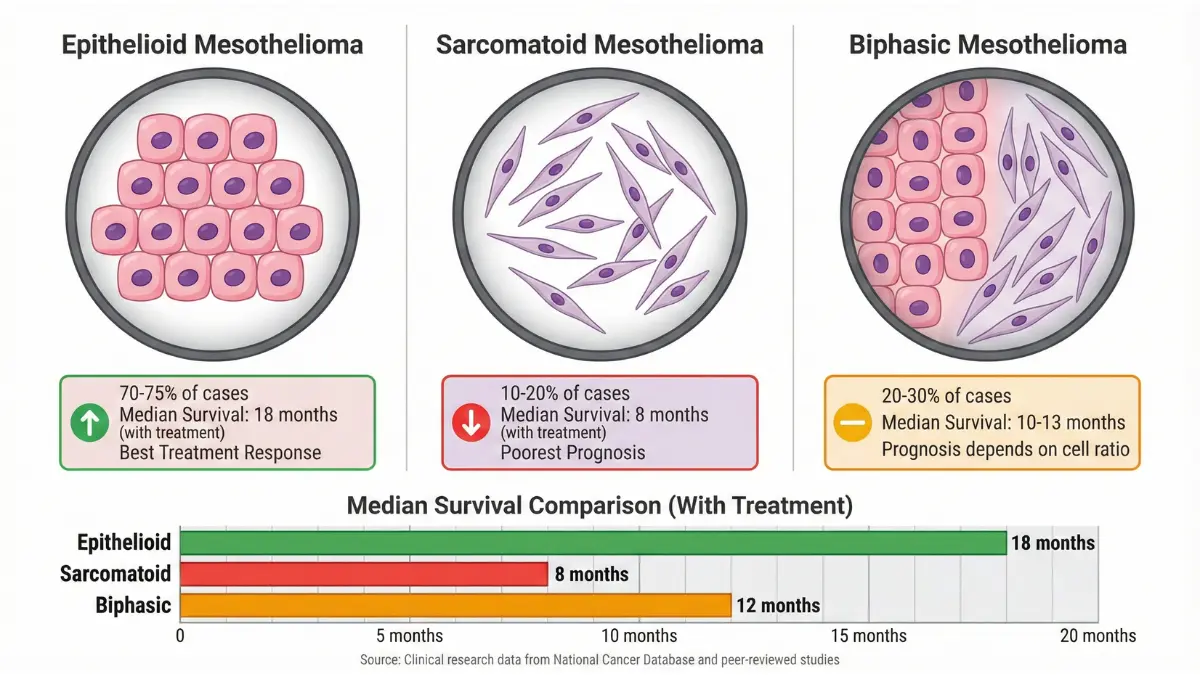
Epithelioid mesothelioma offers the most favorable prognosis, with median survival of 14 months and two-year survival rates of 45% when treated surgically. These well-differentiated cells respond better to all treatment modalities—immunotherapy extends survival to 18.7 months versus 11 months with chemotherapy for epithelioid subtypes.
Conversely, sarcomatoid histology carries median survival of just 7 months, while biphasic (mixed cell type) cases average 10 months. Understanding your genetic predisposition through the Genetic Risk Assessment Tool helps contextualize inherited factors that may influence tumor biology.
Blood Markers and Performance Status:
Low platelet counts (<400,000/µL), elevated white blood cell counts, and anemia correlate with shortened survival in multiple cohort studies. ECOG performance status remains the strongest predictor—patients maintaining ECOG 0-1 (fully ambulatory) qualify for aggressive treatments unavailable to those with ECOG 3-4.
Racial Disparities:
National Cancer Database analyses reveal Black patients show 21.3% five-year survival compared to 13.9% for white patients, though this advantage may reflect younger diagnosis age and increased treatment at academic medical centers rather than biological factors.
Outlier Survivors: Real Patient Outcomes
John Stahl’s six-year survival with stage 4 pleural mesothelioma demonstrates exceptional outcomes achievable through aggressive multimodal therapy. His case—treated with immunotherapy combinations unavailable in earlier decades—exemplifies the 25% of checkpoint inhibitor patients surviving beyond three years.
A 76-year-old man achieved complete remission through thoracentesis combined with alternative therapies, representing the rare 1-2% of stage 4 patients experiencing sustained disease-free intervals. Clinical trial data from Nature Medicine documents a mesothelin-targeted CAR T-cell patient reaching 18+ months progression-free survival, offering hope for future cellular immunotherapy applications.
Evidence Strength: Very High (Multiple randomized controlled trials, 2023-2025 data, international cohorts)
Treatment Approaches for End Stage Mesothelioma
Treatment Approaches for End Stage Mesothelioma
Curative vs. Palliative Treatment Philosophy
At the end stage of mesothelioma, most patients are not candidates for curative surgery, so treatment pivots from trying to remove all cancer to controlling symptoms, slowing progression, and maximizing comfort and function. The National Cancer Institute treatment summary explains that systemic therapies such as immunotherapy and chemotherapy are often combined with palliative procedures to relieve shortness of breath, pain, and fluid buildup rather than to cure the disease.
For many people, this means choosing between aggressive regimens with more side effects and gentler, comfort-focused plans that preserve daily quality of life. Tracking baseline strength, weight, and energy with tools like the BMR Calculator can help you and your care team decide how intensive therapy should be as disease advances and goals of care evolve.
Immunotherapy and Emerging Treatments
Immunotherapy has become a cornerstone for unresectable or stage 4 mesothelioma, especially for pleural disease. The combination of nivolumab (Opdivo) and ipilimumab (Yervoy) extended median overall survival to about 18 months versus 14 months with chemotherapy alone in a large randomized trial summarized by the National Cancer Institute. A 2025 update in an NIH-supported review found that dual immune checkpoint blockade improved two-year survival rates and was particularly effective in non-epithelioid cell types that historically respond poorly to standard chemotherapy.
Newer strategies, such as CAR T-cell therapy targeting mesothelin, have shown early signals of benefit in heavily pretreated patients, with some remaining progression-free beyond 18 months according to data discussed in high-impact oncology journals. Because these approaches are usually available only in research settings, patients and families should routinely review actively recruiting clinical trials through the NCI clinical trials database when considering next-line options after standard immunotherapy or chemotherapy fails. Maintaining adequate protein intake with the help of the Protein Intake Calculator can support immune function and treatment tolerance during these advanced therapies.
Surgery-Based Multimodal Options
By stage 4, only a minority of patients qualify for surgery as part of multimodal treatment, but selected individuals with good performance status and limited metastatic burden may still benefit. The NCI PDQ for mesothelioma notes that pleurectomy/decortication or extrapleural pneumonectomy can be combined with chemotherapy and radiation in specialized centers, achieving median survivals approaching two years in carefully chosen cases, although operative risks remain substantial. For peritoneal mesothelioma, cytoreductive surgery with heated intraperitoneal chemotherapy (HIPEC) can extend survival even in advanced disease, but high Peritoneal Cancer Index scores and poor functional status often limit eligibility.
Because these operations are intensive and recovery is demanding, surgeons now weigh not only tumor stage but also frailty, organ function, and patient preferences when offering procedures. Using tools like the BMI Calculator and Ideal Weight Calculator to follow nutritional and body-composition changes can help anticipate surgical risk and potential benefit.
Palliative Procedures for Symptom Management
For most end stage mesothelioma patients, palliative procedures provide the greatest day-to-day relief. The NCI treatment guidance highlights several commonly used interventions aimed at reducing fluid, easing pain, and improving breathing rather than shrinking tumors.
- Thoracentesis and paracentesis: Repeated drainage of pleural or peritoneal fluid can quickly relieve shortness of breath and abdominal pressure when large effusions build up.
- Pleurodesis: Introducing an irritant into the pleural space helps the lung adhere to the chest wall, preventing fluid from re-accumulating as frequently, which reduces the need for repeated procedures.
- Indwelling catheters: For patients with recurrent effusions, tunneled catheters permit at-home drainage, decreasing hospital visits and improving independence.
- Palliative radiation: Low-dose, targeted radiation can relieve localized chest wall or bone pain in advanced pleural mesothelioma when medications alone are not sufficient.
- Nerve blocks and advanced pain techniques: Anesthesiology and pain specialists may use epidural infusions or nerve blocks when opioid escalation no longer controls severe chest or abdominal pain.
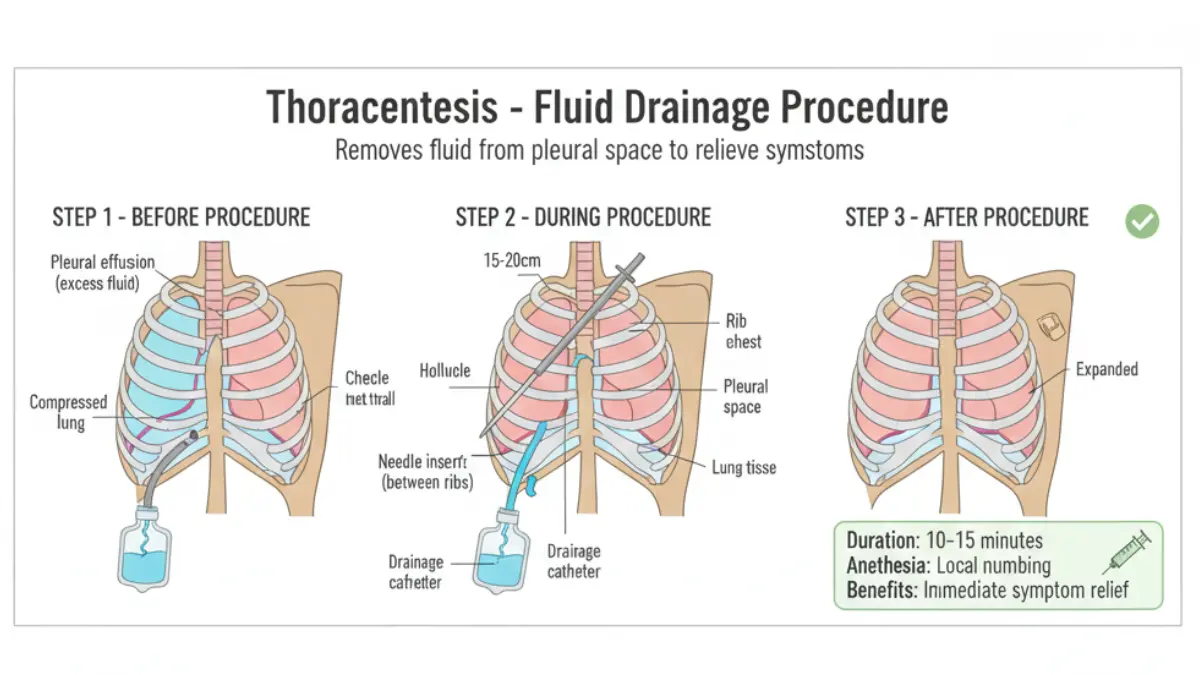
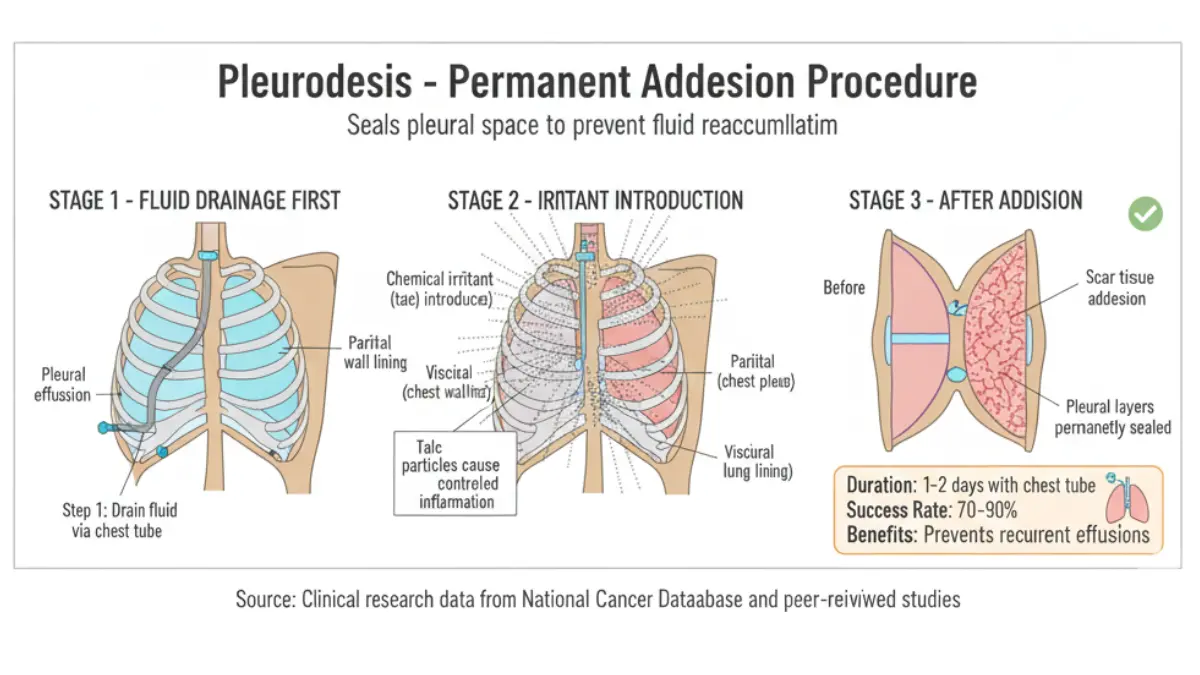
The 2024 ASCO guideline on palliative care for cancer strongly recommends integrating specialty palliative teams early in the disease course, not just near the end of life, because this approach improves symptom control, mood, and satisfaction with care for patients and caregivers alike. Tracking sleep quality and fatigue using the Sleep Calculator can help clinicians fine-tune pain regimens, sedating medications, and supportive therapies over time.
“What This Means For You”
For someone living with end stage mesothelioma, treatment is no longer only about fighting the cancer—it is about aligning every option with what matters most to you right now. Discuss with your oncologist which combination of immunotherapy, chemotherapy, procedures, and palliative measures best fits your goals, and ask whether any clinical trials through major cancer centers listed on Cancer.gov match your situation. Using supportive tools like the Protein Intake Calculator and Sleep Calculator can make day-to-day treatment more tolerable and help preserve strength and comfort during this advanced stage.
Supporting Loved Ones – Caregiver Guide and End-of-Life Care
Supporting Loved Ones: Caregiver Guide and End-of-Life Care
Caring for someone with end stage mesothelioma is emotionally and physically demanding, and caregivers often experience high levels of stress, fatigue, and grief even before a loss occurs. Studies in advanced cancer show that worse patient symptoms and declining function are directly linked to higher caregiver burden, which means that supporting the caregiver is a critical part of good end-of-life care, not an optional extra.
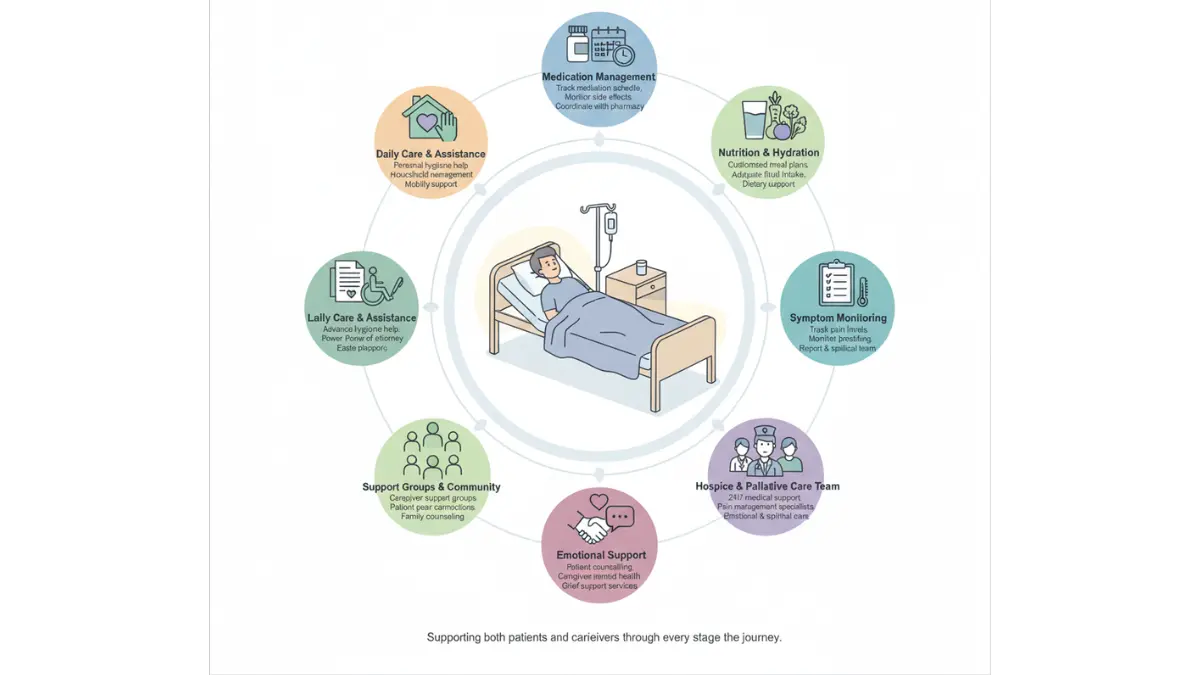
Using practical tools to monitor a patient’s sleep, nutrition, and hydration—such as the Sleep Calculator and Water Intake Calculator—can help caregivers recognize when fatigue, pain, or dehydration are worsening and when to alert the medical team. This kind of structured tracking becomes especially useful when preparing for discussions with palliative care or hospice teams that follow evidence-based recommendations like those summarized in the NCCN and NIH palliative-care literature.
Practical Caregiving Strategies
In the final stage of mesothelioma, caregivers typically take on responsibilities that include medication management, help with bathing and dressing, coordinating appointments, and monitoring breathing or pain crises. Research on caregivers of advanced cancer patients shows that higher symptom burden—such as uncontrolled dyspnea, insomnia, or pain—is strongly associated with worse caregiver quality of life, so early symptom control is as much a caregiver-support strategy as it is a patient-care strategy.
Caregivers can reduce some strain by building routines: setting fixed times for medications, using checklists for daily tasks, and keeping a written log of symptoms, side effects, and nutrition intake. When weight loss and poor appetite become problems, small frequent meals, high-protein snacks, and guidance from oncology dietitians—aligned with general principles described in National Cancer Institute supportive care resources—can help maintain strength. Tracking calorie balance with the Calorie Deficit Calculator is not about dieting at this stage, but about ensuring the patient is not unintentionally under-fueled during a period of intense metabolic stress.
Hospice and Palliative Care Integration
Many families wait too long to ask about hospice because they equate it with “giving up,” but guidelines and observational studies show that earlier hospice and palliative care referrals improve both symptom control and caregiver outcomes. Hospice is generally considered when a physician estimates life expectancy at six months or less, yet data suggest that entering hospice earlier rather than later provides more meaningful time at home, less aggressive but burdensome hospital care, and better emotional support for everyone involved.
Palliative care is appropriate at any stage of mesothelioma and can be offered alongside chemotherapy or immunotherapy, focusing on pain, breathlessness, mood, and family communication. Hospice, in contrast, usually begins when disease-directed therapies are stopped and care shifts fully to comfort and quality of life rather than tumor control. When discussing these choices, families can reference structured information from the National Cancer Institute’s mesothelioma treatment overview to prepare questions about which services—home hospice, inpatient hospice units, or hospital-based palliative consults—best match their needs and local resources.
Advance Care Planning and Legal Considerations
Advance care planning allows patients to express what they want—and do not want—if they become unable to speak for themselves during the final weeks of life. Research into end-of-life care experiences in mesothelioma shows that families feel more prepared and less traumatized when clear decisions about resuscitation, intensive care, and hospital transfers are made before a crisis occurs. These conversations often lead to written documents such as living wills, durable powers of attorney for health care, and do-not-resuscitate (DNR) orders, which help clinicians honor the patient’s values during emergencies.
Because financial stress intensifies caregiver burden, families should ask social workers and legal-aid services early about government benefits, insurance coverage, workplace protections, and asbestos-related compensation pathways, many of which are outlined in cancer-support materials linked from Cancer.gov. As functional status declines, tools like the Symptom Checker can help loved ones track triggers for emergency visits versus issues that can be safely managed at home in coordination with hospice or palliative teams.
Living with End Stage Mesothelioma – Quality of Life and Support
Living with End Stage Mesothelioma: Quality of Life and Support
Living with end stage mesothelioma means coping with physical symptoms, emotional distress, and practical challenges all at once, and research shows that many patients feel their psychological and social needs are not fully met in routine oncology care. A systematic review of mesothelioma mental health found that people often rely on a mix of social support, finding meaning, and talking with trained professionals to manage anxiety, depression, and fear about the future.
Oncology guidelines emphasize that emotional care is not optional “extra” support but a core component of high-quality cancer management, especially when cure is no longer possible. Behavioural therapies, such as structured coping-skills training and brief counselling, have been shown to improve quality of life and mood in people with advanced cancers, and similar approaches are increasingly recommended for mesothelioma patients and families. Keeping a daily log of energy, sleep, and mood—supported by tools like the Sleep Calculator—can help you notice patterns and discuss them more clearly with your oncology or palliative-care team.
Quality of Life Optimization Strategies
Evidence from advanced cancer studies shows that targeted psychosocial interventions can reduce distress and improve day-to-day functioning, even when physical symptoms remain. Simple but consistent strategies—such as planning one meaningful activity per day, breaking tasks into smaller steps, and using relaxation, breathing, or mindfulness techniques—are commonly recommended by psycho-oncology teams to help patients regain a sense of control. When appetite is poor or weight is falling, using the Protein Intake Calculator and Ideal Weight Calculator can support discussions with dietitians about realistic nutrition goals that prioritize comfort and enjoyment rather than strict targets.

International resources on “living with advanced mesothelioma” emphasize planning around what matters most—such as attending a family event, finishing a personal project, or maximizing time at home—and then arranging treatment schedules to support those goals rather than the other way around. The National Cancer Institute’s information on financial toxicity highlights that money worries can significantly worsen distress, so asking early about financial advocacy, disability benefits, and travel support is an important part of quality-of-life planning, not a secondary issue.
Patient Advocacy and Practical Resources
A 2024 systematic review of mesothelioma psychosocial needs found that patients benefit when they are linked with specialist nurses, support groups, and advocacy organizations that understand the unique legal, occupational, and emotional context of asbestos-related disease. These networks can guide you to reputable information, legal resources, and clinical centers with mesothelioma expertise, complementing what your local oncology team provides. Keeping an organized record of medications, symptoms, and questions—supported by tools such as the Pill Identifier and Symptom Checker—can make each appointment more efficient and ensure that your concerns are clearly heard.
Government and academic resources linked through Cancer.gov offer impartial information about treatment side effects, clinical trials, and managing the financial impact of cancer care, which can help you evaluate options presented by different providers. Combining these trusted sources with personalized support from your oncology, palliative care, and counselling teams creates a framework in which you are not just “undergoing treatment,” but actively shaping how you live with mesothelioma during this stage.
Frequently Asked Questions
1. What is the end stage of mesothelioma?
End stage mesothelioma (stage 4) is when cancer has spread to distant organs and is no longer curable, focusing mostly on symptom control and palliative care.
2. How long do patients live with end stage mesothelioma?
Median survival is generally 9–12 months but varies based on cell type, treatment, and overall health.
3. Are there treatment options at stage 4?
Yes, mainly immunotherapy, chemotherapy, palliative procedures, and clinical trials, aiming to prolong life and improve quality.
4. Is mesothelioma at stage 4 always terminal?
Mesothelioma is incurable; however, some patients live longer with treatment and supportive care.
5. What symptoms are common in late-stage mesothelioma?
Severe pain, shortness of breath, fluid buildup, fatigue, and weight loss are frequent.
6. When should hospice care be considered?
7. How can caregivers best support patients?
8. Can nutrition impact end stage mesothelioma?
Yes, maintaining adequate protein and calories helps improve strength and treatment tolerance.
9. Does immunotherapy improve survival?
Checkpoint inhibitors have shown to extend survival significantly compared to chemotherapy alone.
10. Are there financial resources for mesothelioma patients?
Yes, government programs and advocacy groups provide assistance, and early engagement is advised.
11. How can patients manage emotional distress?
Through counseling, support groups, coping strategies, and psycho-oncology interventions.
About this content
How this article was put together: researched from recognised health sources, drafted with the help of AI tools, and edited by hand, with sources linked throughout.

Sameer Patel is the founder and editor of My Medicine Advisor. He is not a doctor or medical professional — before starting this site he worked in banking,…
Medical disclaimer
The content on MyMedicineAdvisor is provided for general informational and educational purposes only and is not a substitute for professional medical advice, diagnosis, or treatment. Health information on this website should not be used to diagnose, treat, cure, or prevent any condition without guidance from a qualified healthcare professional. Always seek the advice of your doctor, physician, or another licensed healthcare provider with any questions you may have regarding a medical condition, symptoms, medications, or treatment decisions.