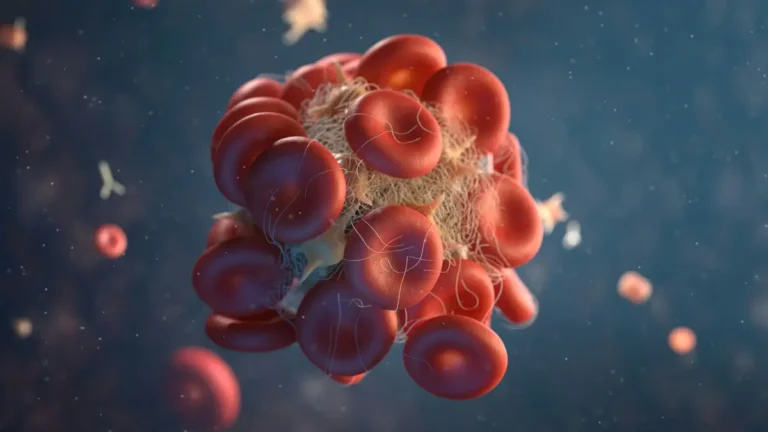
Myocardial infarction, commonly known as a heart attack, often strikes without classic chest pain—up to 45% of cases are silent myocardial infarction events that damage the heart undetected, tripling heart disease mortality risk. These silent heart attack instances mimic everyday discomforts, delaying treatment and worsening outcomes, especially in diabetics and women where atypical myocardial infarction symptoms prevail. Recognizing these 12 silent signs of myocardial infarction can prompt life-saving action before irreversible harm occurs.
Real Patient Story: The Hidden Threat
Sarah, a 58-year-old teacher with diabetes, dismissed persistent fatigue and mild jaw ache as stress from work. Months later, routine ECG revealed scarring from a prior silent myocardial infarction—her heart attack symptoms had been ignored, leaving 25% reduced heart function. What This Means For You: Track subtle changes using our Symptom Checker tool and consult a doctor promptly, as per NIH guidelines on heart attack recognition.
Why Myocardial Infarction Goes Unnoticed
A myocardial infarction happens when coronary artery blockage causes heart muscle death from ischemia, yet silent heart attacks occur in 20-45% of patients due to nerve damage or high pain thresholds. Diabetics face diabetic heart attack symptoms like vague nausea because neuropathy masks pain signals. The CDC notes these early signs of heart attack boost all-cause death by 34% if missed.
Unlike obvious STEMI cases, silent myocardial infarction evades notice until complications like heart failure arise. Use our Heart Rate Zone Calculator to monitor baselines and catch irregularities early.
Prevalence and Risk Factors
Heart attack risk factors like age over 65, hypertension, and smoking amplify silent heart attack odds—men experience them more, but women suffer higher fatality. Coronary artery disease symptoms often overlap with indigestion in silent cases.
Key Takeaway: Myocardial infarction causes demand vigilance; integrate health tips for prevention.
| Factor | Silent MI Risk Increase | Source |
|---|---|---|
| Diabetes | 3-5x higher | CDC |
| Age >65 | 2x higher | CDC |
| Women | Higher mortality | CDC |
This myocardial infarction overview equips you to act—heart attack prevention tips start with awareness. Explore our main site for more at MyMedicineAdvisor.
Understanding Myocardial Infarction and Why It Can Be Silent
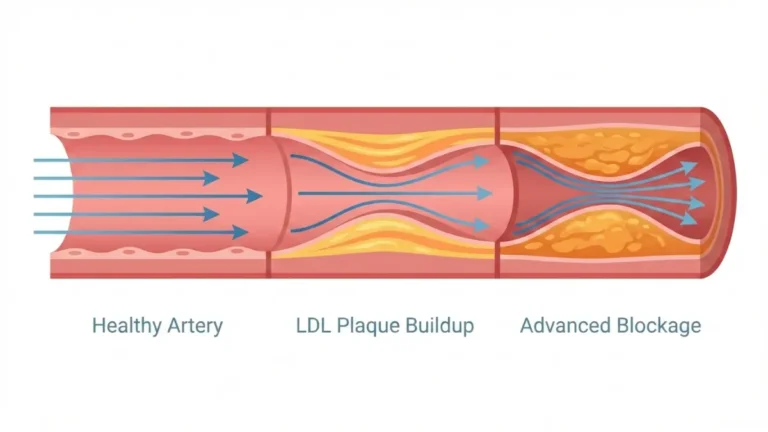
Myocardial infarction (MI), commonly known as a heart attack, occurs when blood flow to a part of the heart muscle is severely reduced or blocked, typically caused by a rupture of an atherosclerotic plaque within a coronary artery. This leads to the formation of a thrombus that obstructs blood supply, causing ischemia and eventual death of heart muscle cells if untreated. The ischemic damage progresses from the inner lining of the heart (subendocardium) outward toward the outer layers (subepicardium), with irreparable cell death developing within minutes to hours.
A key pathological hallmark is the necrosis of cardiac cells triggered by prolonged oxygen deprivation, followed by a healing process where scar tissue replaces damaged myocardium, which may result in reduced heart function and remodeling of the heart chamber. The adult heart has minimal capacity to regenerate, so timely restoration of blood flow critically affects long-term outcomes.
The typical manifestation of MI is chest pain—but in many cases—especially in diabetics, older adults, and women—this pain is absent or atypical, leading to what is called silent myocardial infarction. The lack of classic symptoms is often attributed to nerve damage (neuropathy) that dulls pain perception. This makes silent MI especially dangerous as it often goes unrecognized until serious complications develop.
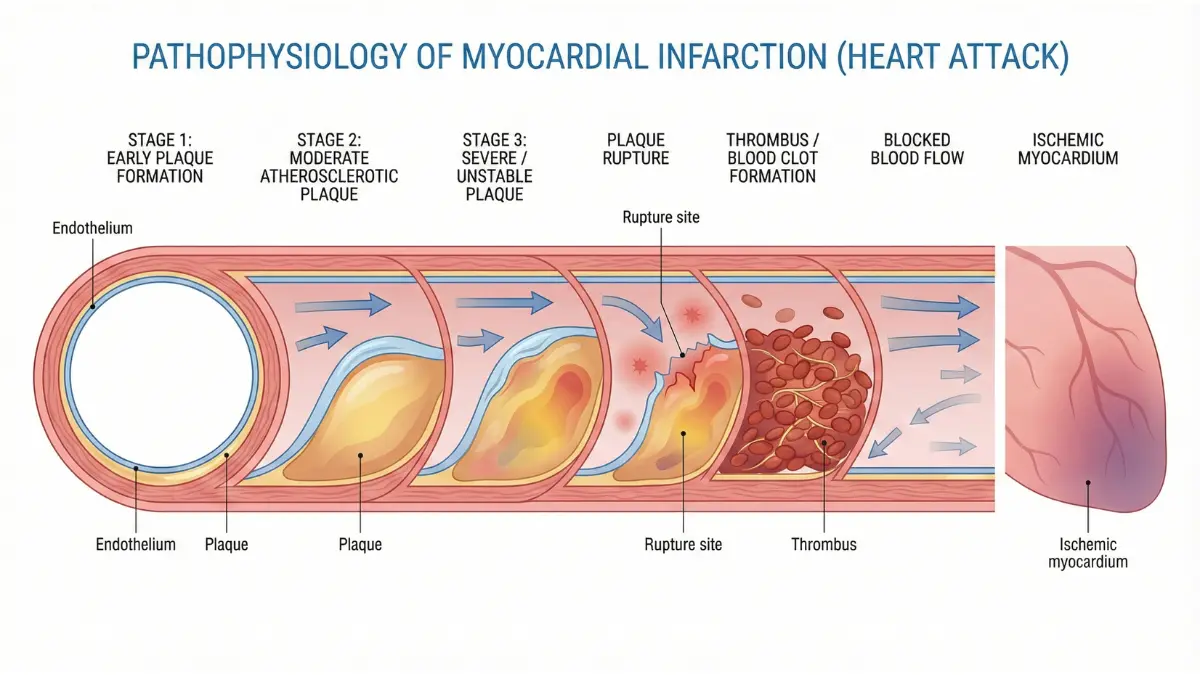
The mechanism underlying silent MI involves both the same plaque rupture and thrombus formation seen in classic MI but may also include coronary artery spasms or microvascular dysfunction, which don’t produce overt symptoms despite significant myocardial injury. Additionally, reperfusion injury after blood flow restoration can cause further myocardial damage, complicating clinical presentation.
Patients with silent MI may experience subtle or atypical signs such as unexplained fatigue, mild discomfort in the jaw or back, shortness of breath, or general malaise, which are often overlooked but should raise suspicion, especially in high-risk groups. Early detection is crucial and relies on sensitive diagnostics like ECG changes, cardiac enzyme elevation (troponin), and imaging, along with careful clinical evaluation.
Understanding these complex physiological and pathophysiological processes helps explain why silent myocardial infarctions occur and underscores the importance of vigilance against subtle symptoms. Tools like the Symptom Checker and Heart Rate Zone Calculator can assist individuals in monitoring their cardiovascular health proactively.
For comprehensive clinical guidelines and disclosures on myocardial infarction mechanisms, authoritative sources such as the NIH provide detailed insights at NIH Myocardial Infarction
The 12 Silent Signs of Myocardial Infarction You’re Ignoring
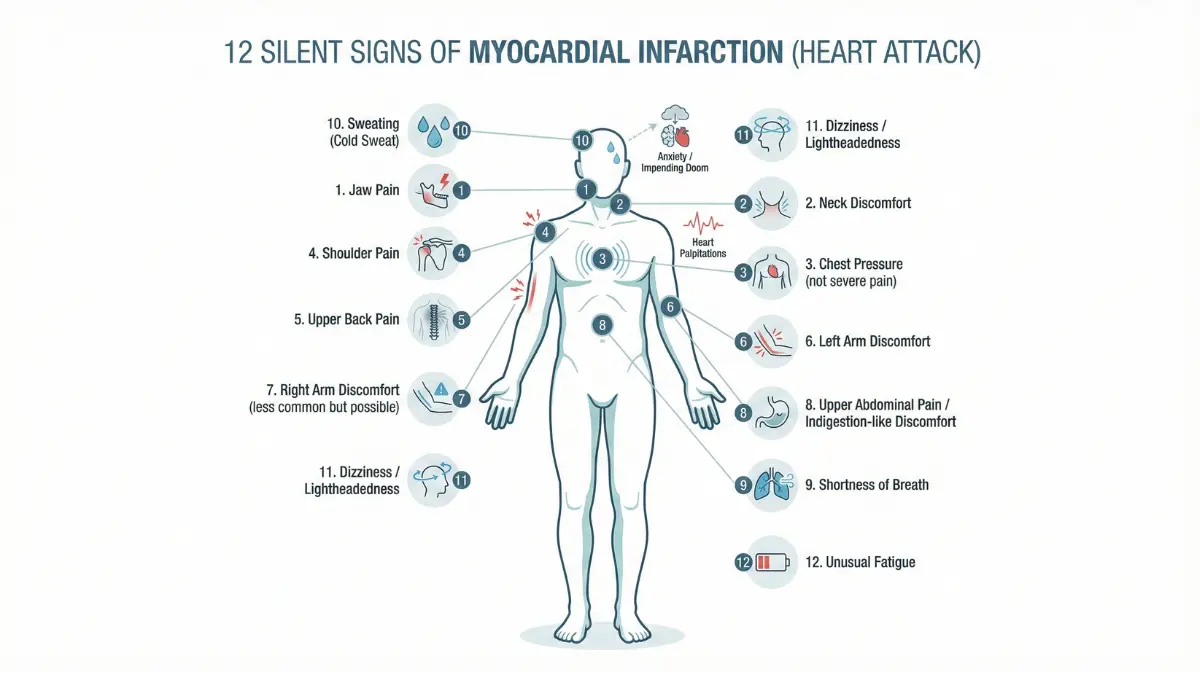
Silent myocardial infarction often masquerades as everyday ailments, but recognizing these 12 silent signs of myocardial infarction—backed by clinical data—can prevent irreversible heart damage. Unlike classic heart attack symptoms with crushing chest pain, these atypical myocardial infarction symptoms affect 20-50% of cases, especially in women and diabetics where signs of heart attack in women or diabetic heart attack symptoms go unnoticed. Use our Symptom Checker to log patterns and consult providers promptly, as per NIH guidelines.
1. Unexplained Fatigue
Persistent exhaustion despite rest signals silent heart attack as the heart struggles with reduced efficiency post-injury. Patients report overwhelming tiredness mimicking flu, yet early signs of heart attack like this triple future event risk.
What This Means For You: Track energy with our Sleep Calculator—seek ECG if fatigue lingers over weeks.
2. Shortness of Breath
Shortness of breath without exertion hints at myocardial infarction symptoms from fluid buildup or weakened pumping. Common in silent myocardial ischemia, it worsens lying down. Diabetics often dismiss it as aging.
Monitor via Heart Rate Zone Calculator.
3. Mild Jaw or Neck Discomfort
Atypical chest pain radiating to jaw/neck occurs in 30% of silent cases, triggered by shared nerve pathways. Women experience this sign of heart attack in women more frequently.
If chewing aggravates it, test with our Symptom Checker.
4. Upper Back or Shoulder Ache
Pain like a “pulled muscle” in the upper back signals silent heart attack signs from referred cardiac ischemia. Often ignored in active adults, it ties to coronary artery disease symptoms.
Key Takeaway: Persistent ache warrants troponin checks per CDC heart disease facts.
5. Nausea or Indigestion
Heartburn-like symptoms or nausea mimic GI issues but stem from vagus nerve irritation in myocardial infarction. Up to 40% of silent MIs present this way, especially post-meal.
Link to health tips for diet tweaks.
6. Cold Sweats
Sudden cold sweats without heat or fever indicate autonomic response to silent myocardial infarction. Paired with unease, it’s a red flag in high-risk groups.
Use BMR Calculator to rule out metabolic causes.
7. Dizziness or Lightheadedness
Lightheadedness from poor cardiac output precedes fainting in atypical myocardial infarction symptoms. Standing triggers it via orthostatic stress on damaged myocardium.
What This Means For You: Hydrate and monitor; see NIH on cardiac symptoms.
8. Unexplained Anxiety
Sudden panic or doom feeling activates during silent heart attack via adrenaline surge compensating for low output. Often misread as stress.
Track with Symptom Checker.
9. Palpitations or Irregular Beats
Palpitations arise from irritable foci in infarcted tissue, a subtle ECG sign of myocardial infarction. Silent MIs provoke arrhythmias silently.
Baseline with Heart Rate Zone Calculator.
10. Mild Upper Abdominal Pressure
Vague upper belly discomfort overlaps myocardial ischemia symptoms, confusing it with reflux. Common in elderly silent cases.
11. Flu-Like Malaise
Achy, flu-like weakness masks early signs of heart attack as viral illness. Post-silent MI fatigue lingers months.
Explore main site resources.
12. Arm Weakness or Numbness
Subtle arm discomfort, not pain, refers from cardiac nerves in signs of heart attack in women. Bilateral cases heighten suspicion.
What This Means For You: Heart attack prevention tips include logging these via tools—silent heart attack kills quietly, but awareness saves. Key Takeaway: Any cluster demands ER evaluation; integrate health tips daily.
Diagnosis, Monitoring, and When to Seek Medical Help
Diagnosing a silent myocardial infarction (MI) can be challenging because classic symptoms like chest pain are often absent or very mild. The most validated and sensitive method for detecting silent MI is cardiovascular magnetic resonance imaging (CMR) with late gadolinium enhancement (LGE), which identifies scar tissue in the heart muscle indicative of prior infarction. However, this test is expensive and not routinely done.
More accessible diagnostic tools include a 12-lead electrocardiogram (ECG), which detects electrical changes such as abnormal Q waves but has limited sensitivity alone for silent MI. Continuous or ambulatory ECG monitoring (Holter monitor) can capture intermittent ischemic episodes not seen on resting ECG.
Blood tests measuring cardiac enzymes, especially highly sensitive troponin (hs-cTnT), are essential to detect myocardial injury. Elevated troponin, along with elevated biomarkers like NT-proBNP, helps risk stratify patients and detect silent ischemia.
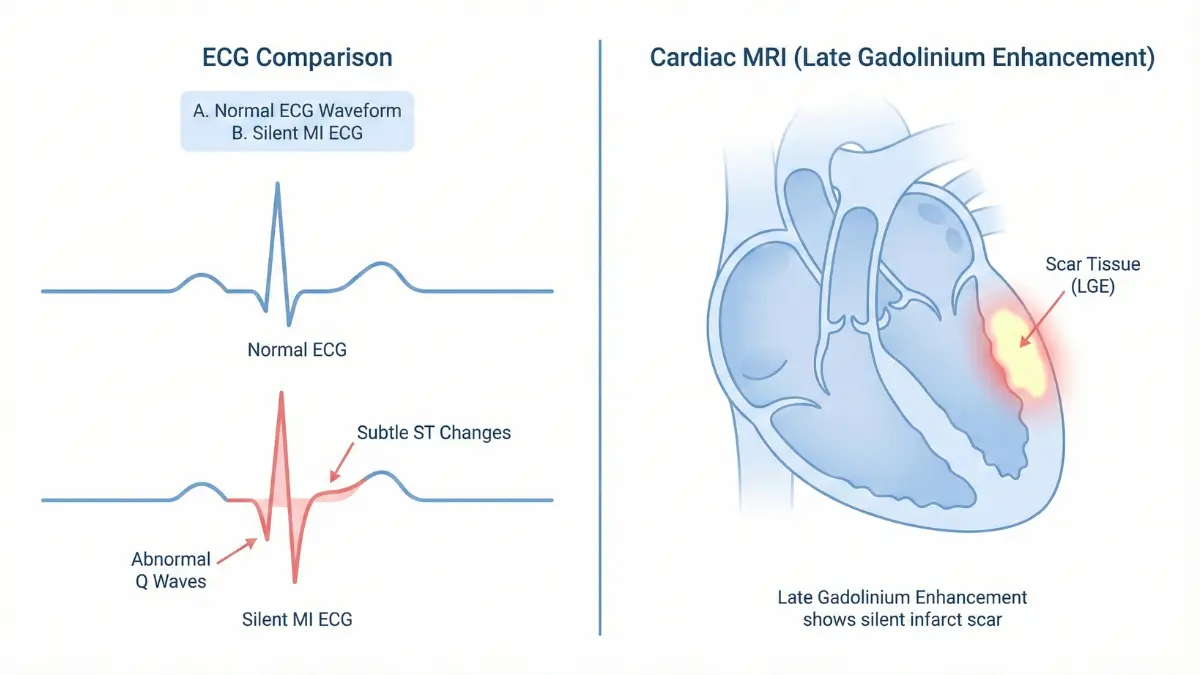
Other imaging modalities include echocardiography (to evaluate cardiac function), radionuclide myocardial perfusion imaging, CT angiography to visualize coronary artery blockages, and stress testing to provoke ischemia during exercise or pharmacologic stress. Cardiac MRI offers superior visualization of infarct size and location.
The diagnosis of silent MI requires careful clinical assessment alongside these tests, especially in high-risk populations such as diabetics, elderly, or those with previous cardiovascular disease. If subtle symptoms such as unexplained fatigue, jaw discomfort, or shortness of breath arise, prompt evaluation with ECG and troponin measurement is warranted.
Monitoring tools like the Symptom Checker and Heart Rate Zone Calculator help patients track symptoms and heart function for early detection. Emergency care should be sought immediately if warning signs cluster or worsen, as silent MI can progress to life-threatening complications rapidly.
For detailed diagnostic protocols, refer to the NIH clinical guidelines on heart attack diagnosis which provide a comprehensive framework for testing and interpretation.
Treatment Options, Lifestyle, and Prevention of Silent Myocardial Infarction
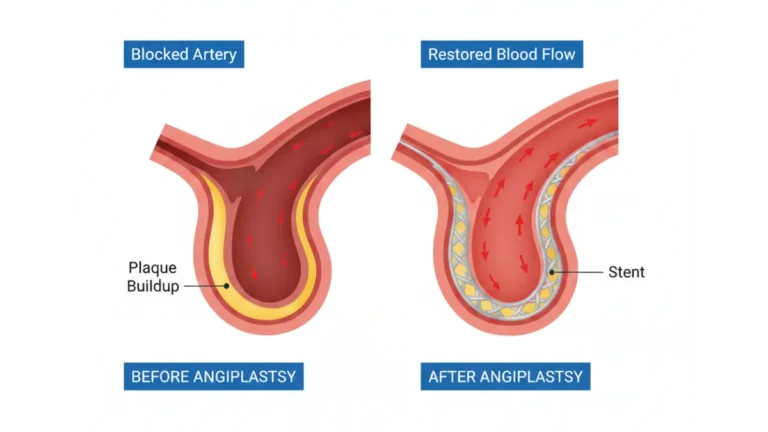
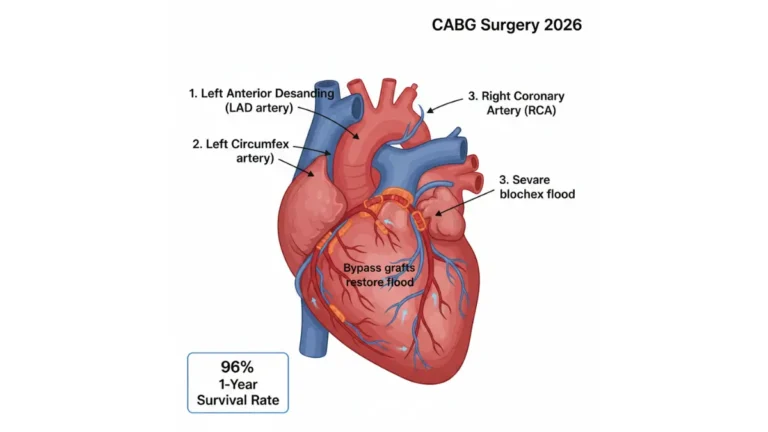
Silent myocardial infarction treatment mirrors acute myocardial infarction protocols but emphasizes aggressive risk factor control since symptoms often delay intervention. Initial management focuses on restoring perfusion through medications like antiplatelets (aspirin) and beta-blockers, which reduce ischemic episodes by 60% in silent cases, alongside statins for plaque stabilization. For high-risk features like large ischemic areas, revascularization via percutaneous coronary intervention (PCI) or coronary artery bypass grafting (CABG) shows superior outcomes over medical therapy alone, preserving ejection fraction long-term.
Calcium channel blockers (CCBs) serve as alternatives for beta-blocker intolerant patients, particularly in vasospastic components of silent myocardial ischemia. Emerging therapies include enhanced external counterpulsation for refractory cases, though evidence remains limited outside major trials. Global guidelines from the European Society of Cardiology stress treating silent ischemia equivalently to symptomatic, with PCI outperforming drugs in post-MI patients.
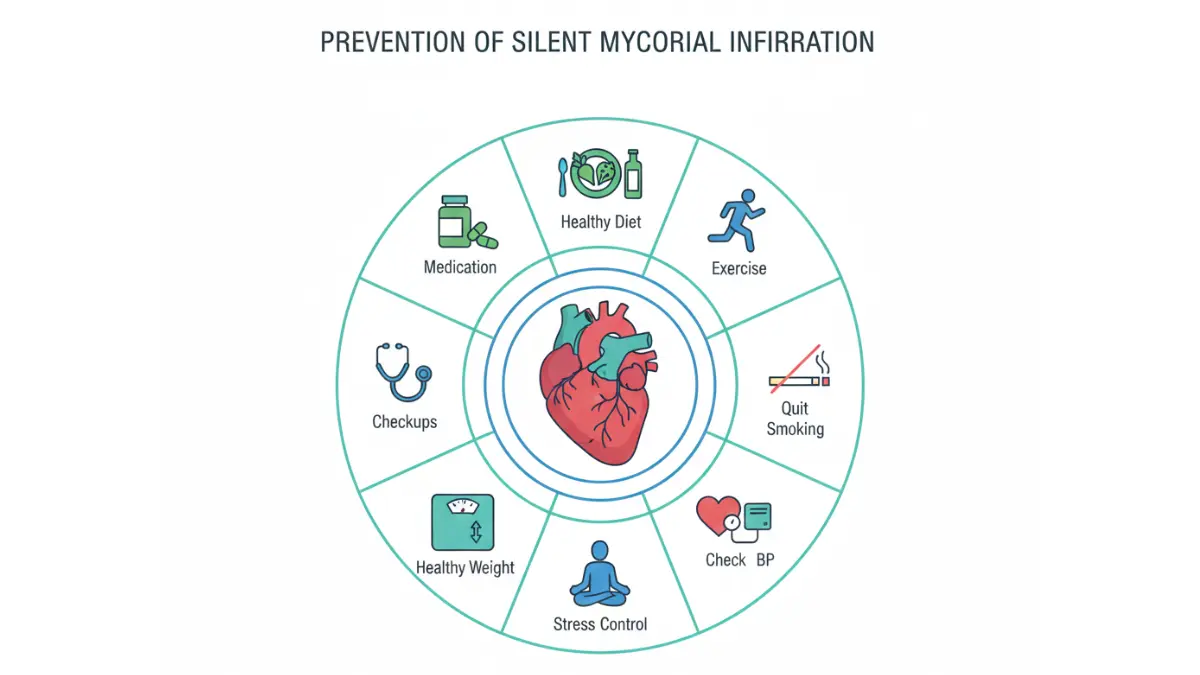
Lifestyle modifications form the cornerstone of silent heart attack prevention. Smoking cessation cuts recurrence by 50%, while Mediterranean diets rich in omega-3s reduce heart attack risk factors like inflammation. Regular aerobic exercise—150 minutes weekly—strengthens myocardium; use our Pace Calculator to optimize safe routines and Heart Rate Zone Calculator for monitoring.
Weight management targets BMI under 25; calculate yours with the BMI Calculator and pair with Macro Calculator for heart-healthy nutrition plans. Stress reduction via mindfulness lowers coronary artery disease symptoms recurrence by 30%.
Regional variations exist: U.S. favors aggressive PCI per NIH protocols at NIH Heart Attack Treatment Guide, while European panels prioritize medical optimization first. Insurance often covers beta-blockers fully but requires prior authorization for advanced imaging.
What This Means For You: Start with our health tips for myocardial infarction treatment adherence—track progress via Weight Loss Calculator and consult providers for personalized post heart attack care. Key Takeaway: Heart-healthy lifestyle prevents 80% of silent MIs; combine with annual ECG screening per CDC recommendations.
Common FAQs on Silent Myocardial Infarction
1. What is a silent myocardial infarction?
A silent myocardial infarction occurs without typical chest pain, often discovered later by ECG or imaging showing heart muscle damage.
2. Can silent myocardial infarction cause sudden death?
Yes, silent myocardial infarction increases the risk of sudden death and heart failure, similar to symptomatic myocardial infarction.
3. Is silent myocardial infarction more common in women?
Women more frequently experience silent myocardial infarction or atypical symptoms like fatigue, sometimes leading to missed diagnosis.
4. Who is at highest risk for silent myocardial infarction?
Diabetics, elderly people, and those with nerve damage face the highest risk for silent myocardial infarction.
5. How is silent myocardial infarction diagnosed?
6. Does silent myocardial infarction have the same prognosis as classic myocardial infarction?
Yes, both raise risks of heart failure and future cardiac events similarly, requiring timely management.
7. Can you recover fully from silent myocardial infarction?
8. How can I reduce my risk of silent myocardial infarction?
Control risk factors like diabetes, smoking, and hypertension; follow NIH lifestyle advice including exercise and healthy eating.
9. What are the long-term complications of silent myocardial infarction?
Complications include heart failure, arrhythmias, and increased stroke risk.
10. Should high-risk patients get routine screening for silent myocardial infarction?
11. When should I seek emergency help for possible silent myocardial infarction symptoms?
Seek immediate care if symptoms like fatigue, jaw pain, nausea, or shortness of breath cluster or worsen unexpectedly.
Debunking Heart Attack Myths
- Myth: “No chest pain means no heart attack.” Fact: Silent myocardial infarction comprises 20-45% of events.
- Myth: “Silent MI is harmless.” Fact: It scars heart muscle, raising myocardial infarction causes for future crises by 34%.
| Myth | Reality | Source |
|---|---|---|
| Only men get heart attacks | Women face higher silent MI fatality | CDC data |
| Symptoms always dramatic | Atypical myocardial infarction symptoms predominate in elderly | |
What This Means For You: Log concerns with our Symptom Checker and explore health tips for heart attack prevention tips. Visit MyMedicineAdvisor for ongoing support.
About this content
How this article was put together: researched from recognised health sources, drafted with the help of AI tools, and edited by hand, with sources linked throughout.

Sameer Patel is the founder and editor of My Medicine Advisor. He is not a doctor or medical professional — before starting this site he worked in banking,…
Medical disclaimer
The content on MyMedicineAdvisor is provided for general informational and educational purposes only and is not a substitute for professional medical advice, diagnosis, or treatment. Health information on this website should not be used to diagnose, treat, cure, or prevent any condition without guidance from a qualified healthcare professional. Always seek the advice of your doctor, physician, or another licensed healthcare provider with any questions you may have regarding a medical condition, symptoms, medications, or treatment decisions.