
Hypothyroidism symptoms occur when your thyroid gland fails to produce adequate hormones, causing widespread body system slowdowns that manifest as fatigue, unexplained weight gain, cold intolerance, depression, and cognitive decline. Recognizing these underactive thyroid symptoms early enables timely diagnosis and treatment, preventing long-term complications that affect nearly every organ in your body.
When Your Thyroid Quietly Fails: Maria’s Story
Maria, a 38-year-old marketing executive, spent two years blaming her exhaustion on work stress. She gained 22 pounds despite maintaining her fitness routine, started wearing sweaters in July, and struggled to remember client names during meetings. “I thought I was just getting older and burning out,” she recalls. Her hair thinned noticeably, her skin became paper-dry, and even simple tasks felt overwhelming. After her sister—a nurse—recognized the pattern of low thyroid symptoms during a family gathering, Maria finally requested bloodwork. The results revealed her TSH level at 8.7 mIU/L, confirming primary hypothyroidism with positive thyroid antibodies indicating Hashimoto’s disease.
Within three months of starting treatment, Maria’s energy returned, she lost 15 pounds, and her brain fog lifted. “I didn’t realize how sick I was until I felt normal again,” she explains. Her experience mirrors thousands of patients whose thyroid disorder symptoms progress so gradually that they normalize their declining health until proper hypothyroidism diagnosis restores their quality of life.
Understanding Your Thyroid’s Critical Role
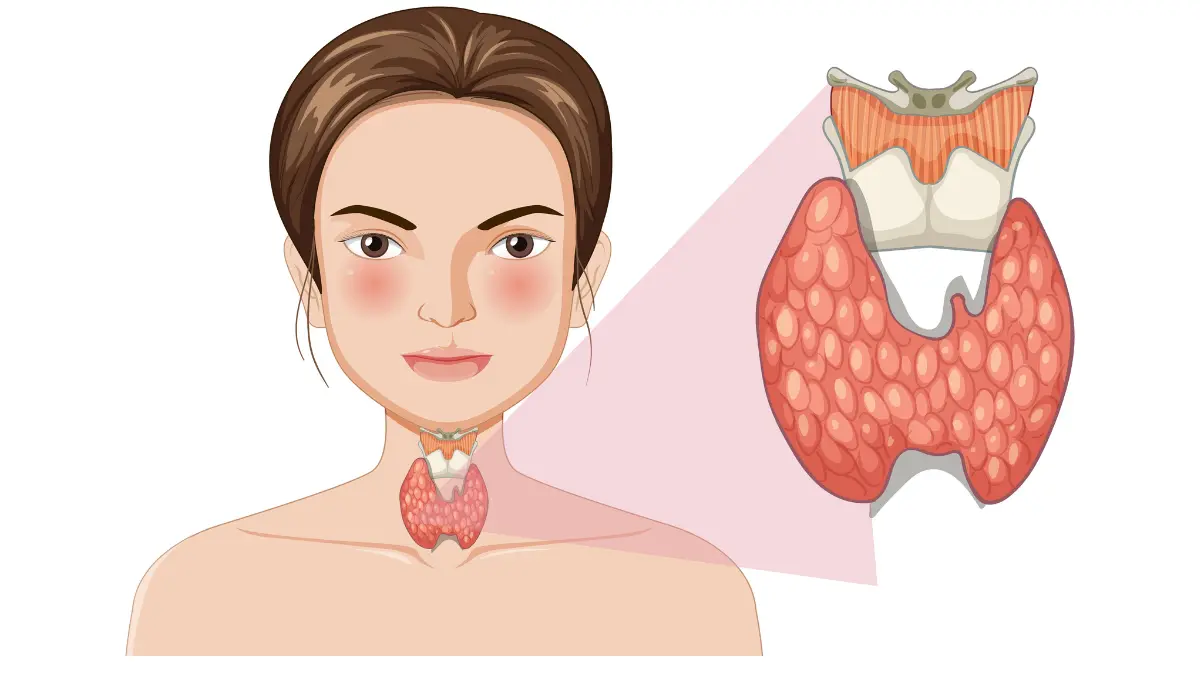
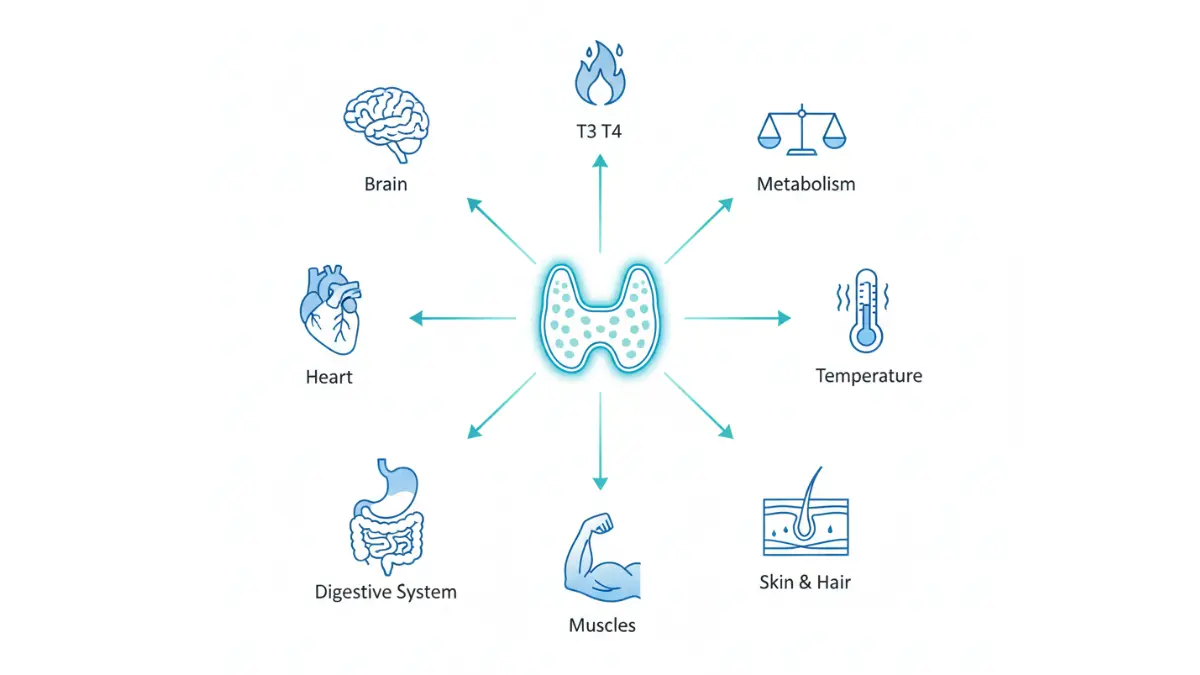
Your butterfly-shaped thyroid gland, nestled in the front of your neck, produces hormones that regulate metabolism, energy production, body temperature, heart rate, and cognitive function. When this small but mighty gland becomes underactive—a condition affecting approximately 11.7% of the U.S. adult population as of 2019, more than double previous estimates —the resulting hormone deficiency creates a cascade of symptoms that slow nearly every physiological process your body performs.
Hypothyroidism develops insidiously, often taking months or years before symptoms become severe enough to prompt medical evaluation. Women face 8 times higher risk than men, with prevalence increasing significantly after age 60. The National Institute of Diabetes and Digestive and Kidney Diseases emphasizes that because hypothyroidism symptoms mimic many common conditions—chronic fatigue, depression, weight struggles—an estimated 60% of people with thyroid disease remain undiagnosed.
Early recognition matters profoundly. Untreated hypothyroidism increases risks for cardiovascular disease, infertility, cognitive impairment, and in rare cases, myxedema coma—a life-threatening emergency. Fortunately, with proper diagnosis through TSH and thyroid hormone testing, most patients achieve complete symptom resolution with daily hormone replacement therapy. Use our Symptom Checker to track your experiences and discuss patterns with your healthcare provider.
Evidence Strength for Common Hypothyroidism Symptoms
| Symptom | Clinical Evidence Level | Patient Prevalence |
|---|---|---|
| Fatigue/Exhaustion | ⭐⭐⭐⭐⭐ High | 54-79% |
| Weight Gain | ⭐⭐⭐⭐⭐ High | 40-60% |
| Cold Intolerance | ⭐⭐⭐⭐ Moderate-High | 33-40% |
| Depression | ⭐⭐⭐⭐ Moderate-High | 57-64% |
| Dry Skin | ⭐⭐⭐⭐⭐ High | 74% |
What This Means For You: If you’re experiencing three or more symptoms from this evidence pyramid—especially the high-prevalence indicators like persistent fatigue combined with unexplained weight changes and cold sensitivity—request comprehensive thyroid testing including TSH, Free T4, and thyroid antibodies. Early detection through our Health monitoring tools can accelerate your path to diagnosis and treatment.
The 12 Critical Hypothyroidism Symptoms
12 Warning Signs Your Thyroid Is Underactive
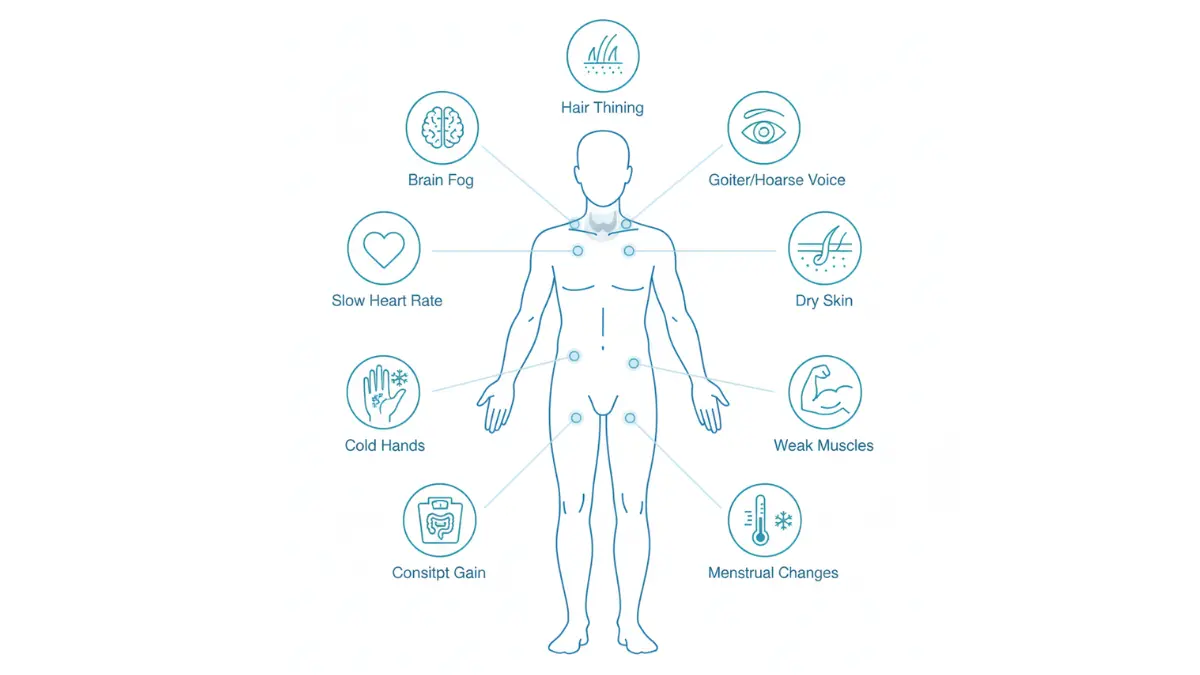
Understanding hypothyroidism symptoms requires recognizing that thyroid hormone deficiency affects virtually every cell in your body. The following 12 signs represent the most common and clinically significant indicators that your thyroid gland is failing to meet your body’s metabolic demands.
1. Persistent Fatigue and Exhaustion That Won’t Quit
Overwhelming tiredness despite adequate sleep ranks as the most frequently reported low thyroid symptom, affecting 54-79% of patients with hypothyroidism. This isn’t ordinary fatigue—it’s a profound energy depletion that makes even routine daily activities feel impossibly draining. The scientific mechanism involves decreased cellular energy metabolism and mitochondrial function when thyroid hormones fall below optimal levels. Your body’s total energy expenditure can slow by up to 50% in severe hypothyroidism, creating persistent exhaustion that rest doesn’t resolve.
Thyroid fatigue differs from other causes because it’s accompanied by cold intolerance, mental sluggishness, and weight changes rather than occurring in isolation. The connection between thyroid dysfunction and chronic fatigue persists even in subclinical cases where TSH levels are only mildly elevated.
What This Means For You: Track your energy patterns using our Sleep Calculator to identify whether fatigue persists despite 7-9 hours of quality sleep. If exhaustion continues for more than three weeks alongside other underactive thyroid symptoms, request thyroid function testing from your healthcare provider.
2. Unexplained Weight Gain Despite Healthy Habits
Hypothyroidism causes weight gain through multiple mechanisms: decreased basal metabolic rate, reduced thermogenesis, fluid retention, and altered fat metabolism. Studies show that hypothyroidism is associated with lower metabolic rate and higher body mass index, with patients typically gaining 15-30 pounds before diagnosis. The thyroid weight gain occurs even when dietary intake remains constant because your body burns 20-40% fewer calories at rest when thyroid hormone levels drop.
Research demonstrates an inverse correlation between free T4 levels and BMI—meaning even subtle thyroid hormone deficiency within “normal” laboratory ranges contributes to progressive weight accumulation over time. This explains why many patients with subclinical hypothyroidism struggle with stubborn weight gain that resists conventional diet and exercise interventions.
What This Means For You: If you’ve gained more than 10 pounds over 3-6 months without dietary changes, calculate your baseline using our BMI Calculator and BMR Calculator. Document this alongside other thyroid disorder symptoms when discussing testing with your physician. Once diagnosed and treated, our Weight Loss Calculator can help establish realistic goals as your metabolism normalizes.
3. Extreme Cold Sensitivity and Intolerance
Feeling perpetually cold—especially in warm environments—affects 33-40% of people with hypothyroidism symptoms. This cold intolerance thyroid connection occurs because thyroid hormones regulate heat production through brown adipose tissue activation and cellular thermogenesis. When thyroid function declines, your body generates significantly less heat, making you reach for sweaters while others are comfortable.
Patients describe needing extra blankets, wearing multiple layers indoors, and having persistently cold hands and feet regardless of ambient temperature. This symptom distinguishes hypothyroidism from other conditions causing fatigue or weight gain, as circulatory disorders produce different patterns of temperature dysregulation.
What This Means For You: Track whether your cold sensitivity coincides with fatigue and other low thyroid symptoms. If you’re consistently cold when others are comfortable, especially if accompanied by slowed pulse rate measurable with our Heart Rate Zone Calculator, discuss thyroid testing with your healthcare provider.
4. Muscle Weakness, Joint Pain, and Stiffness
Thyroid muscle weakness develops as hypothyroidism disrupts protein synthesis and muscle fiber metabolism. Approximately 34% of patients report muscle cramps, aches, and stiffness, particularly in shoulders, hips, and legs. The condition can progress to frank myopathy with elevated creatine kinase levels in severe cases. Joint pain and stiffness often accompany muscle symptoms, creating mobility challenges that patients initially attribute to aging or overexertion.
The metabolic slowdown from thyroid hormone deficiency reduces muscle efficiency and recovery capacity, making exercise feel disproportionately difficult. Many patients notice decreased exercise tolerance and longer recovery times after physical activity.
What This Means For You: If muscle weakness interferes with daily activities or exercise performance, use our Macro Calculator to ensure adequate protein intake while investigating thyroid dysfunction signs. Combined with proper diagnosis and treatment, targeted nutrition supports muscle recovery as hormone levels normalize.
5. Thinning Hair and Eyebrow Loss
Thyroid hair loss presents as diffuse thinning across the scalp, loss of the outer third of eyebrows, and brittle, dry hair texture. Studies confirm that hypothyroidism disrupts the hair growth cycle, pushing more follicles into telogen (resting) phase prematurely. Between 25-40% of hypothyroid patients experience noticeable hair loss, with dry, thinning hair recognized by the NIDDK as a hallmark hypothyroidism symptom.
The thyroid-hair connection operates through thyroid hormone receptors in hair follicles that regulate growth cycles, protein synthesis, and melanin production. When thyroid function declines, hair grows more slowly, breaks easily, and may develop coarse texture or premature graying.
What This Means For You: Hair loss from hypothyroidism typically reverses within 3-6 months of achieving optimal thyroid hormone replacement. Document hair changes photographically and discuss with your physician, as this symptom combined with others strongly suggests underactive thyroid symptoms requiring evaluation.
6. Dry, Flaky Skin and Brittle Nails
An impressive 74% of hypothyroid patients report dry skin, making it one of the most prevalent hypothyroidism signs. Thyroid hormones regulate skin cell turnover, sebum production, and dermal moisture retention. Thyroid dysfunction slows skin metabolism, causing reduced oil gland activity, decreased cell renewal, and impaired barrier function that allows moisture loss.
Patients describe skin that feels rough, thick, scaly, and unresponsive to moisturizers. Brittle nails that break easily, develop ridges, or grow slowly accompany the skin changes. The characteristic “myxedematous” appearance—puffy, dough-like skin particularly around the eyes and hands—develops in more severe, prolonged hypothyroidism.
What This Means For You: While dry skin has many causes, its combination with cold intolerance, fatigue, and hair changes strongly suggests thyroid disorder symptoms. Use our Symptom Checker to document all symptoms systematically before your medical appointment.
7. Depression, Anxiety, and Low Mood
The connection between thyroid depression and hypothyroidism is well-established, with 57-64% of hypothyroid patients experiencing depressive symptoms. Research shows untreated hypothyroidism significantly increases depression risk, with studies documenting higher Beck Depression Inventory scores in patients with low thyroid function. The mechanism involves thyroid hormone’s critical role in neurotransmitter regulation, particularly serotonin and dopamine pathways.
Hypothyroidism-related depression manifests as persistent low mood, loss of interest in previously enjoyed activities, social withdrawal, and sometimes anxiety. The association between depression, anxiety, and thyroid disease shows that symptom severity correlates with the degree of thyroid dysfunction. Importantly, mood symptoms often improve dramatically with thyroid hormone replacement, distinguishing them from primary psychiatric conditions.
What This Means For You: If you’ve developed depression or anxiety alongside physical hypothyroidism symptoms like fatigue or weight gain, request thyroid testing before starting antidepressants alone. Many patients find their mood disorders resolve completely once thyroid levels normalize.
8. Brain Fog, Memory Problems, and Concentration Issues
Thyroid brain fog—characterized by forgetfulness, difficulty concentrating, mental confusion, and slowed thinking—affects approximately 39-80% of hypothyroid patients. A comprehensive study found that nearly 80% of hypothyroid patients report experiencing brain fog frequently or constantly, with over half reporting it lasts all day. Remarkably, nearly half experienced these cognitive symptoms before their formal hypothyroidism diagnosis, indicating brain fog as an early warning sign.
Thyroid hormones are essential for normal brain function, influencing neuronal metabolism, synapse formation, and neurotransmitter activity. When thyroid levels drop, cognitive processing slows, working memory declines, and executive function deteriorates. About 10% of patients experience persistent brain fog even with levothyroxine treatment, requiring dose adjustments or combination T3/T4 therapy.
What This Means For You: Document specific cognitive changes—difficulty recalling names, losing train of thought mid-sentence, struggling with multitasking—as these concrete examples help physicians assess severity. Brain fog combined with fatigue and other low thyroid symptoms warrants comprehensive thyroid evaluation including Free T3 testing.
9. Chronic Constipation and Digestive Slowdown
Hypothyroidism constipation occurs in approximately 17% of patients compared to 10% in the general population. Thyroid hormones directly regulate gastrointestinal motility and fluid absorption throughout the digestive tract. When thyroid function decreases, intestinal transit time significantly slows, causing hard stools, infrequent bowel movements, bloating, and abdominal discomfort.
The metabolic slowdown affects smooth muscle contractions in the intestinal wall, reducing peristalsis and allowing excessive water reabsorption from stool. This creates constipation that often resists dietary fiber and over-the-counter remedies until thyroid levels normalize with treatment.
What This Means For You: If constipation persists despite adequate hydration, fiber intake, and physical activity—especially when accompanied by other hypothyroidism signs—thyroid evaluation is warranted. Calculate your nutritional needs with our Macro Calculator while pursuing diagnosis, as optimized nutrition supports digestive health during treatment.
10. Heavy, Irregular, or Prolonged Menstrual Periods
Hypothyroidism women frequently experience menstrual irregularities, with studies showing significant associations between elevated TSH and menstrual disturbances in reproductive-age women. Research documents that 33.8% of hypothyroid women report heavy periods (menorrhagia), while others experience irregular cycles, prolonged bleeding, or missed periods. The thyroid-menstrual connection operates through complex interactions between thyroid hormones and the hypothalamic-pituitary-ovarian axis.
Studies confirm a moderately positive correlation between TSH levels and menstrual irregularity severity (r=0.35, p<0.01), with decreased Free T4 specifically linked to heavy bleeding. This explains why many women receive their hypothyroidism diagnosis after consulting gynecologists for persistent menstrual problems.
What This Means For You: Track your menstrual patterns using our Ovulation Calculator to document cycle irregularities. If you’re experiencing heavy periods, irregular cycles, or fertility challenges alongside fatigue or weight gain, request thyroid function testing including TSH and Free T4 levels. Visit our Pregnancy calculators for related reproductive health tools.
11. Slowed Heart Rate (Bradycardia) and Blood Pressure Changes
Cardiovascular effects of hypothyroidism include bradycardia (slow heart rate), with 28.1% of patients experiencing resting pulse below 60 beats per minute. Thyroid hormone directly influences cardiac contractility, heart rate, and vascular resistance. When thyroid levels drop, cardiac output decreases, peripheral vascular resistance increases, and diastolic blood pressure may rise while systolic pressure decreases.
Patients notice reduced exercise tolerance, shortness of breath with exertion, and general cardiovascular deconditioning. The heart muscle itself may weaken in prolonged hypothyroidism, increasing risks for heart failure and pericardial effusion in severe cases.
What This Means For You: Monitor your resting heart rate using our Heart Rate Zone Calculator. If your pulse consistently measures below 55-60 bpm alongside other underactive thyroid symptoms, discuss cardiovascular thyroid effects with your physician, as this warrants prompt evaluation and treatment.
12. Hoarse Voice and Neck Swelling (Goiter)
Voice changes—particularly hoarseness, deepening, or vocal fatigue—develop when hypothyroidism causes vocal cord thickening or when goiter (thyroid enlargement) compresses neck structures. While less common than other hypothyroidism symptoms, these signs indicate more significant thyroid pathology requiring evaluation. Goiter develops when the thyroid gland enlarges in response to elevated TSH stimulation, attempting to compensate for inadequate hormone production.
Visible neck swelling, difficulty swallowing, or sensation of throat tightness warrant immediate medical assessment, particularly in Hashimoto’s thyroiditis where autoimmune inflammation causes progressive gland enlargement.
What This Means For You: Any visible neck swelling, persistent voice changes, or swallowing difficulties require prompt medical evaluation. Use our Symptom Checker to document when these symptoms began and their progression, as this information guides diagnostic imaging and treatment decisions.
Symptom Severity: Subclinical vs. Overt Hypothyroidism
| Symptom Category | Subclinical Hypothyroidism (TSH 4.5-10) | Overt Hypothyroidism (TSH >10) |
|---|---|---|
| Fatigue | Mild to moderate; intermittent | Severe; constant exhaustion |
| Weight Gain | 5-10 pounds; gradual | 15-30+ pounds; rapid progression |
| Cold Intolerance | Occasional chilliness | Extreme cold sensitivity; constant |
| Cognitive Changes | Mild brain fog; forgetfulness | Severe memory impairment; confusion |
| Depression | Mild mood changes | Moderate to severe depression |
| Physical Changes | Subtle dry skin, thinning hair | Obvious myxedema; significant hair loss |
| Menstrual Changes | Slightly irregular cycles | Heavy, prolonged, or absent periods |
| Cardiovascular | Mildly decreased heart rate | Bradycardia; possible heart complications |
Symptom Patterns, Combinations & Red Flags
How Hypothyroidism Symptoms Progress and Combine
Understanding the pattern and timeline of hypothyroidism symptoms helps distinguish thyroid dysfunction from other conditions and alerts you to when immediate medical attention becomes necessary.
Early vs. Late-Stage Symptom Presentation
Hypothyroidism develops insidiously, with early hypothyroidism symptoms appearing gradually over months or years before patients seek medical evaluation. The progression typically follows a predictable pattern as thyroid hormone deficiency worsens. Initial signs include persistent fatigue, mild weight gain, and increased cold sensitivity—symptoms often attributed to aging, stress, or lifestyle factors rather than thyroid dysfunction signs.
As the condition advances without treatment, more obvious physical changes emerge: significant hair thinning, severe dry skin, notable cognitive impairment, and pronounced depression. Late-stage severe hypothyroidism symptoms include hoarseness, facial puffiness, thickening skin, thinning of outer eyebrows, and dramatically slowed speech and movements. Research indicates that 2-4% of people with subclinical hypothyroidism progress to overt hypothyroidism annually, with higher rates in those with positive thyroid antibodies.
Symptom Progression Timeline
| Early Stage (TSH 4.5-7.0) | Moderate Stage (TSH 7.0-15.0) | Severe Stage (TSH >15.0) |
|---|---|---|
| Mild fatigue and lethargy | Persistent exhaustion impacting daily function | Extreme weakness; near-constant fatigue |
| 5-8 pound gradual weight gain | 10-20 pound weight gain over 6-12 months | 20-30+ pound rapid weight accumulation |
| Occasional cold sensitivity | Frequent chilliness requiring extra layers | Extreme cold intolerance; hypothermia risk |
| Subtle brain fog; forgetfulness | Noticeable memory problems; concentration issues | Severe cognitive impairment; confusion |
| Mild mood changes | Moderate depression and anxiety | Severe depression; possible psychosis |
| Slight hair thinning | Noticeable hair loss; thinning eyebrows | Significant alopecia; loss of outer eyebrows |
| Normal or slightly slow pulse | Bradycardia (55-60 bpm) | Severe bradycardia (<50 bpm) |
| Minimal physical changes | Dry skin; puffy face; hoarse voice | Myxedema; thickened skin; goiter |
Use our BMI Calculator and Weight Loss Calculator to track physical changes that may indicate symptom progression requiring more aggressive treatment.
Age and Gender Differences in Symptom Expression
Gender dramatically influences both hypothyroidism prevalence and symptom presentation. Studies demonstrate females have significantly higher overall incidence rates of thyroid dysfunction than males, with women experiencing 8-10 times greater risk. Research on gender differences in autoimmune thyroid disease reveals that females are particularly prone to developing Hashimoto’s symptoms during puberty, establishing long-term autoimmune patterns.
Hypothyroidism women commonly experience unique symptoms related to reproductive function: heavy or irregular menstrual periods, fertility challenges, increased miscarriage risk, and postpartum thyroid dysfunction affecting 5% of deliveries. Women also report higher rates of depression, anxiety, and emotional symptoms compared to male patients with similar TSH elevations.
Age modifies symptom expression significantly. Younger adults typically present with fatigue, weight gain, and menstrual irregularities as primary complaints, while elderly patients more commonly experience cognitive decline, depression, and cardiovascular symptoms like bradycardia and diastolic hypertension. Infants with congenital hypothyroidism display distinctive symptoms including poor feeding, prolonged jaundice, poor growth, enlarged tongue, and umbilical hernia. If you’re managing hypothyroidism during pregnancy, explore our Pregnancy Due Date Calculator, Ovulation Calculator, and Pregnancy Weight Gain Calculator to track maternal health.
International Expert Perspective: Dr. Roberto Negro, President of the European Thyroid Association, emphasizes that “geographic and ethnic variations influence both hypothyroidism prevalence and symptom severity, with iodine deficiency remaining the primary cause globally while autoimmune disease predominates in iodine-sufficient regions.” This highlights the importance of considering regional nutritional factors in thyroid disorder symptoms.
Emergency Warning Signs Requiring Immediate Medical Attention
While most hypothyroidism develops gradually, certain severe hypothyroidism symptoms constitute medical emergencies requiring immediate hospitalization. Myxedema coma—the most extreme, life-threatening manifestation of untreated hypothyroidism—demands recognition and rapid intervention.
Myxedema coma is characterized by three critical features: altered mental status, defective thermoregulation with hypothermia, and multiorgan system failure. This rare condition typically occurs in elderly women with longstanding undiagnosed or inadequately treated hypothyroidism, often triggered by infection, cold exposure, medications, or trauma.
Seek immediate emergency care if you or someone with hypothyroidism experiences:
- Severe confusion, disorientation, or altered consciousness progressing from lethargy to stupor or coma
- Body temperature below 95°F (35°C) or extreme cold sensation with inability to warm up
- Heart rate below 50 beats per minute or irregular, weak pulse—monitor using our Heart Rate Zone Calculator
- Extreme respiratory depression with shallow, slow breathing or difficulty breathing
- Severe facial and body swelling (generalized edema) particularly around eyes, hands, and feet
- Complete loss of responsiveness or inability to wake someone known to have hypothyroidism
- Seizures or abnormal movements in context of known thyroid disease
If left untreated, myxedema coma is fatal, with complications including respiratory failure, cardiac arrest, sepsis, and gastrointestinal hemorrhage. According to NIH endocrine emergency guidelines, mortality rates range from 20-60% even with aggressive treatment, making early recognition critical.
Note: Even subclinical hypothyroidism symptoms warrant medical evaluation when accompanied by cardiovascular changes or rapid symptom progression. Use our Symptom Checker to document changes before emergency department visits.
Comorbidity Patterns: What Else to Watch For
Hypothyroidism rarely exists in isolation. The condition creates or exacerbates multiple comorbidities through shared pathogenic pathways, particularly affecting cardiovascular and metabolic health.
Cardiovascular Disease Links: Research demonstrates hypothyroidism results in decreased cardiac output, impaired left ventricular function, and increased vascular resistance. Even subclinical hypothyroidism associates with higher prevalence of cardiovascular risk factors including dyslipidemia (elevated LDL cholesterol, triglycerides), hypertension, endothelial dysfunction, and increased intima-media thickness. Studies show inadequate thyroid hormone produces bradycardia, pericardial effusion, and components of metabolic syndrome including insulin resistance and hypertension.
Metabolic Syndrome Components: Patients with low thyroid symptoms frequently develop clustering of metabolic abnormalities. The thyroid-obesity-lipid connection creates a self-reinforcing cycle where hypothyroidism promotes weight gain, dyslipidemia, and insulin resistance, while obesity itself may worsen thyroid function. Regular monitoring with our BMI Calculator, Body Fat Calculator, and Calorie Deficit Calculator helps track metabolic health during treatment.
Autoimmune Clustering: Since 90% of hypothyroidism in iodine-sufficient populations results from Hashimoto’s autoimmune thyroiditis, patients face increased risk for additional autoimmune conditions including type 1 diabetes, celiac disease, pernicious anemia, rheumatoid arthritis, systemic lupus erythematosus, and vitiligo. Anyone diagnosed with one autoimmune condition should undergo thyroid screening, and vice versa. Our Genetic Risk Assessment Tool can help identify familial autoimmune patterns.
Mental Health Comorbidities: The bidirectional relationship between thyroid dysfunction signs and psychiatric conditions complicates diagnosis and treatment. Depression, anxiety disorders, and cognitive impairment may precede, accompany, or result from hypothyroidism. Comprehensive evaluation should always include thyroid testing when mood disorders emerge or worsen.
What This Means For You: If you have diagnosed hypothyroidism, request annual screening for lipid panels, fasting glucose, blood pressure monitoring, and vitamin B12 levels. If you have other autoimmune conditions or strong family history, request comprehensive thyroid testing including TSH, Free T4, Free T3, and thyroid antibodies (TPO and thyroglobulin) to catch subclinical hypothyroidism symptoms early. Explore our Health Tips section for comprehensive wellness strategies addressing multiple body systems.
Diagnosis, Testing & The Thyroid-Autoimmune Connection
Getting Diagnosed: From Symptoms to Test Results
Accurate hypothyroidism diagnosis transforms vague symptoms into treatable conditions, but the journey from recognizing signs to obtaining definitive testing requires strategic advocacy and understanding of diagnostic thresholds.
When to Get Tested Based on Your Symptoms
Request comprehensive thyroid function testing when you experience multiple hypothyroidism symptoms simultaneously, particularly the high-prevalence triad of persistent fatigue, unexplained weight gain, and cold intolerance lasting more than 4-6 weeks. The National Institute of Diabetes and Digestive and Kidney Diseases recommends testing for anyone with symptoms suggestive of thyroid dysfunction, strong family history of thyroid disease, personal history of autoimmune conditions, or previous thyroid surgery or radioactive iodine treatment.
People Also Ask: “How many symptoms do you need to get thyroid testing?” While no specific number exists, experiencing 3-4 classic underactive thyroid symptoms—especially if including fatigue, weight changes, or mood alterations—justifies thyroid screening. High-risk groups including women over 60, postpartum women within 12 months of delivery, individuals with other autoimmune diseases, and those taking medications affecting thyroid function (lithium, amiodarone, interferon) should request annual screening even without obvious symptoms.
Use our Symptom Checker to systematically document symptom duration, severity, and patterns before medical appointments. This creates objective evidence supporting your testing request and helps physicians correlate symptoms with laboratory findings during hypothyroidism diagnosis.
Understanding TSH, T3, T4, and Thyroid Antibodies
Thyroid function tests measure several distinct markers, each providing unique diagnostic information. Thyroid-stimulating hormone (TSH) serves as the primary screening test because it sensitively detects thyroid dysfunction before symptoms become severe. TSH is produced by the pituitary gland and signals the thyroid to produce T4 and T3 hormones—when thyroid output drops, TSH rises in compensation.
Free T4 (thyroxine) represents the unbound, biologically active form of the thyroid’s primary hormone, accounting for about 80% of thyroid hormone production. Free T3 (triiodothyronine)—the more potent thyroid hormone—is largely converted from T4 in peripheral tissues and accounts for the remaining 20% of thyroid hormone activity. Testing “free” rather than “total” hormone levels provides more accurate assessment of what’s available to cells.
Thyroid antibodies—specifically thyroid peroxidase antibodies (TPO-Ab) and thyroglobulin antibodies (TG-Ab)—identify autoimmune thyroid disease. Research demonstrates that elevated thyroid antibodies in Hashimoto’s thyroiditis correlate directly with symptom severity, inflammation markers, and reduced quality of life even when patients maintain normal TSH levels through treatment.

Thyroid Test Reference Ranges
| Test | Normal Range | What It Means |
|---|---|---|
| TSH | 0.4-4.5 mIU/L | Elevated TSH indicates hypothyroidism; the higher the TSH, the more severe the hormone deficiency |
| Free T4 | 0.8-1.8 ng/dL | Low Free T4 confirms hypothyroidism; measures actual thyroid hormone production |
| Free T3 | 2.3-4.2 pg/mL | Occasionally low in hypothyroidism; most sensitive for detecting mild thyroid dysfunction |
| TPO Antibodies | <35 IU/mL | Elevated indicates Hashimoto’s autoimmune thyroiditis; predicts progression risk |
| TG Antibodies | <40 IU/mL | Elevated confirms autoimmune thyroid disease; correlates with symptom severity |
Important Note: “Optimal” thyroid levels may differ from laboratory “normal” ranges. Many patients report persistent thyroid disorder symptoms despite TSH values technically within normal range, particularly those with TSH above 2.5 mIU/L or antibody elevation without TSH abnormality.
Track your thyroid test results over time and correlate them with symptom patterns documented in our Symptom Checker. If maintaining healthy weight remains challenging despite treatment, use our BMI Calculator and Calorie Deficit Calculator to optimize your metabolic health strategy.
Hashimoto’s Thyroiditis: The Autoimmune Connection
Hashimoto’s thyroiditis—also called chronic lymphocytic thyroiditis—causes approximately 90% of hypothyroidism cases in iodine-sufficient countries, making it the most common autoimmune disease worldwide. This autoimmune condition involves immune system cells attacking thyroid tissue, leading to progressive gland destruction, inflammation, and eventual hormone deficiency.
The pathogenesis of Hashimoto’s symptoms involves both cellular and humoral immunity, with autoreactive T lymphocytes infiltrating thyroid tissue and B lymphocytes producing TPO and thyroglobulin antibodies. Research reveals that genetic predisposition linked to HLA-DR class II antigens combines with environmental triggers—infections, stress, excess iodine, smoking, certain medications—to initiate autoimmune thyroid destruction.
Hashimoto’s Diagnosis and Antibody Significance: Positive thyroid antibodies confirm autoimmune etiology and predict disease progression. Studies show that elevated TPO-Ab and TG-Ab correlate with increased inflammatory markers (TNF-α, IFN-γ) and greater symptom burden including fatigue, brain fog, depression, gastrointestinal issues, and reduced quality of life even in euthyroid patients. This explains why some individuals with “normal” TSH continue experiencing low thyroid symptoms—their antibody levels drive ongoing inflammation and tissue damage.
International Perspective on Hashimoto’s: Dr. Laszlo Hegedus, Professor of Endocrinology at Odense University Hospital in Denmark, notes that “while Hashimoto’s thyroiditis predominates in Western nations, its prevalence varies globally based on iodine status, genetic factors, and environmental exposures. Asian populations show different antibody patterns and progression rates compared to European cohorts, emphasizing the need for personalized diagnostic thresholds.”
Patients diagnosed with Hashimoto’s should undergo screening for associated autoimmune conditions including celiac disease, type 1 diabetes, pernicious anemia, and vitiligo. Use our Genetic Risk Assessment Tool to evaluate familial autoimmune clustering that may influence screening recommendations.
Subclinical Hypothyroidism: The Gray Zone
Subclinical hypothyroidism symptoms represent a diagnostic challenge characterized by elevated TSH (typically 4.5-10 mIU/L) with normal Free T4 levels. This condition affects 4-20% of adults, with higher prevalence in women and elderly populations. The clinical dilemma centers on whether to treat patients with minimal or absent symptoms whose laboratory values fall in this intermediate zone.
The Treatment Controversy: Guidelines from the European Thyroid Association recommend considering treatment for subclinical hypothyroidism when TSH exceeds 10 mIU/L, positive thyroid antibodies predict progression, or patients experience symptoms affecting quality of life. However, treatment for TSH between 4.5-10 mIU/L remains controversial, requiring individualized decision-making based on age, symptoms, cardiovascular risk factors, and antibody status.
Research indicates that 2-4% of people with subclinical hypothyroidism progress annually to overt disease, with progression risk significantly higher in those with positive TPO antibodies. Early hypothyroidism symptoms including fatigue, weight gain, mood changes, and cognitive issues may justify treatment trials even when TSH remains below 10 mIU/L, particularly in younger patients or those with comorbid conditions.
What This Means For You: If diagnosed with subclinical hypothyroidism symptoms, discuss treatment pros and cons with your physician. Consider factors including symptom severity (track systematically with our Symptom Checker), antibody status, cardiovascular health (monitor with our Heart Rate Zone Calculator), pregnancy plans, and personal preferences regarding medication. Request 6-12 month monitoring if initially choosing observation rather than treatment, as early intervention prevents progression to overt hypothyroidism with more severe complications.
For comprehensive thyroid health information and related wellness resources, explore our Health Tips section featuring evidence-based guidance on endocrine health, nutrition, and metabolic optimization.
Treatment & Symptom Resolution Timeline
How Treatment Improves Symptoms (And How Long It Takes)
Understanding hypothyroidism treatment expectations helps patients recognize improvement patterns and remain patient during the optimization phase, as complete symptom resolution requires weeks to months depending on severity.
Standard Treatment Approach: Levothyroxine and Beyond
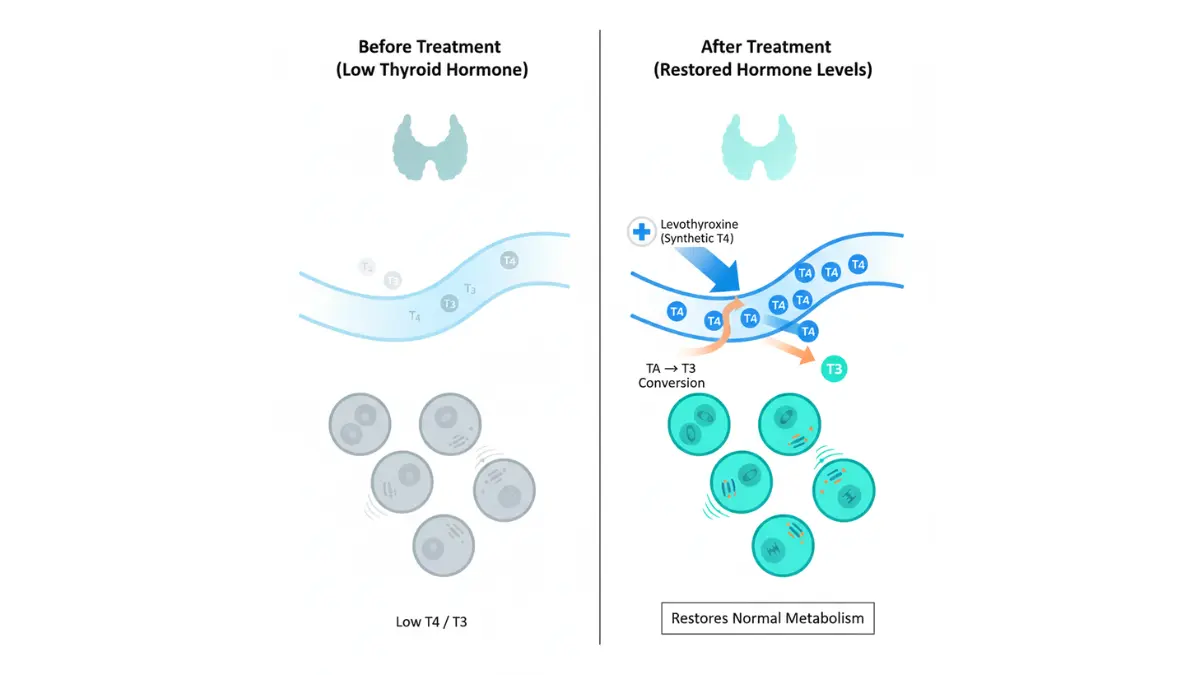
Hypothyroidism is treated by replacing the hormones your thyroid can no longer produce, with levothyroxine serving as the standard first-line medication. This synthetic thyroid hormone medicine is identical to T4 hormone produced by healthy thyroids and typically comes in pill form, though liquid and soft gel capsules help patients with digestive absorption issues.
The FDA-approved levothyroxine prescribing information recommends individualized dosing based on age, weight, cardiac status, and hypothyroidism severity. Healthy adults typically start with 1.6 mcg/kg/day, while elderly patients or those with cardiovascular disease begin with conservative 12.5-25 mcg doses adjusted every 4-8 weeks. Optimal thyroid hormone replacement requires 6-8 week intervals between dose adjustments to ensure steady-state thyroid levels before retesting TSH.
Treatment Debate: T4 Monotherapy vs. T3/T4 Combination—While levothyroxine (T4 only) remains standard treatment, some patients with persistent thyroid fatigue, brain fog, or weight struggles despite normalized TSH report improvement with combination T4/T3 therapy. Dr. Antonio Bianco, Professor of Medicine at the University of Chicago and President of the American Thyroid Association (2024-2025), notes: “Approximately 10-15% of hypothyroid patients maintain residual symptoms on T4 monotherapy. While controversial, combination therapy deserves consideration in this subset after optimizing T4 dosing and excluding other conditions.” European endocrinologists increasingly recognize patient-reported outcomes alongside TSH values when evaluating treatment adequacy.
Track your symptom response and weight management progress using our Weight Loss Calculator and BMI Calculator during the treatment optimization phase.
Symptom Improvement Timeline: What to Expect
Most patients notice initial improvements within 1-2 weeks of starting levothyroxine, though complete symptom resolution takes 2-6 months depending on baseline severity. The sequence of improvement follows predictable patterns, with metabolic symptoms resolving faster than structural changes.
Treatment Response Timeline
| Symptom Category | Improvement Timeframe | Expected Recovery Pattern |
|---|---|---|
| Energy/Fatigue | 2-3 weeks | Gradual daily energy increases; full recovery by 8-12 weeks |
| Mental Clarity | 3-4 weeks | Brain fog lifts; concentration improves; memory sharpens |
| Mood/Depression | 4-6 weeks | Emotional stability returns; anxiety decreases; motivation improves |
| Weight | 6-12 weeks | 5-10 pounds loss in first 3 months; requires diet/exercise support |
| Cold Sensitivity | 4-8 weeks | Temperature regulation normalizes gradually |
| Heart Rate | 2-4 weeks | Pulse increases to normal range (60-80 bpm); use Heart Rate Calculator |
| Constipation | 2-4 weeks | Digestive motility improves; bowel regularity returns |
| Dry Skin | 6-10 weeks | Skin moisture and texture improve gradually |
| Hair Regrowth | 3-6 months | Hair shedding stops first; regrowth visible at 4-6 months |
| Menstrual Regularity | 2-3 cycles | Periods normalize within 2-3 menstrual cycles; track with Ovulation Calculator |
What This Means For You: If symptoms haven’t improved after 3 months of consistent treatment with normalized TSH, discuss dose adjustments, medication timing, absorption issues, or combination T3/T4 therapy with your endocrinologist. Document persistent hypothyroidism symptoms using our Symptom Checker to facilitate productive medical discussions.
Lifestyle and Nutritional Support for Symptom Management
While levothyroxine constitutes primary hypothyroidism treatment, specific nutrients and lifestyle interventions support thyroid function and accelerate symptom improvement.
Selenium for Thyroid Protection: The thyroid contains the highest selenium concentration of any organ, with this trace mineral incorporated into selenoproteins that provide antioxidant defense and facilitate thyroid hormone metabolism. Research confirms maintaining physiological selenium levels is essential to prevent thyroid disease progression and support optimal thyroid function. Aim for 55-200 mcg daily from Brazil nuts, seafood, or supplementation under medical supervision.
Vitamin D Optimization: Studies demonstrate that hypothyroid patients frequently suffer from vitamin D deficiency, with significant negative correlation between vitamin D levels and TSH severity. Research shows vitamin D supplementation for 12 weeks significantly improved TSH levels in hypothyroid patients compared to placebo. Recent evidence indicates vitamin D supplementation reduces thyroid antibody levels by 15-30% in antibody-positive patients with baseline deficiency. Target 25(OH)D levels above 30 ng/mL through 2,000-4,000 IU daily supplementation.
Iodine—When Appropriate: While iodine deficiency causes hypothyroidism globally, most iodine-sufficient populations require no supplementation. Excessive iodine actually worsens Hashimoto’s symptoms in autoimmune hypothyroidism. Consult your physician before taking iodine supplements.
Exercise for Symptom Relief: Regular physical activity combats thyroid fatigue, supports weight management, improves mood, and enhances metabolic rate. Start conservatively if experiencing severe fatigue—even 10-15 minute daily walks provide benefits. Calculate your optimal activity levels using our Heart Rate Zone Calculator and support exercise recovery with proper nutrition from our Macro Calculator and Protein Calculator.
Stress Management: Chronic stress elevates cortisol, which disrupts thyroid hormone conversion and worsens hypothyroidism symptoms. Implement stress-reduction practices including adequate sleep (optimize using our Sleep Calculator), meditation, yoga, or counseling.
What This Means For You: Combine medication compliance with strategic nutritional support—request vitamin D and selenium testing if experiencing persistent low thyroid symptoms despite normalized TSH. Work with registered dietitians familiar with thyroid disorders to optimize nutrition using our Macro Calculator, Intermittent Fasting Calculator, and Keto Calculator for personalized dietary approaches. Explore comprehensive wellness strategies in our Health Tips section.
Living Well With Hypothyroidism + Action Steps
Your Next Steps: Taking Control of Thyroid Health
Recognizing hypothyroidism symptoms marks the beginning of your journey toward restored health and vitality. By taking systematic action, you can achieve complete symptom resolution and prevent long-term complications.
7 Essential Actions for Thyroid Health
1. Track Your Symptoms Systematically
Document all hypothyroidism signs including fatigue severity, weight changes, temperature sensitivity, mood alterations, and cognitive issues using our Symptom Checker. This creates objective evidence supporting your diagnostic evaluation and helps correlate symptoms with treatment response. Quantify physical changes with our BMI Calculator, Weight Loss Calculator, and Body Fat Calculator.
2. Request Comprehensive Thyroid Panel Testing
Ask your healthcare provider for complete thyroid function tests including TSH, Free T4, Free T3, and thyroid antibodies (TPO-Ab and TG-Ab) rather than TSH alone. The NIDDK recommends testing for anyone with symptoms suggestive of thyroid dysfunction, particularly those with family history or other autoimmune conditions. Understanding your full thyroid profile enables more precise hypothyroidism diagnosis and personalized treatment strategies.
3. Find a Thyroid-Specialized Endocrinologist When Needed
While primary care physicians manage straightforward cases effectively, complex situations—persistent symptoms despite normalized TSH, pregnancy planning with hypothyroidism women, Hashimoto’s symptoms requiring immune modulation, or young-onset thyroid dysfunction—benefit from endocrinology expertise. Specialists stay current on thyroid hormone deficiency treatment controversies including combination T3/T4 therapy and optimal TSH targets for different patient populations.
4. Monitor Treatment Response Every 6-8 Weeks Initially
After starting levothyroxine, your healthcare provider should retest TSH levels at 6-8 week intervals to optimize dosing. Research confirms that regular monitoring every 6 weeks during the first 6 months reduces complications and improves quality of life for patients achieving optimal thyroid levels. Once stable, annual testing suffices unless symptoms change.
5. Implement Evidence-Based Lifestyle Changes
Support hypothyroidism treatment with strategic nutrition using our Macro Calculator, Protein Calculator, and Intermittent Fasting Calculator. Address thyroid fatigue with optimized sleep patterns tracked via our Sleep Calculator. Monitor cardiovascular health using our Heart Rate Zone Calculator to ensure heart rate normalizes with treatment. Support metabolic recovery with our Calorie Deficit Calculator when addressing thyroid weight gain.
6. Join Patient Support Communities
Connecting with others navigating underactive thyroid symptoms provides emotional support, practical management tips, and shared experiences that reduce isolation. Many patients report that peer support groups help them advocate more effectively during medical appointments and maintain treatment adherence during the optimization phase.
7. Schedule Regular Long-Term Monitoring
Hypothyroidism requires lifelong management. Even after complete symptom resolution, continue annual thyroid function monitoring as medication needs change with aging, weight fluctuations, pregnancy, menopause, and other health conditions. Explore additional wellness resources in our comprehensive Health section covering endocrine health, nutrition, and preventive care strategies.
Moving Forward With Confidence
What This Means For You: Hypothyroidism, while chronic, is among the most successfully treatable endocrine disorders when properly diagnosed and managed. Most patients achieve complete symptom resolution and normal quality of life with consistent medication and regular monitoring. The fatigue, weight struggles, brain fog, and low thyroid symptoms that brought you to this article need not define your future—they represent reversible metabolic slowdowns awaiting correction. Take that first step today: document your symptoms using our Symptom Checker, schedule comprehensive thyroid testing, and begin your journey toward restored thyroid health. Visit MyMedicineAdvisor.com for additional health calculators, tools, and evidence-based information supporting your wellness journey.
About this content
How this article was put together: researched from recognised health sources, drafted with the help of AI tools, and edited by hand, with sources linked throughout.

Sameer Patel is the founder and editor of My Medicine Advisor. He is not a doctor or medical professional — before starting this site he worked in banking,…
Medical disclaimer
The content on MyMedicineAdvisor is provided for general informational and educational purposes only and is not a substitute for professional medical advice, diagnosis, or treatment. Health information on this website should not be used to diagnose, treat, cure, or prevent any condition without guidance from a qualified healthcare professional. Always seek the advice of your doctor, physician, or another licensed healthcare provider with any questions you may have regarding a medical condition, symptoms, medications, or treatment decisions.