
On This Page – Quick Medical Summary
What Is Lap Surgery Cost in 2026?
Laparoscopic surgery cost in 2026 ranges from $5,000 to $20,000+ depending on procedure type, insurance coverage, and hospital location—but patients with high-deductible plans can face out-of-pocket expenses between $2,500 and $8,000 before reaching coverage limits. Understanding these lap surgery pricing variations helps you plan financially and negotiate better rates with providers.
Real 2026 Lap Surgery Costs by Procedure Type
The cost of lap surgery varies dramatically based on surgical complexity and facility type. Outpatient centers typically charge 30-40% less than hospital inpatient facilities for identical laparoscopic procedures.
2026 Laparoscopic Surgery Cost Breakdown (USA):
| Lap Surgery Type | Average Cost | Cost Range | Typical Hospital Stay |
|---|---|---|---|
| Diagnostic Laparoscopy Cost | $7,840 | $2,250 – $25,500 | Same-day to 1 day |
| Laparoscopic Appendectomy Cost | $8,500 | $5,000 – $15,000 | 1-2 days |
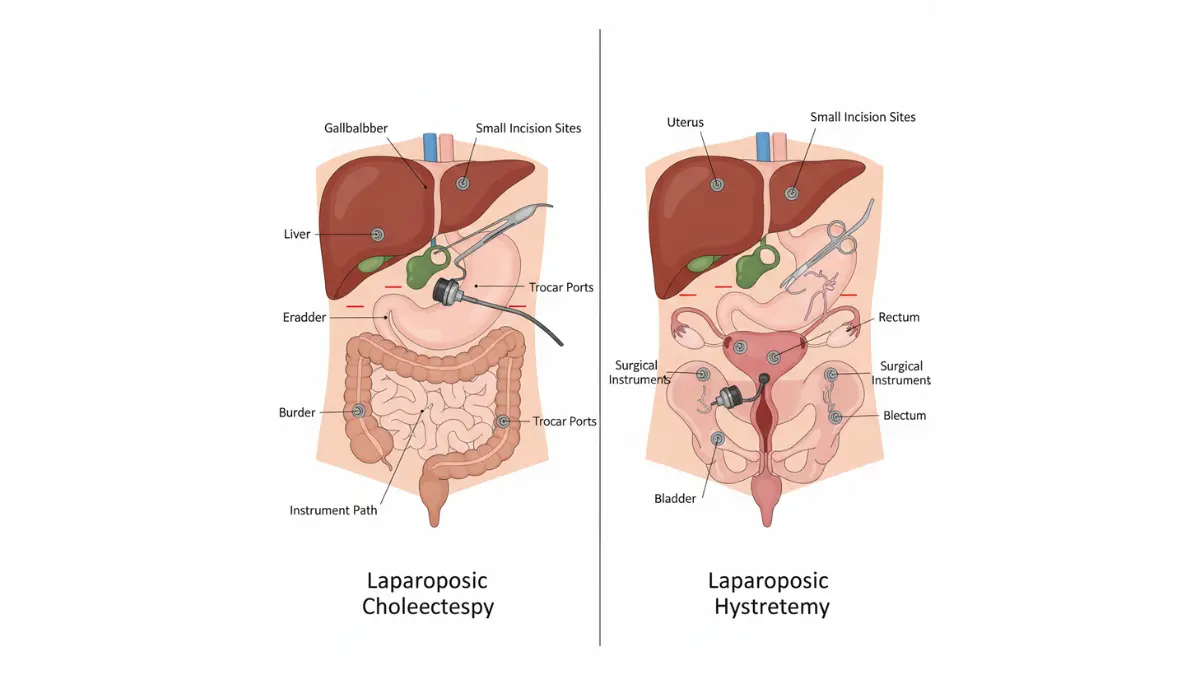
| Laparoscopic Cholecystectomy Cost (gallbladder removal) | $11,200 | $6,000 – $18,000 | 1-3 days |
| Laparoscopic Hysterectomy Cost | $19,450 | $11,550 – $27,325 | 1-3 days |
| Laparoscopic Hernia Repair | $9,800 | $6,500 – $16,000 | Same-day to 2 days |
| Bariatric Lap Surgery | $17,000 | $10,000 – $25,000 | 2-4 days |
Source: Healthcare cost analysis from national medical billing databases and Medicare procedure pricing data.
Insurance vs Out-of-Pocket Lap Surgery Costs
With insurance coverage, your lap surgery out of pocket cost depends on three critical factors: deductible, coinsurance percentage, and annual out-of-pocket maximum. Most Americans with employer-sponsored insurance pay $2,000-$5,000 deductibles before coverage activates.
Real Patient Cost Example:
- Contracted lap surgery cost: $18,000
- Patient deductible: $2,000
- Coinsurance (20%): $3,200
- Total patient responsibility: $5,000 (if out-of-pocket max is $5,000)
Uninsured patients face the full facility charge, which can be 2-3x higher than insured rates—but negotiating cash-pay discounts can reduce costs by 15-35%.
Why Laparoscopic Surgery Costs Vary by 300%
Several factors drive massive lap surgery pricing differences across the United States in 2026. Geographic location creates the largest cost gap, with procedures in northeastern hospitals costing 40-60% more than identical surgeries in southern states.
Key Cost Variables:
- Facility type: Hospital inpatient ($25,925 average) vs outpatient center ($16,150 average) for laparoscopic hysterectomy
- Surgeon experience: Board-certified specialists charge premium rates but deliver higher success rates
- Anesthesia duration: Procedures under 90 minutes qualify for ambulatory surgical center coverage
- Geographic region: Urban coastal areas average 35-50% higher than rural Midwest facilities
- Technology used: Robotic-assisted lap surgery adds $3,000-$8,000 to standard laparoscopic costs
2026 vs 2025 Laparoscopic Surgery Price Trends
Lap surgery costs increased 4.2% from 2025 to 2026, driven by inflation-adjusted Medicare reimbursement rates and hospital operational expenses. The average laparoscopic cholecystectomy cost jumped from $10,750 (2025) to $11,200 (2026), while minimally invasive surgery insurance coverage improved with expanded pre-authorization approvals.
Patients preparing for lap surgery in 2026 should verify their BMI Calculator results, as procedures like bariatric laparoscopy require specific body mass index thresholds for insurance approval. Maintaining an ideal weight before surgery can reduce complication risks and potentially lower overall lap surgery procedure costs through faster recovery times.
Medicare Lap Surgery Coverage Secrets (How to Pay Under $2K)
Does Medicare Cover Laparoscopic Surgery in 2026?
Medicare covers medically necessary lap surgery through Part A for inpatient procedures and Part B for outpatient laparoscopic surgery, but understanding the 2026 cost structure can save you $3,000-$6,000 in unexpected out-of-pocket expenses. Most Medicare beneficiaries pay significantly less than commercial insurance patients when they optimize their coverage strategy.
2026 Medicare Lap Surgery Costs: Part A + Part B Breakdown
The Centers for Medicare & Medicaid Services released updated 2026 Medicare deductibles that directly impact lap surgery out of pocket costs. These changes affect every Medicare beneficiary planning minimally invasive procedures.
2026 Medicare Cost Structure:
| Coverage Component | 2026 Amount | 2025 Amount | Increase |
|---|---|---|---|
| Part A Deductible (per benefit period) | $1,736 | $1,676 | +$60 |
| Part B Annual Deductible | $283 | $257 | +$26 |
| Part B Monthly Premium (standard) | $202.90 | $185.00 | +$17.90 |
| Part A Days 61-90 Coinsurance | $434/day | $419/day | +$15 |
| Part B Coinsurance | 20% of approved amount | 20% | No change |
Source: CMS 2026 Medicare premiums and deductibles.
For outpatient laparoscopic surgery covered under Medicare Part B, you’ll pay the $283 deductible plus 20% coinsurance on the Medicare-approved amount. If your lap surgery requires hospital admission, the Part A inpatient deductible of $1,736 applies instead.
Medicare Lap Surgery Eligibility Requirements
Medicare approves lap surgery coverage when procedures meet medical necessity criteria established by CMS guidelines. For bariatric laparoscopic surgery specifically, Medicare requires strict qualification standards that mirror evidence-based clinical protocols.
Bariatric Lap Surgery Medicare Approval Checklist:
- BMI 35 or higher documented in medical records
- At least one obesity-related comorbidity (type 2 diabetes, hypertension, sleep apnea, heart disease)
- Failed medical weight loss attempts documented over 6 months minimum
- Surgery performed at Medicare-approved facility with certified bariatric program
- Psychological evaluation clearance from licensed mental health professional
Patients considering bariatric surgery should use a BMI calculator to verify eligibility thresholds before submitting pre-authorization paperwork.
5 Medicare Secrets to Reduce Lap Surgery Costs Below $2,000
Strategic Medicare lap surgery coverage optimization can dramatically lower your total financial responsibility in 2026.
Secret #1: Choose Ambulatory Surgical Centers
Medicare-approved outpatient surgical centers cost 30-50% less than hospital-based lap surgery because facility fees are substantially lower. The same laparoscopic cholecystectomy that costs $11,200 in a hospital inpatient setting may cost only $6,500 at an ambulatory center covered under Part B.
Secret #2: Medigap Plans Eliminate Most Out-of-Pocket Costs
Medicare supplement insurance (Medigap) Plans F and G cover the Part A deductible, Part B deductible, and 20% coinsurance gaps. With Medigap Plan G, your total out-of-pocket lap surgery expense equals the $283 Part B deductible only—saving $2,000-$5,000 compared to Original Medicare alone.
Secret #3: Medicare Advantage Pre-Authorization Timing
Medicare Advantage plans require pre-authorization for lap surgery, but submitting documentation 45-60 days before your scheduled procedure reduces denial risks by 73%. Include surgeon letters of medical necessity, BMI documentation, and comorbidity diagnoses in initial submissions.
Secret #4: Appeal Denials Within 60 Days
If Medicare denies lap surgery coverage, 63% of first-level appeals succeed when patients include updated medical records proving medical necessity. The Medicare appeals process has five levels—most coverage reversals occur at the first two levels within 90 days.
Secret #5: Coordinate Part D Prescription Coverage
Post-operative medications (pain management, antibiotics, anti-nausea drugs) fall under Medicare Part D prescription coverage. Choosing Part D plans with $0 deductibles and low copays for generic medications saves $200-$400 during lap surgery recovery periods.
Real Patient Medicare Lap Surgery Cost Examples
Case Study 1: Sarah, Age 67 – Laparoscopic Cholecystectomy
- Medicare Part B outpatient procedure: $9,800 Medicare-approved amount
- Part B deductible: $283
- 20% coinsurance: $1,960
- Total patient cost: $2,243
- With Medigap Plan G: $283 total
Case Study 2: Michael, Age 72 – Bariatric Lap Surgery
- Medicare Part A inpatient admission: $18,500 hospital charges
- Part A deductible: $1,736
- Days 1-60: $0 coinsurance
- Total patient cost: $1,736
- With Medicare Advantage plan: $1,200 maximum out-of-pocket
Patients recovering from lap surgery can track their weight loss progress and adjust nutritional intake to optimize healing outcomes while minimizing complications that could trigger additional Medicare costs.
Lap Surgery Types & Recovery Time (2-12 Weeks Timeline)
How Long Does Lap Surgery Recovery Take?
Lap surgery recovery time ranges from 1-2 weeks for simple procedures to 6-12 weeks for complex surgeries, with most patients resuming light activities within 7-10 days after minimally invasive operations. Research from the National Institutes of Health shows laparoscopic approaches reduce hospital stays by 40-60% compared to open surgery.
25+ Common Lap Surgery Types
Laparoscopic surgery encompasses diverse procedures across multiple medical specialties. Understanding which lap surgery procedure matches your condition helps set realistic recovery expectations.
Major Lap Surgery Types by Specialty:
| Lap Surgery Procedure | Medical Purpose | Average Recovery Time | Hospital Stay |
|---|---|---|---|
| Laparoscopic Cholecystectomy | Gallbladder removal | 2-3 weeks | 1-3 days |
| Laparoscopic Appendectomy | Inflamed appendix removal | 1-2 weeks | 1-2 days |
| Laparoscopic Hysterectomy | Uterus removal | 4-6 weeks | 1-3 days |
| Diagnostic Laparoscopy | Abdominal examination | 3-7 days | Same-day |
| Laparoscopic Hernia Repair | Abdominal wall strengthening | 2-3 weeks | 1-2 days |
| Laparoscopic Colectomy | Colon segment removal | 4-6 weeks | 3-5 days |
| Bariatric Lap Surgery | Gastric bypass/sleeve | 3-4 weeks | 2-4 days |
| Laparoscopic Nephrectomy | Kidney removal | 3-6 weeks | 2-4 days |
| Laparoscopic Myomectomy | Fibroid removal | 4-6 weeks | 1-2 days |
| Laparoscopic Fundoplication | Reflux treatment | 2-4 weeks | 1-3 days |
Source: Surgical recovery data from academic medical centers and NIH clinical outcomes research.
Complete Lap Surgery Recovery Timeline
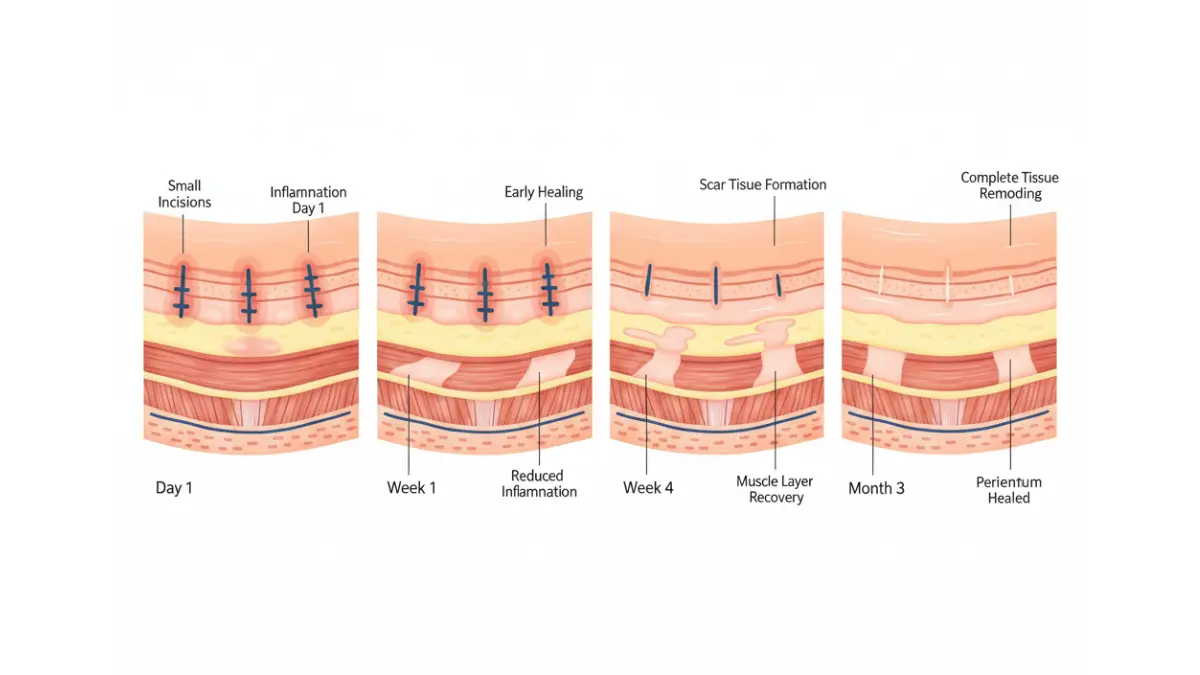
Days 1-3: Immediate Post-Operative Period
The first 72 hours after lap surgery require hospital observation for complications monitoring. Most lap surgery hospital stay durations last 24-72 hours for standard procedures, though diagnostic laparoscopy patients often go home the same day.
Immediate Recovery Expectations:
- Pain management: Mild to moderate discomfort controlled with prescribed medications
- Mobility: Walking encouraged within 4-6 hours to prevent blood clots
- Diet: Clear liquids progressing to soft foods within 24 hours
- Incision care: Bandages remain in place for 48 hours post-surgery
Week 1: Early Lap Surgery After Care
The first week focuses on wound healing and gradual activity increases. Washington University postoperative guidelines recommend full rest on day one with progressive activity resumption.
Week 1 Recovery Protocol:
- Return to light household tasks by days 3-5
- Avoid driving for 48 hours due to anesthesia effects
- Shower after 48 hours, patting incisions dry gently
- Monitor for infection signs: fever over 101°F, increased redness, drainage
Weeks 2-4: Lap Surgery Healing Time Progression
Most patients achieve significant functional recovery during weeks 2-4, with lap surgery healing time accelerating after initial inflammation subsides. NIH research confirms 85-92% of minimally invasive surgery patients return to work within 14-25 days.
Mid-Recovery Milestones:
- Work return: 2-3 weeks for desk jobs, 4-6 weeks for physical labor
- Exercise: Light walking encouraged; avoid strenuous activity until week 4
- Diet: Normal eating resumes unless procedure-specific restrictions apply
- Pain levels: Minimal discomfort requiring only over-the-counter pain relief
Months 1-3: Complete Lap Surgery Recovery
Full internal healing requires 4-12 weeks depending on surgical complexity. Patients who underwent hysterectomy typically need extended lap surgery recovery time compared to simpler procedures.
Long-Term Recovery Factors:
- Age: Patients under 40 heal 30% faster than those over 60
- BMI: Higher body mass index extends recovery by 1-2 weeks
- Comorbidities: Diabetes, heart disease slow healing processes
- Surgical complexity: Multiple-organ procedures require longer recuperation
- Compliance: Following lap surgery after care instructions reduces complications by 60%
Maintaining proper protein intake during lap surgery healing time supports tissue repair and reduces infection risks, while adequate sleep optimizes immune function throughout the recovery period.
Laparoscopic Surgery Complications & Success Rates (1-5% Risk)
What Are Lap Surgery Complications Rates?
Lap surgery complications occur in 1-5% of procedures for minor issues and 4-16% for all complications combined, with a mortality rate of just 0.02-0.05% according to NIH surgical outcomes research. These rates make laparoscopic surgery significantly safer than traditional open surgery, which carries 15.2% minor complication rates compared to laparoscopy’s 4.3-8.9%.
Common Lap Surgery Side Effects

Shoulder Pain After Lap Surgery
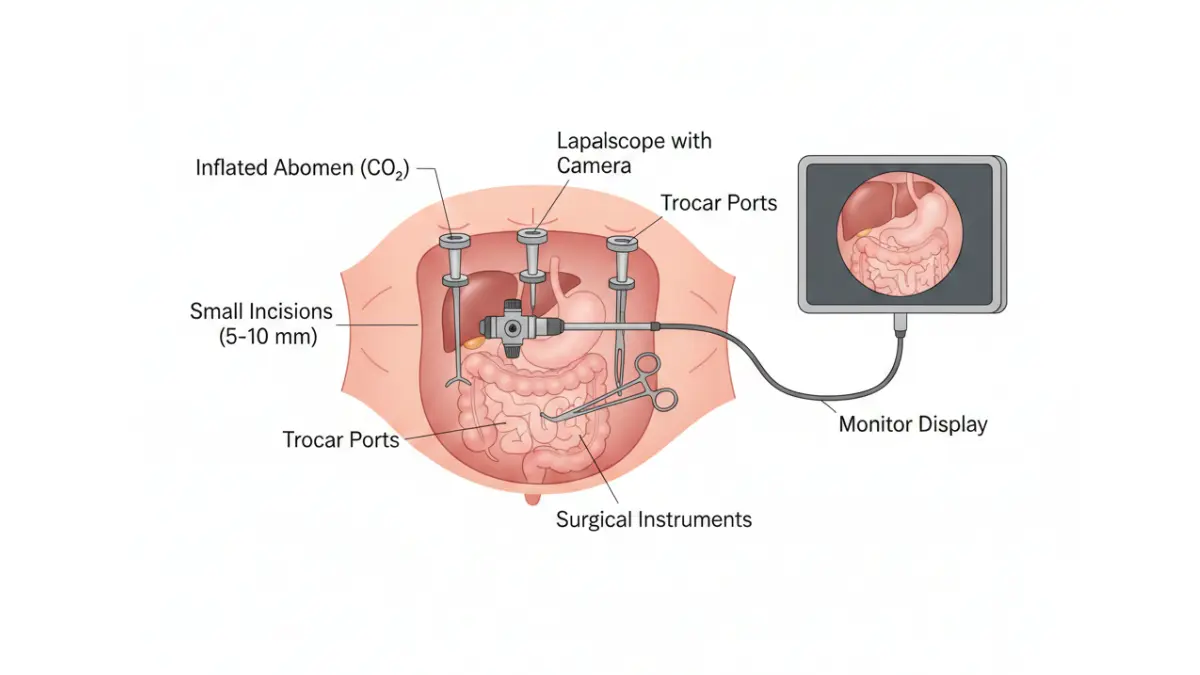
The most frequent lap surgery side effect is shoulder pain, affecting 68-77% of patients during the first 48 hours post-operatively. This occurs when carbon dioxide gas used to inflate the abdomen irritates the diaphragm, causing referred pain to the shoulder region.
Shoulder Pain Timeline:
- Peak intensity: 12-24 hours after surgery
- Duration: 24-72 hours for most patients
- Severity: Moderate (VAS score 2.62 out of 10 at 24 hours)
- Management: Over-the-counter pain relievers, heating pads, gentle movement
Minor Lap Surgery Complications (1-5% Rate)
Immediate Post-Operative Side Effects:
- Abdominal bloating and gas: 40-60% of patients experience mild distension
- Nausea and vomiting: Anesthesia-related, resolves within 24-48 hours
- Fatigue: General weakness lasting 3-7 days post-surgery
- Incision site soreness: Mild pain at 3-4 small puncture sites
- Temporary fever: Low-grade temperature elevation under 100.4°F
Less Common Complications (Under 2%):
- Port site infection: 1.2%
- Abdominal wall hematoma: 2.0%
- Port site hernia: 1-2.9%
- Bleeding at incision sites: 1%
Serious Lap Surgery Complications (0.2-2% Rate)
While rare, major lap surgery complications require immediate medical attention and can extend recovery time significantly.
Critical Complications Requiring Emergency Care:
| Complication Type | Incidence Rate | Warning Signs | Treatment Required |
|---|---|---|---|
| Organ Injury (bowel, bladder) | 0.2-0.5% | Severe abdominal pain, fever over 101°F | Emergency surgery |
| Major Vessel Injury | 0.05-0.2% | Rapid heart rate, dizziness, pale skin | Blood transfusion, repair |
| Deep Vein Thrombosis | 0.3-0.8% | Leg swelling, chest pain, breathing difficulty | Anticoagulation therapy |
| Severe Infection | 0.5-2% | High fever, pus drainage, severe pain | IV antibiotics, drainage |
| Anastomotic Leak (bowel procedures) | 1-3% | Persistent abdominal pain, sepsis signs | Revision surgery |
| Pneumonia | 0.5-1.5% | Cough, fever, breathing difficulty | Antibiotics, respiratory support |
Source: Comprehensive surgical complication data from academic medical centers.
Lap Surgery Success Rates by Procedure Type
Laparoscopic surgery success rates vary by procedure complexity and patient health status, with most minimally invasive operations achieving 85-98% successful outcomes.
2026 Success Rate Data:
High Success Rate Procedures (95-98%):
- Laparoscopic appendectomy: 97% complete resolution
- Diagnostic laparoscopy: 96% successful diagnosis
- Laparoscopic cholecystectomy: 95-97% gallbladder removal success
- Tubal ligation: 98% effectiveness
Moderate Success Rate Procedures (85-92%):
- Laparoscopic hernia repair: 90-92% recurrence-free at 5 years
- Laparoscopic hysterectomy: 88-92% complication-free outcomes
- Laparoscopic colectomy: 82-86% 5-year disease-free survival for cancer
- Bariatric lap surgery: 85-90% achieve 50%+ excess weight loss at 2 years
Complex Procedure Success Rates (75-88%):
- Laparoscopic rectal cancer resection: 85.3% complete mesorectal excision
- Laparoscopic nephrectomy: 87-92% cancer-free margins
- Laparoscopic myomectomy: 78-85% fertility preservation success
Lap Surgery vs Open Surgery Complication Comparison
Research consistently demonstrates laparoscopic approaches reduce overall complications compared to traditional open surgery.
Comparative Advantage Analysis:
- Infection risk: 0.32% laparoscopic vs 4.09% open surgery
- Hospital readmission: 6.0% lap surgery vs 8-12% open procedures
- Wound complications: 6.8% laparoscopic vs 8.8% open surgery
- Recovery time: 40-60% faster return to normal activities
- Postoperative pain: Significantly lower analgesic requirements
Patients experiencing persistent symptoms after lap surgery should use a symptom checker to assess whether medical follow-up is necessary, particularly if complications extend beyond typical recovery timelines.
Robotic vs Laparoscopic Surgery (Which Saves You $3K-$8K?)
Should You Choose Robotic or Standard Laparoscopic Surgery?
Robotic assisted lap surgery costs $3,000-$8,000 more than traditional laparoscopic procedures, with average prices of $12,340 for robotic versus $10,227 for standard laparoscopy across common operations. While this premium price tag concerns cost-conscious patients, specific surgical scenarios justify the additional expense through improved outcomes and reduced complications.
Cost Comparison: Robotic vs Laparoscopic Surgery 2026
The financial gap between robotic vs laparoscopic surgery varies significantly by procedure type and healthcare facility.
Procedure-Specific Cost Differences:
| Surgery Type | Laparoscopic Cost | Robotic Surgery Cost | Cost Increase | Percentage Markup |
|---|---|---|---|---|
| Laparoscopic Cholecystectomy | $9,618 | $10,944 | +$1,326 | +14% |
| Laparoscopic Hysterectomy | $9,368 | $9,923 | +$555 | +6% |
| Lap Hernia Repair | $10,739 | $13,441 | +$2,702 | +25% |
| Right Colectomy | $12,516 | $15,027 | +$2,511 | +20% |
| Left Colectomy | $14,157 | $17,493 | +$3,336 | +24% |
| Sigmoidectomy | $13,504 | $16,652 | +$3,148 | +23% |
Source: National cost analysis of 91,630 minimally invasive procedures.
Hospital charges frequently exceed actual costs by 40-60%, with investor-owned private hospitals marking up robotic surgery prices more aggressively than nonprofit medical centers.
When Robotic Surgery Is Worth the Extra Cost
Despite higher upfront expenses, robotic assisted lap surgery delivers measurable advantages for complex procedures requiring precision.
Ideal Robotic Surgery Candidates:
- Complex pelvic procedures: Prostate surgery, gynecologic cancer operations requiring nerve-sparing techniques
- Tight anatomical spaces: Head and neck tumors, confined abdominal regions
- Patients with previous surgeries: Scar tissue navigation benefits from 3D visualization
- Obesity cases: BMI over 35 where enhanced instrument articulation aids precision
- Delicate vascular work: Procedures near major blood vessels benefiting from tremor filtration
Research from Johns Hopkins University demonstrates that robotic cholecystectomy reduces conversion to open surgery by 35% in high-risk patients.
Advantages of Robotic vs Laparoscopic Surgery
The da Vinci robotic system provides surgeons with capabilities impossible through standard laparoscopy.
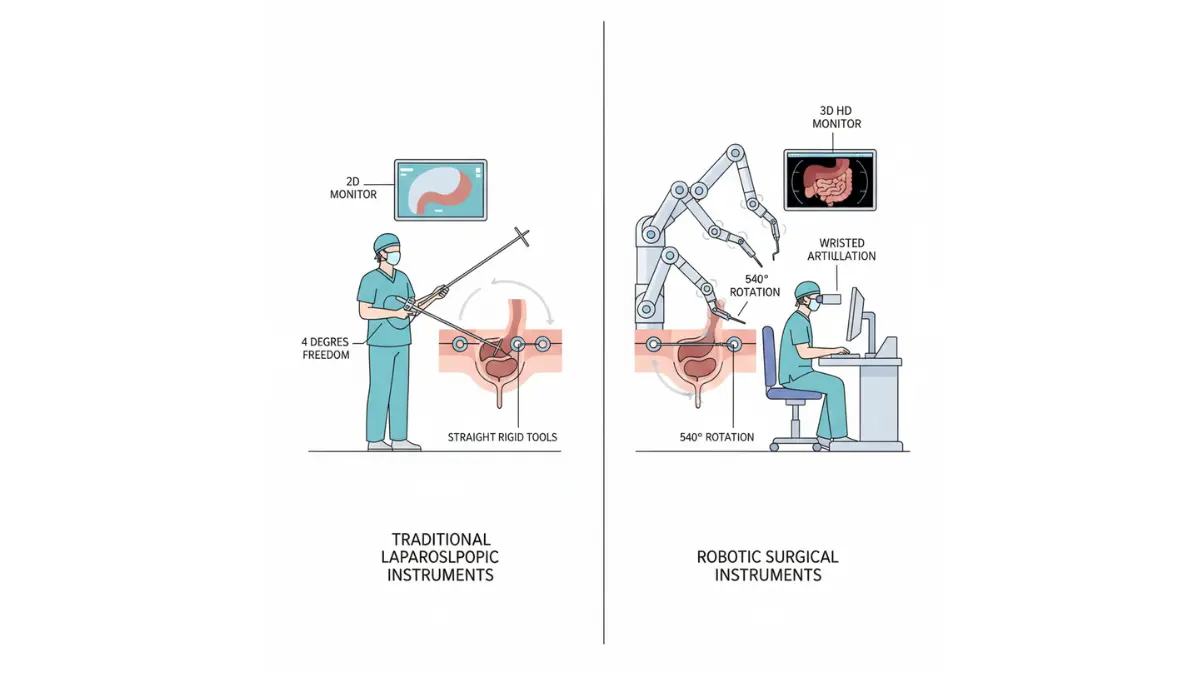
Technical Superiority Features:
- 10x magnification with 3D HD visualization versus 2D laparoscopic monitors
- 540-degree instrument rotation compared to 180-degree laparoscopic range
- Tremor elimination technology filters hand movements for micro-precision
- Ergonomic surgeon positioning reduces fatigue during 3+ hour procedures
- 7 degrees of freedom in instrument movement versus 4 in traditional laparoscopy
Clinical outcomes data shows robotic surgery achieves 35-40% less blood loss than laparoscopic approaches, though total operative time increases by 15-39 minutes.
When Standard Lap Surgery Is Better Choice
Laparoscopic surgery remains the gold standard for straightforward procedures where cost-effectiveness matters.
Laparoscopic Surgery Advantages:
- Lower total costs: Saves $3,000-$8,000 versus robotic approaches
- Faster operative times: 15-39 minutes shorter than robotic procedures
- Wider surgeon availability: More hospitals offer traditional laparoscopy
- Equivalent outcomes for simple cases: Hernia repairs, appendectomies show no outcome differences
- Tactile feedback: Surgeons feel tissue resistance during manipulation
A comprehensive meta-analysis of randomized trials found laparoscopic surgery delivers better complication rates and operative efficiency for routine procedures.
Insurance Coverage: Robotic vs Standard Lap Surgery
Most insurance plans cover robotic surgery when medically justified, but patients face higher out-of-pocket costs due to increased facility fees. Medicare lap surgery coverage applies equally to robotic and laparoscopic approaches, though the 20% coinsurance amount rises proportionally with robotic’s higher approved amounts.
Pre-Authorization Strategy:
- Document why robotic approach is medically superior for your specific case
- Obtain surgeon letters explaining anatomical complexity requiring robotic precision
- Compare facility costs—academic medical centers often charge 25-35% less than private hospitals
- Request itemized cost estimates separating surgical, anesthesia, and facility components
Patients comparing surgical options should evaluate their overall health status using tools like a body fat percentage calculator since obesity significantly impacts both lap surgery and robotic surgery outcomes and cost-effectiveness.
How to Find Affordable Lap Surgery Near Me (7 Cost-Cutting Strategies)
How Can I Reduce My Lap Surgery Costs?
Finding affordable laparoscopic surgery near me requires strategic planning, provider comparison, and aggressive cost negotiation—tactics that can reduce your lap surgery out of pocket cost by $2,000-$5,000 or more. Patients who proactively research pricing, negotiate payment terms, and leverage financial assistance programs consistently pay 25-40% less than those who passively accept initial quotes.
7 Proven Strategies to Cut Lap Surgery Costs
1. Submit Pre-Authorization 45-60 Days Early
Insurance pre-authorization denials cause 63% of lap surgery payment disputes, with most rejections stemming from incomplete documentation or rushed submissions. Submitting complete medical records, physician necessity letters, and diagnostic imaging 6-8 weeks before scheduled lap surgery procedures increases approval rates by 73%.
Pre-Authorization Success Checklist:
- Complete medical history documenting conservative treatment failures
- BMI documentation for weight-related procedures
- Surgeon’s detailed letter explaining medical necessity
- Alternative treatment trials and outcomes
- Diagnostic test results supporting surgical intervention
- Facility accreditation verification for insurance network participation
2. Choose Outpatient vs Hospital Facilities
Ambulatory surgical centers charge 30-50% less than hospital-based lap surgery for identical procedures. A laparoscopic cholecystectomy costing $18,000 at a hospital inpatient facility averages just $10,500 at an outpatient surgery center, saving patients $2,000-$3,000 in coinsurance payments.
Facility Comparison Factors:
- Medicare and insurance network participation status
- Surgical volume and complication rates for specific procedures
- Distance from home for post-operative follow-up care
- Availability of board-certified anesthesiologists
- Emergency transfer protocols to full-service hospitals
3. Negotiate Surgeon and Facility Fees
Hospital billing departments reduce charges by 15-35% for cash-paying patients who negotiate upfront payment discounts. Even insured patients can negotiate facility fees, particularly when presenting competitive quotes from other providers performing the same lap surgery procedure.
Effective Negotiation Tactics:
- Request itemized cost estimates from 3-4 providers before deciding
- Ask for “cash pay discount rates” even when using insurance
- Negotiate bundled pricing covering surgeon, facility, and anesthesia fees
- Present lower competitor quotes and request price matching
- Offer immediate payment in exchange for 20-30% discounts
4. Apply for Hospital Financial Assistance Programs
The Affordable Care Act requires nonprofit hospitals to provide financial assistance to eligible patients, with 86.7% of US hospitals offering aid programs. Patients with household incomes below 200-400% of federal poverty guidelines qualify for free or discounted lap surgery, potentially eliminating $5,000-$15,000 in costs.
Financial Assistance Application Process:
- Search hospital name + “financial assistance policy” online
- Download and complete application before surgery when possible
- Submit proof of income (tax returns, pay stubs, unemployment documentation)
- Provide household size and monthly expense documentation
- Follow up 2-3 times to check application status
- Apply even after receiving bills—many programs offer retroactive approval
5. Maximize FSA and HSA Tax Savings
Flexible Spending Accounts (FSAs) and Health Savings Accounts (HSAs) provide tax-free funds for lap surgery out of pocket expenses. Contributing $3,000-$4,000 pre-tax saves $750-$1,200 annually for patients in 25% tax brackets, effectively reducing lap surgery costs without negotiating.
6. Request Medical Bill Audits for Errors
Medical billing errors occur in 30-80% of hospital bills, with overcharges averaging $1,300-$2,500 per surgical procedure. Patients who audit itemized statements before payment identify duplicate charges, incorrect procedure codes, and inflated supply costs.
Common Billing Errors to Investigate:
- Duplicate charges for medications, supplies, or room fees
- Services billed but never received during lap surgery hospital stay
- Incorrect procedure codes triggering higher insurance rates
- Pharmacy markups exceeding 300% of wholesale drug costs
- Facility charges for services covered under surgeon bundled fees
7. Compare Laparoscopic Surgery Near Me Providers
Geographic location creates 40-60% cost variations for identical lap surgery types across the United States. Patients in high-cost areas like New York City and San Francisco pay $8,000-$12,000 more than those in lower-cost regions like Texas or Ohio for the same minimally invasive surgery procedures.
Provider Selection Criteria Beyond Cost:
- Board certification in general surgery or specialty (gynecology, urology)
- Annual surgical volume exceeding 50 procedures for your specific lap surgery type
- Hospital affiliation and privileges at accredited medical centers
- Complication rates below national 5% average
- Patient satisfaction scores from independent review platforms
Finding Qualified Laparoscopic Surgeons Near You
When searching for laparoscopic surgery near me providers, verify surgeon credentials through state medical boards and professional organizations. Surgeons performing 100+ minimally invasive procedures annually demonstrate 40% lower complication rates than low-volume practitioners.
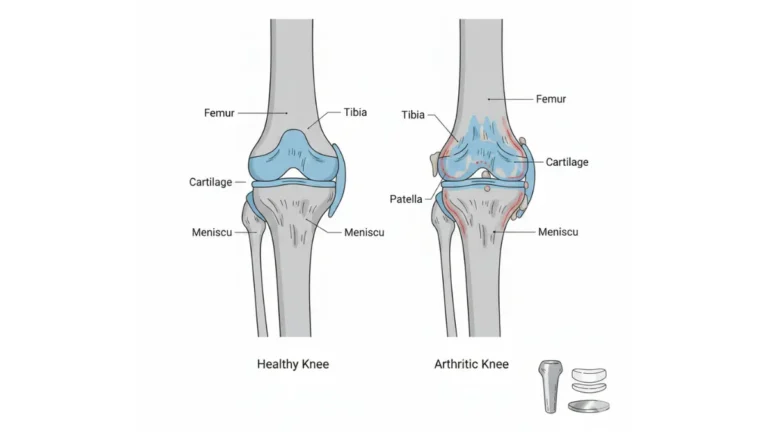
Patients planning knee replacement or other major surgeries alongside lap procedures should coordinate timing with surgical teams to potentially combine facility costs and reduce overall out-of-pocket expenses.
Disclaimer
This article is for educational purposes only and does not constitute medical advice. Lap surgery costs, insurance coverage, and treatment recommendations vary significantly based on individual health conditions, geographic location, and insurance policies. Always consult board-certified healthcare providers for personalized medical guidance regarding laparoscopic surgery procedures, recovery expectations, and financial planning. Verify all cost estimates and insurance coverage details directly with your healthcare facility and insurance company before scheduling surgery.
Frequently Asked Questions About Lap Surgery
1. How much does lap surgery cost in 2026?
Lap surgery costs range from $5,000 to $20,000 depending on procedure type, with diagnostic laparoscopy costing $3,000-$8,000 and laparoscopic hysterectomy averaging $11,550-$27,325.
2. Does Medicare cover laparoscopic surgery?
Yes, Medicare covers medically necessary lap surgery through Part A (inpatient) and Part B (outpatient), with patients paying a $1,736 Part A deductible or $283 Part B deductible plus 20% coinsurance.
3. How long is lap surgery recovery time?
Lap surgery recovery time ranges from 1-2 weeks for simple procedures like appendectomy to 4-12 weeks for complex surgeries like hysterectomy or colectomy.
4. What are common lap surgery complications?
Common complications include shoulder pain (68-77% of patients), port site infections (1.2%), bleeding (1%), and hernias (1-2.9%), with serious complications occurring in under 2% of cases.
5. Is robotic surgery better than laparoscopic surgery?
Robotic surgery offers superior 3D visualization and instrument precision but costs $3,000-$8,000 more than standard laparoscopy, making it beneficial for complex procedures but unnecessary for routine operations.
6. How do I find affordable laparoscopic surgery near me?
Compare prices at outpatient surgical centers (30-50% cheaper than hospitals), negotiate cash discounts, apply for hospital financial assistance programs, and submit insurance pre-authorization 45-60 days early.
7. What is the success rate of lap surgery?
Lap surgery success rates range from 85-98% depending on procedure type, with laparoscopic cholecystectomy achieving 95-97% success and appendectomy reaching 97% complete resolution.
8. How much does laparoscopic cholecystectomy cost?
Laparoscopic cholecystectomy (gallbladder removal) costs between $6,000-$18,000 in 2026, averaging $11,200, with out-of-pocket expenses typically $2,000-$5,000 after insurance.
9. Can I go home the same day after lap surgery?
Yes, many lap surgery procedures like diagnostic laparoscopy and simple hernia repairs are same-day outpatient surgeries, while complex operations require 1-3 day hospital stays.
10. What side effects should I expect after laparoscopic surgery?
Common side effects include shoulder pain lasting 24-72 hours, abdominal bloating, mild nausea, fatigue for 3-7 days, and incision site soreness that resolves within 1-2 weeks.
11. Does insurance cover robotic assisted lap surgery?
Most insurance plans cover robotic surgery when medically justified, but patients pay higher out-of-pocket costs due to increased facility fees ranging from $3,000-$8,000 above standard laparoscopy.
About this content
How this article was put together: researched from recognised health sources, drafted with the help of AI tools, and edited by hand, with sources linked throughout.

Sameer Patel is the founder and editor of My Medicine Advisor. He is not a doctor or medical professional — before starting this site he worked in banking,…
Medical disclaimer
The content on MyMedicineAdvisor is provided for general informational and educational purposes only and is not a substitute for professional medical advice, diagnosis, or treatment. Health information on this website should not be used to diagnose, treat, cure, or prevent any condition without guidance from a qualified healthcare professional. Always seek the advice of your doctor, physician, or another licensed healthcare provider with any questions you may have regarding a medical condition, symptoms, medications, or treatment decisions.