Hope Beyond Diagnosis — Understanding Mesothelioma Cancer
Imagine sitting in a doctor’s office and hearing the words “You have mesothelioma.”
For most families, it’s a moment that freezes time. Mesothelioma Cancer — a rare but aggressive cancer most often caused by asbestos exposure — has long been surrounded by fear, confusion, and outdated information. Yet today, medical science, patient advocacy, and new therapies are rewriting the story of what survival and recovery can truly mean.
This comprehensive guide is built for every patient, caregiver, and family member searching for clarity, direction, and hope. Drawing upon the latest research from the National Cancer Institute (NCI), the World Health Organization (WHO), and leading oncology centers, we go far beyond definitions and statistics. You’ll discover practical steps for improving survival odds, actionable recovery strategies, and emotional tools to rebuild confidence — because mesothelioma is not just a diagnosis; it’s a journey that affects the body, mind, and family circle.
Whether you’re facing your first consultation or navigating life after treatment, this article will help you understand how mesothelioma develops, how it’s diagnosed, treated, and managed, and most importantly, how thousands of survivors worldwide are defying the odds through early detection, lifestyle changes, and advanced care.
At My Medicine Advisor, our goal is simple: to turn medical knowledge into empowerment. Every sentence that follows is written and reviewed by medical experts — grounded in evidence, compassion, and credibility.
Let’s begin the journey from fear to understanding — and from diagnosis to hope.
On This Page – Quick Medical Summary
What Is Mesothelioma?
Mesothelioma is a rare and aggressive cancer that develops in the thin protective lining — called the mesothelium — which surrounds vital organs such as the lungs, abdomen, heart, and testes.
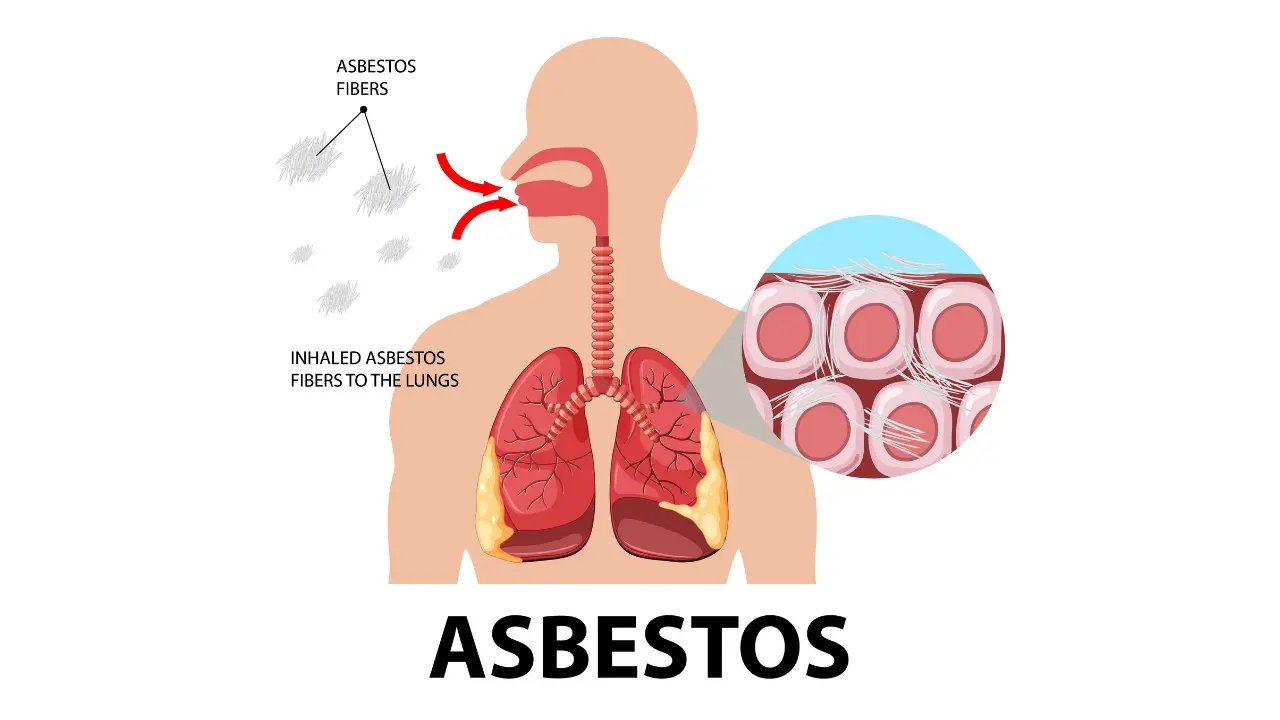
Unlike many cancers linked to genetics or lifestyle, mesothelioma is primarily caused by exposure to asbestos fibers, tiny mineral particles once used widely in construction, shipbuilding, insulation, and manufacturing.
When asbestos fibers are inhaled or swallowed, they can lodge deep inside the body. Over decades — sometimes 20 to 50 years after exposure — these microscopic fibers irritate healthy tissue, damage DNA, and may trigger abnormal cell growth. Because of this long latency, mesothelioma often appears long after exposure has ended, making early detection especially challenging. If you experience persistent symptoms, try our AI Symptom Checker Tool for a quick initial health assessment.
Types of Mesothelioma
There are four major types of mesothelioma, each named for the area it affects:
- Pleural mesothelioma (≈ 75–80 %) — forms in the lining of the lungs (pleura), causing chest pain, shortness of breath, and persistent cough.
- Peritoneal mesothelioma (≈ 10–20 %) — develops in the abdominal lining (peritoneum), leading to bloating, pain, and digestive issues.
- Pericardial mesothelioma (< 1 %) — arises in the lining around the heart (pericardium), producing chest tightness and arrhythmias.
- Testicular mesothelioma (extremely rare) — occurs in the lining surrounding the testes.
Each type behaves differently, requiring specialized diagnosis and treatment approaches.
Who Is at Risk?
People who worked in construction, shipyards, mining, military service, or asbestos-related industries are at the highest risk. Family members can also develop mesothelioma through secondary exposure — when asbestos fibers carried home on clothing or skin are inhaled by loved ones.
While most cases arise from occupational exposure, occasional cases occur from environmental contact or in regions where asbestos deposits occur naturally.
Key Insight
Mesothelioma’s uniqueness lies not only in its rarity but also in how long it can remain silent. By the time symptoms appear, the disease may already be advanced — which is why awareness, screening, and early consultation are critical for anyone with past asbestos exposure.
Signs, Symptoms & Early Warning
The earliest signs of Mesothelioma Cancer are often subtle — so subtle that they’re mistaken for common respiratory or digestive issues. Because the disease develops slowly over decades after asbestos exposure, most patients don’t recognize the connection between their past work environment and the symptoms that appear years later.
🫁 Pleural Mesothelioma (Surrounding the Lungs)
This is the most common form, responsible for nearly 80 % of all cases.
Typical symptoms include:
- Persistent shortness of breath or difficulty breathing
- Chest pain under the ribs or around the shoulder blades
- Chronic cough that doesn’t go away
- Unexplained weight loss and fatigue
- Pleural effusion — fluid buildup between lung & chest wall
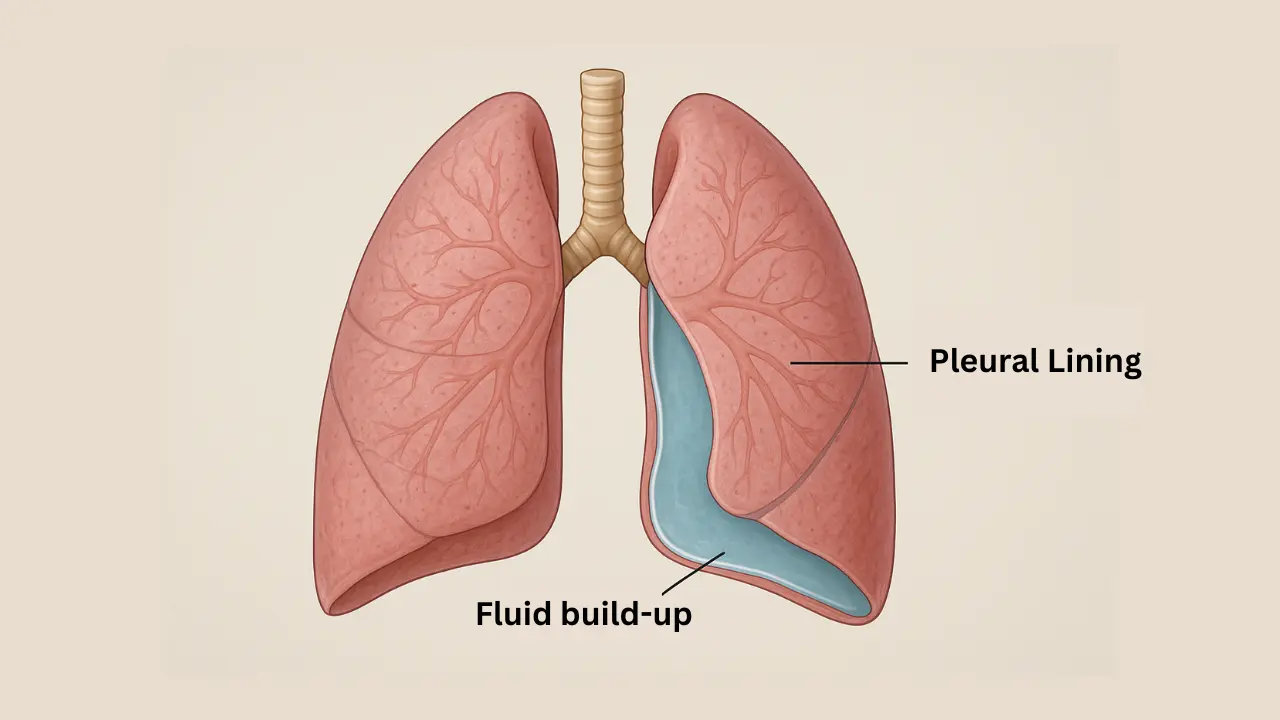
These symptoms often mimic pneumonia or lung infection, which is why pleural mesothelioma is frequently misdiagnosed in its early stages. You can also read our expert-reviewed article on 7 Cancer Warning Signs You Should Never Ignore to learn the earliest clues many patients miss.
🩸 Peritoneal Mesothelioma (Abdominal Lining)
When mesothelioma forms in the peritoneum, symptoms may include:
- Abdominal swelling or bloating
- Digestive discomfort or loss of appetite
- Changes in bowel habits — diarrhea or constipation
- Nausea or unexplained weight loss
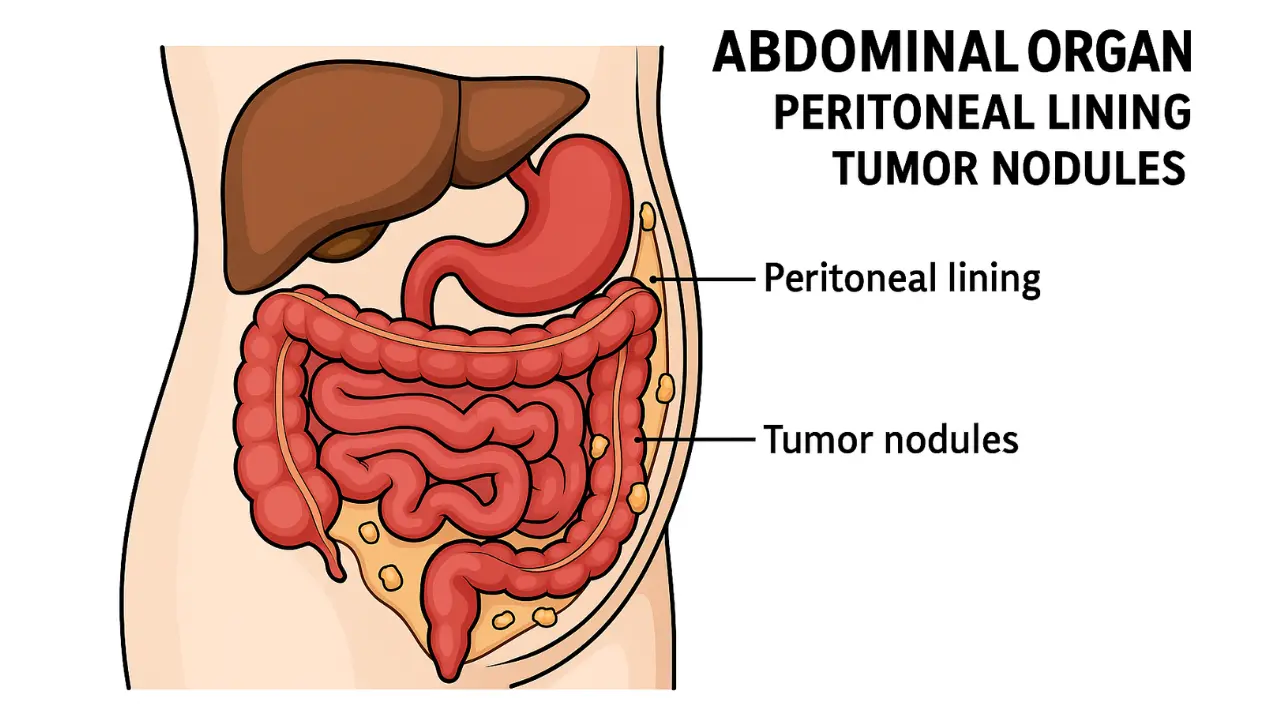
Because these signs resemble common gastrointestinal issues, people often delay seeking medical evaluation until the disease advances.
❤️ Pericardial and Testicular Mesothelioma
The rarest types produce less-specific warning signs.
- Pericardial mesothelioma can cause chest pain, heart palpitations, and irregular heartbeat.
- Testicular mesothelioma may appear as lumps or swelling in the scrotum, often detected incidentally during surgery.
Why Early Detection Matters
Mesothelioma symptoms usually progress slowly, but once they worsen, the disease tends to spread quickly. Doctors emphasize that anyone with a history of asbestos exposure — even decades ago — should immediately report persistent chest, abdominal, or cardiac symptoms to a physician.
Early imaging (X-ray, CT, or MRI) and referral to a specialized oncologist can lead to faster diagnosis and better treatment options. Studies from the National Cancer Institute (NCI) show that patients diagnosed at Stage I or II can often access surgical and immunotherapy trials with significantly improved outcomes. Our Diagnostics & Labs section explains these imaging and biopsy tests in more detail.
Diagnosis & Staging of Mesothelioma
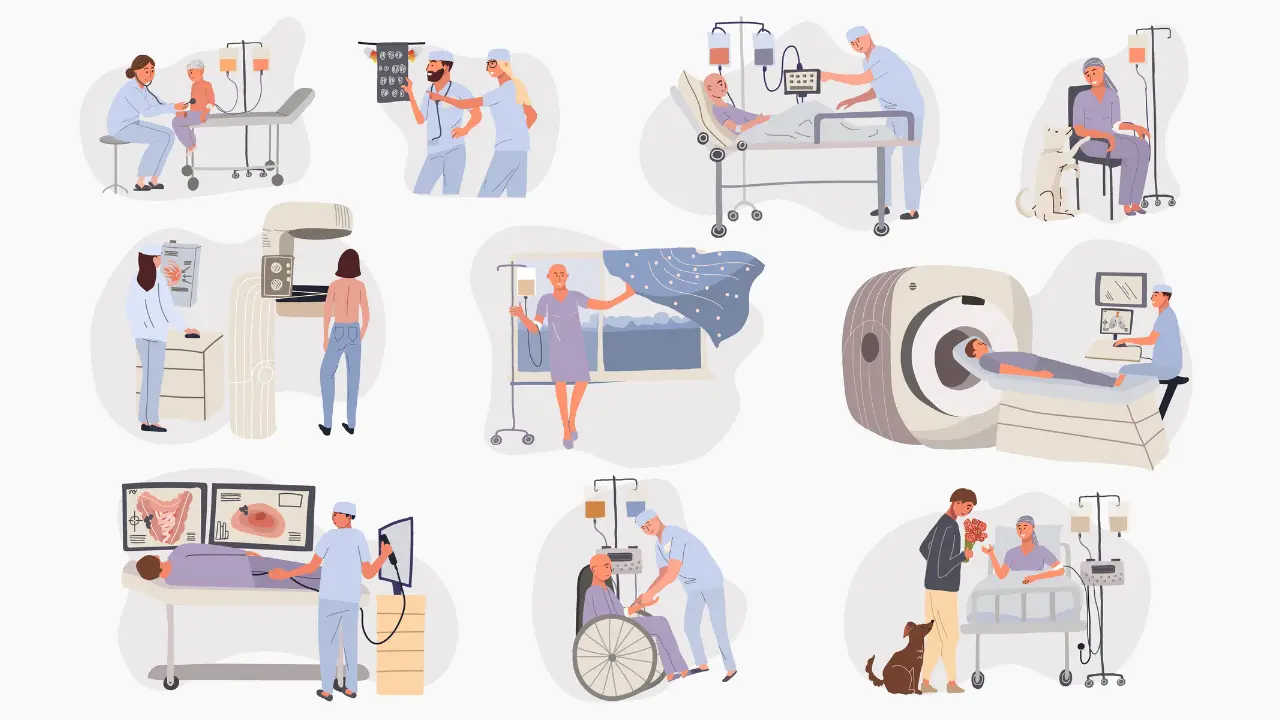
Because mesothelioma cancer mimics other illnesses and can take decades to appear after asbestos exposure, accurate diagnosis requires several steps and the expertise of a multidisciplinary medical team.
Step 1: Initial Evaluation & Medical History
Doctors begin by reviewing the patient’s occupational and environmental history, especially any contact with asbestos. Even brief exposure in the past can be significant.
Physical examination may reveal fluid around the lungs or abdomen, prompting imaging tests for confirmation.
Step 2: Imaging Tests
Imaging helps identify abnormal growths and fluid accumulation:
- Chest X-ray: first clue to pleural thickening or effusion.
- CT (Computed Tomography) scan: detailed cross-sectional view to locate tumors.
- MRI (Magnetic Resonance Imaging): assesses tumor spread to soft tissues.
- PET (Positron Emission Tomography): detects metabolic activity of cancer cells.
According to the National Cancer Institute (NCI), combining CT and PET scans improves diagnostic accuracy and helps doctors plan biopsies more precisely.
Step 3: Biopsy — The Definitive Diagnosis
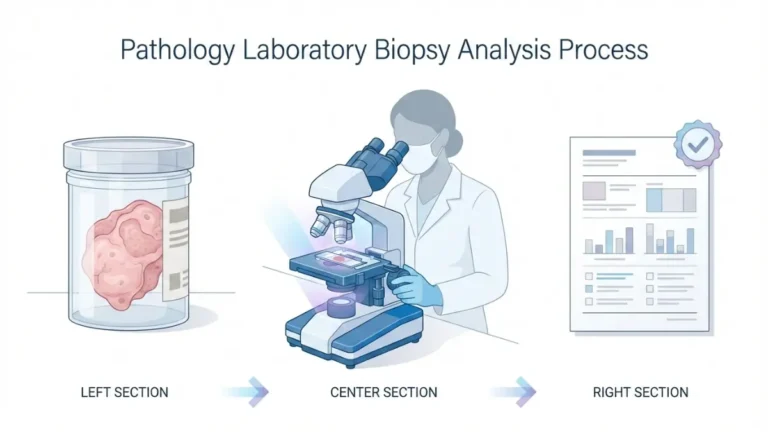
Imaging alone cannot confirm mesothelioma. A biopsy — the removal and examination of tissue under a microscope — is essential.
Common biopsy types include:
- Thoracoscopy (for pleural mesothelioma)
- Laparoscopy (for peritoneal mesothelioma)
- Mediastinoscopy or needle biopsy (depending on tumor location)
Pathologists then test the tissue for specific markers, such as calretinin, WT-1, and cytokeratin 5/6, which distinguish mesothelioma from other cancers.
Step 4: Laboratory and Biomarker Testing
Recent advances in molecular diagnostics allow detection of biomarkers in blood and pleural fluid, including mesothelin (SMRP), osteopontin, and fibulin-3.
Although not yet substitutes for biopsy, these biomarkers can aid early screening in high-risk individuals, according to research from the U.S. National Library of Medicine (NIH).
Step 5: Staging the Cancer
Once confirmed, doctors determine the stage — how far the disease has spread.
For pleural mesothelioma, the TNM system (Tumor-Node-Metastasis) is most used:
- Stage I: localized to pleura on one side
- Stage II: invasion into nearby structures
- Stage III: lymph nodes or chest wall involved
- Stage IV: distant spread to other organs
Staging guides treatment choices — surgery, chemotherapy, radiation, or clinical trials — and helps patients understand prognosis.
The Value of Early Diagnosis
Detecting mesothelioma in its early stages can significantly improve survival and expand treatment options. That’s why anyone with past asbestos exposure and persistent chest or abdominal symptoms should request specialist evaluation by a thoracic oncologist.
Early detection is not just medical — it’s a second chance at life.
Prognosis, Survival Rates & What They Mean
Hearing the word “prognosis” after a mesothelioma diagnosis can be overwhelming. For many patients, it represents uncertainty about the future — how long they will live, how well treatments might work, and what recovery could look like. But while mesothelioma remains an aggressive disease, survival rates have steadily improved over the past decade thanks to earlier detection, new therapies, and multidisciplinary care.

Understanding Mesothelioma Prognosis
A prognosis is not a prediction set in stone — it’s an informed estimate based on data, treatment response, and individual health factors. Doctors consider:
- Type and stage of mesothelioma (pleural vs. peritoneal, Stage I–IV)
- Cell type (histology): epithelioid, sarcomatoid, or biphasic
- Overall health and age of the patient
- Treatment response and access to advanced therapies or trials
According to the National Cancer Institute (NCI), pleural mesothelioma generally carries a more guarded outlook, while peritoneal mesothelioma treated with modern surgery and heated chemotherapy (HIPEC) often achieves far better outcomes.
Current Survival Statistics (NCI & CDC Data)
| Type | Median Survival | 1-Year Survival | 5-Year Survival |
|---|---|---|---|
| Pleural Mesothelioma | 12–18 months | 45 % | 10–12 % |
| Peritoneal Mesothelioma | 30–60 months (when treated with HIPEC) | 65 % | 40–50 % |
| Pericardial/Testicular | Rare types — limited data available | — | — |
While these numbers seem sobering, it’s essential to remember they reflect population averages, not individual outcomes. Many patients live far longer than the median — especially those diagnosed early, treated at specialty centers, and enrolled in clinical trials.
Factors That Can Improve Survival
Recent studies published in the Journal of Thoracic Oncology and NCI Reports highlight several modifiable factors that contribute to longer survival:
- Early detection and complete tumor resection whenever possible
- Multimodal therapy: combining surgery, chemotherapy, and immunotherapy
- Participation in clinical trials offering next-generation treatments
- Healthy lifestyle changes: nutrient-dense diet, regular light exercise, smoking cessation
- Emotional support and stress management, which boost resilience and adherence to treatment
Patients who engage in specialized mesothelioma programs often gain access to novel drugs like checkpoint inhibitors (e.g., nivolumab + ipilimumab), which have extended survival for advanced cases.
Explore our Nutrition & Fitness Tools to plan a cancer-friendly routine that supports recovery.
Finding Hope Beyond Numbers
Behind every statistic is a story of survival. Long-term survivors frequently credit experienced oncologists, timely intervention, and family support as key reasons for beating the odds. Many now serve as advocates, helping newly diagnosed patients navigate the same fears they once faced.
While it’s natural to focus on numbers, the real measure of prognosis lies in how quickly patients access expert care and maintain optimism. Each month brings new research — and new hope.
Treatment Options: What You & Your Family Need to Know
Once a diagnosis of mesothelioma cancer is confirmed, the next question is always the same:
“What can we do about it?”
The good news is that treatment for mesothelioma has evolved faster in the last decade than in the fifty years before. Modern care now focuses not only on controlling the disease, but also on extending life and preserving quality of life.
Because mesothelioma is rare and complex, patients should seek care at specialized mesothelioma centers or academic hospitals that offer a multidisciplinary team — oncologists, thoracic surgeons, radiologists, pathologists, nutritionists, and psychologists working together.

1. Surgery: Removing What Can Be Removed
Surgery aims to remove as much of the cancer as safely possible, often in early-stage disease.
- Pleurectomy / Decortication (P/D): Removes the pleura (lung lining) while preserving the lung. Ideal for patients in good overall health.
- Extrapleural Pneumonectomy (EPP): A more extensive operation removing one lung, pleura, part of the diaphragm, and nearby tissues.
- Cytoreductive Surgery + HIPEC (for peritoneal mesothelioma): After removing visible tumors from the abdomen, surgeons circulate Heated Intra-Peritoneal Chemotherapy (HIPEC) to kill microscopic cancer cells.
Surgeries are complex but can extend survival by several years when performed at high-volume centers such as the National Cancer Institute (NCI)-designated cancer hospitals.
2. Chemotherapy: Targeting Cancer Cells Systemically
The standard regimen remains pemetrexed + cisplatin (or carboplatin), used for both pleural and peritoneal mesothelioma.
Chemotherapy works by destroying rapidly dividing cells but can also cause fatigue, nausea, or lowered immunity.
Newer strategies include:
- Maintenance chemotherapy to keep tumors stable after initial treatment.
- Localized delivery via HIPEC or PIPAC (Pressurized Intra-Peritoneal Aerosol Chemotherapy) to minimize side effects.
Clinical trials sponsored by the National Institutes of Health (NIH) continue to refine drug combinations and dosage timing for better results.
3. Immunotherapy: Teaching the Body to Fight Back
Perhaps the most exciting breakthrough in recent years, immunotherapy activates the body’s own immune system to recognize and destroy cancer cells.
Key approaches:
- Checkpoint inhibitors (such as Nivolumab [Opdivo] and Ipilimumab [Yervoy]) have shown significant survival benefits in pleural mesothelioma.
- CAR-T cell therapy and cancer vaccines are in early-stage trials and may redefine treatment over the next five years.
According to the World Health Organization (WHO), immunotherapy has become an essential pillar of mesothelioma management and offers renewed hope for late-stage patients.
4. Radiation Therapy: Precision Targeting
Radiation is often used to:
- Shrink tumors before surgery,
- Kill residual cells after surgery, or
- Relieve pain (palliative radiation).
Techniques like Intensity-Modulated Radiation Therapy (IMRT) and Proton Beam Therapy allow oncologists to deliver higher doses directly to the tumor while sparing healthy tissue.
Radiation is especially helpful in controlling local recurrence after pleurectomy or EPP.
5. Emerging & Experimental Treatments (2025 Updates)
Modern research continues to expand options through:
- Gene therapy — repairing mutated genes that drive tumor growth.
- Targeted therapies — drugs that block specific proteins like VEGF or EGFR.
- Photodynamic therapy (PDT) — using light-activated agents to destroy cancer cells with minimal damage to healthy tissue.
- Personalized medicine — DNA profiling of tumors to match patients with the most effective drug combinations.
Clinical trials worldwide (USA, UK, Japan, India) are yielding promising results, with some patients achieving remissions never seen before.
Family Role & Supportive Care
Mesothelioma treatment affects the entire family. Caregivers play a vital role in managing appointments, medication, and emotional health. Hospitals now offer palliative care and psychological support programs to help patients cope with fatigue, pain, and anxiety.
Simple actions like nutritious meal planning, gentle exercise, and open family communication can significantly enhance well-being.
According to the Centers for Disease Control and Prevention (CDC), patients who receive integrated medical and emotional support report better symptom control and higher treatment adherence.
Choosing the Right Treatment Center
The choice of where to receive care can be life-changing. Seek out facilities with experience in mesothelioma cases and access to clinical trials.
The NCI’s Comprehensive Cancer Centers and major academic hospitals (such as Mayo Clinic, MD Anderson, and Dana-Farber) lead the world in patient outcomes.
Before starting therapy, patients should ask:
- What stage is my disease, and what are my options?
- Am I eligible for surgery or clinical trials?
- What side effects should I prepare for?
- What support services are available for my family?
Empowered patients make better decisions — and that confidence itself can be therapeutic. Use our Prescription Checker Tool to review your medication safely during treatment.
Recovery & Rehabilitation: Life After Treatment
Completing treatment for mesothelioma cancer is both a victory and a beginning.
For most patients, recovery is not a single milestone but a long, evolving process that involves physical rehabilitation, emotional healing, lifestyle rebuilding, and ongoing medical monitoring. The months following treatment are when the body restores itself, the mind regains clarity, and the family begins to find balance again.
Physical Recovery — Rebuilding Strength and Function
Depending on the treatment type, patients may face fatigue, pain, or limited mobility. Post-surgical recovery—especially after pleurectomy/decortication (P/D) or HIPEC—can take several weeks to months.
Rehabilitation often includes:
- Breathing exercises to expand lung capacity and reduce shortness of breath.
- Gentle physical therapy to rebuild muscle tone and prevent stiffness.
- Gradual activity planning, balancing rest with light walking or yoga.
- Pain management through physician-supervised medication or nerve-block therapy.
Research from the National Cancer Institute (NCI) shows that patients who start structured physiotherapy within 2–3 weeks after discharge experience improved stamina and lower complication rates.
Nutrition for Recovery
The body needs high-quality nutrients to heal.
Nutritionists recommend:
- Protein-rich foods (fish, lentils, eggs, tofu) for tissue repair.
- Antioxidant-dense fruits and vegetables to fight inflammation.
- Whole grains and healthy fats (avocado, olive oil, nuts) for sustained energy.
- Hydration — at least 8 glasses of water daily, especially after chemotherapy.
If appetite is low, small frequent meals, smoothies, or soups can prevent weight loss. Dietitians often design customized meal plans that complement post-treatment energy levels and medication schedules.
You can calculate your ideal daily intake with our Water Intake Planner and BMI Calculator to support healthy recovery.

Emotional and Psychological Rehabilitation
Healing from mesothelioma is not only physical — it’s deeply emotional.
Patients frequently experience anxiety about recurrence, frustration over fatigue, or guilt about dependency on loved ones. Supportive counseling, meditation, and mindfulness-based stress reduction have been proven to reduce anxiety and improve overall well-being.
Families also benefit from joining support groups, where caregivers can share experiences and learn coping strategies.
The World Health Organization (WHO) recommends integrating palliative and psychosocial support early, not just at the end of treatment, to sustain mental resilience.
Simple daily rituals — journaling gratitude, short nature walks, or even guided breathing exercises — can help patients reconnect with purpose and peace.
Long-Term Follow-Up and Monitoring
Even after active treatment ends, regular follow-ups are essential.
Doctors schedule periodic CT or PET scans to monitor for recurrence and check lung or abdominal health. The standard schedule:
- Every 3 months during the first year,
- Every 6 months for years 2–5,
- Annually thereafter if stable.
Oncology nurses also review medication side-effects, sleep patterns, and mental health at each visit.
Early identification of recurrence allows doctors to reintroduce therapies or clinical trials quickly, improving long-term outcomes.
Returning to Normal Life — Redefining “Normal”
Recovery means learning to live differently — not necessarily less.
Many survivors return to part-time work, volunteering, or advocacy roles. Some take up light exercise routines, gardening, or community engagement, finding strength in helping others.
At My Medicine Advisor, our philosophy is simple: every step post-treatment counts as progress. Whether it’s breathing easier, sharing a meal without nausea, or sleeping soundly again — these are milestones of victory.
Families should celebrate these small wins. Healing is rarely linear, but with compassion, rest, and guidance, life after mesothelioma can still be rich with meaning, connection, and hope.
For emotional healing, explore our PHQ-9 Depression Test and WHO-5 Well-Being Index — trusted by doctors worldwide.
Coping & Quality of Life: For Patients & Families
A mesothelioma diagnosis changes everything — not only for the patient but for the entire family network. Between treatments, hospital visits, and the uncertainty of what lies ahead, emotional exhaustion can weigh heavily. Yet thousands of families worldwide have found ways to adapt, cope, and even rediscover meaning while living with mesothelioma.
Emotional Coping for Patients
Fear, sadness, and frustration are natural responses. Experts from the National Cancer Institute (NCI) emphasize that acknowledging these feelings — not suppressing them — is the first step toward resilience.
Helpful strategies include:
- Mindfulness & breathing exercises to reduce anxiety and improve sleep.
- Therapeutic counseling with oncology psychologists or licensed therapists.
- Journaling emotions or gratitude notes to process stress.
- Joining support groups, where connecting with other survivors turns isolation into strength.
Studies show patients who actively participate in support networks often report lower stress hormones and higher treatment adherence — key factors in quality-of-life improvement.
Family & Caregiver Well-Being
Caregivers often shoulder silent burdens — long hours, financial strain, and emotional fatigue. Recognizing caregiver burnout early is vital. Families should:
- Divide responsibilities so one person isn’t overwhelmed.
- Use respite care services or hospital-based caregiver programs.
- Seek emotional counseling for themselves, not just the patient.
- Communicate openly about needs, boundaries, and fears.

Organizations such as the American Cancer Society and Cancer Support Community offer free caregiver resources, helplines, and peer mentorship — reminders that no one must navigate this journey alone.
Lifestyle, Purpose & Hope
Maintaining daily structure and small goals gives life rhythm. Even simple habits — morning walks, family dinners, gardening, or creative hobbies — boost endorphins and restore normalcy.
Patients are encouraged to:
- Celebrate small wins, like completing a chemo cycle or regaining appetite.
- Stay connected socially through calls, community, or online groups.
- Engage in spiritual or faith-based practices if meaningful.
The World Health Organization (WHO) notes that spiritual well-being and social connectedness are among the strongest predictors of long-term emotional recovery in chronic-cancer populations.
Finding Meaning in the Journey
Coping is not about avoiding pain — it’s about transforming it into strength. Many survivors and families turn their experience into advocacy: spreading asbestos-safety awareness, participating in clinical-trial outreach, or mentoring newly diagnosed patients. These acts of giving back create a sense of purpose and closure that medicine alone cannot offer.
At My Medicine Advisor, we believe that healing extends far beyond the hospital walls. By nurturing the mind and relationships alongside the body, families can reclaim control, peace, and dignity — even amid uncertainty.
Prevention, Risk Reduction & What Families Should Know
While there is no guaranteed way to prevent mesothelioma cancer, almost every case is linked to asbestos exposure — which means prevention is possible through awareness and action. Understanding where asbestos still exists and how to limit contact is the first line of defense for both workers and families.
Avoiding Asbestos Exposure
Asbestos was widely used in insulation, roofing, cement, tiles, brake pads, and shipbuilding before its regulation. Many older buildings — homes, schools, factories — still contain asbestos materials.

- Never disturb or cut old insulation, ceilings, or flooring unless inspected by a licensed asbestos-abatement professional.
- Workers in construction, demolition, automotive, and plumbing should always wear certified protective gear (N95/HEPA masks, disposable coveralls).
- Check local regulations on asbestos removal; improper handling can spread invisible fibers that stay airborne for hours.
According to the U.S. Environmental Protection Agency (EPA), even short-term exposure can increase lifetime cancer risk when repeated over years.
Protecting Families from Secondary Exposure
Asbestos fibers can cling to hair, clothing, and shoes. To protect loved ones:
- Change work clothes and shower before returning home.
- Wash contaminated items separately.
- Keep children and pets away from renovation areas in old homes.
Household exposure accounts for a surprising share of cases in spouses and children of industrial workers — an often-overlooked danger highlighted by the Centers for Disease Control and Prevention (CDC).
Early Screening & Awareness
Individuals who’ve worked around asbestos should undergo periodic lung-health check-ups and imaging tests. Some research centers now offer blood biomarker screening for high-risk populations.
Early detection allows for faster intervention — the single most powerful factor in improving survival.
At My Medicine Advisor, we believe prevention begins with knowledge. By staying informed, taking simple precautions, and advocating for asbestos-free environments, every family can play a part in ending mesothelioma before it starts.
Frequently Asked Questions (FAQ)
1. Can mesothelioma be cured?
Currently, there is no absolute cure, but early detection and multimodal treatment (surgery + chemotherapy + immunotherapy) can significantly extend life and improve comfort. Some patients achieve long-term remission, especially those diagnosed early.
2. What is the first sign of mesothelioma?
The earliest symptoms are often subtle — shortness of breath, chest pain, or abdominal swelling. These signs are easy to overlook, which is why people with a history of asbestos exposure should seek medical evaluation even for mild symptoms.
3. How long can you live with mesothelioma?
Average survival ranges from 12 to 36 months, depending on the stage, cell type, and treatment plan. Patients who receive early, specialized care and maintain good general health often outlive standard expectations.
4. Who is at highest risk?
Those who worked with or around asbestos — construction workers, shipbuilders, mechanics, miners, and military veterans — face the greatest risk. Family members exposed to contaminated clothing may also be affected.
5. Is mesothelioma the same as lung cancer?
No. Mesothelioma develops in the lining of the lungs (pleura) or other organs, while lung cancer begins inside the lung tissue. They require different diagnostic and treatment approaches.
6. Can mesothelioma be detected early?
Yes — through regular imaging and biomarker testing for high-risk individuals. Early detection often makes curative surgery possible.
7. What are the newest treatments available?
Advancements include immunotherapy drugs (nivolumab, ipilimumab), gene-targeted therapy, and HIPEC surgery for abdominal mesothelioma. Clinical trials in 2025 are testing new combinations that may further improve survival.
8. How can families support a loved one with mesothelioma?
Offer emotional presence, help manage appointments and medications, encourage balanced nutrition, and seek caregiver support groups. Compassionate communication is often the most powerful therapy.
9. Can mesothelioma be prevented?
Yes — by avoiding asbestos exposure, using protective equipment, and following safety regulations in old buildings or industrial sites. Awareness and prevention remain the best defense.

Conclusion & Take-Home Actions
Mesothelioma cancer may be rare, but it is not hopeless. Every statistic represents a real person — and behind every survivor is a story of persistence, science, and support. With earlier detection, better treatment, and compassionate rehabilitation, patients today are living longer and with greater quality of life than ever before.
The journey from diagnosis to recovery demands courage, clarity, and the right care team. The most powerful actions you can take right now include:
- Seek specialist care early. Choose a mesothelioma-focused oncologist or NCI-designated cancer center for evaluation.
- Ask questions. Understanding your options — from surgery and immunotherapy to clinical trials — turns uncertainty into control.
- Prioritize follow-up and lifestyle care. Balanced nutrition, light activity, and emotional support strengthen recovery.
- Stay connected. Engage with survivor networks and caregiver groups; no one should navigate mesothelioma alone.
- Advocate prevention. Share asbestos-safety awareness with your community — it can save future lives.
At My Medicine Advisor, we believe that knowledge heals. Our mission is to turn complex medical information into clear, trustworthy guidance for every patient and family. If you or a loved one face mesothelioma, remember: you are not defined by the diagnosis — you are defined by your resilience, your choices, and your hope.
Image credits: Designed by Freepik
About this content
How this article was put together: researched from recognised health sources, drafted with the help of AI tools, and edited by hand, with sources linked throughout.

Sameer Patel is the founder and editor of My Medicine Advisor. He is not a doctor or medical professional — before starting this site he worked in banking,…
Medical disclaimer
The content on MyMedicineAdvisor is provided for general informational and educational purposes only and is not a substitute for professional medical advice, diagnosis, or treatment. Health information on this website should not be used to diagnose, treat, cure, or prevent any condition without guidance from a qualified healthcare professional. Always seek the advice of your doctor, physician, or another licensed healthcare provider with any questions you may have regarding a medical condition, symptoms, medications, or treatment decisions.