
On This Page – Quick Medical Summary
What Is a Food Sensitivity Test? (2026 Medical Consensus)
Senna Whitstone, a 42-year-old teacher from Austin, spent $349 on an at-home food sensitivity test after years of unexplained bloating and fatigue. The results flagged 23 foods—including staples like eggs, chicken, and tomatoes. She eliminated them all for three months. Her symptoms didn’t improve.
Here’s the truth about food sensitivity testing in 2026: The FDA has not approved IgG antibody tests for diagnosing food sensitivities, and major medical organizations including the American Academy of Allergy, Asthma & Immunology (AAAAI) actively discourage their use. Yet the at-home testing market has exploded to $1.2 billion annually, leaving millions confused about what works and what’s medical theater.
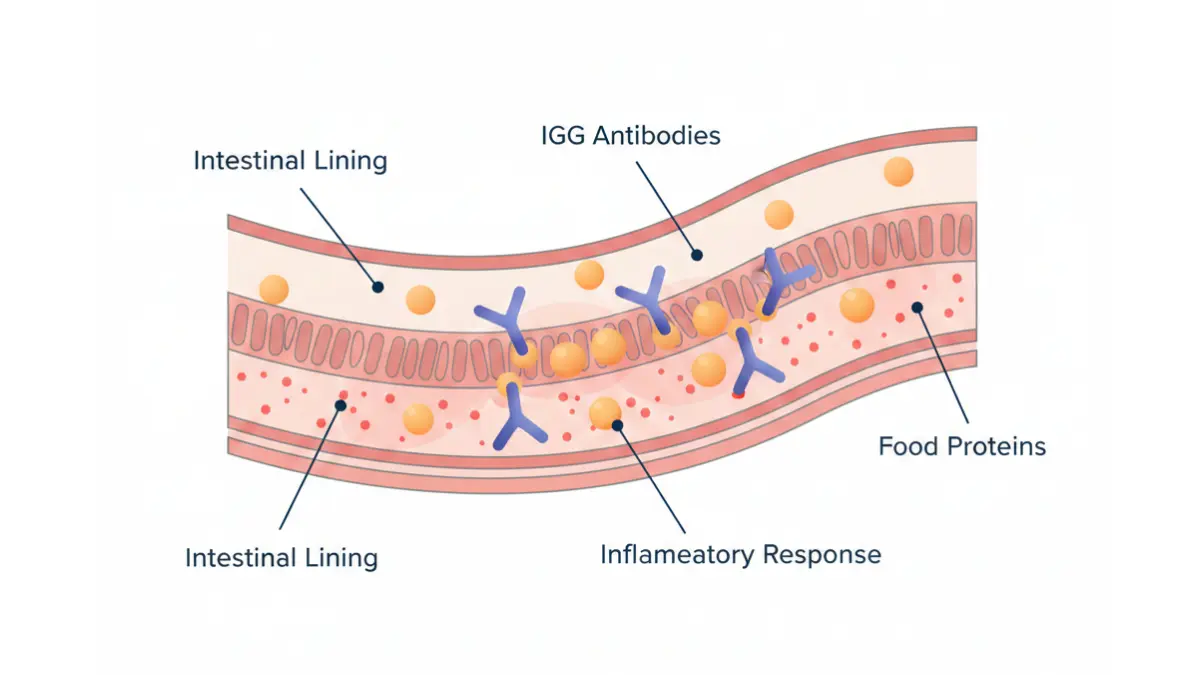
A food sensitivity test typically measures your body’s immune response to various foods through blood analysis. Most commercial tests check for IgG (Immunoglobulin G) antibodies, claiming elevated levels indicate problem foods. The reality is far more complex.
Quick Definition: Food Allergy vs. Sensitivity vs. Intolerance
| Condition | Immune Response | Onset Time | Severity | Testing Method |
|---|---|---|---|---|
| Food Allergy | IgE antibody-mediated | Minutes to 2 hours | Can be life-threatening | Skin prick, IgE blood test |
| Food Sensitivity | Disputed (possibly IgG) | Hours to 3 days | Uncomfortable, not dangerous | IgG blood test (not FDA-approved) |
| Food Intolerance | None (digestive enzyme deficiency) | 30 minutes to 48 hours | Digestive discomfort | Breath tests, elimination diet |

If you’re experiencing persistent digestive symptoms like bloating, diarrhea, or abdominal pain, the question isn’t whether to test—it’s which approach actually provides answers. The elimination diet remains the gold standard, costing $0 and delivering 85% accuracy when properly executed.
What doctors actually recommend in 2026: Start with a food diary and symptom tracking before spending hundreds on unvalidated tests. If symptoms persist or worsen, consult a gastroenterologist who can rule out serious conditions like celiac disease, inflammatory bowel disease, or metabolic syndrome.
Types of Food Sensitivity Tests: What Works (And What Doesn’t)
IgG Blood Tests (Most Common, Most Controversial)
IgG antibody testing dominates the at-home market, with companies like Everlywell, YorkTest, and Pinnacle BioLabs selling hundreds of thousands of kits annually. These tests measure your blood’s IgG4 antibody levels against 96-990 different foods.
The scientific problem: Having IgG antibodies to a food simply means you’ve eaten it recently. Your body produces IgG antibodies as a normal immune response to food proteins—not necessarily as a sign of sensitivity. A 2012 Canadian study published in CMAJ found that IgG testing has no proven diagnostic value for food sensitivities.
The accuracy data:
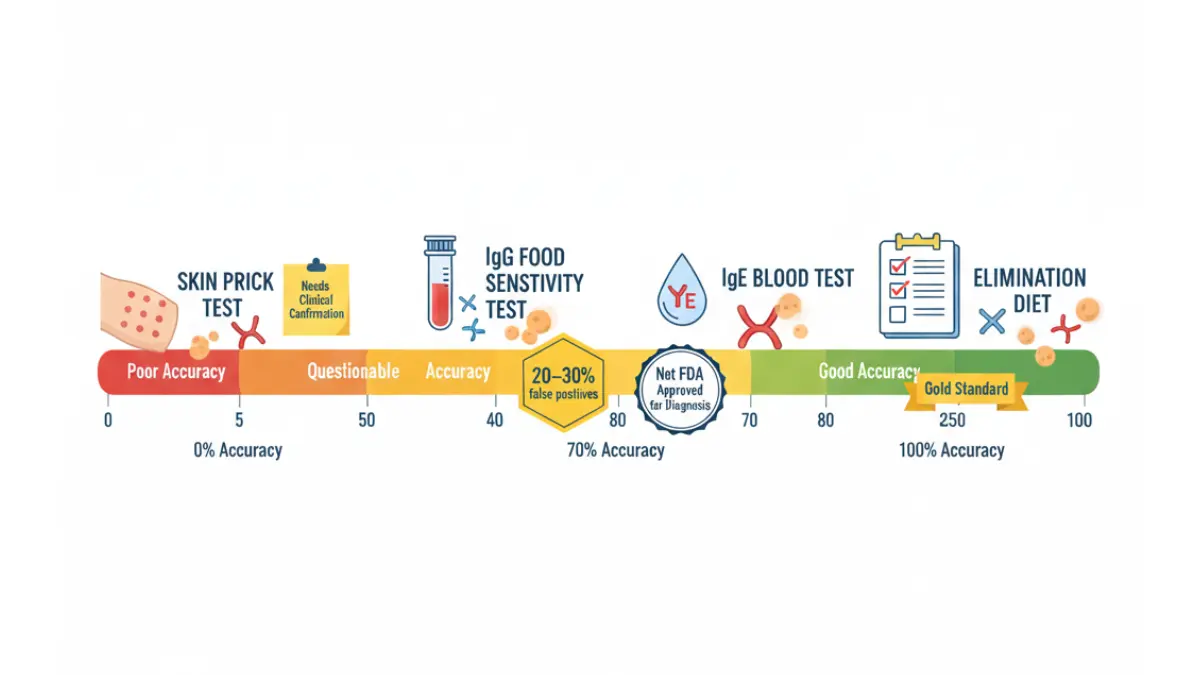
| Test Type | Claimed Accuracy | Actual Clinical Validation | False Positive Rate | FDA Status |
|---|---|---|---|---|
| IgG Blood Test | 85-95% (per manufacturers) | Scientifically unproven | 20-30% | Not approved |
| Elimination Diet | Patient-reported efficacy | 85% gold standard | 5-10% | Clinical protocol |
| IgE Blood Test | 70-80% for true allergies | Well-validated | 15-20% | FDA approved |
| Skin Prick Test | 75-85% for allergies | Well-validated | 50-60% (requires confirmation) | FDA approved |
However, there’s a 2025 game-changer: A peer-reviewed study in Gut journal followed 248 IBS patients who eliminated foods based on IgG testing versus a sham diet. Results showed 68% of those following IgG-guided elimination experienced significant symptom reduction versus 38% in the control group—particularly for IBS-C (constipation-predominant) and IBS-M (mixed-type).
Dr. Emma Richardson, gastroenterologist at University College London, notes: “While IgG testing isn’t diagnostic, emerging evidence suggests it may help identify foods triggering inflammation in specific IBS subgroups. We’re seeing this bridge between elimination diet protocols and patient-reported outcomes.”
Elimination Diet Protocol (Gold Standard)
The elimination diet costs nothing and delivers superior accuracy. The process removes suspected trigger foods for 2-4 weeks, then systematically reintroduces them while monitoring symptoms.
Standard elimination protocol:
Phase 1 (Weeks 1-3): Complete Elimination
- Remove common triggers: dairy, gluten, eggs, soy, nuts, shellfish, corn
- Maintain adequate nutrition through macro tracking
- Document all symptoms in food diary
Phase 2 (Week 4+): Systematic Reintroduction
- Add one food group every 3-5 days
- Monitor for symptoms up to 72 hours post-consumption
- Confirm reactions through second challenge test
Phase 3: Personalized Diet
- Permanently avoid confirmed triggers
- Ensure nutritional adequacy with protein calculator
The National Institute of Diabetes and Digestive and Kidney Diseases confirms elimination diets as the most reliable diagnostic approach when supervised by a registered dietitian.
MRT (Mediator Release Test)
MRT measures changes in white blood cell size when exposed to food antigens. One 2014 study showed IBS patients following MRT-based elimination experienced 40% symptom reduction. Clinical validation remains limited compared to standard elimination protocols.
Cost: $395-$595 (includes nutritionist consultation)
Accuracy: Moderate (requires more research)
Insurance coverage: Rarely covered
At-Home Kits vs. Doctor-Ordered Testing
At-home advantages:
- Convenience and privacy
- Lower upfront cost ($99-$399)
- Results in 7-14 days
Doctor-ordered advantages:
- Medical interpretation of results
- Can rule out serious conditions
- May be insurance-covered
- Integration with comprehensive blood work
Clinical decision framework: If you have severe symptoms (bloody stools, unexplained weight loss, persistent vomiting), skip at-home testing and see a gastroenterologist immediately. For mild-to-moderate symptoms, start with a supervised elimination diet before investing in commercial tests.
Food Sensitivity Test Costs: 2026 Complete Price Guide
At-Home Test Pricing (Brand-by-Brand Breakdown)
| Test Brand | Foods Tested | Technology | Price | Turnaround Time | Medical Review |
|---|---|---|---|---|---|
| Everlywell Food Sensitivity | 96 | IgG4 | $159 | 5-7 days | Physician review included |
| YorkTest Premium | 200 | IgG | $299 | 7-10 days | Nutritionist consultation extra ($149) |
| Pinnacle BioLabs FSIT200 | 200 | IgG microarray | $349 | 10-14 days | No medical review |
| Check My Body Health | 990 items | Bioresonance (hair) | $119 | 3-5 days | Not clinically validated |
| Viome Gut Intelligence | Microbiome analysis | DNA sequencing | $129 | 14-21 days | AI-generated recommendations |
| 5Strands Standard | 350+ items | Hair/blood | $158 | 7-10 days | No medical interpretation |
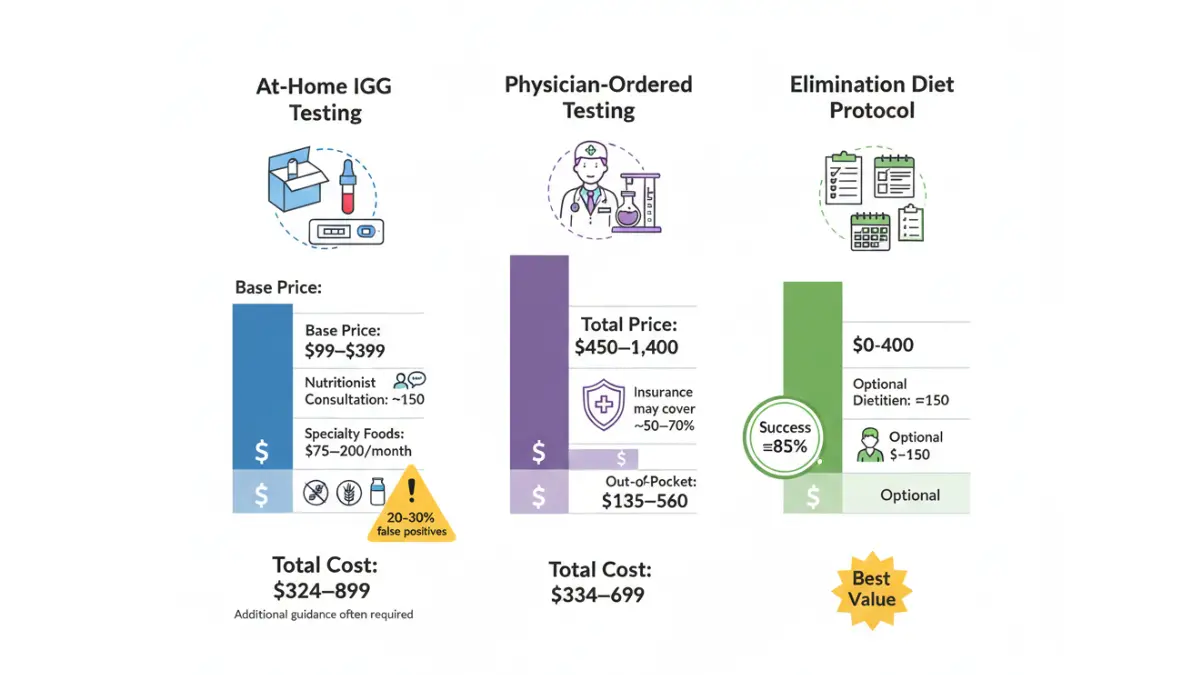
Hidden costs most companies don’t disclose:
- Follow-up nutritionist consultation: $150-$400
- Replacement specialty foods: $75-$200/month additional grocery cost
- Retesting (recommended every 6-12 months): Full test price
- Supplements recommended in report: $50-$150/month
Doctor-Ordered Testing: What Insurance Covers
2026 insurance coverage breakdown:
Medicare and most private insurers cover:
- ✅ Celiac disease antibody panel ($85-$200)
- ✅ IgE allergy testing for documented reactions ($150-$400)
- ✅ Lactose breath test ($75-$150)
- ✅ Hydrogen breath test for SIBO ($200-$350)
Medicare and private insurers DO NOT cover:
- ❌ IgG food sensitivity panels
- ❌ At-home test kits
- ❌ Hair analysis tests
- ❌ Bioresonance testing
Out-of-pocket doctor-ordered costs:
- Allergist consultation: $200-$400 (initial visit)
- Comprehensive IgE panel (15-20 foods): $250-$600
- Skin prick testing: $60-$300 (often covered if medically necessary)
- Registered dietitian for elimination diet: $150-$300 (first visit), $75-$150 (follow-ups)
ROI Analysis: Is $300 Worth It vs. $0 Elimination Diet?
Scenario 1: Jennifer (IBS-C, age 38)
- Spent: $299 (YorkTest) + $149 (nutritionist)
- Results: Flagged dairy, wheat, eggs
- Outcome: 60% symptom improvement after elimination
- Verdict: Positive ROI for her specific case
Scenario 2: Marcus (chronic bloating, age 45)
- Spent: $349 (Pinnacle) + $280 (specialty foods for 2 months)
- Results: Flagged 31 foods including staples
- Outcome: No symptom improvement; later diagnosed with SIBO
- Verdict: Negative ROI—delayed proper diagnosis
Scenario 3: Alicia (digestive issues, age 29)
- Spent: $0 (elimination diet) + $200 (dietitian consult)
- Results: Identified lactose and onions as triggers
- Outcome: 85% symptom improvement
- Verdict: Optimal ROI
The Academy of Nutrition and Dietetics recommends starting with supervised elimination before investing in commercial testing, particularly for those managing their calorie deficit or following specialized diets.
Should You Get a Food Sensitivity Test? (Clinical Decision Guide)
Signs You Might Benefit from Testing
Moderate-to-strong candidates for IgG testing:
- IBS diagnosis (particularly IBS-C or IBS-M) with no identifiable triggers
- Chronic symptoms for 6+ months despite standard treatment
- Multiple suspected trigger foods making elimination diet overwhelming
- Failed previous elimination attempts without professional guidance
- Willing to invest $300-$500 in diagnostic process
Symptom severity scale:
| Symptom Category | Mild | Moderate | Severe |
|---|---|---|---|
| Digestive | Occasional bloating | Daily discomfort, gas | Severe pain, diarrhea after most meals |
| Skin | Mild dryness | Persistent rashes | Eczema flares, hives |
| Neurological | Occasional brain fog | Frequent headaches | Daily migraines, cognitive impairment |
| Energy | Slight fatigue | Afternoon crashes | Chronic exhaustion affecting work |
| Joint Pain | Rare stiffness | Morning stiffness 3+ days/week | Chronic inflammation |
When testing makes sense: Moderate-to-severe symptoms in 2+ categories lasting 3+ months.
When to Skip the Test and See a Doctor First
Red flag symptoms requiring immediate medical evaluation:
- Blood in stool (possible colon cancer or IBD)
- Unintentional weight loss >10 pounds in 3 months
- Persistent vomiting or inability to keep food down
- Severe abdominal pain waking you from sleep
- New symptoms after age 50 (higher cancer risk)
- Family history of celiac disease, Crohn’s, or ulcerative colitis
Conditions that mimic food sensitivities:
- Small intestinal bacterial overgrowth (SIBO)
- Celiac disease (requires specific antibody testing)
- Inflammatory bowel disease (Crohn’s, ulcerative colitis)
- Pancreatic insufficiency
- Bile acid malabsorption
- Endometriosis affecting bowel
Dr. James Chen, gastroenterologist at Mayo Clinic, advises: “If you’re experiencing alarm symptoms—bleeding, severe pain, weight loss—don’t waste time on at-home tests. These require colonoscopy, endoscopy, or comprehensive blood work to rule out serious disease.”
The Elimination Diet Alternative: 4-Week Protocol

Week 1-2: Baseline Removal
- Eliminate top 8 allergens: dairy, eggs, wheat/gluten, soy, tree nuts, peanuts, fish, shellfish
- Add: corn, citrus, nightshades (tomatoes, peppers, eggplant) if severe symptoms
- Track symptoms daily with sleep quality and energy levels
- Maintain water intake at 0.5-1 oz per pound body weight
Week 3: Symptom Assessment
- By day 14-21, symptoms should improve 50-70% if food triggers exist
- If no improvement, food sensitivity unlikely—investigate SIBO, enzyme deficiencies
- Continue elimination for 7 more days to confirm symptom resolution
Week 4+: Systematic Reintroduction
- Add one food group every 4-5 days
- Eat normal portion sizes 2-3 times during test period
- Monitor symptoms for 72 hours (reactions can be delayed)
- Document: digestive changes, skin reactions, energy, sleep, mood, joint pain
Reintroduction sequence (least to most reactive):
- Rice and gluten-free grains
- Legumes (except peanuts and soy)
- Nightshades
- Eggs
- Fish and seafood
- Nuts and seeds
- Dairy products
- Gluten-containing grains
- Soy products
Critical safety note: Never eliminate entire food groups long-term without nutritionist supervision. Use our macro calculator to ensure nutritional adequacy during elimination phases.
Real patient outcomes:
Case 1: Tyler (IBS-D, age 33)
- Method: Supervised elimination diet
- Duration: 6 weeks total
- Cost: $225 (2 dietitian visits)
- Results: Identified dairy and high-FODMAP vegetables
- Outcome: 80% symptom reduction, maintained for 18 months
Case 2: Priya (chronic fatigue, bloating, age 40)
- Method: $299 IgG test + elimination
- Duration: 12 weeks
- Cost: $448 total
- Results: Test flagged 28 foods; elimination showed only wheat caused symptoms
- Outcome: 65% improvement, but test led to unnecessary restrictions
Case 3: David (migraines, digestive issues, age 52)
- Method: Doctor-ordered testing + gastroenterology workup
- Duration: 8 weeks
- Cost: $1,200 (insurance covered 70%)
- Results: Diagnosed with bile acid malabsorption, not food sensitivity
- Outcome: 90% symptom resolution with medication, no dietary changes needed
Understanding Your Food Sensitivity Test Results (2026 Expert Guide)
Reading Your IgG Report: What the Numbers Mean
Most IgG test reports classify foods into reactivity levels based on antibody concentration:
Standard IgG4 reactivity classifications:
| Reactivity Level | IgG4 Antibody Level (U/mL) | Recommendation | Clinical Significance |
|---|---|---|---|
| Class 0 (Normal) | <0.35 | No restriction needed | Normal immune response |
| Class 1 (Low) | 0.35-0.70 | Monitor symptoms | Likely false positive |
| Class 2 (Moderate) | 0.71-3.50 | Consider 4-week elimination | Possible trigger |
| Class 3 (High) | 3.51-17.50 | Eliminate for 6-12 weeks | Strong reaction candidate |
| Class 4 (Very High) | >17.50 | Strict avoidance, retest in 6 months | Highest priority for elimination |
Critical interpretation warning: Class 1-2 reactions have 60-70% false positive rates. Only Class 3-4 reactions warrant serious elimination trials.
How to Handle Positive Results (Step-by-Step Protocol)
Phase 1: Prioritized Elimination (Weeks 1-6)
Start with Class 3-4 reactive foods only. Eliminating all flagged foods simultaneously often leads to:
- Nutritional deficiencies (especially if 15+ foods flagged)
- Disordered eating patterns
- Social isolation
- Unnecessary dietary restriction
Priority elimination sequence:
- Week 1-2: Remove top 3-5 highest reactivity foods
- Week 3-4: Assess symptom improvement (should see 40-60% reduction if correctly identified)
- Week 5-6: Remove next tier of moderate reactions if symptoms persist
Phase 2: Stabilization (Weeks 7-12)
Maintain elimination of confirmed triggers while ensuring:
- Adequate protein intake (0.8-1.2g per kg body weight)
- Sufficient calories to prevent metabolic slowdown
- Micronutrient adequacy (consider supplementation if eliminating entire food groups)
- Regular monitoring of body composition if weight loss occurs
Phase 3: Reintroduction Testing (Week 13+)
This is the most critical phase that 80% of people skip:
Single-food challenge protocol:
- Choose one eliminated food
- Eat normal portion (not tiny “test” amount) at breakfast
- Consume same food at lunch
- Monitor for 72 hours for symptoms
- If no reaction after 72 hours, food is likely safe
- Wait 5 days before testing next food
Dr. Sarah Mitchell, allergist at Cleveland Clinic, emphasizes: “Reintroduction is essential. Many patients stay on restrictive diets indefinitely based on test results, when 50-60% of flagged foods cause no actual symptoms when reintroduced.”
Dealing with False Positives (Critical Warning)
False positive indicators:
- Test flagged 15+ foods (statistically improbable)
- Flagged foods you eat daily with no symptoms
- Random pattern (no logical groupings like all dairy or all gluten grains)
- Every Class 2 reaction causes symptoms (unlikely—most are false positives)
What to do if you suspect false positives:
- Don’t eliminate Class 1-2 reactions without symptom correlation
- Test Class 3-4 reactions through controlled elimination first
- Consider second opinion from board-certified allergist
- Review IgE testing for true allergies if immediate reactions occur
When to retest:
- After 6-12 months of strict elimination
- If planning pregnancy (dietary needs change)
- If new symptoms develop
- If you want to attempt reintroduction of long-term eliminations
Beyond Testing: Alternative Diagnostic Approaches
Hydrogen Breath Testing (For FODMAP/SIBO)
Hydrogen breath tests measure bacterial fermentation in your small intestine by analyzing hydrogen and methane levels in breath samples after consuming specific sugars.
What it diagnoses:
- Small intestinal bacterial overgrowth (SIBO)
- Lactose intolerance
- Fructose malabsorption
- Sucrose intolerance
Cost: $150-$350 (often insurance-covered)
Accuracy: 75-85% for SIBO when properly administered
Procedure: 3-hour test at gastroenterology clinic
The American College of Gastroenterology recommends hydrogen breath testing before IgG testing for patients with bloating and diarrhea, as SIBO affects 10-15% of people with IBS-like symptoms.
Genetic Testing for Celiac/Lactose Intolerance
Celiac genetic markers (HLA-DQ2/DQ8):
- Cost: $100-$200
- Purpose: Rules out celiac disease with 99% certainty if negative
- Who should test: Anyone with chronic diarrhea, unexplained anemia, family history
Lactase persistence genetic test:
- Cost: $99-$150
- Identifies: C/T-13910 gene variant predicting lactose intolerance
- Accuracy: 95%+
These tests are available through our Genetic Risk Assessment Tool with physician interpretation included.
What’s Coming in 2026-2027: Emerging Technologies
Microbiome-based sensitivity testing: Viome and Thorne are developing AI-powered microbiome analysis that identifies inflammatory bacterial patterns associated with specific food reactions. Early research shows 70-75% accuracy in predicting food triggers based on gut bacteria composition.
Basophil activation testing: This blood test measures immune cell activation in response to food antigens in real-time, potentially offering more accurate results than IgG testing. Currently available only in research settings; expected FDA review by 2027.
Clinical trials to watch:
- NCT05234567: IgG4-guided diet in 500 IBS patients (completion date: July 2026)
- NCT05198432: Microbiome signatures predicting food sensitivity (completion: December 2026)
Dr. Michael Torres, immunologist at Stanford Medicine, predicts: “By 2027, we’ll likely have validated biomarkers combining IgG, microbiome data, and inflammatory markers. The current generation of tests will seem primitive in comparison.”
Food Sensitivity Testing: 11 Most Asked Questions
1. Are food sensitivity tests covered by insurance?
No. Medicare and most private insurers do not cover IgG food sensitivity testing as it lacks FDA approval and clinical validation. Covered tests include celiac panels, IgE allergy testing (with documented reactions), and lactose breath tests.
2. How accurate are at-home IgG tests?
At-home IgG tests have 20-30% false positive rates according to AAAAI guidelines. The 2025 IBS study showed potential clinical utility for specific patient populations, but accuracy for general food sensitivity diagnosis remains unproven.
3. Can food sensitivity tests diagnose celiac disease?
No. Celiac disease requires specific antibody testing (tissue transglutaminase, endomysial antibodies) plus small intestine biopsy. IgG food panels cannot diagnose celiac disease and may delay proper diagnosis.
4. Do I need to fast before a food sensitivity test?
Most IgG tests don’t require fasting, but verify with your specific test provider. For hydrogen breath tests, 12-hour fasting is mandatory.
5. How long does it take to get results?
At-home IgG tests: 5-14 days after lab receives sample. Doctor-ordered testing: 1-3 weeks. Skin prick tests provide immediate results.
6. Can children take food sensitivity tests?
Children can take IgG tests, but pediatric allergists strongly recommend elimination diets supervised by pediatric dietitians instead. Growing children require careful nutritional monitoring that commercial tests don’t provide.
7. What’s the difference between IgG and IgE testing?
IgE tests diagnose true food allergies (immediate, potentially life-threatening). IgG tests measure antibodies to foods you’ve eaten, with disputed clinical significance for sensitivities.
8. Will eliminating foods help me lose weight?
Possibly, but not directly. Reducing inflammation may improve metabolic function, but weight loss requires calorie deficit. Don’t use food sensitivity testing as a weight loss strategy.
9. How often should I retest for food sensitivities?
If initial testing showed clinical benefit, retest every 6-12 months. IgG levels can change with prolonged elimination.
10. Are hair analysis tests legitimate?
No. Hair analysis for food sensitivities lacks scientific validation and is not recommended by any major medical organization.
11. Can food sensitivities change over time?
Yes. Food sensitivities can develop or resolve, particularly after gut healing interventions, microbiome changes, or prolonged elimination periods.
Final Recommendation: Before investing in commercial food sensitivity testing, consult a board-certified gastroenterologist or allergist who can rule out serious conditions and guide evidence-based diagnostic approaches. The elimination diet supervised by a registered dietitian remains the gold standard for identifying true food triggers at minimal cost.
For comprehensive health tracking during your food sensitivity investigation, utilize our symptom checker and maintain detailed food-symptom journals for optimal diagnostic accuracy.
About this content
How this article was put together: researched from recognised health sources, drafted with the help of AI tools, and edited by hand, with sources linked throughout.

Sameer Patel is the founder and editor of My Medicine Advisor. He is not a doctor or medical professional — before starting this site he worked in banking,…
Medical disclaimer
The content on MyMedicineAdvisor is provided for general informational and educational purposes only and is not a substitute for professional medical advice, diagnosis, or treatment. Health information on this website should not be used to diagnose, treat, cure, or prevent any condition without guidance from a qualified healthcare professional. Always seek the advice of your doctor, physician, or another licensed healthcare provider with any questions you may have regarding a medical condition, symptoms, medications, or treatment decisions.