On This Page – Quick Medical Summary
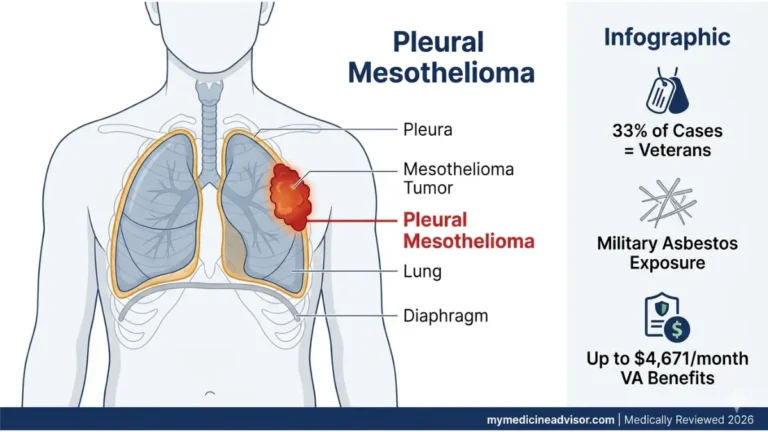
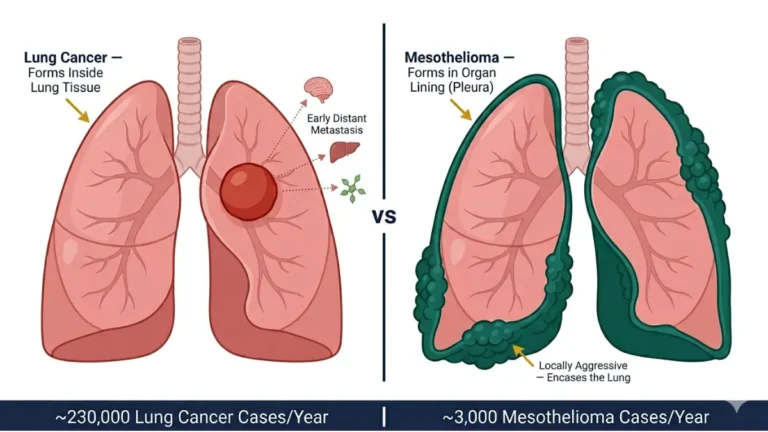
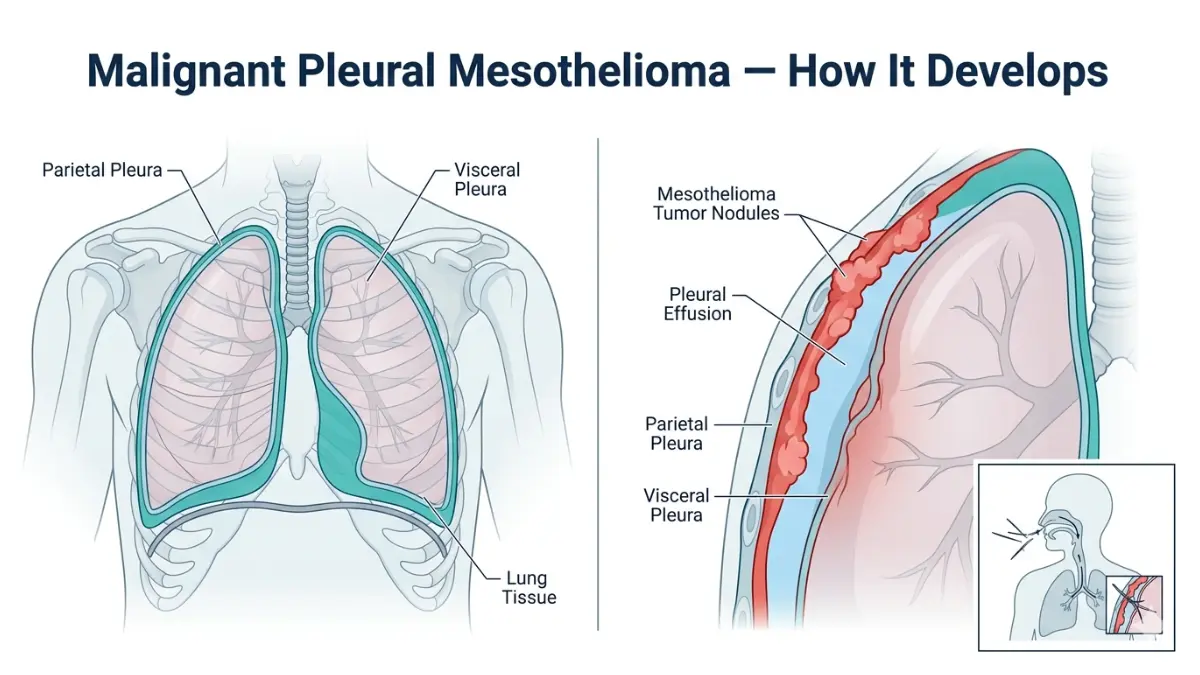
Pleural mesothelioma is a rare, aggressive cancer that forms in the pleura — the thin membrane lining your lungs and chest wall. It is directly caused by asbestos fiber inhalation and accounts for 80–90% of all mesothelioma cases. The average life expectancy after diagnosis is 12–21 months. The overall 5-year survival rate is 12%. But in 2026, FDA-approved immunotherapy combinations are extending survival for thousands of Americans well beyond those numbers.
📌 Disclaimer: This article is for educational purposes only and does not constitute medical advice. Always consult a board-certified oncologist for diagnosis, staging, and treatment decisions.
What Is Pleural Mesothelioma? Causes & Who Is Most at Risk
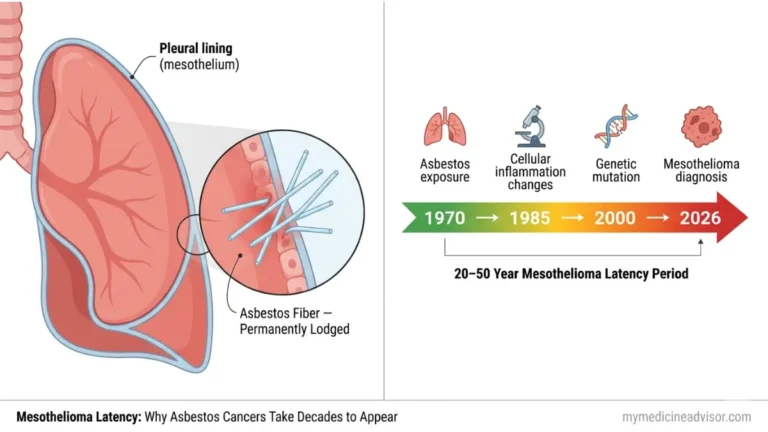
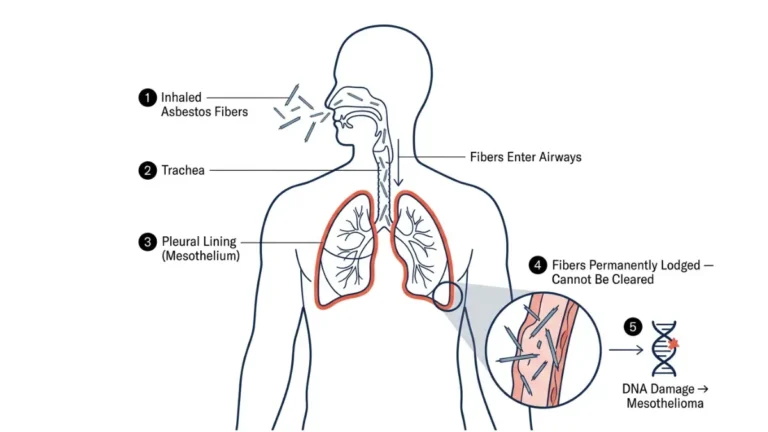
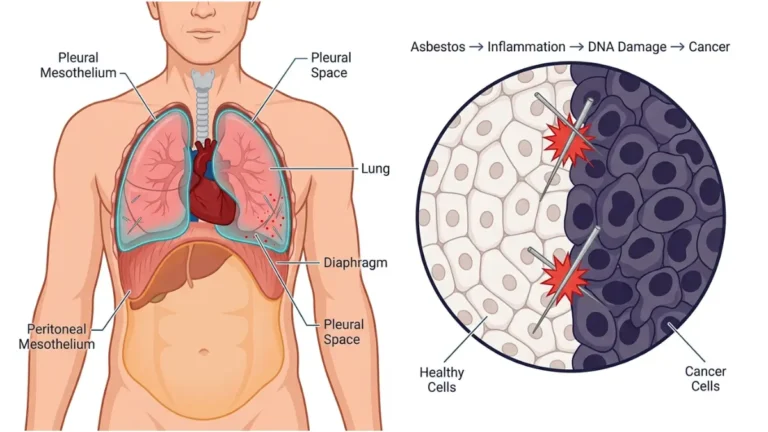
Pleural mesothelioma — formally called malignant pleural mesothelioma (MPM) — develops when asbestos fibers are inhaled and become permanently lodged in the pleural lining. Over 20–50 years, these fibers trigger chronic inflammation, DNA damage, and uncontrolled mesothelial cell growth.
Asbestos is the only confirmed cause. Smoking alone does not cause mesothelioma, though it significantly worsens outcomes in patients with concurrent asbestos exposure, as confirmed by NIH StatPearls 2026 clinical data.
The average age at diagnosis is 72 years. A latency period of 30–50 years between first exposure and diagnosis is typical — meaning someone exposed on a Navy shipyard in 1975 may only be receiving a diagnosis today.
Who Is Most at Risk?
High-Risk Occupations & Exposure Groups:
| Group | Exposure Source | Risk Level |
|---|---|---|
| Construction workers (pre-1990) | Insulation, floor tiles, ceiling tiles | 🔴 Very High |
| U.S. Navy veterans (pre-1980) | Shipyard insulation, boiler rooms | 🔴 Very High |
| HVAC & pipefitting workers | Pipe insulation, gaskets | 🔴 High |
| Automotive mechanics | Brake pads, clutch linings | 🟠 Moderate-High |
| Firefighters | Older building demolition materials | 🟠 Moderate |
| Family members (secondary exposure) | Asbestos fibers on work clothing | 🟡 Indirect |
A critical risk factor most competing sites miss: Patients carrying a BAP1 gene mutation face significantly elevated lifetime mesothelioma risk. If your family history includes mesothelioma, kidney cancer, or uveal melanoma, hereditary genetic screening is warranted. Use our free Genetic Risk Assessment Tool to evaluate your baseline hereditary cancer risk profile.
If you have a history of occupational asbestos exposure and are noticing new chest pain, breathlessness, or persistent dry cough, document your symptoms now using our Symptom Checker before your physician appointment.
For important context on a related asbestos-linked condition that often precedes a mesothelioma diagnosis, read our guide on asbestosis symptoms and the deadly delay.
3 Types of Pleural Mesothelioma — Cell Types That Determine Your Survival
This is the section every major competitor omits or glosses over. Your cell type — confirmed by pleural biopsy — is the single most powerful predictor of treatment eligibility and survival outcome.
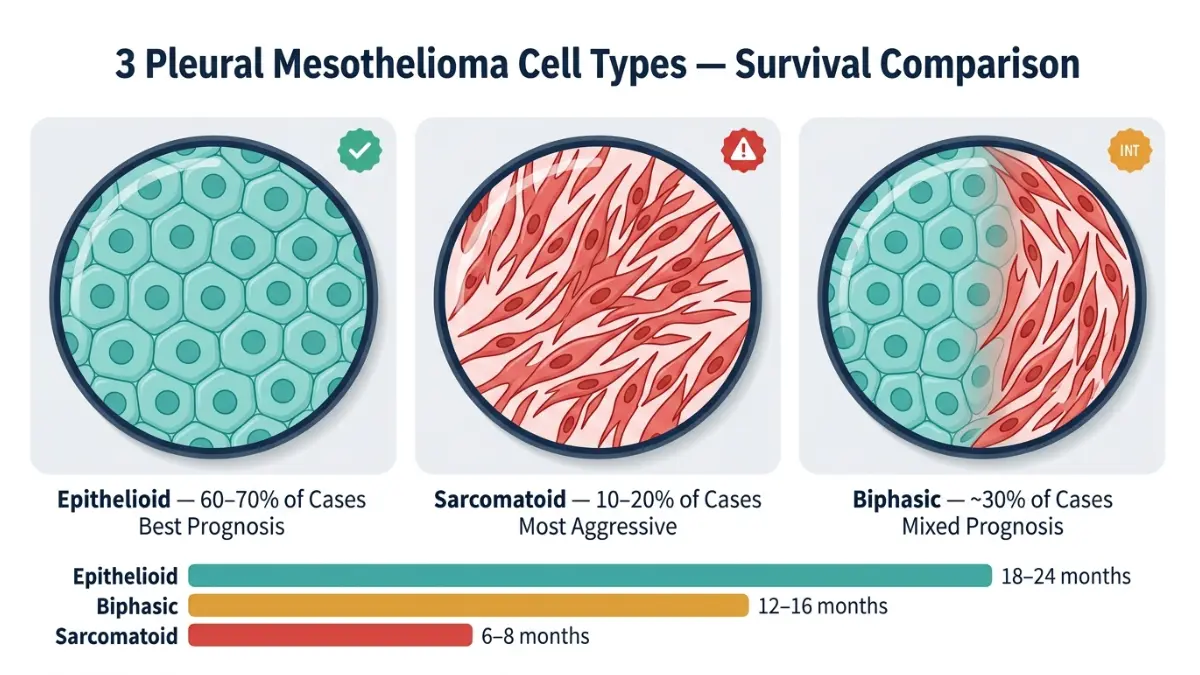
Epithelioid Mesothelioma — Best Prognosis
- Accounts for: 60–70% of all pleural mesothelioma cases
- Cell behavior: Uniform, slower-dividing cells; slower to spread
- Median survival: 18–24 months with treatment
- Treatment response: Best — eligible for surgery, responds well to immunotherapy and chemotherapy
- Diagnostic markers: Calretinin and WT-1 positive on immunohistochemistry
Sarcomatoid Mesothelioma — Most Aggressive Type
- Accounts for: 10–20% of cases
- Cell behavior: Spindle-shaped; fastest growing and spreading cell type
- Median survival: 6–8 months even with aggressive treatment
- Treatment response: Poorest for surgery — but the Opdivo + Yervoy combination showed specific benefit for non-epithelioid subtypes in the landmark CheckMate-743 trial
- Key fact: BAP1 loss is most concentrated in sarcomatoid tumors
Biphasic Mesothelioma — Mixed Prognosis
- Accounts for: ~30% of cases
- Cell behavior: Contains both epithelioid and sarcomatoid components
- Median survival: 12–16 months; outcome depends heavily on which cell type dominates the biopsy sample
- Treatment response: Moderate — significantly better when epithelioid cells represent the majority
Cell Type Survival Comparison:
| Cell Type | % of Cases | Median Survival | Surgery Eligible? | Immunotherapy Response |
|---|---|---|---|---|
| Epithelioid | 60–70% | 18–24 months | ✅ Often | ✅ Good |
| Sarcomatoid | 10–20% | 6–8 months | ❌ Rarely | ⚠️ Best option for this subtype |
| Biphasic | ~30% | 12–16 months | ⚠️ Sometimes | ✅ Moderate |
📋 What This Means For You: Ask your pathologist directly: “What percentage of my biopsy is epithelioid versus sarcomatoid?” That ratio determines every treatment decision your oncologist will make going forward.
The 4 Stages of Pleural Mesothelioma — What Each Stage Really Means
Doctors use the TNM (Tumor-Node-Metastasis) staging system to classify how far malignant pleural mesothelioma has spread. Stage at diagnosis is the second most powerful survival predictor after cell type.
The critical reality: most patients are diagnosed at Stage 3 or 4 because early-stage pleural mesothelioma produces symptoms easily dismissed as aging, acid reflux, or a minor chest strain.
Stage 1 — Localized, Best Treatment Window
- What’s happening: Cancer confined entirely to the pleura on one side of the chest
- Substages: 1A (outer pleura only) / 1B (inner pleura involved, no lymph nodes)
- Median survival: 21 months
- 5-year survival rate: 16%
- Surgery eligible: ✅ Yes — best candidates for EPP or lung-sparing P/D
- Reality check: Fewer than 10% of patients are diagnosed at this stage
Stage 2 — Early Spread, Surgery Still Possible
- What’s happening: Cancer has extended to the chest wall, lung surface, or diaphragm; lymph nodes not yet involved
- Median survival: 19 months
- 5-year survival rate: 13%
- Surgery eligible: ✅ Often
- Key data point: Stage 2 patients undergoing multimodal therapy (surgery + chemotherapy + radiation) show median survival of 20–31 months
Stage 3 — Advanced, Limited Surgery Options
- What’s happening: Cancer has reached lymph nodes and may involve nearby organs
- Median survival: 16 months
- 5-year survival rate: 11%
- Surgery eligible: ⚠️ Selected cases only
- 2025 update: Immunotherapy combinations are now the frontline standard for Stage 3 per ASCO January 2025 guidelines
Stage 4 — Distant Spread, Palliative Focus
- What’s happening: Cancer has spread to the opposite pleura, bones, liver, or distant organs
- Median survival: 12 months with treatment; 6–8 months without
- 5-year survival rate: 4–7%
- Surgery eligible: ❌ No
- Key breakthrough: Opdivo + Yervoy immunotherapy has produced 18.1-month median OS in Stage 4 patients versus 14.1 months on chemotherapy alone
Master Stage Survival Reference Table:
| Stage | TNM Description | Median Survival | 5-Year Rate | Surgery? |
|---|---|---|---|---|
| Stage 1 | Pleura only, one side | 21 months | 16% | ✅ Yes |
| Stage 2 | Chest wall/diaphragm, no nodes | 19 months | 13% | ✅ Often |
| Stage 3 | Lymph node involvement | 16 months | 11% | ⚠️ Selected |
| Stage 4 | Distant metastasis | 12 months | 4–7% | ❌ No |
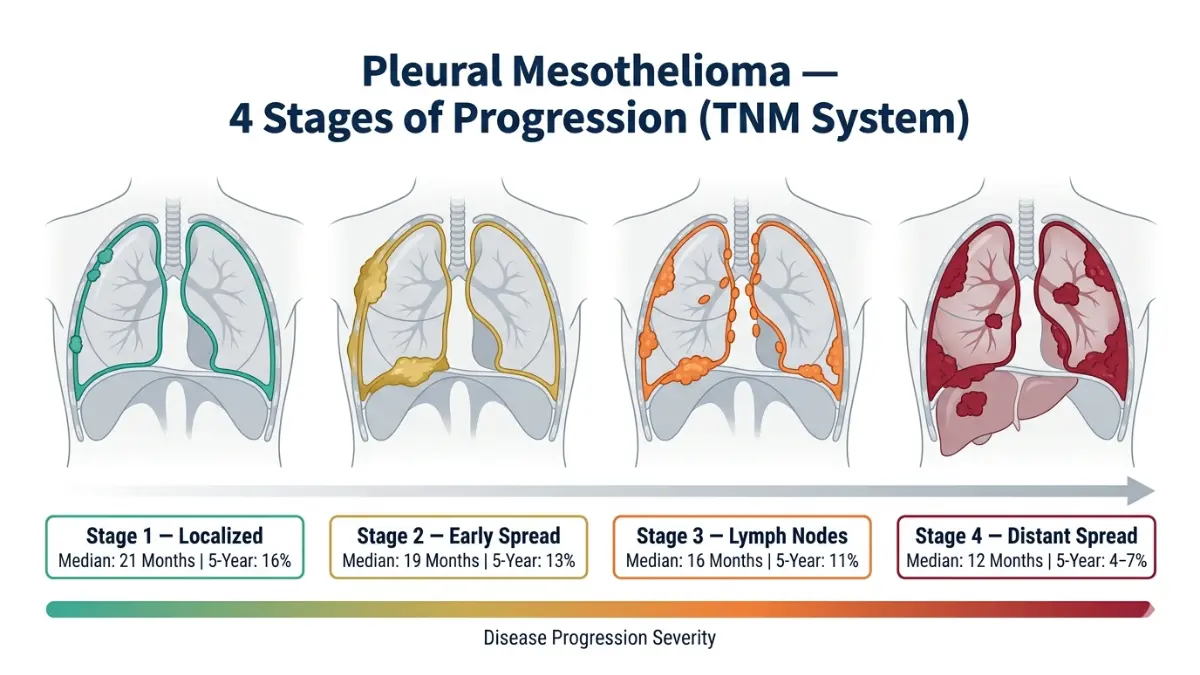
Source: American Cancer Society — Pleural Mesothelioma Survival Statistics | Based on SEER data, 2015–2021 diagnoses
📋 What This Means For You: Stage 1–2 = pursue surgical consultation at an NCI-designated mesothelioma center immediately. Stage 3–4 = FDA-approved immunotherapy combinations are your most powerful frontline weapon in 2026, not chemotherapy alone.
For how similarly rare thoracic cancers are staged and managed, see our detailed guides on small cell lung cancer survival rates and Stage 1 lung cancer survival outcomes.
2026 Treatment Options — Surgery, Chemotherapy & FDA-Approved Immunotherapy
Three FDA approvals and a landmark January 2025 ASCO guideline shift have fundamentally changed how malignant pleural mesothelioma is treated in the United States. Here is the complete 2026 treatment landscape.
Surgery — EPP vs. Pleurectomy/Decortication (P/D)
1. Extrapleural Pneumonectomy (EPP)
- Removes the affected lung, pleural lining, part of the diaphragm, and the pericardium
- Most aggressive surgical option; reserved for fit, early-stage patients
- Combined with chemotherapy + radiation: 5-year survival rate of 24%
2. Pleurectomy/Decortication (P/D)
- Removes the pleural lining and all visible tumors — both lungs spared
- Per the Journal of Thoracic Disease: 5-year survival rate of 29%
- ASCO January 2025 update: Lung-sparing P/D is now the preferred surgical approach over EPP for most eligible patients
Chemotherapy — Standard First-Line Protocol
- Regimen: Cisplatin + Pemetrexed (Alimta) — the backbone of mesothelioma treatment for two decades
- Median survival gain: ~12 months versus 4–8 months untreated
- Now increasingly combined with immunotherapy for superior outcomes
- Common side effects: nausea, fatigue, peripheral neuropathy, hair loss
FDA-Approved Immunotherapy in 2026 — The Game Changer
Opdivo + Yervoy (Nivolumab + Ipilimumab)
- FDA-approved October 2020 for unresectable malignant pleural mesothelioma
- CheckMate-743 trial: 18.1 months median OS vs. 14.1 months on chemotherapy alone
- Especially effective for sarcomatoid and biphasic subtypes — the hardest-to-treat cell types
- First immunotherapy combination specifically approved for any mesothelioma
Keytruda (Pembrolizumab) + Chemotherapy
- FDA fast-track designation May 2024; full approval September 2024
- Superior tumor response rates versus chemotherapy alone for unresectable pleural mesothelioma
- Now included in first-line treatment protocols at major U.S. cancer centers
Tumor Treating Fields (TTFields)
- FDA-approved in combination with chemotherapy for unresectable pleural mesothelioma
- Novel electric field therapy worn as a device on the chest; disrupts tumor cell division
- Non-invasive with additive survival benefit when combined with standard chemotherapy
For a deeper understanding of how these agents work at a cellular level, read our comprehensive guide on how immunotherapy works and our 2026 chemotherapy guide covering side effects and protocols.
2026 Treatment Decision Framework:
| Patient Profile | Recommended Approach | Expected Median OS |
|---|---|---|
| Stage 1–2, epithelioid, medically fit | Surgery (P/D) + chemo + radiation | 20–31 months |
| Stage 3–4, unresectable, any cell type | Opdivo + Yervoy OR Keytruda + chemo | ~18.1 months |
| Stage 3–4, sarcomatoid specifically | Opdivo + Yervoy (CheckMate-743 data) | 18.1 months |
| All stages, unresectable | TTFields + chemotherapy | Additive to chemo baseline |
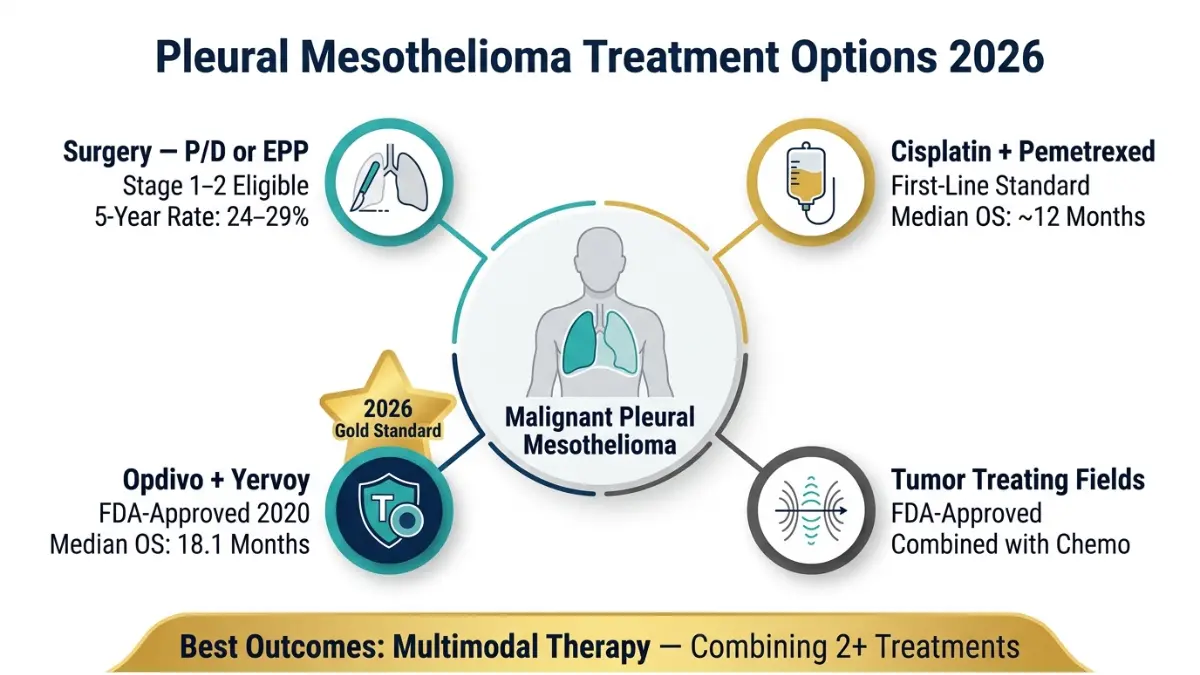
Full FDA approval details for nivolumab + ipilimumab in mesothelioma are available at NIH’s current malignant mesothelioma clinical overview.
📋 What This Means For You: If diagnosed after September 2024, ask your oncologist specifically: “Am I a candidate for Keytruda + pemetrexed/cisplatin, or the Opdivo + Yervoy protocol?” Eligibility depends on your cell type, stage, and PD-L1 expression level — these are not interchangeable options.
Pleural Mesothelioma Survival Rates in 2026 — The Complete Data
Here is every critical survival data point — sourced, organized, and explained in plain language for patients and families.
Treatment vs. No Treatment: The Stark Difference
| Treatment Status | Life Expectancy |
|---|---|
| No treatment at all | 4–12 months |
| Chemotherapy alone | ~12 months median |
| Surgery — P/D | 20–29 months; 5-year rate: 29% |
| Surgery — EPP + trimodal therapy | 5-year rate: 24% |
| Opdivo + Yervoy immunotherapy | 18.1 months median OS |
| Multimodal therapy at specialist center | Up to 31+ months |
Factors That Significantly Improve Survival
Research consistently identifies these variables as protective:
- Age under 50 — younger patients show substantially higher 5-year survival rates in SEER data
- Epithelioid cell type — responds best to every available treatment modality
- Early-stage diagnosis (Stage 1–2) — surgery eligibility alone approximately doubles median survival
- Female sex — women consistently show higher survival rates across SEER population studies
- Specialist center care — Moffitt Cancer Center reports 5-year survival rates nearly 2.5x higher than national averages
- Multimodal therapy — combining surgery, chemotherapy, and immunotherapy consistently produces the best outcomes
- No concurrent smoking — does not cause mesothelioma but significantly worsens treatment tolerance and outcomes
Real Patient Outcome Context
Thomas R., a 61-year-old retired construction foreman from Ohio, was diagnosed with Stage 3 epithelioid pleural mesothelioma in mid-2024. After being referred to a specialist mesothelioma center, he enrolled in a protocol combining Opdivo + Yervoy with TTFields therapy. At 16 months post-diagnosis, his disease has stabilized. His oncologist confirmed his outcome tracks with the upper quartile of CheckMate-743 trial results.
This is not exceptional. Patients who reach specialist mesothelioma centers within 60 days of diagnosis consistently outperform national average statistics.
📋 What This Means For You: National average survival figures reflect outcomes across all care settings, including patients who never accessed a mesothelioma specialist. Patients treated at NCI-designated centers with multimodal protocols regularly exceed these benchmarks.
For broader context on how survival rates compare across related cancers, see our in-depth analysis of mesothelioma survival rates and symptoms and mesothelioma life expectancy — what the data actually shows.
How Pleural Mesothelioma Is Diagnosed — And Your Critical Next Steps
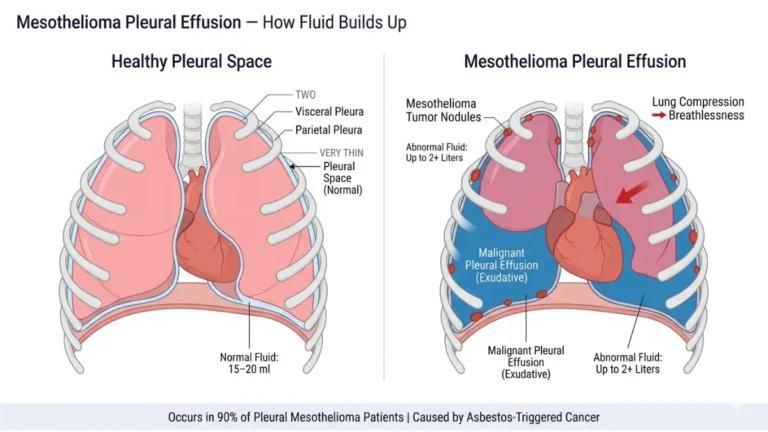
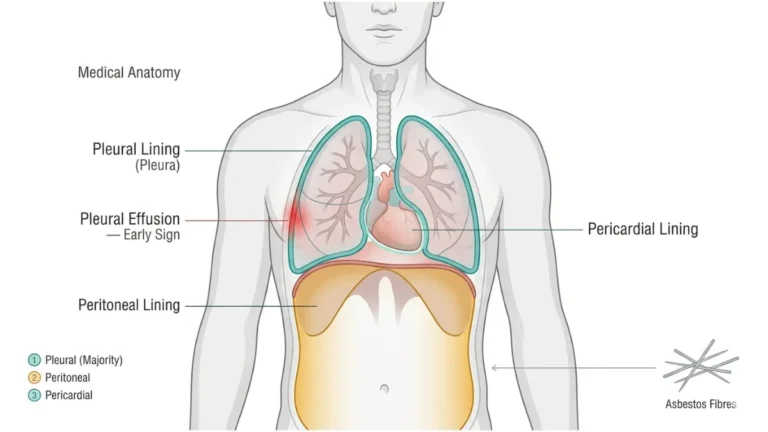
Most patients with malignant pleural mesothelioma are diagnosed after 3–6 months of symptoms they attributed to aging or minor musculoskeletal strain. The most common presenting symptom — pleural effusion (fluid buildup around the lung) — is routinely mistaken for pneumonia or heart failure at first presentation.
Common Early Warning Symptoms
- Persistent chest pain or tightness — not relieved by rest or position change
- Progressive breathlessness — worsening gradually over weeks
- Unexplained dry, persistent cough
- Pleural effusion — fluid around the lung; often the first imaging finding
- Unexplained fatigue and weight loss
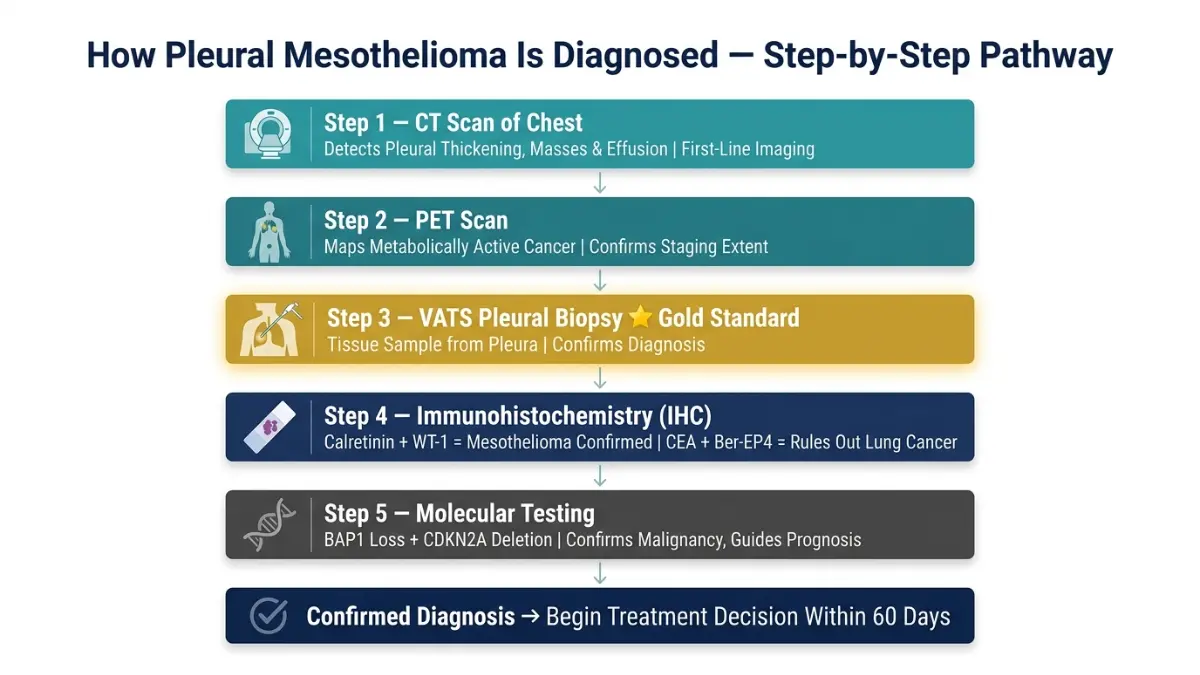
Key Diagnostic Tests
1. CT Scan of the Chest First-line imaging. Detects pleural thickening, masses, and effusion. Findings consistent with MPM trigger urgent biopsy referral.
2. PET Scan Identifies metabolically active cancer tissue throughout the body. Critical for accurate TNM staging and ruling out distant metastasis.
3. VATS Pleural Biopsy Video-Assisted Thoracoscopic Surgery — the gold standard diagnostic procedure. A tissue sample is taken directly from the pleura for pathological analysis.
4. Immunohistochemistry (IHC) Laboratory protein marker analysis of biopsy tissue:
- Positive markers confirming mesothelioma: Calretinin, WT-1, D2-40
- Negative markers ruling out lung cancer: CEA, Ber-EP4
5. Molecular Testing
- BAP1 loss on IHC confirms malignancy and guides prognosis
- CDKN2A (p16) deletion detected by FISH — rules out reactive mesothelial proliferation
For guidance on interpreting imaging results after suspected mesothelioma findings, see our detailed guides on CT scan abnormalities and what comes next and PET scan SUV chart and result decoding.
5 Questions to Ask Your Oncologist After Diagnosis
- “What is my exact cell type and what percentage of my biopsy is epithelioid?”
- “Am I eligible for surgery — P/D or EPP — and at which specialist center do you recommend it?”
- “Should I receive Opdivo + Yervoy or Keytruda + chemotherapy as first-line therapy?”
- “Are there open clinical trials I qualify for, including CAR T-cell or cancer vaccine trials in 2026?”
- “Do you recommend a second opinion at an NCI-designated mesothelioma specialist center?”
A second opinion at a specialist center is not just acceptable — it is actively recommended for all rare cancer diagnoses by the American Cancer Society.
📋 What This Means For You: If your GP or general pulmonologist suspects mesothelioma from imaging, request an urgent referral to a thoracic oncologist — not a general chest physician. Time from diagnosis to first specialist treatment decision is one of the strongest independent predictors of outcome in malignant pleural mesothelioma.
For additional reading within our mesothelioma content cluster, see:
- 5 Signs and Symptoms of Mesothelioma
- What Is the Main Cause of Mesothelioma?
- End-Stage Mesothelioma — What to Expect
- Mesothelioma Cancer Recovery Guide
Most Asked Questions About Pleural Mesothelioma (2026)
1. What is the life expectancy for pleural mesothelioma?
Average life expectancy is 12–21 months after diagnosis, depending on stage and cell type. Patients treated at specialist centers with 2026 immunotherapy protocols are increasingly surviving 24–36+ months.
2. What are the 4 stages of pleural mesothelioma?
Stage 1 (localized, 21-month median), Stage 2 (early spread, 19 months), Stage 3 (lymph node involvement, 16 months), Stage 4 (distant spread, 12 months). Staging uses the TNM system.
3. Is pleural mesothelioma curable in 2026?
No stage is considered curable. However, surgery, immunotherapy combinations (Opdivo + Yervoy, Keytruda), and clinical trials can meaningfully extend survival and quality of life.
4. What causes pleural mesothelioma?
Asbestos fiber inhalation is the primary cause in over 80% of cases. BAP1 gene mutations significantly increase susceptibility. Smoking does not cause it but worsens treatment outcomes.
5. What is the difference between epithelioid and sarcomatoid mesothelioma?
Epithelioid (60–70% of cases) has the best prognosis with 18–24 month median survival and good treatment response. Sarcomatoid (10–20%) is the most aggressive with only 6–8 months median survival even with treatment.
6. What are the first signs of pleural mesothelioma?
Persistent breathlessness, chest tightness or pain, unexplained dry cough, and pleural effusion (fluid around the lung detected on chest X-ray or CT) are the most common early warning signs.
7. What is the best treatment for pleural mesothelioma in 2026?
For unresectable disease: Opdivo + Yervoy or Keytruda + chemotherapy. For resectable Stage 1–2: P/D surgery combined with multimodal therapy. ASCO January 2025 guidelines now favor lung-sparing surgery over EPP.
8. How is pleural mesothelioma diagnosed?
Through CT scan, PET scan, VATS pleural biopsy, and immunohistochemistry. Molecular testing (BAP1, CDKN2A) supports definitive diagnosis and accurate staging.
9. Can immunotherapy cure pleural mesothelioma?
No — but it significantly extends survival. The CheckMate-743 trial demonstrated 18.1-month median OS with Opdivo + Yervoy versus 14.1 months with chemotherapy alone. Select patients have survived 3+ years on these protocols.
10. How long does Stage 4 pleural mesothelioma last?
Median survival is 12 months with treatment and 6–8 months without. Immunotherapy has extended survival beyond 18 months in selected Stage 4 patients enrolled in specialist protocols.
11. What is the 5-year survival rate for pleural mesothelioma?
The overall 5-year survival rate is 12%. By stage: Stage 1 = 16%, Stage 2 = 13%, Stage 3 = 11%, Stage 4 = 4–7%. Surgery combined with multimodal therapy at specialist centers can reach 24–29%.
Sources: American Cancer Society — Mesothelioma Survival Statistics | NIH StatPearls — Malignant Mesothelioma 2026 | Moffitt Cancer Center — Mesothelioma Survival Rate | PMC — Immunotherapy Advances in Pleural Mesothelioma 2026
Medical disclaimer
The content on MyMedicineAdvisor is provided for general informational and educational purposes only and is not a substitute for professional medical advice, diagnosis, or treatment. Health information on this website should not be used to diagnose, treat, cure, or prevent any condition without guidance from a qualified healthcare professional. Always seek the advice of your doctor, physician, or another licensed healthcare provider with any questions you may have regarding a medical condition, symptoms, medications, or treatment decisions.