

On This Page – Quick Medical Summary
A BNP below 100 pg/mL makes heart failure an unlikely cause of sudden shortness of breath, and a BNP above 400 pg/mL makes it the likely cause (cutoffs from the Breathing Not Properly study). A lower line of 35 pg/mL applies when symptoms have built up over weeks and the blood is drawn at a clinic visit instead of an emergency room (European heart failure guideline, 2026).
So a result of 80 pg/mL can rule out sudden heart failure in the ER and still sit above the clinic line. BNP, short for B-type natriuretic peptide, is a hormone the heart’s lower chambers release when their walls are stretched by pressure or extra fluid. It is unrelated to the basic metabolic panel (BMP) of kidney and electrolyte tests, although the two names differ by one letter. If the number reached your patient portal before anyone explained it, what to do while you wait for the doctor’s call covers that stretch.
BNP normal range by age and sex

At 65, Mayo Clinic Laboratories puts the upper limit of normal at 59 pg/mL for men and 106 pg/mL for women. Its limits rise with age and run higher for women at every age, so one number can be normal for one person and high for another. A BNP of 95 pg/mL is inside the limit for a 65-year-old woman and nearly three times the limit for a 40-year-old man.
| Age | Men | Women |
|---|---|---|
| 45 or younger | 35 pg/mL or less | 64 pg/mL or less |
| 65 | 59 pg/mL or less | 106 pg/mL or less |
| 83 or older | 93 pg/mL or less | 167 pg/mL or less |
Source: Mayo’s BNP test reference values, which list every year of age from 45 to 83. Each lab sets its own reference range, so the one printed on your report is the range that applies to you.
These are Mayo’s limits for its own assay; heart failure cutoffs are a separate set of numbers, covered next. Your report may show pg/mL or ng/L. The two units are the same size, so 100 pg/mL and 100 ng/L are the same result.
A result below your lab’s limit points away from heart failure, with three exceptions covered further down: obesity, some heart medicines, and a sample drawn in the first hour of very sudden symptoms.
Where the 35, 100 and 400 pg/mL lines come from
The 2026 European Society of Cardiology (ESC) heart failure guideline, published in August 2026, keeps 35 pg/mL as the BNP line for people whose symptoms came on gradually. Below it, chronic heart failure is unlikely. The guideline adjusts NT-proBNP for age but not BNP, because there is not yet enough data to set age-specific BNP cutoffs.
The two higher lines come from emergency care. In the Breathing Not Properly study, a multinational study of people arriving with acute shortness of breath, a result above 100 pg/mL identified heart failure with about 85% accuracy. Cutoffs built on that work treat a result under 100 as excluding heart failure and anything over 400 as ruling it in (American College of Cardiology review of cardiac biomarkers). The band between them is a gray zone.
The 400 line has a second use at Mayo Clinic Laboratories. For people already known to have heart failure, its interpretation reads 200 to 400 pg/mL as likely moderate heart failure and over 400 as likely moderate-to-severe. A report that follows this scheme is grading the severity of known heart failure.
| BNP result | Where it is used | What it usually means |
|---|---|---|
| Under 35 pg/mL | Clinic visit, gradual symptoms | Chronic heart failure unlikely |
| Under 100 pg/mL | Emergency room | Acute heart failure excluded |
| 100–400 pg/mL | Emergency room | Gray zone; other causes need checking |
| Over 400 pg/mL | Emergency room | Heart failure likely |
| 200–400 pg/mL and over 400 pg/mL | Heart failure already diagnosed | Likely moderate, then likely moderate-to-severe |
Source: ESC 2026 for 35 pg/mL, the ACC biomarker review for the emergency-room rows, and Mayo’s interpretation for the last row.
BNP or NT-proBNP on your report
Sample report: NT-proBNP 410 pg/mL, reference range under 125 pg/mL. Read as BNP, 410 would sit just past the 400 mark where heart failure becomes likely. Read as NT-proBNP, it is above the European line for anyone 75 or younger and below the 500 pg/mL line used after 75, and under UK rules it would lead to an echocardiogram referral within 6 weeks.
NT-proBNP is the inactive fragment split off when the heart makes BNP. It lasts longer in the blood and has its own cutoffs, set roughly three to four times higher than the BNP lines in pg/mL. Check the test name on the report before you read the number.
| NT-proBNP result | Setting | What it usually means |
|---|---|---|
| 125, 250 or 500 pg/mL and above (under 50, 50–75, over 75) | Clinic visit (ESC 2026) | Heart failure likely enough to test further |
| Under 300 pg/mL | Sudden breathlessness (ESC 2026) | Rule-out line for acute heart failure |
| Under 400 ng/L | UK (NICE) | Other causes reviewed first |
| 400–2,000 ng/L | UK (NICE) | Echocardiogram and specialist within 6 weeks |
| Over 2,000 ng/L | UK (NICE) and ESC 2026 | Echocardiogram and specialist within 2 weeks |
Source: ESC 2026; NICE guideline NG106, recommendations 1.2.3 to 1.2.6.
The UK referral line of 400 ng/L sits more than three times above the 125 pg/mL line the European guideline uses for adults under 50. NICE and the ESC disagree here: a 45-year-old with an NT-proBNP of 300 would be sent for an echocardiogram under ESC cutoffs and would have other causes looked at first under NICE.
Things besides heart failure that change BNP
Obesity pulls BNP down, so a person with obesity can have heart failure while the result still looks normal (ESC 2026, table of factors). The BMI calculator with WHO obesity classes shows whether your weight falls in that group; a BMI of 30 or more is obesity class 1 or above.
| Can push BNP up | Can push BNP down |
|---|---|
| Age over 70 | Obesity |
| Kidney function with an eGFR below 60 | Diuretics (water pills) |
| Atrial fibrillation or a fast heart rate | ACE inhibitors and ARBs |
| Thickened heart muscle or reduced blood flow to the heart | Beta-blockers |
| Low oxygen, including from a pulmonary embolism | Mineralocorticoid receptor antagonists, such as spironolactone |
| Strain on the right side of the heart | SGLT2 inhibitors |
| Sepsis or COPD | African or African-Caribbean family background |
| Diabetes or cirrhosis of the liver | |
| Sacubitril/valsartan (BNP only, not NT-proBNP) |
Source: NICE NG106, recommendation 1.2.7 for most items, written for natriuretic peptides in general; ESC 2026 for atrial fibrillation, SGLT2 inhibitors and sacubitril/valsartan.
Weaker kidneys keep more BNP in the blood
Part of BNP and NT-proBNP leaves the body through the kidneys, and an eGFR below 60 is enough to raise natriuretic peptides without any heart failure. If your kidney numbers were flagged too, red flags on kidney test results, including eGFR and the common causes of a high creatinine help put the two results side by side. Ask whether your BNP was read alongside your latest eGFR.
Atrial fibrillation, an irregular heart rhythm, also raises levels, so the rhythm on your ECG matters when the BNP is interpreted.
Heart medicines that move the number
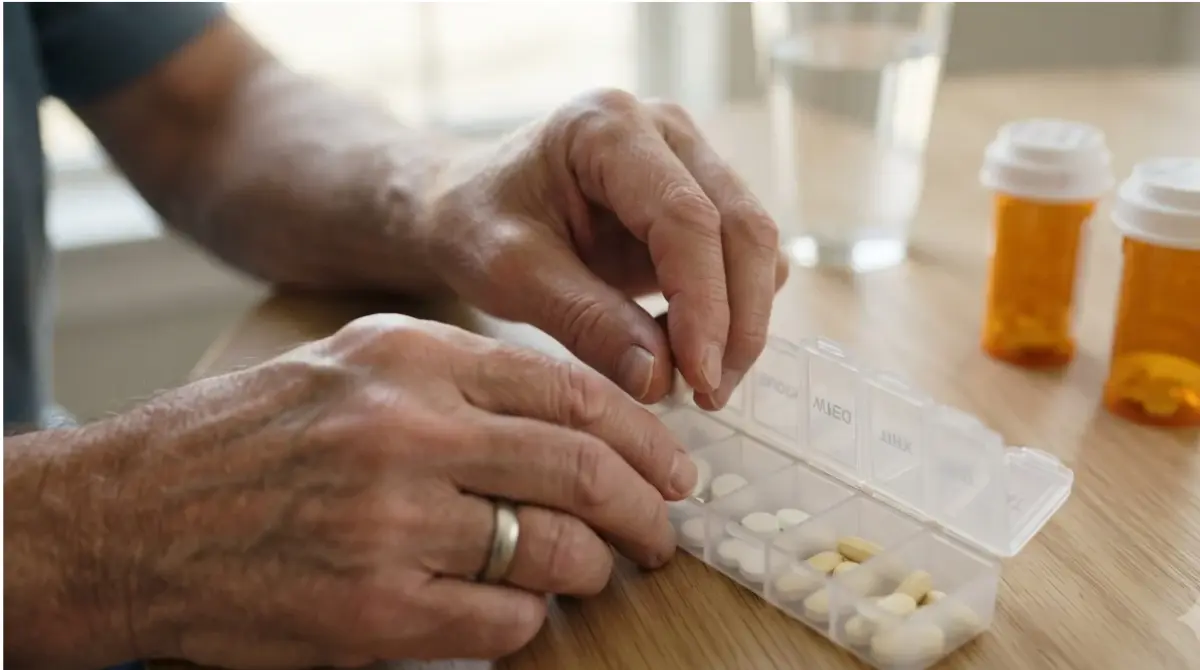
Diuretics, ACE inhibitors, ARBs, beta-blockers and mineralocorticoid receptor antagonists can all lower natriuretic peptide levels, so a lower result after treatment starts can partly reflect the medicines. The American College of Cardiology notes that sacubitril/valsartan (Entresto) raises BNP but not NT-proBNP, which makes BNP hard to interpret in people taking it.
Before you change a medicine: a drop in BNP after starting a water pill or heart medicine, or a rise after starting sacubitril/valsartan, can come from the drug itself. Keep taking each medicine as prescribed, and ask the prescriber whether your follow-up test should be NT-proBNP instead of BNP.
Why do some results land between 100 and 400?
Under the emergency-room cutoffs, 100 rules heart failure out and 400 rules it in. A result between them does neither, and mild heart failure can sit in this band alongside the conditions in the table above.
The usual next step is to look for those other causes, especially atrial fibrillation on an ECG and lung problems such as COPD or a pulmonary embolism. When a clot in the lungs is a concern, a D-dimer result, with its age and lab cutoffs, is often checked at the same visit. An echocardiogram then shows directly whether the heart is the cause.
Tests doctors order after a BNP above 400
An echocardiogram, an ultrasound of the heart, is the test that settles whether heart failure is present after a raised BNP. It measures how strongly the left ventricle pumps, reported as the ejection fraction, and shows how the valves and walls move; what each finding on an echocardiogram report means covers the terms you will see.
The same workup usually includes an ECG, and often a chest X-ray and other blood tests. Which ECG changes need action within 48 hours sorts ECG findings by urgency.
An NT-proBNP above 2,000 pg/mL carries a 2-week window for specialist review with an echo in both NICE and the European guideline. Both set that window using NT-proBNP, so if your lab measured BNP, ask how soon the echocardiogram will be booked.
One caution runs the other way. A BNP drawn within the first hour of very sudden heart failure may not have risen yet (Mayo’s test notes).
Get emergency care now if: you faint, your heartbeat is fast and irregular along with other symptoms, or you have severe chest pain. Call 911 or go to the nearest emergency room (MedlinePlus heart failure guidance).
Does BNP have to fall once treatment starts?
During a hospital stay for heart failure, a BNP that falls before discharge goes with better outcomes. Outside the hospital, BNP shifts with the stage of heart failure but is not precise enough to steer treatment on its own, and it is unclear whether repeat tests improve care.
Treatment goes after whatever raised the BNP, such as extra fluid or an irregular rhythm, and a repeat test shows whether the picture is changing. In people taking sacubitril/valsartan, a rising BNP can be caused by the drug itself, because it blocks neprilysin, the enzyme that breaks BNP down. NT-proBNP is not broken down that way, so it is the steadier number to follow on that medicine.
More questions about BNP results
Do you need to fast before a BNP test?
No. Neither BNP nor NT-proBNP needs special preparation. If other tests are drawn at the same visit, such as a lipid panel, those can have their own instructions.
What does a very high BNP, such as 3,000, mean?
Higher results generally go with more severe heart failure. Kidney failure and sepsis can also raise BNP, so a very high number still needs the echocardiogram and blood tests described above before anyone can say what caused it.
Ask these questions when the echo is booked
Before the appointment, copy two lines from the report: the test name with its number, and the reference range your lab printed beside it. Then take these questions with you:
- Was this BNP or NT-proBNP, and which cutoff did you compare it with?
- Could my kidney function or any medicine I take change how this number should be read?
- How soon will the echocardiogram happen, and who will go over the result with me?
- Will the test be repeated, and when?
If you are sorting through results for a parent, how to help a parent understand blood test results covers that conversation. If any of the emergency signs above start before the echo date, call 911.
Want to see our guides first on Google?
Found this helpful? See more of our guides on Google.
About this content
How this article was put together: researched from recognised health sources, drafted with the help of AI tools, and edited by hand, with sources linked throughout.

Dr. Pooja Sahu, MBBS, is a medical reviewer for MyMedicineAdvisor. She is a clinical physician whose experience includes serving as a Junior Resident in Nephrology at Dr. Ram…
Medical disclaimer
The content on My Medicine Advisor is provided for general informational and educational purposes only and is not a substitute for professional medical advice, diagnosis, or treatment. Health information on this website should not be used to diagnose, treat, cure, or prevent any condition without guidance from a qualified healthcare professional. Always seek the advice of your doctor, physician, or another licensed healthcare provider with any questions you may have regarding a medical condition, symptoms, medications, or treatment decisions.