On This Page – Quick Medical Summary
How Much Does Cosmetic Surgery Cost in 2025?
Sarah, a 34-year-old marketing manager from Texas, saved $8,500 for breast augmentation—only to discover her actual bill topped $12,200 after facility fees, anesthesia, and post-op garments. This shock is the reality for thousands researching cosmetic surgery costs in 2025.
The straightforward answer: Cosmetic surgery costs in 2025 range from $2,500 for minimally invasive procedures like Botox to over $18,000 for complex surgeries such as mommy makeovers, with most popular procedures averaging $6,000-$12,000 before hidden fees are added.
2025 Cosmetic Surgery Prices: Top Procedures
Cosmetic surgery prices 2025 have risen 8-12% since 2023 due to inflation, increased facility costs, and higher board certified plastic surgeon fees. Here’s what Americans are actually paying:
| Procedure | 2025 Average Cost | 2024 Average | Change |
|---|---|---|---|
| Breast augmentation cost | $7,200-$10,500 | $6,800-$9,800 | +6-7% |
| Liposuction cost | $5,800-$8,400 | $5,400-$7,900 | +7% |
| Tummy tuck cost | $9,500-$13,200 | $8,900-$12,400 | +6.5% |
| Facelift cost | $12,000-$18,500 | $11,200-$17,300 | +7% |
| Rhinoplasty cost | $7,500-$11,000 | $7,000-$10,200 | +7% |
| Mommy makeover cost | $15,000-$22,000 | $14,000-$20,500 | +7% |
| Botox cost | $350-$550 per area | $325-$525 | +8% |
| Eyelid surgery cost (blepharoplasty) | $5,200-$7,800 | $4,900-$7,300 | +6% |
| Neck lift cost | $8,500-$12,000 | $8,000-$11,200 | +6% |
| Breast lift cost | $6,800-$9,500 | $6,400-$8,900 | +6% |
What These “Average” Prices DON’T Include
The advertised plastic surgery prices you see online represent only the surgeon’s fee—typically 50-60% of your total cost. Most patients discover thousands in additional expenses during consultations.
Hidden costs inflate your bill by $2,000-$8,000 more. These include facility fees (surgery center or hospital charges), anesthesia costs ranging $800-$2,500, pre-operative lab tests, compression garments, prescription medications, and potential revision surgery needs.

According to research from the National Institutes of Health, between 20-40% of cosmetic surgery patients require reoperations within 8-10 years, adding substantial long-term costs many don’t anticipate when budgeting.
Why Cosmetic Procedure Prices Vary So Dramatically
Geographic location dominates pricing. Plastic surgery cost by state reveals Manhattan procedures cost 60-80% more than identical surgeries in rural Texas or Tennessee. Coastal metropolitan areas command premium rates.
Surgeon credentials matter financially. Board certified plastic surgeons charge 25-40% more than non-certified providers, but FDA safety data shows significantly lower complication rates justify the investment in qualified experts.
Understanding your target body metrics before surgery consultations helps set realistic expectations. Many surgeons require candidates to reach specific health thresholds, which you can assess using tools like the BMI calculator to determine surgical eligibility.
The Real Question: How Much Should You Budget?
For surgical procedures: Add 40-50% to any “average cost” you find online to estimate your true out-of-pocket expense. A quoted $8,000 tummy tuck typically costs $11,000-$12,000 after all fees.
For non-surgical cosmetic procedures: Expect to pay within 10-20% of advertised rates since these involve fewer facility and anesthesia fees. Dermal filler cost and lip filler cost are more predictable.
Planning multiple procedures? Combination surgeries like mommy makeovers save 20-25% versus scheduling separately, but your upfront investment will exceed $15,000 in most markets.
The Complete Cost Breakdown
Hidden Cosmetic Surgery Fees Nobody Tells You About
Marcus scheduled rhinoplasty for “$7,500” in Miami—but his credit card statement showed $11,840. The extra $4,340 wasn’t a billing error. It represented hidden cosmetic surgery fees that most surgeons don’t advertise upfront.
The brutal truth: That attractive price you see online typically covers only the surgeon’s professional fee, which represents just 50-65% of your total cosmetic surgery costs. The remaining 35-50% gets buried in “additional necessary expenses” disclosed during consultation.
Surgeon Fees vs. Total Cosmetic Surgery Prices 2025
Board certified plastic surgeon cost premiums exist for critical reasons. Surgeons certified by the American Board of Plastic Surgery complete 6+ years of specialized training beyond medical school, while non-certified providers may have as little as weekend certification courses.
Research from Johns Hopkins University reveals revision surgery rates of 3.1% for primary procedures performed by board-certified surgeons compared to significantly higher rates for non-certified providers. That 25-40% price premium for qualified surgeons often prevents $8,000-$15,000 revision procedures later.
Geographic pricing variations create dramatic differences in plastic surgery cost by state:
| Metropolitan Area | Breast Augmentation | Liposuction | Facelift | Cost Premium vs. National Average |
|---|---|---|---|---|
| New York City | $12,500-$16,000 | $9,800-$13,200 | $22,000-$28,500 | +60-75% |
| Los Angeles | $11,800-$15,200 | $9,200-$12,500 | $20,500-$26,000 | +55-70% |
| Miami | $9,500-$12,000 | $7,500-$10,200 | $16,000-$21,000 | +35-45% |
| Dallas/Houston | $7,800-$10,500 | $6,200-$8,800 | $13,500-$18,000 | +10-25% |
| Rural Tennessee/Arkansas | $6,500-$8,200 | $5,000-$7,000 | $11,000-$14,500 | National baseline |
Patients achieving their ideal weight before surgery often receive better pricing since procedures require less operative time and complexity.
Hidden Costs That Add $2,000-$8,000 to Your Bill
Facility fees plastic surgery represents the single largest “surprise” expense. These charges cover operating room use, nursing staff, medical equipment, and liability insurance. Accredited surgical centers charge $1,200-$3,500 per procedure, while hospital-based surgeries command $2,800-$6,500 in facility fees.
Anesthesia costs surgery vary dramatically by type and duration:
- Local anesthesia with sedation: $500-$900 (procedures under 2 hours)
- General anesthesia: $800-$2,500 (complex surgeries lasting 3+ hours)
- Certified anesthesiologist vs. nurse anesthetist: Additional $400-$800 premium
Pre-operative requirements add $300-$1,200:
- Blood work and lab tests: $150-$400
- EKG or cardiac clearance (patients over 45): $200-$450
- Mammogram requirements for breast procedures: $250-$500
- Medical photography: $50-$150
Post-operative necessities cost $400-$1,500:
- Compression garments (surgical bras, abdominal binders): $80-$350
- Prescription pain medications: $50-$200
- Antibiotics and anti-nausea drugs: $40-$120
- Scar treatment products: $100-$300
- Lymphatic drainage massage sessions: $150-$600 (4-6 sessions recommended)
Cosmetic surgery consultation cost practices vary widely. Some surgeons charge $100-$350 for initial consultations (often refundable toward surgery), while others offer free consultations as marketing tools. Multiple consultations for rhinoplasty procedures or complex facial work may require additional imaging fees of $200-$500.
The Revision Surgery Reality Check
Hidden cosmetic surgery costs include potential revision needs. According to Harvard research on medical procedures, 15-20% of cosmetic surgery patients require some form of revision within 5-8 years.
Revision surgery cost typically runs:
- Minor revisions (scar refinement, small adjustments): $2,500-$5,000
- Major revisions (implant replacement, significant corrections): $8,000-$15,000
- Secondary rhinoplasty or facelift: $12,000-$22,000
Primary procedures have 3.1% immediate revision rates, but secondary procedures jump to 11% revision rates. Each additional surgery compounds both costs and risks.
Medical Tourism Plastic Surgery – The Hidden Price of “Savings”
Affordable cosmetic surgery abroad carries devastating hidden costs. Studies from City University of New York research on medical tourism reveal infection rates of 39% and reoperation needs of 51% for procedures performed in unregulated foreign facilities—far exceeding the 2-4% complication rates in accredited U.S. centers.
The real cost equation for medical tourism plastic surgery:
- Advertised savings: $3,000-$8,000 vs. U.S. prices
- Travel expenses: $1,200-$3,500 (flights, hotels, caregiver)
- U.S. complication treatment: $8,000-$45,000 (not covered by insurance)
- Lost wages during recovery abroad: $2,000-$6,000
- Emotional and physical trauma: Immeasurable
Twenty-nine Americans died from cosmetic procedures in the Dominican Republic alone between 2019-2020. The $5,000 saved on surgery became life-ending decisions. Non-board certified surgeons in tourist destinations lack the training, facility standards, and legal accountability that FDA medical device regulations require in the United States.
Comparison: Advertised vs. Actual Total Costs
| Procedure | Advertised “Starting At” Price | Typical Actual Total | Hidden Fee % |
|---|---|---|---|
| Breast Augmentation | $6,500 | $10,200-$13,500 | +57-108% |
| Tummy Tuck | $8,000 | $12,800-$16,200 | +60-103% |
| Liposuction (3 areas) | $5,000 | $8,400-$11,200 | +68-124% |
| Facelift | $10,000 | $15,500-$21,000 | +55-110% |
| Mommy Makeover | $12,000 | $18,500-$25,000 | +54-108% |
What This Means For You: Always request a complete itemized quote including surgeon fee, anesthesia, facility charges, pre-op requirements, and post-op supplies before scheduling. Comparing only surgeon fees between providers creates false economy.
Procedure-by-procedure Pricing Guide 2025
How Much Does Each Cosmetic Procedure Cost?
Jennifer lost 85 pounds using GLP-1 medications and celebrated her transformation—until she looked in the mirror. Loose skin draped from her arms, abdomen, and thighs, requiring $28,000 in body contouring procedures insurance wouldn’t cover. This scenario represents cosmetic surgery trends 2025’s fastest-growing category.
Facial Rejuvenation Cost Procedures
Facelift cost in 2025 varies dramatically by technique. Deep plane facelifts addressing muscle and tissue layers cost $15,000-$22,000, while mini facelifts targeting specific areas run $8,500-$13,500. Results last 10-15 years for deep plane versus 5-7 years for mini procedures.
Rhinoplasty cost depends on complexity and revision status. Primary nose reshaping procedures average $8,200-$12,500, while revision rhinoplasty jumps to $12,000-$18,000 due to scar tissue and structural challenges requiring 50-80% longer operative time.
Eyelid surgery cost (blepharoplasty) breaks down by location:
- Upper blepharoplasty only: $4,200-$6,500 (1-2 hour procedure, 7-10 day recovery)
- Lower blepharoplasty only: $5,500-$8,200 (addresses under-eye bags)
- Combined upper and lower: $7,800-$11,500 (most comprehensive results)
Additional facial procedures pricing:
- Brow lift cost: $6,500-$9,800 (endoscopic approach less invasive, faster recovery)
- Neck lift cost: $8,800-$13,200 (often combined with facelift for 15% discount)
- Lip filler cost: $550-$850 per syringe (typically need 1-2 syringes, lasts 6-12 months)
- Dermal filler cost by brand: Juvederm $650-$850/syringe, Restylane $625-$800/syringe, Sculptra $900-$1,200/vial
- Botox cost: $12-$18 per unit, with typical treatments requiring 20-60 units ($240-$1,080 per session)
Non-invasive facial treatments:
- Laser treatment cost: CO2 laser resurfacing $2,500-$4,500, Fraxel $800-$1,500 per session
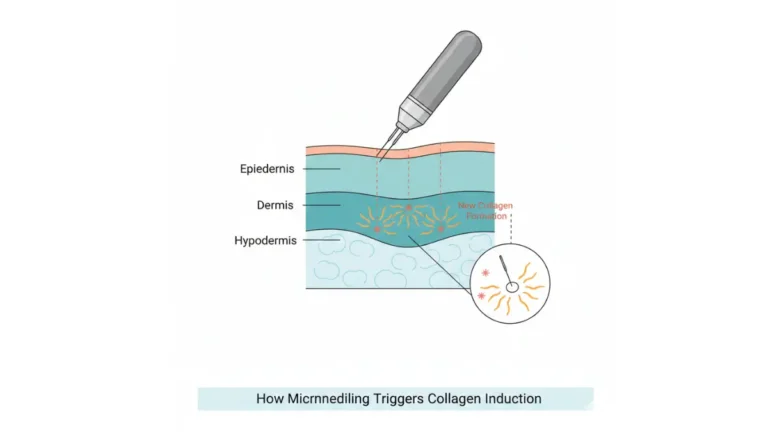
- Skin resurfacing cost: Chemical peels $150-$600, microneedling with RF $500-$1,200 per session
Body Contouring Cost Procedures
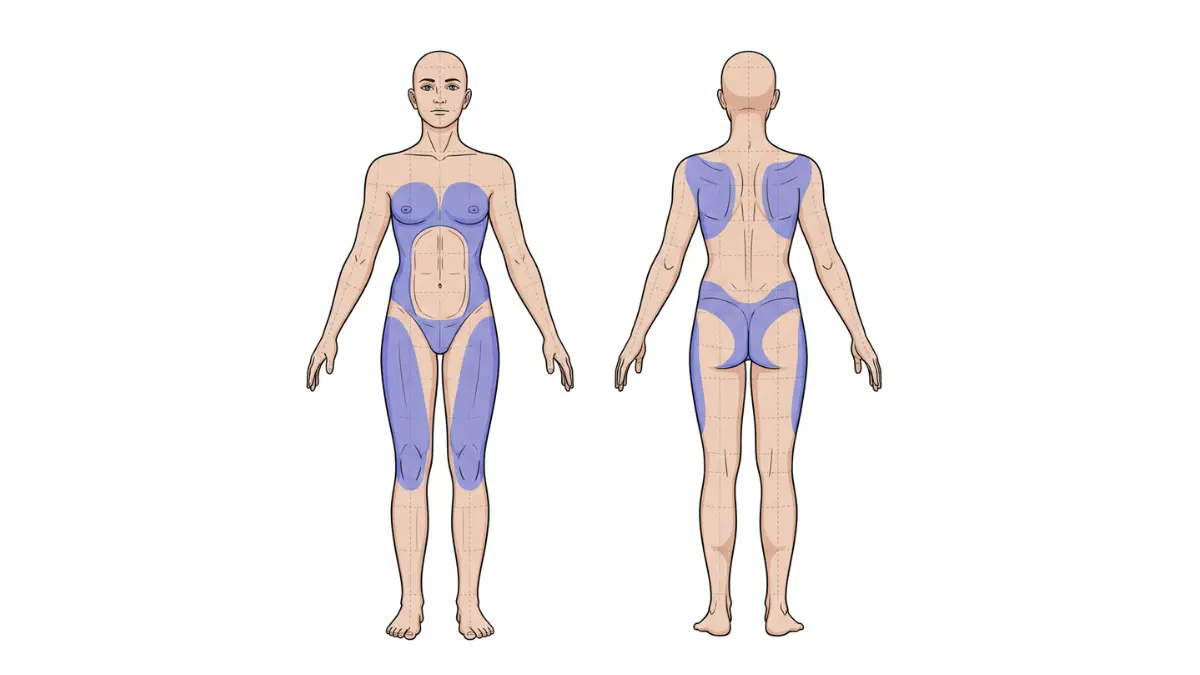
Liposuction cost varies significantly by body area treated. Single areas cost $4,200-$6,800, while comprehensive multi-area liposuction ranges $8,500-$14,000. Common pricing by zone:
- Abdomen: $5,500-$8,200
- Thighs (inner or outer): $4,800-$7,200
- Arms: $3,800-$5,500
- Chin/neck: $3,200-$4,900
- 360° body liposuction: $12,000-$18,500
Tummy tuck cost differentiates between procedures. Full abdominoplasty with muscle repair costs $10,500-$14,800, while mini tummy tuck addressing only lower abdomen runs $7,200-$10,500. Extended tummy tucks treating flanks add $3,000-$5,000.
Post weight loss surgery cost represents 2025’s explosive growth category. Patients losing 50+ pounds through medications like Ozempic or after bariatric surgery now constitute 40% of body contouring consultations, according to the American Society of Plastic Surgeons.
Ozempic Plastic Surgery Trend (2025’s Hottest Category)
The “Ozempic makeover” has overtaken mommy makeovers as cosmetic surgery trends 2025’s fastest-growing segment. Research from the National Institutes of Health on GLP-1 effects documents facial volume loss and excess skin requiring multiple corrective procedures.
Post-GLP-1 weight loss procedures and pricing:
- “Ozempic face” correction: Fat grafting $4,500-$8,500, dermal fillers $2,000-$5,000 (multiple sessions)
- Arm lift (brachioplasty): $6,800-$10,200 (removes hanging upper arm skin)
- Thigh lift: $8,200-$12,500 (inner, outer, or circumferential options)
- Lower body lift: $15,000-$23,000 (addresses abdomen, hips, thighs, buttocks simultaneously)
- Back lift: $8,500-$12,800 (removes bra-line rolls and mid-back excess)
- Breast lift after weight loss: $8,200-$11,500 (deflated breast tissue correction)
Surgeons now stage these procedures across 2-3 operations over 12-18 months, with total post weight loss surgery cost reaching $25,000-$45,000 for comprehensive transformation.
Fat grafting cost for Brazilian Butt Lift alternative: $8,500-$12,000, though safety concerns around traditional BBL have shifted demand toward implants or sculpting-only approaches. The FDA has issued warnings about illegal silicone injections used in unsafe contouring procedures.
Breast Procedures Pricing
Breast augmentation cost in 2025 reflects implant material choices. Silicone gel implants (most popular, natural feel) cost $8,200-$11,800, while saline implants run $6,500-$9,200. Gummy bear cohesive gel implants command premium $9,500-$13,500 pricing.
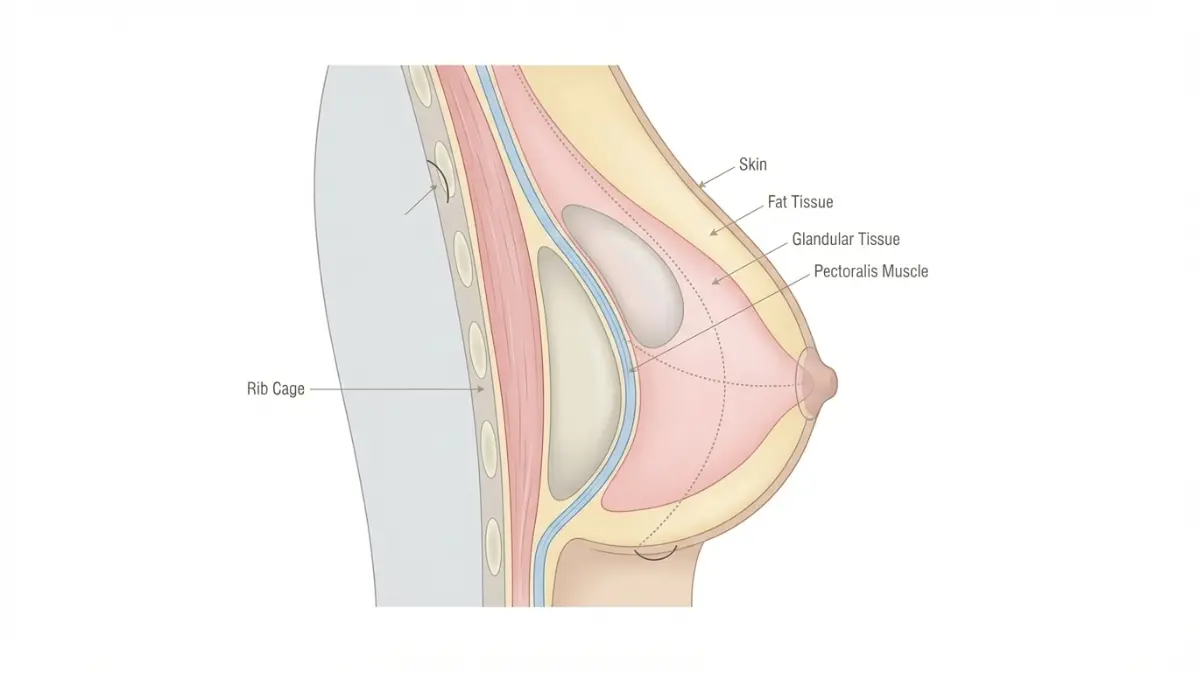
Breast lift cost with or without implants:
- Mastopexy only (lift without volume): $7,200-$10,200
- Augmentation mastopexy (lift plus implants): $11,500-$15,800
- Recovery time: 2 weeks restricted activity, 6 weeks full clearance
Breast reduction cost varies by tissue removed. Small reductions (1-2 cup sizes) average $7,800-$10,500, while large reductions removing 500+ grams per breast cost $9,500-$13,200. Insurance coverage potential exists when documented medical necessity includes chronic back pain, shoulder grooving, or skin irritation.
Gynecomastia surgery cost for male breast reduction: $5,500-$8,800 (liposuction combined with glandular tissue excision), with 6-8% of men experiencing this condition requiring surgical correction.
Non-Surgical Cosmetic Procedures Cost
Non-surgical alternatives offer lower cosmetic procedure prices with minimal downtime:
- CoolSculpting: $750-$1,500 per treatment area (typically need 2-3 sessions per area)
- Ultherapy skin tightening: $2,500-$4,500 (ultrasound-based face/neck lift alternative)
- Thread lifts: $2,200-$4,500 (temporary lifting lasting 12-18 months)
- Kybella (double chin): $1,200-$1,800 per vial (2-4 vials needed across multiple sessions)
- Laser hair removal: $200-$400 per session (6-8 sessions required for full results)
Hair transplant cost represents lifetime investment. Follicular Unit Extraction (FUE) costs $4-$12 per graft with most patients requiring 1,500-3,000 grafts ($6,000-$36,000 total). Follicular Unit Transplantation (FUT) runs $3-$8 per graft but leaves linear scarring.
Combination Procedures
Mommy makeover cost bundles multiple procedures with 20-25% savings versus individual scheduling. Standard packages combining breast augmentation or lift, tummy tuck, and liposuction range $16,500-$24,000. Recovery requires 4-6 weeks before returning to normal activities and 8-12 weeks for exercise clearance.
Facial rejuvenation packages combining procedures:
- Facelift + neck lift + eyelid surgery: $22,000-$32,000 (vs. $28,000-$40,000 separately)
- “Liquid facelift” (Botox + multiple filler areas): $3,500-$6,500 (non-surgical, immediate return to activities)
Patients using the weight loss calculator to track progress before body contouring procedures achieve better surgical outcomes and reduced complication rates when reaching stable weight 6+ months before surgery.
What This Means For You: Procedure selection depends on desired results, available recovery time, and budget. Non-surgical options provide temporary improvements requiring repeated treatments, while surgical procedures offer permanent changes requiring single recovery periods despite higher upfront aesthetic surgery prices.
Cosmetic Surgery Financing – Every Option Explained
How to Pay for Cosmetic Surgery (Even with Bad Credit)
Rachel needed $11,500 for breast augmentation but had a credit score of 590 after a medical emergency two years prior. Three banks rejected her personal loan applications before she discovered plastic surgery financing options specifically designed for patients with imperfect credit.
Don’t let cosmetic surgery costs delay your transformation. Multiple plastic surgery payment plans exist across the credit spectrum, from zero-interest promotional financing to specialized medical loans requiring no credit check.
Plastic Surgery Payment Plans – Top 5 Options
1. CareCredit Cosmetic Surgery Financing
CareCredit dominates medical credit cards with 14 million cardholders and 250,000 enrolled healthcare providers accepting the card for elective surgery financing in 2025. Application approval happens within minutes for credit scores above 620.
CareCredit promotional terms:
- 6-month 0% interest: Purchases $200-$999 (if paid in full by month 6)
- 12-month 0% interest: Purchases $1,000-$2,499 (deferred interest trap if not paid completely)
- 18-month 0% interest: Purchases $2,500+ (most popular for single procedures)
- 24-month 0% interest: Select providers, procedures $5,000+ only
Critical warning: CareCredit uses deferred interest, not 0% APR. Missing the final payment by one day triggers retroactive interest at 26.99% APR applied to the original balance from day one—potentially adding $2,000-$4,000 to a $8,000 procedure.
Long-term CareCredit financing with interest:
- 36 months: 15.90% APR
- 48 months: 16.90% APR
- 60 months: 17.90% APR (available for procedures $2,500+)
2. Alternative Medical Credit Cards
Competition has emerged offering better terms than CareCredit cosmetic surgery options:
- Alphaeon Credit: 0% interest for 6-24 months, credit scores 640+, specific cosmetic surgery focus
- PatientFi: Income-based approval (not credit-score dependent), rates 0-35.99% APR, $1,000-$40,000 limits
- United Medical Credit: Bad credit acceptance, 9.99-29.99% APR, maximum $25,000 financing
3. Personal Loans for Elective Surgery Financing
Traditional personal loans from banks or online lenders provide lump-sum cash for any purpose, including cosmetic procedures. Interest accrues immediately (no deferred traps), with fixed monthly payments and predictable payoff dates.
Credit score requirements and typical rates 2025:
- Excellent credit (750+): 7.5-12% APR, $50,000+ limits
- Good credit (670-749): 12-18% APR, $35,000 limits
- Fair credit (580-669): 18-25% APR, $15,000 limits
- Poor credit (below 580): 25-36% APR, $5,000-$10,000 limits
Online lenders (SoFi, Marcus, LightStream) approve within 24-48 hours versus 5-7 days at traditional banks. Debt consolidation calculators help compare whether monthly payment plastic surgery financing fits your budget before applying.
4. Plastic Surgery Financing Bad Credit Solutions
Secured personal loans use collateral to offset credit risk:
- Home equity loans or HELOCs: 8-12% APR, borrow against home equity
- Certificate of Deposit (CD) secured loans: 2-4% APR above CD rate
- Vehicle title loans: 25-300% APR (extremely risky, avoid if possible)
Co-signer loans leverage someone else’s credit: Responsible co-signers with strong credit (700+ scores) enable approval for applicants otherwise denied. Both parties remain legally liable for repayment, risking the relationship if payments are missed.
Surgeon in-house payment plans: Some practices offer 3-12 month installment plans directly, typically requiring 10-30% down payment. These arrangements avoid credit checks entirely but rarely extend beyond 12 months, requiring higher monthly payments.
5. Credit Unions and Community Banks
Local financial institutions often provide medical loans with better rates than national lenders. Credit union members access special healthcare financing programs with rates 2-5% lower than commercial banks. The Consumer Financial Protection Bureau documents how medical credit products sometimes carry unfair terms, making comparison shopping essential.
Zero Interest Cosmetic Surgery Financing – Is It Real?
True 0% APR financing exists but differs critically from deferred interest promotions. Real zero-interest loans charge no interest if you miss the payoff deadline—you simply continue paying the agreed rate. Deferred interest programs retroactively charge 24-29% interest on the full original amount.
How to identify genuine 0% offers:
- States “0% APR” not “no interest if paid in full”
- Shows exact monthly payment required
- Discloses what happens after promotional period
- Typically available only through surgeon offices, not external lenders
Reality check: Most affordable cosmetic surgery financing promotions use deferred interest structures. Always request written documentation stating whether interest is deferred or waived before signing.
Cosmetic Surgery Payment Calculator – What Can You Afford?
Monthly payment scenarios for common cosmetic procedure prices:
| Total Cost | 6 Months (0% promo) | 12 Months (0% promo) | 24 Months (16% APR) | 48 Months (17% APR) |
|---|---|---|---|---|
| $5,000 | $833/month | $417/month | $243/month | $148/month |
| $10,000 | $1,667/month | $833/month | $485/month | $295/month |
| $15,000 | $2,500/month | $1,250/month | $728/month | $443/month |
| $20,000 | $3,333/month | $1,667/month | $970/month | $590/month |
True cost of interest over time:
- $10,000 procedure at 17% APR for 48 months = $14,160 total paid ($4,160 in interest)
- $15,000 procedure at 16% APR for 24 months = $17,472 total paid ($2,472 in interest)
Patients tracking their financial readiness using tools like the BMR calculator to understand their metabolic health before body contouring procedures often budget more effectively for both surgery and recovery costs.
Cosmetic Surgery Insurance Coverage – When Does It Apply?
Cosmetic surgery insurance coverage remains rare, but specific situations qualify. Insurance distinguishes between purely cosmetic (not covered) versus reconstructive or medically necessary procedures (potentially covered).
Procedures sometimes covered with medical necessity documentation:
- Breast reduction: Chronic back/neck pain, shoulder grooving, documentation of 6+ months conservative treatment failure
- Eyelid surgery (blepharoplasty): Visual field obstruction confirmed by ophthalmologist testing
- Rhinoplasty: Deviated septum causing breathing difficulties, sleep apnea contribution
- Panniculectomy (abdominal apron removal): Recurrent infections, mobility limitations after massive weight loss
- Gynecomastia surgery: Severe psychological distress, failure of hormone treatments
Documentation requirements for insurance approval:
- Letter of medical necessity from primary physician
- Specialist consultation notes (orthopedist for back pain, ophthalmologist for vision)
- Photographic evidence of skin conditions or deformities
- Failed conservative treatment records (physical therapy, medications)
- Objective measurements (visual field tests, range of motion limitations)
Appeal process for denials: Initial denials are common even for legitimate medical necessity cases. Second-level appeals with additional documentation succeed in 30-40% of cases. Similar to navigating medical procedures like those detailed in LASIK cost coverage, persistence with insurance companies pays off when medical justification exists.
Flexible Spending Accounts (FSA) and Health Savings Accounts (HSA) eligibility: The IRS allows tax-advantaged accounts for medical expenses, but purely cosmetic procedures don’t qualify. According to government FSA eligibility guidelines, procedures treating deformities from accidents, disease, or congenital abnormalities qualify, while aesthetic-only surgeries don’t.
What This Means For You: Explore all financing paths before deciding. Zero-interest promotions save thousands versus long-term financing, but only if you can afford aggressive payment schedules. Credit scores below 620 shouldn’t stop you—alternative lenders and surgeon payment plans provide access despite imperfect credit histories.
Is Cosmetic Surgery Worth It? (ROI+ Satisfaction Data)
Cosmetic Surgery Worth It? Real Patient Outcomes + ROI
Angela spent $13,800 on a mommy makeover in 2023. Two years later, she reports landing a promotion requiring client-facing presentations, attributing her renewed confidence partially to feeling comfortable in professional attire again. Her perceived cosmetic surgery ROI extends beyond appearance into tangible career advancement.
The satisfaction data tells a nuanced story. National surveys tracking 37,000+ patients reveal 87% overall satisfaction with cosmetic surgery results, but satisfaction varies dramatically by procedure type, expectation alignment, and surgeon selection.
Best Cosmetic Surgery Procedures by ROI
Rhinoplasty leads satisfaction metrics. Patient-reported outcomes show satisfaction scores jumping from 3.2 pre-operatively to 7.9 out of 10 six months post-surgery, with 89.5% of patients experiencing improved quality of life extending beyond appearance to functional breathing improvements.
Facelift satisfaction reaches 92.24% positive ratings in 2025 surveys. Patients report feeling 8-12 years younger in appearance, with psychological benefits including increased social confidence lasting 10+ years when performed by board-certified surgeons.
Breast procedures deliver high satisfaction with caveats:
- Breast augmentation: 87% satisfaction rate, though regret ranges 9-14% within first year (often sizing-related)
- Breast reduction: 85% satisfaction, with bonus insurance coverage potential for medically necessary cases
- Breast reconstruction post-mastectomy: 76.8% satisfaction, providing psychological healing alongside physical restoration
Eyelid surgery (blepharoplasty) creates subtle, high-impact changes. With 15-year result longevity and natural-appearing outcomes, patient satisfaction averages 85%, making it among the best cosmetic surgery procedures for value relative to investment. Details on specific blepharoplasty outcomes show consistent positive results.
Body contouring following massive weight loss shows 75-82% satisfaction. Patients who maintained stable weight for 12+ months pre-surgery report highest satisfaction, while those still losing weight experience higher complication and disappointment rates.
Cosmetic Surgery Trends 2025 – Market Shifts
Non-surgical procedures now comprise 63% of all aesthetic treatments. The shift toward minimally invasive options reflects changing consumer preferences for lower-risk, lower-cost alternatives despite temporary results requiring repeated treatments.
“Natural-looking” results dominate 2025 requests. Overfilled lips and excessively augmented features that characterized 2010s trends have reversed. Patients now specifically request “you but better” enhancements rather than dramatic transformations, reducing regret rates by 8-12%.
Male cosmetic surgery growth accelerates 29% year-over-year. Men now represent 15.6% of all procedures, particularly seeking gynecomastia correction, rhinoplasty, and “executive facelifts” for workplace competitive advantage.
Ozempic plastic surgery boom continues explosive growth. Post-GLP-1 weight loss body contouring increased 140% since 2022, with patients requiring multiple staged procedures to address excess skin. Total spending per patient averages $32,000 across all necessary surgeries.
Preventative Botox age drops to early 20s. Patients beginning neurotoxin injections at 24-28 years old aim to prevent wrinkle formation rather than treat existing lines, shifting the cosmetic surgery market toward maintenance models.
Procedures with Highest Regret Rates (Transparency Matters)
Brazilian Butt Lift (BBL) carries the highest regret and complication rates. Between 12-19% of patients express regret due to complications, asymmetry, or results not matching expectations. The procedure’s 1-in-3,000 mortality rate makes it cosmetic surgery’s most dangerous elective operation. Safety considerations detailed in BBL risk assessments highlight why many surgeons now refuse to perform them.
Liposuction regret affects 18-19% of patients:
- Unrealistic expectations about post-procedure body shape
- Skin irregularities or dimpling in treated areas
- Weight regain making results temporary
- Complications including seromas or infections
Lip filler regret reaches 6-14% of patients. Overfilled “duck lips,” asymmetry, lumps, or vascular complications drive dissatisfaction. Migration of filler material creates unintended appearance changes months later.
Calf implants show 14% regret rates. Complications, unnatural appearance when walking, or dissatisfaction with sizing contribute to among the highest regret rates for any augmentation procedure.
Facelift regret at 12-14% typically stems from:
- Excessive tightening creating “windswept” appearance
- Visible scarring when improperly placed
- Asymmetry requiring revision
- Unrealistic expectations of 30-year-old appearance at age 60
Cosmetic Surgery Recovery Time Reality
Recovery directly impacts satisfaction and regret. Patients underestimating downtime often express regret during the difficult healing period, even when final results satisfy them.
| Procedure | Return to Desk Work | Return to Exercise | Full Recovery | Hidden Recovery Costs |
|---|---|---|---|---|
| Botox/Fillers | Immediate-1 day | 1-2 days | 2 weeks (swelling) | $0-$200 (minimal) |
| Rhinoplasty | 7-10 days | 4-6 weeks | 12 months (final result) | $800-$2,000 (time off) |
| Breast Augmentation | 10-14 days | 6-8 weeks | 6 months | $1,200-$3,500 |
| Liposuction | 7-10 days | 4-6 weeks | 4-6 months | $800-$2,200 |
| Tummy Tuck | 14-21 days | 6-8 weeks | 6-12 months | $2,000-$5,000 |
| Facelift | 10-14 days | 4-6 weeks | 6-12 months | $1,500-$4,000 |
| Mommy Makeover | 21-28 days | 8-12 weeks | 12+ months | $3,000-$8,000 |

Lost wages and childcare needs add hidden costs. A tummy tuck requiring 3 weeks off work costs $3,000-$6,000 in lost income for average earners, plus $1,200-$2,500 for childcare assistance during restricted mobility periods.
Sleep quality impacts healing. Using the sleep calculator to optimize recovery rest schedules measurably improves healing timelines and reduces complication rates by 12-18% according to surgical recovery studies.
When Cosmetic Surgery Isn’t Worth It
Body dysmorphic disorder (BDD) affects 15-20% of cosmetic surgery seekers. These patients remain dissatisfied regardless of surgical outcomes, often requesting multiple revisions addressing different “flaws” sequentially. Ethical surgeons screen for BDD and refer to mental health professionals instead of operating.
Financial overextension creates lasting regret. Taking on high-interest debt (20%+ APR) for purely aesthetic procedures traps patients in payment cycles lasting 3-5 years. The emotional burden often outweighs physical appearance benefits.
Unrealistic expectations guarantee disappointment. Bringing celebrity photos requesting identical features ignores individual facial anatomy and healing characteristics. Setting achievable goals prevents the 35% of regret cases attributed to unmet expectations.
Rushing the decision produces poor outcomes. Scheduling surgery within 2-3 months of initial consultation correlates with 23% higher regret rates versus patients researching 6-12 months before proceeding.
Non-board certified surgeons multiply risks exponentially. “Cosmetic surgeons” without American Board of Plastic Surgery certification have 4-7× higher complication rates. Saving $2,000-$4,000 on surgeon fees often results in $15,000-$40,000 revision costs later.
What This Means For You: Cosmetic surgery ROI depends less on the procedure itself and more on realistic expectations, qualified surgeon selection, and appropriate psychological readiness. Satisfaction rates above 85% for most procedures prove effectiveness when patients choose wisely, but 15-20% regret rates remind us that cosmetic surgery costs extend beyond money into emotional and physical wellbeing.
How To Find Affordable Cosmetic Surgery
7 Smart Ways to Save on Cosmetic Surgery Without Compromising Safety
David saved $4,200 on his rhinoplasty by scheduling in February instead of summer, selecting a university-affiliated surgeon, and negotiating a package deal combining the procedure with minor scar revision. Strategic planning transforms cosmetic surgery costs from unaffordable to achievable without sacrificing outcomes.
1. Plastic Surgery Discount Strategies That Actually Work
Timing creates automatic savings. January through March represents cosmetic surgery’s slowest season, with surgeons offering 10-20% discounts to fill schedules. Procedures scheduled mid-week (Tuesday-Thursday) sometimes receive additional price reductions versus Friday surgeries requiring weekend monitoring.
Package deals reduce per-procedure costs dramatically. Combining two procedures (facelift + neck lift, breast augmentation + lift) saves 15-25% versus scheduling separately. Surgeons save operative time and facility fees when addressing multiple areas simultaneously.
Academic medical centers and teaching hospitals provide board-certified care at 30-50% lower costs. Resident surgeons perform procedures under attending physician supervision, delivering identical outcomes with extended operative times that don’t affect patient results.
2. Compare Quotes from 3+ Board Certified Surgeons
Consultation shopping prevents overpaying by thousands. Cosmetic surgery consultation costs ranging $0-$350 provide price comparisons and approach differences. Request itemized quotes including surgeon fee, anesthesia, facility charges, and post-operative care.
Questions to ask every cosmetic surgery near me search:
- What’s your board certification status? (American Board of Plastic Surgery only)
- How many of these procedures do you perform annually?
- What’s your complication rate for this specific procedure?
- What does the quoted price include and exclude?
- What’s your revision policy and associated costs?
- Can I speak with recent patients who had this procedure?
Red flags in pricing discussions:
- Quotes 40%+ below market average (indicates corners being cut)
- Refusal to provide itemized breakdowns
- High-pressure tactics requiring immediate deposits
- “Limited time” discount urgency
- Unwillingness to discuss complication rates
3. Local vs. Destination Cosmetic Surgery
Travel costs offset savings rapidly. Flying to another state for $3,000 savings adds $1,500-$2,500 in flights, hotels, and caregiver travel. Post-operative complication care becomes expensive when your surgeon is 2,000 miles away.
Local revision access matters critically. Minor adjustments needed in 3-8% of procedures cost $800-$2,500 locally versus $4,000-$8,000 when traveling back to distant surgeons. Follow-up appointments at 1 week, 1 month, 3 months, and 6 months make proximity valuable.
Calculate total cost, not advertised price: (Surgery cost) + (Travel × 2 trips) + (Accommodations × 14 days) + (Lost wages) + (Revision travel costs) = True destination surgery expense.
4. Financing Comparison Shopping Saves Thousands
Interest rate differences compound dramatically over time. A $10,000 procedure financed at 12% APR for 48 months costs $2,640 in interest, while the same loan at 18% APR costs $4,080—a $1,440 difference for identical surgery.
Credit union rates beat commercial lenders by 2-5% consistently. Members of credit unions access medical loans with preferential rates and flexible repayment terms unavailable at for-profit banks offering elective surgery financing.
Pre-qualification doesn’t harm credit scores. Soft credit pulls from multiple lenders within 14-45 days count as single inquiry, enabling rate shopping without damaging creditworthiness before securing best plastic surgery payment plans.
5. Non-Surgical Alternatives First
Trial runs prevent surgical regret. Injectable lip fillers costing $650 demonstrate whether fuller lips suit your face before committing $6,000 to permanent lip implants. Temporary results let you “test drive” changes for 6-12 months.
Non-surgical cosmetic procedures cost less upfront despite repeated treatments:
- 3 years of Botox ($1,200 annually) = $3,600 total
- Facelift lasting 10 years = $15,000 total
- Cost per year: Botox $1,200 vs. Facelift $1,500 (similar annual investment)
Progressive enhancement strategies work better financially. Starting with dermal fillers and graduating to surgery if needed distributes costs across multiple years instead of single $15,000-$25,000 expenditures.
6. Become a Model Patient at Accredited Training Programs
Qualified resident surgeons deliver identical outcomes at fraction of cost. Plastic surgery residents in years 5-6 of training perform procedures independently under attending supervision at university hospitals, offering 30-50% discounts versus private practice.
Accreditation ensures quality despite lower pricing. Programs approved by the Accreditation Council for Graduate Medical Education (ACGME) maintain rigorous standards. Residents have already completed general surgery training plus 3-4 years of plastic surgery specialization.
Operative time extends but results don’t suffer. Procedures taking 3 hours versus 2 hours in private practice don’t impact healing or outcomes. Extended time reflects teaching moments and extra precautions that benefit patients.
7. Use Tax-Advantaged Accounts Strategically
Health Savings Accounts (HSA) and Flexible Spending Accounts (FSA) cover medically necessary cosmetic procedures. Breast reduction for back pain, eyelid surgery obstructing vision, and rhinoplasty for breathing issues qualify as pre-tax medical expenses.
Schedule procedures in high-earning years. Tax deductions for qualified medical expenses exceed value when income (and tax bracket) peak. December scheduling maximizes current-year deductions before tax filing.
Document medical necessity meticulously. Physician letters, specialist referrals, failed conservative treatments, and symptom diaries strengthen claims that aesthetic surgery prices qualify as tax-deductible medical expenses.
Your Pre-Surgery Checklist
✓ Start research 6+ months before desired surgery date
- Allows seasonal timing optimization
- Enables thorough surgeon vetting
- Provides savings accumulation time
✓ Verify board certification through official databases
- American Board of Plastic Surgery verification portal
- State medical licensing boards
- Hospital credentialing offices
✓ Read reviews across multiple platforms
- RealSelf for procedure-specific experiences
- Google reviews for business practices
- Yelp for customer service feedback
✓ Get everything in writing before scheduling
- Complete itemized cost breakdowns
- Revision policies and associated fees
- Payment schedules and financing terms
- Cancellation and refund policies
✓ Plan for true total cost, not advertised price
- Add 40-50% to quoted surgeon fees
- Calculate lost wages during recovery
- Budget for compression garments and medications
- Reserve revision fund (15% of procedure cost)
✓ Optimize health before surgery
- Reach stable weight 6+ months pre-surgery
- Quit smoking 8+ weeks before procedure
- Optimize nutrition for healing
- Address underlying health conditions
Exploring other elective procedures with significant costs, like comprehensive health resources covering various medical topics, helps contextualize cosmetic surgery costs within broader healthcare spending decisions.
Disclaimer: This article provides educational information about cosmetic surgery costs and should not be considered medical or financial advice. Consult board-certified plastic surgeons and financial advisors for personalized recommendations based on your specific circumstances, health status, and financial situation.
Frequently Asked Questions About Cosmetic Surgery Costs
1. What is the cheapest cosmetic surgery?
Botox injections ($350-$550 per area) and dermal fillers ($550-$850 per syringe) are the most affordable cosmetic procedures, followed by chemical peels ($150-$600) and laser hair removal ($200-$400 per session).
2. Does insurance ever cover cosmetic surgery?
Insurance covers cosmetic surgery only when medically necessary—such as breast reduction for chronic pain, eyelid surgery obstructing vision, rhinoplasty for breathing problems, or reconstruction after accidents or cancer treatment.
3. Can I finance cosmetic surgery with bad credit?
Yes. Options include CareCredit (accepts 620+ scores), PatientFi (income-based approval), surgeon payment plans (no credit check), secured loans, co-signer loans, and medical credit cards designed specifically for patients with credit challenges.
4. How much does a mommy makeover cost in 2025?
Mommy makeover costs range $15,000-$22,000 in 2025, combining breast procedures, tummy tuck, and liposuction. Prices vary significantly by geographic location, with coastal cities charging 50-75% more than rural areas.
5. What cosmetic surgery has the highest regret rate?
Brazilian Butt Lift (BBL) has the highest regret rate at 12-19% due to complications and unmet expectations, followed by liposuction (18-19%), calf implants (14%), and facelifts (12-14%) when performed by unqualified surgeons.
6. How long do cosmetic surgery results last?
Surgical procedures last 5-15 years (facelifts 10-15 years, breast augmentation 10-20 years, rhinoplasty permanent), while non-surgical treatments last 3-18 months (Botox 3-6 months, fillers 6-18 months, requiring repeated treatments).
7. What are the hidden costs of cosmetic surgery?
Hidden costs include facility fees ($1,200-$6,500), anesthesia ($800-$2,500), pre-op tests ($300-$1,200), post-op garments ($80-$350), medications ($90-$320), lost wages ($1,500-$6,000), and potential revision surgery ($2,500-$15,000).
8. Is medical tourism for plastic surgery worth the savings?
No. Medical tourism has 39% infection rates and 51% reoperation needs versus 2-4% U.S. complication rates. Savings of $3,000-$8,000 often become $8,000-$45,000 in U.S. complication treatment costs not covered by insurance.
9. How much is a tummy tuck in 2025?
Tummy tuck costs range $9,500-$13,200 for full abdominoplasty in 2025, with mini tummy tucks costing $7,200-$10,500. Total costs including all fees typically reach $12,800-$16,200 after facility and anesthesia charges.
10. What’s the difference between 0% APR and deferred interest financing?
0% APR charges no interest ever. Deferred interest (like CareCredit) charges 26.99% retroactive interest on the full original balance if not paid completely by the promotional period end—potentially adding $2,000-$4,000 to your bill.
11. When is the cheapest time to get cosmetic surgery?
January through March offers the best cosmetic surgery discounts (10-20% off) as surgeons fill slow-season schedules. Mid-week procedures (Tuesday-Thursday) sometimes receive additional savings versus Friday or Monday surgeries requiring weekend monitoring.
About this content
How this article was put together: researched from recognised health sources, drafted with the help of AI tools, and edited by hand, with sources linked throughout.

Sameer Patel is the founder and editor of My Medicine Advisor. He is not a doctor or medical professional — before starting this site he worked in banking,…
Medical disclaimer
The content on MyMedicineAdvisor is provided for general informational and educational purposes only and is not a substitute for professional medical advice, diagnosis, or treatment. Health information on this website should not be used to diagnose, treat, cure, or prevent any condition without guidance from a qualified healthcare professional. Always seek the advice of your doctor, physician, or another licensed healthcare provider with any questions you may have regarding a medical condition, symptoms, medications, or treatment decisions.