
On This Page – Quick Medical Summary
Rhinoplasty 2025: Worth It? Real Cost & Results
Yes, rhinoplasty is worth it for 83.6% to 95% of patients who report high satisfaction with their results, according to peer-reviewed studies tracking thousands of nose surgery outcomes. The procedure delivers both functional breathing improvements and aesthetic enhancements, with costs ranging from $9,000 to $50,000 depending on complexity and geographic location in 2025.
Sarah, a 28-year-old marketing professional from Chicago, spent years avoiding photos and feeling self-conscious about her prominent nasal bridge. After extensive research and achieving a healthy BMI to optimize surgical outcomes, she underwent rhinoplasty in early 2024. “I finally look in the mirror and see the person I always felt I was inside,” she shared during her 6-month follow-up, echoing the experiences of thousands who choose nose surgery each year.
Rhinoplasty remains the third most popular facial plastic surgery procedure in the United States, with nearly 45,000 procedures performed annually according to data from the National Institutes of Health. The 2025 landscape shows increasing demand driven by improved surgical techniques, better post-operative outcomes, and growing acceptance of cosmetic procedures across all age groups and genders.
What You’ll Discover in This Guide
- Complete cost breakdown for all rhinoplasty types with 2025 regional pricing
- Week-by-week recovery timeline with swelling percentages and pain levels
- Real complication rates and risk factors you need to know
- Patient satisfaction data broken down by age, gender, and procedure type
- Decision framework to determine if rhinoplasty surgery is right for you
- Expert surgeon selection criteria to maximize your results
Whether you’re considering rhinoplasty for breathing problems, aesthetic concerns, or both, this comprehensive guide provides evidence-based information from peer-reviewed medical research to help you make an informed decision about nose surgery in 2025. Understanding the real costs, recovery expectations, and potential complications empowers you to approach your rhinoplasty consultation with confidence and realistic expectations.
The rhinoplasty procedure has evolved significantly from purely cosmetic nose jobs to sophisticated surgical techniques that address both form and function. Modern rhinoplasty encompasses everything from traditional open and closed approaches to innovative non-surgical liquid rhinoplasty options, each with distinct benefits, limitations, and price points.
⚠️ MEDICAL DISCLAIMER: This article provides educational information about rhinoplasty surgery, costs, recovery, and outcomes based on current medical research. It is not intended as medical advice, diagnosis, or treatment recommendations. Always consult with a board-certified plastic surgeon or facial plastic surgeon for personalized evaluation of your candidacy for rhinoplasty. Individual results, costs, recovery times, and complication risks vary based on numerous factors including anatomy, health status, surgeon experience, and procedure complexity.
Understanding Rhinoplasty – Types, Procedures & What to Expect
What is Rhinoplasty? Medical Definition & Purpose
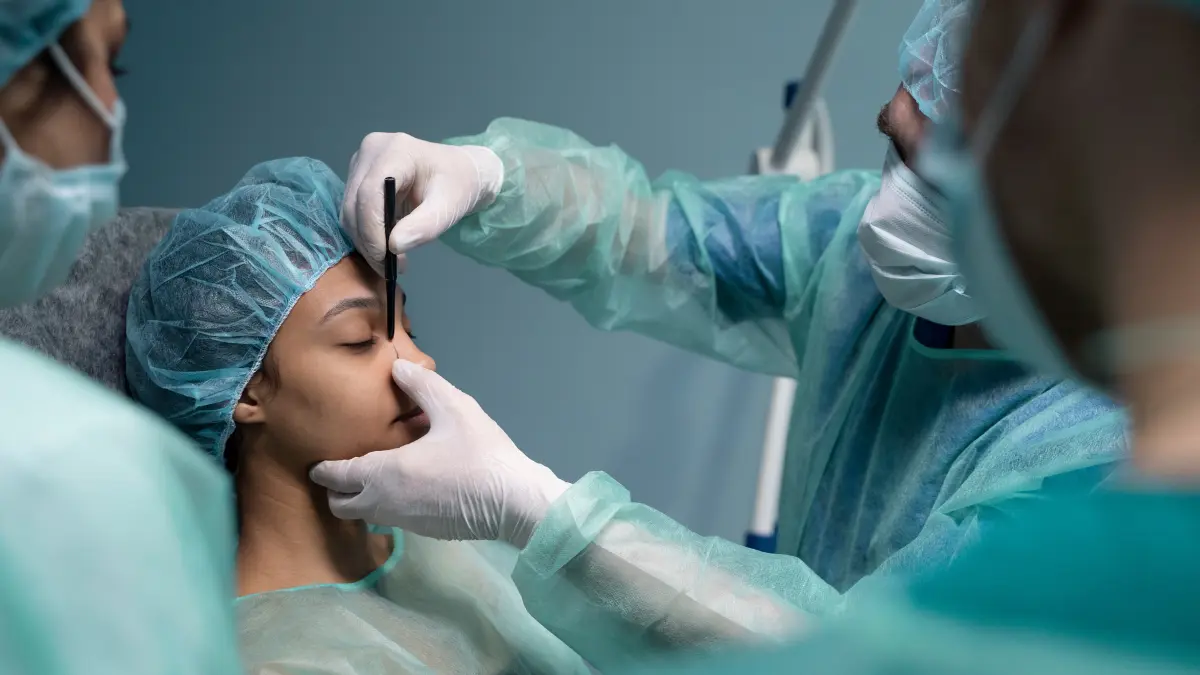
Rhinoplasty is a surgical procedure that reshapes or reconstructs the nose by modifying bone, cartilage, and soft tissue structures. The term derives from the Greek words “rhinos” (nose) and “plassein” (to shape), reflecting its dual purpose of correcting both aesthetic concerns and functional breathing problems. Board-certified plastic surgeons and otolaryngologists perform rhinoplasty surgery to address congenital defects, traumatic injuries, breathing obstructions, and cosmetic dissatisfaction with nasal appearance.
Functional rhinoplasty addresses medical issues like deviated septums, nasal valve collapse, or chronic breathing difficulties that may require a symptom evaluation before surgery. Cosmetic rhinoplasty focuses on improving nasal aesthetics including size, shape, symmetry, and profile alignment. Many patients undergo combined procedures that simultaneously improve both function and appearance, maximizing surgical outcomes while requiring only one recovery period.
Types of Rhinoplasty Procedures in 2025
Open Rhinoplasty vs Closed Rhinoplasty
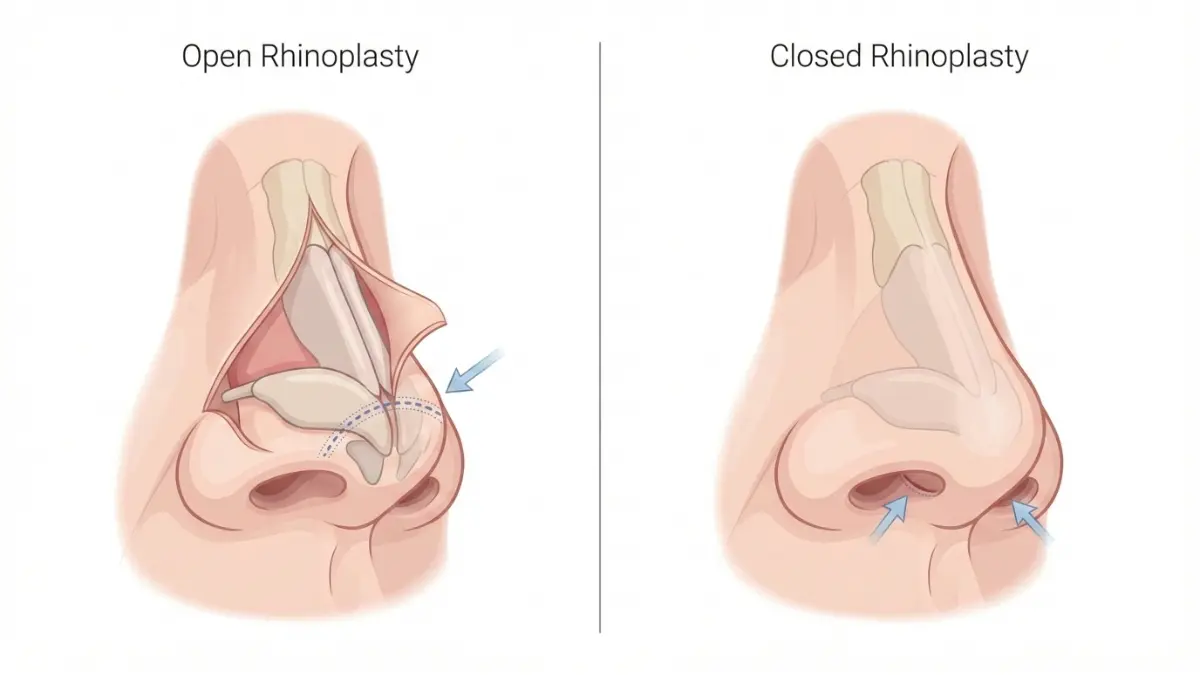
The fundamental distinction between rhinoplasty techniques lies in the surgical approach method. Open rhinoplasty involves a small external incision across the columella (the tissue between nostrils) plus internal incisions, allowing the surgeon to lift the nasal skin and directly visualize all underlying structures. Closed rhinoplasty uses only internal incisions hidden inside the nostrils, leaving no visible external scarring but limiting surgical access and visualization.
| Feature | Open Rhinoplasty | Closed Rhinoplasty |
|---|---|---|
| Incision Location | External (columella) + internal | Internal only (inside nostrils) |
| Surgical Visibility | Complete direct visualization | Limited, indirect view |
| Scarring | Small columellar scar (usually minimal) | No external scarring |
| Recovery Time | 10-14 days for cast removal; longer swelling | 7-10 days; faster resolution |
| Best For | Complex cases, revision rhinoplasty, extensive tip work | Minor adjustments, experienced surgeons, thin-skinned patients |
| Surgery Duration | 2.5-3.5 hours | 1.5-2.5 hours |
| Cost Range | $12,000-$18,000 | $9,000-$14,000 |
Research comparing both approaches shows no significant difference in patient satisfaction rates when performed by experienced surgeons, though open rhinoplasty allows more precise modifications in complex cases.
Revision Rhinoplasty
Revision rhinoplasty (secondary rhinoplasty) corrects unsatisfactory results from previous nose surgery. Approximately 10-15% of primary rhinoplasty patients seek revision procedures due to aesthetic dissatisfaction, functional problems, or healing complications. These procedures present greater technical challenges because of scar tissue, altered anatomy, and depleted cartilage resources, often requiring cartilage grafts from the ear or rib.
Revision rhinoplasty costs typically range 30-50% higher than primary procedures ($15,000-$25,000) due to increased complexity and longer surgical times. Patient selection and expectation management prove critical, as revision cases carry higher complication risks and may require staged procedures to achieve optimal results.
Non-Surgical Rhinoplasty & Liquid Rhinoplasty
Non-surgical rhinoplasty uses injectable dermal fillers (hyaluronic acid-based products) to temporarily reshape the nose without incisions or anesthesia. This minimally invasive procedure, often called liquid rhinoplasty, can smooth dorsal humps, lift drooping tips, and improve symmetry in 15-30 minutes with immediate visible results. Results last 9-18 months before requiring repeat injections, making the procedure ideal for patients wanting to preview potential surgical changes or those unable to undergo general anesthesia.
Key limitations of liquid rhinoplasty:
- Cannot reduce nose size (only adds volume)
- Temporary results requiring maintenance
- Limited to minor aesthetic corrections
- Not appropriate for functional breathing problems
- Costs $750-$2,500 per session (cumulative expense over time)
Functional Rhinoplasty & Septoplasty
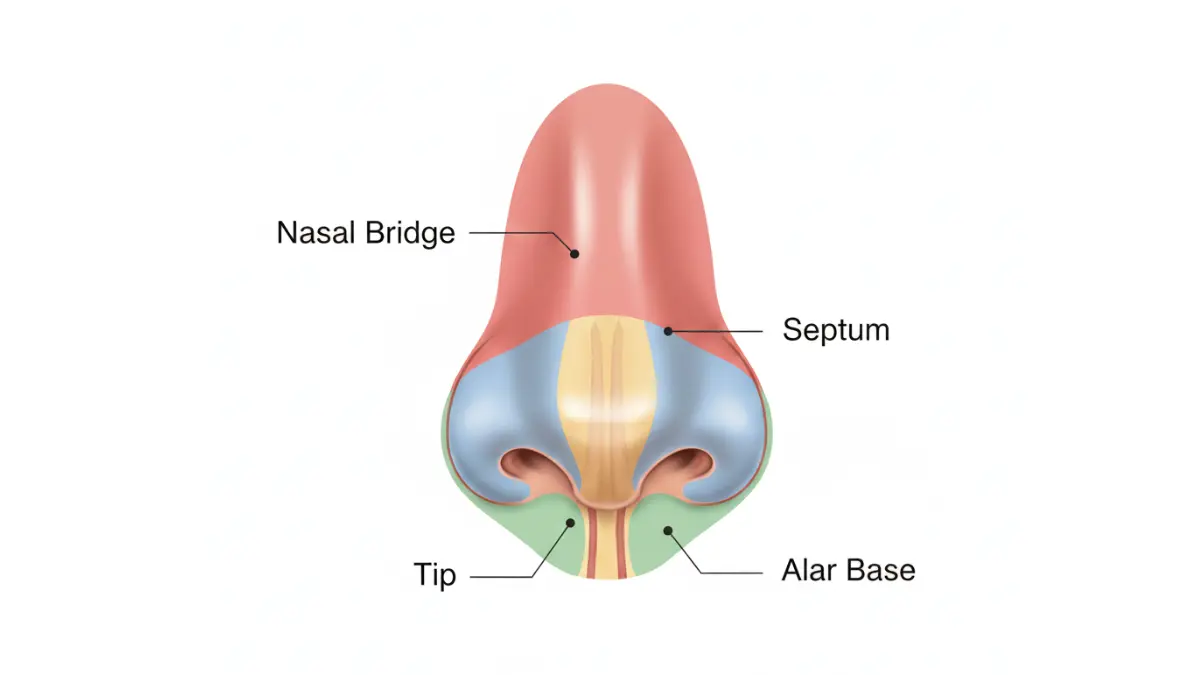
Functional rhinoplasty specifically targets breathing impairments caused by structural abnormalities. Septoplasty straightens a deviated nasal septum—the wall dividing the nostrils—while turbinate reduction shrinks enlarged internal structures blocking airflow. These procedures often receive partial or full insurance coverage when deemed medically necessary, unlike purely cosmetic nose surgery.
Combined functional and cosmetic rhinoplasty addresses both breathing efficiency and aesthetic concerns simultaneously. Patients with deviated septums who also desire cosmetic improvements benefit from this integrated approach, similar to how bariatric surgery candidates may combine procedures for optimal outcomes.
Specialized Rhinoplasty: Gender and Age Considerations
Male rhinoplasty maintains stronger, more angular features with broader nasal bridges and defined dorsal lines. Female rhinoplasty typically creates softer contours with gentle slopes and slightly upturned tips. Teen rhinoplasty requires completed facial growth (typically age 16-17 for females, 17-18 for males) plus psychological maturity to understand permanent changes and recovery demands.
The best age for rhinoplasty ranges from late teens through mid-50s, though patients of any age may undergo the procedure if medically appropriate and maintaining healthy body composition to support healing.
The Rhinoplasty Procedure: Step-by-Step
Modern rhinoplasty surgery follows a systematic approach regardless of technique:
Pre-operative preparation includes medical clearance, medication adjustments (discontinuing blood thinners, NSAIDs), and photography for surgical planning. Anesthesia options range from general anesthesia (complete sedation) for most cases to twilight sedation for minor revisions or liquid rhinoplasty procedures.
Surgical technique varies by approach but typically involves separating skin from underlying structures, reshaping bone and cartilage through precise cutting or grafting, and repositioning tissue for optimal contour. Complex cases may require cartilage harvested from the septum, ear, or rib to rebuild structural support. Procedure duration spans 1-3 hours depending on complexity, with primary cosmetic rhinoplasty averaging 2 hours and extensive revision cases extending beyond 4 hours.
✓ What This Means For You: Understanding rhinoplasty types helps you identify which procedure aligns with your goals—whether breathing improvement, aesthetic enhancement, or both. Discuss your specific concerns during consultation to determine if open, closed, functional, or non-surgical rhinoplasty best addresses your needs while fitting your budget and recovery timeline.
Rhinoplasty Cost 2025: Complete Financial Breakdown
The average rhinoplasty cost in the United States ranges from $9,000 to $50,000 in 2025, with most patients paying between $12,000 and $18,000 for primary cosmetic procedures. This significant price variation reflects differences in procedure complexity, surgeon experience, geographic location, and facility type. Unlike predictable medical expenses, cosmetic rhinoplasty surgery represents a major financial investment requiring careful planning and budget consideration.
Total rhinoplasty costs encompass multiple components beyond the surgeon’s professional fee. Understanding each element helps patients accurately budget and avoid unexpected charges during their nose surgery journey.
Primary Rhinoplasty Cost by Procedure Type
| Procedure Type | Average Cost Range 2025 | Typical Duration | Complexity Level |
|---|---|---|---|
| Closed Rhinoplasty (Primary Cosmetic) | $9,000 – $14,000 | 1.5 – 2.5 hours | Low to Moderate |
| Open Rhinoplasty (Primary Cosmetic) | $12,000 – $18,000 | 2.5 – 3.5 hours | Moderate to High |
| Revision Rhinoplasty | $15,000 – $25,000 | 3 – 5 hours | High |
| Functional Rhinoplasty (with insurance) | $3,000 – $8,000* | 2 – 3 hours | Moderate |
| Non-Surgical Rhinoplasty (Liquid) | $750 – $2,500 per session | 15 – 30 minutes | Minimal |
| Ethnic Rhinoplasty (Specialized) | $13,000 – $22,000 | 2.5 – 4 hours | Moderate to High |
*Out-of-pocket cost after insurance coverage for medically necessary functional rhinoplasty
Revision rhinoplasty costs 30-50% more than primary procedures due to increased surgical complexity, longer operative times, and potential need for cartilage grafts from the ear or rib. Patients maintaining an ideal body weight before surgery may experience fewer complications and potentially lower overall medical costs.
Regional Cost Variations in the United States
Geographic location dramatically impacts rhinoplasty pricing, with metropolitan areas and coastal cities commanding premium rates due to higher overhead expenses and surgeon demand.
| Region/City | Primary Rhinoplasty Range | Revision Rhinoplasty Range |
|---|---|---|
| Los Angeles / San Francisco | $20,000 – $35,000 | $25,000 – $45,000 |
| New York / Boston / Washington DC | $18,000 – $40,000 | $23,000 – $50,000 |
| Miami / Dallas / Atlanta | $12,000 – $28,000 | $16,000 – $35,000 |
| Chicago / Seattle / Denver | $14,000 – $25,000 | $18,000 – $32,000 |
| Midwest / South (smaller cities) | $9,000 – $16,000 | $13,000 – $22,000 |
Patients in high-cost regions sometimes travel to more affordable areas for surgery, though this approach requires careful consideration of follow-up care accessibility and surgeon familiarity with your medical history.
What’s Included (and Not Included) in Rhinoplasty Cost
Standard rhinoplasty cost typically includes:
- Surgeon’s professional fee (40-60% of total cost)
- Anesthesiologist or nurse anesthetist fees ($800-$1,500)
- Operating facility or hospital fees ($1,500-$3,000)
- Medical tests and pre-operative evaluations ($200-$500)
- Prescription medications for recovery ($100-$300)
- Post-surgical garments and nasal splints ($50-$150)
- Follow-up appointments during first 12 months (usually 3-6 visits)
Additional costs to budget for:
- Revision surgery if needed (10-15% of patients require revisions)
- Extended recovery time off work (1-2 weeks for most patients)
- Travel and accommodation if surgery occurs outside your city
- Post-operative photography for medical records
- Scar treatment products for open rhinoplasty incisions
- Protein supplementation to support healing and tissue repair
Always request an itemized cost estimate during your rhinoplasty consultation to understand exactly what your quoted price includes and identify potential additional expenses.
Insurance Coverage & Financing Options
When insurance covers functional rhinoplasty: Medical necessity determines insurance coverage, with 61% of U.S. insurance companies offering coverage with preauthorization for rhinoplasty procedures addressing breathing problems, trauma reconstruction, or congenital deformities. Common covered scenarios include:
- Deviated septum causing significant breathing obstruction
- Nasal deformity from traumatic injury (sports, accidents, assault)
- Congenital abnormalities (cleft lip/palate repair sequelae)
- Chronic sinusitis unresponsive to medical management
- Nasal valve collapse impairing airflow
Insurance reimbursement policies vary significantly, with some companies determining coverage case-by-case (25% of insurers) while others maintain no defined rhinoplasty coverage policy (14% of insurers). North Carolina Medicaid covers rhinoplasty for nasal deformities secondary to congenital conditions, trauma, or disease processes but excludes purely cosmetic procedures.
Out-of-pocket expenses for insured functional rhinoplasty typically range from $3,000-$8,000 after insurance payments, covering deductibles, co-payments, and coinsurance portions. Patients should obtain pre-authorization and detailed benefits verification before scheduling surgery to understand their financial responsibility.
Payment plans and medical financing: Most plastic surgery practices offer financing through specialized lenders like CareCredit, Alphaeon Credit, or in-house payment plans. Typical financing options include:
- 6-24 month payment plans at 0% interest (with approved credit)
- Extended 36-60 month plans at 5-15% interest rates
- Flexible monthly payments ranging from $150-$500 depending on total cost
- HSA/FSA eligibility: Cosmetic rhinoplasty typically does NOT qualify for Health Savings Account or Flexible Spending Account funds, while medically necessary functional rhinoplasty procedures DO qualify with proper documentation
International Cost Comparison 2025
Medical tourism for rhinoplasty surgery offers substantial cost savings but introduces additional considerations regarding surgeon credentials, communication barriers, and follow-up care logistics.
| Country | Average Rhinoplasty Cost | Savings vs. U.S. | Quality Considerations |
|---|---|---|---|
| United States | $12,000 – $18,000 | Baseline | Highest regulatory standards, board certification required |
| Turkey (Istanbul) | $3,000 – $6,000 | 60-75% lower | High volume centers, language barriers possible |
| India (Delhi, Mumbai) | $2,500 – $5,000 | 70-80% lower | Excellent training, significant travel distance |
| Mexico (Tijuana, Cancun) | $4,000 – $7,500 | 50-65% lower | Proximity to U.S., varying facility standards |
| South Korea (Seoul) | $5,000 – $9,000 | 40-60% lower | Advanced aesthetic techniques, specialized ethnic rhinoplasty |
International rhinoplasty patients must factor in travel expenses, extended accommodation for initial recovery, limited access to follow-up care, and potential revision surgery complications requiring local treatment at full U.S. pricing.
✓ What This Means For You: Rhinoplasty costs vary dramatically based on your location, chosen procedure type, and surgeon experience. Budget for the total investment including all fees, recovery time off work, and a 10-15% contingency fund for potential revision needs. If breathing problems qualify you for insurance coverage, pursue pre-authorization aggressively to minimize out-of-pocket expenses. Compare multiple surgeons’ quotes, but prioritize qualifications and patient satisfaction data over lowest price alone—revision rhinoplasty costs far exceed initial savings from bargain procedures.
Rhinoplasty Recovery: Complete Healing Timeline
Rhinoplasty recovery spans 12-18 months from initial surgery to final results, though most patients return to normal activities within 2-3 weeks. Understanding each rhinoplasty healing stage helps set realistic expectations and identify potential complications requiring medical attention. Postoperative care significantly influences final outcomes, with proper rest, nutrition, and follow-up compliance reducing complication rates.
Week-by-Week Recovery Breakdown
Week 1: Immediate Post-Op (Days 1-7)
Pain level: 3-5 out of 10. Most rhinoplasty patients describe moderate discomfort rather than severe pain, typically managed with prescribed medications for 3-4 days. Blood-tinged nasal drainage continues for 48-72 hours, requiring frequent gauze pad changes under the nostrils.
What to expect during the first week:
- Nasal cast, splint, and internal packing remain in place
- Significant facial swelling and bruising around eyes peaks at 48-72 hours
- Sleep with head elevated 30-45 degrees to minimize swelling accumulation
- Apply cold compresses to eyes (not directly on nose) for first 48 hours
- No strenuous activity, bending, lifting, or exercise
- Soft diet and increased water intake support healing
Cast and suture removal: External nasal splints and internal stents are typically removed on day 5-7 at your surgeon’s office. The University of Michigan Medical School recommends avoiding touching or bumping the nose during this critical early healing phase.
Weeks 2-4: Early Recovery Phase
Pain level: 1-2 out of 10. Discomfort largely resolves, though nasal congestion and breathing difficulty persist due to internal swelling. 60-70% of visible swelling subsides by week 3-4, making most patients comfortable returning to work and social activities.
Recovery milestones during weeks 2-4:
- Bruising around eyes fades from dark purple to yellow-green by day 10-14
- Nasal breathing gradually improves as internal swelling decreases
- Light walking and gentle activities resume after week 2
- Avoid glasses resting on nose bridge for 4-6 weeks (tape to forehead or use contacts)
- Resume light cardiovascular exercise after surgeon approval at week 3-4
- Social comfort level increases significantly after week 2-3
Most surgeons schedule follow-up appointments at 1, 3, and 6 weeks postoperatively to monitor healing progression and address patient concerns about rhinoplasty swelling timeline.
Months 2-3: Visible Improvement Stage
80-85% of swelling resolves by month 3, revealing preliminary rhinoplasty results. Residual puffiness concentrates in the nasal tip—the last area to fully refine. Maintaining adequate protein intake during this phase supports ongoing tissue remodeling and collagen formation.
Expected changes during months 2-3:
- Nasal shape becomes increasingly defined and symmetrical
- Breathing function normalizes to baseline or better (functional rhinoplasty cases)
- Resume all normal exercise including contact sports with protective gear
- Facial sensation returns as nerve regeneration progresses
- Morning puffiness may fluctuate based on sleep position and salt intake
- Sun protection with SPF 50+ prevents hyperpigmentation of healing incisions
Patients can typically resume all normal activities including swimming, running, and gym workouts by month 3, though heavy contact sports require surgeon clearance due to trauma risk to healing structures.
Months 6-12: Final Results Emerge
90-95% of swelling disappears by month 6, with subtle refinement continuing through month 12-18. The nasal tip—particularly in patients with thick skin—takes longest to fully contract and reveal underlying structural changes. Some patients notice persistent morning puffiness that resolves during the day for up to 18 months post-surgery.
Long-term healing markers:
- Month 6: Rhinoplasty results stabilize enough for objective outcome evaluation
- Month 9-12: Scar tissue maturation completes, with incision lines becoming nearly invisible
- Month 12+: Final nasal contour fully established, though minimal refinement may continue
- Skin thickness significantly impacts timeline—thin-skinned patients see faster refinement
Rhinoplasty Swelling Timeline: The Complete Guide
| Timeframe | Swelling Percentage | Visibility Level | Activities Allowed |
|---|---|---|---|
| Days 1-3 | 100% (Peak swelling) | Significant bruising and distortion | Bed rest, head elevated |
| Week 1 | 90-95% | Cast on, very swollen | Light walking only |
| Weeks 2-4 | 60-70% remaining | Socially acceptable with makeup | Return to work, light cardio |
| Months 2-3 | 20-30% remaining | Noticeable improvement | Most sports, normal activities |
| Months 6-9 | 10-15% remaining | Near-final appearance | All activities unrestricted |
| Months 12-18 | 5-10% remaining (tip) | Final result visible | Complete healing achieved |

Factors affecting rhinoplasty swelling timeline:
- Skin thickness: Thick or oily skin retains swelling longer (up to 24 months)
- Surgical approach: Open rhinoplasty typically shows 10-15% more swelling than closed approach initially
- Revision surgery: Secondary rhinoplasty healing extends 20-30% longer due to scar tissue
- Age: Patients under 30 heal faster than those over 50
- Post-op compliance: Following sleep recommendations and activity restrictions accelerates resolution
Rhinoplasty Healing Stages: What’s Normal
Acute inflammatory phase (Days 0-7): Peak tissue trauma response with maximum swelling, bruising, and discomfort. This stage resembles other surgical healing processes similar to ACL tear recovery where initial inflammation is expected and necessary.
Proliferative phase (Weeks 2-8): New collagen formation and blood vessel development support tissue remodeling. Visible improvement accelerates during this window.
Remodeling phase (Months 3-18): Scar tissue matures and contracts, revealing final rhinoplasty results. This extended timeframe requires patience as subtle refinements continue imperceptibly.
Red Flags Requiring Immediate Medical Attention
Contact your surgeon immediately if you experience:
- Fever above 101°F (38.3°C) suggesting possible infection
- Excessive bleeding soaking through multiple gauze pads hourly
- Severe, increasing pain uncontrolled by prescribed medications
- Sudden vision changes including blurred vision, double vision, or eye pain
- Signs of infection: yellow/green nasal discharge, foul odor, red streaking from nose
- Breathing difficulty beyond expected congestion, especially sudden onset
Managing Rhinoplasty Recovery: Expert Tips
- Sleep elevated (30-45 degree angle) using multiple pillows or a wedge pillow for first 3-4 weeks
- Apply cold compresses to eyes (not directly on nose) for first 48-72 hours, 20 minutes every 2 hours
- Avoid blood thinning substances including aspirin, ibuprofen, vitamin E, fish oil for 2 weeks pre/post-op
- Use saline nasal spray 3-4 times daily to keep passages moist and promote healing
- Stay hydrated with 8-10 glasses of water daily to reduce swelling and support tissue repair
- Eat anti-inflammatory foods rich in vitamin C, zinc, and protein for optimal wound healing
- Avoid smoking and alcohol for minimum 3-4 weeks (ideally 6 weeks) as both impair blood flow
- Protect from sun exposure using SPF 50+ sunscreen to prevent hyperpigmentation of healing tissue
- Follow taping protocol if recommended by surgeon to control post-operative edema
- Attend all follow-up appointments at 1, 3, 6, and 12 months for proper monitoring
✓ What This Means For You: Rhinoplasty recovery requires 2-3 weeks for social comfort and 12-18 months for final results. Plan time off work (minimum 10-14 days), arrange help with daily tasks during week 1, and commit to follow-up care for optimal rhinoplasty healing stages. Prioritize adequate sleep, proper nutrition with sufficient protein, and strict activity restriction compliance during early recovery. Patience during the extended swelling timeline—especially months 6-12—prevents premature revision requests before final results fully emerge.
Rhinoplasty Risks and Complications: What You Need to Know
Rhinoplasty carries a low overall complication rate of 2-5% when performed by board-certified surgeons, though understanding potential risks enables informed decision-making and early problem recognition. Complications range from minor aesthetic imperfections requiring no intervention to serious medical events demanding immediate treatment. Transparency about rhinoplasty risks differentiates ethical surgeons from those making unrealistic promises about nose surgery outcomes.
Common Rhinoplasty Side Effects (Expected)
Temporary swelling and bruising affect virtually all rhinoplasty patients, peaking at 48-72 hours and substantially resolving within 2-3 weeks. This normal inflammatory response represents the body’s healing mechanism rather than a complication.
Numbness or altered sensation in the nasal tip and upper lip occurs in 60-80% of patients due to temporary nerve disruption. Most sensation returns within 3-6 months as nerve endings regenerate, though minor hypersensitivity or diminished feeling may persist up to 12 months in some cases.
Nasal congestion and breathing difficulty during early recovery stems from internal swelling and dried blood accumulation. Saline irrigation and humidification typically resolve these symptoms within 2-4 weeks.
Minor asymmetry during healing appears common as differential swelling resolves at varying rates between sides. Most asymmetries self-correct by month 6-9 without intervention.
Potential Rhinoplasty Complications (Rare but Serious)
Infection Rates and Management
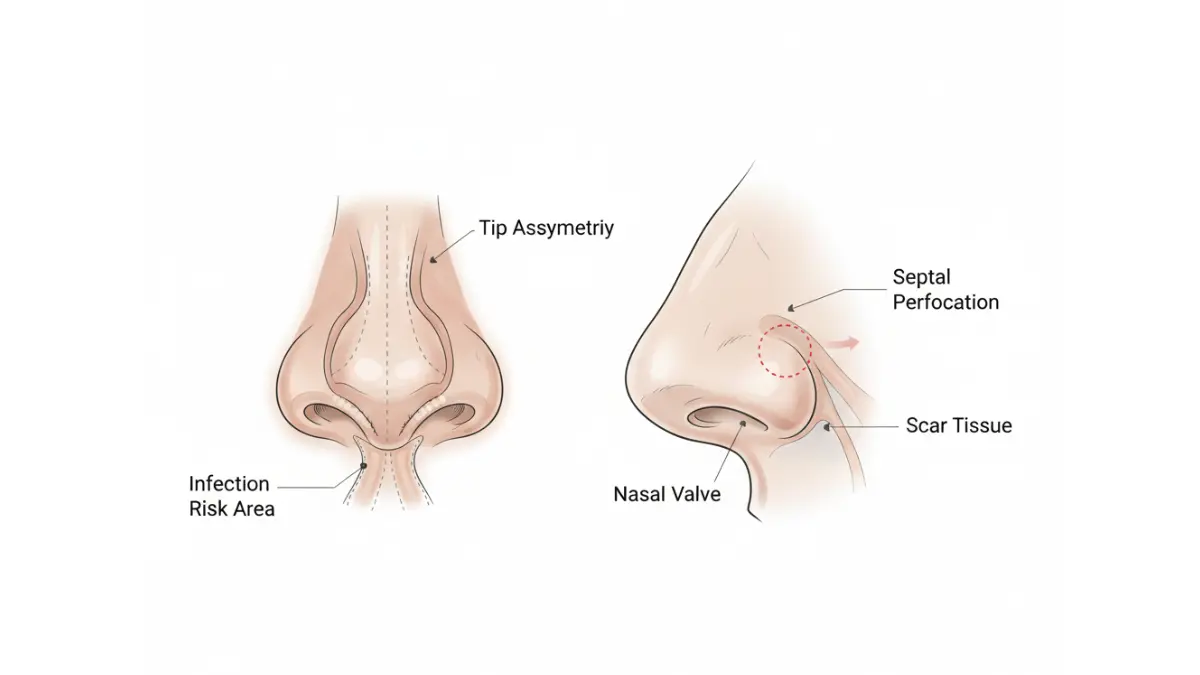
Postoperative infection occurs in 0.62% to 2.8% of rhinoplasty cases, with rates varying by surgical complexity and use of grafting materials. A large study analyzing 3,084 rhinoplasty procedures found infection rates under 1% when appropriate antibiotic protocols were followed. Infection risk increases significantly with alloplastic implants (synthetic materials), reaching 5-20% in some series compared to 0.6-3% with autologous tissue grafts.
Signs of rhinoplasty infection requiring immediate medical attention include fever above 101°F, increasing pain after initial improvement, purulent (yellow-green) nasal discharge, expanding redness, and foul odor. Most infections respond to oral antibiotics and increased monitoring, though severe cases may require surgical débridement or implant removal.
Breathing Difficulties Post-Rhinoplasty
Nasal airway obstruction affects 1-2% of cosmetic rhinoplasty patients long-term, typically resulting from over-resection of structural cartilage, internal scarring, or valve collapse. Functional rhinoplasty intended to improve breathing carries paradoxical risk of creating new obstructions if healing produces unexpected scar tissue or cartilage positioning shifts. Patients experiencing persistent breathing problems beyond 6 months should undergo evaluation for potential revision surgery.
Septal Perforation
Perforation of the nasal septum (hole between nostrils) occurs in approximately 0.5-1% of rhinoplasty cases, more commonly in revision procedures or when aggressive septal work was performed. Small perforations may remain asymptomatic, while larger defects cause whistling sounds, crusting, bleeding, and progressive cartilage collapse requiring surgical repair.
Revision Surgery Need
10-15% of primary rhinoplasty patients seek revision procedures within 5 years due to aesthetic dissatisfaction or functional problems. Patient factors (unrealistic expectations, poor healing), surgeon factors (technical errors, inexperience), and unpredictable healing patterns all contribute to revision rates. Higher complexity procedures like ethnic rhinoplasty or extensive tip work carry elevated revision risks.
Aesthetic Complications
Visible aesthetic complications include:
- Asymmetry or irregularities in nasal contour
- Pollybeak deformity (supratip fullness)
- Pinched nasal tip appearance
- Saddle nose deformity (collapsed bridge)
- Visible scarring (primarily with open rhinoplasty approach)
- Alar retraction or nostril asymmetry
Rare but Severe Complications
Non-surgical liquid rhinoplasty carries distinct risks including vision loss from filler migration into ocular blood vessels (8 reported cases), skin necrosis (7 cases), and vascular occlusion (30 episodes) in a systematic review of 8,527 procedures.
Risk Factors That Increase Complication Rates
Smoking increases infection risk 3-4 fold and impairs wound healing by reducing tissue oxygenation. Surgeons typically require smoking cessation 4 weeks before and after rhinoplasty surgery to minimize complications.
Diabetes and metabolic conditions slow healing and increase infection susceptibility. Well-controlled blood glucose levels reduce but don’t eliminate elevated risks.
Blood thinning medications including aspirin, NSAIDs, vitamin E, fish oil, and herbal supplements increase bleeding complications. Discontinuation 10-14 days pre-operatively under physician guidance minimizes hemorrhage risk.
Previous nasal trauma or surgery creates scar tissue and altered anatomy, complicating subsequent procedures and increasing revision rhinoplasty complication rates by 30-50%.
Unrealistic expectations contribute to psychological dissatisfaction classified as a “typical complication of rhinoplasty” in medical literature. Proper patient selection and expectation management prevent most cases.
Rhinoplasty Safety: Choosing the Right Surgeon
Board certification essentials: Verify certification by the American Board of Plastic Surgery or American Board of Facial Plastic and Reconstructive Surgery. These credentials require extensive training, written/oral examinations, and peer review of surgical outcomes.
Questions to ask during rhinoplasty consultation:
- How many rhinoplasty procedures do you perform annually? (Seek surgeons performing 50+ yearly)
- What is your revision rate for primary rhinoplasty? (Below 10% indicates skill)
- May I see before-and-after photos of patients with similar concerns?
- What specific technique do you recommend for my case and why?
- How do you handle complications if they arise?
- Where will surgery be performed and is the facility accredited?
- What are my realistic outcome expectations given my anatomy?
Red flags to avoid:
- Guaranteed perfect results or “no revision ever needed” claims
- Unwillingness to discuss complications or risks transparently
- Pressure to schedule surgery during initial consultation
- Significantly below-market pricing suggesting inexperience
- Non-board certified practitioners performing complex procedures
Setting Realistic Expectations for Rhinoplasty Results
3-6 month timeline for preliminary assessment allows adequate swelling resolution before judging outcomes. Premature evaluation leads to unnecessary anxiety about results still evolving naturally.
Ethnicity and facial harmony considerations require culturally sensitive approaches. Rhinoplasty should enhance natural features rather than impose Eurocentric standards, similar to how cosmetic procedures should respect individual aesthetic goals.
Computer simulation limitations: Digital imaging provides general direction but cannot perfectly predict final results due to skin healing variability, tissue response unpredictability, and three-dimensional complexity that static images cannot fully capture.
✓ What This Means For You: Rhinoplasty is safe for most healthy patients but carries 2-5% complication risk requiring careful consideration. Choose board-certified surgeons with extensive rhinoplasty experience, avoid smoking and blood-thinning substances pre-operatively, and maintain realistic expectations about achievable outcomes. Ask about your surgeon’s specific complication rates and revision policies during consultation. Understand that 10-15% of patients may need minor revision procedures to achieve optimal results—this represents normal practice rather than surgical failure. If you have underlying health conditions affecting healing like diabetes or autoimmune disorders, discuss risk mitigation strategies with both your surgeon and primary care physician before committing to nose surgery.
Rhinoplasty Results: What Real Patients Experience
Rhinoplasty delivers measurable improvements in both functional breathing and aesthetic appearance for the majority of patients. The transformation begins immediately after cast removal on day 5-7, though preliminary results require 3-6 months of swelling resolution and final rhinoplasty results emerge at 12-18 months post-surgery. Patient experiences vary significantly based on surgical complexity, healing characteristics, and alignment between expectations and achievable outcomes.
Patient Satisfaction Rates in 2025
Overall rhinoplasty satisfaction ranges from 83.6% to 95% across multiple studies tracking thousands of nose surgery outcomes. A comprehensive analysis of 2,326 primary rhinoplasty reviews found 83.6% of patients reported satisfaction with their results, though significant gender differences emerged in satisfaction rates and complaint patterns.
Gender Differences in Satisfaction
Female patients demonstrate higher satisfaction (87.6%) compared to male patients (56.1%), representing a substantial 31-point gap in rhinoplasty outcomes. Males more frequently express dissatisfaction with residual dorsal humps, under-rotated nasal tips, and noses appearing “too small” post-operatively, while females report higher satisfaction across all measured parameters including nasal tip appearance, bridge width, and overall facial harmony.
Age-Related Satisfaction Variations
Patients under 25 years old demonstrate significantly higher satisfaction levels compared to older age groups (P=0.033), suggesting younger individuals adapt more readily to post-rhinoplasty changes and experience more predictable healing patterns. However, long-term satisfaction studies show middle-aged patients (35-55) maintain excellent satisfaction rates when realistic expectations were established pre-operatively.
Revision Rhinoplasty Outcomes
79% of revision rhinoplasty patients would choose to undergo the procedure again, with 88% experiencing significant improvement in nasal performance after secondary surgery. Interestingly, patient satisfaction demonstrates an inverse correlation with the number of previous rhinoplasties—first revisions show 85-90% satisfaction, while third or fourth revisions drop to 65-70% satisfaction rates due to limited remaining tissue and increased surgical complexity.
| Patient Category | Satisfaction Rate | Key Factors |
|---|---|---|
| Primary Rhinoplasty – Female | 87.6% | Higher aesthetic expectations met |
| Primary Rhinoplasty – Male | 56.1% | More specific structural concerns |
| Overall Primary Rhinoplasty | 83.6% | Combined aesthetic and functional |
| Revision Rhinoplasty | 79-88% | Depends on number of previous surgeries |
| Functional Rhinoplasty | 90-95% | Breathing improvement primary goal |
| Patients Under 25 | Higher (specific % varies) | Better healing, adaptation |
| Combined Functional + Aesthetic | 85-90% | Dual benefit approach |
Rhinoplasty Before and After: Timeline of Changes
Immediate post-operative appearance (Days 1-7): Significant swelling, bruising, and distortion make the nose appear larger and misshapen. The external cast obscures true contours, requiring patience during this challenging phase.
3-month transformation: 60-70% of swelling resolves, revealing preliminary rhinoplasty results. Most patients feel comfortable in social situations and begin appreciating their new nasal profile, though residual tip puffiness persists.
6-month refinement: 80-85% of swelling disappears, with rhinoplasty before and after photos showing dramatic improvement. Breathing function normalizes to baseline or significantly improves in functional rhinoplasty cases. Patients can objectively assess outcomes though subtle changes continue.
12-month final results: 90-95% of swelling resolves with final nasal contour established. Incision lines from open rhinoplasty become nearly imperceptible. The nose integrates naturally into facial features, with friends and family noting harmonious appearance rather than “surgical look.”
Long-Term Rhinoplasty Results: 5-10 Years Later
Surgical rhinoplasty changes remain permanent, with cartilage and bone modifications maintaining their new position indefinitely. Natural aging affects all facial features including the nose—skin thickens, elasticity decreases, and gravitational effects cause subtle tip drooping over decades. However, these age-related changes do not reverse the surgical improvements achieved through rhinoplasty procedures.
Revision rates over time: Approximately 10-15% of primary rhinoplasty patients seek revisions within 5 years, with 65% of revisions occurring within the first 2 years post-surgery. After 5 years, revision rates drop below 2% annually, indicating long-term stability of well-executed procedures.
Success Factors: Who Gets the Best Rhinoplasty Results?
Ideal candidate characteristics for optimal outcomes:
- Realistic expectations aligned with achievable anatomical changes
- Completion of facial growth (age 16+ for females, 17+ for males)
- Nonsmoker status or successful 4-week cessation before surgery
- Good overall health without conditions impairing wound healing
- Stable body weight within healthy ranges before surgery
- Strong psychological readiness for permanent facial change
- Clear motivation (self-driven rather than partner/family pressure)
Surgeon skill level impact: Board-certified plastic surgeons or facial plastic surgeons with 50+ annual rhinoplasty procedures demonstrate 30-40% lower revision rates compared to surgeons performing <20 annually. Subspecialty fellowship training in rhinoplasty correlates with improved outcomes in complex cases.
Patient compliance with aftercare: Following post-operative instructions religiously—including sleep position, activity restrictions, and avoiding nose trauma—reduces complication rates by approximately 40% according to research on rhinoplasty healing.
The Final Verdict: Is Rhinoplasty Worth It in 2025?
| Factor | Pro/Benefit | Con/Risk | Mitigation Strategy |
|---|---|---|---|
| Cost | Permanent improvement, one-time investment | $9,000-$50,000 expense | Financing options, insurance for functional cases |
| Recovery | 2-3 weeks to social comfort | 12-18 months to final results | Proper planning, realistic timeline expectations |
| Results | 83.6-95% satisfaction rates | 10-15% revision need | Choose experienced, board-certified surgeon |
| Function | Improved breathing in functional cases | Rare breathing complications (1-2%) | Combined functional + aesthetic approach |
| Aesthetics | Enhanced facial harmony, confidence boost | Results irreversible, must accept changes | Computer imaging, multiple consultations |
| Risks | Low complication rate (2-5%) | Infection, bleeding, asymmetry possible | Proper surgeon selection, aftercare compliance |
| Psychological Impact | 90%+ report improved self-confidence | Body dysmorphia concerns in 5-10% | Pre-operative psychological screening |
When Rhinoplasty IS Worth It
- Breathing impairment significantly affects quality of life and conservative treatments have failed
- Specific, correctable aesthetic concerns that you’ve carefully considered for 12+ months
- You’ve researched extensively, consulted multiple board-certified surgeons, and understand realistic outcomes
- Financial investment won’t create hardship and you’ve budgeted for potential revision needs
- Recovery timeline aligns with your life circumstances including work, social obligations, and support availability
When to Reconsider Rhinoplasty
- Pressure from others rather than personal desire for change
- Expecting rhinoplasty to solve relationship, career, or psychological problems unrelated to appearance
- Body dysmorphic disorder symptoms including obsessive focus on minor or imagined flaws
- Financial strain requiring loans beyond comfortable repayment capacity
- Unrealistic expectations including demands for specific celebrity noses incompatible with your anatomy
Next Steps: Your Rhinoplasty Decision Checklist
Before booking a rhinoplasty consultation:
- Photograph your nose from multiple angles and identify specific concerns (not “make me beautiful”)
- Research board-certified surgeons in your area with 50+ annual rhinoplasty procedures
- Verify surgeon credentials through American Board of Plastic Surgery or American Board of Facial Plastic Surgery
- Review 20+ rhinoplasty before and after portfolios matching your concerns and ethnicity
- Calculate total budget including surgery, recovery time off work, and 10-15% contingency fund
- Discuss plans with primary care physician, especially if you have chronic health conditions
- Schedule consultations with 2-3 surgeons to compare recommendations and comfort levels
- Review additional health resources for surgical preparation optimization
- Ask yourself: “Will I regret NOT doing this procedure in 5 years?” If yes, proceed thoughtfully
- Ensure you have 2-3 weeks available for recovery with help for daily tasks during week 1
✓ What This Means For You: Rhinoplasty is worth it for 83.6-95% of patients who choose experienced surgeons, maintain realistic expectations, and commit to proper aftercare. The procedure delivers permanent improvements in both breathing function and aesthetic appearance, with most patients reporting increased self-confidence and life satisfaction. However, the 12-18 month timeline to final results, $9,000-$50,000 investment, and 10-15% revision rate require serious consideration. Success depends equally on surgeon skill and patient factors including health status, realistic expectations, and compliance with recovery protocols. If breathing problems qualify you for insurance coverage, pursue that aggressively to reduce out-of-pocket costs. For purely cosmetic cases, view rhinoplasty as a long-term investment in your well-being rather than a quick fix for deeper psychological concerns.
Frequently Asked Questions About Rhinoplasty
1. How much does rhinoplasty cost in 2025?
Rhinoplasty costs range from $9,000 to $50,000 in the United States, with most patients paying $12,000-$18,000 for primary cosmetic procedures. Revision rhinoplasty costs 30-50% more, while functional rhinoplasty may be partially covered by insurance.
2. How long does rhinoplasty recovery take?
Most patients return to work within 10-14 days, though 60-70% of swelling resolves by week 3-4. Complete healing and final results take 12-18 months, with nasal tip swelling lasting longest.
3. Is rhinoplasty painful?
Pain levels typically rate 3-5 out of 10 during the first week, managed with prescribed medications. Most discomfort resolves within 7-10 days, with congestion and pressure being more bothersome than actual pain.
4. What’s the difference between open and closed rhinoplasty?
Open rhinoplasty uses a small external incision on the columella for complete visualization, while closed rhinoplasty uses only internal incisions. Open approach takes longer (2.5-3.5 hours) but allows more precise modifications for complex cases.
5. Can rhinoplasty fix breathing problems?
Yes, functional rhinoplasty specifically addresses breathing issues caused by deviated septums, nasal valve collapse, or structural abnormalities. Insurance often covers medically necessary rhinoplasty for documented breathing impairment.
6. What is the success rate of rhinoplasty?
Patient satisfaction rates range from 83.6% to 95%, with females reporting 87.6% satisfaction compared to 56.1% for males. Approximately 10-15% of patients seek revision procedures within 5 years.
7. What are the biggest rhinoplasty risks?
The most common complications include infection (0.6-2.8%), breathing difficulties (1-2%), septal perforation (0.5-1%), and revision surgery need (10-15%). Overall complication rate remains low at 2-5% with experienced surgeons.
8. How do I choose a rhinoplasty surgeon?
Verify board certification through the American Board of Plastic Surgery or American Board of Facial Plastic Surgery, confirm they perform 50+ rhinoplasty procedures annually, and review 20+ before-and-after portfolios matching your concerns.
9. When can I see final rhinoplasty results?
Preliminary results appear at 3-6 months when 60-80% of swelling resolves, but final results require 12-18 months for complete tissue refinement. Thick-skinned patients may need 18-24 months for full tip definition.
10. Will insurance cover my rhinoplasty?
Insurance covers functional rhinoplasty for medical necessity including deviated septum, traumatic injury reconstruction, or congenital deformities. Purely cosmetic rhinoplasty is never covered, though 61% of insurers offer coverage with preauthorization for documented functional issues.
11. Can I get rhinoplasty if I’m under 18?
Rhinoplasty is possible after facial growth completion—typically age 16-17 for females and 17-18 for males. Teen rhinoplasty requires parental consent, psychological maturity assessment, and stable motivation for 12+ months before surgery.
About this content
How this article was put together: researched from recognised health sources, drafted with the help of AI tools, and edited by hand, with sources linked throughout.

Sameer Patel is the founder and editor of My Medicine Advisor. He is not a doctor or medical professional — before starting this site he worked in banking,…
Medical disclaimer
The content on MyMedicineAdvisor is provided for general informational and educational purposes only and is not a substitute for professional medical advice, diagnosis, or treatment. Health information on this website should not be used to diagnose, treat, cure, or prevent any condition without guidance from a qualified healthcare professional. Always seek the advice of your doctor, physician, or another licensed healthcare provider with any questions you may have regarding a medical condition, symptoms, medications, or treatment decisions.