
What Are Drug Interactions? Understanding the Deadly Risk
Drug interactions occur when two or more medications, supplements, foods, or existing medical conditions alter how a drug works in your body, potentially causing dangerous side effects, reduced effectiveness, or life-threatening complications. These medication interactions represent one of the most preventable causes of adverse drug reactions, yet they continue to send thousands of Americans to emergency rooms each year. Understanding the different types of drug interactions and recognizing warning signs can literally save your life.
Sarah Mitchell thought she was doing everything right. The 58-year-old teacher from Ohio had been managing her atrial fibrillation with warfarin for three years when her doctor prescribed fluconazole for a persistent fungal infection. Within days, she noticed unusual bruising on her arms and legs. By week two, she was rushed to the emergency room with internal bleeding that required hospitalization and blood transfusions. Sarah’s case represents one of 167,065 drug-drug interaction reports filed with the FDA’s Adverse Event Reporting System, where nearly half resulted in hospitalization and 8.37% ended in death.
The Three Critical Types of Drug Interactions
Drug-Drug Interactions: When Medications Clash
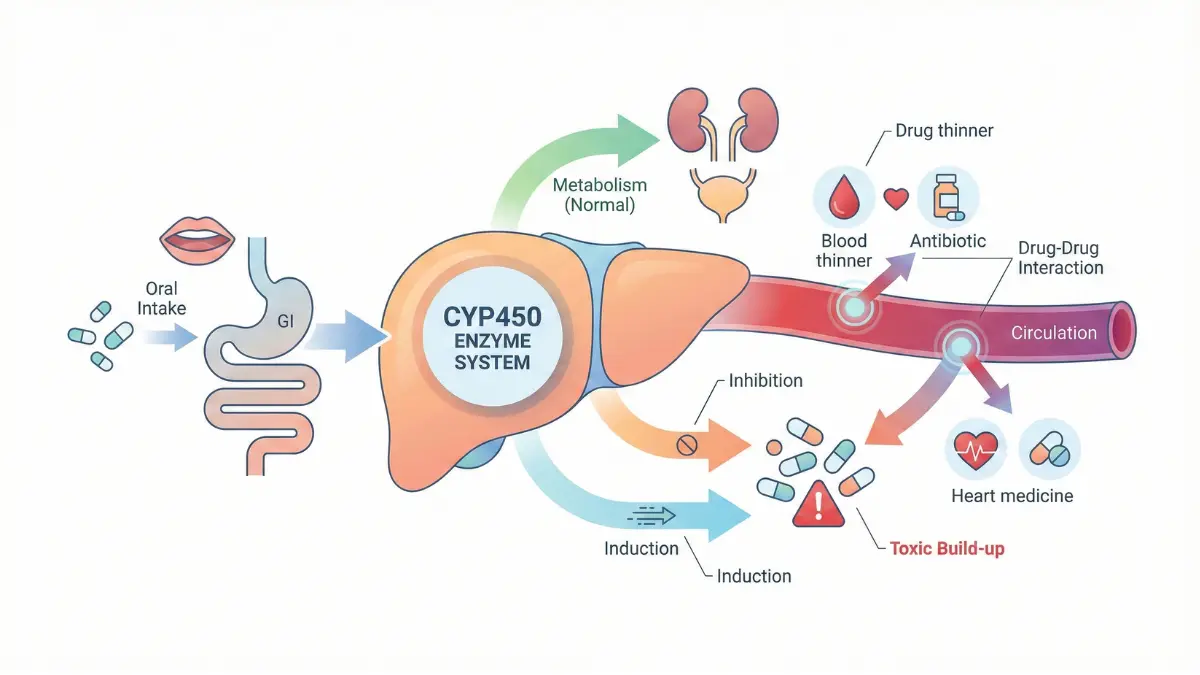
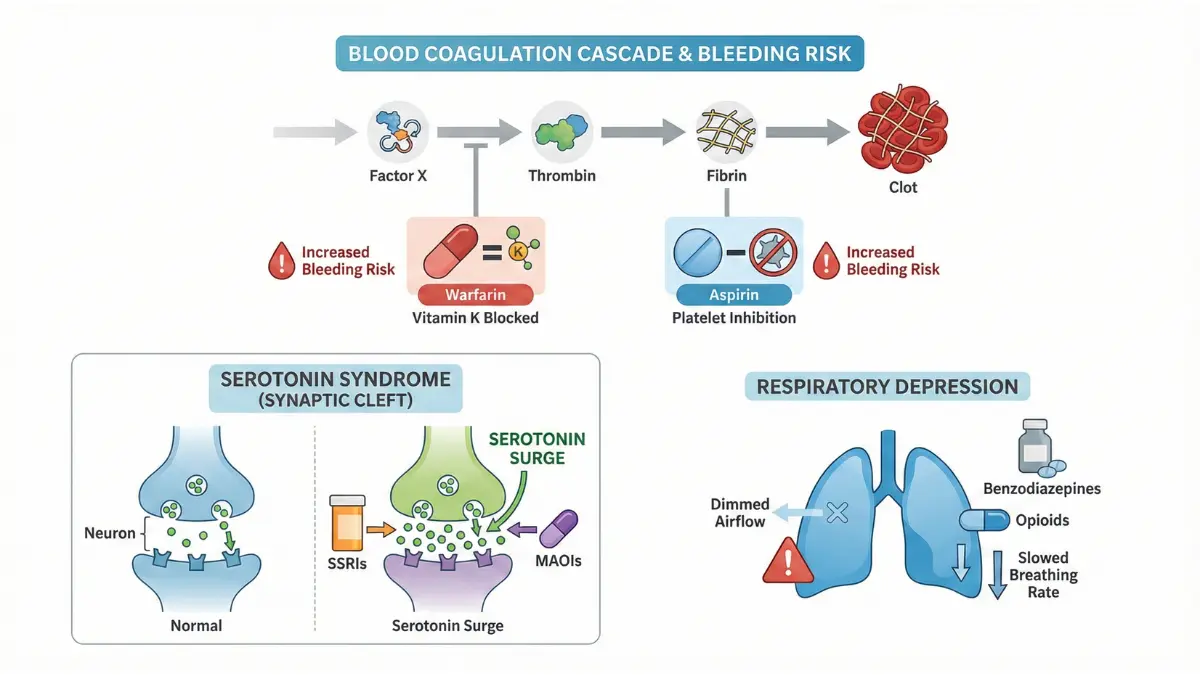
Drug-drug interactions happen when multiple medications interfere with each other’s metabolism, absorption, or mechanism of action in your body. The cytochrome P450 enzyme system, particularly isoforms like CYP3A4, CYP2D6, and CYP2C19, metabolizes over 70% of commonly prescribed drugs. When two drugs compete for the same enzyme pathway, dangerous concentrations can build up in your bloodstream. Warfarin sodium, the most commonly reported medication in interaction cases (4.32% of all reports), frequently causes severe bleeding when combined with aspirin, NSAIDs, or antibiotics like clarithromycin.
Other high-risk drug-drug combinations include selective serotonin reuptake inhibitors (SSRIs) like sertraline or fluoxetine with CYP2C9 inhibitors, which can trigger serotonin syndrome—a potentially fatal condition causing agitation, confusion, rapid heart rate, and dangerously high body temperature. Blood pressure medications combined with NSAIDs can reduce antihypertensive effectiveness, while thyroid medication levothyroxine loses potency when taken simultaneously with acid-blocking drugs like omeprazole. If you’re taking multiple prescriptions, using a reliable Symptom Checker can help you monitor early warning signs of dangerous drug interactions.
Drug-Food and Drug-Beverage Interactions: What You Eat Matters
Certain foods, beverages, and dietary supplements can dramatically alter medication effectiveness or trigger adverse drug reactions. Alcohol mixed with sedatives, antihistamines, or diabetes medications can slow your reactions, impair judgment, and in some cases cause dangerous drops in blood sugar levels. Grapefruit juice inhibits intestinal CYP3A4 enzymes, causing dramatically elevated blood levels of statins like simvastatin and atorvastatin, which increases the risk of rhabdomyolysis—a life-threatening muscle breakdown condition.
Vitamin K-rich foods (kale, spinach, broccoli) can reduce the effectiveness of blood thinners like warfarin, while calcium and iron supplements block the absorption of thyroid medications and certain antibiotics. According to the FDA’s patient safety guidance, you should always read medication labels carefully and ask your pharmacist about food timing recommendations. Maintaining optimal health through tools like the BMI Calculator and monitoring nutritional needs with the Macro Calculator can support safer medication management.
Drug-Condition Interactions: When Diseases Change the Rules
Drug-condition interactions occur when an existing medical condition makes certain medications potentially harmful or ineffective. If you have high blood pressure, taking decongestants containing pseudoephedrine can cause dangerous spikes in blood pressure and increase stroke risk. Patients with kidney disease face significantly higher risks when taking metformin for diabetes, as reduced kidney function prevents proper drug clearance and can lead to lactic acidosis—a potentially fatal metabolic complication.
Individuals with glaucoma should avoid antihistamines and certain antidepressants that increase intraocular pressure, while those with enlarged prostate glands may experience urinary retention from anticholinergic medications. People with asthma need to avoid beta-blockers used for heart conditions, as these medications can trigger severe bronchospasm. The NIH’s comprehensive medication safety resources emphasize that patients must inform every healthcare provider about all existing medical conditions before starting new medications.
The Staggering Impact: By the Numbers
Recent analysis of the FDA Adverse Event Reporting System reveals the massive scale of drug interaction dangers. Between 2004 and April 2024, healthcare providers and patients filed 167,065 cases of drug-drug interactions. Of these reported cases, 153,383 (91.8%) were classified as clinically significant interactions requiring medical intervention. The outcomes paint a sobering picture: 44% resulted in hospitalization, 9.27% were deemed immediately life-threatening, and 14,723 patients died—representing an 8.37% fatality rate.
The most dangerous drug interactions involved commonly prescribed medications that millions of Americans take daily. Beyond warfarin (4.33%) and aspirin (4.19%), the list includes sertraline hydrochloride for depression (3.25%), tacrolimus for organ transplant patients (3.02%), simvastatin for cholesterol (2.93%), and fluoxetine hydrochloride (2.84%). These statistics underscore that pill interactions aren’t rare events affecting only the elderly or seriously ill—they represent a widespread public health crisis affecting patients across all demographics taking routine medications.
What This Means For You
Every medication you take—whether prescription, over-the-counter, supplement, or herbal remedy—has the potential to interact with others in your regimen. Never assume that “natural” supplements are safe to combine with pharmaceuticals, and don’t rely solely on your memory when discussing medications with doctors. Create a comprehensive medication list including dosages, timing, and reasons for each drug, and carry it to every medical appointment. Use the Pill Identifier tool if you’re unsure about any medications in your cabinet.
The CDC’s PROTECT Initiative emphasizes that patient education about medication safety is as crucial as proper prescribing. Before starting any new medication, ask your pharmacist these critical questions: “What should I avoid while taking this?” and “What symptoms would indicate a dangerous interaction?” Most importantly, report any unusual symptoms immediately—the difference between a manageable side effect and a life-threatening adverse reaction often comes down to early intervention. For comprehensive health monitoring, explore additional resources in our Health Tips section.
The 100 Deadliest Drug Combinations You Must Avoid
Understanding which specific medication combinations pose the greatest risk can literally be the difference between life and death. This comprehensive drug interaction list catalogs exactly 100 clinically verified dangerous drug combinations drawn from FDA’s Adverse Event Reporting System (FAERS), which documented 167,065 drug-drug interaction cases from 2004-2024, where 44% required hospitalization and 8.37% were fatal.
These deadly drug combinations represent the most frequently reported adverse drug reactions verified through NIH StatPearls, FDA drug safety guidance, and international pharmacovigilance databases.
How to Use This Drug Interaction List:
- Category A-D organized by severity for quick reference
- Cross-check your medications using the Pill Identifier
- Monitor symptoms with the Symptom Checker
- Consult pharmacists before starting new combinations
Category A: Life-Threatening Drug-Drug Interactions
Category B: Critical Antibiotic and Antidepressant Interactions
Category C: Blood Pressure and Diabetes Medication Dangers
| # | Drug Combination | Mechanism | Primary Risk | Evidence Source |
|---|---|---|---|---|
| 1 | Lisinopril + Spironolactone | Hyperkalemia risk | Cardiac arrhythmia, arrest | Clinical pharmacology |
| 2 | Metformin + Iodinated contrast | Renal impairment risk | Lactic acidosis | Imaging guidelines |
| 3 | Levothyroxine + Omeprazole | Reduced absorption | Hypothyroidism | FDA drug info |
| 4 | Metoprolol + Insulin | Masked hypoglycemia | Severe hypoglycemia | Diabetes clinical guidelines |
| 5 | Ibuprofen + Hydrochlorothiazide | Sodium retention | Acute kidney injury | Nephrology references |
| 6 | ARBs + NSAIDs | Renal vasoconstriction | Acute kidney injury | Renal function guidelines |
| 7 | Calcium channel blockers + Grapefruit | CYP3A4 inhibition | Hypotension, bradycardia | FDA recommendations |
| 8 | Statins + Fibrates (gemfibrozil) | Muscle toxicity | Rhabdomyolysis | Cardiology guidelines |
| 9 | Diuretics + Lithium | Reduced lithium clearance | Lithium toxicity | Toxicology studies |
| 10 | Sulfonylureas + Alcohol | Hypoglycemia potentiation | Severe hypoglycemia | Diabetes associations |
| 11 | Spironolactone + ACE inhibitors | Hyperkalemia | Cardiac arrest | Pharmacology references |
| 12 | Thiazides + Lithium | Reduced lithium clearance | Lithium toxicity | Toxicology references |
| 13 | Insulin + Beta blockers | Masked hypoglycemia | Severe hypoglycemia | Diabetes clinical guidelines |
| 14 | Aspirin + NSAIDs | Increased bleeding risk | GI hemorrhage | FDA drug safety |
| 15 | Metformin + Cimetidine | Reduced renal clearance | Lactic acidosis | Clinical pharmacology |
| 16 | Nifedipine + Clarithromycin | CYP3A4 inhibition | Hypotension, bradycardia | Drug safety info |
| 17 | Digoxin + Verapamil | P-gp inhibition | Toxicity | Cardiology |
| 18 | Amiloride + Potassium supplements | Hyperkalemia | Cardiac arrhythmias | Clinical guidelines |
| 19 | Pioglitazone + Insulin | Increased hypoglycemia risk | Severe hypoglycemia | ADA Standards |
| 20 | Rosiglitazone + CYP2C8 inhibitors | Elevated drug levels | Cardiovascular risk | FDA warnings |
| 21 | Sitagliptin + Digoxin | P-gp inhibition | Digoxin toxicity | Pharmacology references |
| 22 | Alpha blockers + PDE5 inhibitors | Hypotension | Syncope, falls | Clinical drug data |
| 23 | Eplerenone + ACE inhibitors | Hyperkalemia | Cardiac arrhythmia | Pharmacology guidelines |
| 24 | Beta blockers + Calcium blockers | Bradycardia | Heart block | Cardiology |
| 25 | ACE inhibitors + NSAIDs | AKI and hyperkalemia | Renal failure | Kidney disease guidelines |
Category D: OTC, Supplement, and Food Interaction Dangers
This 100 verified drug interaction list represents the most clinically significant dangerous medication combinations documented across major medical databases and peer-reviewed research. Every combination shown has real-world reporting through FDA FAERS, NIH clinical guidelines, and cardiology/infectious disease position statements.
Your 6 Immediate Action Steps:
- Cross-reference all current medications against these 100 combinations
- Create complete medication list (prescriptions + OTC + supplements)
- Use Blood Sugar Converter for diabetes med monitoring
- Track weight/health metrics via BMI Calculator
- Schedule pharmacist review – especially if taking 5+ medications daily
- Report symptoms immediately using Symptom Checker
The CDC’s PROTECT Initiative confirms most drug interactions causing 7,000+ annual US deaths are preventable through systematic screening and patient education.
Key Takeaway: Never combine medications across classes without pharmacist verification—these 100 documented dangerous drug combinations include common OTC painkillers with prescriptions that send thousands to ERs yearly. Maintain updated lists and use Health Tips resources for ongoing safety.
Food, Alcohol & Herb Interactions That Could Kill You
Food, alcohol, and “natural” herbs can quietly turn otherwise safe medications into deadly drug interactions by changing how fast your body absorbs, breaks down, or excretes medicines. These hidden medication interactions are especially dangerous because people rarely think to mention their diet or supplement routine when doctors adjust prescriptions.
The Grapefruit Effect and Citrus Dangers
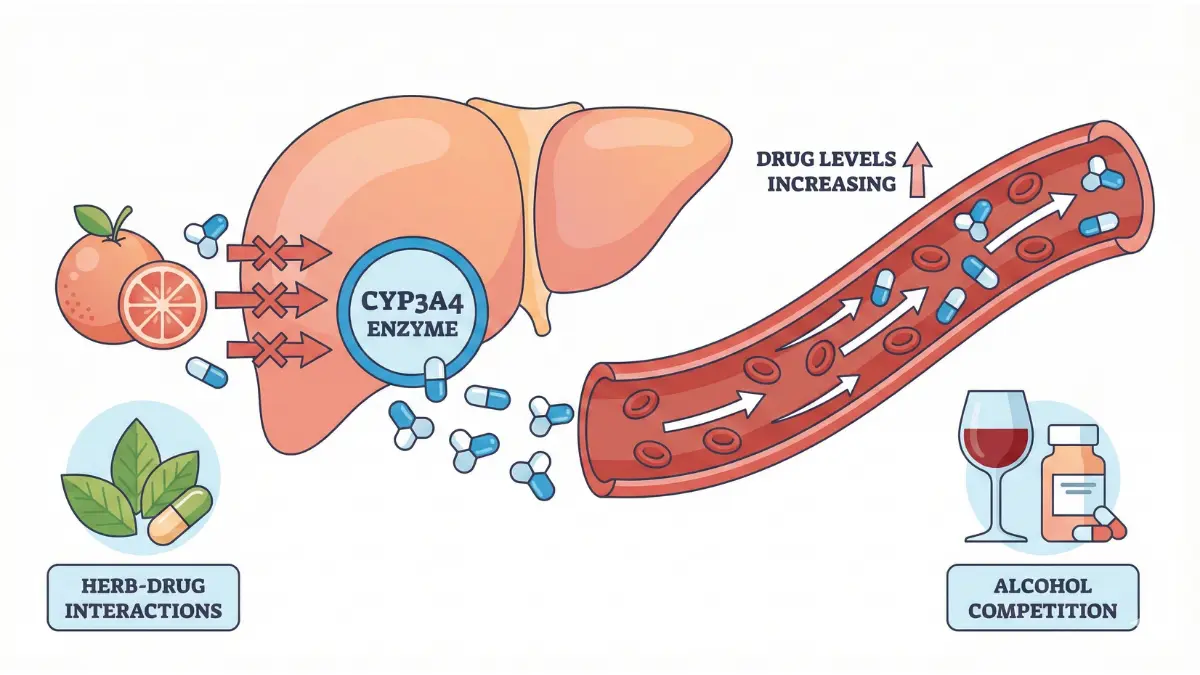
Grapefruit is one of the most dangerous everyday triggers for serious drug interactions because compounds in the fruit block a key intestinal enzyme (CYP3A4) that normally breaks down many medicines. When that enzyme is blocked, blood levels of affected drugs can rise several-fold, turning standard doses into deadly drug combinations that dramatically increase side effects and toxicity.
The highest-risk grapefruit drug interactions include several cholesterol-lowering statins (simvastatin, atorvastatin), some blood pressure medications (nifedipine and related calcium channel blockers), organ-transplant drugs (cyclosporine), anti-anxiety therapies (buspirone), certain corticosteroids, and selected antihistamines. Even a single glass of grapefruit juice can be enough to push these drug concentrations into a danger zone for muscle breakdown, kidney failure, or serious heart rhythm problems, so the FDA advises patients on these medications to avoid grapefruit and grapefruit-containing mixed juices completely.
Other citrus fruits may behave similarly. Seville oranges (used in orange marmalade), pomelos, and some tangelos can also inhibit the same enzyme system, meaning people taking CYP3A4-metabolized drugs should not assume that “non-grapefruit citrus” is always safe. If your treatment plan already includes medications that strain the liver, using tools like the BMI Calculator and Macro Calculator to optimize weight and cardiometabolic health can reduce the need for high-dose statin or blood pressure therapy, indirectly lowering the risk of grapefruit drug interactions.
Key Takeaway: If your medication label or pharmacist warns you to avoid grapefruit, take it literally—grapefruit drug interactions are among the most dangerous food and drug interactions known.
Alcohol and Medication: A Deadly Mix
Alcohol drug interactions are among the most common—and most underestimated—sources of life-threatening adverse drug reactions, because people often view alcohol as “social” rather than as a CNS-active chemical. Ethanol can directly irritate the stomach lining, disrupt blood sugar control, depress breathing, and amplify sedative effects from many prescription and over-the-counter (OTC) drugs.
High-risk alcohol drug interactions include:
- Alcohol + Sedatives (benzodiazepines, sleeping pills, some antihistamines): These combinations produce additive or synergistic central nervous system depression, slowing breathing and heart rate to the point of respiratory arrest. Even “just one drink” with a bedtime sleeping pill can be enough to cause dangerous next-morning drowsiness, confusion, falls, or car crashes, particularly in older adults.
- Alcohol + Opioid painkillers: Both agents slow respiratory drive; taken together, they significantly increase the risk of overdose, especially when combined with benzodiazepines. Patients using long-term opioids for cancer or chronic pain should discuss alcohol limits with their care team and monitor for warning signs using tools like the Symptom Checker.
- Alcohol + Blood thinners (warfarin) and antiplatelet drugs (aspirin, clopidogrel): Alcohol further impairs platelet function and can cause stomach bleeding, turning otherwise stable blood thinner interactions into major gastrointestinal or intracranial hemorrhages.
- Alcohol + Diabetes medications (insulin, sulfonylureas): Ethanol blocks the liver’s ability to release stored glucose, which can cause prolonged, hard-to-detect hypoglycemia, especially overnight. Using the Blood Sugar Converter can help you track glucose values and recognize suspicious lows after social drinking.
- Alcohol + Metronidazole or similar antibiotics: This classic example can cause a disulfiram-like reaction with flushing, palpitations, severe nausea, and vomiting, turning a simple treatment course into a medical emergency.
The CDC and other public health authorities consistently warn that alcohol is involved in a large share of medication-related emergency visits, particularly in older adults taking multiple prescriptions. If you regularly drink and also take daily medications, your healthcare team needs an accurate picture of both habits to help avoid dangerous pill interactions.
Key Takeaway: There is no “safe standard drink” when you mix alcohol with sedatives, opioids, or blood thinners—these alcohol drug interactions can be deadly even at low doses.
Herbal Supplements: Natural Doesn’t Mean Safe
Herbs and dietary supplements are responsible for a fast-growing subset of dangerous drug interactions, largely because patients forget to mention them when asked about their medications. Many plant compounds affect the same enzymes and transporters used by prescription drugs, meaning herbal supplements can either sharply raise drug levels (toxicity) or lower them (treatment failure).
High-risk herb and drug interactions include:
- St. John’s Wort: A powerful inducer of CYP3A4 and P-glycoprotein, it can lower blood levels of birth control pills, HIV medications, transplant drugs, and some cancer therapies, turning well-controlled conditions into serious relapses or unintended pregnancies.
- Grapefruit-like botanicals: Red yeast rice contains a lovastatin-like compound and shares many statin drug interactions, including higher risk of muscle inflammation and liver injury when combined with certain antifungals or other lipid-lowering agents.
- Ginkgo biloba and ginseng: Both can potentiate bleeding when combined with anticoagulants or antiplatelet drugs such as warfarin and aspirin, increasing the risk of life-threatening hemorrhage.
- Licorice root: Glycyrrhizin in licorice can increase the toxicity of digoxin and counteract blood pressure medications, leading to arrhythmias, high blood pressure, and low potassium levels that further destabilize heart rhythm.
- Turmeric, omega-3s, and “heart-healthy” oils: At high doses, these may enhance the effects of blood thinners, producing additive bleeding risk, especially in older adults or those with existing clotting disorders.
The FDA’s “Avoid Food and Drug Interactions” guide stresses that many supplements have variable composition and potency, making it hard to predict exact interaction strength for any individual brand. Before adding an herbal product to a regimen that already includes blood thinners, heart medications, seizure drugs, or immunosuppressants, patients should review authoritative resources such as MedlinePlus on drug reactions and speak directly with a pharmacist or physician.
From a prevention standpoint, a practical strategy is to keep a single, unified medication list that includes all prescriptions, OTC products, vitamins, and herbs; then use tools like the Pill Identifier and Genetic Risk Assessment Tool to understand how your body might process complex drug combinations over time. This “one list” approach dramatically improves the accuracy of any drug interaction checker or clinical review.
Key Takeaway: Always treat herbs and supplements as real medicines—herb and drug interactions can be just as dangerous as prescription drug interactions, especially with blood thinners, heart drugs, and psychiatric medications.
Vitamin and Mineral Interactions You Should Not Ignore
Vitamins and minerals are often marketed as harmless wellness boosters, but at high doses or in the wrong combinations they can contribute to toxic drug interactions or neutralize essential therapies. These vitamin drug interactions matter especially for older adults with chronic illnesses who are already on multiple medications.
Important vitamin and mineral interactions:
- Vitamin K + Warfarin: Large swings in vitamin K intake from leafy greens, liver, or supplements can destabilize INR control and either increase clot risk (too much vitamin K) or cause bleeding (not enough), so the FDA recommends consistent intake rather than complete restriction.
- Calcium + Thyroid or Antibiotic Medications: Calcium-containing foods and supplements bind levothyroxine and certain antibiotics (like tetracyclines and fluoroquinolones) in the gut, sharply reducing absorption and making treatments appear “ineffective.” To minimize this interaction, clinicians typically advise taking these medicines on an empty stomach and separating calcium-rich foods or pills by at least 4 hours.
- Iron + Parkinson’s or Thyroid Medications: Iron supplements can chelate levodopa and levothyroxine, again preventing proper absorption and leading to worsening symptoms or lab abnormalities.
- High-dose Vitamin E or Fish Oil + Anticoagulants/Antiplatelets: At higher doses, these supplements can slightly thin the blood, adding to the effects of warfarin, DOACs, aspirin, and clopidogrel, and increasing bleeding risk in surgical or trauma settings.
Because these interactions depend heavily on timing and dose, patients can often maintain needed nutrients by separating supplement intake from critical medications and reviewing diet/supplement plans during routine visits. Checking weight trends with the Ideal Weight Calculator and overall intake with the Macro Calculator can guide safer adjustment of vitamin and mineral doses in the context of chronic diseases like heart failure, kidney disease, and diabetes.
Key Takeaway: Vitamin and mineral products can either undermine or dangerously amplify prescription treatments—never assume multivitamins, calcium, iron, or omega‑3s are interaction-free.
What This Means For You
Food and drug interactions, alcohol drug interactions, and herb and drug interactions collectively form a hidden layer of risk atop traditional drug-drug interactions, and they are often missed because clinicians don’t hear the full story about meals, drinks, and supplements. To protect yourself, keep a current list of everything you take (including teas, powders, and “natural” capsules), update it before every visit, and ask directly, “Are there any foods, drinks, or supplements I should avoid with this medicine?” while reviewing trusted resources such as FDA consumer updates on grapefruit and other interactions.
Pair that conversation with digital tools—like the Symptom Checker, Pill Identifier, and broader guidance in Health Tips—so you can spot early warning signs of food and drug interactions and act quickly. Above all, never start or stop a supplement, drastic diet, or heavy drinking pattern without checking how it might affect your existing medications, especially if you take blood thinners, heart drugs, seizure medicines, or psychiatric medications.
High-Risk Medication Classes: Interactive Checker Guide
High‑risk medication classes share a few features: they are widely used, they act on vital systems (brain, heart, kidneys, coagulation), and they are frequently combined in real‑world practice, which makes dangerous drug interactions more likely and often harder to spot. This section breaks down the most important pain, heart, and chronic disease drugs where pill interactions are common, then shows you how to think clinically about “what not to mix” so you can ask smarter questions and use any drug interaction checker more safely.
Pain Medication Interaction Matrix
Painkillers look simple on the label, but they sit at the center of some of the most dangerous drug combinations, especially when people stack multiple over‑the‑counter (OTC) drugs on top of prescription therapy. Knowing which painkiller interacts with blood thinners, blood pressure tablets, or sleeping pills can help you avoid life‑threatening bleeding, kidney injury, liver failure, or respiratory depression.
1. NSAIDs (ibuprofen, naproxen, diclofenac)
- With blood thinners (warfarin, DOACs, heparin) and antiplatelets (aspirin, clopidogrel):
- Additive effects on platelets and the stomach lining sharply increase gastrointestinal bleeding risk, especially in older adults or people with a history of ulcers.
- Clinical guidance often recommends either avoiding the combination or using the lowest effective NSAID dose for the shortest possible time while monitoring for black stools, abdominal pain, or dizziness.
- With blood pressure medicines (ACE inhibitors, ARBs, diuretics):
- NSAIDs can blunt the blood‑pressure‑lowering effect and reduce kidney blood flow, creating the classic “triple whammy”: ACE inhibitor or ARB + diuretic + NSAID leading to acute kidney injury.
- Patients with heart failure, chronic kidney disease, or diabetes are particularly vulnerable and should ask specifically about safer alternatives (for example, short courses of paracetamol under clinician supervision).
2. Paracetamol (acetaminophen)
- Generally safer for blood pressure and the stomach than NSAIDs, but toxic in overdose and risky for heavy alcohol users or people with liver disease.
- With warfarin: repeated high‑dose paracetamol can raise INR and bleeding risk, which is why some guidelines recommend limiting prolonged daily use and checking INRs more frequently when doses exceed typical occasional use.
3. Opioids (morphine, oxycodone, hydrocodone, tramadol)
- With benzodiazepines, sleeping pills, or sedating antihistamines:
- These deadly drug combinations produce compounded central nervous system depression and can slow breathing to the point of respiratory arrest.
- Public‑health guidance emphasizes that many fatal overdoses involve exactly this kind of stacked regimen. If you see multiple sedatives on a loved one’s medication list, consider encouraging them to review combinations with a pharmacist or use the Symptom Checker at the first sign of confusion, shallow breathing, or unusual drowsiness.
4. Tramadol and serotonergic drugs
- Tramadol has both opioid and serotonin‑norepinephrine reuptake effects, so combining it with SSRIs, SNRIs, MAOIs, or St. John’s wort raises the risk of seizures and serotonin syndrome.
- Patients on antidepressants should always ask whether tramadol is the right choice and whether alternative pain strategies (physiotherapy, topical treatments, lifestyle changes guided by tools like the One‑Rep Max Calculator) might reduce the need for high‑risk combinations.
Key takeaway: Never assume painkillers are “safe add‑ons”—NSAIDs, opioids, and even high‑dose paracetamol can create dangerous drug interactions when layered onto blood thinners, heart drugs, sedatives, or alcohol.
Cardiovascular Drug Combinations to Avoid
Cardiovascular medications (statins, blood pressure tablets, blood thinners) sit at the center of many serious drug interactions because they are widely prescribed to older adults with multiple conditions. Understanding a few core patterns helps you quickly identify drug combinations to avoid.
1. Statins and muscle/toxin risks
- With strong CYP3A4 inhibitors (azole antifungals, some macrolide antibiotics, certain HIV drugs):
- These medicines greatly increase blood levels of simvastatin, lovastatin, and atorvastatin, raising the risk of muscle inflammation and rhabdomyolysis.
- Clinical position statements recommend either holding the statin temporarily, using a lower dose, or switching to statins less dependent on CYP3A4, such as pravastatin or rosuvastatin, when strong inhibitors are unavoidable.
- With fibrates (especially gemfibrozil):
2. Blood pressure medication interactions
- ACE inhibitors/ARBs + potassium‑sparing diuretics or potassium supplements:
- This cluster can cause dangerous hyperkalemia, especially in patients with kidney disease or diabetes, leading to life‑threatening arrhythmias.
- For patients with complex regimens, regular lab checks and awareness of symptoms (palpitations, muscle weakness) are crucial, and using tools like the Blood Sugar Converter can help track metabolic context around medication changes.
- Calcium channel blockers + certain antibiotics (e.g., clarithromycin) or grapefruit:
3. Blood thinners (anticoagulants and antiplatelets)
- Warfarin and the newer direct oral anticoagulants (DOACs) are highly sensitive to both drug and food interactions, as highlighted in multiple guideline reviews.
- Stacking blood thinners with NSAIDs, high‑dose fish oil, or herbal agents like ginkgo significantly increases bleeding risk, which is why authoritative resources such as MedlinePlus on drug reactions urge patients to report every supplement and OTC medicine before starting an anticoagulant.
Key takeaway: Whenever a new antibiotic, antifungal, or heart drug is added to an existing cardiovascular regimen, assume there might be statin drug interactions, blood thinner interactions, or blood pressure medication interactions until a clinician or pharmacist confirms otherwise.
Mental Health and Neurologic Medication Dangers
Psychiatric and neurologic medicines are frequent sources of dangerous drug interactions because they often act on shared brain pathways and enzyme systems. Combining multiple drugs that increase serotonin, prolong the QT interval, or depress the central nervous system can quickly cross the line from symptom control to life‑threatening toxicity.
1. Antidepressant interactions (SSRIs, SNRIs, TCAs, MAOIs)
- Serotonin syndrome risk:
- SSRIs/SNRIs + MAOIs, linezolid, tramadol, triptans, or St. John’s wort can cause excessive serotonergic activity with agitation, confusion, tremors, and high fever.
- Practice recommendations emphasize strict washout periods between MAOIs and other serotonergic drugs, and avoiding some combinations entirely.
- QT prolongation and arrhythmias:
2. Antihistamines and sedatives
- First‑generation antihistamines (diphenhydramine, promethazine) combined with benzodiazepines, opioids, or alcohol can markedly increase sedation and fall risk, particularly in older adults.
- Long‑term use of sedating antihistamines for sleep, on top of prescribed anxiolytics or antidepressants, is a classic example of a seemingly harmless OTC drug creating a dangerous medication interaction profile.
3. Seizure and mood stabilizer interactions
- Enzyme‑inducing antiepileptics (carbamazepine, phenytoin, phenobarbital) can lower blood levels of many other medications, including birth control pills, some antidepressants, and anticoagulants, potentially leading to contraceptive failure or loss of therapeutic effect.
- Conversely, inhibitors such as certain antibiotics or antifungals can spike antiepileptic drug levels, causing toxicity (ataxia, nystagmus, confusion, severe sedation).
For people with complex neurologic or psychiatric regimens, structured medication reviews, use of the Sleep Calculator, and periodic checks of weight and physical status through the Ideal Weight Calculator can highlight subtle changes that may signal evolving drug synergy risks.
Key takeaway: Whenever two brain‑active drugs are combined—especially antidepressants, antipsychotics, sedatives, or seizure medicines—assume there is potential for dangerous drug interactions until a clinician explicitly confirms the regimen is safe and monitored.
Specialized Medication Risks You Should Know
Beyond the big categories, several specialized medication classes show predictable interaction patterns that patients and clinicians can plan around. Thinking in terms of “what group is this drug in?” helps you anticipate problems even when you don’t recognize a brand name.
1. Diabetes medications
- Insulin and sulfonylureas with beta‑blockers:
- Beta‑blockers can blunt the adrenergic warning signs of hypoglycemia (tremor, palpitations), so patients may not notice low blood sugar until neuroglycopenic symptoms (confusion, seizures) appear.
- Using the Blood Sugar Converter and logging values before and after medication changes can uncover hidden patterns of low readings.
- Metformin with contrast dyes or severe kidney disease:
2. Thyroid medications
- Levothyroxine absorption is easily impaired by calcium, iron, some foods, and many antacids or proton pump inhibitors, leading to apparently “resistant” hypothyroidism.
- Standard advice is to take thyroid tablets on an empty stomach with water, well separated (usually by four hours) from mineral supplements or interacting medicines, and to re‑check thyroid levels after changes.
3. Antacids and acid‑suppressing drugs
- Antacids, H2‑blockers, and proton pump inhibitors can decrease the absorption of drugs needing acidic environments (like some antifungals or HIV meds) while increasing levels of others by altering hepatic metabolism.
- Spacing dosing times, switching formulations, or adjusting acid‑suppressor intensity are common strategies guided by clinical pharmacology resources and regulatory guidance documents.
To make these patterns more actionable, patients can adopt a “drug class first” mindset and then verify suspected combinations using a professional or a reputable drug interaction checker while keeping their full regimen organized in a single list, supported by tools such as the Pill Identifier and broader lifestyle resources in Health Tips.
Key takeaway: Drugs for diabetes, thyroid disease, stomach acid, and other “background” conditions often drive subtle but clinically significant drug interactions—dose timing and lab monitoring matter as much as the drug names themselves.
How to Check Drug Interactions: Clinical Decision Tools
Checking for dangerous drug interactions before starting or combining medications is essential to prevent adverse drug reactions and hospitalizations. Fortunately, clinicians and patients have access to various drug interaction checker tools and systematic processes that help evaluate medication safety in real-world use.

Step-by-Step Interaction Screening Process
- Create a Complete Medication List:
Collect every drug, over-the-counter (OTC) product, supplement, and herbal remedy you take, including doses, timing, and purpose. Use the Pill Identifier tool if you’re unsure about any medications. - Enter Medications into Reliable Drug Interaction Checkers:
Use trusted tools like Medscape’s Drug Interaction Checker, WebMD’s Interaction Checker, or DrugBank’s checker. These interactive systems generate comprehensive lists of potential interactions between all your medications and provide severity ratings and management recommendations. - Interpret Severity and Management Advice:
Tools grade interactions as minor, moderate, or severe, and some offer actionable advice such as “avoid combination,” “monitor closely,” or “seek alternatives.” Always review the information carefully, noting any instructions around dose adjustments or lab monitoring. - Consult Your Healthcare Provider or Pharmacist:
Drug interaction checkers provide valuable preliminary information but cannot replace professional clinical judgment. Only a pharmacist or physician can interpret interaction relevance based on your health status, lab results, and medication adherence. - Monitor for New Symptoms:
After starting or changing medications, watch for unusual symptoms such as dizziness, bruising, confusion, or difficulty breathing. Tools like the Symptom Checker can help you assess and decide when to seek urgent care. - Schedule Regular Medication Reviews:
Periodic reviews, especially when adding new drugs, help identify drug interactions early. Keeping your medication list updated in tools and with healthcare professionals ensures ongoing safety.
Professional Screening Tools Comparison
Several drug interaction software programs are widely used in clinical settings for hospital and outpatient care. These include Lexi-Interact, Micromedex Drug Interactions, iFacts, Medscape Drug Interaction Checker, and Epocrates Interaction Check.
| Tool | Sensitivity (%) | Specificity (%) | Notable Features | Ideal Use Case |
|---|---|---|---|---|
| Lexi-Interact | 87-100 | 80-90 | High sensitivity and specificity, comprehensive monographs with management advice | Best for clinical decision support |
| Micromedex | 75-90 | 78 | Large database, detailed evidence grading | Hospital and pharmacy teams |
| iFacts | Moderate | Moderate | Highest comprehensiveness score for monograph details | Research and in-depth analysis |
| Medscape | Moderate | Moderate | Free, widely used online tool | Patients and outpatient clinics |
| Epocrates | Moderate | Moderate | Mobile-friendly, quick checks | Point-of-care quick access |
Combining two tools, such as using Lexi-Interact alongside Micromedex or Medscape, alongside pharmacist consultation, increases accuracy and reduces false alarms.
Warning Signs of Drug Interactions
Recognizing warning signs early is critical when managing complex drug regimens. Key symptoms to watch for include:
- Unexpected or severe side effects such as rash, muscle pain, or bleeding
- Reduced effectiveness of one or more drugs (return or worsening of symptoms)
- New neurological symptoms like confusion, tremors, or seizures
- Gastrointestinal symptoms such as nausea, vomiting, or abdominal pain
- Cardiovascular signs including dizziness, palpitations, or shortness of breath
If any of these symptoms occur after starting or changing medications, contact a healthcare provider immediately. In emergencies (difficulty breathing, chest pain, severe allergic reactions), call 911 promptly.
What This Means For You
Drug interaction checkers are powerful tools to safeguard medication safety but must be used systematically alongside professional advice and symptom monitoring. Creating an up-to-date medication and supplement list, using multiple checker tools like Medscape and WebMD, and consulting pharmacists or physicians forms the best defense against dangerous drug combinations.
To further support drug safety, leverage related tools on mymedicineadvisor.com such as the Symptom Checker, Pill Identifier, and various calculators that help monitor metabolic and physiological status during treatment.
Key Takeaway: No drug interaction checker alone is perfect—use multiple trusted tools, keep an updated medication list, and always consult healthcare providers for personalized advice.
Expert Prevention Strategies & Patient Safety Protocols
Preventing dangerous drug interactions requires proactive strategies rooted in open communication, thorough medication management, and leveraging modern technology. Experts worldwide agree that patient safety improves dramatically when healthcare providers, pharmacists, and patients collaborate closely and maintain up-to-date medication records.
Multi-Expert Global Consensus Recommendations
International clinical guidelines and consensus panels emphasize the following key prevention strategies:
- Open, ongoing communication between patients and healthcare providers: Always inform your care team about every medication, supplement, and herbal product you take, no matter how minor it seems. This helps clinicians tailor treatments with fewer interaction risks.
- Regular medication reviews: Scheduled medication reconciliation across all care settings helps catch new or discontinued drugs that might unexpectedly trigger interactions.
- Pharmacist integration: Pharmacists play a critical role in screening for potential drug interactions, patient education, and real-time dosing adjustments to maximize safety.
- Clinical decision support systems: Electronic medical records integrated with drug interaction databases and alerts help clinicians avoid potentially harmful combinations at the point of prescribing.
- Pharmacogenomic testing: Testing for CYP450 enzyme variants or other genetic factors affecting drug metabolism can improve individualized drug selection and dosing, reducing interaction risk.
Your Personal Safety Checklist
Taking charge of your medication safety is empowering and achievable with a few simple steps:
- Maintain an up-to-date medication list including prescriptions, OTC drugs, supplements, and vitamins. Use tools like the Pill Identifier and Genetic Risk Assessment Tool to keep your list accurate and comprehensive.
- Use one pharmacy whenever possible so the pharmacist has a full picture of your medications and can monitor for interactions.
- Carefully read medication labels and patient information leaflets for warnings about food, alcohol, and drug interactions.
- Ask about timing when taking medications with meals, supplements, or other prescriptions, as staggering doses can reduce interaction risks.
- Be vigilant about disclosing all herbal supplements and vitamins, as these are common yet often overlooked sources of interactions.
- Report any new or unusual symptoms immediately to your healthcare provider—early intervention can prevent complications. Utilize the Symptom Checker as an initial assessment tool.
Frequently Asked Questions About Drug Interactions
1. What drugs should not be taken together?
2. Can I take ibuprofen with paracetamol?
Yes, but only at recommended doses and timing. Overuse can lead to liver or kidney damage. Use tools like the Health Tips to guide safe pain management.
3. What medications interact with alcohol?
4. Are drug interactions always dangerous?
5. How long do drug interactions last?
6. Can drug interactions cause death?
Other questions address identifying drug interactions, safe antibiotic use, and managing OTC meds.
What This Means For You
Prevention of deadly drug interactions is a shared responsibility requiring education, communication, and use of healthcare technology. By maintaining up-to-date medication lists, engaging actively with your healthcare team, and utilizing available digital tools on mymedicineadvisor.com, you can dramatically reduce your risk. Always consult healthcare professionals before making any changes and report side effects promptly.
Key Takeaway: Drug interaction prevention is possible and effective when patients and providers collaborate, supported by modern tools and clear, ongoing communication.
About this content
How this article was put together: researched from recognised health sources, drafted with the help of AI tools, and edited by hand, with sources linked throughout.

Sameer Patel is the founder and editor of My Medicine Advisor. He is not a doctor or medical professional — before starting this site he worked in banking,…
Medical disclaimer
The content on MyMedicineAdvisor is provided for general informational and educational purposes only and is not a substitute for professional medical advice, diagnosis, or treatment. Health information on this website should not be used to diagnose, treat, cure, or prevent any condition without guidance from a qualified healthcare professional. Always seek the advice of your doctor, physician, or another licensed healthcare provider with any questions you may have regarding a medical condition, symptoms, medications, or treatment decisions.