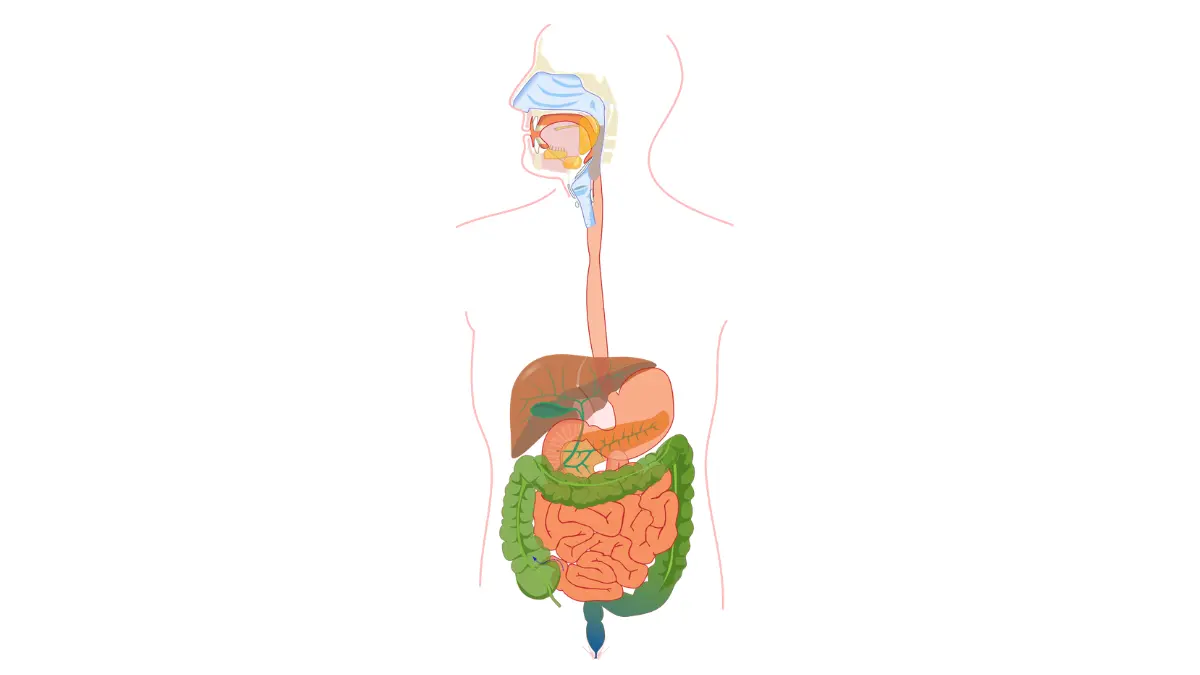
A Clear Guide to Colonoscopy Recovery, Hour by Hour
Colonoscopy recovery is usually smooth, but knowing the timeline helps. Here's what's normal in the first 24 hours—and the red flags you shouldn't ignore.

Colonoscopy recovery is usually smooth, but knowing the timeline helps. Here's what's normal in the first 24 hours—and the red flags you shouldn't ignore.
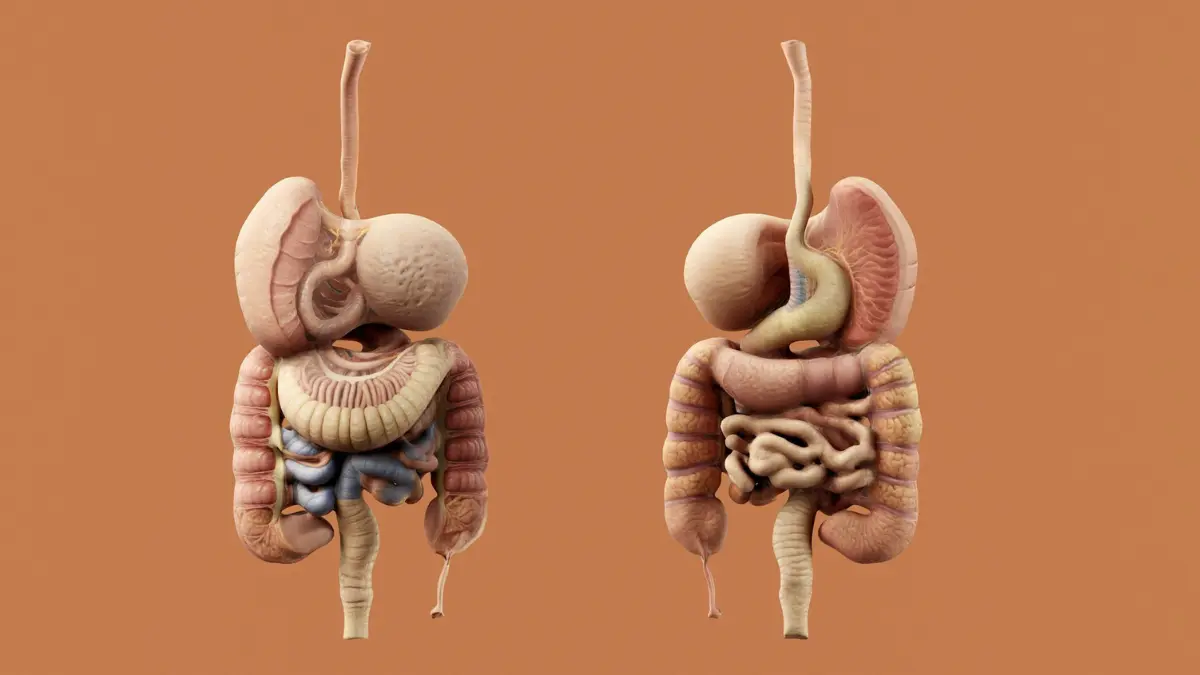
First colonoscopy nerves are normal — and most of what people dread is the easy part. You'll likely be asleep, and the prep matters more than the scope.
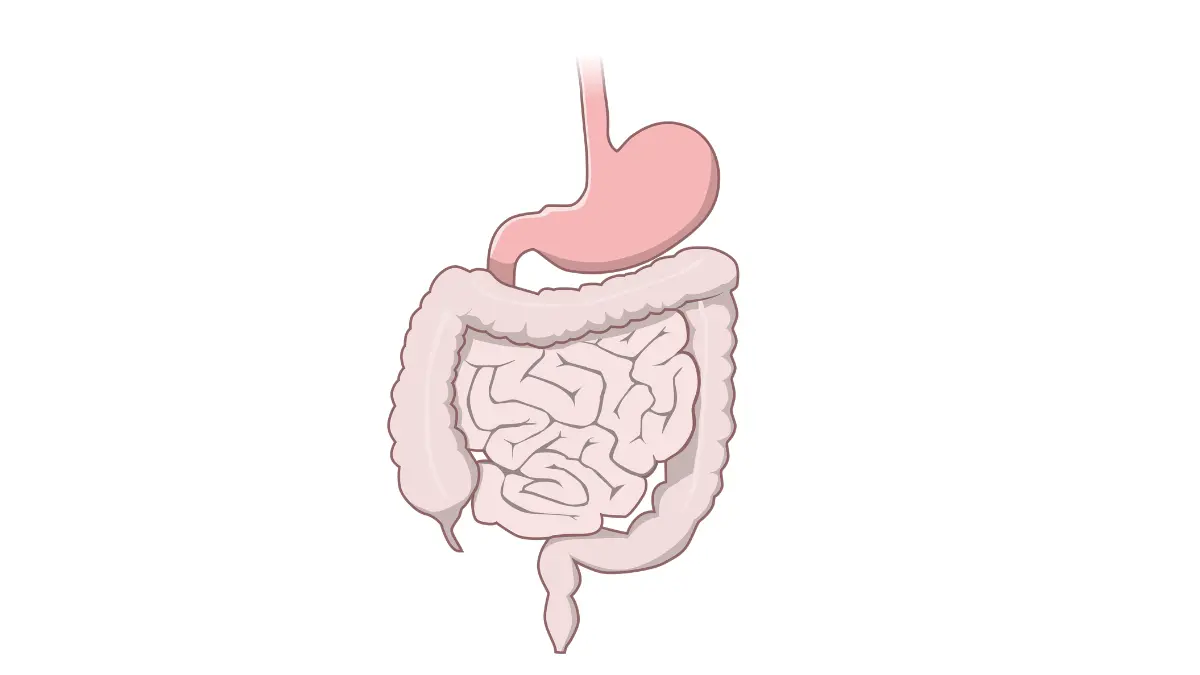
Does a colonoscopy hurt? Honestly, the prep is the hard part — sedation keeps the exam itself comfortable, and most patients don't remember it.
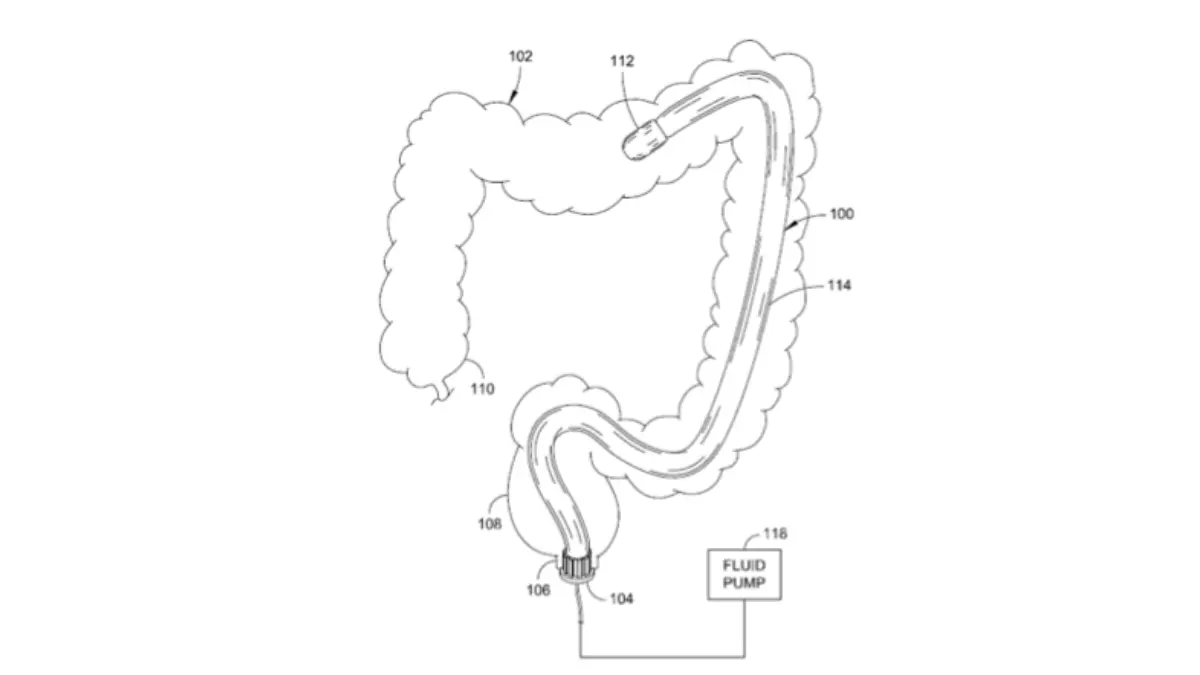
Colonoscopy sedation isn't one-size-fits-all—most get conscious sedation or propofol, ~2% skip it. Here's how to pick what fits you.
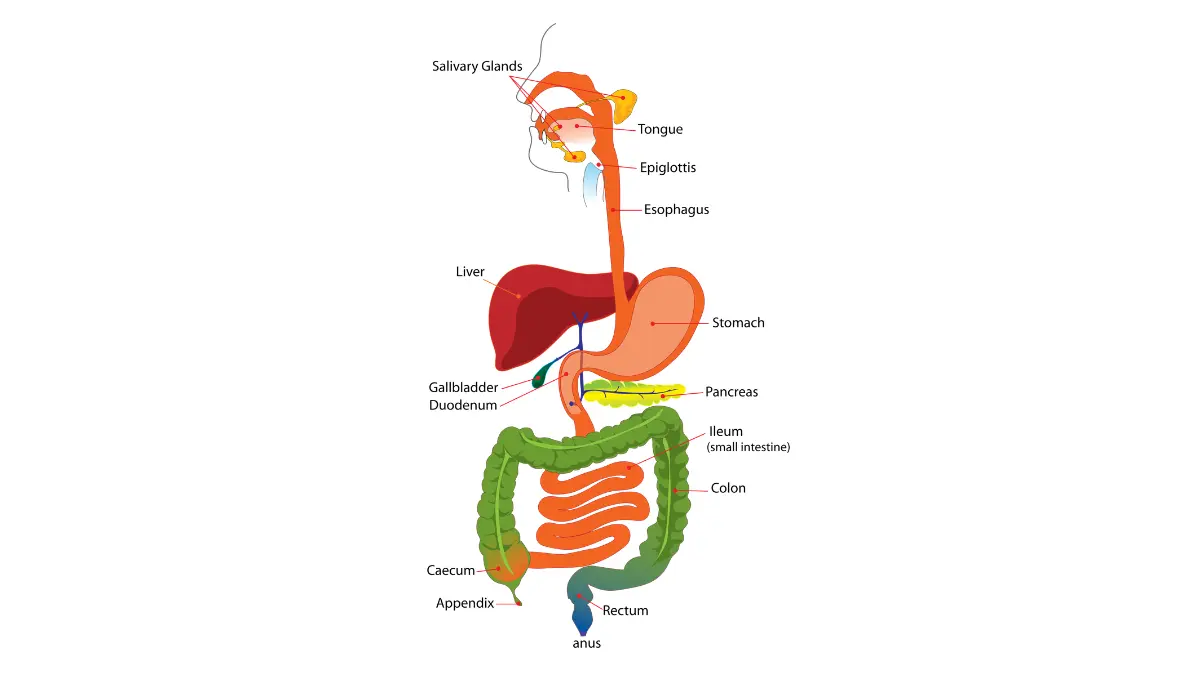
How long a colonoscopy takes depends on what's found — the exam runs 30–60 minutes, with about an hour of recovery and a 24-hour driving restriction after.
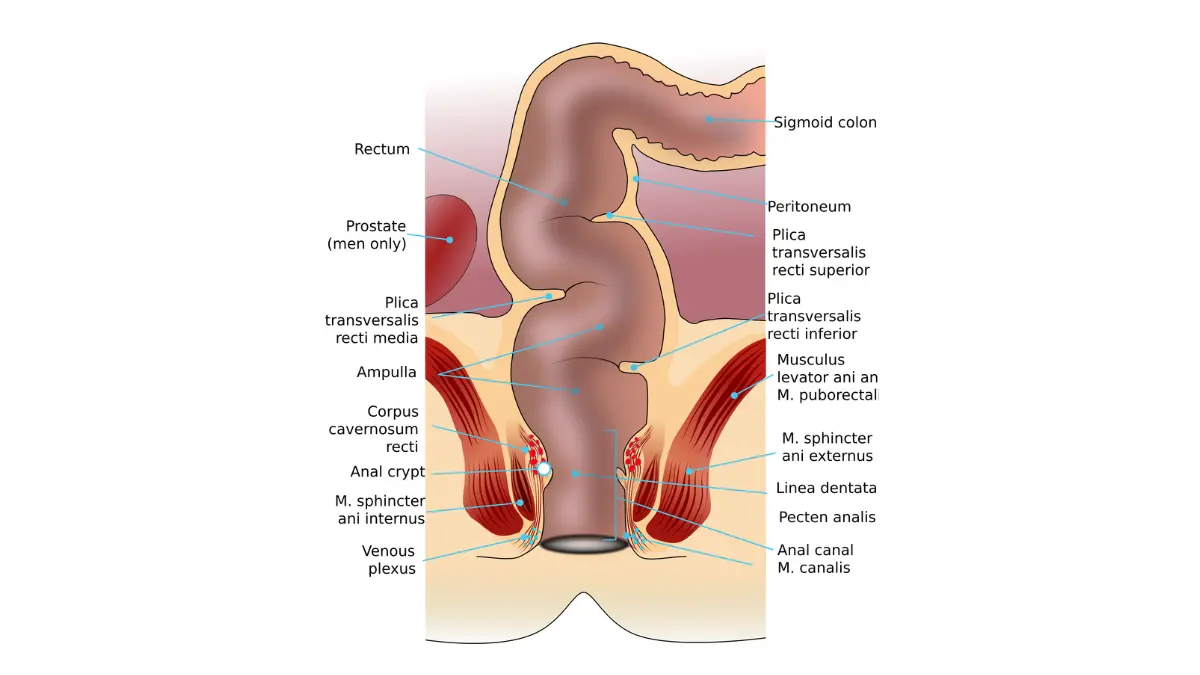
What happens during a colonoscopy is more routine than most fear: you're sedated, the scope checks your full colon, and most polyps come out the same day.
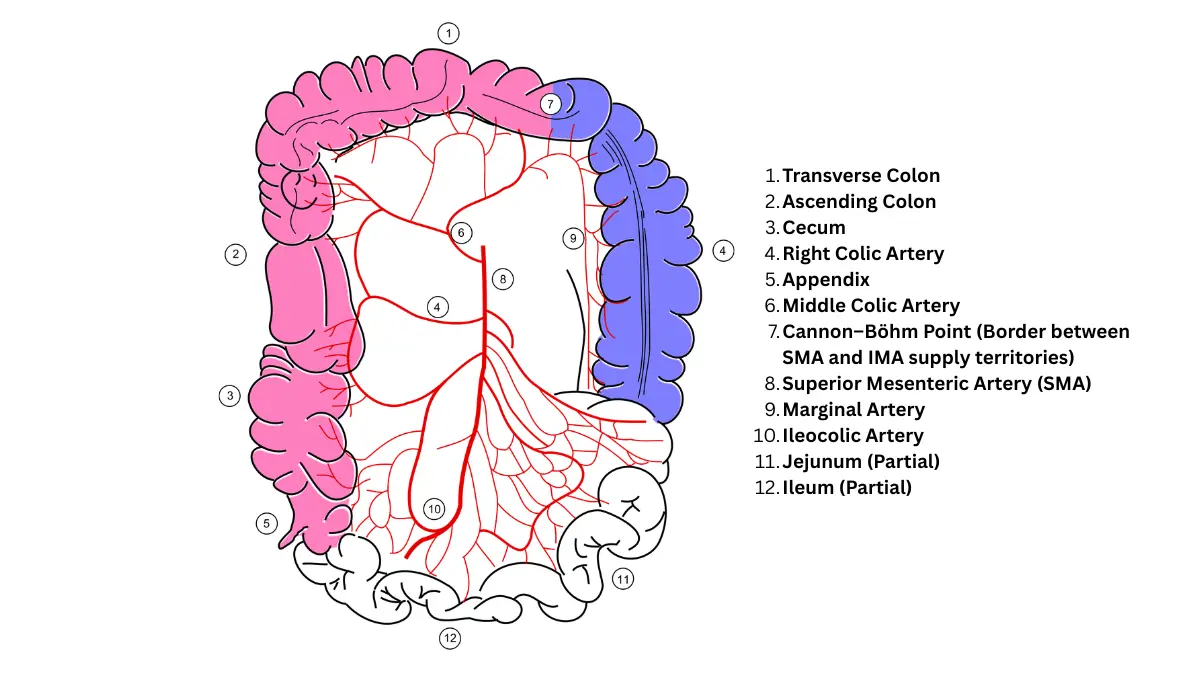
Medications to stop before a colonoscopy are a short list—blood thinners, iron, some diabetes drugs—while most you keep. Here's the timing to confirm.
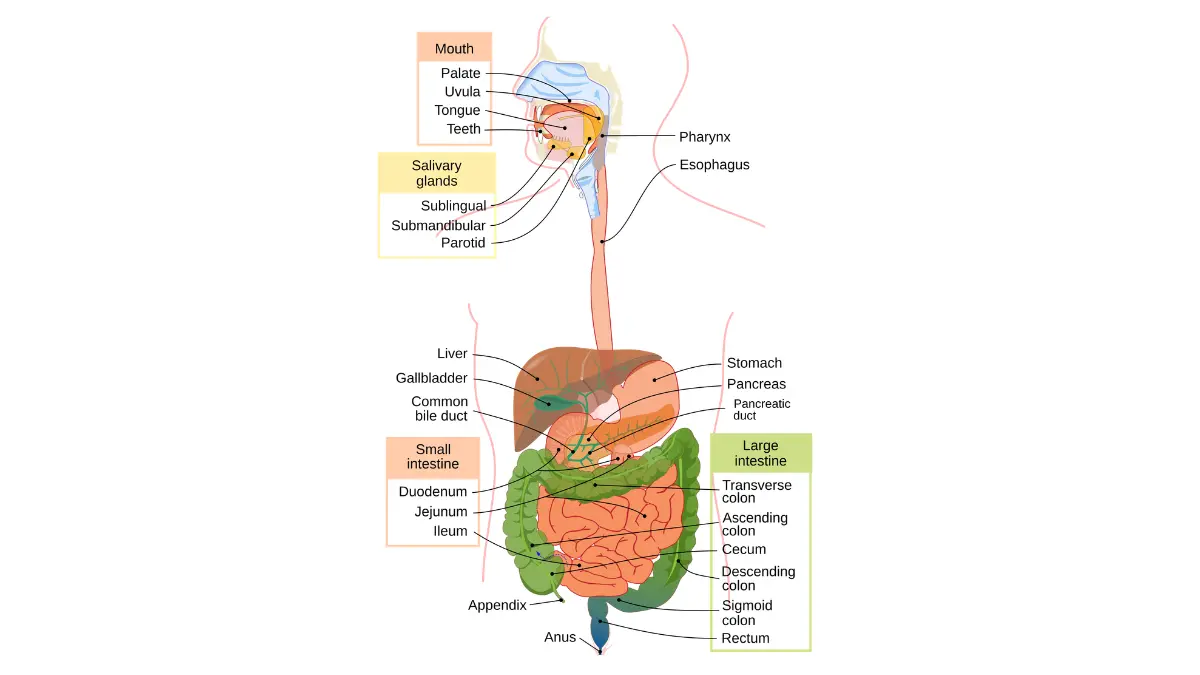
A pill colonoscopy prep exists: SUTAB's 24 tablets clean about as well as liquid in trials but cost more and aren't always covered.
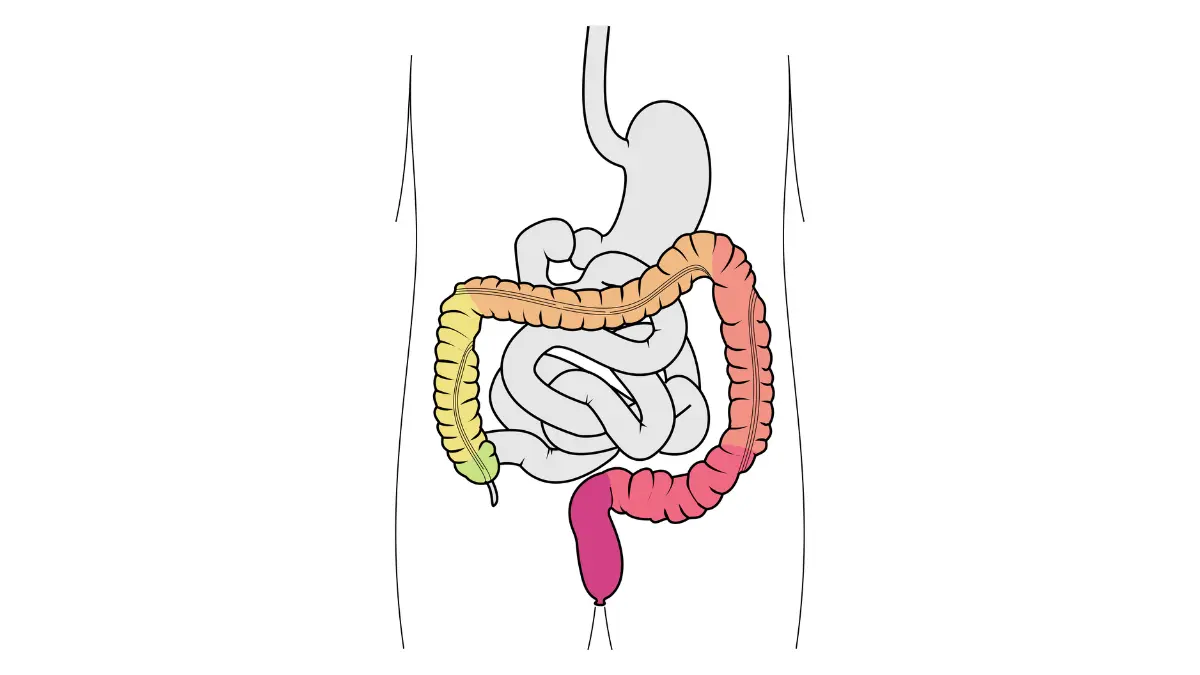
Colonoscopy prep is the part everyone dreads — but it's fixable. Chill the solution, finish the second dose on time, and know when your colon is ready.
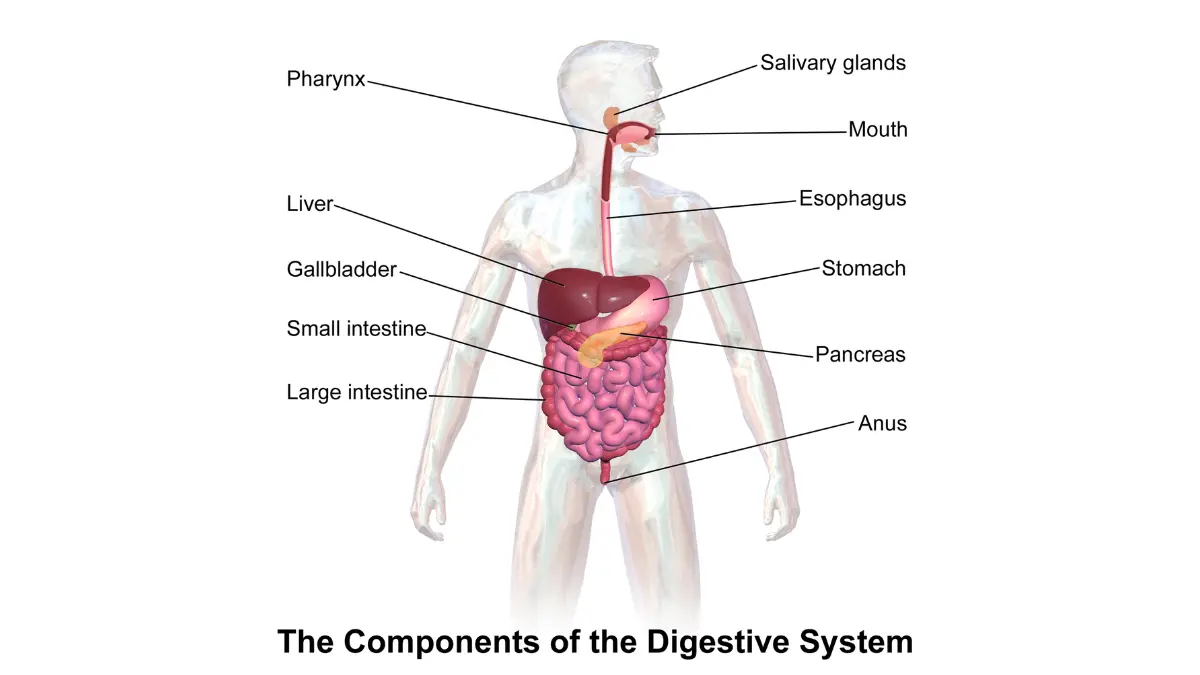
What to eat before a colonoscopy comes down to two phases—low-fiber foods for several days, then clear liquids—and a few drinks to skip entirely.