Know the Difference Between a CBC and a CMP Test
CBC vs CMP confuses a lot of patients: one counts your blood cells, the other measures 14 chemistry substances. Here's how to tell them apart.

CBC vs CMP confuses a lot of patients: one counts your blood cells, the other measures 14 chemistry substances. Here's how to tell them apart.
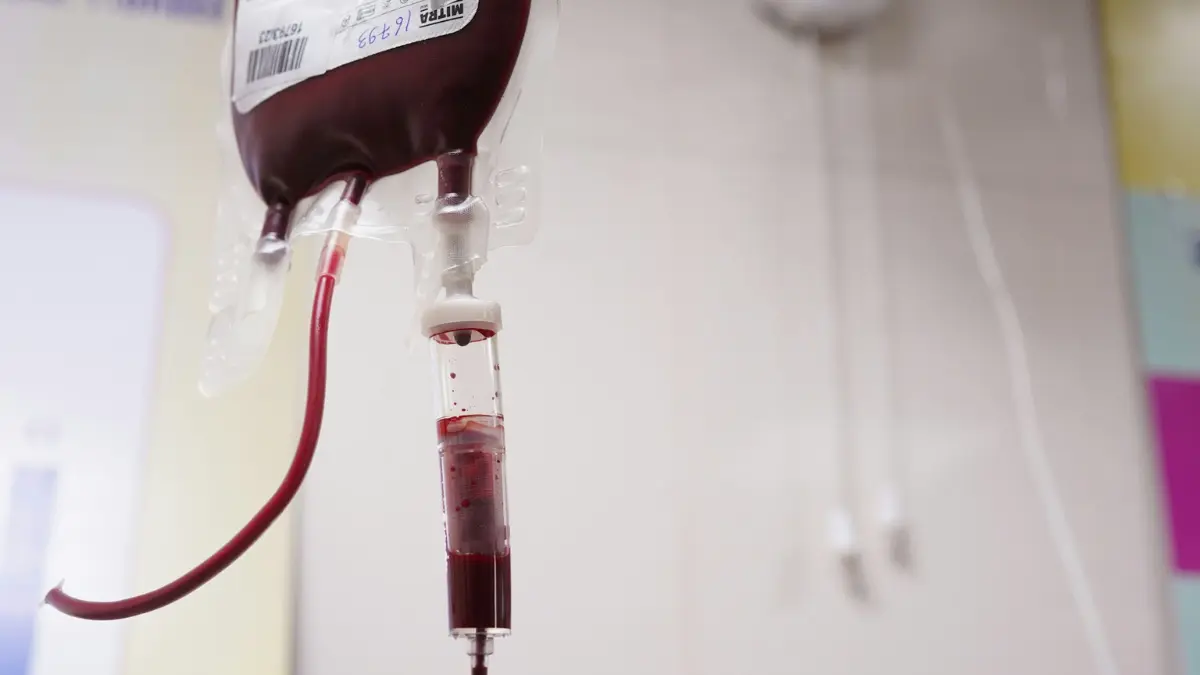
Waiting for blood test results is stressful, but most routine results reach your doctor within about 24 hours—and a delay usually isn't bad news.
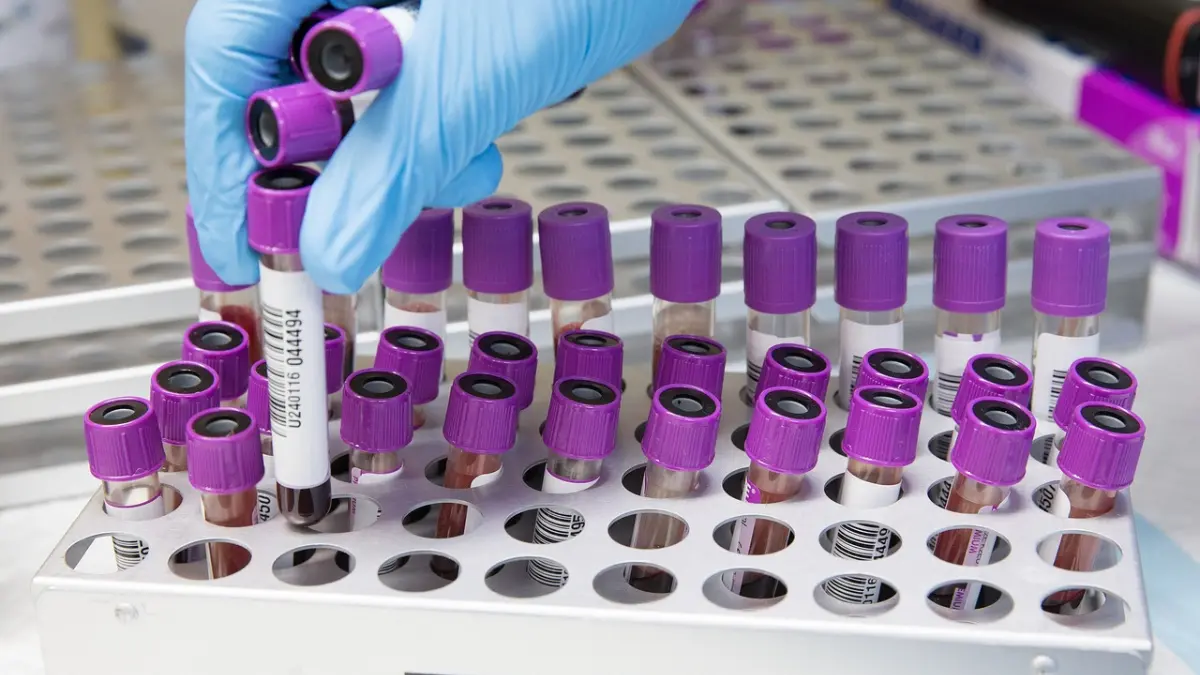
Does a CBC test hurt? For most people it's a few seconds of a quick pinch. Here's what the draw really feels like, plus simple ways to make it easier.
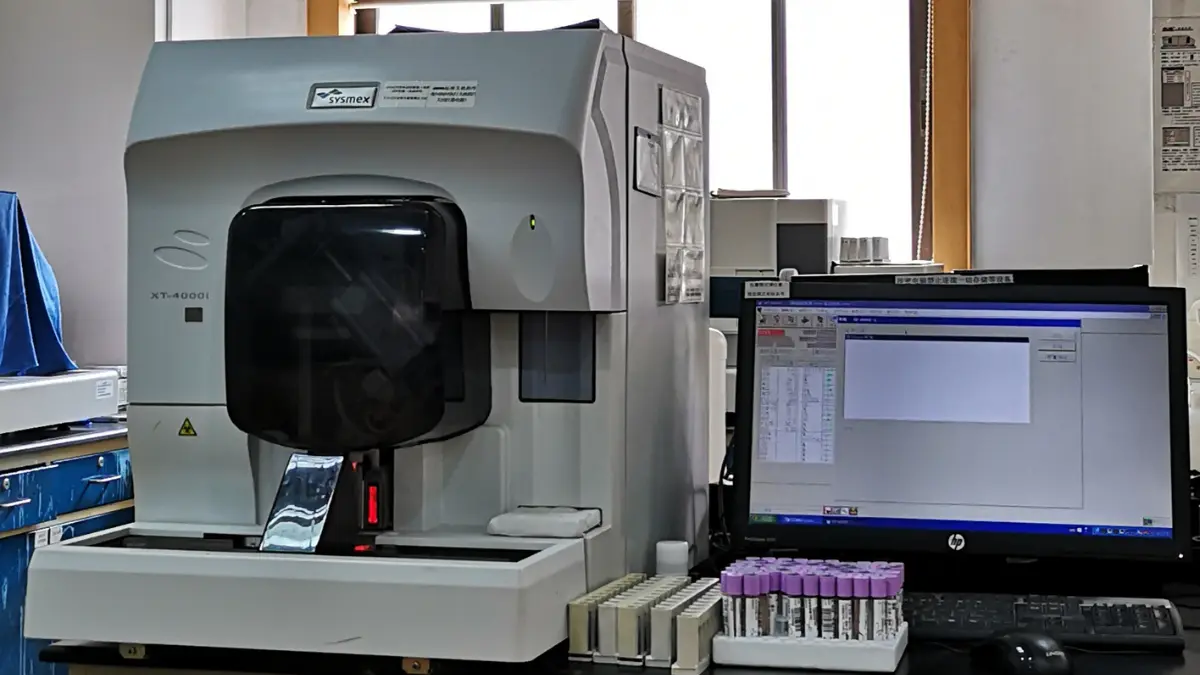
How long a CBC takes depends on the setting — under an hour in the ER, but usually 1–3 days for routine results. Here's what sets the clock.

Preparing for a CBC test is usually simple: no fasting for a CBC alone, and just a few steps for meds, hydration, and the draw itself.
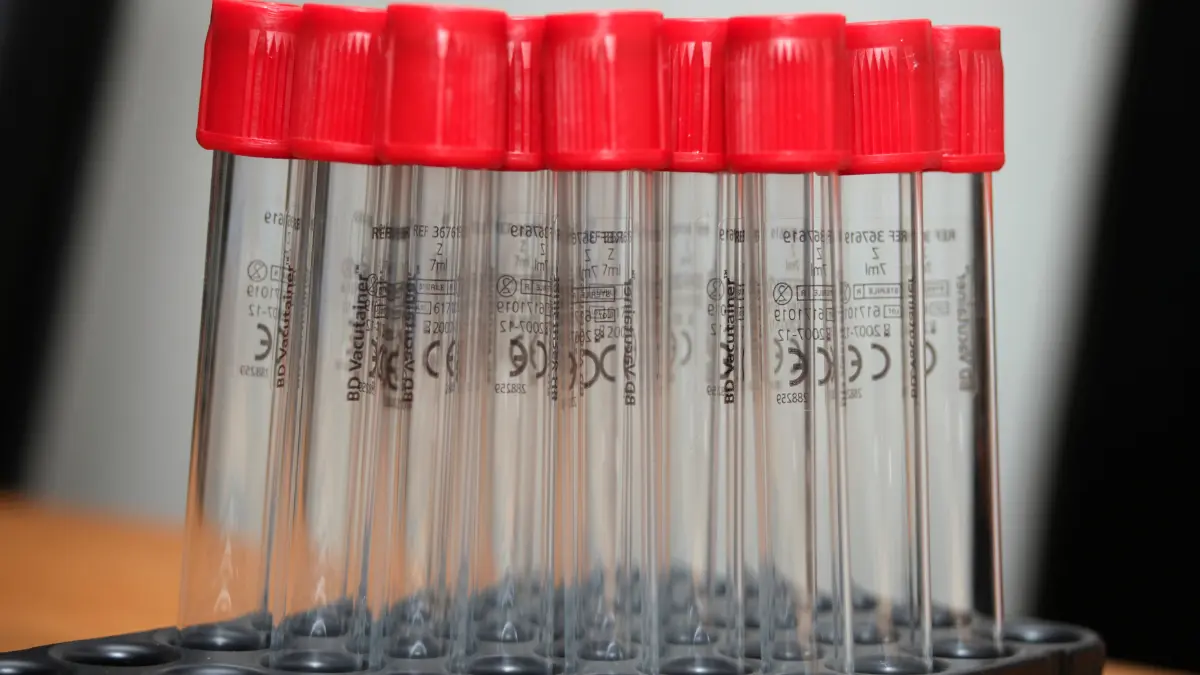
Fasting for a CBC isn't required—you can eat, drink, and take meds normally. The catch: other tests drawn with it may need an empty stomach.
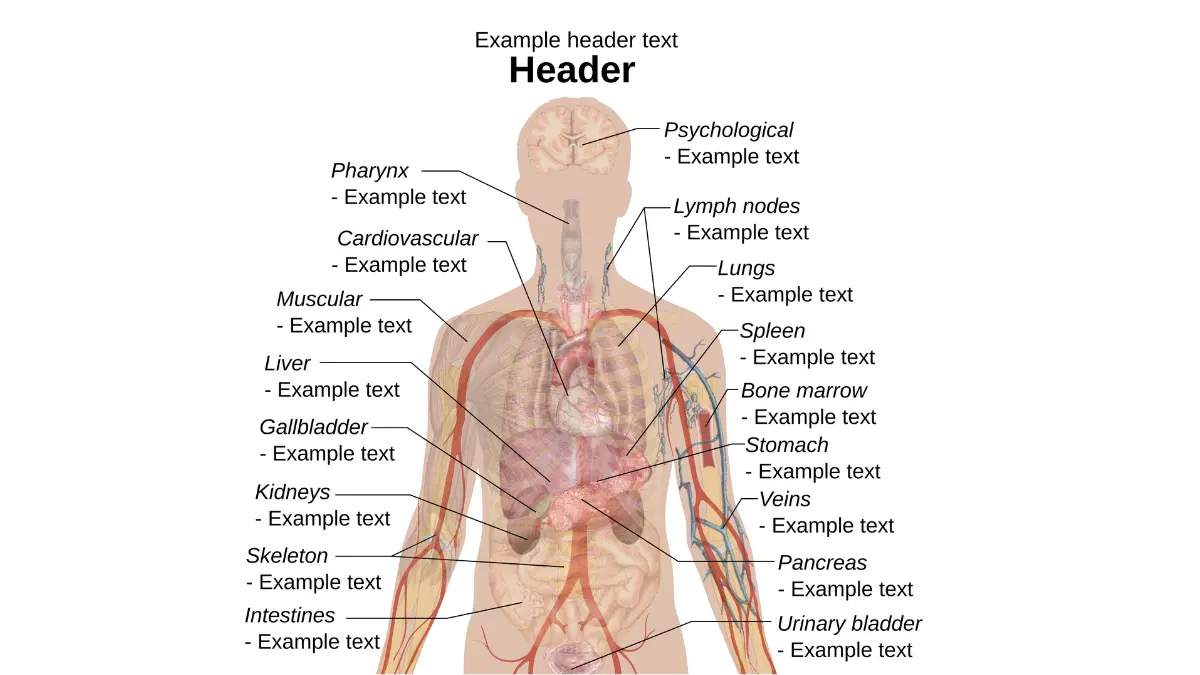
Got a normal CBC but still fear cancer? A normal count makes blood cancers less likely, yet it can't see solid tumors—only a biopsy rules cancer out.
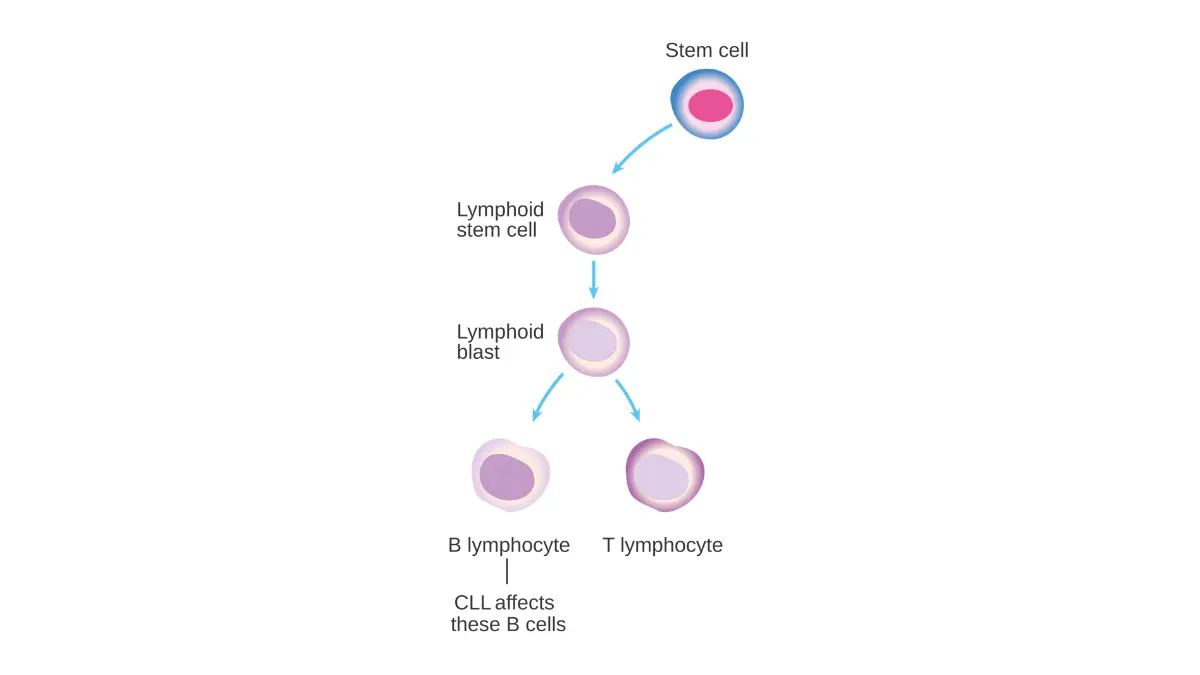
Can a CBC detect leukemia? It can raise suspicion—an abnormal white count, low platelets, blasts—but a bone marrow test is what confirms the diagnosis.
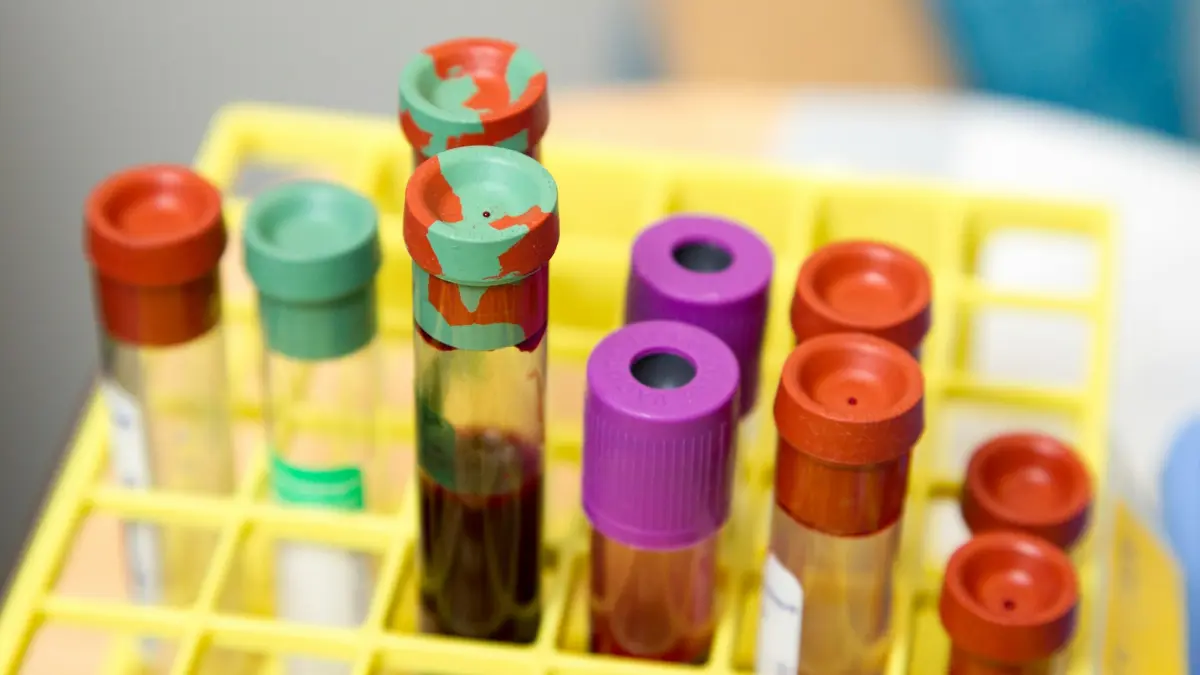
A CBC detects cancer only indirectly — it flags blood cancers like leukemia, but a normal result never rules cancer out. See what your counts really mean.
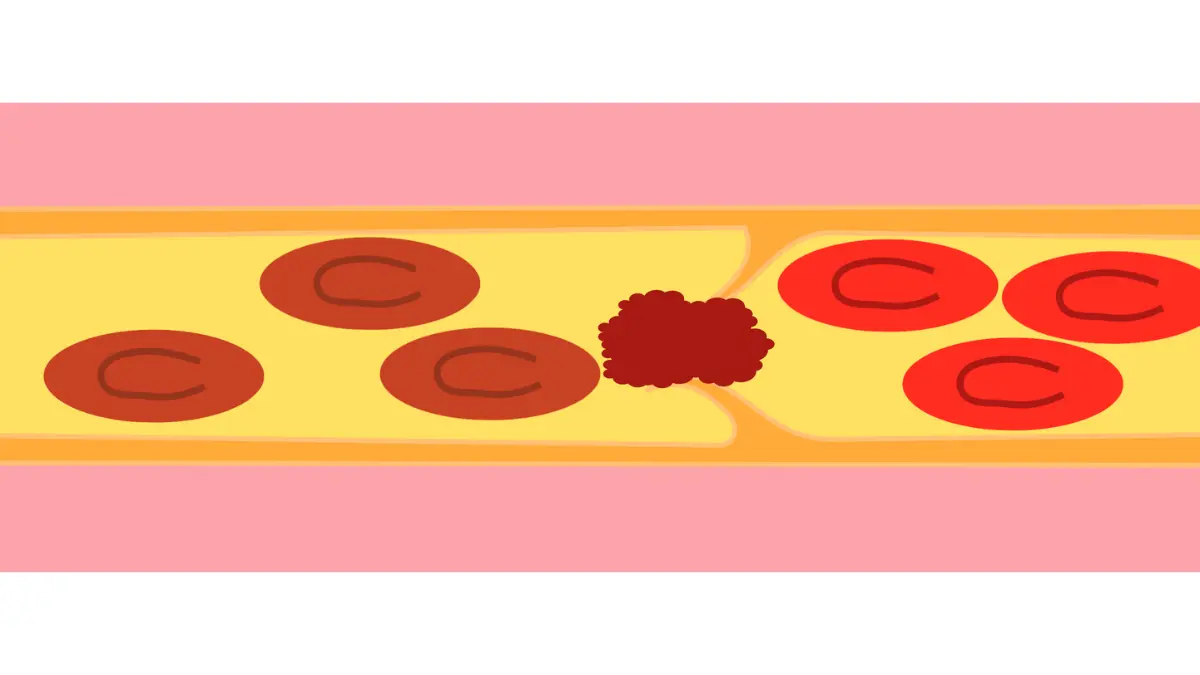
A high platelet count is often a temporary reaction to infection, low iron, or surgery — not a blood cancer. Here's how doctors tell the difference.