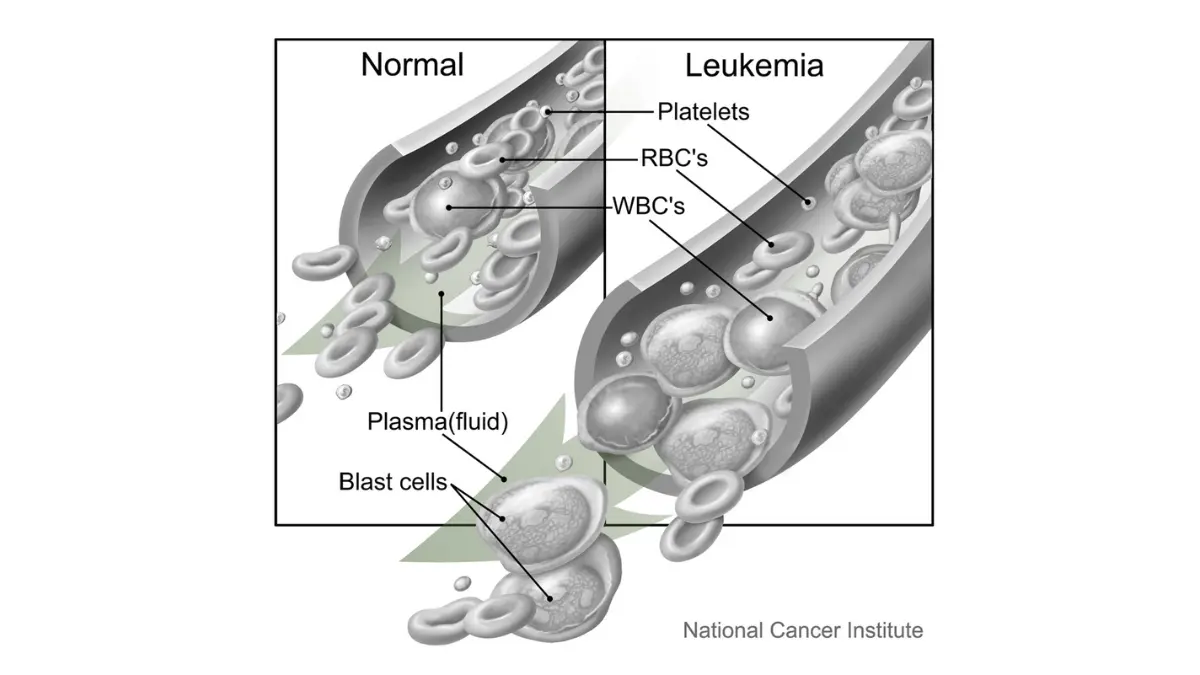
Finding the Right Place to Get a CBC Test Near You
Where to get a CBC test near you—your doctor, LabCorp, Quest, urgent care, or online—plus what it costs and whether you can self-order.

Where to get a CBC test near you—your doctor, LabCorp, Quest, urgent care, or online—plus what it costs and whether you can self-order.
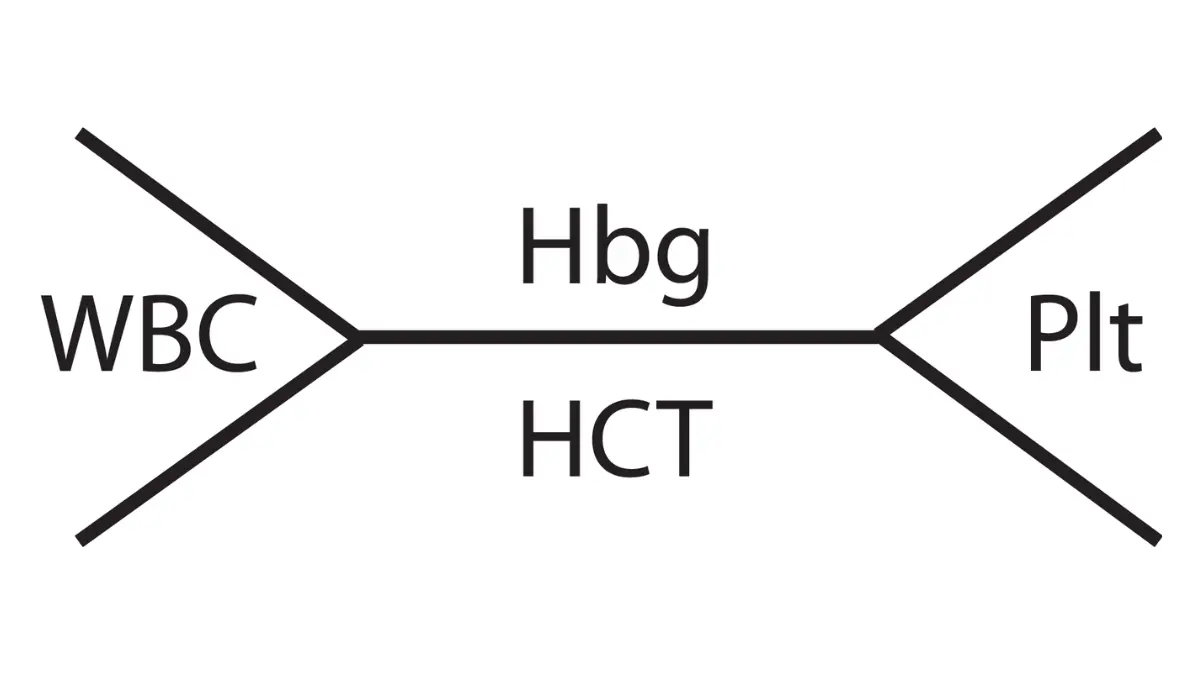
A CBC test ranges from a $7.77 Medicare rate to $400+ at a hospital. Here's what you'll really pay — and how to spend less.

Is a CBC covered by insurance? Usually—but a routine CBC isn't a free preventive test, and cash can run just $10–$50. Here's how to pay less.
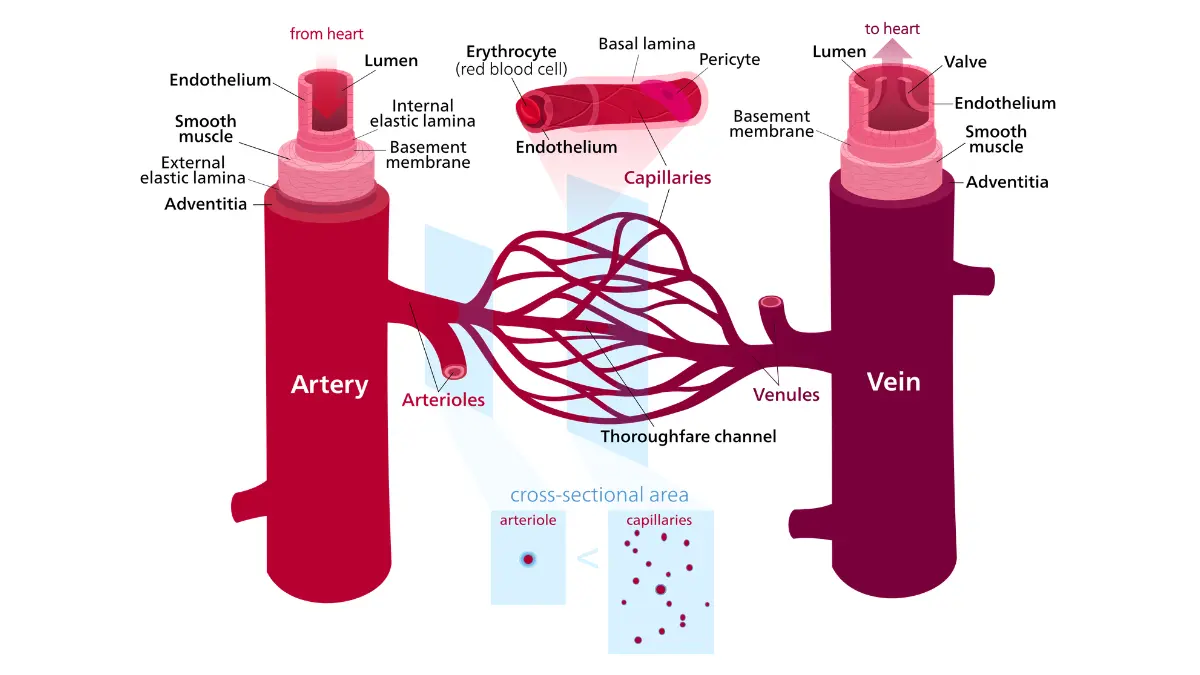
At-home CBC tests use a finger-prick sample mailed to a lab—fine for routine tracking, but a venous draw stays more precise for a diagnosis.
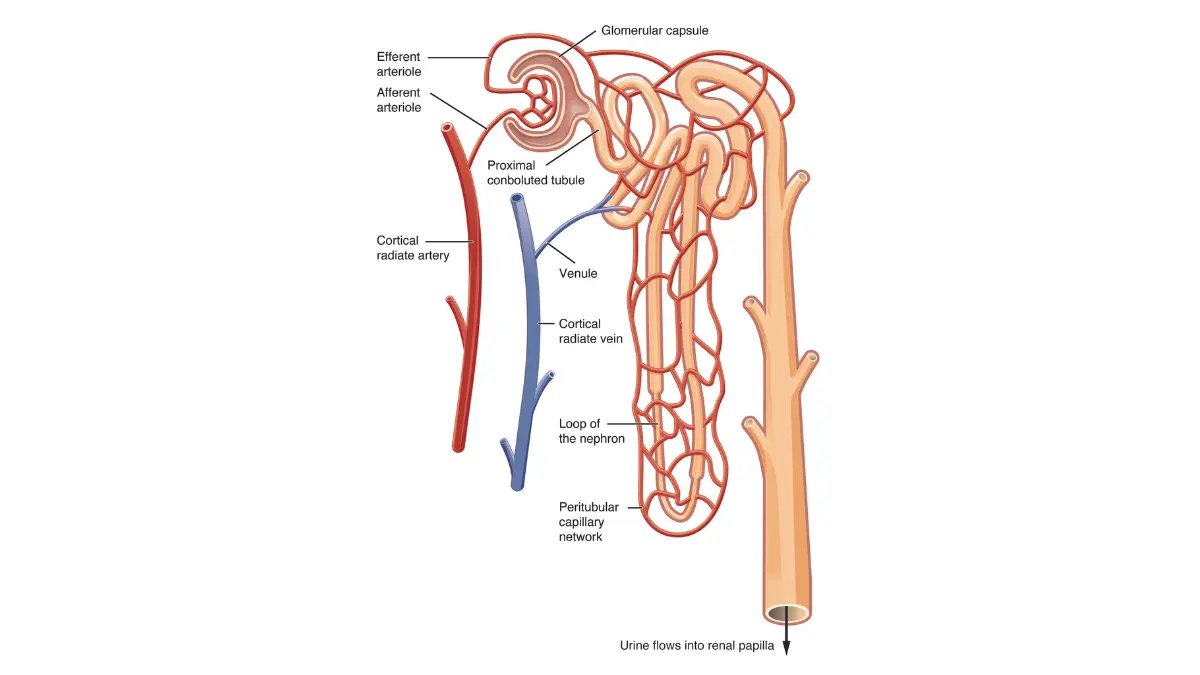
CBC vs BMP sound alike, but one counts your blood cells and the other measures 8 blood chemicals—here's how to tell which test you actually need.
CBC vs CMP confuses a lot of patients: one counts your blood cells, the other measures 14 chemistry substances. Here's how to tell them apart.
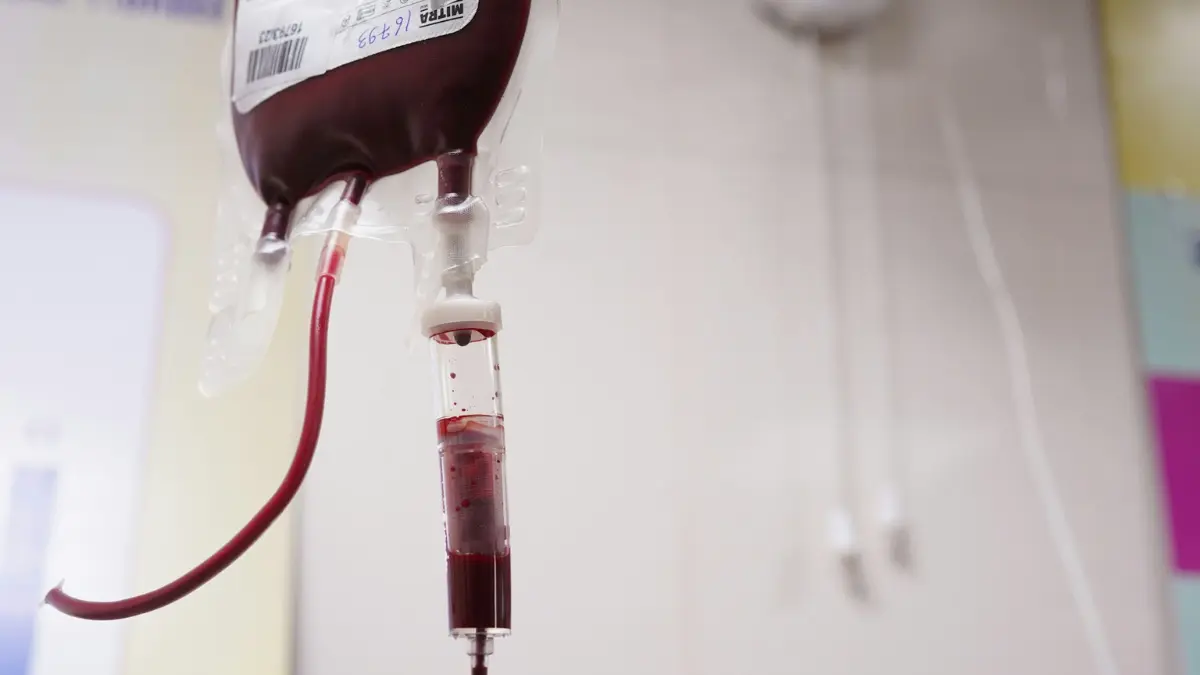
Waiting for blood test results is stressful, but most routine results reach your doctor within about 24 hours—and a delay usually isn't bad news.
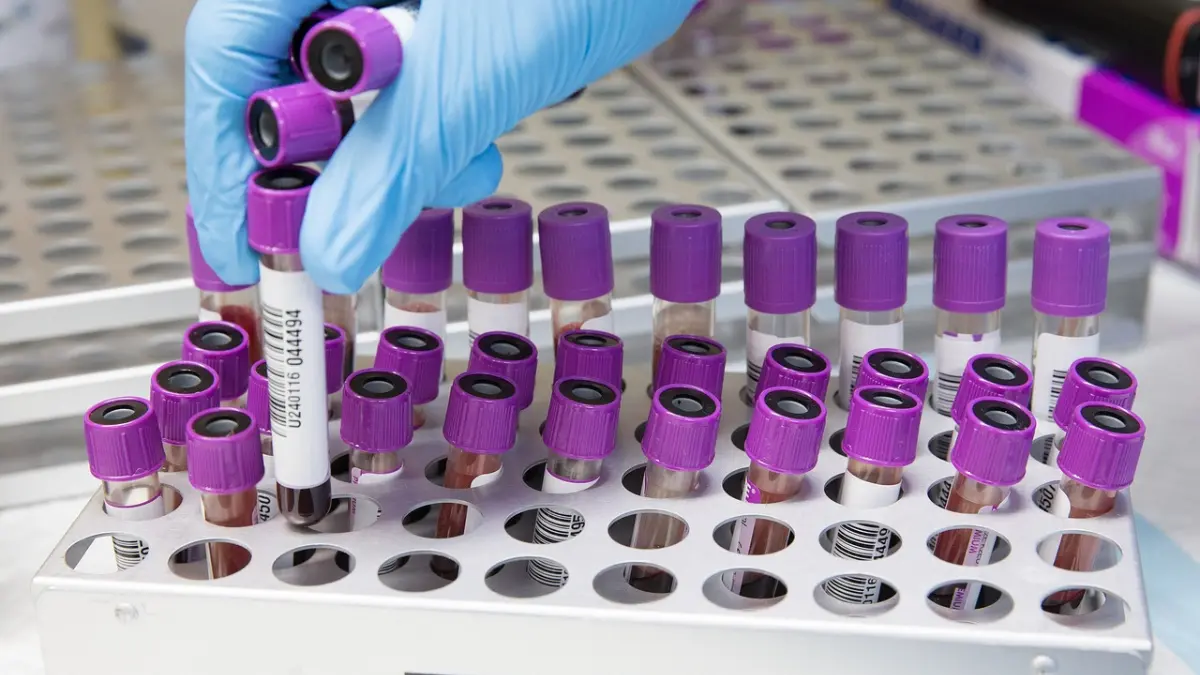
Does a CBC test hurt? For most people it's a few seconds of a quick pinch. Here's what the draw really feels like, plus simple ways to make it easier.
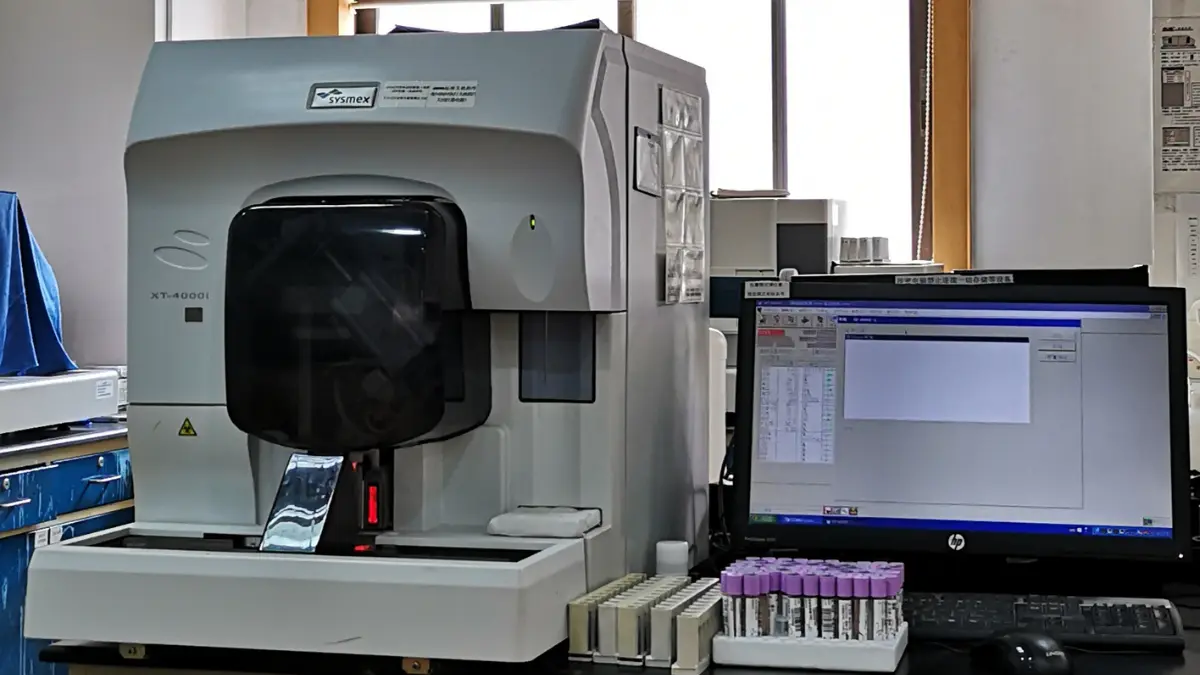
How long a CBC takes depends on the setting — under an hour in the ER, but usually 1–3 days for routine results. Here's what sets the clock.

Preparing for a CBC test is usually simple: no fasting for a CBC alone, and just a few steps for meds, hydration, and the draw itself.