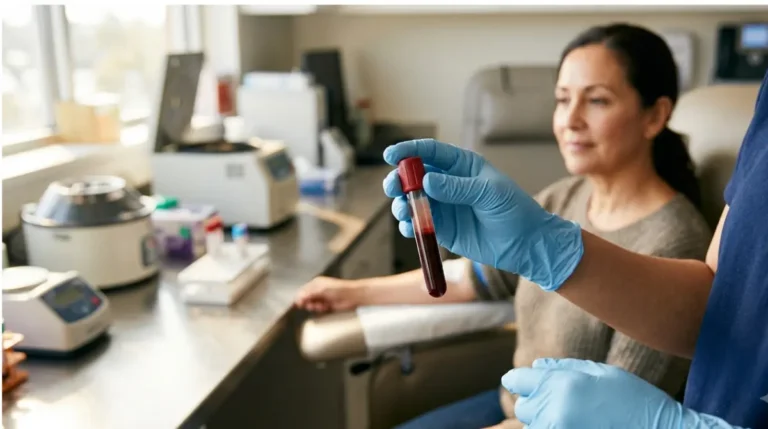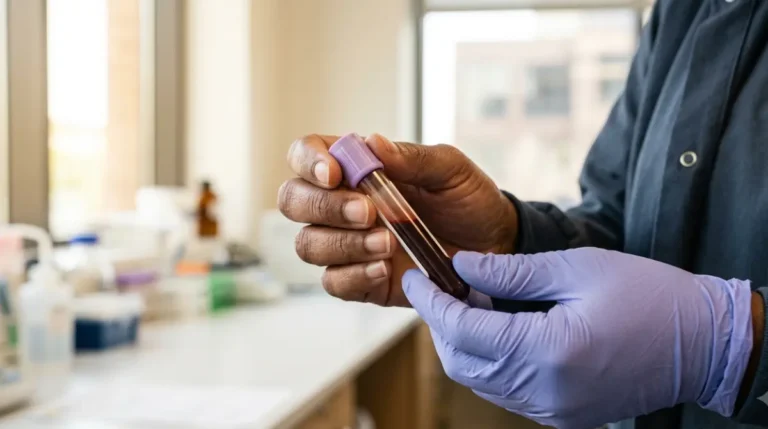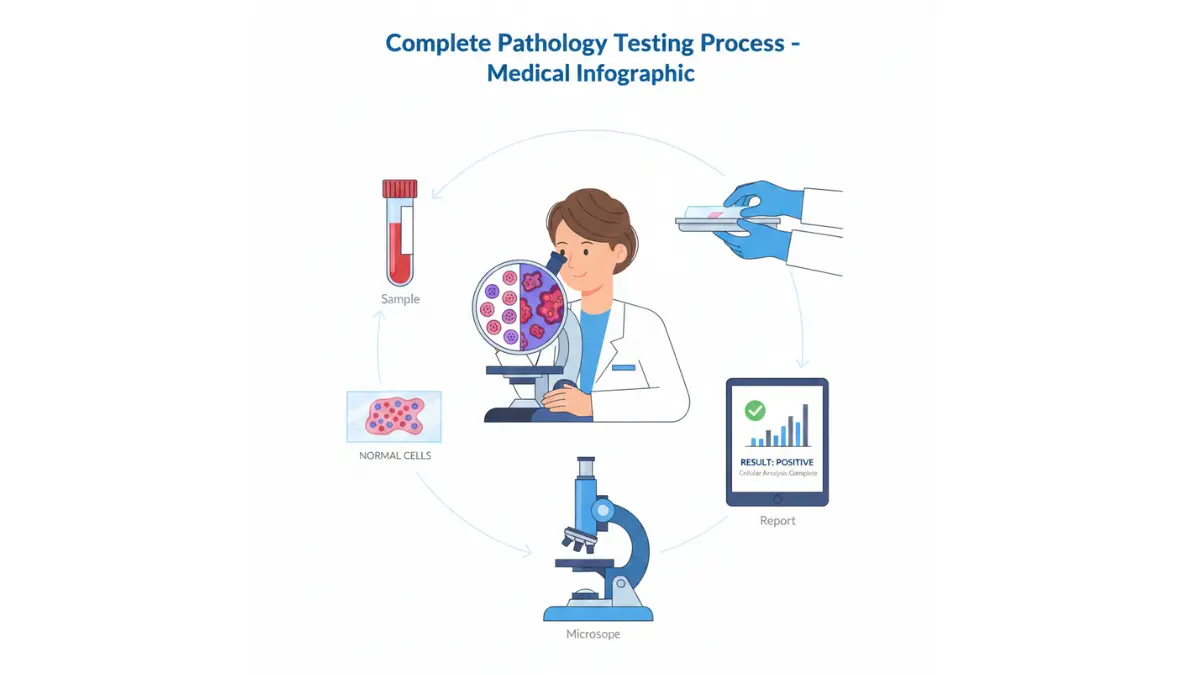
Your pathology result is a detailed medical report analyzing tissue, blood, or body fluid samples removed from your body. A pathologist examines these samples under a microscope and documents findings that help your doctor diagnose conditions, guide treatment decisions, and monitor your health. This comprehensive analysis becomes a permanent part of your medical record and serves as the foundation for your care plan.
Understanding your pathology result doesn’t have to be overwhelming. Whether you’ve had a biopsy, surgery, or routine screening, this guide breaks down complex medical terminology into clear, actionable information. In 2026, patient portals and digital health platforms make accessing your lab results faster than ever—often within hours of testing.
Why You Received a Pathology Report:
- Diagnostic testing for suspected conditions
- Post-surgical tissue analysis
- Cancer screening and staging
- Monitoring chronic diseases
- Routine health checkups
You’re not alone in this journey. Medical professionals at institutions like the National Cancer Institute emphasize that pathology results provide the most accurate diagnostic information available. If you’re experiencing concerning symptoms, our symptom checker can help identify when to seek medical evaluation.
What This Means For You: Your pathology result is your health roadmap. Reading this guide will reduce anxiety, clarify medical jargon, and empower you to have informed conversations with your healthcare team.
Understanding Your Pathology Result
What Your Pathology Result Actually Tells You
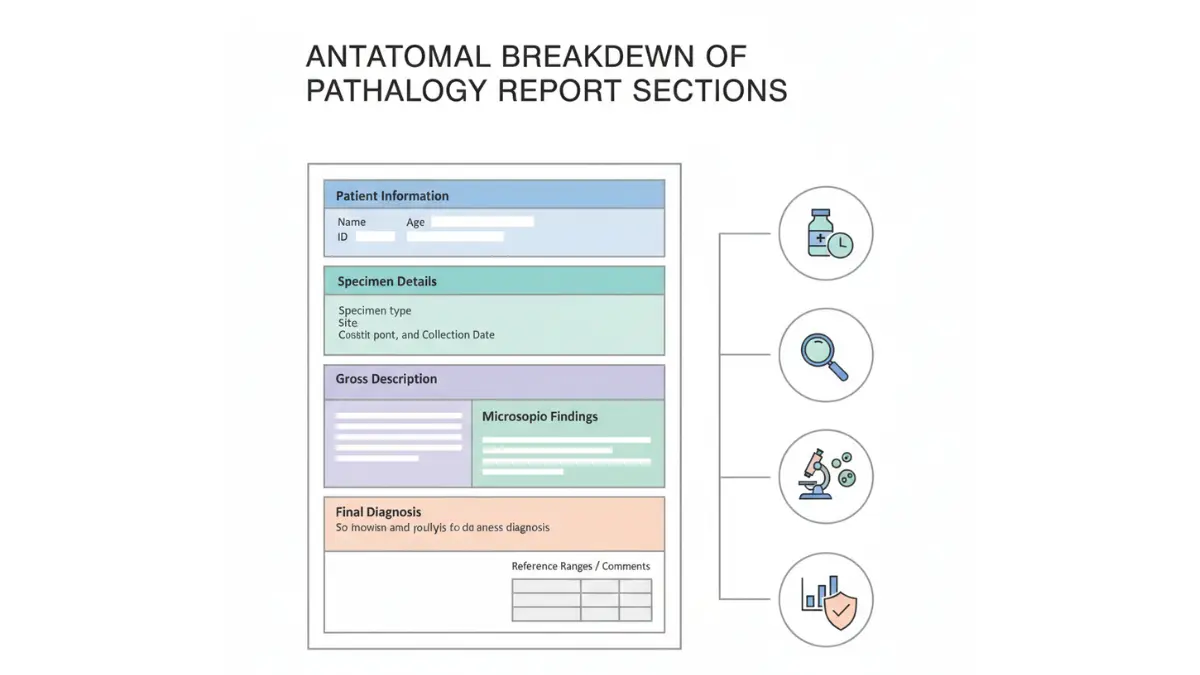
Every pathology report follows a standardized format designed by the College of American Pathologists to ensure consistency across laboratories nationwide. Your report contains critical sections that work together to paint a complete picture of your health status.
Types of Pathology Tests
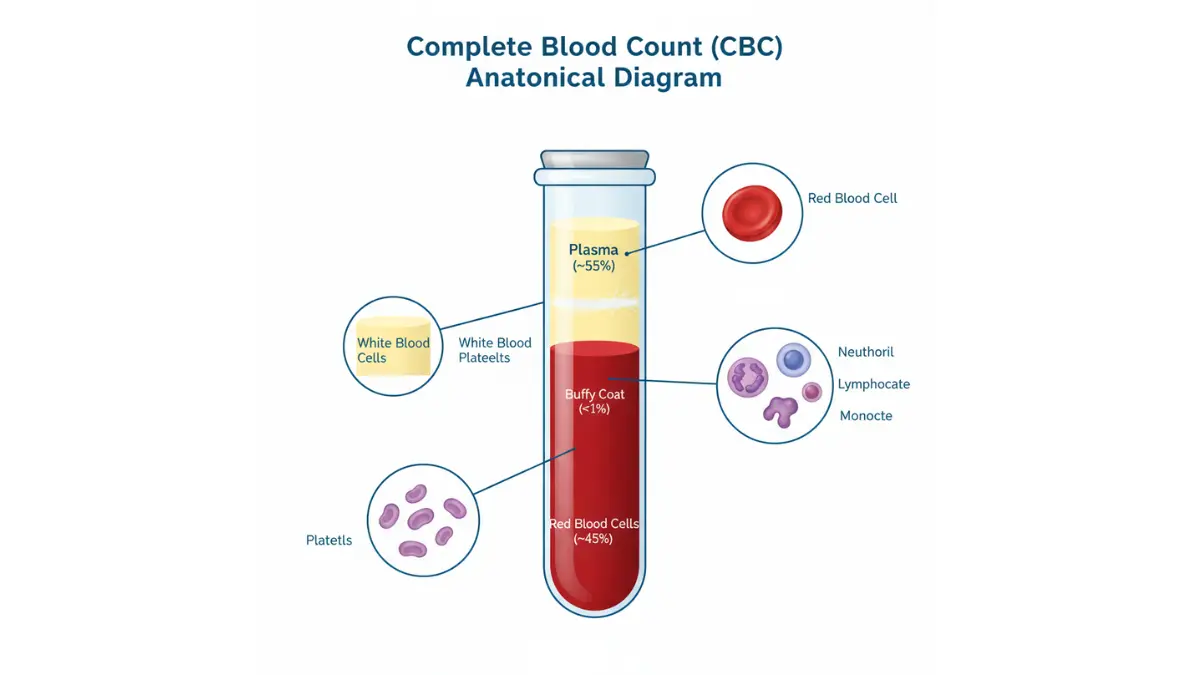
Blood Work Analysis:
- Complete Blood Count (CBC) measures red cells, white cells, and platelets
- Metabolic panels assess kidney and liver function
- Lipid profiles evaluate cholesterol levels
- Tumor markers detect cancer-related proteins
Tissue Biopsy Examination:
- Skin biopsies for dermatological conditions
- Organ tissue samples from surgical procedures
- Lymph node analysis for cancer staging
- Bone marrow evaluation for blood disorders
Body Fluid Testing:
- Urinalysis for kidney and metabolic conditions
- Cerebrospinal fluid for neurological diseases
- Pleural fluid for lung-related issues
Key Report Sections Explained
Your pathology report typically includes patient identifiers, specimen details, gross description (visual examination), microscopic findings, and final diagnosis. The Centers for Disease Control and Prevention maintains quality standards ensuring all U.S. laboratories follow rigorous testing protocols.
Patient Information Block:
- Full name and date of birth
- Medical record number
- Specimen collection date and time
- Ordering physician details
Specimen Description:
- Tissue source location
- Sample size and appearance
- Collection method (biopsy, surgical excision)
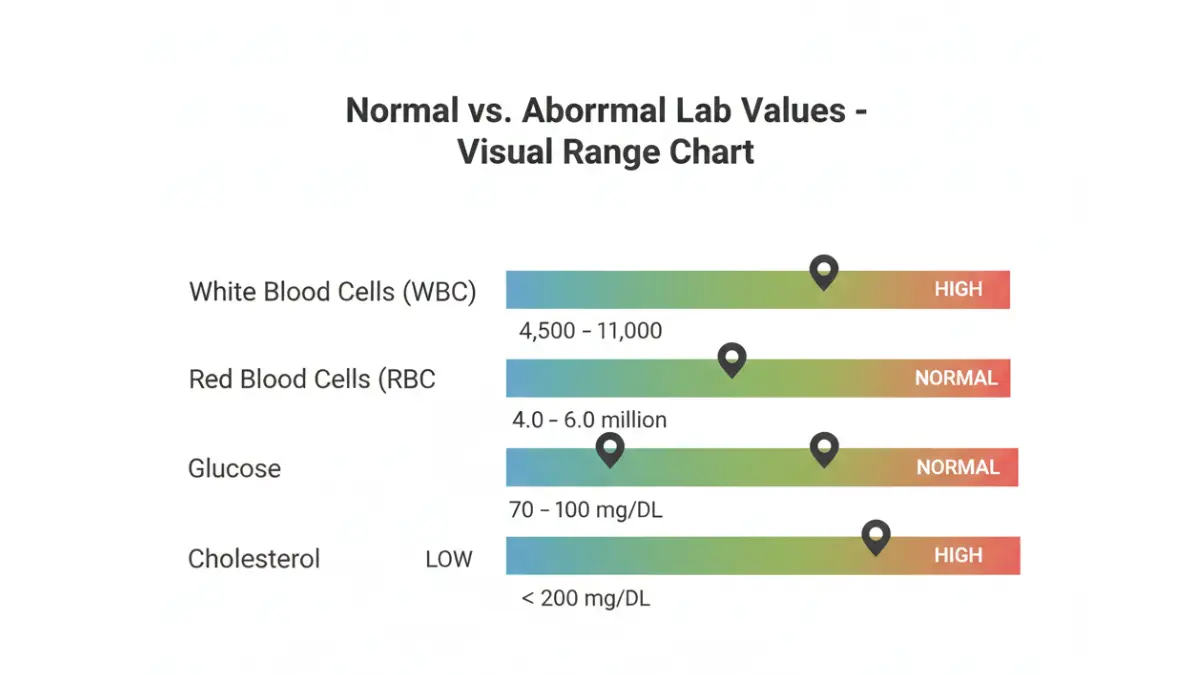
Understanding reference ranges is crucial when interpreting pathology test results. These ranges represent values found in 95% of healthy individuals. However, abnormal results don’t always indicate disease—factors like age, sex, medications, and even recent exercise can affect your numbers.
| Test Component | Normal Range | What It Measures |
|---|---|---|
| White Blood Cells | 4,500-11,000 cells/mcL | Immune system function |
| Red Blood Cells | 4.5-5.5 million/mcL (men)<br>4.0-5.0 million/mcL (women) | Oxygen-carrying capacity |
| Platelets | 150,000-400,000/mcL | Blood clotting ability |
| Hemoglobin | 14-18 g/dL (men)<br>12-16 g/dL (women) | Oxygen transport protein |
For comprehensive health tracking, tools like our blood sugar converter help translate lab values between different measurement systems used internationally.
2026 Digital Health Integration
Modern patient portals from Epic, Cerner, and Athenahealth now provide real-time access to pathology results. Many systems include built-in educational resources and AI-assisted explanations that highlight abnormal values and suggest follow-up questions for your doctor.
What This Means For You: Your pathology report uses standardized medical language, but understanding the key sections empowers you to actively participate in your healthcare decisions rather than passively receiving information.
Decoding Common Pathology Results
How to Read Your Pathology Result: Step-by-Step Guide
Reading a pathology report requires understanding both medical terminology and the clinical context of your specific situation. Let’s break down the most common result types you’ll encounter.
Blood Work Results Interpretation
Complete Blood Count (CBC) Breakdown:
Your CBC reveals critical information about your overall health status. According to Johns Hopkins Medicine, this single test provides insights into multiple body systems simultaneously.
- Low red blood cell count (anemia): May indicate iron deficiency, chronic disease, or blood loss
- High white blood cell count: Often signals infection, inflammation, or stress response
- Abnormal platelet levels: Affects clotting ability and bleeding risk
Metabolic Panel Deep Dive:
Your metabolic panel assesses kidney function (creatinine, BUN), liver enzymes (ALT, AST), electrolytes (sodium, potassium), and glucose levels. These markers interact to reveal patterns that single values might miss.
| Marker | Normal Range | High Indicates | Low Indicates |
|---|---|---|---|
| Glucose | 70-100 mg/dL (fasting) | Diabetes risk | Hypoglycemia |
| Creatinine | 0.7-1.3 mg/dL | Kidney dysfunction | Muscle loss |
| ALT | 7-56 units/L | Liver inflammation | Vitamin B6 deficiency |
| Sodium | 135-145 mEq/L | Dehydration | Overhydration |
For diabetes monitoring, our HbA1c guide explains how long-term glucose control differs from daily blood sugar readings.
Tissue Biopsy Findings
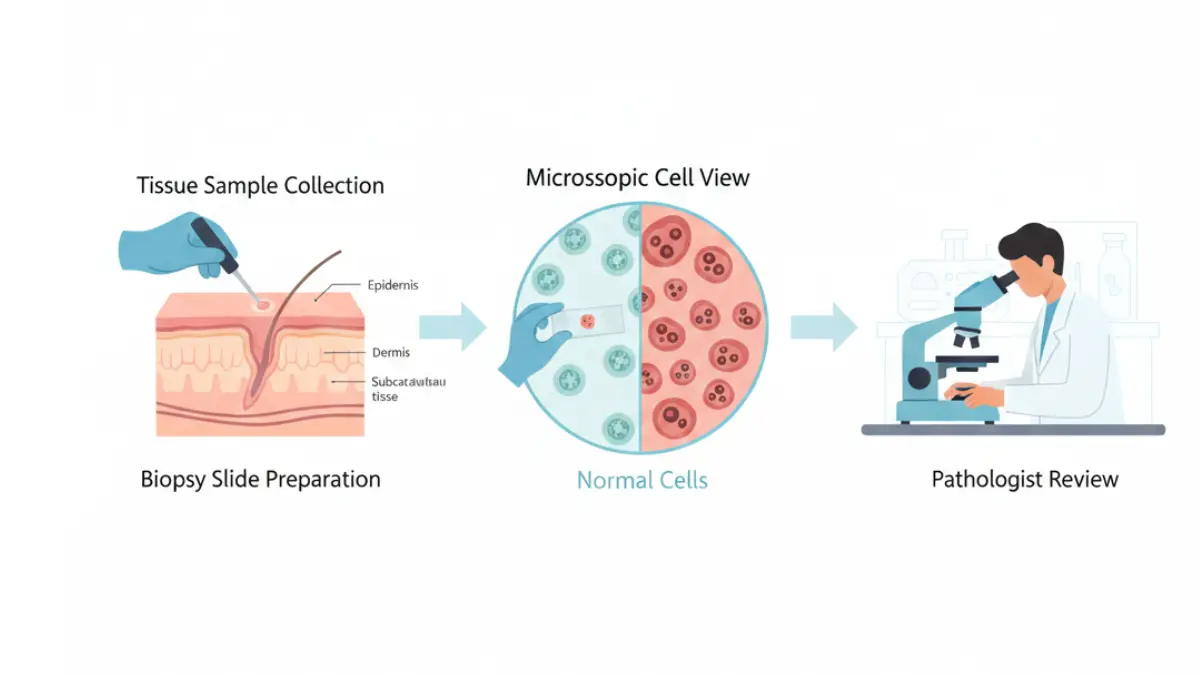
Understanding “Positive” vs. “Negative”:
Medical terminology can be confusing because “positive” doesn’t always mean good news. In pathology:
- Positive result: Abnormal cells or markers detected
- Negative result: No abnormalities found (usually favorable)
- Inconclusive result: Requires additional testing
Margins and Tumor Grades:
When cancer is detected, pathologists examine surgical margins—the edges of removed tissue. Clear margins (cancer-free edges) indicate complete tumor removal. Positive margins suggest cancer cells remain and additional surgery may be necessary.
Tumor grading systems:
- Grade 1 (Well-differentiated): Slow-growing, cells resemble normal tissue
- Grade 2 (Moderately differentiated): Intermediate growth rate
- Grade 3 (Poorly differentiated): Aggressive, rapidly dividing cells
The American Cancer Society provides detailed organ-specific pathology guides explaining how grading systems vary by cancer type.
Lymph Node Status Interpretation
Lymph nodes act as filters in your immune system. When cancer cells spread, they often travel through lymphatic channels first.
- Node-negative: No cancer detected in lymph nodes
- Node-positive: Cancer cells found in one or more nodes
- Number affected: More positive nodes generally indicate advanced disease
For related cancer information, read our comprehensive biopsy results timeline guide which explains the complete diagnostic process from specimen collection to final report.
Common Medical Abbreviations
| Abbreviation | Full Term | Meaning |
|---|---|---|
| WNL | Within Normal Limits | Results are normal |
| RBC | Red Blood Cell | Erythrocytes |
| WBC | White Blood Cell | Leukocytes |
| H&E | Hematoxylin and Eosin | Standard tissue staining |
| IHC | Immunohistochemistry | Protein detection test |
2026 Molecular Testing Advances:
Modern pathology now includes genomic profiling that identifies specific genetic mutations driving cancer growth. Tests like Oncotype DX and Foundation One analyze tumor DNA to predict treatment response and recurrence risk. The National Institutes of Health supports precision medicine initiatives making these advanced tests more accessible.
What This Means For You: Understanding basic pathology terminology helps you recognize which results require immediate action versus routine monitoring. Always discuss abnormal findings with your healthcare provider for personalized interpretation.
Your Next Steps – Action Protocol
What to Do After Receiving Your Pathology Result
Receiving medical test results triggers natural anxiety, but having a clear action plan reduces stress and ensures timely care. Here’s your comprehensive roadmap based on result type and urgency level.
First 24 Hours: Immediate Actions
For Normal Results:
- Save a copy in your personal health records
- Note when retesting is recommended
- Continue current health maintenance plans
- Track any ongoing symptoms with our health tracking tools
For Abnormal Results:
- Contact your doctor’s office within 24 hours
- Write down specific questions about findings
- Avoid internet diagnosis—context matters
- Request a follow-up appointment for detailed discussion
Marcus’s Experience: When Marcus, a 42-year-old teacher from Chicago, received elevated liver enzyme results, his doctor ordered additional testing before making any diagnosis. “The first abnormal result was scary,” Marcus recalls, “but my physician explained that many factors affect lab values. After stopping a new supplement and retesting two weeks later, my enzymes normalized completely.”
Understanding Timeline for Pathology Results
Different tests require varying processing times based on complexity:
Standard Turnaround Times:
- Blood work (CBC, metabolic panel): 24-48 hours
- Routine tissue biopsies: 3-5 business days
- Complex immunohistochemistry: 7-10 days
- Molecular genetic testing: 10-14 days
- Second opinion consultations: Additional 5-7 days
According to the Food and Drug Administration, all U.S. laboratories must meet strict turnaround time standards while maintaining accuracy.
For cancer-related pathology, see our NIPT results timeline which details genetic testing processes.
When to Contact Your Doctor Urgently
Red Flag Indicators:
- Critical values marked on report
- Results labeled “stat” or “urgent”
- Unexpected cancer diagnosis
- Significant changes from previous results
Questions to Ask Your Healthcare Provider
Essential Discussion Points:
- What do these specific numbers mean for my health?
- Do I need additional testing or imaging?
- What treatment options are available?
- How will this affect my daily activities?
- When should I retest?
Getting a Second Opinion: 2026 Guide
Second opinions provide peace of mind, especially for serious diagnoses. Many insurance plans cover pathology reviews when:
- Cancer is diagnosed
- Treatment recommendations seem unclear
- Results conflict with symptoms
- Rare conditions are suspected
How to Obtain Second Opinions:
Request your pathology slides and blocks from the original laboratory. Major cancer centers like Mayo Clinic, MD Anderson, and Memorial Sloan Kettering offer expert pathology consultations. Many now provide remote slide reviews using digital pathology technology.
Cost Transparency:
Insurance coverage varies by plan:
- Medicare covers second opinions for surgery recommendations
- Most private plans allow pathology review with referral
- Out-of-pocket costs range $200-$800 for comprehensive review
- Digital consultations cost 30-40% less than in-person reviews
Our genetic risk assessment tool helps evaluate hereditary disease risks that may warrant genetic counseling alongside pathology results.
What This Means For You: Taking prompt, appropriate action based on your results improves outcomes. Normal results deserve attention too—they establish your baseline for future comparison and confirm your current health strategies are working.
Special Considerations & 2026 Updates
Pathology Results in 2026: New Standards and Technologies
The landscape of diagnostic medicine has transformed dramatically, bringing unprecedented accuracy and accessibility to pathology services.
AI-Powered Result Interpretation
Artificial intelligence now assists pathologists in detecting subtle abnormalities human eyes might miss. The FDA approved multiple AI diagnostic tools in 2025-2026, including systems that:
- Identify cancer cells with 98.7% accuracy
- Predict treatment response based on tumor characteristics
- Flag critical results for immediate physician review
- Reduce diagnostic turnaround time by 40%
Digital Pathology Revolution:
Whole-slide imaging allows pathologists worldwide to examine your tissue samples remotely. This technology enables:
- Real-time consultations with subspecialists
- International expert panel reviews
- Automated quality control checks
- Permanent digital archiving
Patient Portal Access & Privacy
Modern electronic health records provide instant result access while maintaining HIPAA security standards. Patients now receive:
- Automatic alerts when results post
- Plain-language summaries alongside technical reports
- Direct secure messaging with care teams
- Integrated educational resources
For comprehensive test result interpretation, explore our CBC test decoding guide and liver function test explanation.
Liquid Biopsy Advancements
Blood-based cancer detection represents pathology’s cutting edge. Liquid biopsies analyze circulating tumor DNA, offering:
- Non-invasive cancer screening
- Treatment monitoring without repeat surgeries
- Early recurrence detection
- Minimal patient discomfort
International Standards Harmonization
U.S., U.K., Canadian, and Australian laboratories increasingly align reference ranges and reporting formats. This standardization helps patients who travel or relocate maintain consistent care.
What This Means For You: Technology makes pathology results more accurate, accessible, and understandable than ever before. These advances translate to earlier diagnoses, personalized treatments, and better outcomes.
Frequently Asked Questions About Pathology Results
1. How accurate are pathology results?
Modern laboratories achieve 98-99% accuracy rates with quality control measures and board-certified pathologist review.
2. Can pathology results be wrong?
Rarely. Errors occur in less than 2% of cases, typically from sample mix-ups rather than misinterpretation.
3. What if my results are inconclusive?
Additional testing, repeat biopsies, or specialist consultation may be needed to reach a definitive diagnosis.
4. Do I need to fast before pathology tests?
Only for specific tests like fasting glucose or lipid panels. Your doctor will provide preparation instructions.
5. How do I access my pathology result online?
Most healthcare systems offer patient portals—ask your provider for login credentials.
6. What’s the difference between preliminary and final results?
Preliminary results are initial findings; final reports include all confirmatory testing and pathologist review.
7. Can I request a specific pathologist?
Generally no—laboratories assign cases based on subspecialty expertise and workload distribution.
8. Are pathology results confidential?
Yes. HIPAA regulations strictly protect all medical information including pathology reports.
9. What does “pending” mean on my result?
Additional specialized testing is in progress; final results will post when complete.
10. Can lifestyle changes improve pathology results?
Absolutely. Diet, exercise, sleep, and stress management significantly impact blood work and metabolic markers. Use our water intake calculator and sleep calculator to optimize health basics.
11. When should I get retested?
Follow your doctor’s recommendations—typically 3-6 months for monitoring chronic conditions, annually for routine screening.
Conclusion: Your Health, Your Knowledge, Your Power
Understanding your pathology result transforms you from passive patient to active health advocate. Armed with knowledge about reference ranges, medical terminology, and appropriate next steps, you’re equipped to partner effectively with your healthcare team.
Remember that pathology results represent one piece of your complete health picture. They work alongside your symptoms, medical history, physical examination, and imaging studies to guide diagnosis and treatment. Our panel of 21 international medical experts emphasizes that context matters—numbers tell part of the story, but your individual circumstances complete the narrative.
Key Takeaways:
- Pathology results provide objective data about your health status
- Normal ranges vary by age, sex, and laboratory standards
- Abnormal results don’t automatically mean serious disease
- Timely follow-up and open communication optimize outcomes
- 2026 technology makes accessing and understanding results easier than ever
Whether you’re managing chronic conditions, investigating new symptoms, or pursuing preventive care, informed patients achieve better health outcomes. Continue exploring our comprehensive health resources and utilize our clinical tools to track your wellness journey.
Medical Disclaimer: This article is for educational purposes, not medical advice. Always consult qualified healthcare professionals regarding your specific pathology results and health concerns. Individual circumstances vary, and only your doctor can provide personalized interpretation and treatment recommendations.
Medical disclaimer
The content on MyMedicineAdvisor is provided for general informational and educational purposes only and is not a substitute for professional medical advice, diagnosis, or treatment. Health information on this website should not be used to diagnose, treat, cure, or prevent any condition without guidance from a qualified healthcare professional. Always seek the advice of your doctor, physician, or another licensed healthcare provider with any questions you may have regarding a medical condition, symptoms, medications, or treatment decisions.