Understanding the Outlook With Metastatic Prostate Cancer
Metastatic prostate cancer has a 38% 5-year survival rate—but that average doesn't predict any one person's outlook. Here's how to read it.

Metastatic prostate cancer has a 38% 5-year survival rate—but that average doesn't predict any one person's outlook. Here's how to read it.
Prostate cancer recurrence usually shows up first as a rising PSA — not symptoms. Here's how doctors read the threshold, doubling time, and PSMA PET scans.
Leaking urine after prostatectomy is expected — and usually temporary. Here's the honest recovery timeline, from catheter removal to the 12-month mark.
Erectile dysfunction after prostate cancer is common but often manageable — and recovery odds rise sharply for younger men with nerve-sparing surgery.
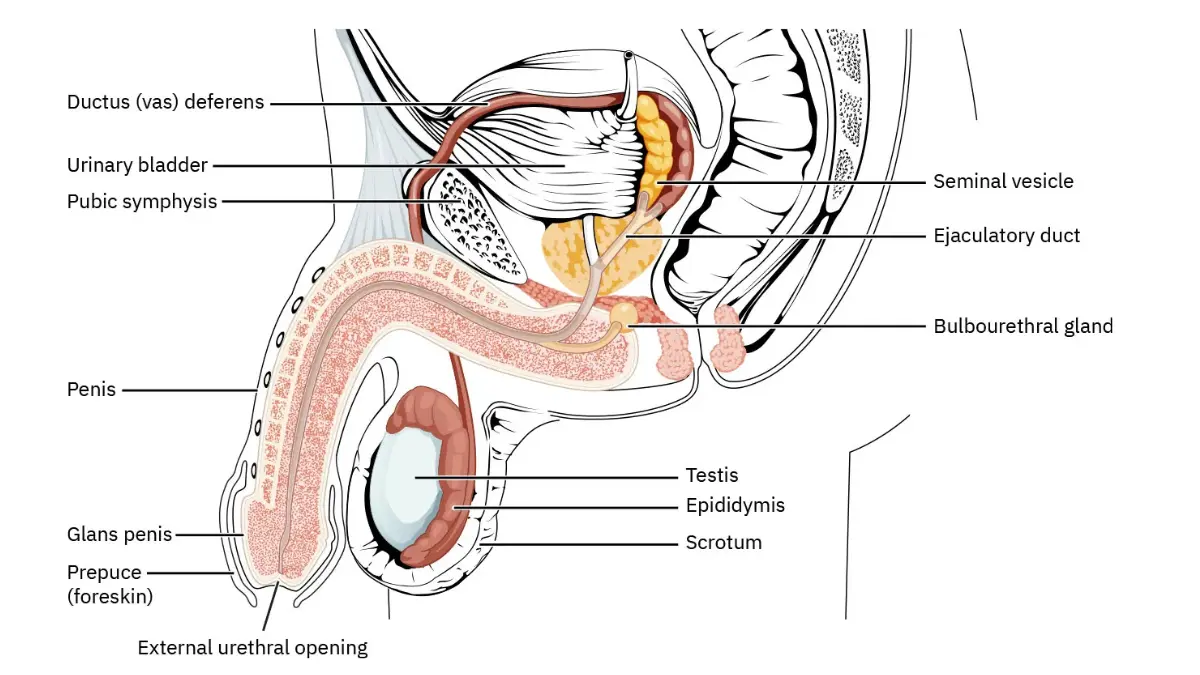
Choosing between prostate cancer surgery and radiation? Survival is nearly the same for both—what differs is the side-effect trade-off.
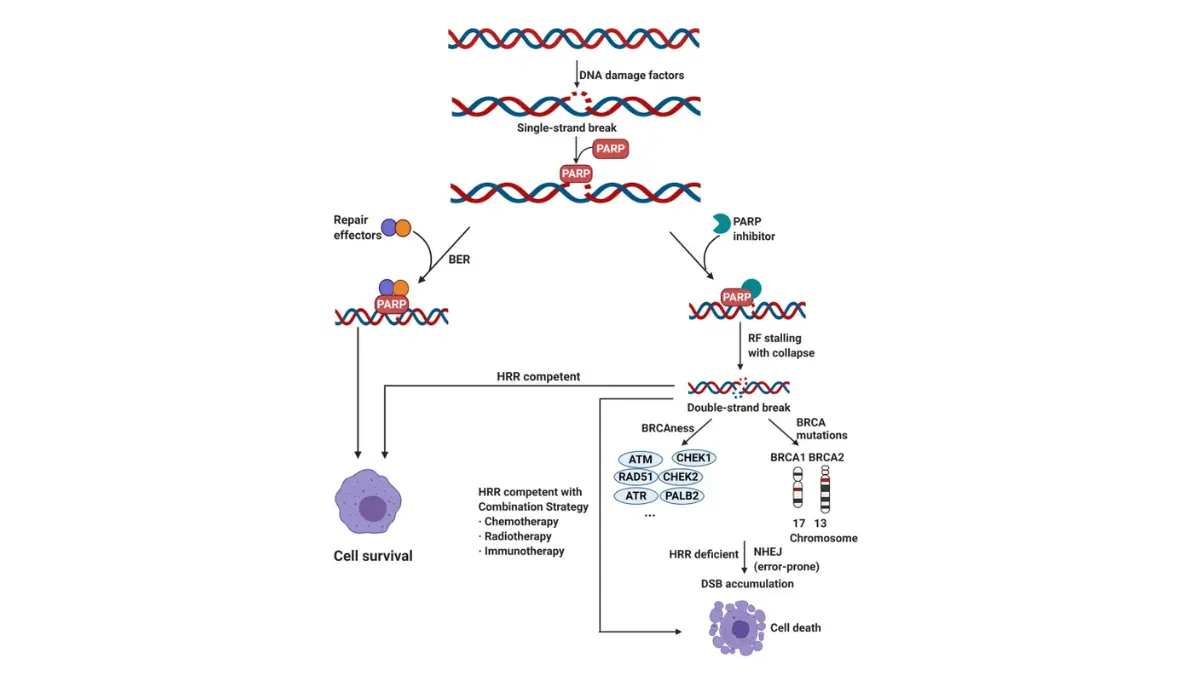
PARP inhibitors work only against prostate cancers with BRCA or HRR mutations—a December 2025 FDA approval added a BRCA2 hormone-sensitive option.

Immunotherapy for prostate cancer works differently than chemo: Provenge may extend survival even when scans don't shrink. Here's what that means for you.
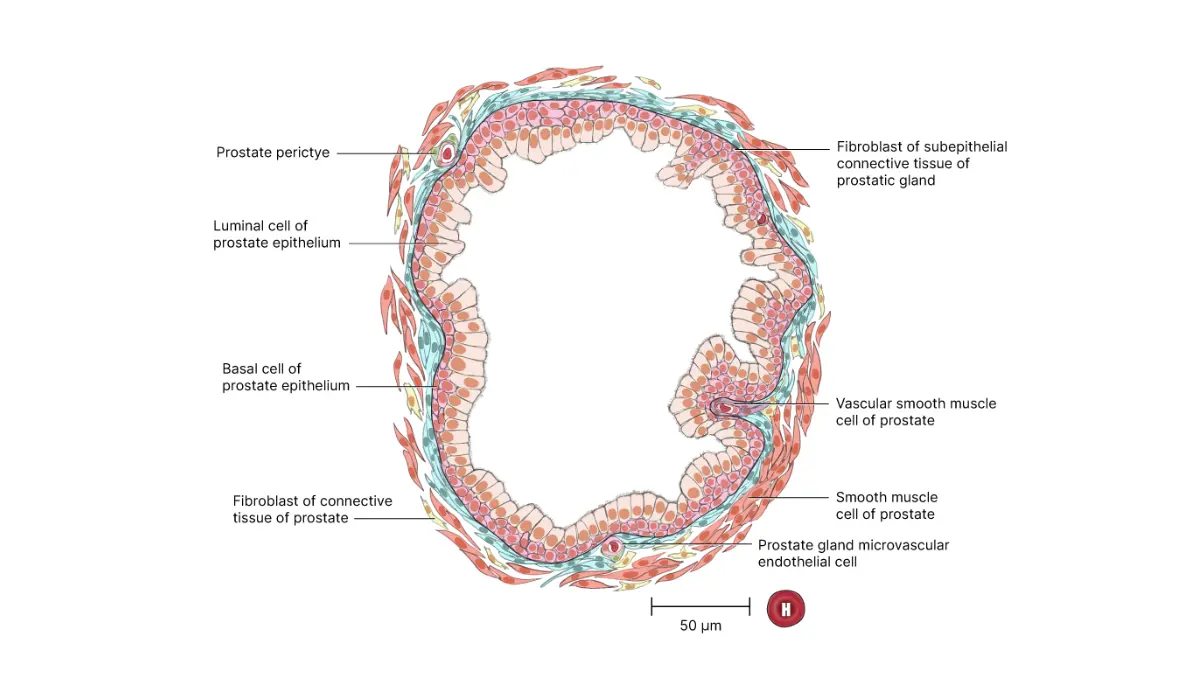
Pluvicto, a lutetium-177 radioligand therapy, targets PSMA-positive metastatic prostate cancer — here's how it works and who qualifies.

Hearing 'chemo' for prostate cancer is frightening, but it's used only when the cancer has spread—often with hormone therapy. See when it helps and how.
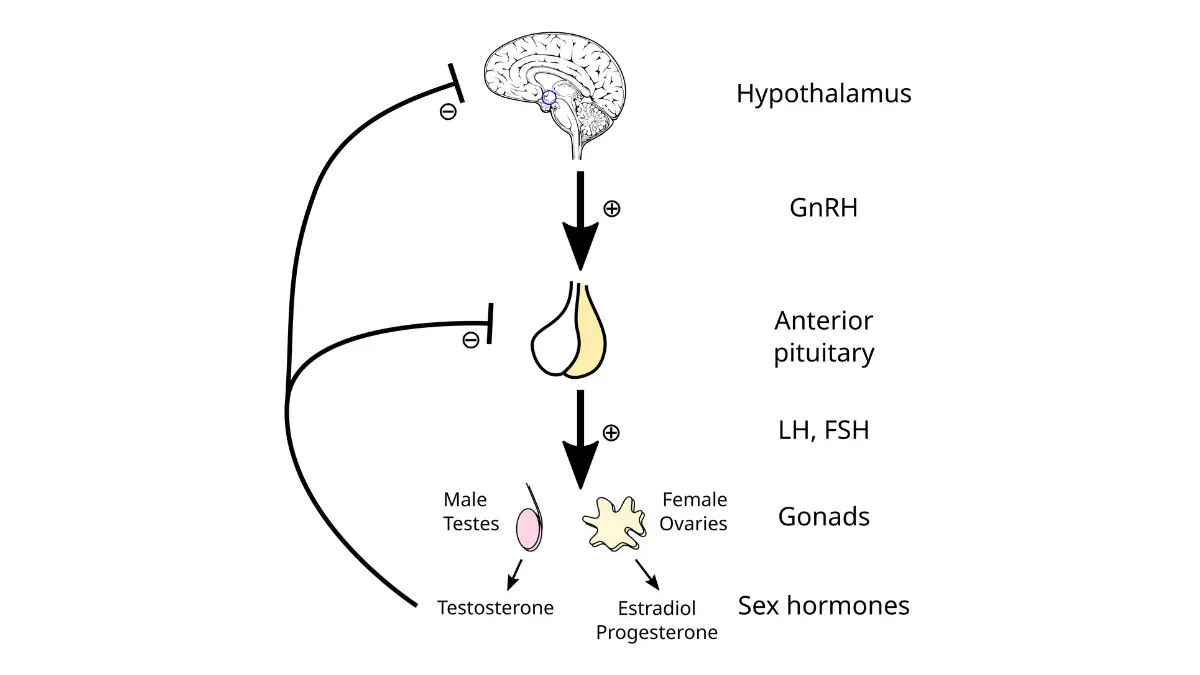
Hormone therapy slows prostate cancer by lowering testosterone, but how long you stay on it ranges from months to years. Here's what to expect.