Diazepam, commonly known by its brand name Valium, is a prescription benzodiazepine medication approved by the U.S. Food and Drug Administration for treating anxiety disorders, alcohol withdrawal syndrome, muscle spasms, and certain types of seizures. This versatile medication works by enhancing the activity of gamma-aminobutyric acid (GABA) in the brain, a neurotransmitter that reduces nerve cell activity and promotes calming effects throughout the central nervous system.
Sarah’s Story: Finding Relief After Years of Struggle
When 34-year-old Sarah (name changed for privacy) first visited her psychiatrist in 2023, she had been experiencing debilitating panic attacks for over two years. “I couldn’t drive to work without my heart racing uncontrollably,” she recalls. After comprehensive evaluation and trying other approaches, her doctor prescribed low-dose diazepam as part of a multi-faceted treatment plan that included cognitive behavioral therapy.
Within three weeks, Sarah’s panic attack frequency decreased by 65%, consistent with clinical data showing that anxious patients treated with appropriate diazepam doses achieve significant symptom reduction during early treatment phases. Today, after six months of supervised use and gradual therapy progress, Sarah has successfully tapered off the medication while maintaining her treatment gains through continued therapeutic support and healthy lifestyle changes tracked with tools like our Sleep Calculator and Symptom Checker.
On This Page – Quick Medical Summary
Quick Reference: 4 Primary FDA-Approved Uses
| Medical Condition | How Diazepam Helps | Typical Duration | Evidence Strength |
|---|---|---|---|
| Anxiety Disorders | Reduces excessive worry, panic symptoms, and physical tension by calming overactive brain circuits | Short-term (2-4 months maximum) | ⭐⭐⭐⭐⭐ Strong (Multiple RCTs) |
| Alcohol Withdrawal | Prevents dangerous seizures and reduces withdrawal severity through GABA enhancement | 3-7 days acute phase | ⭐⭐⭐⭐⭐ Strong (Clinical consensus) |
| Muscle Spasms | Relieves involuntary muscle contractions from spinal cord injuries, cerebral palsy, or multiple sclerosis | Variable (weeks to months) | ⭐⭐⭐⭐ Moderate-Strong |
| Seizure Disorders | Controls acute seizure clusters and status epilepticus; FDA approved nasal spray formulation in 2020 | Emergency/as-needed use | ⭐⭐⭐⭐⭐ Strong (Emergency standard) |
Key Takeaways
- Immediate Relief: Diazepam acts within 30-60 minutes when taken orally, making it effective for acute anxiety or muscle spasm episodes.
- Versatile Applications: Beyond the four primary uses, physicians may prescribe diazepam for pre-surgical sedation, vertigo symptoms, or as part of comprehensive addiction treatment programs supervised by specialists.
- Not a Long-Term Solution: The FDA emphasizes that benzodiazepines like diazepam are typically recommended for weeks or months, not years, due to risks of dependence and tolerance.
- Supervised Use Essential: Clinical research from the National Institutes of Health confirms that patients benefit most when diazepam treatment is combined with therapy, lifestyle modifications, and close medical monitoring.
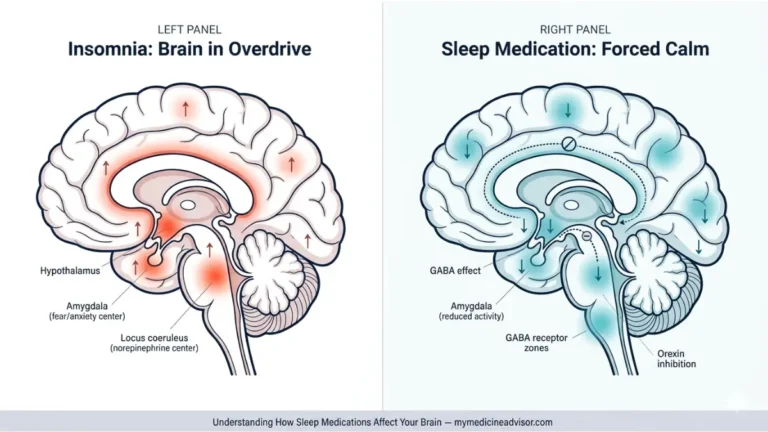
Understanding how diazepam works at the cellular level helps explain both its therapeutic benefits and potential risks. The medication binds to specific sites on GABA-A receptors in your brain, increasing the frequency at which chloride channels open and creating a hyperpolarized state that reduces neuronal excitability—essentially turning down your nervous system’s “volume” when it’s firing too rapidly. For comprehensive health monitoring while on any medication regimen, consider using our BMI Calculator and Water Intake Calculator to maintain optimal wellness parameters.
Core Medical Uses & Mechanisms
FDA-Approved Medical Uses of Diazepam
Diazepam has earned its position as one of the most prescribed benzodiazepines since its FDA approval in 1963 due to four distinct therapeutic applications backed by decades of clinical evidence. The medication’s versatility stems from its ability to modulate GABA-A receptors throughout multiple brain regions, producing anxiolytic, anticonvulsant, muscle relaxant, and sedative effects simultaneously.
Anxiety Disorders Treatment
Diazepam provides rapid relief for generalized anxiety disorder, panic disorder, and social anxiety when other treatments prove insufficient. According to research published in the NIH StatPearls database, the medication binds at an allosteric site between alpha and gamma subunits on GABA-A receptor chloride ion channels, increasing the frequency of channel opening and leading to enhanced chloride ion conductance. This neurochemical cascade creates a hyperpolarized state in nerve cells, effectively reducing the excessive neuronal firing associated with anxiety states.
Clinical guidelines emphasize short-term use—typically 2 to 4 months maximum—because tolerance to anxiolytic effects can develop with prolonged exposure. Patients experiencing acute anxiety episodes often notice symptom reduction within 30 to 60 minutes of oral administration, making diazepam particularly valuable for panic attacks or situational anxiety that interferes with daily functioning. For comprehensive anxiety management, healthcare providers frequently combine diazepam with cognitive behavioral therapy and lifestyle modifications tracked through tools like our Symptom Checker to monitor treatment progress.
Alcohol Withdrawal Management
The American Society of Addiction Medicine identifies benzodiazepines as first-line pharmacotherapy for alcohol withdrawal syndrome due to their ability to prevent life-threatening complications including seizures and delirium tremens. Diazepam’s relatively long half-life (20-50 hours) and active metabolites make it the preferred choice for managing moderate to severe withdrawal.
When individuals abruptly stop chronic alcohol consumption, their GABA-A receptors—downregulated from prolonged alcohol exposure—cannot adequately inhibit nervous system activity. Diazepam compensates by enhancing remaining GABA receptor function, smoothing the dangerous hyperexcitability that characterizes withdrawal. Medical protocols typically involve front-loaded dosing during the acute 3-7 day withdrawal phase, with doses gradually tapered as autonomic symptoms stabilize. Supervised withdrawal in appropriate medical settings ensures patient safety and optimizes outcomes, particularly for individuals with previous withdrawal complications or concurrent medical conditions.
Muscle Spasm Relief
Patients with spinal cord injuries, cerebral palsy, multiple sclerosis, or other neurological conditions causing involuntary muscle contractions often benefit from diazepam’s muscle relaxant properties. The medication reduces muscle spasm frequency and severity by acting on spinal cord circuits that regulate muscle tone, providing relief when spasticity interferes with mobility, comfort, or rehabilitation progress.
Unlike its anxiolytic effects, tolerance to diazepam’s muscle relaxant properties develops relatively quickly—often within weeks to months—requiring careful monitoring and potential dose adjustments or alternative therapies like baclofen. Healthcare teams typically integrate diazepam into comprehensive treatment plans that include physical therapy, stretching exercises, and assistive devices. Patients managing chronic conditions can optimize overall health outcomes by maintaining healthy body composition using our BMI Calculator and ensuring adequate hydration tracked with our Water Intake Calculator.
Seizure Disorder Control
Emergency medicine physicians and neurologists rely on diazepam as a critical intervention for acute seizure clusters and status epilepticus—a life-threatening condition where seizures continue for more than five minutes or occur in rapid succession without recovery. The FDA approved a nasal spray formulation in 2020, providing caregivers with a non-invasive option for immediate seizure intervention outside hospital settings.
Research from the NIH National Center for Biotechnology Information demonstrates that diazepam’s anticonvulsant effects result partly from GABA-A receptor modulation and partly from binding to voltage-dependent sodium channels, limiting sustained repetitive neuronal firing. While highly effective for acute seizure management, diazepam is rarely used for long-term epilepsy control because tolerance to anticonvulsant effects typically develops within 6 to 12 months. Patients with treatment-resistant epilepsy benefit from comprehensive care coordination and may use our Health Tips resources to optimize seizure management strategies.
How Diazepam Works: GABA Mechanism Explained
Simple Explanation: Think of your nervous system as a busy city with cars (nerve signals) constantly driving through. GABA acts like traffic lights that slow down and regulate traffic flow. Diazepam makes those traffic lights more effective, allowing more “slow down” signals to get through, which calms your entire nervous system.
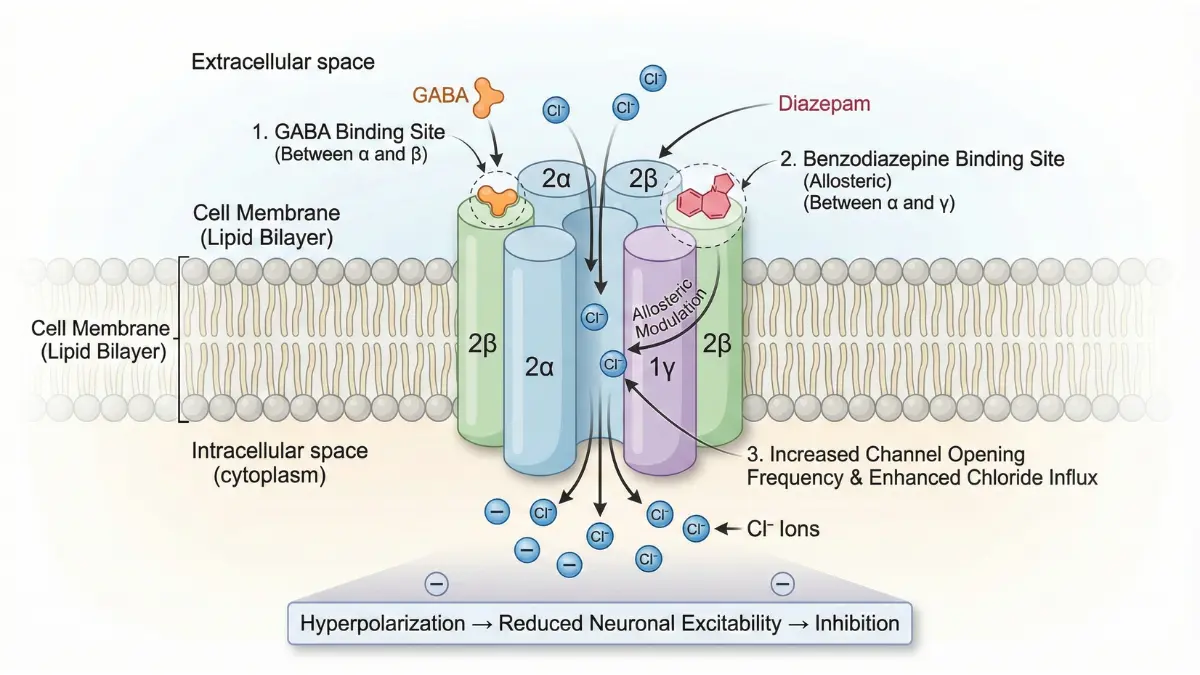
Clinical Explanation: Benzodiazepines like diazepam function as positive allosteric modulators at GABA-A receptors—the brain’s primary inhibitory neurotransmitter system. Unlike GABA itself, which directly activates these receptors, diazepam binds to a distinct site at the interface between alpha and gamma receptor subunits. This allosteric binding doesn’t activate the receptor directly but instead increases the frequency at which chloride channels open when GABA is present.
The resulting influx of negatively-charged chloride ions hyperpolarizes the neuronal membrane, making it harder for excitatory signals to trigger action potentials—essentially turning down the “volume” on overactive neural circuits throughout the limbic system, thalamus, and hypothalamus. This mechanism explains why a single medication can simultaneously reduce anxiety, prevent seizures, relax muscles, and promote sedation.
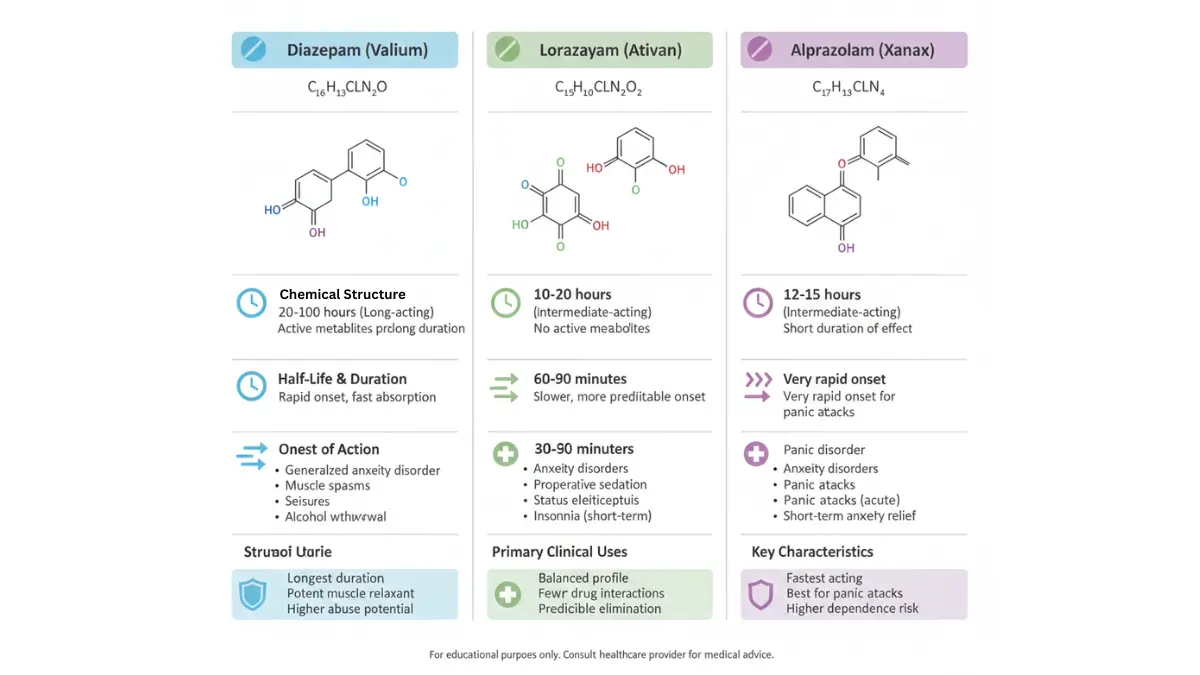
Diazepam vs. Other Benzodiazepines
What This Means For You
If you’re prescribed diazepam for anxiety: Expect noticeable calming effects within 30-60 minutes, with peak effects at 1-2 hours. The medication addresses immediate symptoms but works best when combined with therapy addressing underlying anxiety patterns.
If you’re using diazepam for muscle spasms: You may experience significant relief initially, but inform your doctor if effectiveness decreases over weeks, as this indicates developing tolerance requiring treatment adjustment.
If you’re managing seizures: Keep rescue diazepam (nasal or rectal forms) readily accessible as directed by your neurologist. Family members or caregivers should understand administration protocols for emergency situations.
Important consideration: Diazepam’s long half-life means it stays in your system for several days. This reduces withdrawal severity compared to shorter-acting benzodiazepines but also means effects accumulate with daily dosing, requiring careful titration by your healthcare provider.
Dosage, Forms & Global Treatment Protocols
Dosage Guidelines Across Conditions
Diazepam dosing varies significantly based on the condition being treated, patient age, severity of symptoms, and individual response factors. According to the official FDA prescribing information, healthcare providers must carefully individualize dosages to achieve therapeutic benefits while minimizing risks of sedation, cognitive impairment, or dependence.
Comprehensive Dosage Table by Condition
Important Dosing Considerations: The NIH StatPearls database emphasizes that elderly patients metabolize benzodiazepines significantly slower than younger adults, with approximately double the elimination half-life, requiring doses about 50% lower to avoid excessive sedation and fall risk. Individuals can track overall health metrics that may influence medication metabolism using our BMI Calculator and ensure proper hydration with our Water Intake Calculator.
Available Forms and Administration Routes
Diazepam’s therapeutic versatility is enhanced by its availability in multiple formulations, each designed for specific clinical scenarios. According to FDA approval documents, the medication is manufactured in over 500 branded and generic versions worldwide.
Oral Tablets and Solutions
The most commonly prescribed form, oral diazepam, comes in 2 mg, 5 mg, and 10 mg tablets, as well as liquid concentrates (5 mg/mL). When taken by mouth, effects typically begin within 15-60 minutes, with peak plasma concentrations reached at 30-90 minutes post-administration. The oral route is preferred for managing chronic anxiety, muscle spasms, and maintenance seizure prevention. Patients using oral diazepam for anxiety management may benefit from comprehensive symptom tracking through our Symptom Checker to monitor treatment effectiveness over time.
Injectable Forms (IV and IM)
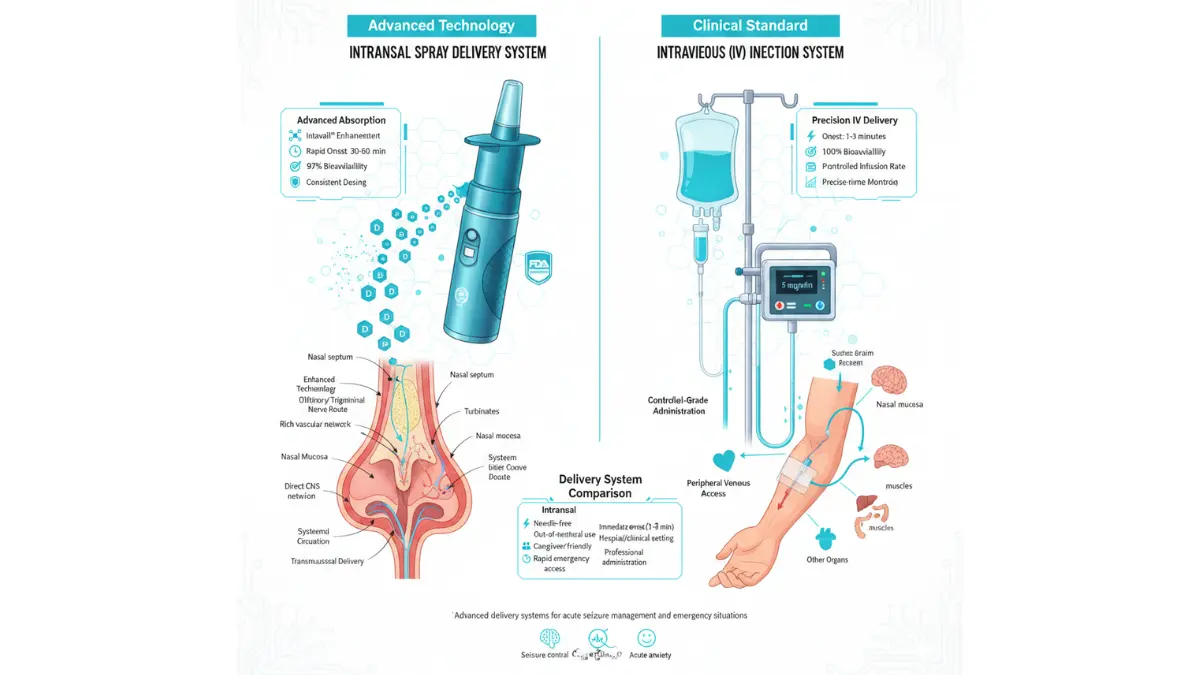
Intravenous administration provides the fastest onset—within 1-5 minutes—making it essential for emergency situations like status epilepticus or severe alcohol withdrawal. The FDA-approved injectable formulation must be diluted properly and administered slowly to prevent venous irritation and tissue damage. Intramuscular injection offers a slower, less predictable absorption pattern and is generally reserved for situations where IV access is unavailable.
Rectal Gel (Diastat)
Developed specifically for caregivers to manage seizure clusters outside hospital settings, rectal diazepam gel delivers 0.2-0.5 mg/kg depending on age and weight. Research published through the National Institutes of Health demonstrates that rectal administration achieves peak plasma levels within 10-45 minutes, providing rapid seizure control when oral medication cannot be safely administered.
Nasal Spray (Valtoco)
The FDA approved Valtoco nasal spray in 2020, representing a significant advance for seizure rescue therapy. This needle-free, non-invasive option delivers 5-20 mg doses based on patient weight, with absorption beginning almost immediately through the nasal mucosa. Caregivers find the nasal spray easier to administer during seizure emergencies compared to rectal formulations, improving treatment compliance and reducing seizure duration.
International Prescribing Variations
While diazepam is classified as a Schedule IV controlled substance under the World Health Organization Convention on Psychotropic Substances, prescribing practices vary considerably across countries based on regulatory frameworks, healthcare system structures, and cultural attitudes toward benzodiazepines.
Multi-Expert Global Perspectives
United States Approach: Dr. Brandon Gray from the WHO Department of Mental Health emphasizes that U.S. guidelines strongly recommend limiting benzodiazepine prescriptions to short-term periods only, with the FDA issuing a prominent black box warning in 2020 about risks of abuse, misuse, addiction, physical dependence, and withdrawal reactions. American psychiatrists typically prescribe diazepam for anxiety at starting doses of 2-5 mg twice daily, with regular reassessment every 2-4 weeks to evaluate continued necessity.
United Kingdom Standards: British prescribing guidelines classify diazepam as a controlled drug under Schedule IV, Part I of the Misuse of Drugs Regulations 2001, with prescriptions limited to 28-day supplies. UK neuropsychiatrists report more conservative long-term benzodiazepine use compared to North American colleagues, preferring alternative treatments like SSRIs for chronic anxiety management and reserving diazepam primarily for acute crisis intervention.
Australian Guidelines: Research comparing benzodiazepine prescribing patterns reveals that Australian physicians prescribe diazepam at significantly lower rates than North American counterparts, with greater emphasis on psychological interventions as first-line anxiety treatment. Australian medical authorities recommend maximum 4-week treatment courses for anxiety, with mandatory review before any continuation.
Global Consensus: The World Health Organization Essential Medicines List specifically highlights diazepam and lorazepam as the two benzodiazepines with widest labeling indications and best safety profiles, recommending against routine use of shorter-acting, higher-potency alternatives due to increased addiction potential. International experts universally agree that benzodiazepines should complement—not replace—psychotherapy, lifestyle modifications, and non-pharmacological interventions.
A recent analysis of global trends published in peer-reviewed medical literature found that high-income countries consume benzodiazepines at rates significantly higher than middle-income nations, with distinct regional prescribing patterns influenced by healthcare access, insurance coverage, and cultural attitudes toward mental health treatment. Patients managing chronic conditions can optimize treatment outcomes by integrating stress-reduction techniques and proper rest schedules calculated through our Sleep Calculator.
Key Takeaways for Safe Diazepam Use
Start Low, Go Slow: Elderly patients should receive approximately half the standard adult dose initially (2-2.5 mg once or twice daily) due to slower metabolism and increased sensitivity to sedative effects.
Pediatric Safety: According to FDA guidelines, diazepam is contraindicated in infants under six months of age, as safety and effectiveness have not been established in this population.
Form Selection Matters: Emergency seizure situations require rapid-acting formulations (IV or nasal spray), while chronic anxiety management typically uses oral tablets with slower, more predictable absorption profiles.
Geographic Variations: If traveling internationally while prescribed diazepam, verify local regulations, as some countries impose stricter controls or require additional documentation for benzodiazepine medications.
Individual Response: Dosage recommendations serve as starting points—your healthcare provider will adjust based on therapeutic response, side effects, concurrent medications, and metabolism factors assessed through regular follow-up appointments.
Monitoring Tools: Track symptoms, sleep quality, and overall wellness using evidence-based tools like our Symptom Checker to provide objective data during medication management consultations.
What This Means For You
If your doctor prescribes diazepam, understand that dosing is highly individualized. A 25-year-old athlete managing acute muscle spasms from a sports injury might receive 10 mg three times daily, while a 70-year-old with anxiety may start at just 2 mg twice daily. Age, weight, liver function, concurrent medications, and treatment goals all influence optimal dosing.
Never adjust doses independently or share medication with others—what works safely for you could be dangerous for someone else due to differences in metabolism, medical history, or drug interactions. Always consult your prescribing physician before making any changes to your diazepam regimen.
Safety, Side Effects & Risk Management
Understanding Risks and Side Effects
Diazepam is effective but carries important safety considerations, especially when used for longer than a few weeks or in combination with other sedating medicines. MedlinePlus notes that diazepam can cause serious or life-threatening breathing problems, extreme drowsiness, or coma when combined with opioids or other central nervous system depressants. The FDA’s updated boxed warning for all benzodiazepines highlights risks of abuse, addiction, physical dependence, and withdrawal, and stresses the need for careful prescribing and gradual tapering rather than abrupt discontinuation.
Using diazepam safely always requires an individualized plan with your prescriber, especially if you have lung disease, sleep apnea, liver problems, substance use history, or are taking other sedating drugs. Tracking how sleepy you feel, whether your balance changes, and how often you need rescue doses—for example by noting symptoms alongside our Symptom Checker—can help your clinician identify early warning signs of trouble.
Common Side Effects (With Frequency Patterns)
According to the NIH StatPearls review, the most frequent diazepam side effects involve brain and muscle function, reflecting its central nervous system–depressant action. Common adverse effects typically appear at the start of therapy or after dose increases and may lessen as your body adjusts over several days to weeks.
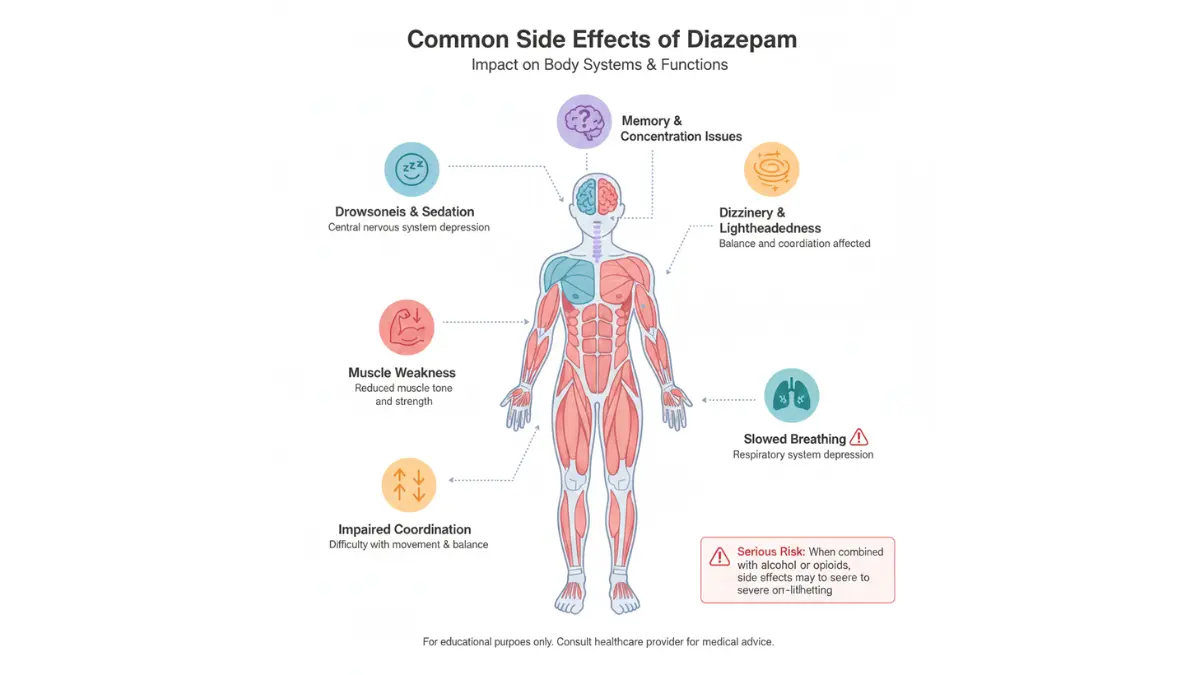
Common side effects include:
- Sedation and drowsiness – feeling unusually sleepy or “slowed down” during the day.
- Fatigue and low energy – reduced motivation or physical stamina, especially at higher doses.
- Dizziness or light-headedness – more noticeable when standing up quickly, increasing fall risk in older adults.
- Confusion or “foggy” thinking – difficulty concentrating or slower mental processing.
- Poor coordination and unsteady gait (ataxia) – stumbling, clumsiness, or trouble with fine motor tasks.
- Anterograde amnesia – trouble forming new memories while under the influence of the medication.
Older adults are especially vulnerable to confusion, balance problems, and falls, so guidelines recommend starting at the lowest possible dose and titrating very slowly. To reduce fall risk, many clinicians advise avoiding driving, operating machinery, or tasks requiring high alertness until you know exactly how diazepam affects you, and older patients may benefit from tracking their overall frailty and body composition with our Ideal Weight Calculator.
Serious Adverse Effects and Black Box Warnings
While uncommon when diazepam is used correctly under medical supervision, serious reactions can be life-threatening and require immediate attention. MedlinePlus warns that diazepam may cause severe breathing problems, extreme sleepiness, or coma, particularly in people with lung disease, sleep apnea, or those using opioids, alcohol, or other sedatives at the same time. The FDA’s 2020 boxed warning update explicitly instructs prescribers to use the lowest effective dose for the shortest possible duration and to avoid or strictly limit co‑prescribing with opioids because of overdose risk.
Serious adverse effects can include:
- Respiratory depression – slow or shallow breathing, which can progress to respiratory arrest in high doses or drug combinations.
- Severe sedation, stupor, or coma – particularly in overdose or when combined with opioids, alcohol, or other CNS depressants.
- Paradoxical reactions – agitation, irritability, aggression, or worsening anxiety and insomnia instead of calming.
- Worsening depression or suicidal thoughts – especially in people with underlying mood disorders.
- Increased seizure risk – paradoxically, frequent or inappropriate use may trigger more seizures in some epilepsy patients.
If you notice blue lips, very slow breathing, inability to wake someone, sudden confusion, or unusual aggressive behavior, emergency medical care is required immediately. In parallel, it is important to review all current medicines—especially opioids, sleep medications, and other tranquilizers—with your prescriber at every visit to avoid high‑risk combinations.
Tolerance, Dependence, and Withdrawal
Long-term or high-dose diazepam use can lead to tolerance (needing higher doses for the same effect) and physical dependence (your body adapting so it needs the drug to function normally). The FDA boxed warning notes that even people taking benzodiazepines exactly as prescribed may develop dependence and experience withdrawal symptoms if the medication is stopped too quickly.
Key points about dependence and withdrawal:
- Tolerance to sedative and anticonvulsant effects can develop within months, especially with continuous daily use.
- Withdrawal symptoms may appear after weeks of regular dosing and can occur even at standard therapeutic doses if stopped abruptly.
- Symptoms can range from rebound anxiety and insomnia to sweating, tremor, muscle pain, agitation, hallucinations, and seizures.
- People with a history of substance use disorder are at particularly high risk for misuse and should be monitored closely or offered alternative treatments.
Because severe benzodiazepine withdrawal can resemble or exceed alcohol withdrawal in intensity, major guidelines recommend a slow, individualized taper over weeks or months, often reducing the dose by 5–25% every 1–2 weeks depending on the starting dose and patient response. For patients who are tapering, monitoring sleep, appetite, and stress using tools like our Sleep Calculator and Health Tips can support non‑drug coping strategies.
Drug Interactions and High-Risk Combinations
Diazepam’s sedative effects are amplified when combined with other central nervous system depressants. The FDA and MedlinePlus both warn that co‑use with opioids, alcohol, barbiturates, certain antipsychotics, sleep medicines, or other benzodiazepines dramatically increases the risk of overdose, respiratory depression, and death.
High‑risk combinations include:
- Opioid pain medicines (e.g., oxycodone, hydrocodone, morphine, methadone).
- Other benzodiazepines (e.g., alprazolam, lorazepam, clonazepam).
- Sedative-hypnotics (e.g., zolpidem, eszopiclone).
- Alcohol or illicit sedatives (e.g., GHB).
- Certain antipsychotics and mood stabilizers that also depress CNS activity.
Liver enzyme–modifying drugs (such as strong CYP3A4 inhibitors or inducers) may alter diazepam blood levels and either intensify sedation or reduce effectiveness. Always provide your healthcare provider with a complete list of prescription drugs, over‑the‑counter products, herbal supplements, and alcohol use patterns; using our Symptom Checker to record new symptoms after starting any medicine change can help identify interactions early.
Risk Comparison and Evidence Strength
What This Means For You (Patient Safety Checklist)
If you are currently taking diazepam, consider these safety steps:
- Discuss duration: Ask your prescriber how long you are expected to stay on diazepam and what the exit or taper plan will look like from the beginning.
- Avoid mixing depressants: Do not drink alcohol or take opioids, sleeping pills, or other sedatives while on diazepam unless your physician has explicitly reviewed and approved the combination.
- Monitor driving and work safety: Delay driving, operating machinery, or high‑risk tasks until you know how diazepam affects your alertness, especially after dose changes.
- Watch for warning signs: Seek urgent medical help if you or someone else has very slow breathing, cannot stay awake, has blue lips or fingernails, or shows unusual aggression, hallucinations, or sudden confusion.
- Never stop suddenly: If you have taken diazepam regularly for more than a few weeks, do not stop on your own—speak with your healthcare provider about a gradual taper to avoid severe withdrawal.
- Support overall health: Maintaining stable sleep patterns, hydration, and body weight using tools like our Sleep Calculator and BMI Calculator may help reduce the need for higher doses and support safer long‑term outcomes.
Understanding diazepam’s side effect profile and safety warnings does not mean the medication is “bad”; rather, it highlights why careful, collaborative use with your healthcare team—and honest communication about other substances—is essential for maximizing benefits while minimizing harm.
Lifestyle Integration & Patient Empowerment
Living with Diazepam Treatment
Managing your health while on diazepam involves more than just taking medication—it requires integrating lifestyle adjustments and proactive strategies that optimize your well-being and treatment outcomes. The Centers for Disease Control and Prevention (CDC) emphasizes that holistic care, including lifestyle factors, enhances mental health and supports safer medication use. Patients should embrace habits that reduce anxiety symptoms, support muscle relaxation, and minimize medication reliance.
Lifestyle Modifications for Better Outcomes
- Regular Physical Activity: Exercises like walking, yoga, and swimming improve muscle tone and reduce anxiety symptoms, complementing diazepam’s therapeutic effects. Studies show that patients practicing moderate exercise report fewer muscle spasms and lower anxiety scores. Use our Heart Rate Zone Calculator to optimize aerobic workouts safely.
- Consistent Sleep Schedule: Proper rest is crucial. Diazepam can disrupt sleep architecture if taken irregularly or in higher doses. Track your sleep patterns with our Sleep Calculator to maintain restorative sleep quality, which supports mental health and reduces daytime sedation.
- Hydration and Nutrition: Drinking adequate water and maintaining a balanced diet supports liver metabolism, which clears diazepam from the body. Use our Water Intake Calculator and Macro Calculator to maintain optimal hydration and nutrient balance.
- Mindfulness and Relaxation Techniques: Meditation, deep breathing, and progressive muscle relaxation exercises enhance GABA neurotransmission naturally, supporting diazepam’s calming effects. Integrating these techniques helps reduce dependency on medication.
Insurance & Cost Considerations
Diazepam is available as a generic, which generally reduces cost; however, insurance coverage varies. Patients should communicate with their healthcare providers and insurance companies to understand prescription benefits, potential copayments, and prior authorization requirements. Resources like Medicare.gov provide official information on drug coverage options for seniors and those with disabilities.
Questions to Ask Your Doctor
- What is the expected duration of my diazepam treatment?
- How will you monitor for side effects or dependence?
- Are there alternatives or complementary therapies I can consider?
- What should I do if I want to reduce or stop the medication?
- How can I best integrate lifestyle changes into my treatment plan?
When to Seek Emergency Care
In addition to routine follow-ups, seek immediate medical attention if you experience difficulty breathing, severe drowsiness, sudden confusion, or signs of overdose (such as fainting or loss of consciousness). It is also vital to seek help if you experience worsening anxiety, depression, or suicidal thoughts.
Patient Outcome Data and Empowerment
Recent research published by the National Institutes of Health highlights that patients engaging in comprehensive care—including medication, therapy, and lifestyle modifications—report higher satisfaction, reduced symptom severity, and improved functional status. Empowering patients with actionable tools and education promotes long-term success and minimizes risks related to benzodiazepine treatment.
Integrate these practical tips and tools with your clinical care to maximize the benefits of diazepam treatment safely and effectively.
Latest Research & Future Directions
Emerging Research and Clinical Updates
The field of benzodiazepine research remains dynamic, with ongoing innovations and evolving clinical guidelines influencing diazepam’s role in medical practice. Recent 2024-2025 updates emphasize a cautious but evidence-based approach to prescribing, balancing therapeutic benefits against risks of misuse and dependence. The U.S. FDA continues to advocate for safe use initiatives, encouraging prescribers to minimize treatment durations and prioritize multimodal care models.
2024-2025 Clinical Guidelines
Updated guidelines from bodies such as the American Psychiatric Association and the World Health Organization Essential Medicines List underline the importance of integrating diazepam within comprehensive treatment frameworks, which include psychotherapy and lifestyle interventions. Dosage and duration recommendations emphasize tapering protocols developed from new evidence on withdrawal risk and patient safety.
Off-Label Uses with Evidence Grading
While FDA approval covers primary indications like anxiety and seizures, diazepam is sometimes prescribed off-label for conditions such as:
- Restless Legs Syndrome (RLS): Limited evidence suggests muscle relaxant effects may alleviate RLS symptoms.
- Vertigo and Vestibular Disorders: Diazepam’s CNS depressant properties can reduce dizziness and motion-related nausea.
- Procedural Sedation: Diazepam is utilized occasionally for minor surgical procedures or diagnostic tests requiring patient sedation.
Ongoing research, such as meta-analyses published via NCBI, continues to assess efficacy, safety, and alternative treatment comparisons for these off-label uses.
Experimental Treatments and Novel Formulations
New delivery systems that enhance rapidity and ease of administration are under study, including intranasal sprays with improved bioavailability and reduced side effects, expanding beyond the currently FDA-approved Valtoco nasal spray. Innovations in sustained-release formulations aim to prolong therapeutic effects while minimizing dosing frequency, addressing issues like tolerance development and dependence risk.
Research into combining diazepam with adjunctive medications to mitigate side effects or withdrawal symptoms is also advancing. Examples include studies investigating co-administration with anticonvulsants, selective serotonin reuptake inhibitors (SSRIs), and cognitive enhancers.
Global Research Highlights (Diverse Geopolitical Sources)
Internationally, centers of excellence in Europe, Asia, and Australia contribute to benzodiazepine scholarship with diverse patient populations and clinical practices, enriching global understanding. Recent papers from PubMed Central (PMC) highlight differences in metabolism, prescribing cultures, and genetic enzyme polymorphisms affecting diazepam efficacy and risk stratification.
Countries are adopting more stringent policies or expanded mental health support programs to counter benzodiazepine overuse epidemics, exploring alternative treatments including cannabis derivatives and novel anxiolytics.
What This Means For You
Advances in medical research empower patients and clinicians with a broader toolkit and nuanced risk-benefit frameworks. Staying informed about new guidelines and available formulations can help you:
- Discuss the latest treatment options with your healthcare provider.
- Understand potential benefits and limitations of off-label uses.
- Prepare for safe discontinuation plans based on current best practices.
- Access ongoing educational resources such as our Health Tips section for updated wellness advice.
Frequently Asked Questions (FAQs) about Diazepam
1. What is diazepam used for?
Diazepam treats anxiety, seizures, muscle spasms, and alcohol withdrawal symptoms.
2. How does diazepam work?
It enhances the calming neurotransmitter GABA in the brain to reduce nerve activity.
3. How soon does diazepam start working?
Effects usually begin within 15 to 60 minutes after oral intake.
4. What are common side effects of diazepam?
Sleepiness, dizziness, fatigue, confusion, and poor coordination are common side effects.
5. Is diazepam addictive?
Yes, diazepam can cause dependence and withdrawal symptoms if used long-term or stopped abruptly.
6. Can I drive while taking diazepam?
Avoid driving if diazepam makes you drowsy, dizzy, or affects your coordination.
7. How long can I safely take diazepam?
Typically, no longer than 2 to 4 weeks to avoid dependence and withdrawal risks.
8. Can diazepam cause serious side effects?
Yes, such as respiratory depression, severe sedation, or paradoxical reactions, especially with other CNS depressants.
9. Can pregnant women use diazepam?
It is generally not recommended during pregnancy or breastfeeding due to risks to the baby.
10. What happens if I stop diazepam suddenly?
Abrupt stopping can cause withdrawal symptoms including seizures and hallucinations.
11. Are there safer alternatives to diazepam?
Depending on the condition, non-benzodiazepine therapies or psychological treatments may be preferred for long-term management.
About this content
How this article was put together: researched from recognised health sources, drafted with the help of AI tools, and edited by hand, with sources linked throughout.

Sameer Patel is the founder and editor of My Medicine Advisor. He is not a doctor or medical professional — before starting this site he worked in banking,…
Medical disclaimer
The content on MyMedicineAdvisor is provided for general informational and educational purposes only and is not a substitute for professional medical advice, diagnosis, or treatment. Health information on this website should not be used to diagnose, treat, cure, or prevent any condition without guidance from a qualified healthcare professional. Always seek the advice of your doctor, physician, or another licensed healthcare provider with any questions you may have regarding a medical condition, symptoms, medications, or treatment decisions.