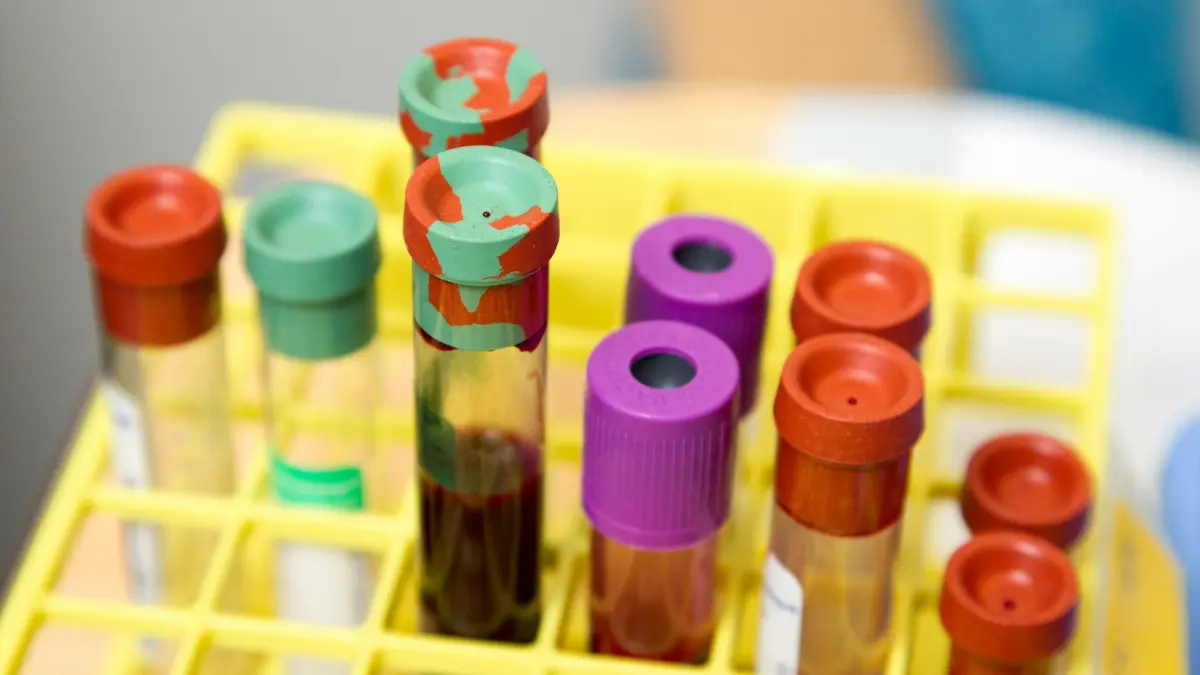
What a CBC Can and Can’t Reveal About Cancer
A CBC detects cancer only indirectly — it flags blood cancers like leukemia, but a normal result never rules cancer out. See what your counts really mean.

Plain-language guides to blood tests, scans and lab reports: what each test checks, typical reference ranges and what to ask your doctor.
A CBC detects cancer only indirectly — it flags blood cancers like leukemia, but a normal result never rules cancer out. See what your counts really mean.
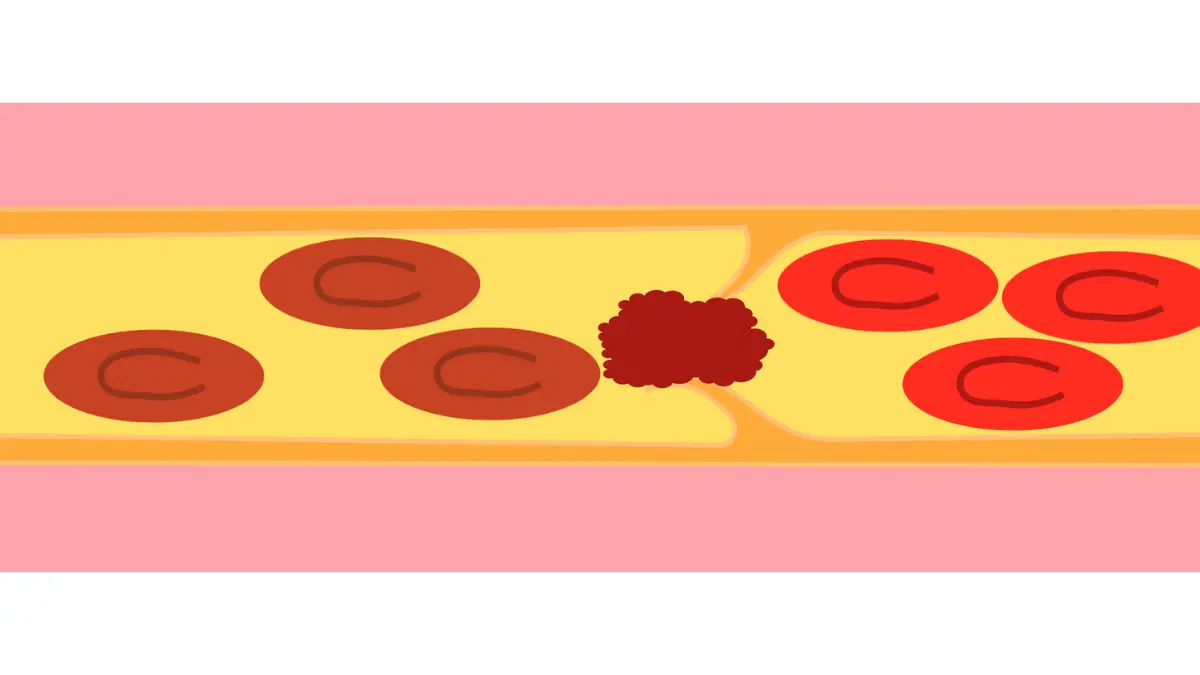
A high platelet count is often a temporary reaction to infection, low iron, or surgery — not a blood cancer. Here's how doctors tell the difference.
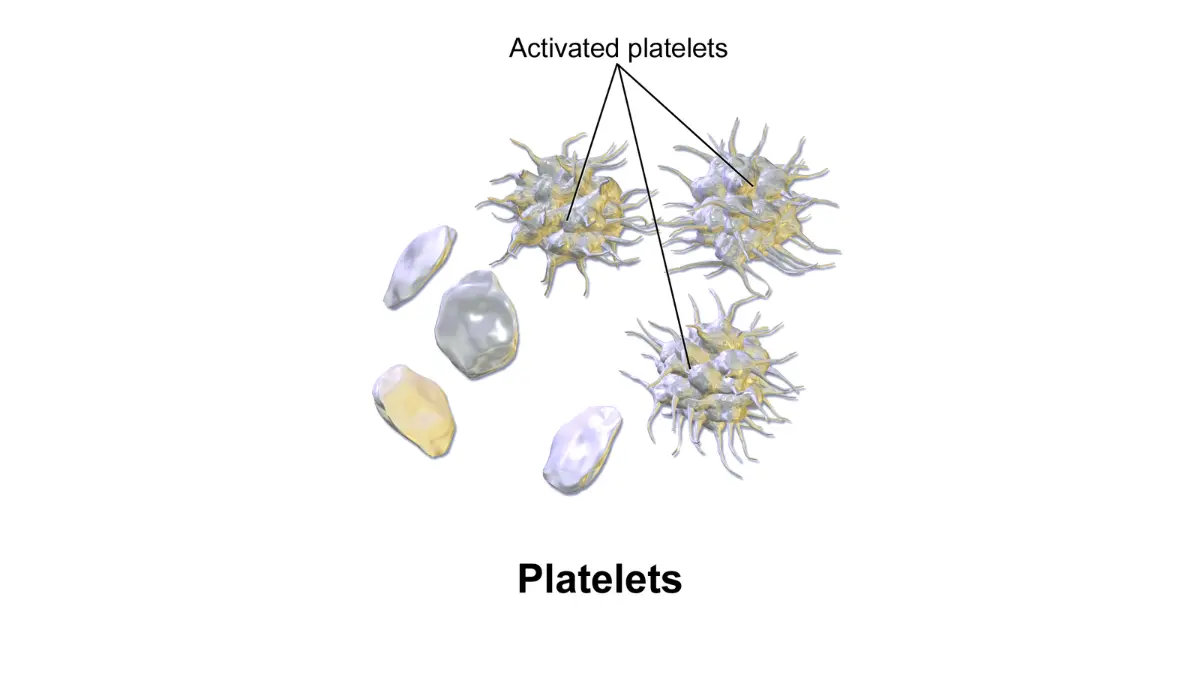
Low platelet count causes range from ITP to a common lab artifact. See how doctors tell a true low count from a false alarm — and which numbers matter.
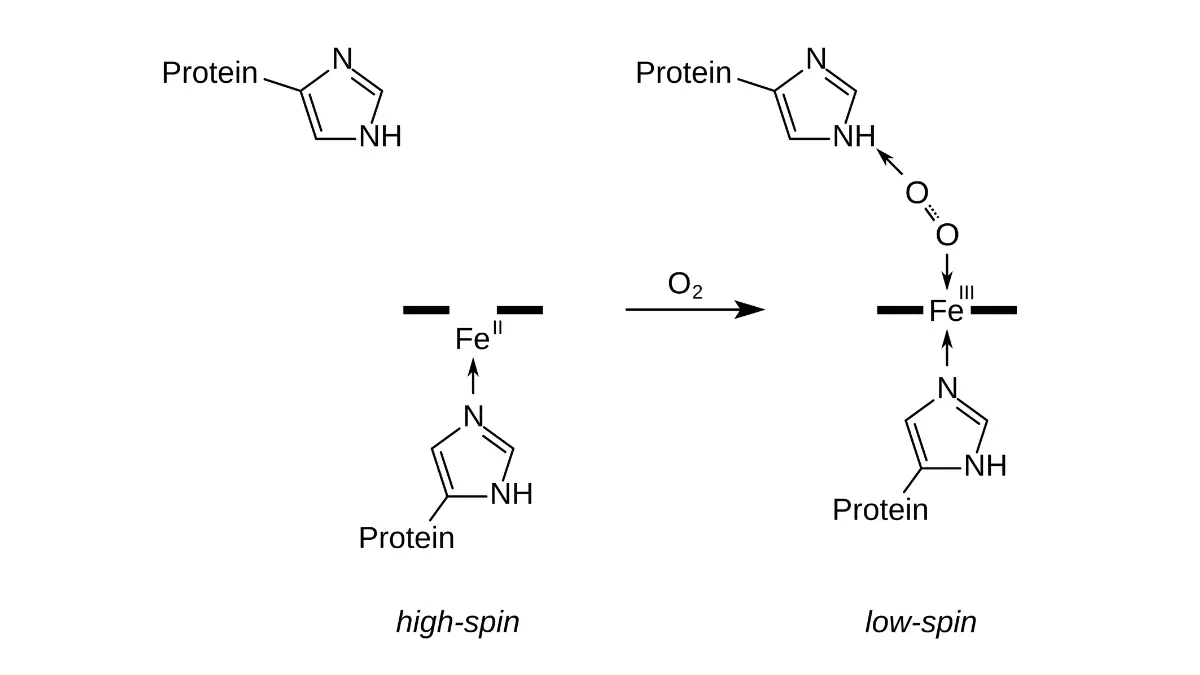
Hematocrit vs hemoglobin sound alike but measure different things—and can disagree on who's anemic. Here's the real difference.
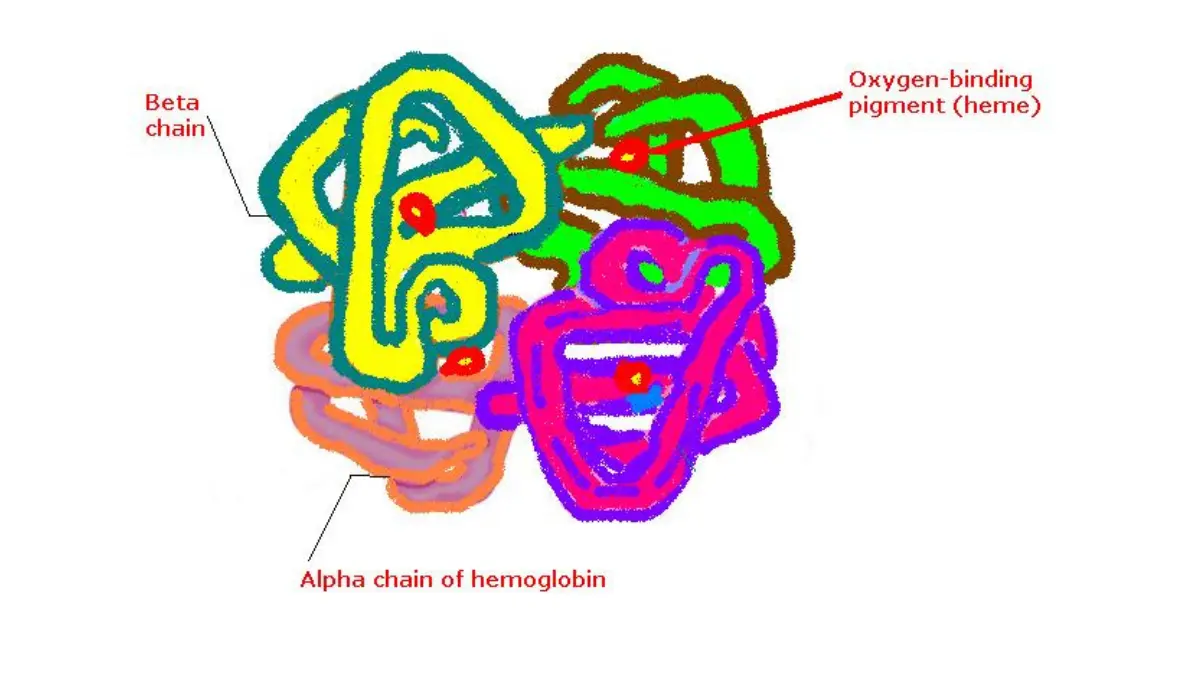
MCH vs MCHC differ: one is the amount of hemoglobin per red cell, the other its concentration — and a high MCHC is often a lab artifact, not disease.
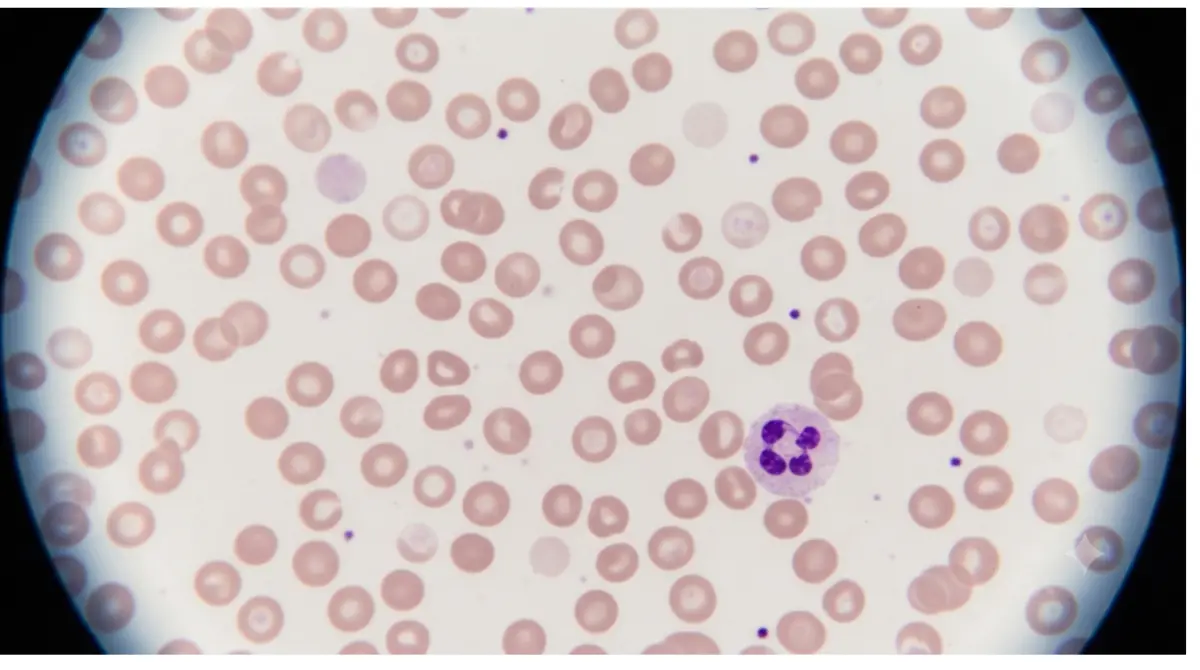
Elevated RDW reads differently with a low, normal or high MCV. One textbook range is 13 ± 1.5%, but your report’s printed range is the one that applies.
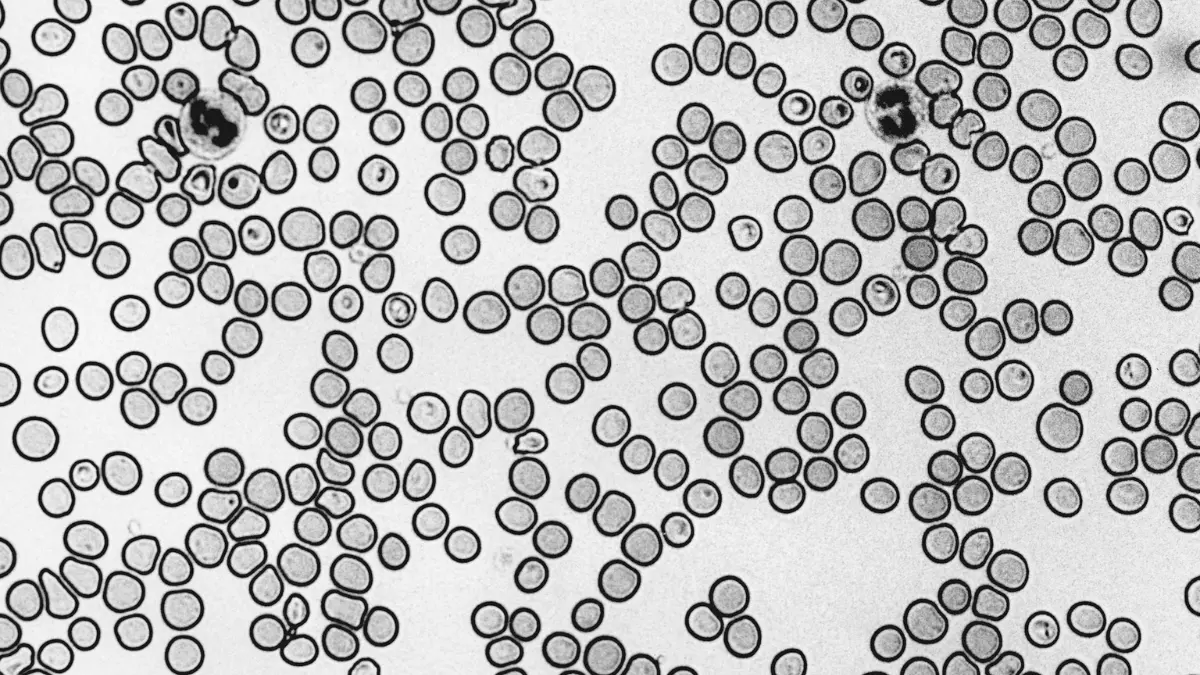
A high or low MCV rarely tells the whole story alone. See what a result above 100 or below 80 means—and why a normal MCV isn't always reassuring.
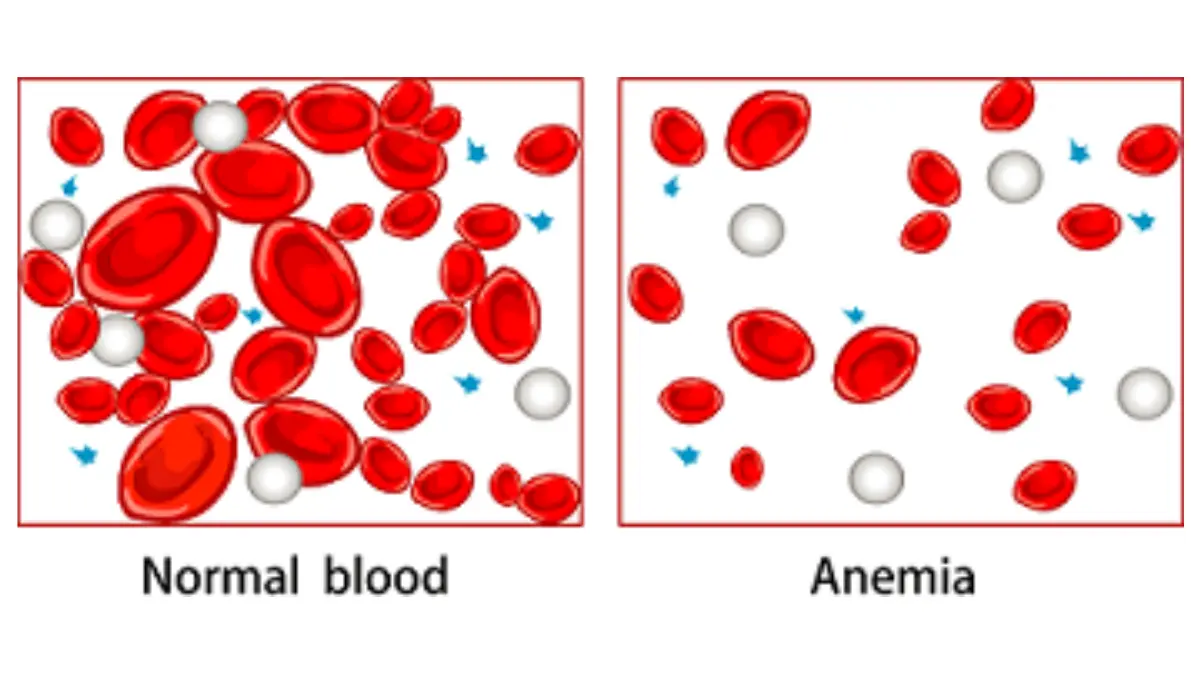
A low hemoglobin—below 13 g/dL in men, 12 in women—is only the start. Your MCV reveals the real cause, and some numbers mean it's an emergency.

Low neutrophils aren't all equal: mild neutropenia is common, but an ANC under 500 is severe. See what caused yours and the fever that can't wait.
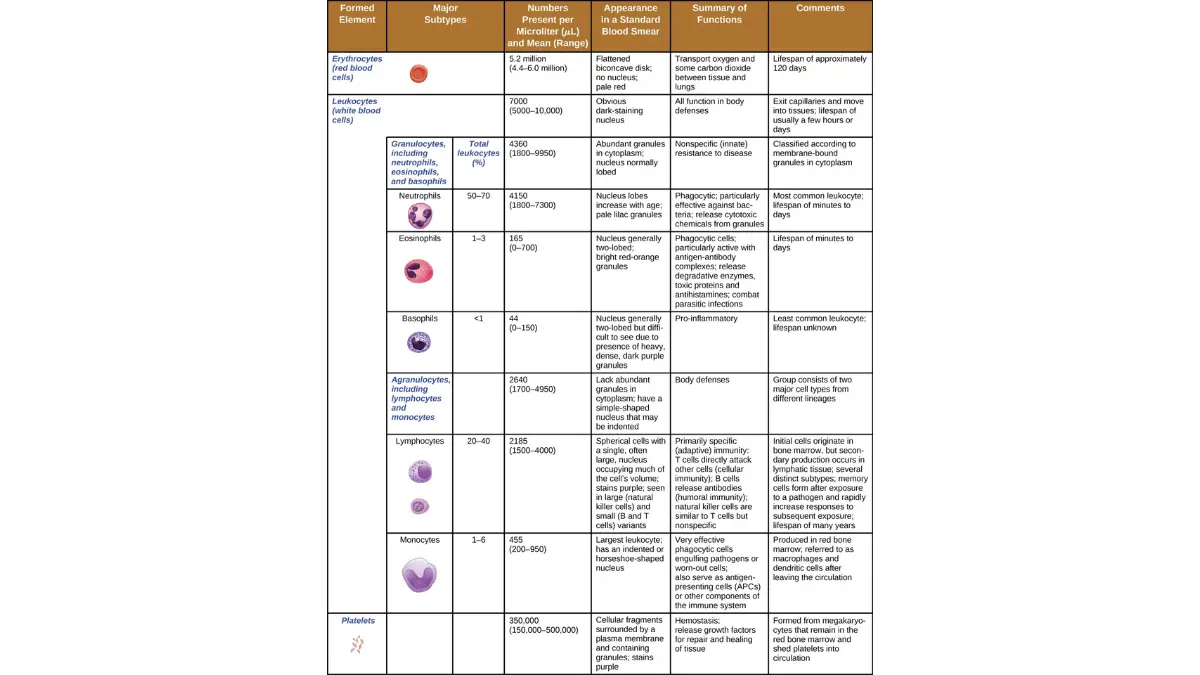
A low white blood cell count is often silent — many feel nothing until an infection appears. Here's what causes it and when the drop turns serious.
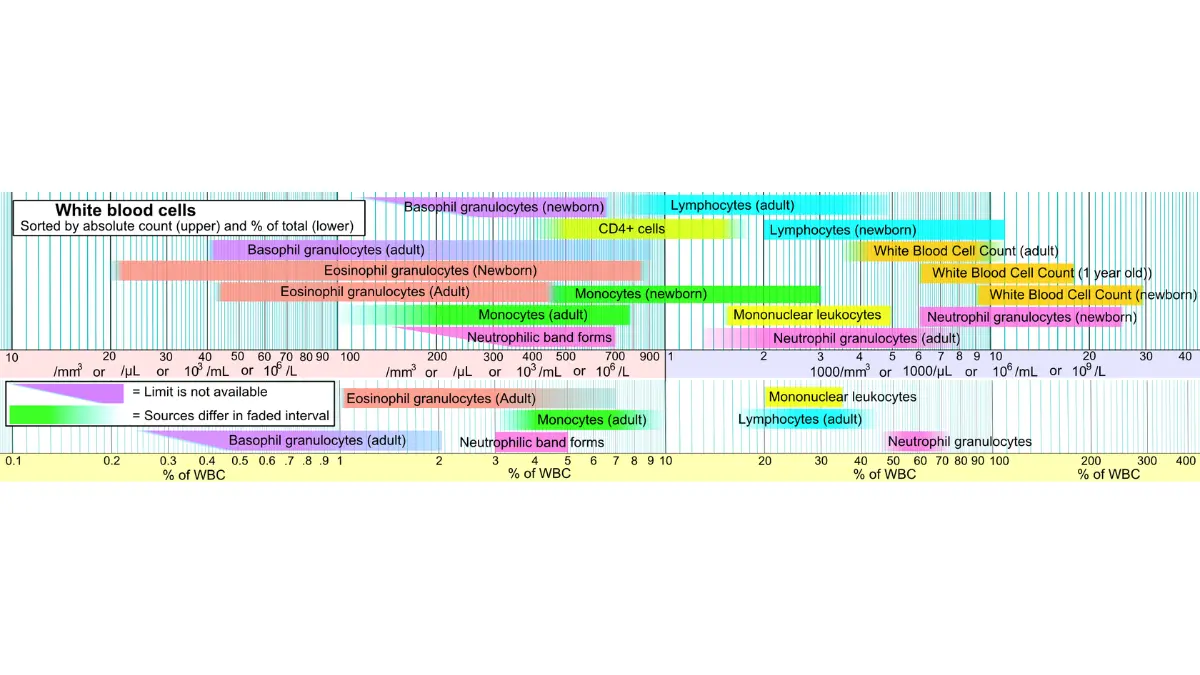
A high white blood cell count above 11,000 rarely means cancer — far more often it's your body responding to infection, inflammation, or stress.

