A Clear Path to Prostate Cancer Clinical Trials
Prostate cancer clinical trials span every stage, not only advanced disease. Learn where to search, who qualifies, and the truth about placebos.

Prostate cancer clinical trials span every stage, not only advanced disease. Learn where to search, who qualifies, and the truth about placebos.
A prostate cancer caregiver helps with incontinence, intimacy, and tough choices—and most men regain bladder control within two years. Start here.
Prostate cancer side effects are common but manageable—fatigue affects roughly 40% of men, and pain usually points to something treatable.
Prostate cancer under 50 is rare and often silent, so family history—not symptoms—is the real early warning. Here's what younger men should know.
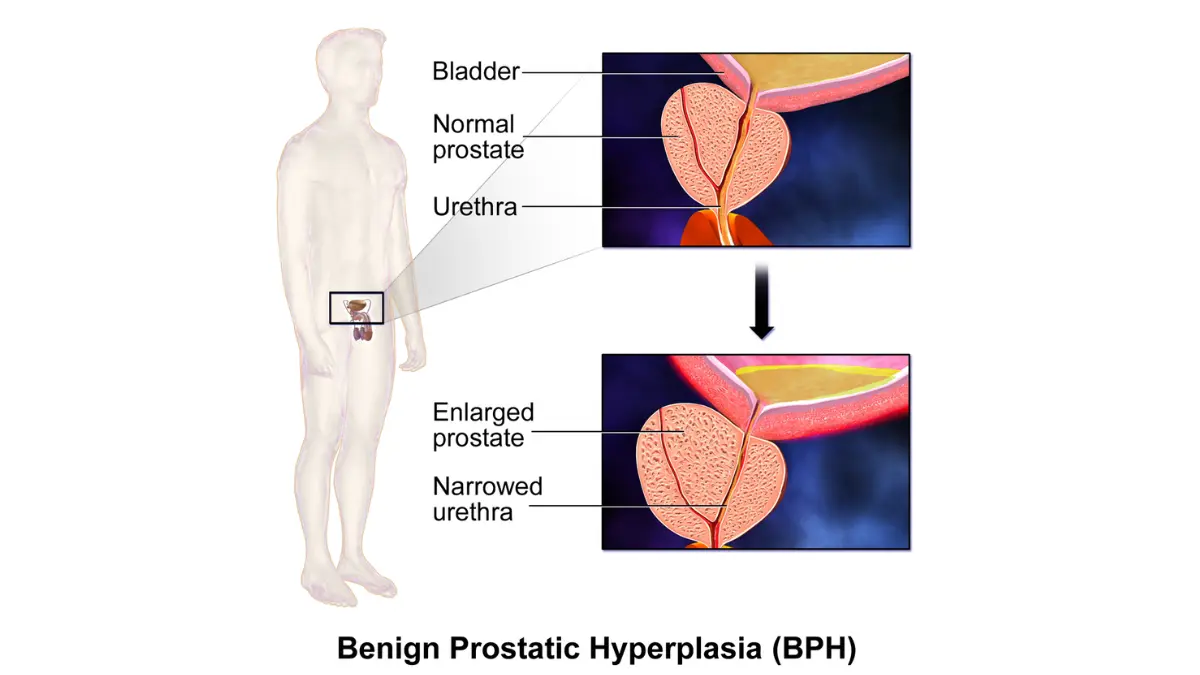
Enlarged prostate or prostate cancer? Both can cause urinary symptoms, yet one is benign and never raises your cancer risk. Here's how the two truly differ.
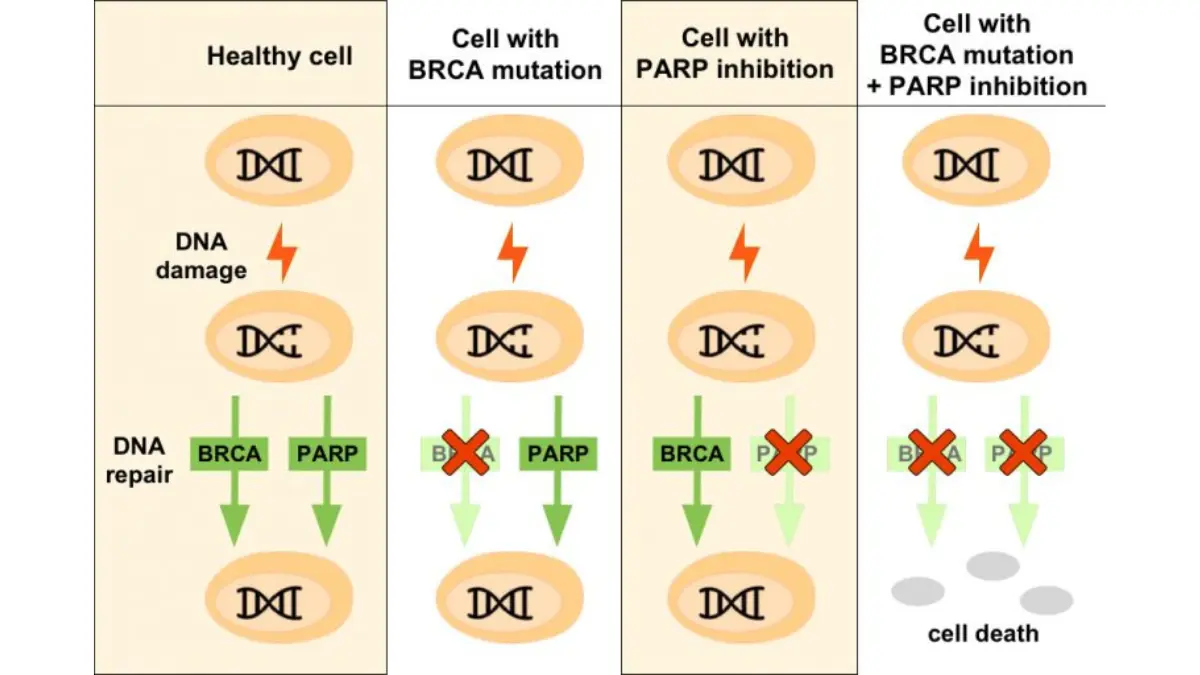
BRCA prostate cancer can change everything from screening to treatment—BRCA2 carries the highest risk, and a mutation may open targeted PARP therapy.
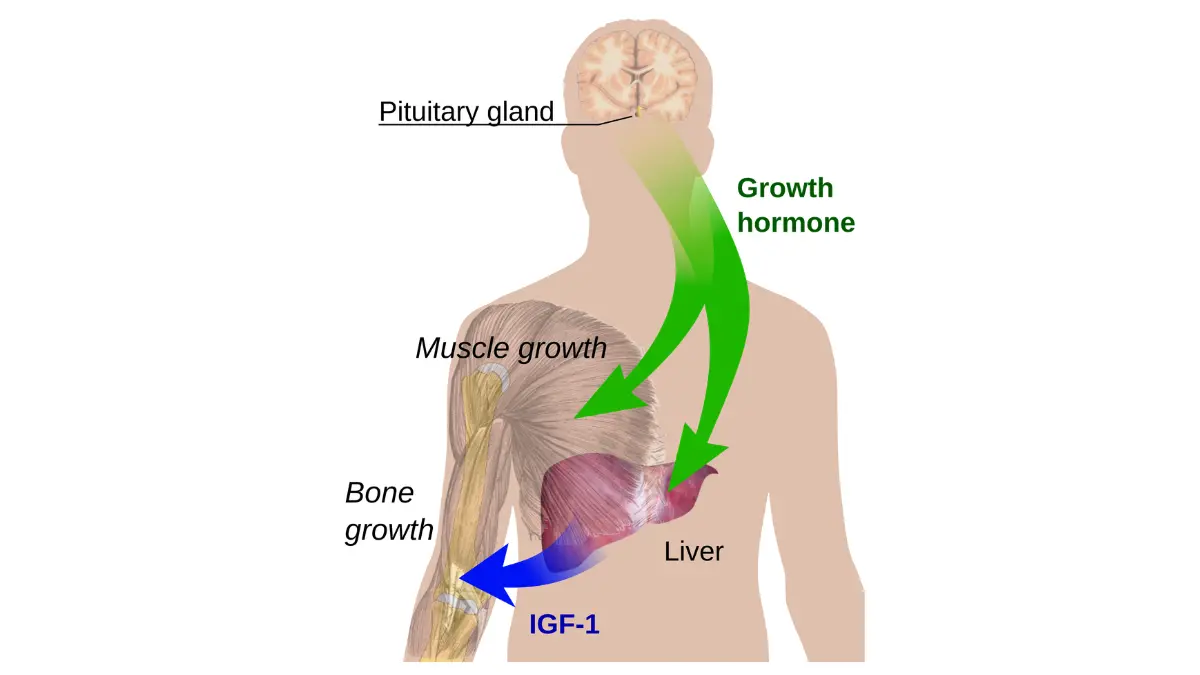
A prostate cancer diet works through your overall pattern and weight, not any single food — and some supplements can do more harm than good.
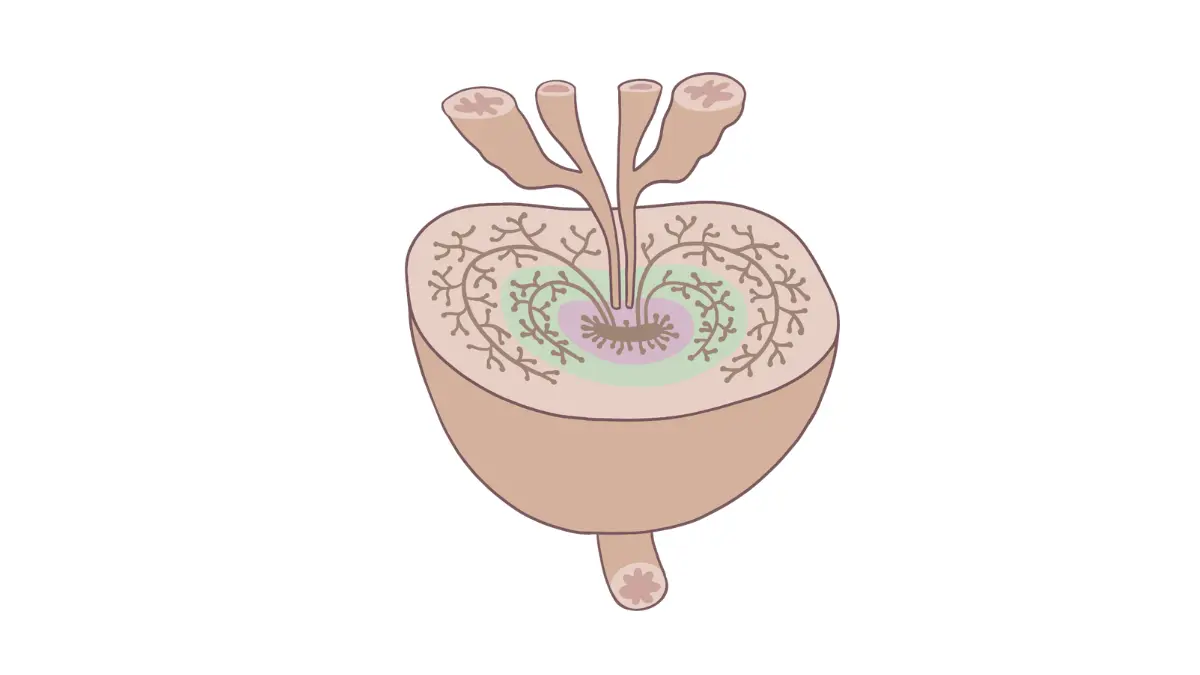
Prostate cancer statistics for 2026 show a 1 in 8 lifetime risk — but only 1 in 44 men die of it. Here's what the latest US numbers really mean.

Prostate cancer survival rates vary by stage — from over 99% for localized disease to 38% once it spreads. Here's what the numbers mean for you.
Metastatic prostate cancer has a 38% 5-year survival rate—but that average doesn't predict any one person's outlook. Here's how to read it.