
Know What a CMP Costs Without Insurance Before You Pay
CMP cost without insurance ranges from about $10 at a lab to $51+ at a hospital — a five-fold gap. Here's how to pay less and challenge an inflated bill.

CMP cost without insurance ranges from about $10 at a lab to $51+ at a hospital — a five-fold gap. Here's how to pay less and challenge an inflated bill.

A comprehensive metabolic panel is one test, one code—yet a hospital can bill 5x what an independent lab charges for it. Here's why, and how to pay less.
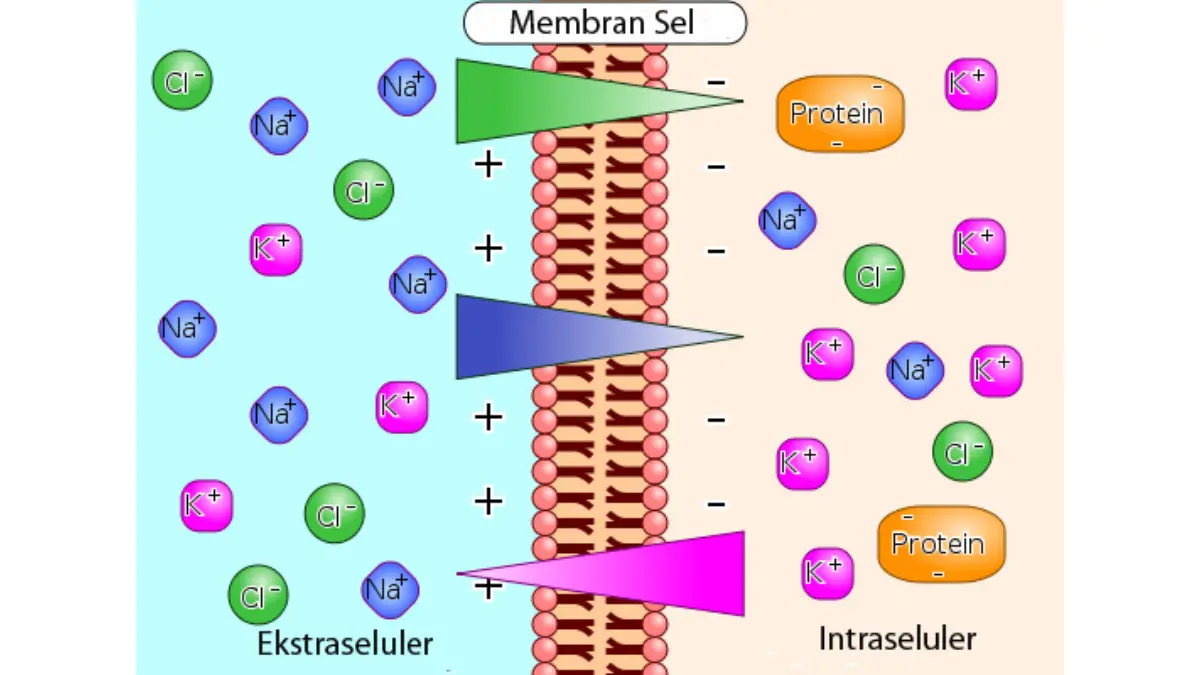
An at-home CMP test can be as accurate as your doctor's — but only from a vein, not a finger-prick, which can skew potassium and AST.
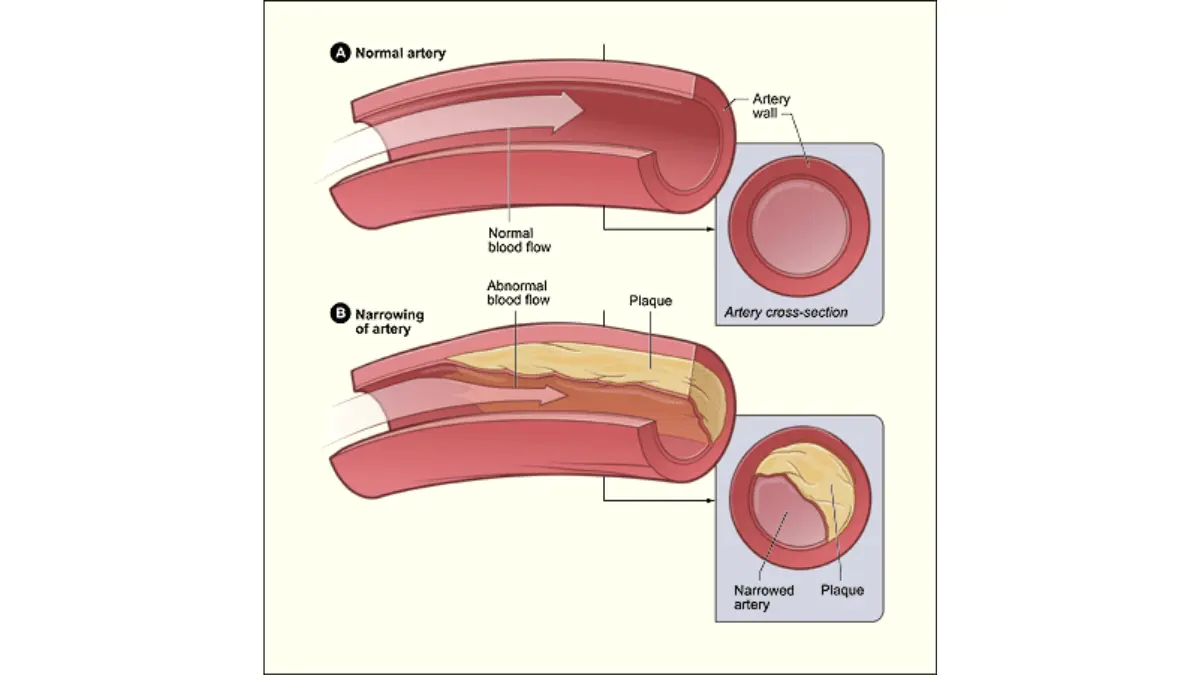
Your annual blood work panel usually means three tests, and one—the A1c—needs no fasting because it tracks three months of blood sugar.
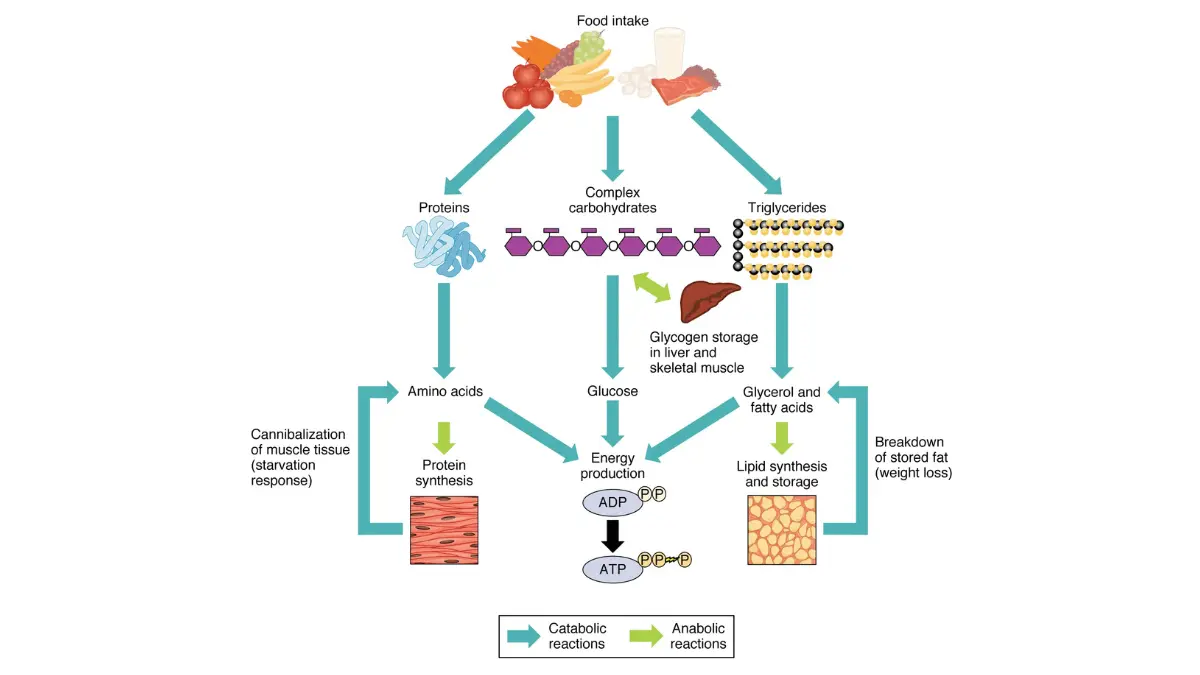
A CBC vs CMP mix-up is common: one counts your blood cells, the other measures 14 body-chemistry values. Here's how to tell them apart.
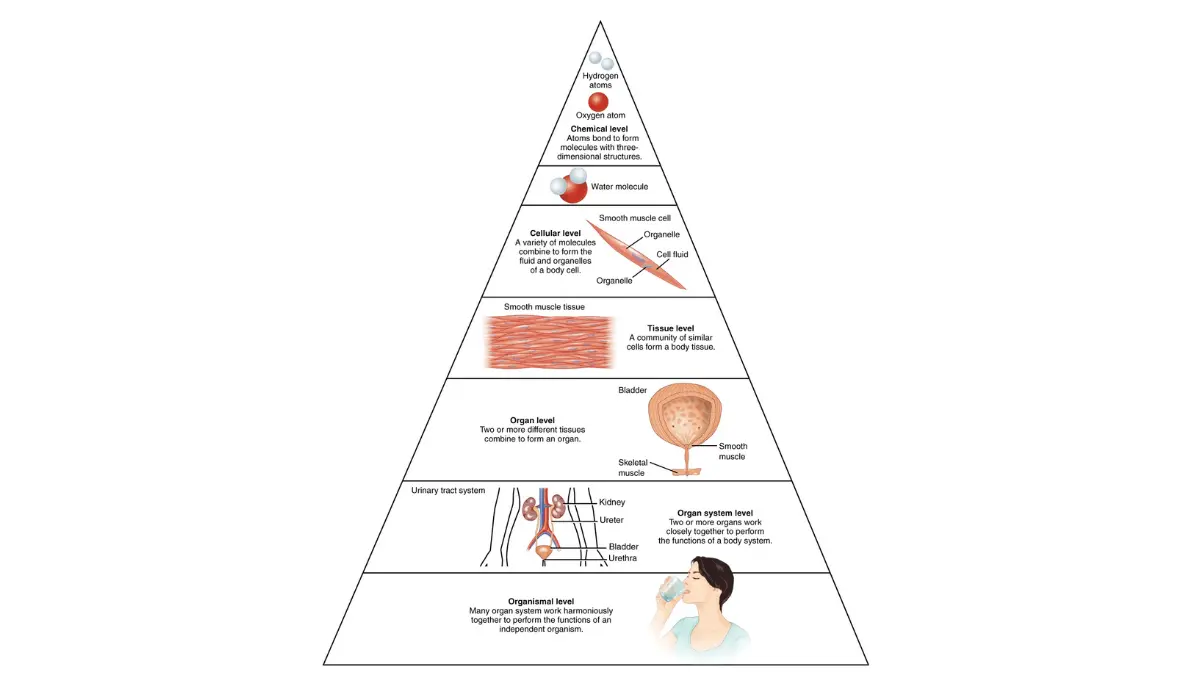
CMP vs BMP comes down to six tests: a CMP adds liver enzymes and proteins a BMP skips. Here's how to tell which panel fits your visit.
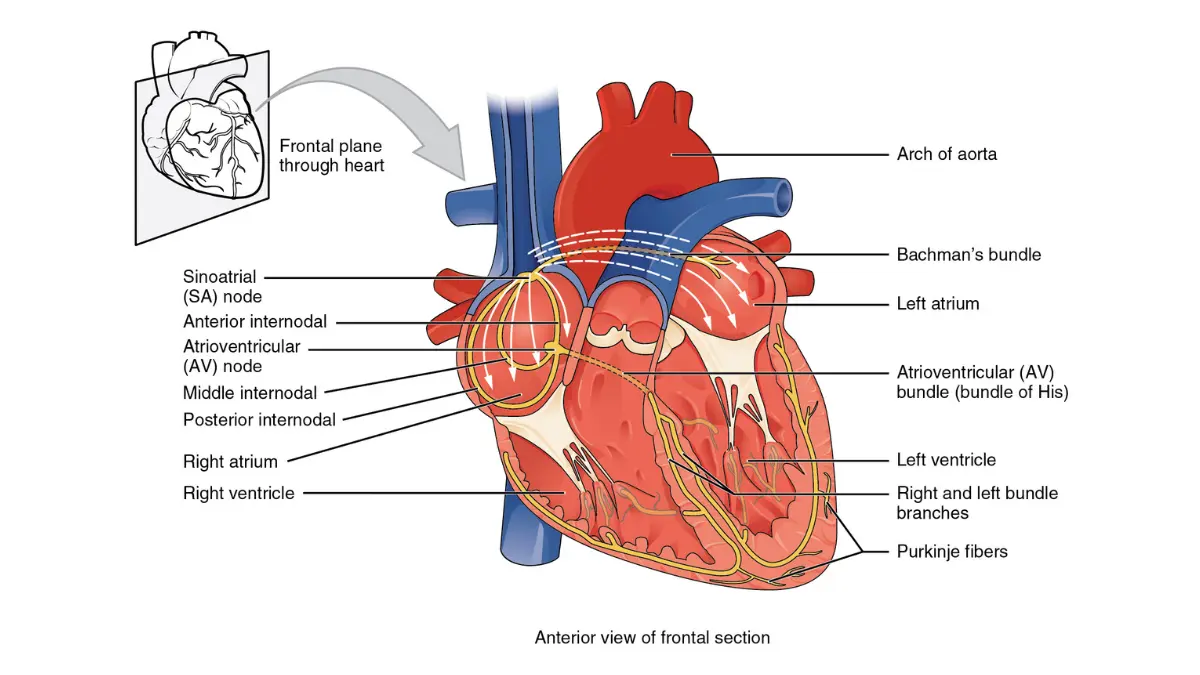
Critical CMP values are the few results that signal a true emergency—mainly electrolytes and blood sugar, where potassium near 6.0 mEq/L can't wait.
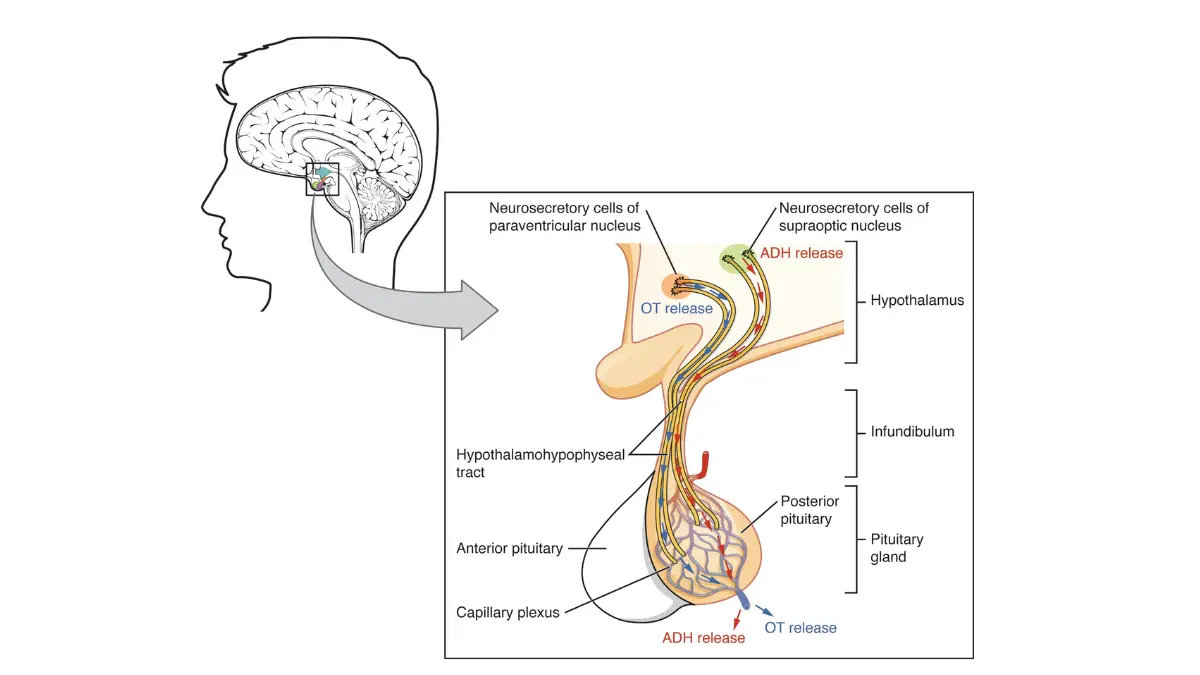
Low sodium is more often a water problem than a salt one. Here's what actually causes it, and why a level below 125 mEq/L can signal an emergency.

Low albumin is a clue, not a diagnosis. Because albumin has a 21-day half-life, one low reading reflects weeks — not a bad day. See what drives it.
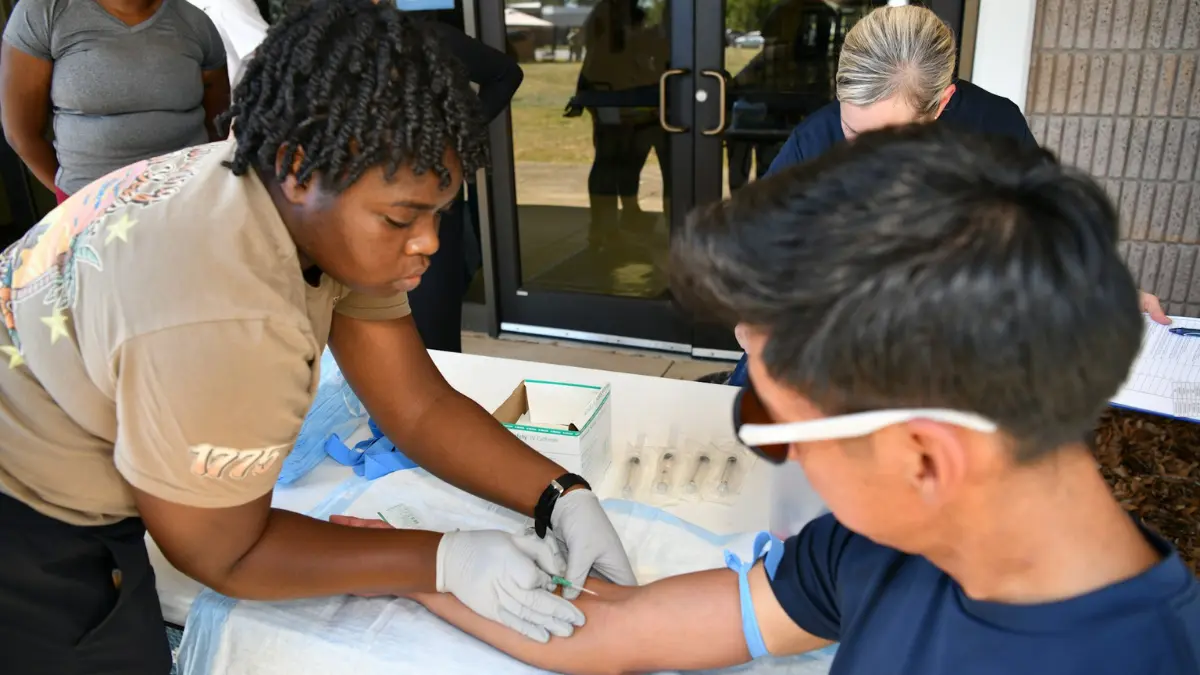
High potassium on a blood test isn't always dangerous — and sometimes it isn't even real. Learn to tell a true result from a false one, and when it's urgent.