
On This Page – Quick Medical Summary
A complete blood count before surgery is common, but it is not automatic — and for many people it is not needed at all. Whether you need one comes down to two things: how healthy you are, and how big your operation is.
Here is the quick routing. If you are an otherwise-healthy adult having a low-risk procedure — a minor outpatient surgery with little expected blood loss — major medical societies recommend against routine blood testing, and Section 3 is for you. If you are having major surgery, take certain medications, or have an ongoing condition or symptoms like unusual fatigue or easy bruising, a CBC is often useful, and Sections 4 through 7 are for you.
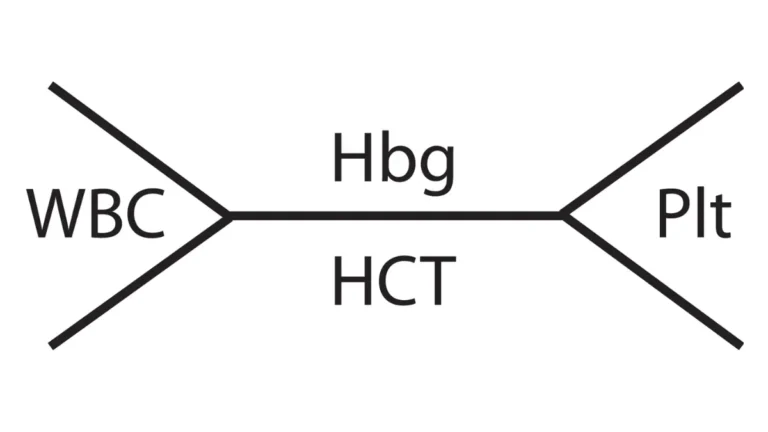
A CBC is a simple blood test of your red cells, white cells, and platelets. When a surgeon orders one, they are looking for specific problems — anemia, a low platelet count, or signs of infection — that could change how your surgery or anesthesia is handled.
ℹ️ Medical Disclaimer: This article is general health information, not a diagnosis, treatment plan, or medical advice. Decisions about which tests you need before surgery — and how to act on any result — belong to your surgeon and anesthesiologist, who know your full history and your specific procedure. Do not add, skip, or stop any test or medication on your own; always follow your care team’s instructions. If a symptom worries you before surgery, contact your provider.
What a CBC checks for before surgery
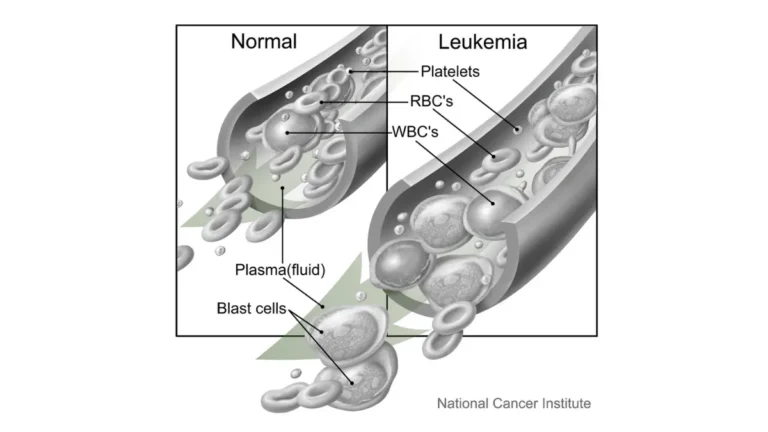
A pre-op CBC screens for three things that matter in surgery: anemia, a low platelet count, and signs of infection. Each maps to one part of the blood the test measures — you can see the full picture in our guide to what a complete blood count measures.
Red blood cells and hemoglobin: checking for anemia
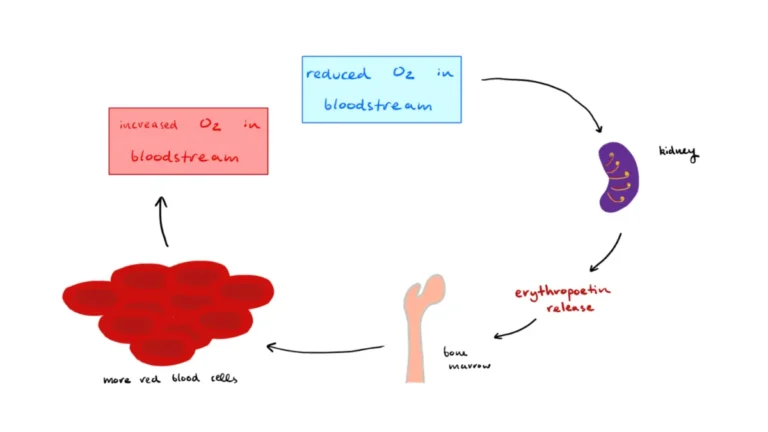
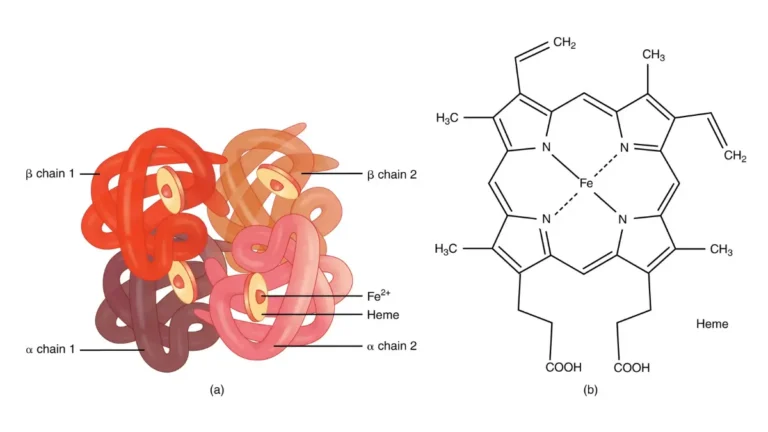
Red blood cells carry oxygen, and hemoglobin is the protein inside them that does the carrying. A low result signals anemia — less oxygen-carrying capacity heading into an operation.
🔬 How It Works: Your tissues need oxygen to heal after surgery, and red cells deliver it. When hemoglobin is low, the same operation strains the body more and raises the chance you will need a transfusion — which is why anesthesia teams watch it.
Platelets: checking bleeding risk
Platelets are the fragments that help blood clot. A low platelet count can mean a higher bleeding risk during or after surgery — here is what a low platelet count means.
White blood cells: checking for infection
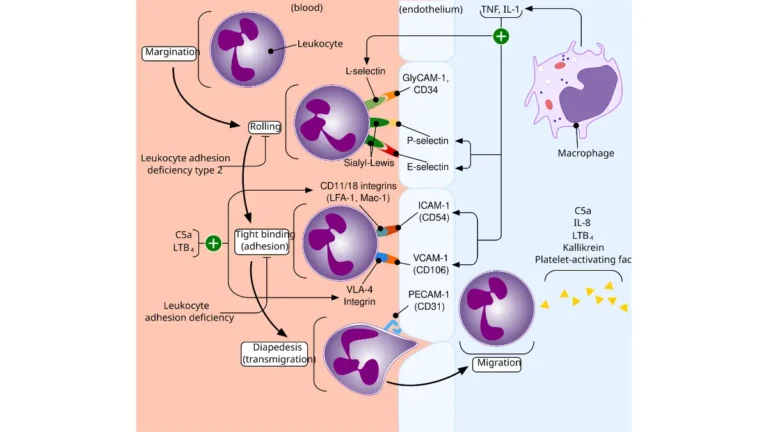
A high white blood cell count can signal infection, which may need attention before an elective operation. A full blood count is used before surgery precisely to check for anemia, bleeding disorders, and the effects of other conditions, and to help plan for blood products if needed.
When you probably don’t need a CBC before surgery
For an otherwise-healthy adult having low-risk surgery with little expected blood loss, the guidelines recommend against a routine CBC. Skipping it is standard, evidence-based practice — not an oversight.
What “low-risk surgery” means
A low-risk procedure is one where the combined risk of a major cardiac complication is under 1%. Many minor and outpatient operations qualify.
What the guidelines actually say
The American Society of Anesthesiologists, through its Choosing Wisely recommendations, advises against baseline labs — including a CBC — for healthy patients (ASA I or II: no or only mild, well-controlled conditions) having low-risk surgery when little blood loss is expected. The broader principle is the same: order a test only when the result will change management.
🩺 Physician Note: A careful history and physical exam — not a routine blood panel — is what identifies surgical risk in a healthy person. Testing “just in case” rarely reclassifies that risk.
📊 Clinical Data Point: In a study of 73,596 people having elective hernia repair, more than half of patients with no medical conditions and no clear reason to test were tested anyway — yet neither the testing nor the abnormal results it found were associated with postoperative complications. — Source: Benarroch-Gampel et al., Annals of Surgery, 2012
Why extra testing can backfire
An unexpected borderline result can trigger more tests, delay surgery, and add cost without making the operation safer — a major reason the guidelines push back on routine testing.
When a CBC before surgery is necessary
A CBC becomes useful when your health or your surgery raises the odds it will find something that changes the plan.
Bigger surgery with expected blood loss
For major operations where significant blood loss is expected — roughly 500 mL or more — guidelines recommend screening for anemia ahead of time, ideally several weeks before, so it can be corrected if needed.
📊 Clinical Data Point: Around 40% of patients arriving for major surgery are already anemic. — Source: Munting & Klein, Anaesthesia, 2019
Preoperative anemia is an independent risk factor for complications, longer hospital stays, and transfusion, so catching it early gives your team time to treat it.
Existing conditions or medications
If you have heart, kidney, or liver disease, a bleeding disorder, or a cancer — or you take blood thinners or chemotherapy — a CBC helps your team plan safely.
Symptoms of anemia or a bleeding problem
Symptoms like unusual fatigue, shortness of breath, or easy bruising are reasons to test regardless of the operation’s size. If you notice signs of anemia such as fatigue or shortness of breath, flag them — and here is what low hemoglobin means if a result comes back low.
✅ Patient Action: If any of these apply, tell your pre-op team before your appointment and ask: “Given my history, do I need a CBC before this surgery?”
How pre-op CBC testing works: timing, prep, and fasting
If you do need a CBC, the logistics are simple — but a little planning keeps your surgery from being delayed by a repeat visit.
How far before surgery is it done?
Routine pre-op checkups and tests usually happen within the month before surgery. For major operations, a CBC is often drawn several weeks ahead on purpose, so any anemia found has time to be treated first.
Do you need to fast?
A CBC on its own does not require fasting. Some bundled tests — a glucose or cholesterol check — sometimes do, so follow the exact instructions you are given. Our guide covers whether you need to fast for a CBC.
What the blood draw involves
The sample is taken from a vein in your arm and takes a minute or two. A small bruise afterward is normal, and serious problems are rare.
What abnormal pre-op CBC results can mean
An abnormal pre-op result is common and usually means your team gathers more information or takes time to get you in the best shape for surgery — not that your operation is cancelled.
Low hemoglobin (anemia)
If your hemoglobin is low, your team may investigate why and, for major surgery, treat the anemia — often with iron — before proceeding, because operating on someone anemic raises risk. For minor surgery, mild anemia may not change anything.
Low platelets
A low platelet count flags a possible bleeding risk your surgeon and anesthesiologist will want to understand first. What happens next depends on how low it is and the surgery type — a clinical judgment for your team.
High white blood cell count
A high white cell count can point to infection, which is sometimes a reason to postpone elective surgery until it clears. Whatever the result, it is read in the context of your full health and exact procedure, so your surgeon or anesthesiologist is the one to explain what it means for you.
When surgery may be delayed — and what to ask your team
Elective surgery is sometimes delayed to fix something first, and a delay is usually about making the operation safer rather than calling it off.
Reasons elective surgery may be paused
A pause may be to treat significant anemia, sort out a clotting concern, or clear an active infection before proceeding.
⚠️ Clinical Warning: Never start or stop a medication — especially a blood thinner — on your own before surgery. Stopping one at the wrong time can be as risky as continuing it; your surgical team will tell you whether and when to pause it.
Questions to ask your surgeon and anesthesiologist
A few specific questions turn worry into a plan:
- For my specific procedure, do I actually need a CBC?
- If a result comes back abnormal, what would the next step be?
- Do any of my medications or conditions change what testing I need?
✅ Patient Action: At your pre-op visit, ask your anesthesiologist which tests are needed for your exact procedure — and bring an up-to-date list of your medications and supplements.
Frequently asked questions about a CBC before surgery
1. What blood tests are done before surgery?
It depends on your health and operation. Common options are a complete blood count (CBC) plus kidney, liver, blood sugar, and clotting tests — but many people having low-risk surgery need few or none. Ask your surgical team which apply to you.
2. Why do I need a CBC before surgery?
When a CBC before surgery is ordered, it screens for anemia, a low platelet count, and signs of infection — things that can change how bleeding, oxygen delivery, or timing are managed. Whether you need one depends on your health and surgery, so confirm with your surgeon.
3. Is a CBC required for all surgeries?
No. For otherwise-healthy adults having low-risk surgery with little expected blood loss, major societies recommend against a routine CBC before surgery. It becomes important for major operations, ongoing conditions, certain medications, or symptoms like fatigue or easy bruising. Your surgeon decides for your situation.
4. Can you have surgery with a low blood count?
Sometimes. Mild anemia may not change a minor procedure, but for major surgery a significantly low blood count is often treated first, commonly with iron, because operating on someone anemic raises risk. The threshold that matters depends on your surgery — ask what your result means for you.
5. Do you need to fast for a CBC before surgery?
A CBC before surgery does not require fasting on its own. Some bundled tests, like glucose or cholesterol, sometimes do — so follow the exact fasting instructions your clinic gives. When in doubt, call the office that ordered the test.
6. How long before surgery is a CBC done?
Usually within the month before surgery. For major operations, a CBC before surgery is often drawn several weeks ahead, so that if it finds anemia there is time to treat it before your operating date. Your clinic will tell you when.
7. What happens if my pre-op blood test is abnormal?
An abnormal result usually means more information or a short delay to get you in the best shape for surgery — not automatic cancellation. Your team may treat anemia, check a bleeding risk, or clear an infection first. Your surgeon interprets it for your case.
8. What is a normal CBC for surgery?
There is no special “surgical” range. Results are read against the standard reference ranges for a complete blood count and compared with your baseline. What counts as concerning before a CBC before surgery depends on the operation and your health, so your team interprets the numbers.
9. Can surgery be cancelled because of blood test results?
It is postponed more often than cancelled. Elective surgery may be paused to treat significant anemia, address a clotting concern, or clear an infection — steps that make it safer. A delay after a CBC before surgery is usually temporary; your surgeon explains the plan.
10. How much does pre-op blood work cost?
Cost varies by lab, location, and insurance. A CBC is one of the less expensive blood tests, but bundled panels add up. Because coverage differs, confirm what your plan pays before your appointment — your surgeon’s office or the lab can usually tell you.
11. Should I ask for a CBC if my surgeon didn’t order one?
For low-risk surgery in a healthy adult, not ordering a CBC before surgery usually follows the guidelines rather than an oversight. If you have a condition, take blood thinners, or have symptoms like fatigue or easy bruising, raise it and ask whether testing is right for you.
The bottom line
A CBC before surgery is common, but it is not a given. For a healthy adult having a low-risk operation with little expected blood loss, skipping it usually follows what major medical societies recommend — and it does not make your surgery less safe. For major surgery, ongoing conditions, or symptoms like fatigue or easy bruising, it earns its place by catching problems your team can fix first.
The most useful thing you can do is not to demand or refuse a test, but to ask your surgeon or anesthesiologist which tests your specific procedure calls for. To make sense of any numbers on your report, our guide on how to read your CBC results walks through each one.
About this content
How this article was put together: researched from recognised health sources, drafted with the help of AI tools, and edited by hand, with sources linked throughout.

Sameer Patel is the founder and editor of My Medicine Advisor. He is not a doctor or medical professional — before starting this site he worked in banking,…
Medical disclaimer
The content on MyMedicineAdvisor is provided for general informational and educational purposes only and is not a substitute for professional medical advice, diagnosis, or treatment. Health information on this website should not be used to diagnose, treat, cure, or prevent any condition without guidance from a qualified healthcare professional. Always seek the advice of your doctor, physician, or another licensed healthcare provider with any questions you may have regarding a medical condition, symptoms, medications, or treatment decisions.