
On This Page – Quick Medical Summary
Can a CMP detect diabetes? The short answer
A comprehensive metabolic panel (CMP) includes a blood glucose test that can flag possible diabetes or prediabetes — but a CMP alone cannot diagnose diabetes, and it does not include an A1c test. A high glucose result is a signal to look closer, not a diagnosis on its own.
Where you fit shapes what to read next. If a glucose number on your recent CMP came back high and you’re worried, the ranges and what they mean are just below. If you’re preparing for a doctor’s visit, the four diagnostic tests and the questions to ask come further down — all part of understanding your comprehensive metabolic panel results. And if you’re trying to sort out glucose versus A1c, that comparison has its own section.
What a CMP glucose test can and can’t tell you
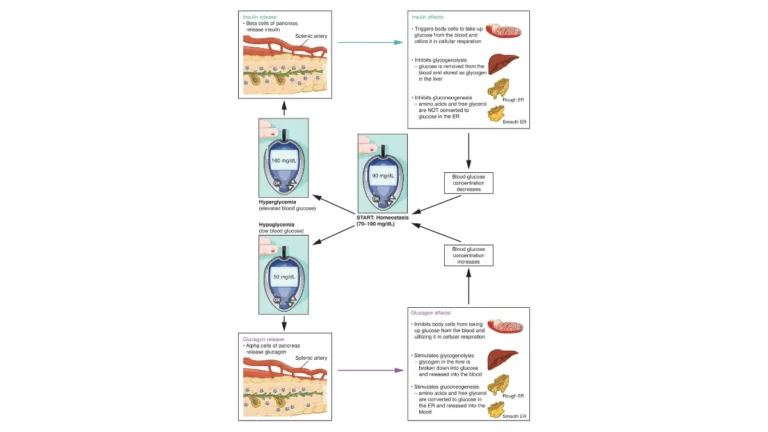
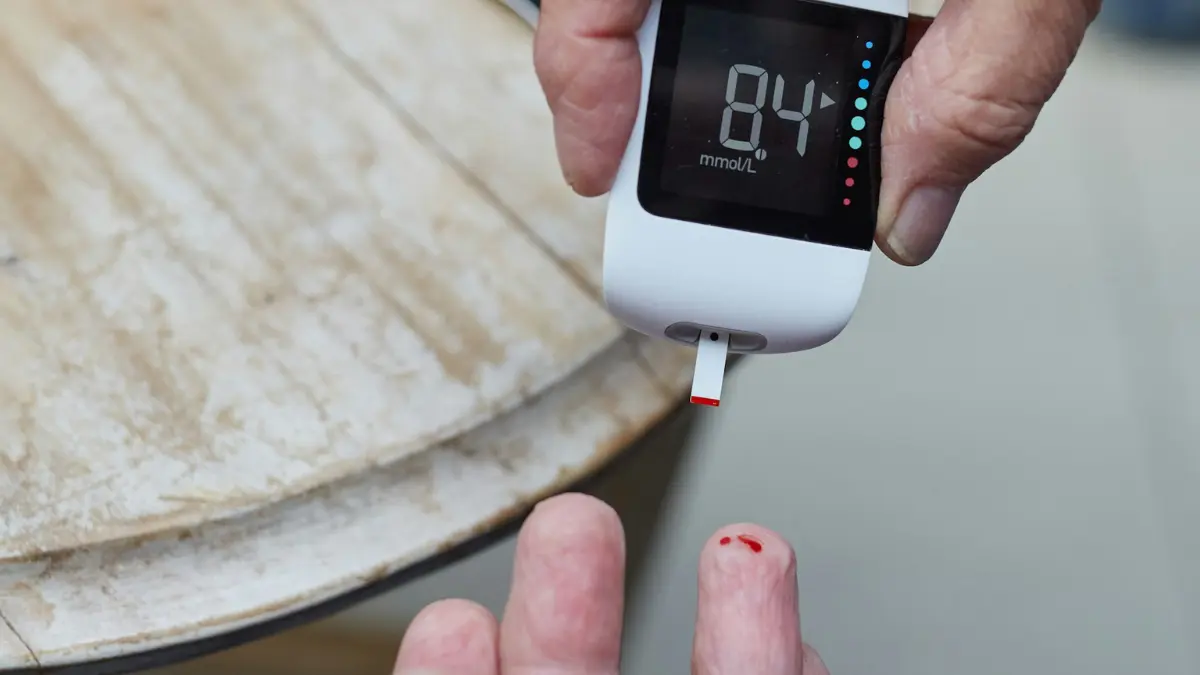
The glucose value on a CMP is a single snapshot of your blood sugar at the moment blood was drawn. It can sit in a normal, prediabetes, or diabetes range — but a snapshot alone doesn’t confirm a lifelong condition.
Why one number isn’t a diagnosis
Blood sugar shifts with food, stress, illness, and whether you fasted. That’s why a diagnosis relies on confirmed testing rather than one reading, as the sections below explain.
ℹ️ Medical Disclaimer: This article is general health information, not medical advice, diagnosis, or treatment. Blood-test results — including glucose, A1c, and any diagnosis of prediabetes or diabetes — must be interpreted by a qualified clinician who knows your full history before you act on them. If you have symptoms of very high blood sugar or a medical emergency, seek urgent care immediately. Do not start, stop, or change any test, medication, or treatment based on this page.
What a CMP measures — and where blood sugar fits
A CMP measures 14 substances in one blood sample, and glucose is only one of them. According to the NIH’s MedlinePlus, the panel covers your blood sugar, kidney and liver markers, proteins, and electrolytes — a broad chemistry check, not a diabetes test.
The 14 tests on a comprehensive metabolic panel
The results group into five areas: blood sugar (glucose); kidney markers (BUN and creatinine); liver markers (ALT, AST, ALP, bilirubin); proteins (albumin, total protein); and electrolytes plus calcium (sodium, potassium, chloride, bicarbonate, calcium). Only the glucose value speaks to diabetes risk; the rest map organ function and fluid balance.
Does a CMP include an A1c test?
No. A standard CMP does not measure hemoglobin A1c, the test that reflects your longer-term blood sugar. That single gap is why a CMP can raise a diabetes question but can’t fully answer it — a point most test summaries skip.
Do you have to fast for the glucose reading?
Often, yes. A glucose value drawn after a 10-to-12-hour fast is far more useful for judging diabetes risk than one drawn after a meal, when food has temporarily raised your blood sugar. Whether your sample was fasting or not changes how the number should be read, which is covered in whether you need to fast for a CMP.
A high glucose on your CMP: what it does and doesn’t mean
Seeing a high glucose flag on your results is unsettling, but it’s a starting point, not a verdict. High blood sugar on a CMP tells your clinician to look closer — usually with a second, confirming test — rather than to diagnose you on the spot.
High glucose = a flag, not a diagnosis
MedlinePlus puts it plainly: a high blood glucose result may be a sign of diabetes, and you will likely need more tests to confirm or rule it out. A flag prompts a next step; it doesn’t close the question. If you want the detail on your specific number, see what a high glucose result means.
Prediabetes vs diabetes: the glucose ranges
For a fasting glucose, roughly 100–125 mg/dL falls in the prediabetes range, and 126 mg/dL or higher meets the threshold clinicians use for diabetes — but only when confirmed. The CDC and NIDDK use these same ranges. Body weight is one factor your clinician weighs alongside the number, so you can check your BMI for context.
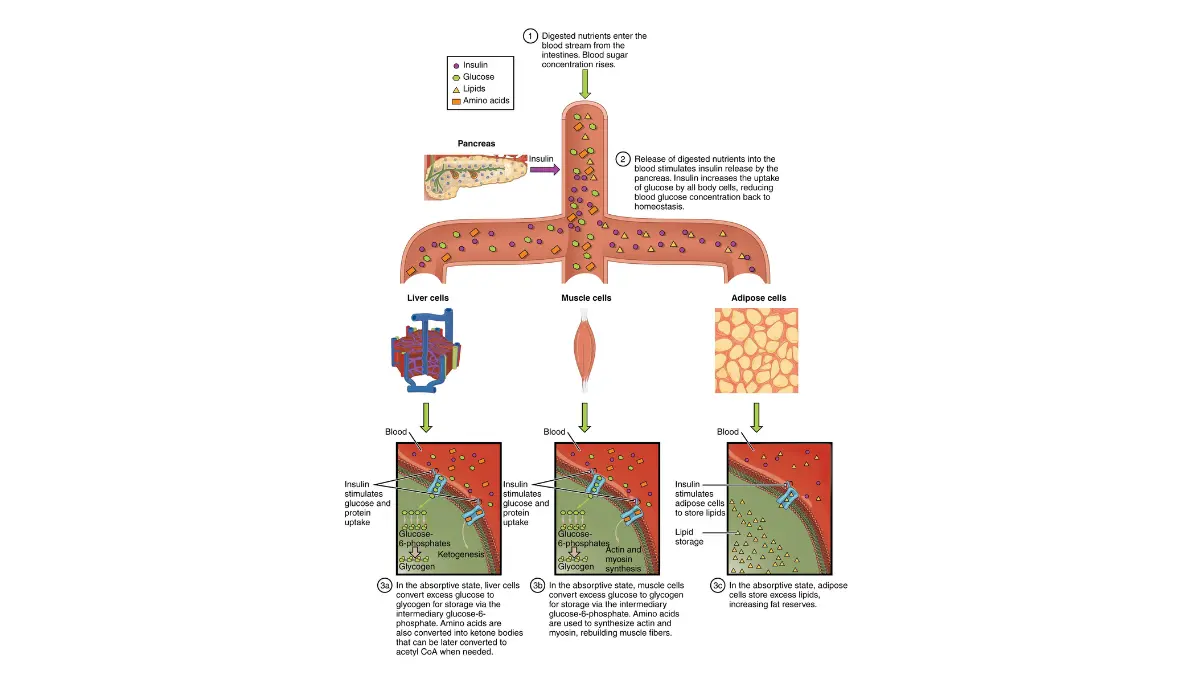
Why one reading can’t confirm it
A single value can be thrown off by a recent meal, an illness, or stress. That’s the reason a diagnosis waits for confirmation — and whether a CMP can spot other conditions is a separate question, covered in whether a CMP can detect cancer.
How diabetes is actually diagnosed: the four tests
Diabetes is diagnosed with one of four blood tests, each with a defined cutoff — and a CMP glucose is only a partial view of the first one. Here are the thresholds clinicians use, drawn from the NIH’s NIDDK and the American Diabetes Association’s Standards of Care in Diabetes—2026.
The diagnostic thresholds
| Test | Diabetes | Prediabetes | Key clinical detail |
|---|---|---|---|
| Fasting plasma glucose (FPG) | ≥126 mg/dL | 100–125 mg/dL | Needs about an 8-hour fast |
| Hemoglobin A1c | ≥6.5% | 5.7–6.4% | No fasting; ~3-month average |
| Oral glucose tolerance test (2-hour) | ≥200 mg/dL | 140–199 mg/dL | Uses a 75-g glucose drink |
| Random plasma glucose | ≥200 mg/dL with symptoms | — | Diagnostic only with classic symptoms |
Source: NIDDK; American Diabetes Association, Standards of Care in Diabetes—2026. Verified July 2026.
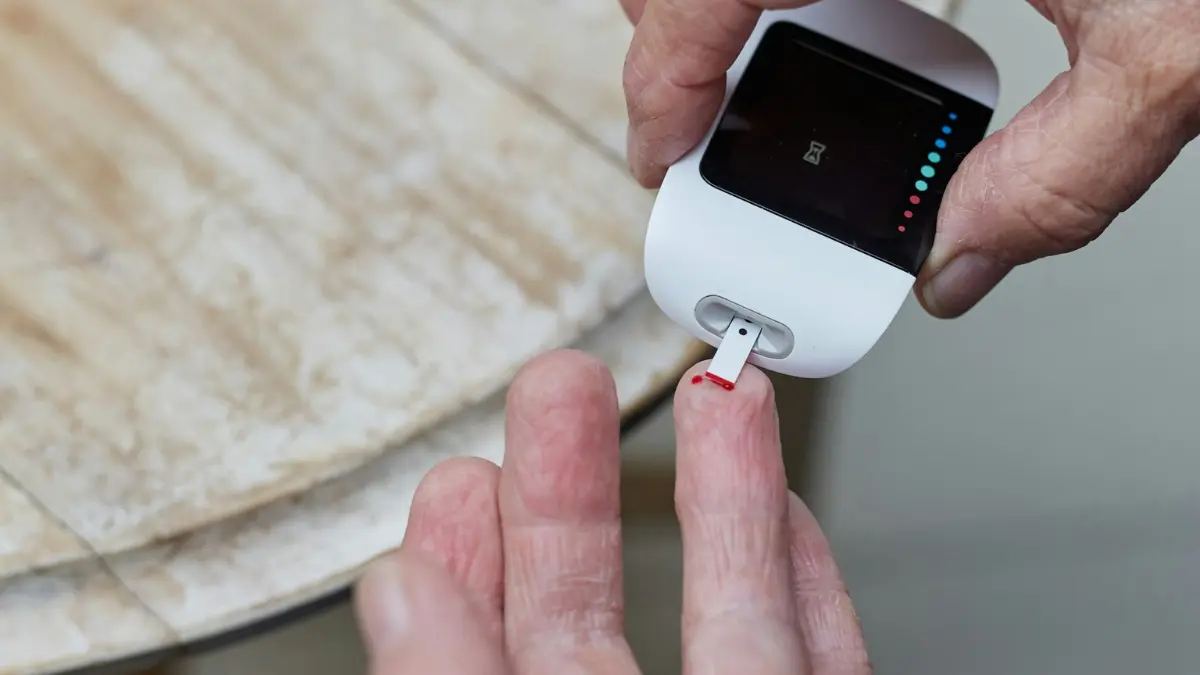
📊 Clinical Data Point: A fasting plasma glucose of 126 mg/dL or higher, or an A1c of 6.5% or higher, meets the threshold for a diabetes diagnosis — Source: NIDDK; ADA Standards of Care in Diabetes—2026 (verified).
The confirmatory-testing rule
Unless you have clear symptoms of very high blood sugar, one abnormal result isn’t enough. Guidelines call for a second test — a repeat, or a different one — to confirm the diagnosis before it’s made. To move between units on any result, you can convert your glucose between mg/dL and mmol/L.
Where your CMP glucose fits in
Your CMP glucose is a version of that first row — a plasma glucose reading. If it’s elevated, it points your clinician toward one of these confirming tests; it doesn’t replace them.
✅ Patient Action: Ask your primary care clinician: “Was my glucose drawn fasting, and which confirming test — a repeat fasting glucose, an A1c, or an oral glucose tolerance test — do you recommend, and when?”
Glucose vs A1c: a snapshot vs a 3-month average
The simplest way to hold the difference: a glucose test is a snapshot, while an A1c is an average. A glucose reading captures your blood sugar at one moment; an A1c reflects your average blood sugar over roughly the past three months — and a CMP gives you the snapshot, not the average.
What each test measures
A glucose value rises and falls with meals, stress, illness, and fasting, so two readings hours apart can differ. An A1c smooths those swings into one longer-term figure, which is why it needs no fasting — per the NIDDK, you can eat and drink before an A1c.
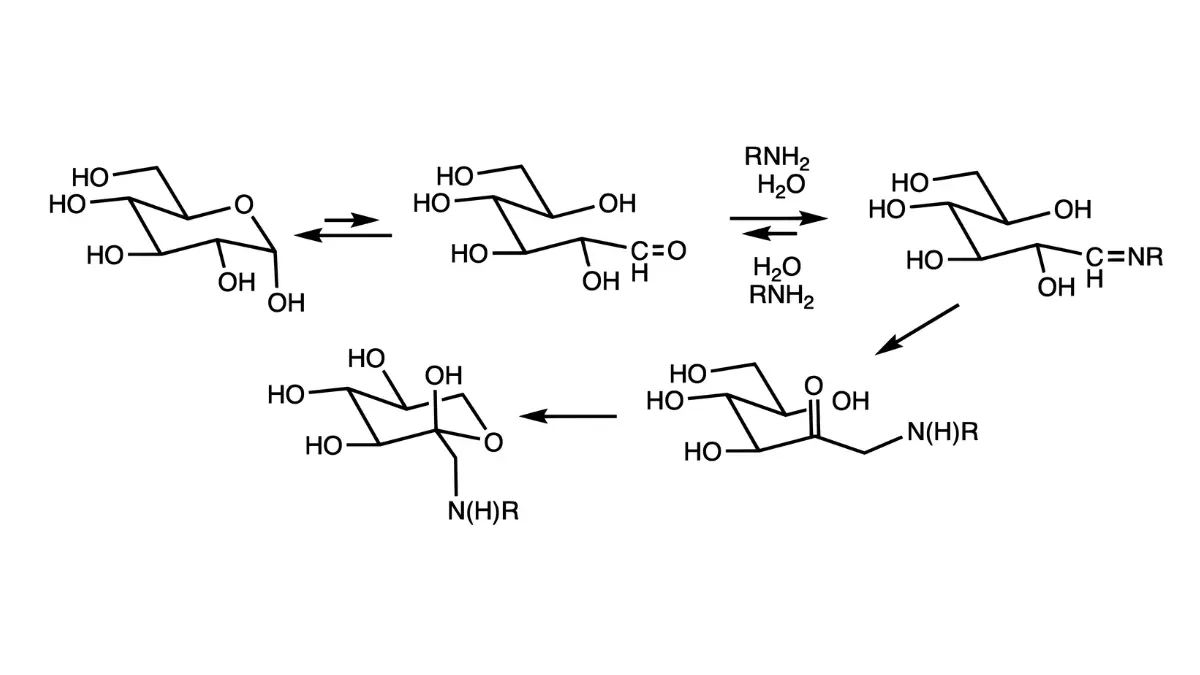
🔬 How It Works: Sugar in your blood attaches to hemoglobin, the oxygen-carrying protein inside red blood cells. Because red blood cells live about three months, the share of sugar-coated hemoglobin — your A1c — mirrors your average blood sugar over that span.
Why your CMP has glucose but not A1c
A CMP is a general chemistry panel run on that day’s sample, so it reports the day’s glucose. Capturing a three-month average takes the separate A1c test, which is why a doctor often adds an A1c after a high CMP glucose. If your A1c lands in the borderline zone, what doctors check after a borderline A1c walks through the next steps.
When A1c can be inaccurate
A1c isn’t reliable for everyone. The NIDDK notes it can read falsely high or low in people with certain hemoglobin variants — more common in those of African, Mediterranean, or Southeast Asian descent — and in sickle cell disease, thalassemia, some anemias, and later pregnancy; it also isn’t used to diagnose type 1 or gestational diabetes.
What to do if your CMP glucose is high
A high reading is a prompt for a calm, specific next step — not a reason to panic. The goal is to get the reading confirmed and understood in the context of your health.
Steps to take before you worry
- Check whether your sample was drawn fasting; a non-fasting glucose is a weaker signal.
- Expect your clinician to order a confirming test rather than diagnose from one value.
- Bring context — recent illness, new medications, or unusual stress can all move blood sugar.
What to ask your clinician
Come with specific questions, not just the result. Ask which confirming test fits your situation, and what your number means alongside your other CMP markers. Because diabetes can affect the kidneys over time, it’s also worth understanding your kidney markers on the same panel.
🩺 Physician Note: Current guidelines emphasize that a CMP glucose can screen but not confirm, and that A1c — not the CMP — is the standard test for monitoring diabetes over time. A single high CMP value is a reason to test again, not to assume a diagnosis.
If it’s prediabetes: the window to act
Prediabetes is often a turning point, not a sentence. Confirmed early, it’s frequently a signal to make changes with your clinician’s guidance before blood sugar climbs further.
When high blood sugar is an emergency
Most high glucose results call for a follow-up appointment, but a few symptoms mean you shouldn’t wait. Very high blood sugar with certain warning signs is a medical emergency.
Classic symptoms of high blood sugar
The classic signs of hyperglycemia are frequent urination, intense thirst, and unexplained weight loss, sometimes with blurred vision or extreme fatigue. On their own after a routine test, they’re a reason to call your clinician promptly. If you’re unsure whether your symptoms warrant attention, you can review your symptoms as a starting point.
When to seek urgent care
A random glucose of 200 mg/dL or higher together with these classic symptoms, or signs of a hyperglycemic crisis, needs immediate care — not a scheduled visit.
⚠️ Clinical Warning: Seek emergency care now if very high blood sugar comes with vomiting, confusion, fruity-smelling breath, difficulty breathing, or drowsiness — these can signal a hyperglycemic crisis. This section is educational and is not a substitute for emergency medical help.
CMP and diabetes: frequently asked questions
1. Can a CMP detect diabetes?
A CMP includes a glucose test that can flag possible diabetes or prediabetes, but it can’t diagnose diabetes on its own and doesn’t include an A1c. A high glucose result signals the need for a confirming test rather than a diagnosis. Bring any abnormal CMP result to your clinician to interpret in context.
2. Does a CMP include an A1c test?
No. A standard comprehensive metabolic panel measures glucose but not hemoglobin A1c, the test that reflects your average blood sugar over about three months. That gap is why a CMP can raise a diabetes question but can’t fully answer it, and why a doctor may order an A1c separately to get the longer-term picture.
3. What blood sugar level suggests diabetes?
Clinicians use set cutoffs: a fasting glucose of 126 mg/dL or higher, an A1c of 6.5% or higher, a 2-hour oral glucose tolerance test of 200 mg/dL or higher, or a random glucose of 200 mg/dL or higher with classic symptoms. Only a clinician can order and interpret these tests to confirm a diagnosis.
4. Can one high glucose reading diagnose diabetes?
Usually not. Unless you have clear symptoms of very high blood sugar, guidelines call for a second, confirming test before a diagnosis is made, because a single reading can be affected by recent food, illness, or stress. Ask your clinician which confirming test fits your situation and when to have it.
5. What is the difference between glucose and A1c?
A glucose test is a snapshot of your blood sugar at one moment, while an A1c reflects your average blood sugar over roughly three months. A CMP gives you the glucose snapshot, not the A1c average, which is why clinicians often use the two together when assessing diabetes.
6. Do you have to fast for a CMP glucose test?
Often, yes. A glucose value drawn after a 10-to-12-hour fast is more useful for judging diabetes risk than one drawn after eating, when food temporarily raises blood sugar. Whether your sample was fasting or not changes how the glucose result should be read, so it’s worth confirming with your clinician.
7. What is prediabetes on a blood test?
Prediabetes means blood sugar is above normal but below the diabetes threshold: a fasting glucose of 100–125 mg/dL, an A1c of 5.7–6.4%, or a 2-hour glucose tolerance result of 140–199 mg/dL. Confirmed early, it’s often a window to act with your clinician’s guidance before it progresses.
8. Is A1c more accurate than a glucose test for diagnosis?
Neither is simply better — they measure different things, and A1c has limits. It can read falsely high or low with certain hemoglobin variants, some anemias, later pregnancy, or blood disorders, and isn’t used for type 1 or gestational diabetes. Your clinician chooses the most reliable test for your situation.
9. When is high blood sugar an emergency?
A random glucose of 200 mg/dL or higher with classic symptoms — intense thirst, frequent urination, unexplained weight loss — or signs of a hyperglycemic crisis such as vomiting, confusion, or fruity-smelling breath, needs immediate care. Seek emergency help rather than waiting for a scheduled visit if these appear.
10. What should I do if my CMP glucose is high?
Don’t panic over one reading. Check whether it was drawn fasting, expect your clinician to order a confirming test, and share context like recent illness or new medications. Ask which confirming test fits and what your number means alongside your other markers.
11. Can a CMP monitor diabetes?
A CMP tracks your glucose but not your A1c, so it’s a limited tool for ongoing diabetes monitoring. A1c — not the CMP — is the standard test for tracking blood sugar control over time. Talk with your clinician about the right monitoring schedule and tests for you.
The bottom line on CMPs and diabetes
A CMP is a useful health snapshot, but it’s a screen, not a diabetes diagnosis. Its glucose test can flag high blood sugar and point toward prediabetes or diabetes, yet confirming the diagnosis takes a second test — and the A1c that clinicians rely on isn’t part of a CMP at all.
If your glucose came back high, the most useful next move is a focused conversation: ask whether your sample was fasting, which confirming test your clinician recommends, and what your number means alongside your other results. That single conversation turns a worrying flag into a clear, manageable next step.
About this content
How this article was put together: researched from recognised health sources, drafted with the help of AI tools, and edited by hand, with sources linked throughout.

Sameer Patel is the founder and editor of My Medicine Advisor. He is not a doctor or medical professional — before starting this site he worked in banking,…
Medical disclaimer
The content on MyMedicineAdvisor is provided for general informational and educational purposes only and is not a substitute for professional medical advice, diagnosis, or treatment. Health information on this website should not be used to diagnose, treat, cure, or prevent any condition without guidance from a qualified healthcare professional. Always seek the advice of your doctor, physician, or another licensed healthcare provider with any questions you may have regarding a medical condition, symptoms, medications, or treatment decisions.