
On This Page – Quick Medical Summary
If you’re holding a lab order or a bill and wondering what a basic metabolic panel costs, the honest answer is that there’s no single price. The same 8-test blood panel can range from roughly $10 at a discount lab to several hundred dollars at a hospital — the identical test — depending on where it’s drawn and how it’s billed.
To find your situation fast: if you’re paying cash or uninsured, read the sections on cost without insurance and paying less. If you have commercial insurance, skip to how billing and your deductible decide what you owe. If you’re on Medicare or Medicaid, there’s good news below. And if you’ve already gotten a bill that looks too high, jump to reading and disputing it.
ℹ️ Medical Disclaimer: This article explains the cost, insurance coverage, and billing of a lab test for general education only — not medical, financial, or insurance advice — and any prices shown are typical ranges, not a quote. Costs depend on your specific plan; confirm details with your insurer, provider, and the lab before making any decisions.
What a basic metabolic panel is and why its price varies so much
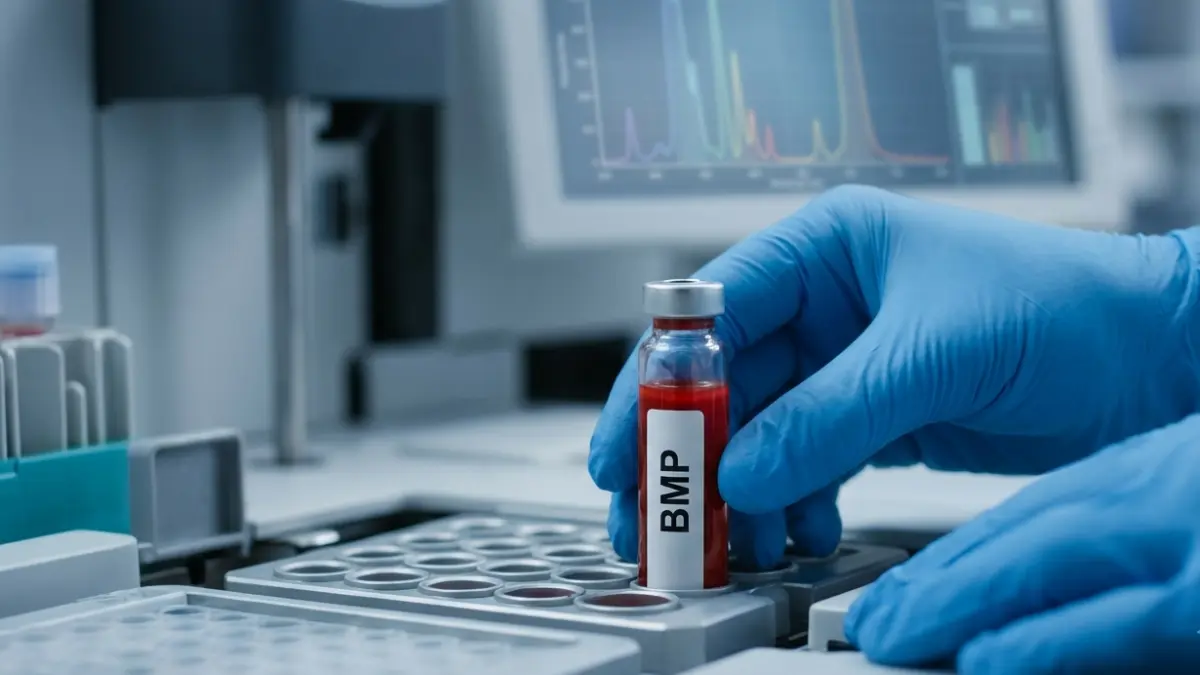
A basic metabolic panel is one blood test measuring eight substances — glucose, calcium, sodium, potassium, carbon dioxide, chloride, and the kidney markers BUN and creatinine — billed to insurers under a single code, CPT 80048. Because it’s one bundled panel, the test itself is inexpensive; what changes your cost is almost entirely where you have it done.
🔬 How It Works: Labs don’t price the eight results separately. The panel is ordered and billed as one unit, and a facility can then stack extra charges — a blood-draw fee, a facility fee — on top, which is where hospital bills balloon.
BMP vs CMP: why the 8-test panel is cheaper
A comprehensive metabolic panel (CPT 80053) includes all eight of these tests plus six liver markers, so it costs a little more. If your clinician only needs kidney function and electrolytes, the basic panel covers it for less — worth knowing before you compare quotes. See our guide to how a BMP and a CMP differ.
Why one test has so many prices
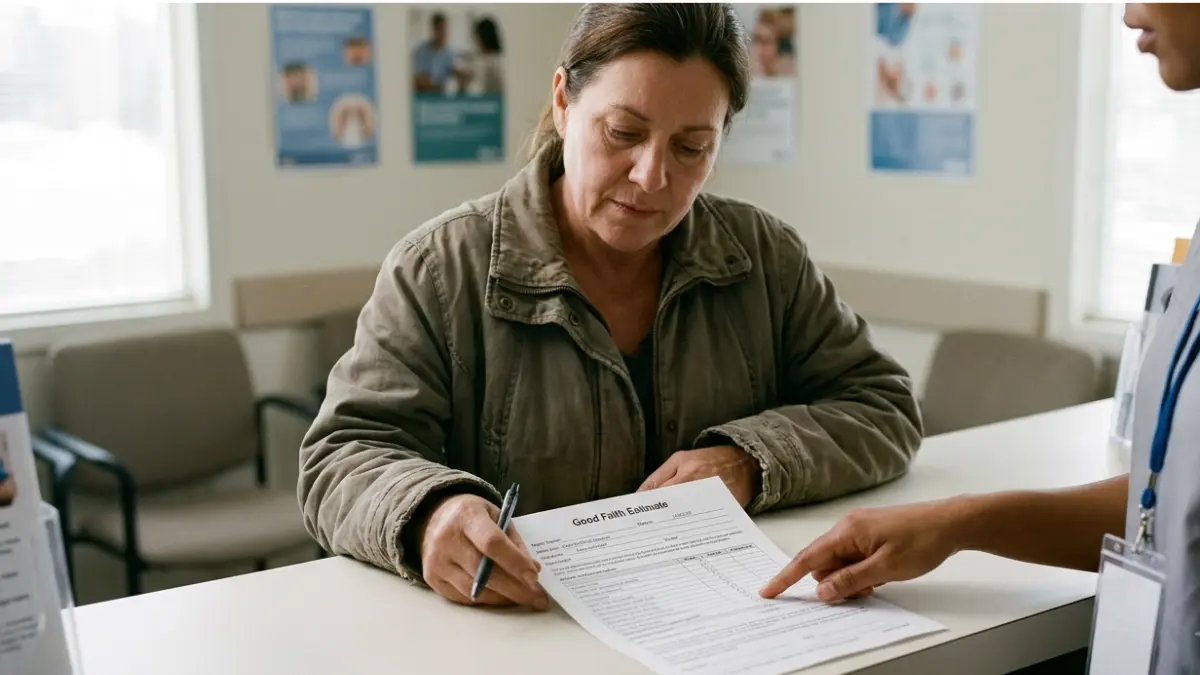
Three things drive the spread: the setting, whether extra facility and collection fees are added, and whether you pay a cash price or an insurance-negotiated rate. The full list of what’s measured is on our basic metabolic panel overview, and MedlinePlus has a plain-language reference on what a basic metabolic panel checks.
Basic metabolic panel cost without insurance
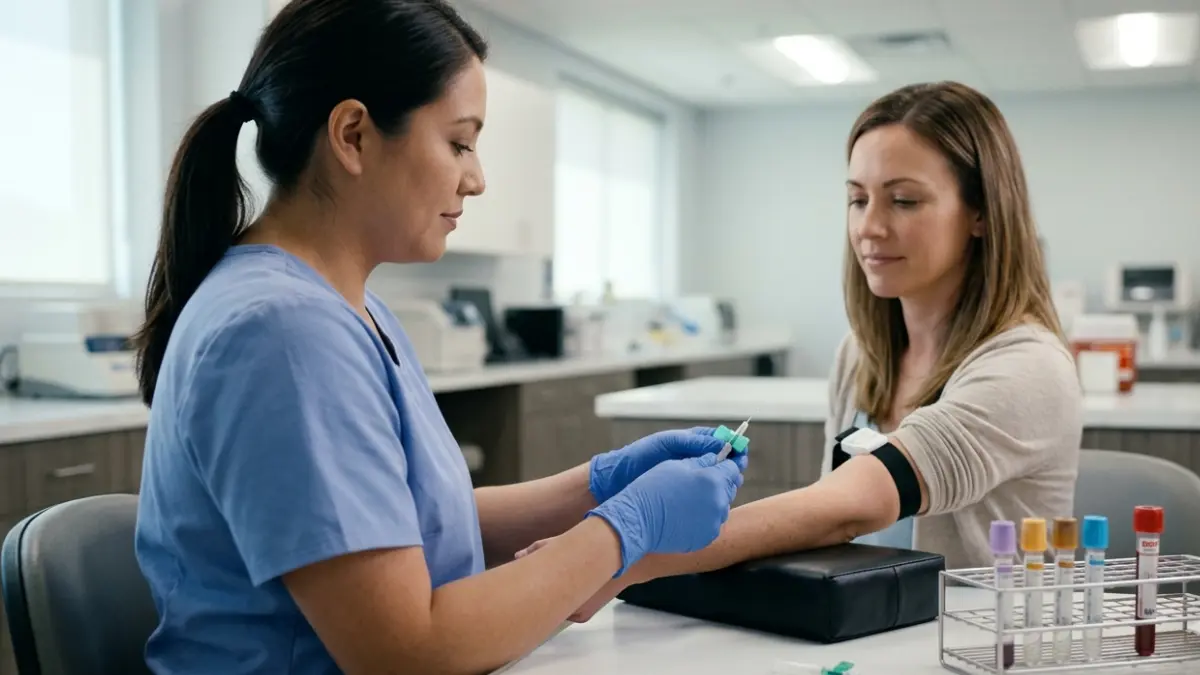
Without insurance, a basic metabolic panel typically costs from about $10 at a direct-to-consumer lab to several hundred dollars at a hospital outpatient lab — for the same test. The lowest cash price almost always comes from an independent or online lab; the highest comes from a hospital, where facility fees are added.
What you’ll pay by setting
| Where you get it | Typical cost without insurance | Key detail for you |
|---|---|---|
| Medicare rate (reference point) | About $8 | What Medicare pays a lab — your cash price is usually higher |
| Independent / direct-to-consumer lab | Roughly $10–$80 | Cheapest route; often no doctor’s order needed |
| Doctor’s office + lab | Often $50–$150+ | Adds an office visit and blood-draw charge |
| Hospital outpatient lab | Often $100–$400+ | Facility fees can inflate the bill sharply |
Ranges are typical figures gathered across labs and settings; they vary by location and date, so confirm the current price with the lab. Medicare rate: CMS Clinical Laboratory Fee Schedule.
Our breakdown of hospital versus independent-lab pricing explains the gap.
Ordering a BMP without a doctor
Many direct-to-consumer labs let you order a basic metabolic panel yourself, pay cash, and get results without a physician’s order — the same clinical test, run by the same major laboratories. Our guides to ordering a metabolic panel at home and what a metabolic panel costs without insurance go deeper.
Basic metabolic panel cost with insurance
With insurance, a basic metabolic panel is usually covered — but what you pay depends on whether it’s billed as preventive care or a diagnostic test, and whether you’ve met your deductible. This is where a lot of “it’s basically free” advice is simply wrong.
🔬 How It Works: Insurers reimburse the same test differently based on why it was ordered. As covered preventive screening with no symptoms, it may be $0. Ordered to investigate a symptom or monitor a condition, it’s diagnostic — and normal cost-sharing applies.
Preventive vs diagnostic: the billing that decides your cost
Under the Affordable Care Act, a defined list of preventive screenings is covered with no copay or coinsurance in-network. A standalone basic metabolic panel generally isn’t on that list, so when it’s ordered for a reason — fatigue, medication monitoring, a known condition — it’s billed as a diagnostic test and subject to cost-sharing. See which tests get guaranteed $0 treatment on the government’s preventive care benefits page, and our guide to when a metabolic panel is covered by insurance.
Your deductible comes first
Until you meet your deductible — often more than a thousand dollars today — you typically pay the full negotiated rate out of pocket, not a discount. After that, you may owe a copay or coinsurance.
✅ Patient Action: Before your draw, ask the ordering office: “Will this be billed as preventive or diagnostic, and what diagnosis code will you use?” That answer can mean the difference between $0 and the full rate — confirm with your insurer if unsure.
Does Medicare or Medicaid cover a basic metabolic panel?
Under Original Medicare, a medically necessary basic metabolic panel is covered at $0 — you pay nothing. Lab tests paid under Medicare’s Clinical Laboratory Fee Schedule are exempt from the Medicare Part B deductible and coinsurance, a detail many cost guides state incorrectly.
🩺 Physician Note: The key phrase is “medically necessary.” Medicare covers lab work ordered to evaluate a symptom, condition, or risk factor. It generally doesn’t cover a panel run purely as routine screening on someone with no symptoms or relevant history.
The exception: routine screening and the ABN
When a test is ordered as screening Medicare may not cover, the provider should give you an Advance Beneficiary Notice first — a form stating you might be responsible, so you can decide whether to proceed. If you’re asked to sign one, treat it as your cue to ask whether the test is expected to be covered.
Medicaid and community health centers
Medicaid generally covers medically necessary lab work with little or no cost, though specifics vary by state. Lower-cost options for the uninsured are covered next.
How to pay less for a basic metabolic panel
If you’re paying out of pocket, you have real ways to lower the cost — some of them federal rights, not just tips.
- Request a Good Faith Estimate. If you’re uninsured or paying cash, providers must give you a written estimate of expected charges when you schedule or ask.
- Compare cash prices, and check the hospital’s posted prices. Hospitals must publish discounted cash prices for shoppable services, so you can look before you go.
- Ask whether you need the full panel. If only kidney or electrolyte results are needed, the basic panel may be enough.
- Use a community health center. These clinics offer lab work on a sliding scale based on income.

Use your federal price rights
Your Good Faith Estimate right comes from the federal No Surprises Act — the details are on the No Surprises Act patient resources page. Hospitals’ duty to post prices is explained on the hospital price transparency page, so you can compare a hospital lab against a cheaper one before you go.
Where to find lower-cost testing
For sliding-scale care, a Federally Qualified Health Center — searchable through the federal HRSA “Find a Health Center” directory — can bring the cost near $0 for low-income patients. If you’re weighing routine testing, our guide to an annual blood-work panel helps you skip tests you don’t need.
⚠️ Clinical Warning: Saving money should never mean skipping a test your clinician says you need. If cost is the barrier, ask about a lower-cost lab, a cash discount, or a community health center — don’t forgo medically necessary bloodwork.
Why your basic metabolic panel bill may look too high — and what to do
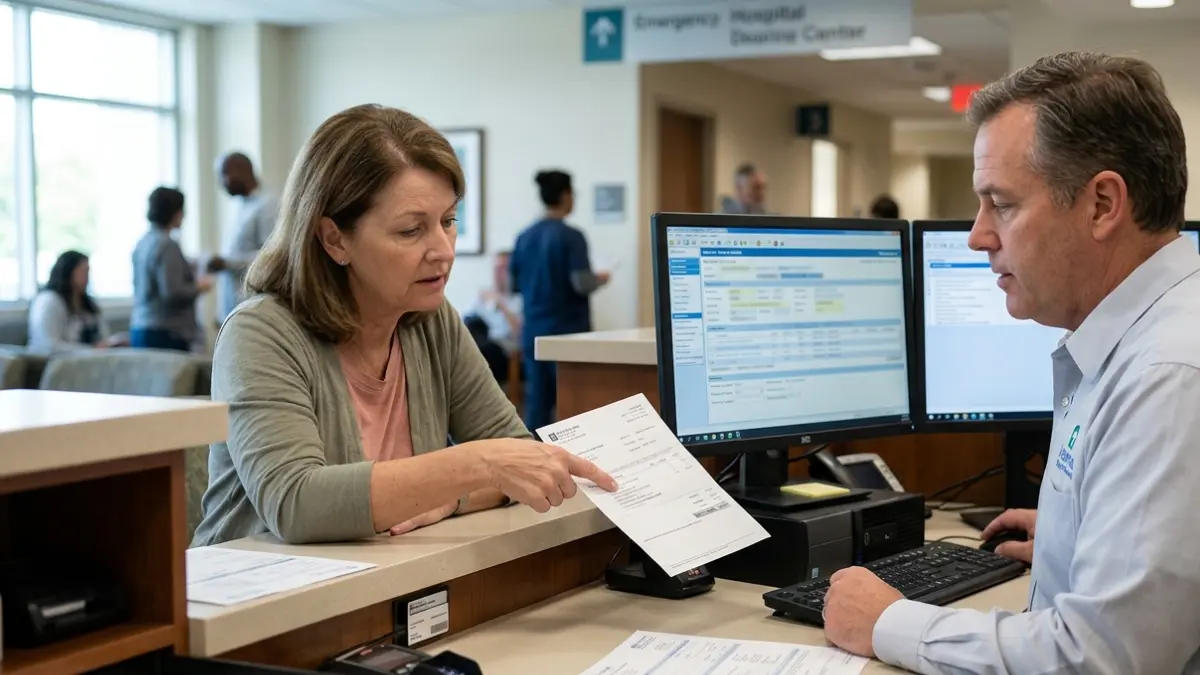
If your bill seems far higher than the prices above, the usual culprits are a hospital facility fee, a separate blood-draw charge, or an out-of-network lab — and the first bill is not always final.
Check for a duplicate charge
A basic metabolic panel (CPT 80048) is a subset of the comprehensive panel (CPT 80053). If both codes appear for the same blood draw on the same day, that’s almost always a duplicate billing error worth challenging with the billing office.
Facility and draw fees
Hospital outpatient labs may add a facility fee and a specimen-collection charge on top of the test. A small collection fee can be legitimate; a large facility fee on a simple panel is worth questioning against independent-lab pricing.
If your bill is far above your estimate
📊 Clinical Data Point: If you’re billed at least $400 above your Good Faith Estimate, you can dispute the charge through the federal Patient-Provider Dispute Resolution process for a $25 fee — Source: CMS, No Surprises Act (2026).
Our walkthrough of a surprise bill after routine bloodwork covers the dispute steps in full.
✅ Patient Action: Call the billing office and ask them to itemize the bill, confirm 80048 wasn’t billed alongside 80053 for the same draw, and explain any facility or collection fee.
Basic metabolic panel cost: frequently asked questions
1. How much does a basic metabolic panel cost?
A basic metabolic panel cost ranges from about $8 (the Medicare rate) to several hundred dollars at a hospital. The cheapest cash option is usually an independent or direct-to-consumer lab; a hospital outpatient lab is typically the most expensive for the same test.
2. Is a BMP cheaper than a CMP?
Yes. A basic metabolic panel (CPT 80048) has eight tests; a comprehensive metabolic panel (CPT 80053) adds six liver markers, so the BMP costs slightly less. If your clinician only needs kidney and electrolyte results, the basic panel is enough.
3. Is a basic metabolic panel covered by insurance?
Usually, but what you pay depends on whether it’s billed preventive or diagnostic and whether you’ve met your deductible. A panel ordered to check a symptom or condition is diagnostic and subject to cost-sharing. Confirm the billing with your provider and insurer.
4. Why is my basic metabolic panel bill so high?
Hospital bills are often inflated by a facility fee, a separate blood-draw charge, or an out-of-network lab. Compare it with independent-lab pricing and check for a duplicate panel code. The first bill is not always final.
5. Does Medicare pay for a basic metabolic panel?
Yes. Under Original Medicare, a medically necessary basic metabolic panel is $0, because Clinical Laboratory Fee Schedule tests are exempt from the Part B deductible and coinsurance. Routine screening with no symptoms may not be covered, so ask your provider if unsure.
6. Can I get a BMP without a doctor’s order?
In many states, direct-to-consumer labs let you order a basic metabolic panel yourself and pay cash without a physician’s order. It’s the same clinical test, run by the same major laboratories, usually cheaper than a hospital.
7. What is a Good Faith Estimate?
It’s a written estimate of expected charges that providers must give uninsured or self-pay patients when scheduling or on request, under the federal No Surprises Act. Use it to compare prices and to dispute a bill that comes in far higher than estimated.
8. How much does a community health center charge for a BMP?
Federally Qualified Health Centers offer lab work on a sliding fee scale based on income, which can bring the cost near $0 for low-income patients. Medicaid also generally covers medically necessary bloodwork, though specifics vary by state.
9. Do I need to fast, and does that change the cost?
Whether you fast depends on why the basic metabolic panel was ordered, not on the price — fasting doesn’t change the cost. Our guide on whether you need to fast for a BMP explains when it’s required.
10. Both CPT 80048 and 80053 are on my bill — is that an error?
Probably. A basic metabolic panel (80048) is included within the comprehensive panel (80053), so billing both for the same draw on the same day is almost always a duplicate. Ask the billing office to remove the duplicate charge.
11. Is a cheap direct-to-consumer BMP the same quality?
Yes — the clinical test is the same, run by the same major laboratories. The difference is the ordering and billing path, not the assay. If you have symptoms or a known condition, still have your results reviewed by a clinician.
The bottom line on basic metabolic panel cost
There’s no single basic metabolic panel cost, but a few rules hold. The cheapest cash route is almost always an independent or direct-to-consumer lab; a hospital outpatient lab is usually the most expensive. Under Medicare, a medically necessary panel is $0. With commercial insurance, what you pay hinges on preventive-versus-diagnostic billing and your deductible — and if a bill is too high, you have real rights: a Good Faith Estimate, posted hospital prices, and a formal dispute process.
Before your next draw, ask how the test will be billed. Once you have results, our guide to reading your basic metabolic panel results explains what each value means.
About this content
How this article was put together: researched from recognised health sources, drafted with the help of AI tools, and edited by hand, with sources linked throughout.

Sameer Patel is the founder and editor of My Medicine Advisor. He is not a doctor or medical professional — before starting this site he worked in banking,…
Medical disclaimer
The content on MyMedicineAdvisor is provided for general informational and educational purposes only and is not a substitute for professional medical advice, diagnosis, or treatment. Health information on this website should not be used to diagnose, treat, cure, or prevent any condition without guidance from a qualified healthcare professional. Always seek the advice of your doctor, physician, or another licensed healthcare provider with any questions you may have regarding a medical condition, symptoms, medications, or treatment decisions.