Why Your Body Feels Like Carrying Bricks by December’s Last Week
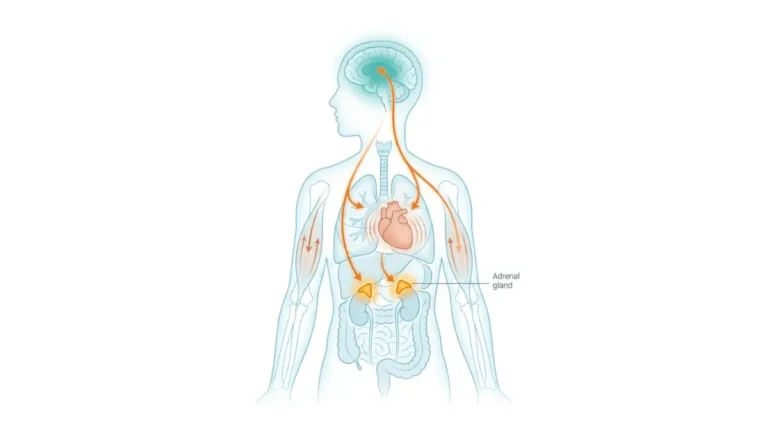
The last week of the year feels so heavy because your body has accumulated 12 months of stress hormones, specifically elevated cortisol levels that trigger nervous system dysregulation and emotional exhaustion throughout December. Research shows this year end emotional heaviness isn’t imaginary—it’s a measurable physiological response where chronic stress disrupts your hypothalamic-pituitary-adrenal axis, causing December emotional fatigue causes that manifest as physical weight.
Your body’s stress response system operates like a bank account: every deadline, financial pressure, and emotional demand from January through December withdraws cortisol reserves without adequate deposits. By late December, your adrenal glands show cumulative wear from sustained activation, creating holiday stress cortisol levels that exceed normal ranges found in other months.
This end of year burnout symptoms pattern intensifies during the final seven days because your nervous system simultaneously processes holiday season fatigue while anticipating year-end deadlines, social obligations, and subconscious life evaluations. The result is year end anxiety mental health complications where your body literally feels heavier due to cortisol-induced inflammation, disrupted sleep-wake cycles measurable through proper rest assessment, and depleted neurotransmitter reserves.
Cortisol Overload—What 12 Months of Stress Does to Your Nervous System
Your hypothalamic-pituitary-adrenal axis becomes hyperactivated after months of sustained stressors, creating year end burnout symptoms that mirror clinical exhaustion states. The HPA axis dysregulation pattern documented in burnout research shows December emotional fatigue causes stem from blunted cortisol reactivity—your adrenal glands can no longer mount appropriate stress responses, leaving you feeling perpetually heavy.
Cognitive load accumulates like background applications draining a smartphone battery. Every unfinished project, financial decision, and relationship tension from January through December creates persistent sympathetic nervous system activation, elevating your resting heart rate as a measurable stress biomarker that remains elevated even during rest periods.

Physical Manifestations of Year-End Stress
By late December, chronic stress year ending effects produce measurable changes across multiple body systems:
- Weight fluctuations: Cortisol-driven visceral fat accumulation appears as unexplained body composition changes despite unchanged eating patterns
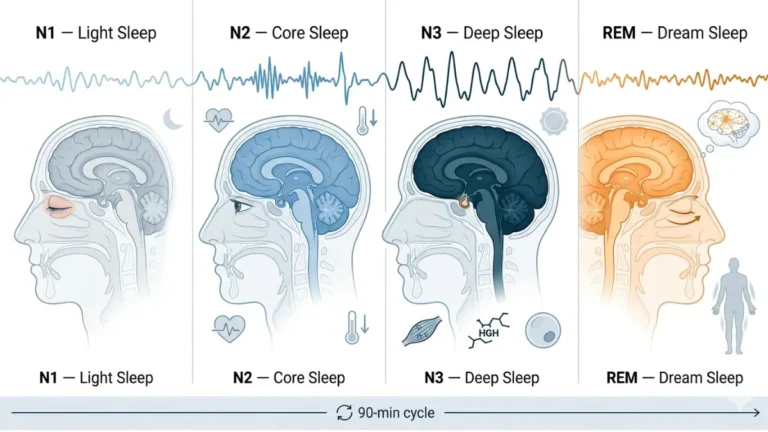
- Sleep architecture disruption: HPA axis overactivity prevents deep sleep phases, causing unrefreshing rest cycles that compound fatigue
- Immune suppression: Elevated cortisol reduces white blood cell activity, explaining why illness peaks days after Christmas when your defenses finally collapse
- Dopamine depletion: Chronic stress disrupts mesolimbic reward pathways, creating emotional heaviness holiday season experiences where previously enjoyable activities feel burdensome
The year end mental load weight isn’t metaphorical—studies show sustained activation increases inflammatory markers that cause actual physical heaviness sensations. Your nervous system essentially operates in overdrive for 11 months, then crashes precisely when holiday season nervous system demands peak, creating the December emotional exhaustion pattern millions experience but few understand physiologically.
Burnout or Something More? Decoding December’s Distress Signals
Not all year-end exhaustion requires medical intervention, but recognizing when emotional exhaustion December crosses into clinical territory prevents long-term health consequences. The diagnostic criteria for burnout syndrome distinguish temporary holiday fatigue from conditions requiring professional support.
Normal Year-End Tiredness vs. Clinical Burnout
| Symptom Category | Temporary Holiday Stress | Clinical Burnout Warning Signs |
|---|---|---|
| Sleep Patterns | Occasional restlessness for 3-5 days | Chronic insomnia lasting 2+ weeks with unrefreshing sleep despite 7-8 hours |
| Physical Energy | Mild afternoon fatigue | Persistent exhaustion unrelieved by rest; muscle weakness; morning dread |
| Emotional State | Temporary irritability or stress | Emotional numbness, cynicism, feeling detached from loved ones |
| Cognitive Function | Minor forgetfulness with multitasking | Severe concentration impairment, decision paralysis, re-reading material repeatedly |
| Physical Symptoms | Tension headaches 1-2x/week | Daily gastrointestinal distress, chronic muscle tension, unexplained pain |
| Work/Life Functioning | Meeting deadlines with effort | Unable to complete basic tasks; avoid social contact; reduced performance |
What This Means For You
If you experience three or more symptoms in the “Clinical Burnout” column persisting beyond 14 days, year end anxiety mental health complications may require assessment beyond self-care strategies. December stress management strategies alone won’t resolve clinical conditions—tracking symptom patterns systematically before healthcare appointments improves diagnostic accuracy.
Key differentiator: Normal year-ending mental fatigue improves with rest and holiday recovery time. Holiday emotional exhaustion signs that worsen despite sleep, relaxation, and reduced obligations indicate end of year burnout symptoms requiring clinical evaluation rather than lifestyle adjustments alone.
Five Hidden Triggers Making December 24-31 Unbearable
The final week of December compounds year end emotional heaviness through specific physiological and psychological stressors that peak simultaneously. Understanding these mechanisms helps distinguish normal holiday adjustment from year end anxiety mental health conditions requiring intervention.
Circadian Rhythm Disruption Amplifies Cortisol
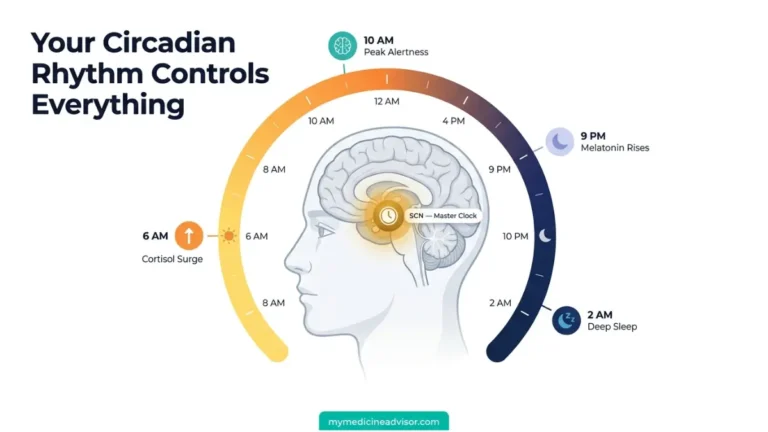
Holiday schedule chaos disrupts your 24-hour cortisol secretion pattern, creating circadian misalignment where peak stress hormone levels occur at inappropriate times. Late-night gatherings, irregular meal timing, and altered sleep schedules flatten your natural cortisol curve, eliminating the restorative low points your nervous system requires for recovery. This creates last week year stress hormones elevation that persists even during rest periods.
Financial Stress Triggers Acute Cortisol Spikes
December spending creates measurable physiological responses beyond emotional discomfort. Research demonstrates acute financial stress modulates risk-taking through elevated cortisol, with immediate and sustained hormone increases following monetary decisions. Credit card statements arriving in early January compound this December anxiety coping methods challenge.
Invisible Emotional Labor Drains Reserves
Caregivers shoulder disproportionate year end mental load weight through gift planning, meal coordination, family conflict mediation, and maintaining holiday traditions. This cognitive burden operates continuously without acknowledgment, creating December emotional fatigue causes that manifest as physical exhaustion despite appearing to “do nothing.”
Subconscious Year-in-Review Pressure
Your brain automatically processes annual accomplishments versus expectations during December’s quieter moments. This involuntary life audit drains cognitive reserves even when you’re not consciously reflecting, contributing to seasonal burnout health effects through mental resource depletion.
Accumulated Grief Resurfaces
Holidays amplify bereavement symptoms, with studies showing January interviews reveal significantly elevated loss-related anxiety and depressed mood compared to other months. December through January creates emotional heaviness holiday season experiences for those navigating loss, with special occasions triggering heightened psychological distress.
Supporting Your Nervous System Through December’s Final Days
Evidence-based December stress management strategies target the physiological mechanisms driving year end emotional heaviness rather than masking symptoms temporarily. Implementing these protocols addresses cortisol dysregulation, circadian disruption, and neurotransmitter depletion simultaneously.
Immediate Cortisol Reset Interventions
Blood sugar stabilization prevents stress hormone spikes: Calculate your personalized macronutrient needs to maintain steady glucose levels during irregular holiday eating patterns, preventing the cortisol surges that compound December burnout recovery methods challenges.
Cold exposure activates parasympathetic response: 30-second cold water face immersion triggers the dive reflex, rapidly lowering heart rate and shifting from sympathetic to parasympathetic nervous system dominance—a technique showing measurable year end stress relief techniques effectiveness within minutes.
Structured breathing resets vagal tone: The 4-7-8 breathing pattern (inhale 4 seconds, hold 7, exhale 8) demonstrated in cognitive-behavioral stress management research produces measurable cortisol reductions when practiced twice daily for 10 minutes.
Sleep Architecture Restoration
Prioritize consistent sleep timing over duration during the holiday season nervous system recovery period. Going to bed and waking at identical times—even if sleeping only 6 hours—maintains circadian cortisol rhythms better than irregular 8-hour sleep. Use evidence-based sleep cycle optimization to determine ideal bedtimes that align with natural ultradian rhythms.
Measurable Stress Biomarker Tracking
Monitor resting heart rate as a accessible cortisol indicator—elevated morning readings signal persistent sympathetic activation requiring intervention. Track patterns systematically to identify when December anxiety coping methods require professional escalation versus continued self-management.
Nutrition for Neurotransmitter Production
Adequate protein intake supports dopamine synthesis: Calculate daily protein requirements based on body weight to ensure amino acid availability for depleted neurotransmitter restoration during emotional exhaustion December recovery.
Strategic hydration reduces cortisol concentration: Proper water intake throughout the day dilutes circulating stress hormones while supporting kidney clearance. Determine personalized fluid needs based on body weight, activity level, and climate factors.
What This Means For You
Year ending mental fatigue responds best to combined interventions targeting multiple mechanisms simultaneously. Implement one strategy from each category above rather than focusing exclusively on single approaches. Most seasonal burnout health effects show measurable improvement within 72 hours when evidence-based protocols replace generic “self-care” advice.
Critical distinction: These strategies support normal year end anxiety mental health fluctuations but cannot substitute for clinical treatment when holiday emotional exhaustion signs persist beyond two weeks or interfere with daily functioning.
When Professional Support Becomes Necessary
Most year ending mental fatigue resolves naturally as holiday stress subsides and routines normalize in early January. However, specific end of year burnout symptoms require clinical evaluation rather than continued self-management attempts.
Medical Escalation Criteria
Seek professional assessment if you experience any of these patterns:
- Symptoms persisting beyond two weeks into January despite implementing evidence-based December stress management strategies consistently
- Functional impairment where holiday emotional exhaustion signs prevent completing basic work, self-care, or relationship responsibilities
- Physical health deterioration including unintentional weight changes exceeding 5% body weight, chronic insomnia unresponsive to sleep hygiene, or new cardiovascular symptoms
- Suicidal ideation or self-harm thoughts of any intensity—these require immediate intervention regardless of other factors
The 988 Suicide & Crisis Lifeline provides 24/7 confidential support for anyone experiencing emotional distress, with trained counselors available immediately via call, text, or online chat.
Comprehensive Mental Health Resources
For non-emergency support, evidence-based approaches for reducing anxiety naturally and professional mental health services can address year end anxiety mental health complications that exceed normal seasonal adjustment patterns. Healthcare providers can distinguish temporary stress responses from conditions like generalized anxiety disorder or clinical depression requiring targeted treatment.
Medical Disclaimer
This article provides educational information about the physiological mechanisms underlying year-end emotional heaviness and is not intended as medical advice, diagnosis, or treatment recommendation. Content presented here explains normal stress physiology during the holiday season and evidence-based self-management strategies for typical year-end fatigue patterns.
Always consult qualified healthcare providers for personalized medical evaluation, especially when experiencing severe symptoms, existing mental health conditions, or uncertainty about symptom significance. The information presented cannot replace professional clinical assessment tailored to individual health histories, medications, and risk factors. If experiencing medical emergencies or severe psychological distress, contact emergency services or crisis resources immediately.
About this content
How this article was put together: researched from recognised health sources, drafted with the help of AI tools, and edited by hand, with sources linked throughout.

Sameer Patel is the founder and editor of My Medicine Advisor. He is not a doctor or medical professional — before starting this site he worked in banking,…
Medical disclaimer
The content on MyMedicineAdvisor is provided for general informational and educational purposes only and is not a substitute for professional medical advice, diagnosis, or treatment. Health information on this website should not be used to diagnose, treat, cure, or prevent any condition without guidance from a qualified healthcare professional. Always seek the advice of your doctor, physician, or another licensed healthcare provider with any questions you may have regarding a medical condition, symptoms, medications, or treatment decisions.