On This Page – Quick Medical Summary
What Does Life After Melanoma Really Look Like?
Marcus, a 52-year-old teacher from Ohio, finished his Stage IIA melanoma treatment in January 2025. The surgery went well. His oncologist said the words every patient waits to hear: “We got it all.” But instead of relief, Marcus felt terrified. What now? Every new freckle felt like a threat. Every upcoming appointment triggered sleepless nights.
His experience is not unusual. It is, in fact, the norm.
Life after melanoma involves three non-negotiable pillars: structured medical monitoring, evidence-based lifestyle habits, and active emotional recovery. Skipping any one of them leaves you vulnerable — physically or psychologically.
Globally, melanoma cases are rising fast. According to the International Agency for Research on Cancer, over 325,000 new melanoma diagnoses were recorded in 2022, with projections exceeding 500,000 per year by 2040. After a first diagnosis, survivors face a 5× higher lifetime risk of developing a second melanoma compared to the general population.
Understanding your melanoma stages and their impact on follow-up intensity is the essential first step in your survivorship roadmap.
What This Means For You: Finishing treatment is not the finish line. It is the starting point of your survivorship plan.
How Often Should You See Your Doctor After Melanoma? (By Stage)
Your follow-up schedule after melanoma is not one-size-fits-all. It is built around your stage, your recurrence risk, and your overall health. The higher your original stage, the more intensive your monitoring.
The AIM at Melanoma Foundation provides the most widely used U.S. guideline framework, summarised below:
Follow-Up Schedule by Stage — 2026 Reference Table
| Stage | Appointment Frequency | Imaging Required | Duration |
|---|---|---|---|
| Stage 0 (In Situ) | Annual dermatology exam | Not routinely required | Lifelong skin vigilance |
| Stage I | Every 3–12 months (Yrs 1–2), then annually | Not routinely required | 5 years + lifelong self-check |
| Stage II | Every 3–6 months (Yrs 1–2), then 6–12 months | CT/PET-CT if symptomatic | 5–10 years |
| Stage III | Every 3–4 months (Yrs 1–2), then 6-monthly | CT, PET-CT, brain MRI up to 5 years | 10+ years |
| Stage IV | Oncologist-guided, frequent | Full imaging panel, ongoing | Lifelong |
The critical window is the first 3 years. Research published in the MELFO clinical trial (PMC) showed that nearly 90% of all melanoma recurrences in intermediate-to-thick melanomas occur within 3 years of primary diagnosis.
Importantly, the same MELFO data confirmed that a reduced follow-up frequency for Stage IB–IIC patients showed no difference in recurrence detection rates or patient anxiety levels compared to conventional intensive schedules. This means your survivorship plan can be personalised — less rigid, more human.
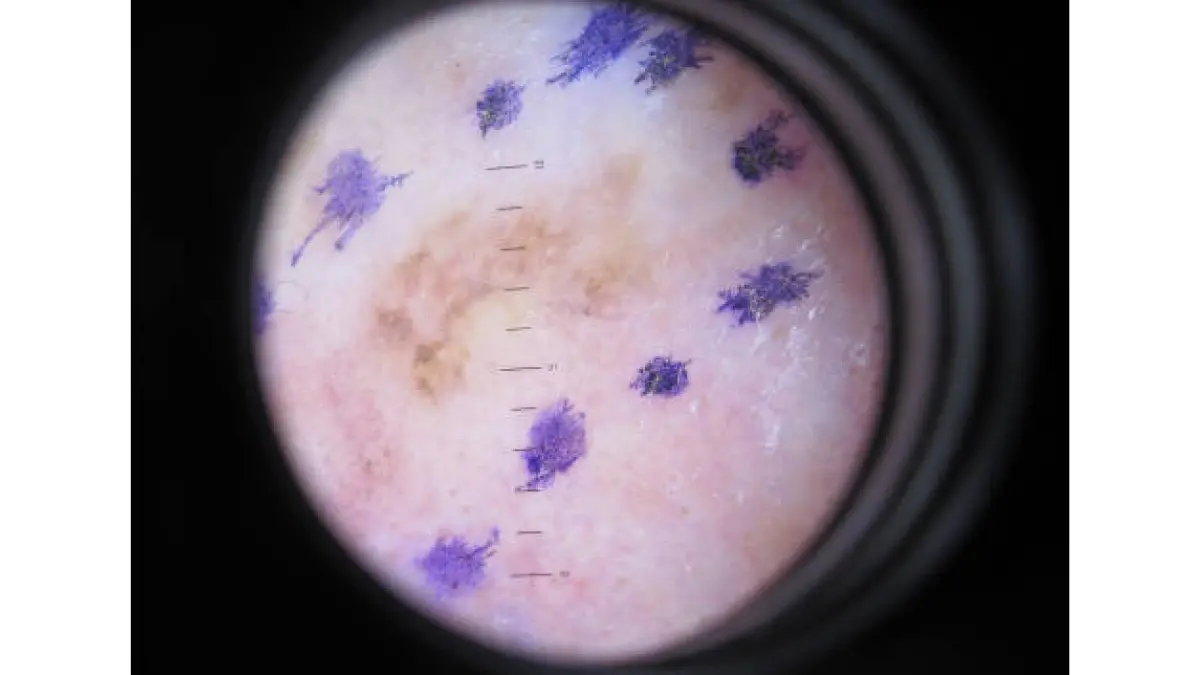
What Happens at Each Follow-Up Appointment?
- Full skin examination (head to toe, including scalp)
- Assessment of the original melanoma excision site
- Palpation of nearby lymph nodes
- Review of any new symptoms you’ve noticed
- Reinforcement of sun protection habits
When Are Imaging Tests Necessary?
- Stage I: Not routinely ordered unless you develop symptoms
- Stage II: Ordered if clinical signs suggest possible recurrence
- Stage III–IV: CT scan, PET-CT, and brain MRI recommended on a scheduled basis for up to 5 years
Tracking your melanoma survival rate by stage gives important context for how your monitoring plan is built.
⚠️ Report IMMEDIATELY between appointments if you notice: a new lump, an enlarging lymph node, unexplained fatigue lasting more than 2 weeks, persistent bone pain, or any neurological change.
Signs That Melanoma May Have Come Back: Know Your Body
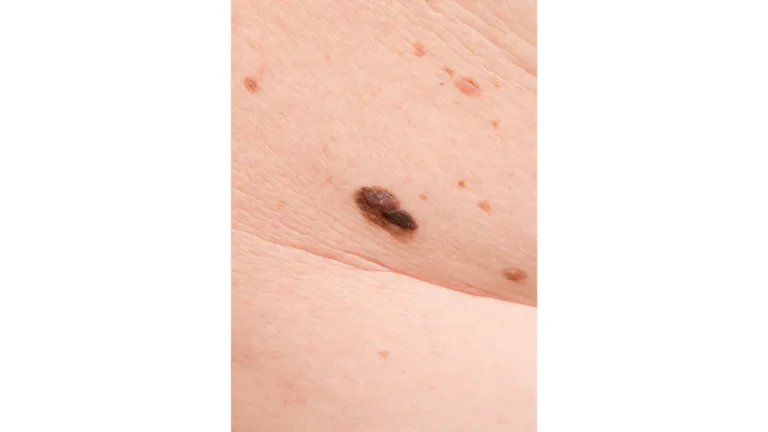
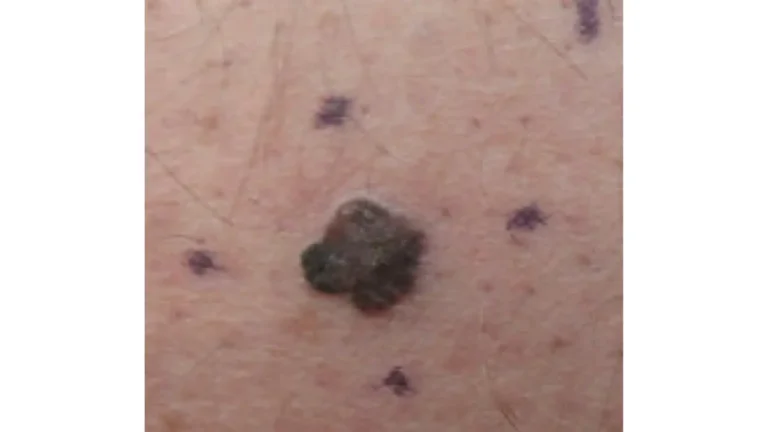
Here is a fact no competitor’s article leads with: approximately 75% of melanoma recurrences are first detected by patients themselves — not by clinicians at scheduled appointments. That makes your own body awareness a life-saving clinical tool.
Three Types of Recurrence — What Each Looks Like
Local Recurrence (at or near the original site):
- New pigmented spot, nodule, or thickening near the excision scar
- Skin darkening or texture change around the healed area
Regional Recurrence (lymph nodes and nearby tissue):
- Firm, non-painful lump under the skin near the original site
- Swollen lymph nodes in the armpit, groin, or neck
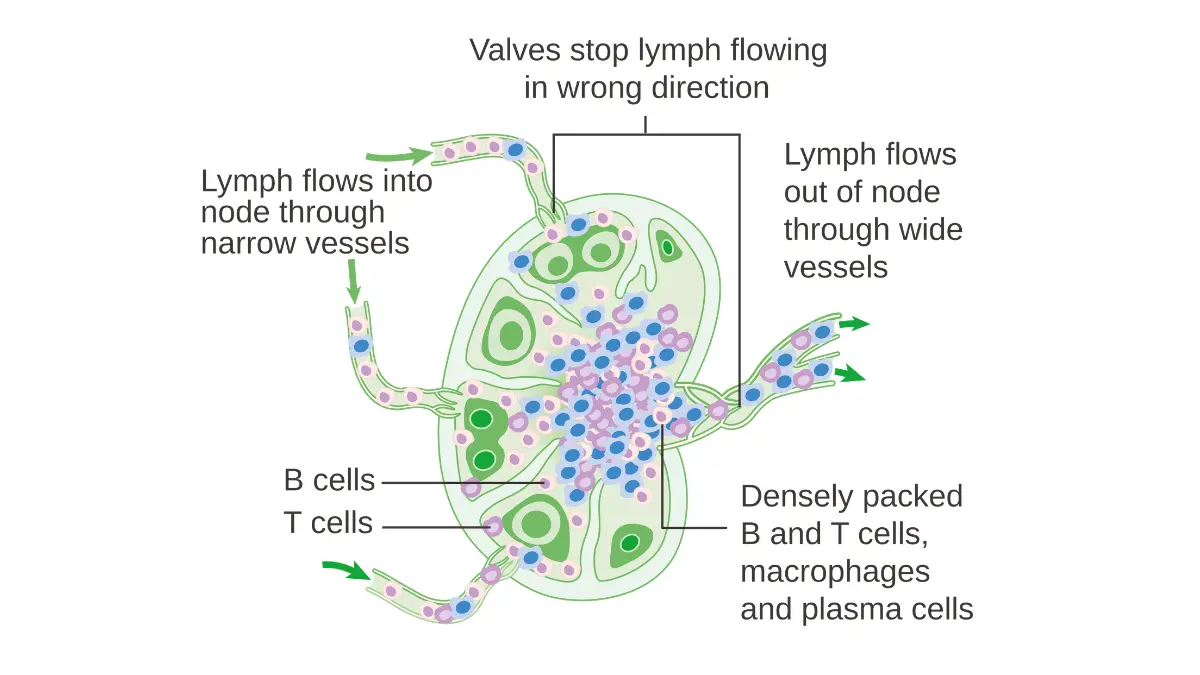
Distant/Metastatic Recurrence (spread to other organs):
- Persistent unexplained fatigue or unintentional weight loss
- Bone pain, persistent headaches, or shortness of breath
- Vision changes or balance problems (brain involvement)
Use our Symptom Checker to log and track any new symptoms between appointments.
7-Step Monthly Skin Self-Examination Protocol
- Face, ears, and scalp — use a hand mirror and comb through hair sections
- Neck and chest — examine front and sides in good natural light
- Arms and underarms — check top, bottom, and between fingers
- Torso (front and back) — use a full-length mirror plus hand mirror for the back
- Waist, hips, and buttocks — rotate to check all angles
- Legs — front, back, and between toes
- Soles, nails, and genitals — often missed zones where melanoma can appear
The American Academy of Dermatology recommends monthly self-exams for all melanoma survivors as a permanent lifelong habit.
For a deeper guide on warning signs, read our detailed article on melanoma recurrence signs and risk.
How to Reduce Your Risk of Melanoma Recurrence Through Lifestyle
No lifestyle change eliminates recurrence risk entirely. But several evidence-backed habits can meaningfully stack the odds in your favour.
Sun Protection — Your Non-Negotiable Daily Protocol
After melanoma, UV exposure is no longer just a cosmetic concern. It is a medical one.
- Apply SPF 50+ broad-spectrum sunscreen every morning — reapply every 2 hours outdoors
- Wear UPF 50+ protective clothing — full-sleeve shirts, wide-brim hats
- Zero tanning beds, permanently. According to the CDC’s skin cancer resource, UV radiation from tanning devices is classified as a Group 1 carcinogen
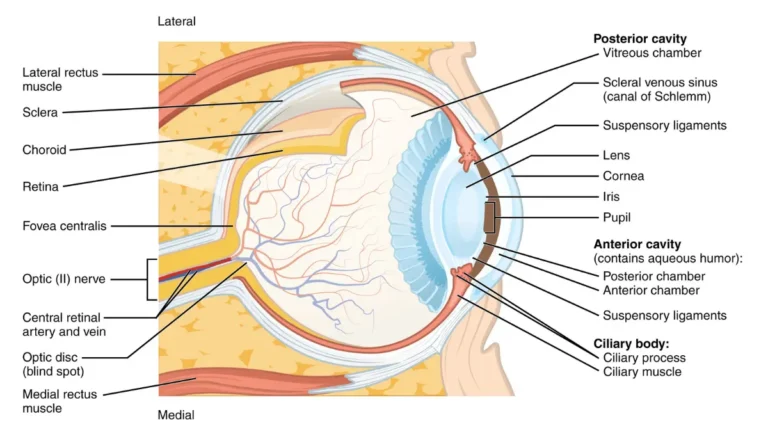
- Wear UV-protective sunglasses — uveal melanoma risk remains a real concern (see our guide on uveal melanoma)
- Seek shade between 10am and 4pm, when UV index peaks
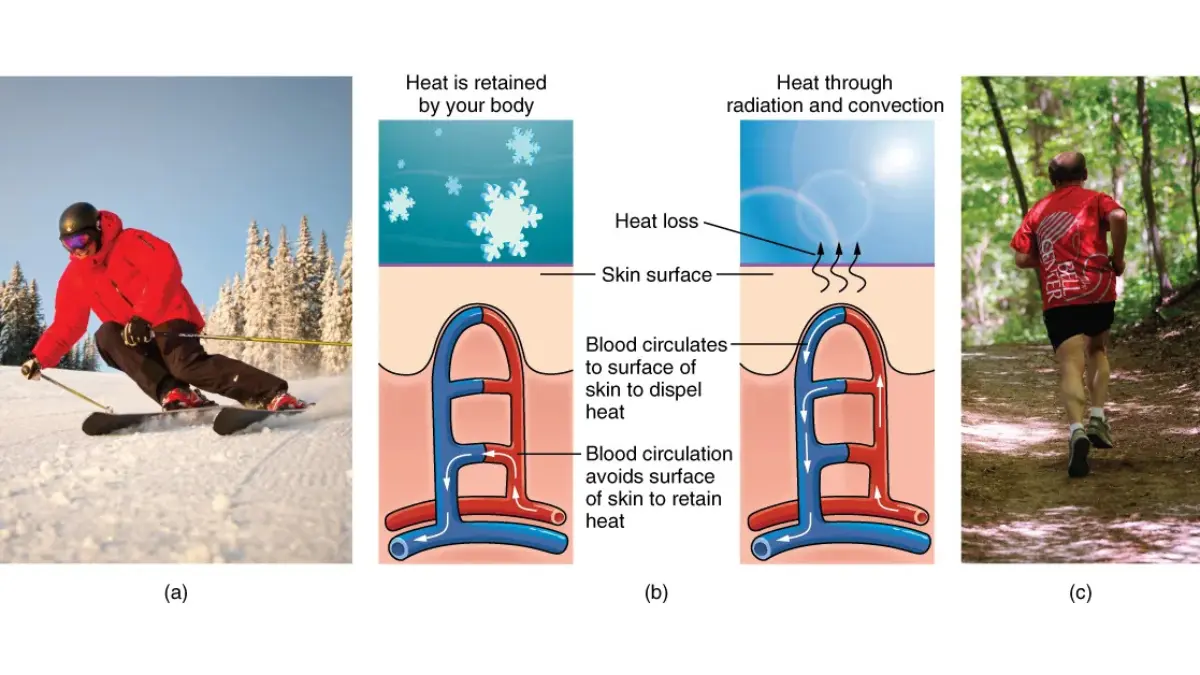
Figure: Diagram illustrating how UV radiation penetrates the skin’s epidermal layers and damages melanocytes — the biological mechanism that makes daily SPF 50+ sun protection a non-negotiable medical requirement in life after melanoma. Adapted from OpenStax Anatomy and Physiology 2e, Figure 5.16 — Functions of the Integumentary System, licensed under CC BY 4.0.
Exercise, Nutrition & Immune Support
- Exercise: 150 minutes of moderate aerobic activity per week supports immune surveillance and reduces cancer-related fatigue
- Anti-inflammatory diet: Prioritise antioxidant-rich foods — berries, leafy greens, fatty fish, nuts, and olive oil. Read our melanoma diet guide for specifics
- Maintain a healthy weight: Obesity is associated with worse melanoma outcomes. Track your numbers using our BMI Calculator
- Hydration: Optimal hydration supports immune function — calculate your personal goal with the Water Intake Calculator
Lifestyle Actions — Quick Reference
| ✅ Do This | ❌ Avoid This |
|---|---|
| SPF 50+ daily | Tanning beds (any UV) |
| Regular aerobic exercise | Smoking |
| Anti-inflammatory nutrition | Excessive alcohol |
| Adequate sleep (7–9 hours) | Skipping follow-up appointments |
| Stress management | Immunosuppressants without oncologist approval |
The Emotional Reality of Life After Melanoma Nobody Warns You About
Finishing melanoma treatment should feel like victory. For many survivors, it triggers the opposite — a wave of anxiety, hypervigilance, and fear that can be more overwhelming than the treatment itself. This is not weakness. It has a clinical name. And it is treatable.
What Is Scanxiety — And Why Melanoma Survivors Know It So Well
Scanxiety is the term used to describe the physical and psychological distress that builds before, during, and after cancer surveillance scans. It can strike weeks before a scheduled appointment. It manifests as racing thoughts, elevated heart rate, disrupted sleep, and an inability to concentrate.
According to the Melanoma Research Alliance, scanxiety is not just a patient experience — it affects caregivers, partners, and family members equally. Dr. J.B. Ward, a psychologist and melanoma survivor, describes it as “not just fear” but a full-body response that can persist long after scans return clear.
Keith Tolley, a Stage IV melanoma survivor, developed one personal mantra that cut through the noise: “Right now, I am okay.” It is simple, grounding, and evidence-supported — redirecting from catastrophic future thinking to present-moment reality.
Fear of Recurrence — The Data
- 31–52% of melanoma survivors experience clinically significant fear of cancer recurrence (FCR)
- A landmark 2024 study published in JAMA Dermatology (PMC) found that even Stage 0 (melanoma in situ) survivors reported high rates of psychological distress and fear of recurrence — a group largely ignored in prior research
- At diagnosis, 14% of melanoma patients meet clinical criteria for melanoma-related anxiety or depression; this drops to 5% after 6 months with proper support — but without support, it can persist for years
Your Scanxiety Coping Toolkit — 4 Domains
| Domain | Evidence-Based Strategies |
|---|---|
| Mind | Cognitive Behavioural Therapy (CBT); journalling fears before appointments; structured distraction planning |
| Body | Regular exercise; yoga; breathwork (4-7-8 breathing during acute anxiety) |
| Existential / Spiritual | Mindfulness practice; meaning-making frameworks; personal mantras |
| Self-Compassion | Name the fear aloud; accept anxiety as valid; resist catastrophising |
Using multiple approaches together is significantly more effective than any single strategy alone.
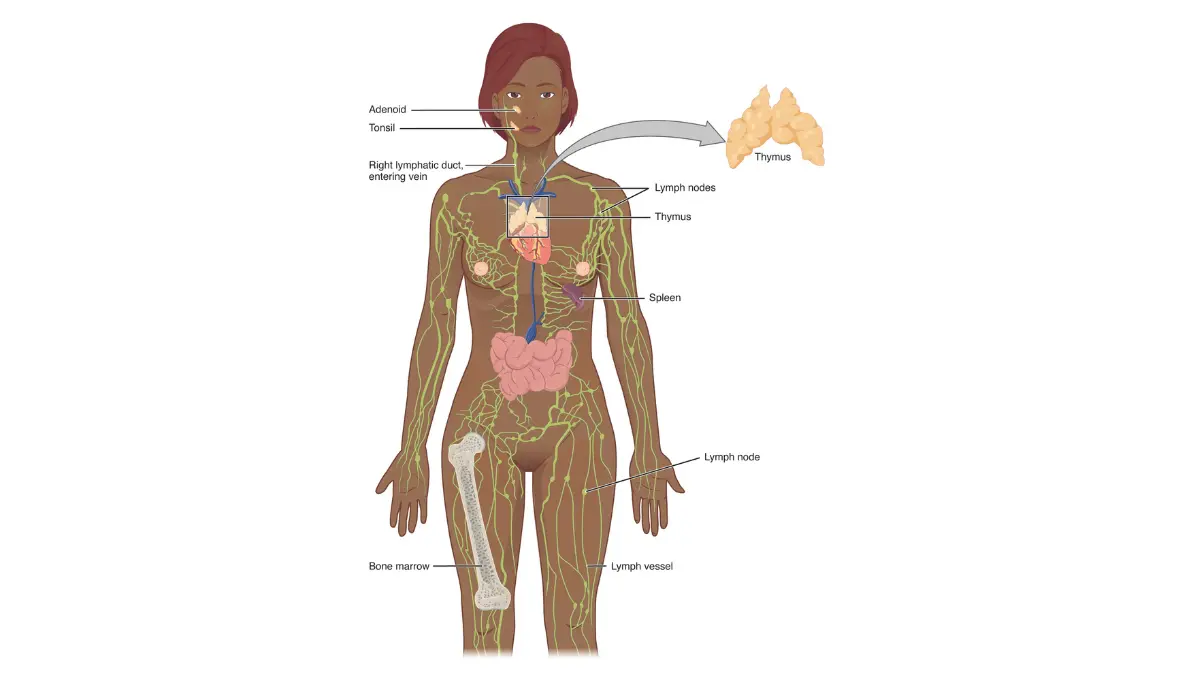
When to Seek Professional Mental Health Support
Seek help if you experience:
- Persistent low mood or loss of motivation for more than 2 weeks
- Inability to sleep, which our Sleep Calculator can help you monitor
- Avoidance of follow-up appointments due to anxiety
- Relationship strain or social withdrawal related to your diagnosis
Psycho-oncology specialists — oncology-trained psychologists, psychiatrists, and social workers — can provide CBT, stepped-care interventions, and fear-of-recurrence-specific therapy. Ask your oncologist for a referral at your next appointment.
According to ASCO’s cancer.net survivorship resources, emotional distress is a medical concern, not a personal failing — and treating it proactively improves both quality of life and measurable clinical outcomes.
U.S. Support Resources for Melanoma Survivors
- Cancer Support Community: cancersupportcommunity.org
- Imerman Angels: imermanangels.org (1:1 survivor matching)
- CureMelanoma.org / Melanoma Research Alliance
- National Cancer Institute: cancer.gov survivorship resources
- Cancer Research UK (for UK readers): cancerresearchuk.org
What This Means For You: Your mental health is a medical priority. A psycho-oncology referral is not optional — it is part of your standard survivorship care.
Your 2026 Life-After-Melanoma Action Plan: Start Here
You have finished treatment. Now build the structure that protects you.
8 Actions to Take Right Now
- Confirm your stage-specific follow-up schedule in writing with your oncologist or dermatologist
- Book your first post-treatment skin check within 3 months of completing therapy
- Start monthly self-skin exams using the 7-step protocol in Section 3
- Begin SPF 50+ daily use — every single day, regardless of season or weather
- Run our Genetic Risk Assessment Tool to understand your hereditary risk profile and share results with your family
- Request a written Survivorship Care Plan from your medical team — this document outlines your monitoring schedule, late effects to watch for, and emergency contacts
- Join a melanoma survivor community — peer support reduces isolation and measurably improves adherence to follow-up schedules
- Flag anxiety symptoms to your care team early — do not wait until it becomes crisis-level
5 Power Questions to Ask Your Doctor at Your Next Appointment
- Based on my original stage, what is my personalised annual recurrence risk?
- What imaging tests do I need, and for how long should I have them?
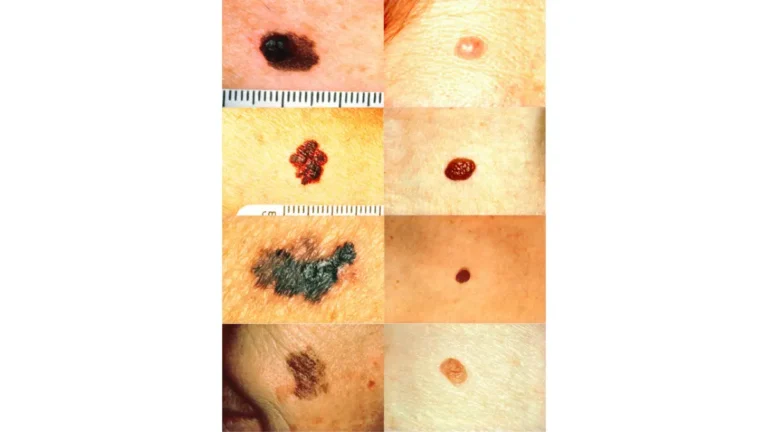
- How do I distinguish a normal skin change from something that needs urgent evaluation?
- Can you refer me to a psycho-oncology specialist or cancer support group?
- Can you give me a formal written Survivorship Care Plan today?
For a comprehensive overview of the entire melanoma journey — from first diagnosis through treatment options — visit our melanoma symptoms, stages & treatment pillar guide and our detailed breakdown of immunotherapy for melanoma.
The National Coalition for Cancer Survivorship also provides free advocacy tools and survivorship care planning resources tailored specifically to American cancer survivors.
Frequently Asked Questions — Life After Melanoma
1. How long does melanoma follow-up care last?
Most melanoma survivors require structured follow-up for 5–10 years, with Stage III and IV patients often monitored lifelong.
2. What are the first signs that melanoma has returned?
A new skin lump, swollen lymph node, persistent fatigue, or unexplained weight loss are the most common early recurrence signals.
3. Can melanoma come back after 10 years?
Yes. While rare, late recurrence beyond 10 years has been documented, particularly in thicker primary tumours. Annual skin checks remain important indefinitely.
4. How often should I have skin checks after melanoma?
At minimum, every 6–12 months with a dermatologist, plus monthly self-exams at home.
5. What is scanxiety in melanoma survivors?
Scanxiety is the clinical term for anxiety and distress that builds around scheduled cancer scans — a recognised and treatable psychological response.
6. Is anxiety normal after finishing melanoma treatment?
Yes — up to 52% of survivors report significant fear of recurrence. It is a medical issue, not a personal weakness.
7. What lifestyle changes help prevent melanoma recurrence?
Daily SPF 50+ use, regular exercise, anti-inflammatory nutrition, and avoiding tanning beds and smoking are the highest-evidence interventions.
8. Do I need imaging scans after Stage I melanoma?
Generally, routine imaging is not recommended for Stage I unless specific symptoms suggest possible recurrence.
9. Can melanoma spread silently years after removal?
Yes. Melanoma can metastasise silently, which is why scheduled follow-up appointments matter even when you feel completely well.
10. What mental health support is available for melanoma survivors?
Psycho-oncology specialists, CBT therapy, cancer support groups, and organisations like the Cancer Support Community all provide evidence-based help.
11. When should I seek professional help for fear of recurrence?
Seek help when anxiety disrupts sleep, relationships, or your ability to attend medical appointments — ideally before it reaches that point.
Medical disclaimer
The content on MyMedicineAdvisor is provided for general informational and educational purposes only and is not a substitute for professional medical advice, diagnosis, or treatment. Health information on this website should not be used to diagnose, treat, cure, or prevent any condition without guidance from a qualified healthcare professional. Always seek the advice of your doctor, physician, or another licensed healthcare provider with any questions you may have regarding a medical condition, symptoms, medications, or treatment decisions.