
On This Page – Quick Medical Summary
Up to 90% of melanoma cases are directly caused by UV radiation exposure — making melanoma one of the most preventable major cancers. Effective prevention requires five parallel strategies: daily broad-spectrum sunscreen, UV-protective clothing, UV index monitoring, an anti-inflammatory diet, and monthly skin self-exams. Sunscreen alone is not enough.
Why Melanoma Prevention Is More Urgent Than Ever in 2026
Marcus Williams, a 42-year-old high school teacher from Phoenix, Arizona, never thought twice about eating his lunch outside without sunscreen. No hat. No SPF. Just routine.
In 2023, a routine mole check by his dermatologist revealed Stage II melanoma on his upper back — a cancer that had been developing silently for years.
His story is not rare.
According to the American Cancer Society’s Cancer Facts and Figures 2026, an estimated 234,680 Americans will be diagnosed with melanoma this year — including 112,000 invasive cases. An estimated 8,510 will die from it. Melanoma is now the fifth most common cancer in the United States, and its incidence has surged more than 320% since 1975.
The most important statistic: approximately 90% of all melanoma cases are directly attributable to UV radiation exposure — from sunlight or indoor tanning devices. That means the overwhelming majority of diagnoses are preventable with the right strategy.
According to the CDC’s skin cancer prevention guidelines, UV radiation is dangerous in every season — not just summer. UV rays penetrate clouds, reflect off snow, sand, and concrete, and accumulate as lifelong skin damage with every unprotected exposure.
What most prevention guides miss: New peer-reviewed research confirms that sleep quality, diet, alcohol intake, body weight, and immune function all independently modify your melanoma risk — completely separate from UV exposure. This guide covers all five evidence-based prevention pillars.
If you have recently noticed any unusual skin changes, use our free Symptom Checker as a first step. For the full clinical picture on melanoma types, stages, and treatment options, see our complete melanoma guide.
Know Your Personal Melanoma Risk Profile
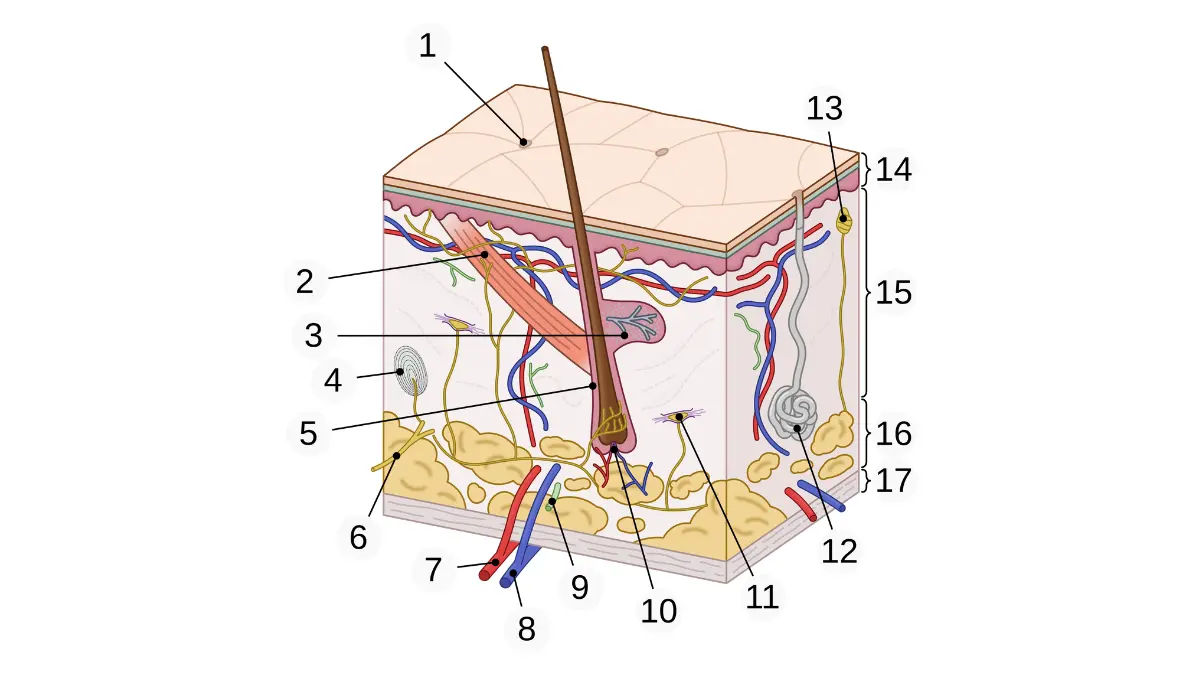
Not all melanoma risk is equal. Identifying your specific risk factors helps you prioritize which prevention strategies matter most for you.
Genetic and Biological Risk Factors
- Fair skin (Fitzpatrick Type I–II): Burns easily, rarely tans; highest UV sensitivity of all skin types
- Red or blond hair, blue or green eyes, heavy freckling
- 50 or more moles on the body — each additional atypical mole elevates risk
- High-penetrance gene mutations: CDKN2A, CDK4, and BAP1 confer substantial hereditary risk; MC1R variants affect UV sensitivity and DNA repair efficiency
- Childhood blistering sunburns — especially before puberty — significantly increase adult melanoma risk
- Immunosuppression: Organ transplant recipients, people living with HIV, and patients on long-term immunosuppressive therapy face elevated risk
If you have a strong family history of skin cancer, use our free Genetic Risk Assessment Tool to evaluate your inherited risk profile before consulting a specialist. For a deeper dive into genetics, read our guide: Is Melanoma Hereditary?
Behavioral Risk Factors
| Risk Behavior | Melanoma Risk Increase |
|---|---|
| Indoor tanning before age 35 | 75% increased risk |
| Any lifetime tanning bed use | Significantly elevated |
| Severe sunburn history | Approximately 2× baseline risk |
| No daily sunscreen use | Cumulative lifetime risk elevation |
| Outdoor work without UV protection | Substantially elevated |
A Critical Gap: Melanoma in Skin of Color
Mainstream prevention messaging disproportionately focuses on fair-skinned individuals. People with darker skin tones can and do develop melanoma — often in non-sun-exposed areas including the palms, soles, nail beds (subungual melanoma), and mucosal tissues.
These subtypes are frequently diagnosed at later stages, contributing to significantly worse outcomes. Prevention and regular self-examination apply to every skin tone, without exception.
The 5-Pillar Sun Safety System That Actually Prevents Melanoma
This is where prevention becomes actionable. The American Academy of Dermatology and international dermatology organizations consistently agree: a multi-layered approach is far more effective than any single measure.
Pillar 1 — Sunscreen: The Right Product, Applied the Right Way
Most people apply sunscreen incorrectly. Here is the science-backed protocol:
- Use broad-spectrum SPF 30 or higher — this protects against both UVA and UVB rays
- The Melanoma Institute Australia recommends SPF 50+ for high-risk individuals and extended outdoor exposure
- Apply 1 ounce (a full shot glass) to cover the entire body — most people use only 25–50% of the required amount
- Reapply every 2 hours, and immediately after swimming or sweating
- Do not miss: scalp, tops of ears, back of neck, tops of feet, and under the chin
- Critical nuance: UVA rays maintain the same intensity throughout the entire day. Unlike UVB, they do not peak at noon — meaning morning and afternoon sun exposure carries real UV damage risk too
| SPF Level | UVB Blocked | Best For |
|---|---|---|
| SPF 15 | 93% | Minimal daily incidental exposure |
| SPF 30 | 97% | Standard everyday outdoor activity |
| SPF 50 | 98% | Extended outdoor exposure |
| SPF 50+ | 98%+ | High-risk individuals, beach, snow, altitude |
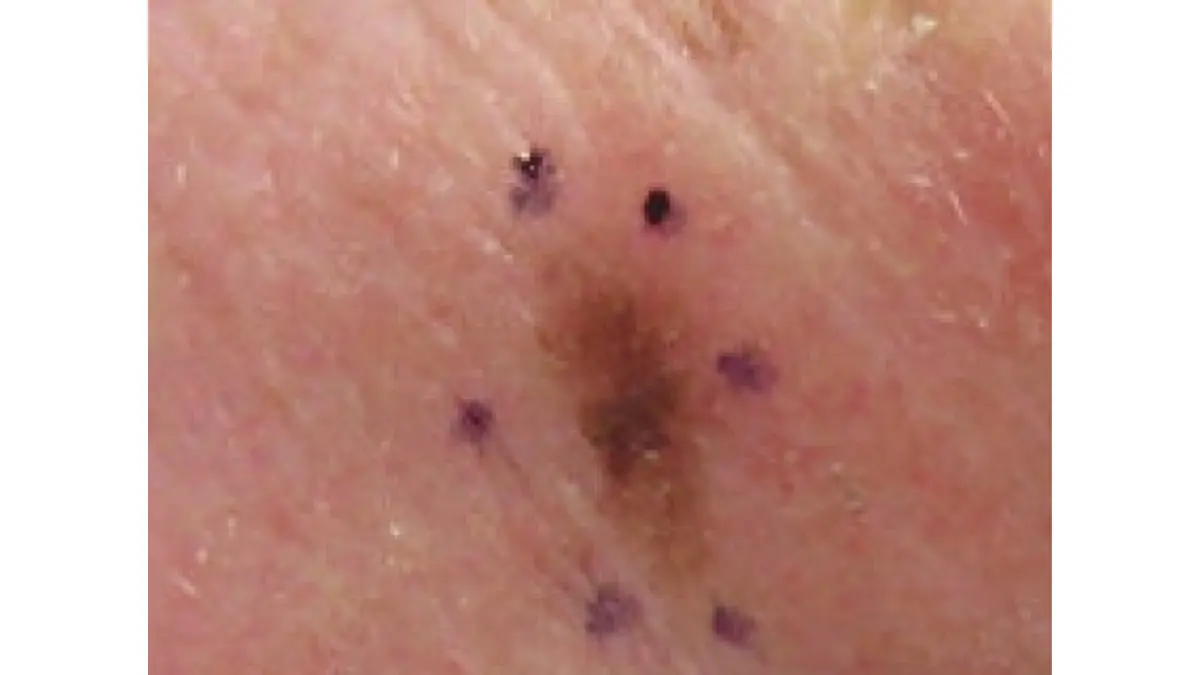
Pillar 2 — UV-Protective Clothing
Clothing provides consistent, unwavering protection — unlike sunscreen, it does not wear off.
- Look for garments with a UPF (Ultraviolet Protection Factor) rating — UPF 50 allows only 1/50th of UV radiation to reach the skin
- Wide-brim hats (3 inches or more) protect the face, ears, and neck
- Wrap-around UV-blocking sunglasses protect eyes and the sensitive periorbital skin
- Lightweight long-sleeve shirts provide effective UV coverage even in summer heat
Pillar 3 — UV Index Monitoring
The UV Index is a daily numerical forecast of UV radiation intensity. When it reaches 3 or above, sun protection is required — regardless of temperature, season, or cloud cover.
- Download a free UV tracking app such as SunSmart to check daily forecasts
- 80% of UV radiation penetrates cloud cover — overcast days are not safe days
- UV reflects and amplifies off water, snow, sand, and concrete surfaces
Staying well hydrated also supports your skin’s barrier function. Track your optimal daily fluid intake with our Water Intake Calculator.
Pillar 4 — Shade Strategy and Smart Timing
- UV radiation peaks between 10 AM and 4 PM — schedule outdoor activities in the early morning or evening when possible
- Use the shadow rule: if your shadow is shorter than your height, seek shade immediately
- Shade is not a complete shield — UV reflects off nearby surfaces and reaches the skin at angles
Pillar 5 — Eliminate Indoor Tanning. Completely.
There is no medically acceptable dose of indoor tanning.
- The World Health Organization classified UV tanning devices as a Group 1 carcinogen in 2009
- Just one indoor tanning session increases melanoma risk
- Using a tanning bed before age 35 increases melanoma risk by 75%
- An estimated 11.3 million Americans still tan indoors annually
For a full evidence summary on UV damage, read our guide on sunburn and melanoma risk.
Beyond Sunscreen — The Lifestyle Medicine Approach to Melanoma Prevention
This section covers the most underreported dimension of melanoma prevention — and the one that gives this guide a genuine edge over every major competitor.
A landmark peer-reviewed review (PMC Lifestyle Medicine Journal, February 2026) confirmed that alcohol intake, sleep disruption, dietary quality, body weight, and physical activity patterns all independently modify melanoma risk through immune surveillance, oxidative stress, and systemic inflammation pathways.
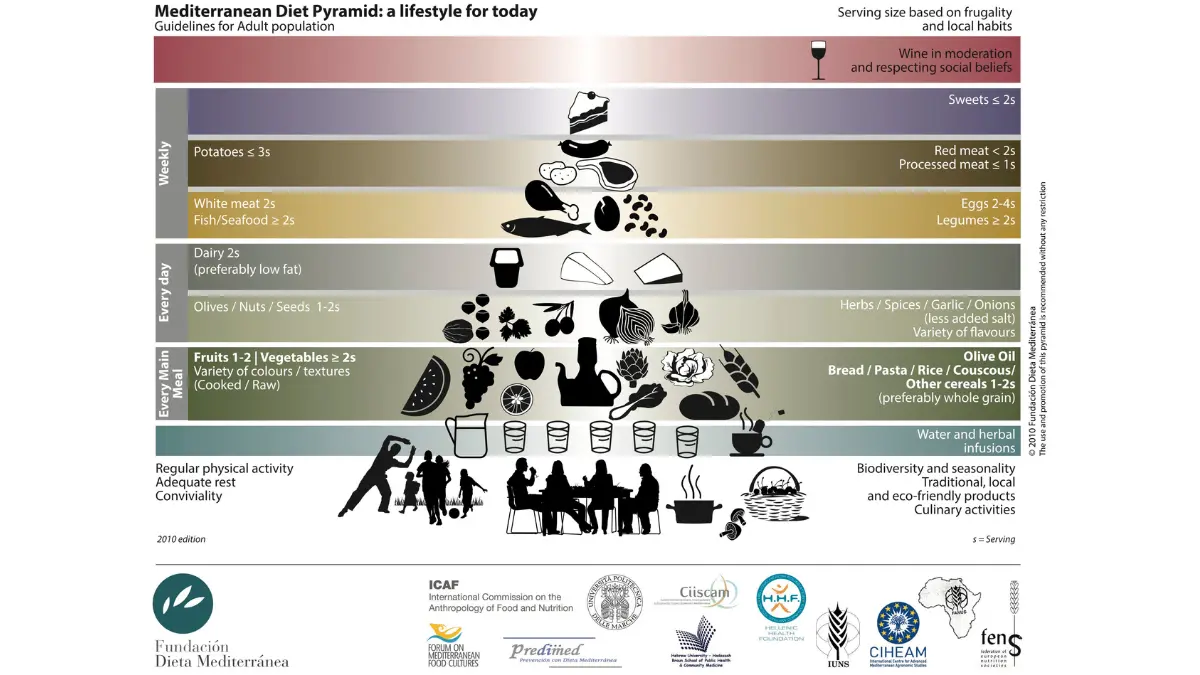
Figure: The Mediterranean Diet Food Pyramid — a dietary pattern clinically associated with up to 50% reduction in melanoma incidence, built around antioxidant-rich plant foods, omega-3 fatty acids, cruciferous vegetables, and anti-inflammatory nutrients that support skin immune surveillance. Adapted from Wikimedia Commons, Mediterranean diet food pyramid (en).jpg, licensed under Public domain.
The Anti-Melanoma Diet
Nutrition science has identified powerful — and largely unknown — connections between specific foods and melanoma risk reduction.
Key research findings:
- Mediterranean diet: A study of 600+ individuals in Italy found those following the Mediterranean diet had 50% lower melanoma incidence compared to those who did not (J Nutr, 2015). The diet emphasizes antioxidants, omega-3 fats, polyphenols, and cruciferous vegetables.
- Omega-3 fatty acids (EPA/DHA): Higher fish intake is associated with up to 40% lower melanoma risk. One large prospective study found EPA-DHA dietary intake linked to an 80% reduction in melanoma risk.
- Nicotinamide (Vitamin B3): Research by Dr. Diona Damian and colleagues (Australia) found nicotinamide supplementation reduced skin precancers and basal cell carcinomas by 23% — with early positive signals for melanoma as well.
- Cruciferous vegetables: Isothiocyanates found in broccoli and cauliflower have been shown to decrease melanoma cell growth and promote apoptosis in laboratory models.
According to Dana-Farber Cancer Institute, selenium-rich foods (Brazil nuts, fish, whole grains) may also reduce melanoma risk through antioxidant mechanisms, while carotenoids and vitamins C and E help neutralize UV-induced free radical damage.
Top anti-melanoma nutrients and food sources:
| Nutrient | Best Food Sources | Key Evidence |
|---|---|---|
| Omega-3 (EPA/DHA) | Salmon, mackerel, sardines | 40–80% risk reduction (epidemiological data) |
| Selenium | Brazil nuts, scallops, barley | Antioxidant; supports DNA repair |
| Nicotinamide (B3) | Chicken, turkey, peanuts | 23% reduction in skin precancers |
| Carotenoids | Carrots, sweet potato, tomatoes | Photoprotective antioxidant properties |
| Isothiocyanates | Broccoli, cauliflower, cabbage | Promotes melanoma cell apoptosis (lab studies) |
| Vitamin D | Fatty fish, fortified dairy, mushrooms | Low levels linked to worse melanoma prognosis |
For personalized daily protein and nutrient targets to support immune function, use our Protein Intake Calculator. For a comprehensive evidence-based diet guide, the Skin Cancer Foundation’s nutrition resource is a verified, authoritative reference.
The Vitamin D Paradox
Here is a nuance almost no prevention guide addresses: low serum vitamin D levels are independently associated with increased melanoma risk AND worse survival outcomes at diagnosis. Yet strict sun avoidance — essential for melanoma prevention — can deplete vitamin D stores.
The practical solution:
- For most people, incidental daily sun exposure (walking to the car, doing yard work for 10–15 minutes) maintains adequate vitamin D without the risk of deliberate tanning
- Ask your physician to test serum 25(OH)D levels annually, especially if you follow strict sun avoidance
- If deficient, dietary sources and supplementation are effective and safe alternatives to UV exposure
Sleep, Exercise, and Immune Surveillance
Your immune system — specifically natural killer (NK) cells — acts as a frontline defense against abnormal cell growth, including early-stage melanoma.
- Chronic sleep deprivation impairs NK cell activity and reduces immune surveillance efficiency. Establish your optimal sleep window with our free Sleep Calculator.
- Exercise timing matters: Avoid high-intensity outdoor workouts between 10 AM and 4 PM. Track safe cardio zones with our Heart Rate Zone Calculator.
- Systemic inflammation linked to excess body weight is an emerging melanoma risk modifier. Assess your current status with our BMI Calculator.
Alcohol and Melanoma
Regular alcohol consumption impairs immune surveillance, elevates oxidative stress, disrupts circadian rhythm, and promotes systemic inflammation — all pathways implicated in melanoma pathogenesis. Reducing alcohol intake is a modifiable prevention factor most general prevention guides do not address.
The ABCDE Rule — How to Spot Melanoma Before It Becomes Deadly
Effective prevention also means catching melanoma at the earliest possible stage, when it is most curable.
Why early detection changes everything:
- 5-year survival for localized melanoma: greater than 99%
- 5-year survival for distant/metastatic melanoma: approximately 35%
- More than 90% of melanoma treatment costs are associated with advanced-stage disease
- Less than half of US melanomas are initially diagnosed by dermatologists — most are found by patients themselves during routine self-checks
The ABCDE Rule: Your Monthly Self-Check Tool
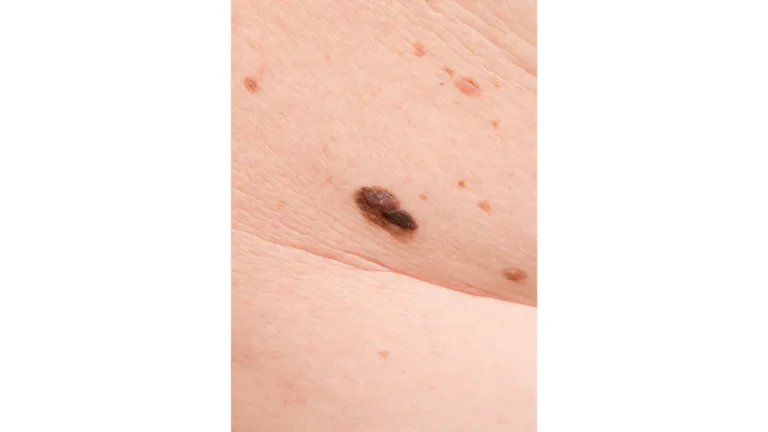
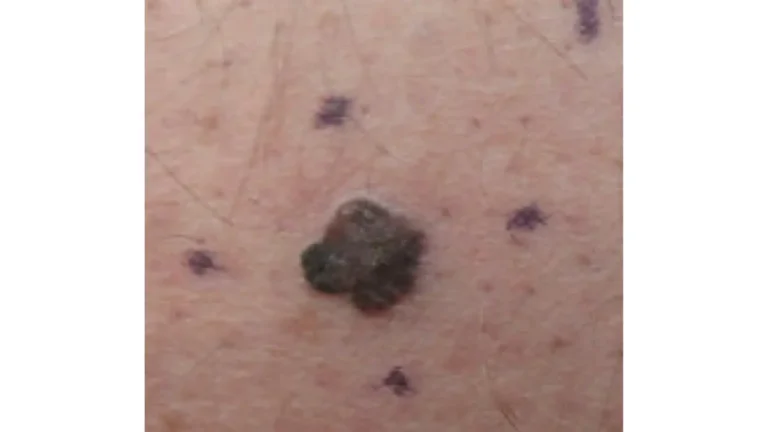
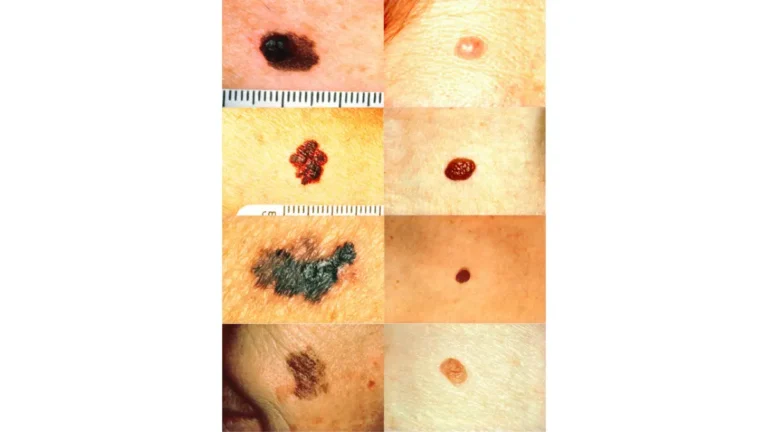
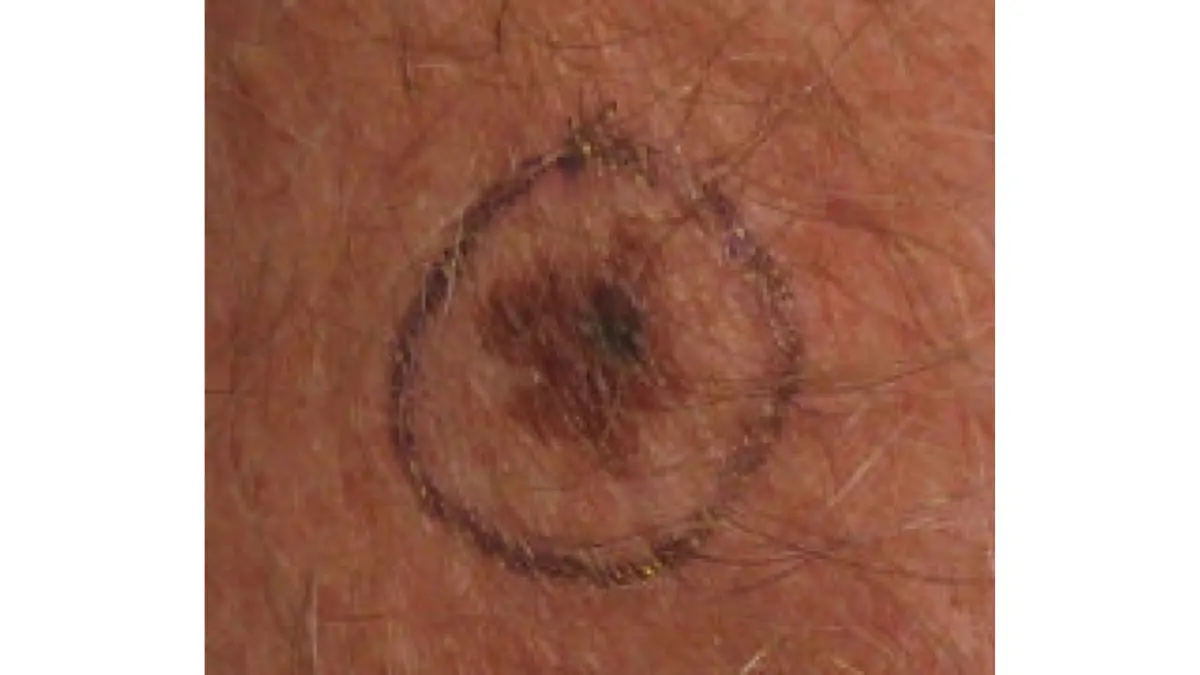
The American Academy of Dermatology’s ABCDE system defines five key warning signs:
| Letter | Meaning | What to Look For |
|---|---|---|
| A — Asymmetry | One half does not match the other | Uneven shape when divided by an imaginary center line |
| B — Border | Irregular, scalloped, or notched edges | Ragged, blurry, or poorly defined perimeter |
| C — Color | Multiple shades within one lesion | Tan, brown, black, red, white, or blue tones |
| D — Diameter | Larger than 6mm (some as small as 5mm) | Size of a pencil eraser or larger — any growing lesion |
| E — Evolution | Any change over time | New bleeding, itching, crusting, or change in size, shape, or color |
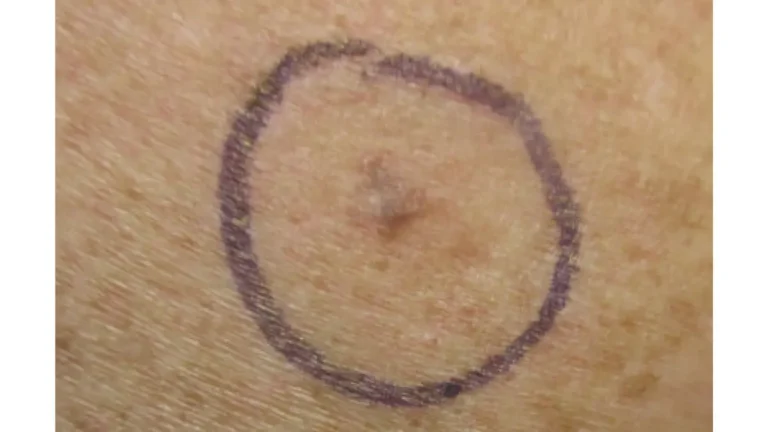
“E” for Evolution is clinically the most critical sign. A mole that appears unusual but remains completely unchanged over months is often benign. A mole that is actively changing in any way demands prompt dermatologist evaluation.
Monthly Self-Exam Protocol
According to AIM at Melanoma, a systematic monthly full-body self-examination is among the most powerful early-detection tools available to the general public.
Step-by-step process:
- Stand in a well-lit room with a full-length mirror
- Use a handheld mirror for hard-to-see areas: back, scalp, behind ears
- Examine face, scalp (part hair in sections), neck, chest, and abdomen
- Check your back, buttocks, and the backs of both legs
- Inspect your palms, soles, between toes, and under fingernails and toenails
- Photograph any unusual spots monthly for easy comparison
- Note any spot that looks different from all others on your body — the “ugly duckling” sign
See a dermatologist immediately if you notice:
- Any mole exhibiting one or more ABCDE signs
- A spot that bleeds, itches, burns, or fails to heal
- Any new dark area under a nail without injury
For a detailed visual reference, see our guide on melanoma warning signs and the ABCDE rule.
Who Should Consider Genetic Testing?
Formal genetic counseling may be warranted if you have:
- Three or more blood relatives with a melanoma diagnosis
- A personal history of two or more primary melanomas
- A family pattern of melanoma combined with pancreatic cancer (linked to CDKN2A mutation)
Use our Genetic Risk Assessment Tool to evaluate your family history profile before your specialist consultation.
Your 7-Day Melanoma Prevention Action Plan + Special Population Guidance
Special Populations: Tailored Prevention Guidance
Children and Teenagers Blistering sunburn before puberty is one of the strongest predictors of adult melanoma risk. Children under 6 months should be kept out of direct sunlight entirely. After 6 months, apply SPF 50+ before outdoor play. Model consistent sun-protective behavior early — the habits formed in childhood persist for life.
People with Darker Skin Tones UV protection is essential regardless of skin tone. Pay particular attention to non-sun-exposed areas — palms, soles, nail beds, and mucous membranes — where melanoma in darker-skinned individuals is most commonly found, and most often diagnosed late.
Immunocompromised Individuals Organ transplant recipients, people living with HIV, and those on long-term immunosuppressive medications face substantially elevated melanoma risk. Annual full-body dermatology exams are strongly recommended for this group.
Melanoma Survivors After a prior melanoma diagnosis, sun avoidance becomes even more critical. Annual whole-body skin exams with a dermatologist are standard of care. Diet quality, sleep, and weight management — all modifiers of immune function — become especially important during survivorship.
Your 7-Day Melanoma Prevention Start Plan
| Day | Action |
|---|---|
| Day 1 | Purchase broad-spectrum SPF 50+ sunscreen and apply it today — full 1oz dose |
| Day 2 | Download a UV Index app; check your local UV forecast before going outdoors |
| Day 3 | Perform a full ABCDE self-exam head to toe; photograph any unusual spots |
| Day 4 | Add one anti-melanoma food to your diet this week: fatty fish, broccoli, or Brazil nuts |
| Day 5 | Optimize your sleep schedule and check your BMI — both affect immune surveillance |
| Day 6 | Call your dermatologist to schedule an annual full-body skin exam |
| Day 7 | Review your family history and complete our Genetic Risk Assessment Tool if relevant |
What This Means For You
Preventing melanoma is not about living in fear of the outdoors. It is about five consistent, daily behaviors — smart sunscreen use, protective clothing, UV awareness, antioxidant-rich nutrition, and monthly self-checks — that collectively reduce your risk substantially.
Dr. Susan Swetter, Professor of Dermatology at Stanford University, has stated: “Sunscreen remains our best prevention along with protective sun behaviors and clothing, particularly in individuals with light skin who are at highest risk for melanoma.”
For current 2026 incidence data, trend analysis, and demographic breakdowns, visit our Melanoma Statistics 2026 resource. For a verified government-level reference on UV protection and skin cancer prevention science, the National Library of Medicine’s melanoma prevention guide is a comprehensive, peer-reviewed resource.
For an overview of how melanoma treatment has evolved alongside prevention strategies, the American Cancer Society’s melanoma prevention page provides regularly updated clinical guidance.
⚠️ Medical Disclaimer: This article is intended for educational and informational purposes only. It does not constitute medical advice, diagnosis, or treatment. Always consult a qualified dermatologist or licensed healthcare provider for personalized skin health evaluation and guidance.
Frequently Asked Questions About Melanoma Prevention
Q1. Can melanoma be 100% prevented?
Not entirely. Non-UV melanoma subtypes — acral and mucosal — cannot be prevented through sun protection. However, because approximately 90% of melanomas are UV-related, consistent sun safety dramatically reduces overall risk for most people.
Q2. What SPF should I use to prevent melanoma?
Use broad-spectrum SPF 30 as a daily minimum. For extended outdoor activity, beach environments, or high-altitude settings, SPF 50+ is the recommended standard. Ensure the label reads “broad-spectrum” to confirm both UVA and UVB coverage.
Q3. Does sunscreen actually prevent melanoma?
Regular, correctly applied sunscreen significantly reduces UV-induced DNA damage in skin cells. Large-scale studies from Norway and Australia confirm that consistent adult sunscreen use reduces melanoma incidence. It works best as part of a multi-layered approach that also includes clothing, shade, and UV monitoring.
Q4. What foods reduce melanoma risk?
Foods richest in omega-3 fatty acids (salmon, mackerel), selenium (Brazil nuts), carotenoids (carrots, sweet potato), and cruciferous vegetables (broccoli, cabbage) are associated with reduced melanoma risk in multiple epidemiological studies. The Mediterranean diet as a whole has shown a 50% melanoma risk reduction in one large observational study.
Q5. How often should I check my skin for melanoma?
Perform a full-body self-exam once per month. See a board-certified dermatologist for a professional full-body skin exam at least annually — more frequently if you have multiple risk factors.
Q6. Can people with dark skin get melanoma?
Yes. While melanoma rates are higher in fair-skinned individuals, people of all skin tones can develop it. In darker skin tones, it commonly appears on palms, soles, and under nails — areas frequently missed in standard self-exams. Regular monthly checks matter for every skin tone.
Q7. Is one indoor tanning session actually dangerous?
Yes. Even one session increases melanoma risk. Using a tanning bed before age 35 raises the risk by 75%, according to multiple systematic reviews and meta-analyses. UV tanning devices are classified as Group 1 carcinogens by the World Health Organization — the same category as tobacco.
Q8. At what age should I start melanoma prevention?
From birth. Childhood UV exposure and blistering sunburns are among the strongest long-term melanoma risk predictors. Sun-protective habits established in early childhood are among the most impactful prevention strategies available across a lifetime.
Q9. Can vitamin D supplements replace sun exposure for melanoma patients?
For the majority of people, dietary vitamin D and supplementation effectively maintain adequate serum levels without UV exposure. Annual blood testing of 25(OH)D is recommended — especially for individuals following strict sun avoidance protocols.
Q10. What is the ABCDE rule for melanoma?
The ABCDE rule is a dermatologist-developed detection mnemonic: Asymmetry, Border irregularity, Color variation, Diameter greater than 6mm, and Evolution (any change in the lesion). “E” for Evolution is considered the most clinically significant warning sign in current practice.
Q11. Is melanoma hereditary — should I get genetic testing?
Some melanoma cases are hereditary, particularly those linked to CDKN2A, CDK4, MC1R, and BAP1 mutations. Genetic counseling is advisable if three or more blood relatives have been diagnosed with melanoma, or if you have a personal history of multiple primary melanomas. Start with our free Genetic Risk Assessment Tool to evaluate your family risk profile before a specialist referral.
About this content
How this article was put together: researched from recognised health sources, drafted with the help of AI tools, and edited by hand, with sources linked throughout.

Sameer Patel is the founder and editor of My Medicine Advisor. He is not a doctor or medical professional — before starting this site he worked in banking,…
Medical disclaimer
The content on MyMedicineAdvisor is provided for general informational and educational purposes only and is not a substitute for professional medical advice, diagnosis, or treatment. Health information on this website should not be used to diagnose, treat, cure, or prevent any condition without guidance from a qualified healthcare professional. Always seek the advice of your doctor, physician, or another licensed healthcare provider with any questions you may have regarding a medical condition, symptoms, medications, or treatment decisions.