
On This Page – Quick Medical Summary
David, a 54-year-old firefighter from Phoenix, was diagnosed with Stage III melanoma in late 2023. Alongside his immunotherapy schedule, his oncologist referred him to a registered dietitian. Over the next eight months, David shifted to a Mediterranean-pattern diet — wild salmon, legumes, dark leafy greens, and olive oil. His oncologist called his treatment response “notably strong.”
His experience aligns with emerging science.
The direct answer: The best melanoma diet centers on anti-inflammatory whole foods — leafy greens, fatty fish, berries, whole grains, and legumes — while avoiding processed meats, alcohol, refined sugars, and high-saturated-fat foods. For patients currently on immunotherapy, your dietary choices may directly influence treatment outcomes.
2026 Research Alert: A landmark 2023 JAMA Oncology cohort study found that melanoma patients following fiber-rich dietary patterns had significantly better progression-free survival on immune checkpoint inhibitor therapy — a finding barely covered by any consumer health site.
Before diving into dietary strategies, get a full picture of your condition with our comprehensive guide to melanoma symptoms, stages, and treatment options.
Why Diet Directly Affects Melanoma — The Science in Plain English
How UV Damage Creates the Problem Your Diet Can Help Solve
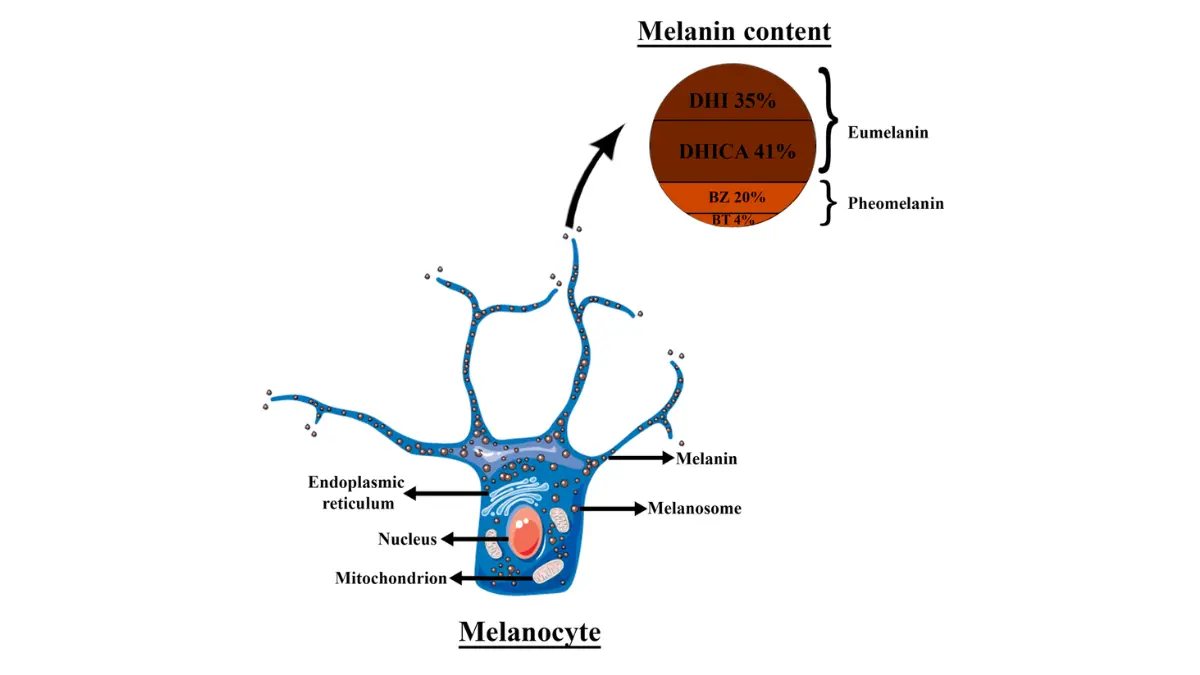
UV radiation triggers a destructive chain reaction inside skin cells. It generates free radicals — unstable oxygen molecules that cause oxidative stress, damage cellular DNA, and create mutations in melanocytes, the cells responsible for skin pigment.
Over time, unchecked oxidative damage dramatically increases melanoma risk. Dietary antioxidants from foods like berries, tomatoes, and green tea help neutralize these free radicals before they cause lasting harm.
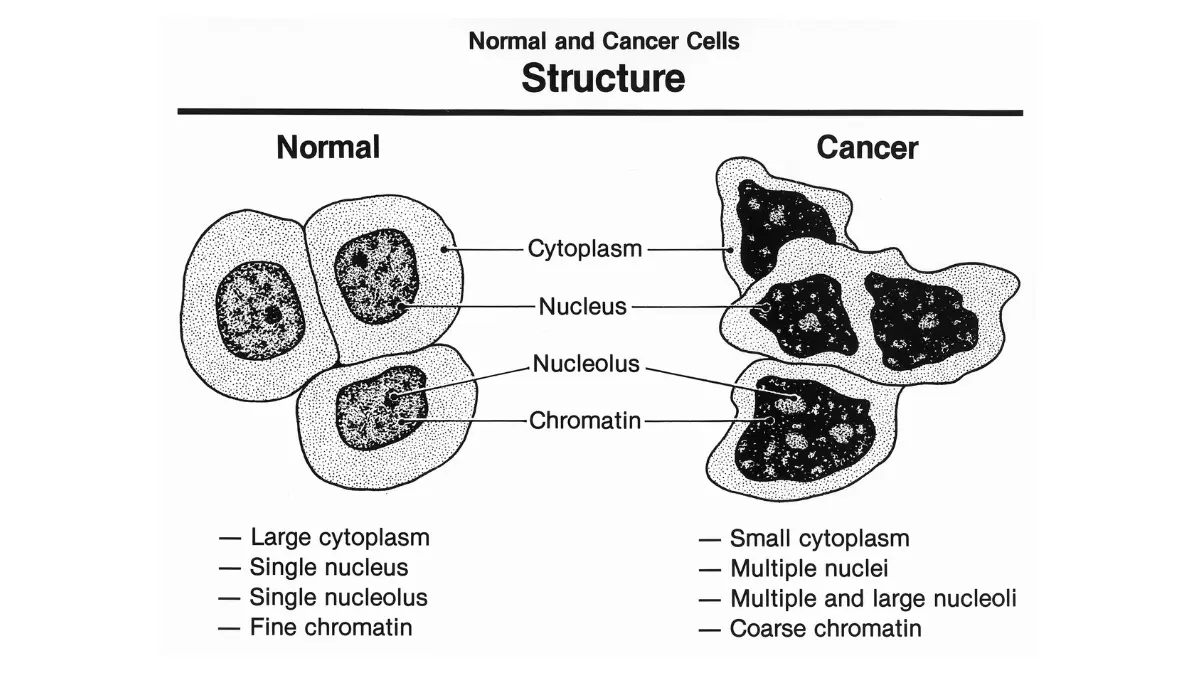
According to NCI SEER data, over 100,000 Americans receive a new invasive melanoma diagnosis annually — a 27% increase between 2013 and 2023. While UV exposure remains the primary risk factor, diet is now recognized as a meaningful secondary lever for both prevention and treatment support.
The Gut-Skin Axis: Your Microbiome and Melanoma Treatment
This is the connection your oncologist may not have mentioned yet.
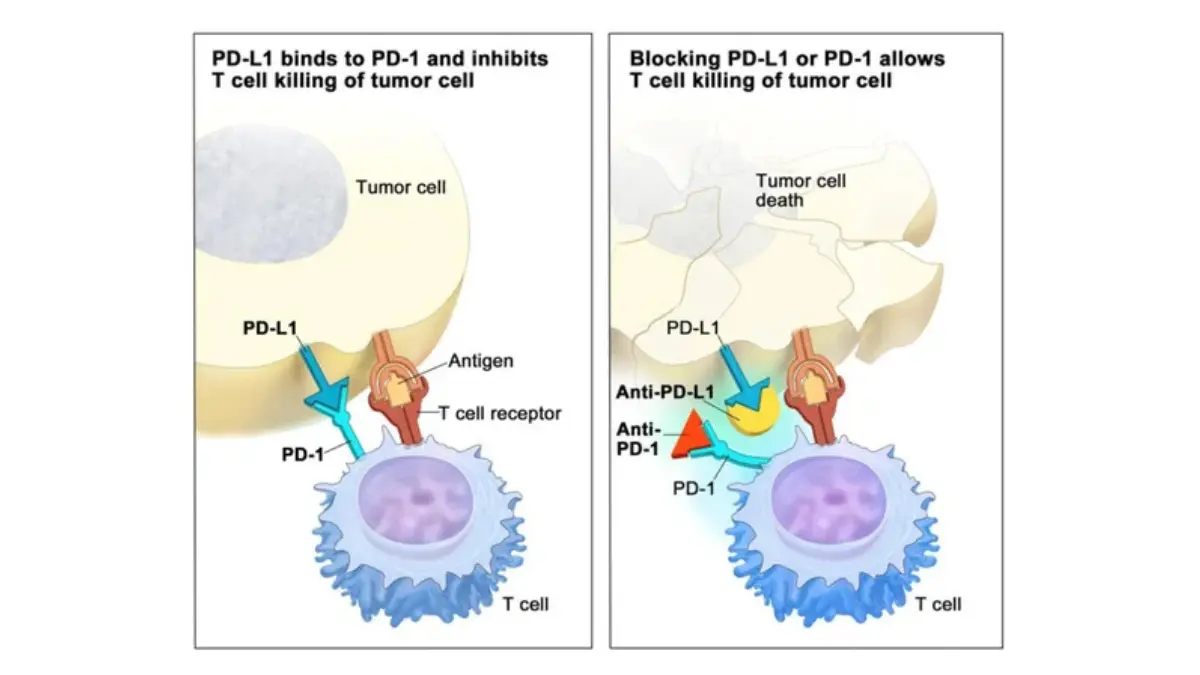
Your gut microbiome — the trillions of bacteria living in your digestive system — directly regulates immune function. And your immune system is precisely the target of modern melanoma immunotherapy. When gut microbiome diversity is high, T-cell activation is stronger. When it’s low, cancer cells face weaker immune resistance.
Research from MD Anderson Cancer Center, highlighted by the Melanoma Research Alliance, confirms that patients with higher gut microbiome diversity showed stronger anti-tumor immune responses. Gut diversity is built through dietary diversity — specifically, eating 30+ different plant food varieties per week.
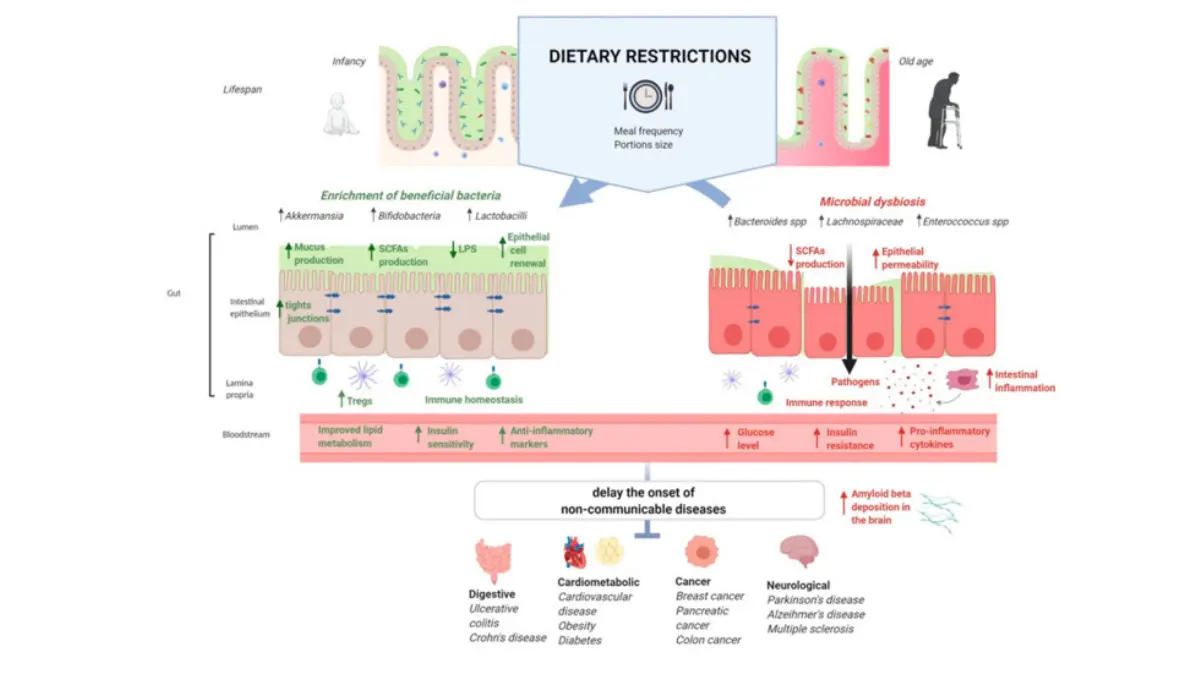
What This Means For You: Rotating through a wide variety of fruits, vegetables, whole grains, nuts, seeds, herbs, and legumes directly supports the gut environment needed for stronger melanoma immunity. Use our Genetic Risk Assessment Tool to understand your personal risk profile and how genetics interacts with lifestyle factors.
10 Best Foods for Melanoma Patients — Evidence-Based Power List
The Mediterranean Pattern: The Most Powerful Anti-Melanoma Diet
In a study of over 600 participants in Italy, those adhering to the Mediterranean diet had roughly 50% lower melanoma incidence compared to non-adherents. The Skin Cancer Foundation now formally recommends this pattern for skin cancer prevention.
Retinol-rich foods deserve specific attention. Research reviewed by Dana-Farber Cancer Institute found that higher dietary retinol intake — from food, not supplements — was associated with a 20% reduced melanoma risk.
A 2025 narrative review published in PMC / NCBI confirmed that Mediterranean and DASH dietary patterns are the two most evidence-supported approaches for melanoma prevention and survivorship currently available.
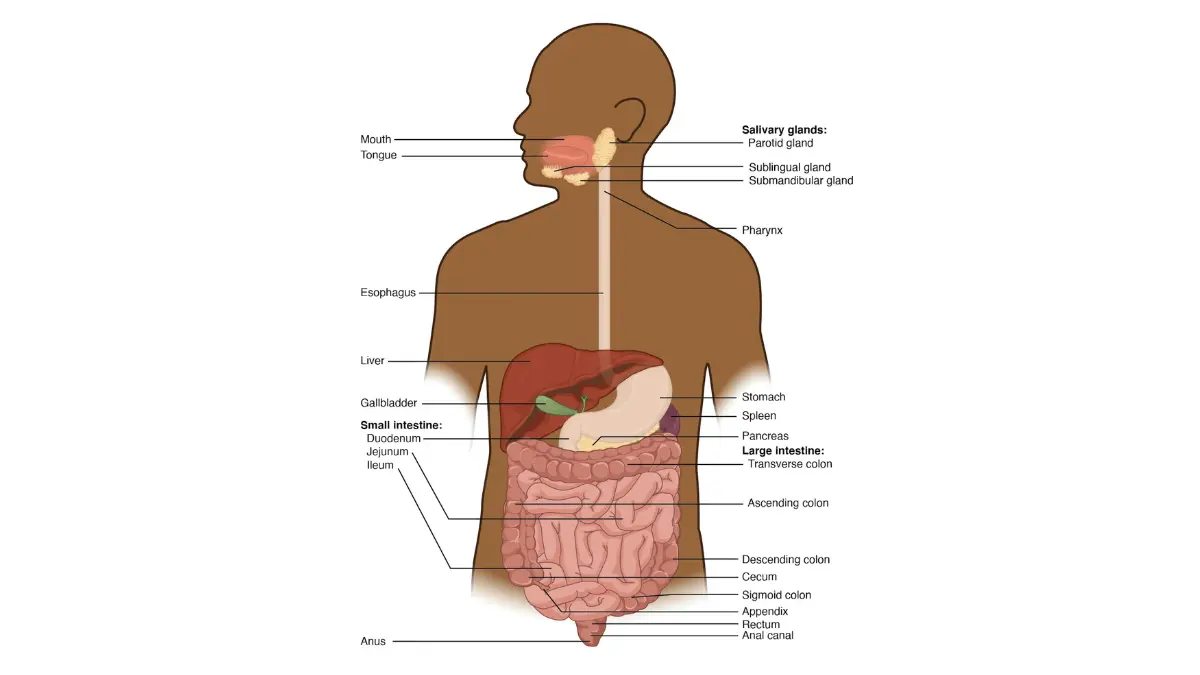
The 10 Best Foods for Melanoma Patients
| Food | Key Nutrient | Primary Benefit | Evidence Level |
|---|---|---|---|
| Wild salmon & sardines | Omega-3, Vitamin D | Reduces inflammation, immune support | Strong |
| Dark leafy greens (spinach, kale) | Retinol, Selenium | 20% reduced melanoma risk | Moderate–Strong |
| Cooked tomatoes | Lycopene | UV damage protection | Moderate |
| Brazil nuts (1–2/day only) | Selenium | Antioxidant, immune regulation | Moderate |
| Blueberries & raspberries | Polyphenols, Vitamin C | Free radical neutralization | Moderate |
| Broccoli & cauliflower | Sulforaphane | Anti-tumor gene expression | Emerging |
| Green tea (2–3 cups/day) | EGCG polyphenols | Melanoma cell inhibition (early data) | Preliminary |
| Oats, barley, whole grains | Fiber, Selenium | Microbiome diversity, gut-immune axis | Moderate |
| Extra virgin olive oil | Oleocanthal | Anti-inflammatory phenolic compounds | Strong |
| Lentils & chickpeas | Fiber, Zinc | Gut microbiome diversity support | Moderate |
Action Step: Focus on food variety over volume. Rotating protein between wild salmon, sardines, and eggs three times a week simultaneously covers vitamin D, omega-3 fatty acids, and retinol needs — three critical nutrients for melanoma patients.
Foods Melanoma Patients Must Avoid — And Why Each One Matters
No single food causes melanoma. But the following dietary choices create internal conditions — chronic inflammation, gut dysbiosis, immunosuppression — that allow melanoma to grow faster, spread more easily, or respond poorly to treatment.
Critical Foods to Avoid
| Food or Category | Why It’s Harmful | Risk Level |
|---|---|---|
| Processed & cured meats | Nitrosamines, pro-inflammatory saturated fat | High |
| Alcohol | Immunosuppression, gut microbiome disruption | High |
| Refined sugar & white carbs | Fuels tumor glucose metabolism | Moderate–High |
| High-saturated-fat diet (BRAF+ patients) | Accelerates tumor growth in ~60% of cases | High |
| Single-strain probiotic supplements | Worsened immunotherapy outcomes (MD Anderson data) | High during ICI therapy |
| High-dose antioxidant supplements | May blunt treatment mechanisms | Moderate–High |
| Excess butter & red meat | Disrupts gut microbiome diversity | Moderate |
⚠️ The Supplement Warning Most Melanoma Patients Never Hear
This is the most important safety message in this entire article.
High-dose antioxidant supplements — Vitamin C, Vitamin E, and beta-carotene pills — can interfere with cancer treatment mechanisms that rely on controlled oxidative stress to destroy tumor cells. Getting antioxidants from whole foods is safe. Concentrated supplements during treatment are not, unless explicitly approved by your oncologist.
Always disclose every supplement you take before starting any of your melanoma treatment options. Your treatment plan may be directly affected.
⚠️ Probiotic Supplements vs. Probiotic Foods — A Critical Difference
According to Melanoma Focus, single-strain probiotic supplements push out microbiome diversity in the name of quantity — the opposite of what immunotherapy patients need. Whole food fermented sources — kefir, kimchi, sauerkraut, and live yoghurt — introduce multi-strain diversity and are generally beneficial.
Use our Symptom Checker to monitor any digestive changes when adjusting your diet alongside treatment.
The Melanoma Diet by Treatment Phase — What Changes and Why
Your dietary needs shift significantly depending on where you are in treatment. Here is what oncology dietitians recommend at each phase — a breakdown no competitor article currently provides.
Treatment-Phase Dietary Guide
| Treatment Phase | Dietary Priority | Eat More Of | Avoid |
|---|---|---|---|
| Pre-surgery | Anti-inflammatory load + protein building | Salmon, eggs, legumes, leafy greens | Alcohol, high-dose fish oil supplements |
| During Immunotherapy (ICIs) | Gut diversity + fiber richness | 30+ plant foods/week, fermented whole foods, whole grains | Probiotic supplements, high-dose antioxidant pills, alcohol |
| During BRAF Targeted Therapy | Low saturated fat, anti-inflammatory pattern | Mediterranean foods, legumes, oily fish | High-fat meals, processed meats |
| Post-treatment / Survivorship | Long-term inflammation control | Consistent Mediterranean pattern, berries, green tea | Ultra-processed food, excess alcohol |
The BRAF Mutation and Your Diet
Approximately 60% of melanomas carry a BRAF V600E mutation. High dietary saturated fat may accelerate tumor growth in these patients through lipid metabolism pathways. If you are being treated with BRAF-targeted therapy for melanoma, a low-saturated-fat Mediterranean-style diet is especially critical. Discuss this with your oncologist at your next appointment.
For patients on immunotherapy for melanoma, Moffitt Cancer Center recommends prioritizing protein and caloric adequacy above all other dietary goals. Do not restrict calories during active treatment — your immune system needs energy to mount a response.
Hydration During Treatment
The Princess Margaret Cancer Centre recommends 6–8 cups (1.5–2 litres) of fluid daily during melanoma treatment. Adequate hydration protects kidneys from medication-related damage and reduces treatment fatigue.
Calculate your personalized daily fluid target using our Water Intake Calculator. Know your exact protein requirements during treatment with our Protein Intake Calculator — protein needs rise significantly during cancer therapy.
3-Day Melanoma Diet Meal Plan (Oncology-Dietitian Style)
This anti-inflammatory 3-day plan is based on Mediterranean-pattern evidence and oncology dietitian guidelines. Always adjust portions with your registered dietitian — individual needs vary by treatment type, weight, and activity level.
Key Principle: Aim for 30+ different plant food varieties per week. This “30-for-diversity” strategy is now directly linked with better gut microbiome health and — critically — better immunotherapy response outcomes.
| Breakfast | Lunch | Dinner | Snack | |
|---|---|---|---|---|
| Day 1 | Oatmeal + blueberries + walnuts + green tea | Spinach salad + canned salmon + olive oil + whole grain bread | Grilled sardines + roasted broccoli + lentil soup | 2 Brazil nuts + orange |
| Day 2 | Spinach & tomato omelette + herbal tea | Lentil and vegetable soup + rye sourdough | Baked salmon + sweet potato + steamed kale | Chia pudding + raspberries |
| Day 3 | Live Greek yoghurt + mixed berries + flaxseed | Mediterranean grain bowl: chickpeas, tomatoes, cucumber, olive oil | Grilled mackerel + roasted cauliflower + quinoa | Avocado on whole grain toast |
Use our Free Macro Calculator to balance your carbohydrates, protein, and healthy fat ratios within this plan based on your specific treatment needs and weight goals.
Always work with a registered oncology dietitian before making significant dietary changes during active treatment.
What Oncologists Wish Every Melanoma Patient Knew About Diet
The Obesity Paradox in Melanoma — A 2025 Finding Most Sites Won’t Tell You
Here is a counterintuitive clinical finding that almost no consumer health website discusses.
A recent meta-analysis found that melanoma patients with higher BMI had better progression-free survival on ipilimumab (anti-CTLA4 immunotherapy). This “obesity paradox” does not mean weight gain is advised. It means extreme caloric restriction during active treatment is counterproductive and potentially harmful. Your body needs adequate energy reserves to fuel the immune response that immunotherapy depends on.
A 2025 integrative review published in the Journal of Clinical Medicine (MDPI) confirmed that diets rich in fermentable fibers and plant polyphenols — including Mediterranean-pattern and ketogenic-adjacent approaches — contribute to better metabolic reprogramming in immunotherapy-treated melanoma patients. Monitor your body composition throughout treatment using our BMI Calculator and flag any significant weight changes to your care team immediately.
5 Dietary Mistakes Oncologists Wish Melanoma Patients Would Stop Making
- Taking high-dose vitamin supplements without disclosing them. Every supplement must be declared to your oncologist before and during treatment.
- Using single-strain probiotic supplements during immunotherapy. This may actively reduce your treatment response.
- Starving themselves to “not feed the cancer.” Caloric restriction during active treatment weakens the immune response your therapy depends on.
- Cutting out all dietary fats. Healthy fats from olive oil, salmon, and avocado are essential for immune function and fat-soluble vitamin absorption — eliminating them is counterproductive.
- Following generic “cancer diet” advice. Melanoma has specific metabolic characteristics — particularly the BRAF-fat connection — that differ meaningfully from other cancers. Understanding your melanoma stages will help you contextualize how dietary choices apply to your specific situation.
When to Request an Oncology Dietitian Referral Immediately
Ask your care team for a referral if you experience any of the following:
- Unintentional weight loss greater than 5% of your body weight during treatment
- Inability to eat adequately for more than 48 hours
- Severe nausea preventing protein intake
- Major shifts in digestion, appetite, or taste perception
The NCI’s official nutrition guidance for cancer patients is an excellent, evidence-based resource to review with your care team before your next appointment.
Melanoma Diet: Frequently Asked Questions
Q1: What is the best diet for melanoma patients?
The Mediterranean diet — fish, legumes, olive oil, fruits, vegetables, and whole grains — is the most evidence-supported pattern, linked to better immunotherapy outcomes in a 2023 JAMA Oncology study.
Q2: What foods help fight melanoma?
Dark leafy greens, wild salmon, sardines, blueberries, cooked tomatoes, Brazil nuts, broccoli, green tea, lentils, and extra virgin olive oil are the most evidence-backed choices.
Q3: Can diet prevent melanoma from coming back?
No diet guarantees prevention of recurrence. However, consistent anti-inflammatory eating reduces systemic inflammation — a proven driver of cancer cell survival. Combined with sun protection, it is a meaningful long-term strategy.
Q4: Should melanoma patients take antioxidant supplements?
Not without explicit oncologist approval. High-dose antioxidant supplements (Vitamins C, E, beta-carotene) may interfere with certain melanoma treatment mechanisms. Get antioxidants from whole foods instead.
Q5: Is alcohol safe during melanoma treatment?
No. Alcohol suppresses immune function, increases oxidative stress, and significantly disrupts gut microbiome diversity — all directly counterproductive during melanoma treatment and recovery.
Q6: What should I eat during melanoma immunotherapy?
A fiber-rich, plant-diverse diet targeting 30+ plant food varieties per week. Prioritize fermented whole foods over probiotic supplements. Maintain adequate protein and caloric intake throughout treatment.
Q7: Is sugar bad for melanoma?
Excess refined sugar fuels tumor glucose metabolism and drives systemic inflammation. Eliminate added sugars and refined carbohydrates, but do not cut all carbs — whole grains and legumes provide essential fiber for gut health.
Q8: Can the Mediterranean diet improve melanoma outcomes?
Yes. The 2023 JAMA Oncology study linked Mediterranean diet adherence to better progression-free survival in advanced melanoma patients undergoing immune checkpoint inhibitor therapy.
Q9: What foods should melanoma patients avoid?
Processed meats, alcohol, high-sugar foods, high-saturated-fat meals (especially for BRAF+ patients), single-strain probiotic supplements during immunotherapy, and high-dose antioxidant supplements without oncologist approval.
Q10: Does gut health really affect melanoma treatment?
Significantly. Gut microbiome diversity is now directly linked to immunotherapy response. Diverse plant-based eating supports the immune activation that checkpoint inhibitor therapy depends on to work effectively.
Q11: How much protein does a melanoma patient need daily?
Protein requirements increase during cancer treatment, varying by weight, treatment type, and activity level. Use our Protein Intake Calculator as a starting point and confirm your specific targets with your oncology dietitian.
This article was reviewed for medical accuracy against peer-reviewed literature. It is for educational purposes only and does not constitute medical advice. Always consult your oncologist or a registered dietitian before making dietary changes during cancer treatment.
About this content
How this article was put together: researched from recognised health sources, drafted with the help of AI tools, and edited by hand, with sources linked throughout.

Sameer Patel is the founder and editor of My Medicine Advisor. He is not a doctor or medical professional — before starting this site he worked in banking,…
Medical disclaimer
The content on MyMedicineAdvisor is provided for general informational and educational purposes only and is not a substitute for professional medical advice, diagnosis, or treatment. Health information on this website should not be used to diagnose, treat, cure, or prevent any condition without guidance from a qualified healthcare professional. Always seek the advice of your doctor, physician, or another licensed healthcare provider with any questions you may have regarding a medical condition, symptoms, medications, or treatment decisions.