
On This Page – Quick Medical Summary
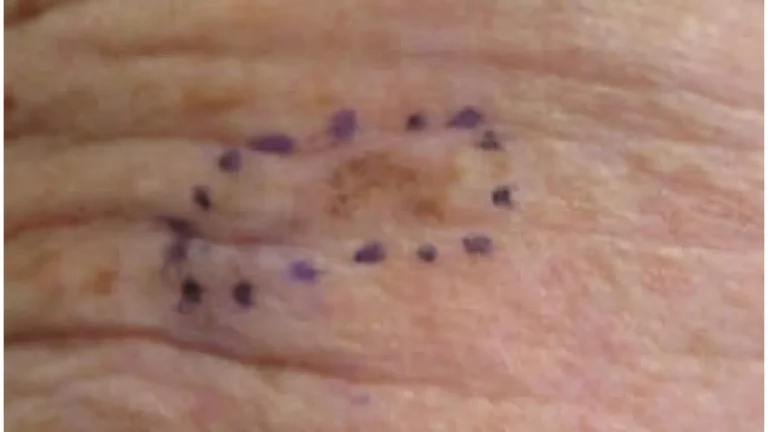
Melanoma during pregnancy is the most common cancer diagnosed in expecting mothers, accounting for nearly 31% of all cancers identified during gestation — yet most women don’t realize a changing mole on their belly could be life-threatening. According to a 2024 Mayo Clinic study published in NIH’s PMC database, the average age at diagnosis is just 31 years — squarely within prime childbearing years.
Natalie was 22 weeks pregnant when her OB dismissed a darkening mole on her thigh as “normal pregnancy pigmentation.” Six weeks later, a dermatologist diagnosed her with Stage II cutaneous melanoma. She was treated successfully — but the delay cost her valuable time.
If you’re pregnant and notice any mole changing, do not wait. This guide tells you exactly what to watch for, what’s safe to do, and what the real data says about your baby’s safety.
Why Melanoma During Pregnancy Is So Easy to Miss
The Skin Changes That Fool Everyone
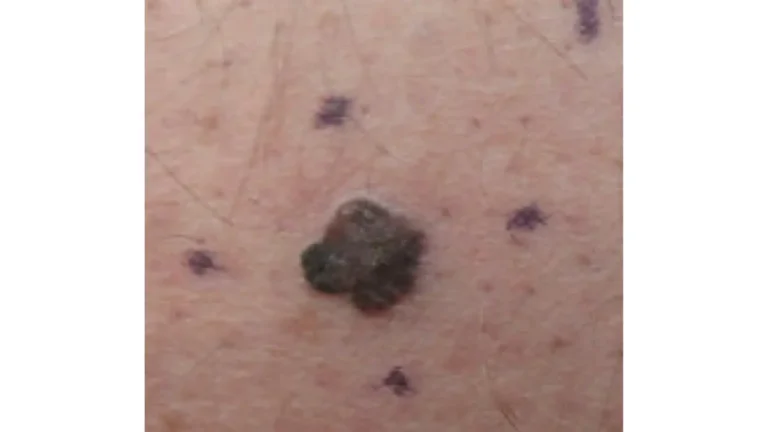
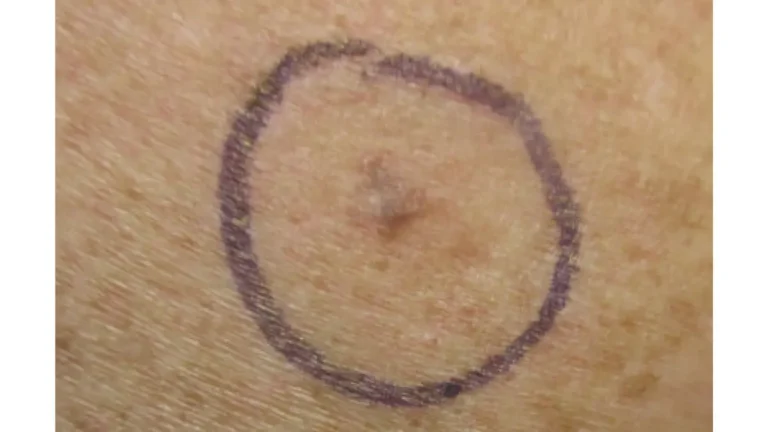
Pregnancy brings dramatic, visible skin changes. Linea nigra, melasma, darkening areolas, and expanding nevi are all considered “normal” — and that’s precisely the problem.
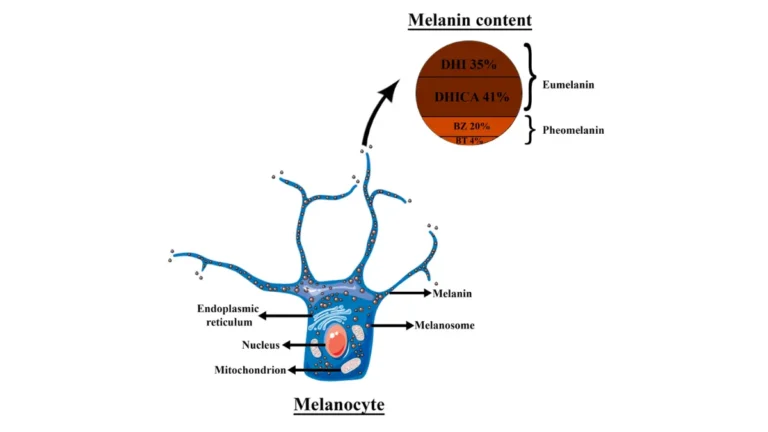
Studies show that diagnosis of pregnancy-associated melanoma (PAM) is delayed by an average of 3–6 months longer compared to non-pregnant patients. Both OB-GYNs and mothers themselves tend to attribute worrying changes to expected pregnancy shifts in melanin activity.
This delay is deadly. In early-stage melanoma, timely excision is essentially curative. In advanced stages, every delayed month matters significantly.
Does Pregnancy Actually Increase Melanoma Risk?
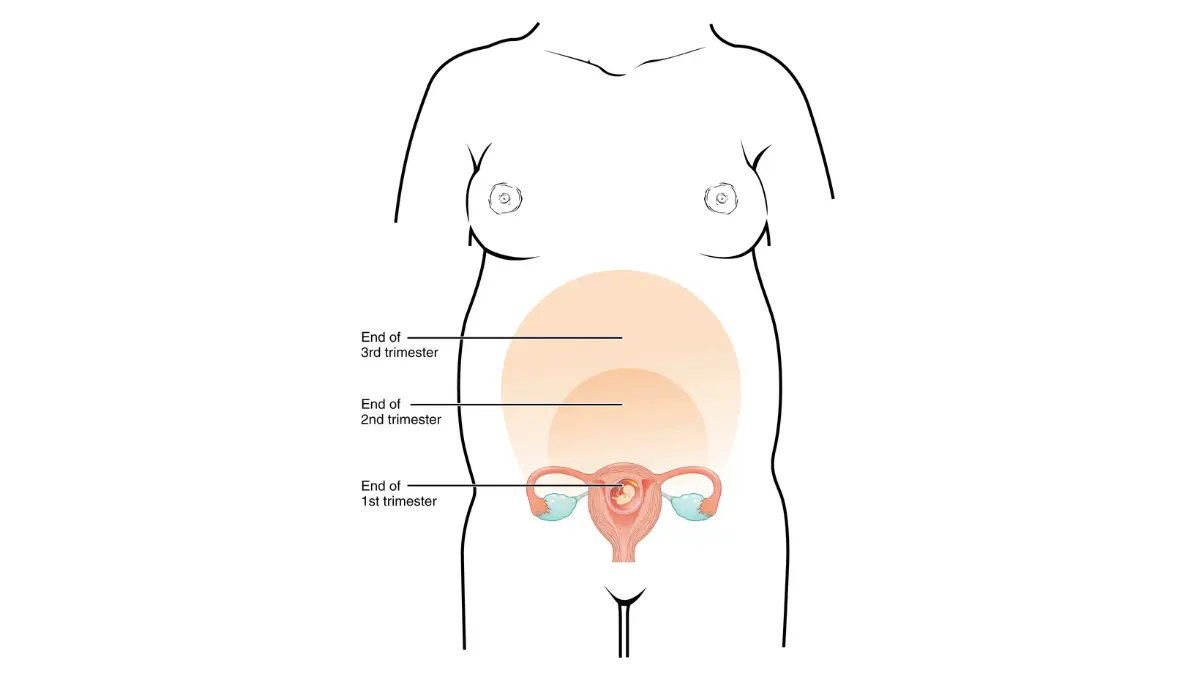
The clear answer: No. Pregnancy does not cause melanoma, nor does it automatically accelerate existing disease. Melanoma simply develops during a woman’s childbearing years because that’s statistically when most cases occur — one-third of all female melanoma diagnoses fall within childbearing age.
What pregnancy does change:
- The immune system shifts to protect the fetus, reducing maternal cancer surveillance
- Lymphangiogenesis (lymph vessel growth) increases, which can accelerate metastatic spread if melanoma is already present
- Estrogen beta receptor expression alters melanocyte behavior, causing benign nevi changes that mask warning signs
Who Is at Highest Risk? Check Your Profile
Use our Genetic Risk Assessment Tool to understand your inherited skin cancer risk factors before your next prenatal appointment.
High-risk factors to discuss with your OB:
- Fair skin, light eyes, or red/blonde hair
- History of blistering sunburns — especially in childhood
- More than 50 acquired moles on your body
- Family history of melanoma in a first-degree relative
- History of tanning bed use
- Dysplastic nevus syndrome
- Immunosuppression
Bold Callout: If you have 3 or more of these risk factors, ask your OB-GYN for a dermatology referral at your very first prenatal visit.
The Pregnancy-Adapted ABCDE Rule — How to Check Your Skin
Why Standard Skin Checks Fail Pregnant Women
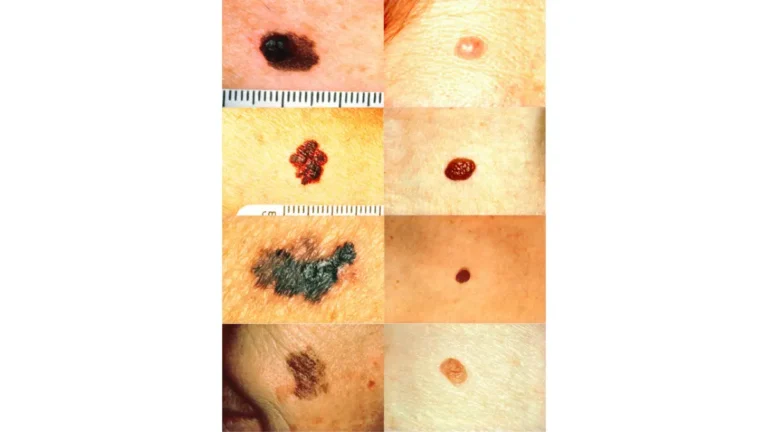
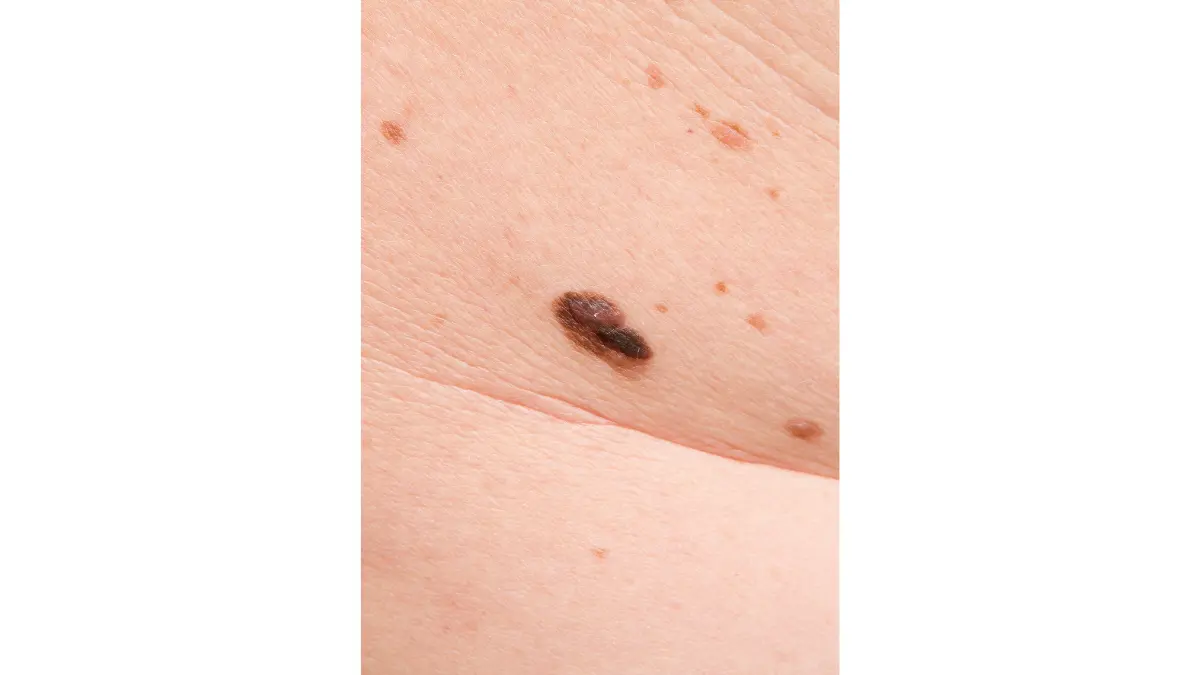
The standard ABCDE warning sign checklist exists for a reason — but it becomes harder to apply during pregnancy. Here’s the pregnancy-specific twist every expecting mother needs to know:
| ABCDE Letter | Standard Meaning | Pregnancy Complication |
|---|---|---|
| A – Asymmetry | Uneven shape | Harder to examine on expanding abdomen |
| B – Border | Irregular or ragged edges | Skin stretching blurs borders |
| C – Color | Multiple shades in one mole | Hard to separate from melasma/hyperpigmentation |
| D – Diameter | Larger than 6mm (pencil eraser) | Some normal nevi grow — look for growth + border change TOGETHER |
| E – Evolving | Any change over time | The single most important factor during pregnancy |
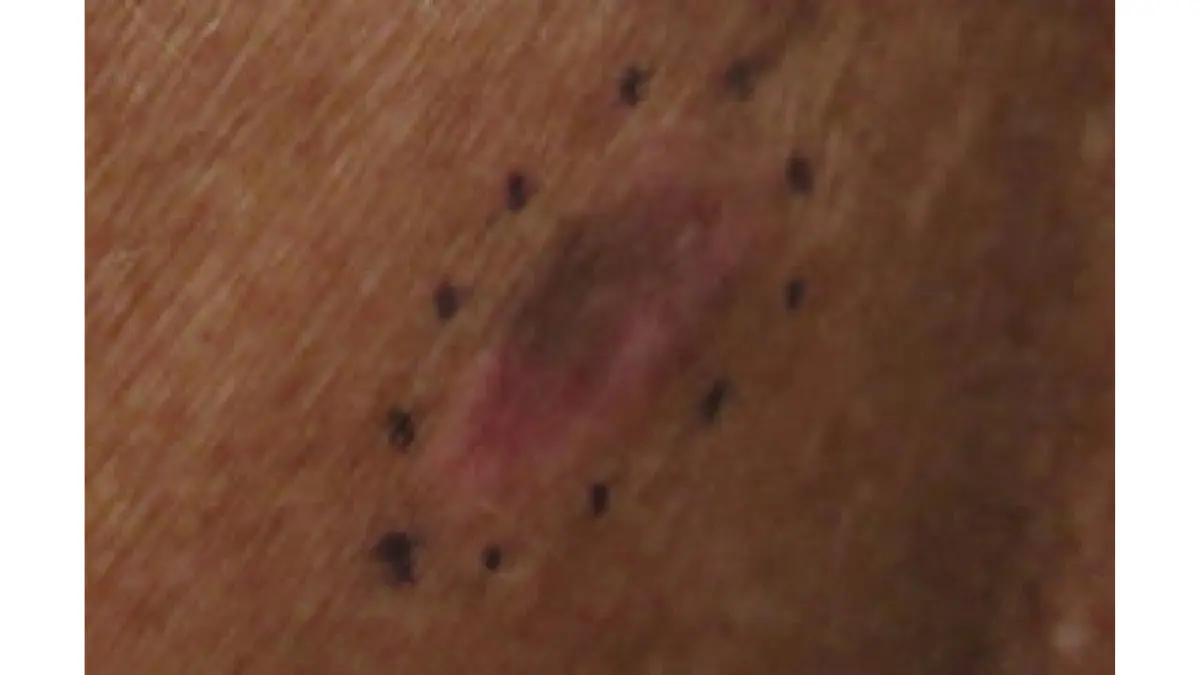
Key Takeaway: If a mole is evolving — changing shape, color, size, or starting to bleed or itch — that is a medical emergency, regardless of trimester. The American Academy of Dermatology recommends same-week dermatology evaluation for any evolving lesion.
Body Areas Most Often Missed During Pregnancy
Because of a growing belly, pregnant women frequently miss checking:
- Lower back and buttocks — most commonly overlooked
- Scalp — requires a partner or professional check
- Between the toes and under toenails
- Behind the knees and inner thighs
Monthly partner skin checks are strongly recommended throughout pregnancy. Use a handheld mirror and bright light in a systematic head-to-toe pattern.
When to See a Dermatologist — Immediately
Use our Symptom Checker if you’re unsure about a skin change. Then call a dermatologist the same day if you notice:
- A mole that bleeds without injury
- Itching or burning in an existing mole
- A new dark spot appearing rapidly
- Any mole that looks different from all your other moles (“ugly duckling” sign)
- A skin lesion that does not heal within 3 weeks
Do NOT wait for your next prenatal appointment if any of these signs appear.
Safe Diagnosis — What Tests Are OK During Pregnancy?
A 2024 comprehensive review published on NIH’s PMC platform confirms that diagnostic delay is one of the primary drivers of poorer outcomes in pregnancy-associated melanoma. Safe, timely diagnosis is non-negotiable.
Understanding your melanoma stages early is critical — use our Fetal Growth Percentile Calculator alongside your medical team to track your baby’s development during any diagnostic period.
Diagnostics That Are Always Safe
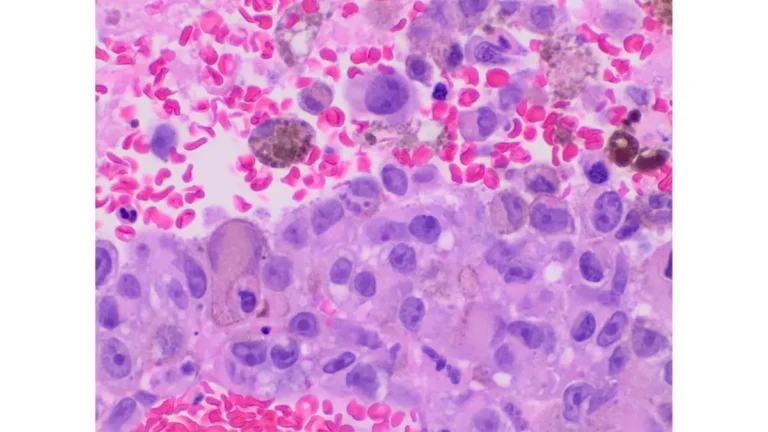
- Excisional skin biopsy under local anesthesia (lidocaine ± small epinephrine doses) — safe in all three trimesters
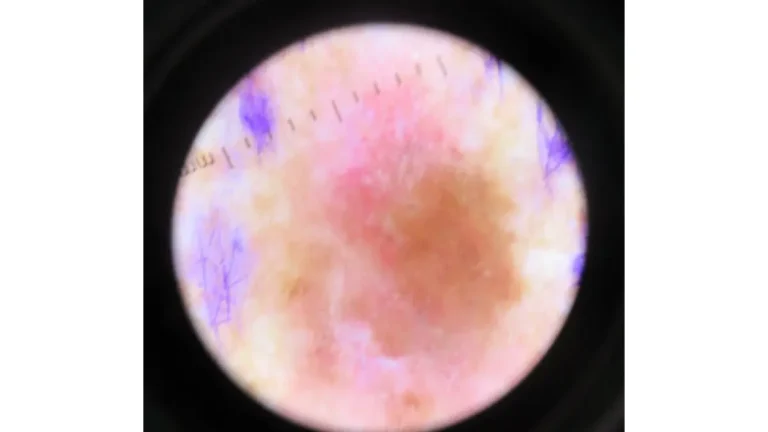
- Dermoscopy — non-invasive, zero radiation risk
- Ultrasound for lymph node evaluation — completely safe, zero radiation
- SIAscopy (Spectrophotometric Intracutaneous Analysis) — emerging 2024 non-invasive technology with excellent safety profile
Diagnostics Requiring Careful Discussion
| Test | Safety Level | Notes |
|---|---|---|
| Skin biopsy (local anesthetic) | ✅ Safe all trimesters | First-line; should not be delayed |
| Ultrasound | ✅ Safe | Any trimester for nodal staging |
| MRI (no contrast) | ✅ Generally safe | Preferred after first trimester |
| Chest X-ray (shielded) | ⚠️ Low risk | T2/T3 preferred; use if clinically urgent |
| CT scan (low-dose) | ⚠️ Only if urgent | Limit total radiation to <100 mGy |
| PET scan | ❌ Avoid | Excessive fetal radiation exposure |
A Critical Clinical Rule
“One of the primary drivers of worse outcomes in PAM is delayed diagnosis. Procrastination must be avoided.” — Conforti et al., 2020 (Tandfonline Clinical Review)
Sentinel lymph node biopsy (SLNB) during pregnancy is debated — it is generally deferred where clinically possible. In high-stage disease, benefit to the mother often outweighs the procedural risk. Your multidisciplinary team makes this call.
Treatment Options — Trimester-by-Trimester Action Plan
No top-ranking competitor offers this. This is the gap we fill — a clear, trimester-specific framework backed by the largest real-world dataset on this topic, the 2025 Melanoma Pregnancy Taskforce study published in the NIH/PMC open access database.
Key data point: This multicenter study — spanning institutions in the USA, Europe, and Australia — reported a 78% 5-year overall survival rate in pregnant patients with advanced melanoma who received treatment. This is not a death sentence. This is a manageable medical situation with the right team.
Use our Pregnancy Due Date Calculator to identify your gestational week — a number your oncologist needs to determine treatment timing.
Early-Stage Melanoma (Stage I–II): No Reason to Delay
For early-stage disease, treatment during pregnancy is essentially identical to treatment in non-pregnant patients:
- Wide local excision under local anesthesia is safe in all trimesters
- Lidocaine (local anesthetic) is confirmed safe; small epinephrine additions carry minimal risk
- No systemic drugs required — surgery alone is standard care
Bold Callout: Early-stage melanoma treatment should NOT be postponed due to pregnancy. Every delay creates unnecessary risk. The National Cancer Institute confirms surgical excision is the definitive, safe treatment for localized disease.
Advanced Melanoma (Stage III–IV): Complex Decisions, Specialized Teams
This requires an immediate multidisciplinary team: dermatologist + medical oncologist + maternal-fetal medicine (MFM) specialist.
What’s available:
- Radiation therapy (to head/neck regions only; never pelvis or abdomen)
- Interferon — the only systemic option with some pregnancy safety data
- Early delivery consideration if gestational age allows and maternal risk is high
What requires extreme caution or avoidance:
- Immunotherapy (PD-1 inhibitors: pembrolizumab, nivolumab) — risk of fetal autoimmune complications and preterm birth; generally contraindicated
- BRAF/MEK inhibitors (vemurafenib, dabrafenib) — animal data confirms placental crossing; one reported case linked to cardiac malformations in third-trimester exposure
- Pelvic radiation — causes birth defects; absolutely contraindicated
Also see: BRAF Targeted Therapy for Melanoma for post-pregnancy treatment planning.
Trimester Treatment Reference Table
| Trimester | Safe | Caution Zone | Avoid |
|---|---|---|---|
| T1 (Weeks 1–12) | Excisional biopsy, dermoscopy | SLNB (defer if possible), MRI | Immunotherapy, CT, PET, targeted therapy |
| T2 (Weeks 13–26) | Surgery, MRI (no contrast), ultrasound | SLNB if high-stage, low-dose CT if urgent | Systemic targeted therapy, pelvic radiation |
| T3 (Weeks 27–40) | Surgery, MRI, early delivery if stage IV | Head/neck radiation only | Pelvic radiation, immunotherapy, BRAF inhibitors |
The American Cancer Society’s melanoma treatment guide confirms that localized surgical treatment follows standard protocols regardless of pregnancy status.
Can Melanoma Spread to Your Baby? Placental Metastasis Explained
This is the question every pregnant woman with melanoma asks — and no competitor answers it with real data.
The Facts — Rare, But Real
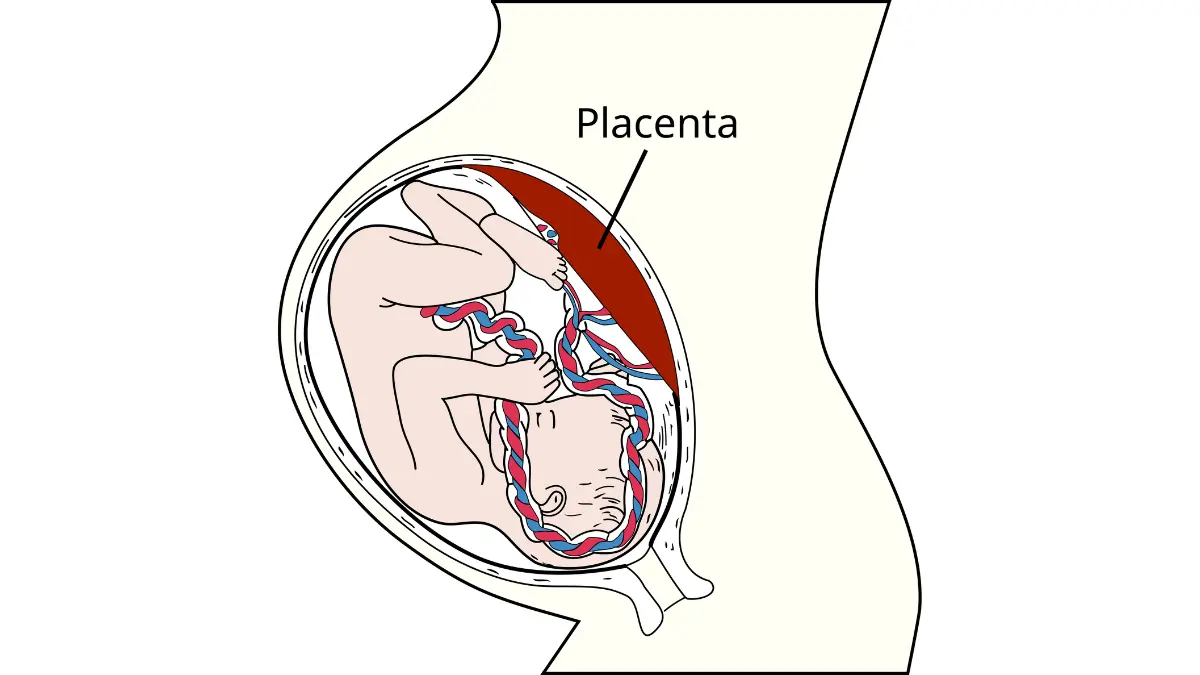
Melanoma is one of the only cancers that can cross the placenta. Here is what the evidence actually shows:
- Placental involvement occurs in approximately 12–17% of advanced maternal melanoma cases
- Of those, fetal metastasis occurs in only ~25% of placenta-positive cases
- Male fetuses carry significantly higher risk — males comprise approximately 80% of all documented infant melanoma metastasis cases
From the Melanoma Pregnancy Taskforce 2025 dataset:
- 55 of 57 children (97%) born in the study were alive at follow-up
- Only 1 neonatal death occurred — at 26 weeks due to extreme prematurity, not melanoma
- No child developed melanoma despite 5 placentas showing melanoma deposits
Bold Takeaway: Even with placental involvement, your baby’s risk of developing melanoma remains extremely low. Immediate post-delivery placenta examination and 24-month pediatric dermatology surveillance are the standard protocols. As MD Anderson Cancer Center advises, all babies born to mothers with advanced melanoma should receive prompt specialist evaluation.
Track your baby’s wellbeing throughout this journey with our Pregnancy Weight Gain Calculator to ensure healthy gestational development is being monitored alongside treatment.
Breastfeeding After Melanoma Treatment
The Skin Cancer Foundation provides the clearest guidance on this emotionally sensitive question:
| Treatment Scenario | Breastfeeding Decision |
|---|---|
| Early-stage, surgery only, treatment complete | ✅ Generally safe to breastfeed |
| Currently on immunotherapy post-delivery | ❌ Do not breastfeed — drugs pass into milk |
| Currently on BRAF/MEK inhibitors | ❌ Do not breastfeed |
| On interferon post-delivery | ⚠️ Discuss individually with oncologist |
| Chemotherapy ongoing | ❌ Do not breastfeed |
Always confirm with your oncologist before initiating breastfeeding if you received any systemic treatment during or after pregnancy.
Prevention, Skin Protection & Planning Your Next Pregnancy
Pregnancy-Safe Sun Protection: What the Evidence Says
Not all sunscreens are created equal — and during pregnancy, the distinction matters. The World Health Organization’s skin cancer protection guidance confirms UV protection is essential for reducing melanoma risk at all life stages, including pregnancy.
Choose mineral sunscreens during pregnancy:
| Sunscreen Type | Active Ingredients | Pregnancy Safety |
|---|---|---|
| Mineral | Zinc oxide, titanium dioxide | ✅ Safe — no systemic absorption |
| Chemical | Oxybenzone, avobenzone, octinoxate | ⚠️ Avoid — potential hormone disruption |
Daily sun protection rules during pregnancy:
- SPF 30+ mineral sunscreen applied daily, even on cloudy days
- Reapply every 2 hours outdoors
- Wear UPF-rated protective clothing and a wide-brim hat
- Seek shade between 10 AM and 4 PM
See our complete guide: Best Sunscreen for Melanoma Prevention.
When Can You Get Pregnant After a Melanoma Diagnosis?
This question has a stage-specific answer. Do not rely on general timelines — your oncologist determines this based on your exact staging, treatment, and recurrence risk.
| Melanoma Stage at Diagnosis | Recommended Wait Before Conceiving |
|---|---|
| Stage 0 (In Situ) | No delay — treatment is curative |
| Stage I | No delay needed after excision |
| Stage II | Wait 1–2 years; discuss with oncologist |
| Stage III | Wait minimum 2–3 years; monitor for recurrence |
| Stage IV | Individualized; consult oncologist + reproductive specialist |
Important: Immunotherapy (used in stages III–IV) carries a 5–15% risk of permanently disrupting hormones, menstrual cycles, and thyroid function, which can impair fertility.
When you’re ready to try again, track your cycle with our Ovulation Calculator and consult a reproductive endocrinologist alongside your oncologist.
Also explore: Melanoma Recurrence Signs & Risk before planning your next pregnancy.
Frequently Asked Questions — Melanoma During Pregnancy
Q1: Does pregnancy cause melanoma?
No. Pregnancy does not cause melanoma. It simply occurs during childbearing years because one-third of all female melanoma cases are diagnosed in this age group. Hormonal changes can mimic warning signs but do not trigger malignant transformation.
Q2: Can melanoma spread to my baby during pregnancy?
Rarely, but yes. Placental involvement occurs in approximately 12–17% of advanced maternal melanoma cases. Of those, fetal metastasis occurs in only ~25%. The vast majority of babies born to mothers with melanoma are not affected.
Q3: Is surgery for melanoma safe during pregnancy?
Yes. Wide local excision under local anesthesia (lidocaine) is safe in all three trimesters. Early-stage treatment should never be delayed due to pregnancy.
Q4: What mole changes during pregnancy are normal versus dangerous?
Darkening of existing moles due to hormonal changes can be normal. What is never normal: a mole that bleeds, itches, changes shape asymmetrically, or rapidly grows. The “Evolving” sign is the most critical warning.
Q5: Can I have immunotherapy for melanoma while pregnant?
No. PD-1 inhibitors like pembrolizumab and nivolumab are generally contraindicated during pregnancy due to risk of fetal autoimmune damage and preterm birth. Your oncology team may revisit this after delivery.
Q6: Does melanoma affect fetal development?
Early-stage melanoma with surgical-only treatment has no documented effect on fetal development. Advanced disease treated with systemic drugs carries higher risk, which is why treatment decisions require a maternal-fetal medicine specialist.
Q7: What happens to the placenta if I have melanoma?
At delivery, the placenta is immediately examined for melanoma deposits. If involvement is found, the baby enters 24-month pediatric dermatology surveillance — not because they have cancer, but as a precautionary standard of care.
Q8: Is pregnancy-associated melanoma more dangerous than melanoma in non-pregnant women?
For early-stage disease: equally dangerous and equally treatable. For advanced disease: diagnosis delays, immune system shifts, and treatment limitations create additional complexity. Delayed diagnosis is the #1 avoidable risk factor.
Q9: Can I breastfeed after melanoma treatment?
If treatment was surgical only and is complete: generally yes. If you are currently on any systemic therapy (immunotherapy, BRAF inhibitors, chemotherapy): no. Always confirm with your oncologist before breastfeeding.
Q10: How long should I wait to get pregnant after a melanoma diagnosis?
Stage 0–I: no delay. Stage II: 1–2 years. Stage III–IV: minimum 2–3 years, individualized. Most recurrences occur within the first 2–3 years post-diagnosis — this is the primary reason for the wait period.
Q11: What sunscreen is safe to use during pregnancy to prevent melanoma?
Mineral sunscreens containing zinc oxide or titanium dioxide are the safest choice during pregnancy. Chemical sunscreens containing oxybenzone or avobenzone should be avoided due to potential hormonal effects. SPF 30+ daily application is the minimum standard.
Reviewed by the MyMedicineAdvisor Global Medical Advisory Board — Oncology & Maternal Health Panel, April 2026.
About this content
How this article was put together: researched from recognised health sources, drafted with the help of AI tools, and edited by hand, with sources linked throughout.

Sameer Patel is the founder and editor of My Medicine Advisor. He is not a doctor or medical professional — before starting this site he worked in banking,…
Medical disclaimer
The content on MyMedicineAdvisor is provided for general informational and educational purposes only and is not a substitute for professional medical advice, diagnosis, or treatment. Health information on this website should not be used to diagnose, treat, cure, or prevent any condition without guidance from a qualified healthcare professional. Always seek the advice of your doctor, physician, or another licensed healthcare provider with any questions you may have regarding a medical condition, symptoms, medications, or treatment decisions.