
On This Page – Quick Medical Summary
Lung Cancer Statistics 2026 — The Numbers Every Patient & Family Must Know
Marcus, a 67-year-old retired firefighter from Ohio, had ignored a persistent cough for six months. When he finally got a low-dose CT scan in early 2025, doctors caught his lung cancer at a localized stage. Today, his survival odds are 65%. Had he waited another year, those same odds could have dropped to single digits.
That gap — 65% versus 9% — is the story behind every lung cancer statistic in 2026.
The direct answer: Lung cancer remains the #1 cancer killer in the United States, with 229,410 new cases projected in 2026 and 124,990 expected deaths, according to the American Cancer Society’s Cancer Facts & Figures 2026. The overall 5-year survival rate is 27–28%. Early detection changes everything.
2026 Lung Cancer Statistics at a Glance
| Metric | 2026 Figure |
|---|---|
| New US cases (2026) | 229,410 |
| US deaths projected | 124,990 |
| Overall 5-year survival rate | 27–28% |
| Early-stage 5-year survival | 64–65% |
| Global new cases (2022) | 2.5 million |
| Lifetime US diagnosis risk | 1 in 19 people |
| Leading cancer killer (US) | Yes — #1 for both men and women |
These lung cancer statistics are not static — they are improving. The death rate has been falling an average of 4.2% per year since 2014, driven by declining smoking rates and major treatment breakthroughs. Survival has more than doubled since 1977.
If you have a chronic cough, unexplained weight loss, or chest pain, use our Symptom Checker to evaluate your respiratory warning signs before your next doctor’s visit.
Lung Cancer Survival Rates by Stage, Type & Year — Full 2026 Breakdown
Survival rates for lung cancer depend heavily on three variables: the type of lung cancer (NSCLC vs. SCLC), the stage at diagnosis, and the patient’s access to modern treatments. Understanding each one can help patients ask the right questions from day one.
NSCLC Survival Rate by Stage (2026)
Non-small cell lung cancer (NSCLC) makes up approximately 77–85% of all lung cancer cases, making it the dominant type in lung cancer statistics worldwide. According to the NCI SEER database, the 5-year relative survival rates for NSCLC are:
| SEER Stage | 5-Year Survival Rate | What It Means |
|---|---|---|
| Localized (early) | 65% | Confined to the lung — most treatable |
| Regional (lymph nodes) | 37% | Spread to nearby lymph nodes |
| Distant (metastatic) | 9% | Spread to brain, liver, or bones |
| All stages combined | 28% | ACS 2026 estimate |
For patients who want to understand their stage-specific outlook in depth, our dedicated guide on stage 1 lung cancer survival rates breaks down early-stage data, surgical outcomes, and recurrence risk in detail.
SCLC Survival Rate by Stage (2026)
Small cell lung cancer (SCLC) is rarer but far more aggressive. It accounts for roughly 13% of all lung cancer diagnoses and is responsible for some of the lowest 5-year survival rates in oncology.
| SCLC Stage | 5-Year Survival Rate |
|---|---|
| Limited (confined to chest) | 27–30% |
| Extensive (spread beyond chest) | 3–7% |
| All stages combined | ~7% |
Critical 2025 breakthrough: The FDA approved tarlatamab, a first-in-class bispecific T-cell engager, for extensive-stage SCLC. Clinical trial participants achieved a median survival of 25.3 months — more than double previous standards. This is the most significant SCLC advance in decades. Our full review of SCLC survival rates and treatment costs covers what this means for newly diagnosed patients.
How Lung Cancer Survival Has Improved Over 50 Years
- 1975–1977: 12% overall 5-year survival
- 1995–1997: 15% overall 5-year survival
- 2015–2021: 28% overall 5-year survival
That is a 133% improvement over five decades — driven by smoking cessation, low-dose CT screening programs, targeted therapies, and immunotherapy.
Adenocarcinoma vs. Squamous Cell Lung Cancer — Survival Comparison
Not all NSCLC is equal. The subtype matters significantly:
- Adenocarcinoma (most common in non-smokers, women): ~63% 5-year survival
- Squamous cell carcinoma (strongly smoking-linked): ~24% 5-year survival
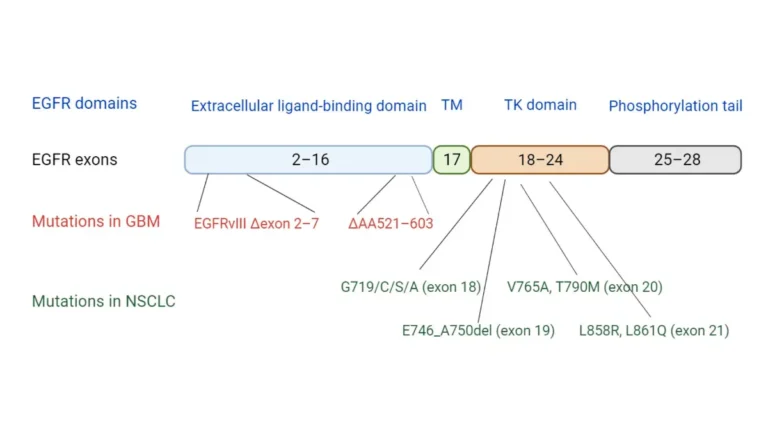
This difference exists because adenocarcinoma is more likely to carry targetable mutations (EGFR, ALK) that respond to precision therapies. For a complete breakdown of type differences, read our clinician-reviewed guide on NSCLC vs. SCLC.
🔑 What This Means For You: If you or a family member has been recently diagnosed, the most important first question to ask your oncologist is: “What subtype do I have, and have I been tested for targetable mutations?” This single step can unlock treatments that dramatically shift survival odds.
How Common Is Lung Cancer? US & Global Prevalence Statistics 2026
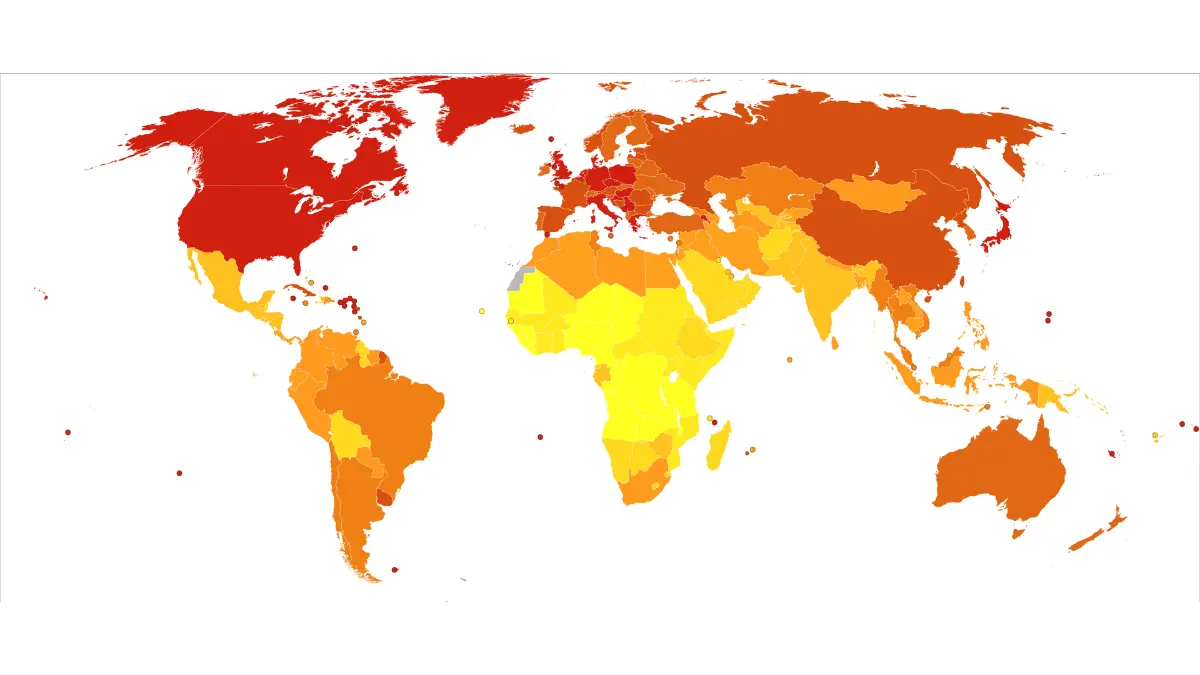
US Lung Cancer Prevalence
According to NCI SEER data, an estimated 635,547 people were living with a lung cancer diagnosis in the United States as of 2022. Despite representing 11.1% of all new cancer cases, lung cancer accounts for only 3% of all cancer survivors — a stark reflection of its historically low survival rates compared to breast or prostate cancer.
Key US prevalence facts for 2026:
- Lung cancer is the 2nd most common cancer in both men and women (after prostate and breast cancer, respectively)
- 55% of current lung cancer patients were diagnosed within the last 5 years
- The average age at diagnosis is 70 years old
- More than 90% of patients are between ages 56 and 88 at diagnosis
Global Lung Cancer Statistics
The global picture from the World Health Organization is stark:
- 2.5 million new cases worldwide in 2022
- 1.8 million deaths globally — making it the world’s #1 cancer killer by mortality
- Highest absolute case volumes: China, USA, Russia, India, Japan
- Lowest rates: Sub-Saharan Africa, parts of the Middle East
The global lung cancer death rate is 20% higher in men than women, though the gender gap is narrowing in developed nations as smoking patterns equalize.
State-by-State Survival Disparities
The American Lung Association’s State of Lung Cancer 2025 Report reveals dramatic geographic variation in outcomes:
| Metric | Best State | Worst State |
|---|---|---|
| Lung cancer incidence rate | Utah (lowest) | Kentucky (2.3× Utah’s rate) |
| 5-year survival rate | Rhode Island (37.6%) | Alabama (22.7%) |
| Early diagnosis rate | Varies by screening access | — |
National average 5-year survival: 29.7%. A 15-percentage-point gap between states is not random — it tracks directly with smoking prevalence, screening rates, insurance coverage, and access to comprehensive biomarker testing.
Bold Takeaway: Where you live can affect your survival odds by up to 15 percentage points. This is a systems problem, not a personal failing.
Lung Cancer Trends 2026 — Who Gets It, Why It’s Declining & What’s Changing
Is Lung Cancer Increasing or Decreasing?
The trajectory is positive — but uneven. According to CDC lung cancer statistics:
- New cases declining at -2.4% per year (2013–2022 average)
- Death rates declining faster at -4.2% per year (2014–2023 average)
- Smoking prevalence has plummeted from 42% in 1964 to just 11% in 2023
However, the decline is faster in men than women. Women took up cigarette smoking in large numbers later and have been slower to quit — meaning incidence among women is declining at a slower pace.
Who Is Most at Risk — 2026 Demographics
- Average diagnosis age: 70 years
- Men vs. women: 110,910 male vs. 118,500 female new cases in 2026 — women now slightly outnumber men in new diagnoses
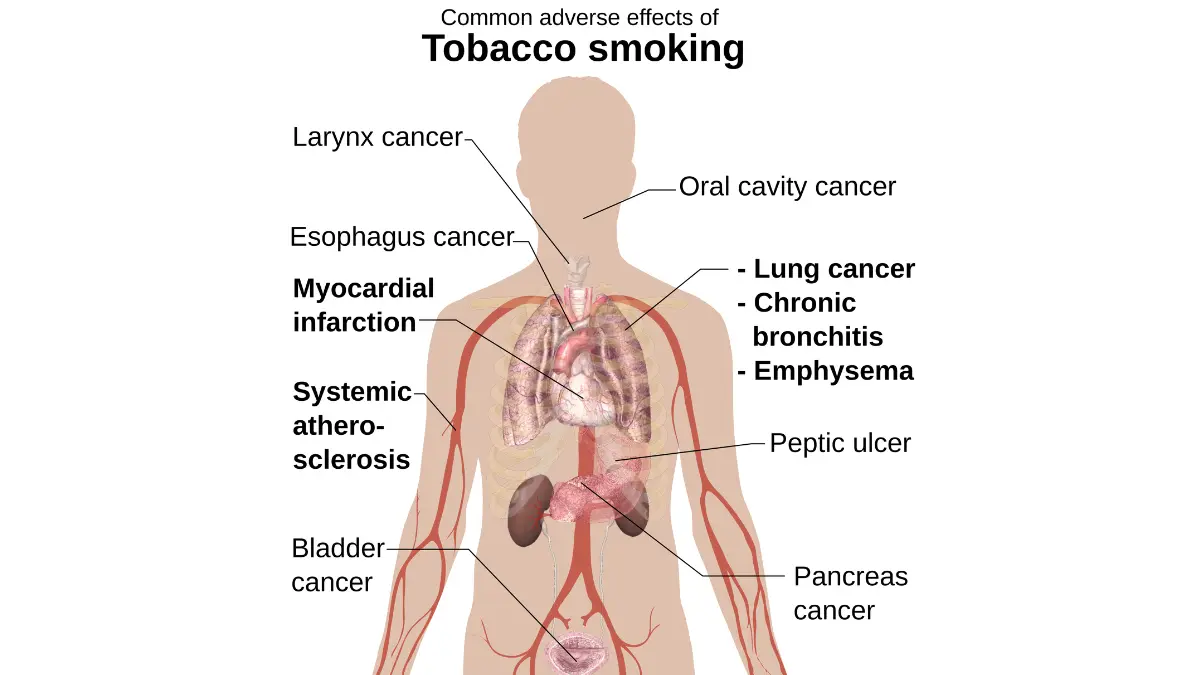
- Non-smokers: Account for 20% of all lung cancer deaths — caused by radon gas, asbestos, air pollution, and secondhand smoke
- Never-smoker lung cancer is rising, particularly adenocarcinoma in women under 50
If you have a family history of lung or other cancers, our Genetic Risk Assessment Tool can help you understand your inherited susceptibility score before symptoms appear.
Racial & Ethnic Disparities in Lung Cancer Statistics
This is where the data becomes deeply uncomfortable — and critical. According to the American Lung Association 2025 report:
- White individuals: 28.6% 5-year survival
- Black individuals: 24.9% 5-year survival
- Indigenous/AIAN people: 22.8% survival — and incidence has not yet declined among AIAN women
Patients of color are:
- Less likely to be diagnosed at an early stage
- Less likely to receive surgical treatment
- More likely to receive no treatment at all
These disparities are not biological. They reflect unequal access to screening, insurance coverage, and specialist care.
2026 Policy Alert: Federal Funding Cuts Threaten Progress
The American Lung Association has issued a formal warning: proposed cuts to NIH, CDC, Medicaid, and Affordable Care Act coverage directly threaten lung cancer screening access for millions of at-risk Americans. Progress built over 30 years is at risk of reversal.
Action Step: If you are 50–80 years old with a 20+ pack-year smoking history, you qualify for annual low-dose CT screening covered under the ACA. Ask your primary care physician today.
What the Latest Lung Cancer Statistics Tell Us About Treatment Progress
Why Survival Rates Are Rising — The Key Drivers
The improvement from 12% to 28% overall survival did not happen by accident. Four specific advances account for almost all of the gain:
1. Low-Dose CT Screening Early detection via LDCT shifts diagnosis from distant stage (9% survival) to localized stage (65% survival). Yet only 28.1% of cases are diagnosed at an early stage nationally — meaning the majority of patients are still being diagnosed too late.
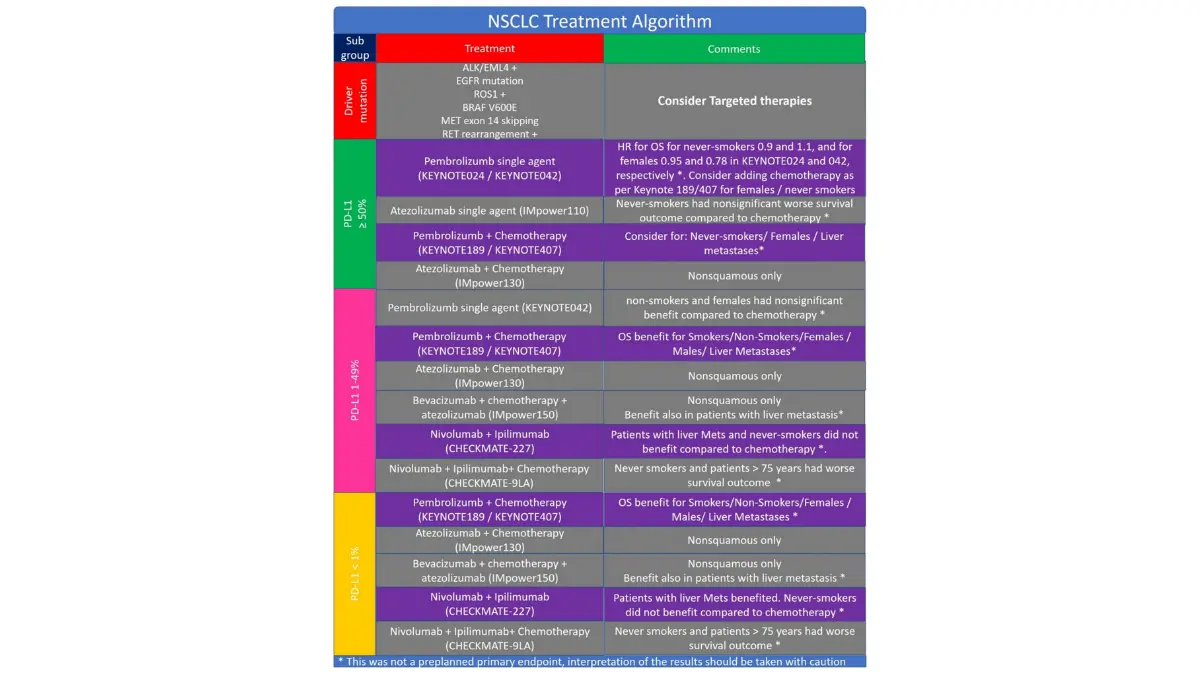
2. Targeted Therapy (Precision Oncology) EGFR mutations (present in ~15% of US NSCLC patients, higher in Asian populations) and ALK rearrangements respond to targeted oral therapies like osimertinib and alectinib — achieving 3–5 year progression-free survival in some patients. This has transformed what a stage IV NSCLC diagnosis means in 2026.
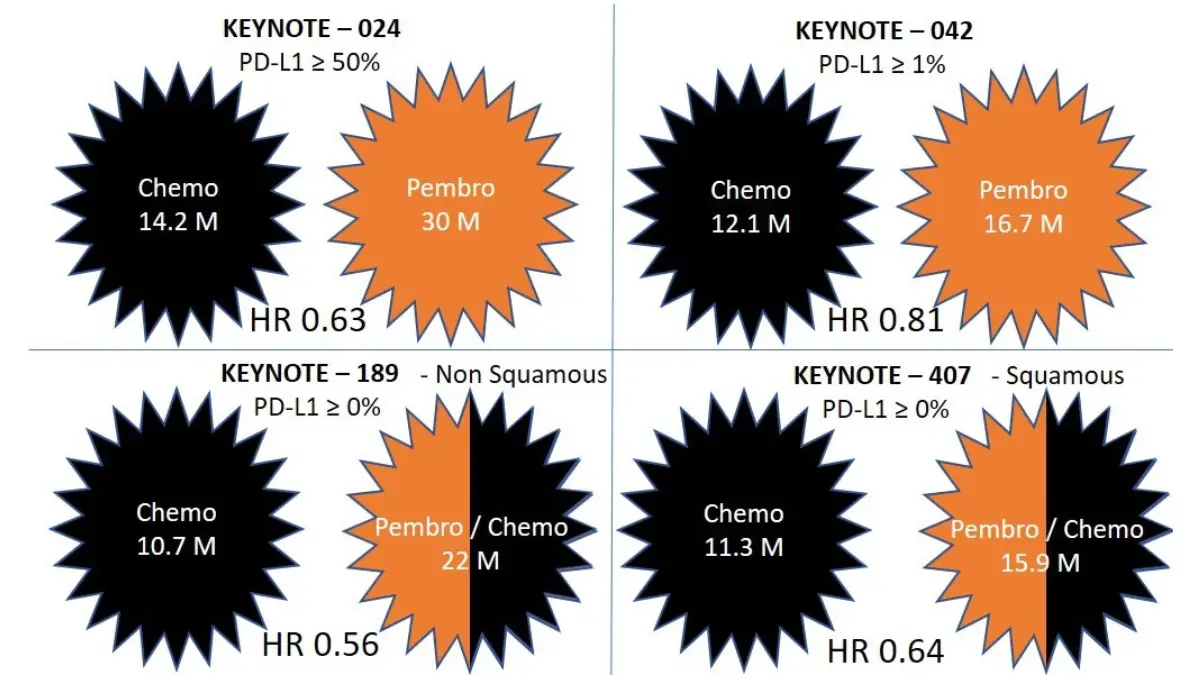
3. Immunotherapy (Checkpoint Inhibitors) Pembrolizumab (Keytruda) and other PD-1/PD-L1 inhibitors have redefined treatment for stage III–IV NSCLC. Patients with high PD-L1 expression can achieve durable remissions exceeding 5 years. Our guide on FDA-approved lung cancer drugs in 2026 covers the latest approved treatments by stage and mutation type.
4. Tarlatamab for SCLC (2025 FDA Approval) The first bispecific T-cell engager approved for extensive-stage SCLC, tarlatamab achieved a median overall survival of 25.3 months in Phase II trials — a historic breakthrough for a disease where the standard was 10–13 months just two years ago. See our detailed small cell lung cancer survival rates guide for full trial data.
The Screening Crisis: A 6% Participation Rate
Only 6% of eligible US adults currently receive annual lung cancer screening — despite evidence from the National Lung Screening Trial showing LDCT reduces lung cancer mortality by 20%. According to the Lung Cancer Research Foundation, over 600,000 Americans currently live with a lung cancer diagnosis, yet the vast majority were caught at stages where outcomes are significantly worse than they needed to be.
Eligibility criteria (updated USPSTF guidelines):
- Ages 50–80
- 20+ pack-year smoking history
- Currently smoking or quit within the past 15 years
Biomarker Testing: The Survival Multiplier Most Patients Never Get
Comprehensive biomarker testing identifies which targeted therapy will work for a specific patient’s tumor. It is the single most powerful tool available after diagnosis — yet it remains dramatically underutilized, especially in rural areas and among patients of color.
The NCI’s lung cancer treatment guidelines now recommend biomarker testing as a standard of care for all newly diagnosed NSCLC patients before initiating treatment.
If you’ve been told you need chemotherapy, first read our chemotherapy guide for 2026 to understand what to expect — and what questions to ask about targeted alternatives.
🔑 What This Means For You: If you or a loved one receives a lung cancer diagnosis, say these four words to your oncologist: “I want biomarker testing first.” This one request could change your entire treatment pathway and survival trajectory.
Living With Lung Cancer in 2026 — What These Statistics Mean for Real Patients
A Patient’s Story: When Statistics Became Personal
David, a 54-year-old accountant from Minnesota, never smoked a day in his life. He was diagnosed with stage I lung adenocarcinoma in late 2023 after a routine low-dose CT caught a 12mm nodule. Surgery was performed within six weeks. Two years later, David is in full remission, running 5Ks, and mentoring other newly diagnosed patients in his city.
His story represents the 22.6% of lung cancer patients diagnosed at the localized stage — where survival odds are 65%. It also represents why early detection advocacy is the most important public health intervention in oncology today.
How to Use These Statistics — A Clinical Perspective
Survival statistics in lung cancer represent population averages across thousands of patients. They do not predict individual outcomes. Your actual prognosis is shaped by:
- Exact stage and tumor size at diagnosis
- Mutation profile (EGFR, ALK, KRAS, PD-L1 expression)
- Overall health and lung function
- Access to a comprehensive cancer center
- Speed of treatment initiation
A patient with stage IV NSCLC and a high-grade EGFR mutation may significantly outlive population averages with the right targeted therapy. Conversely, a stage I patient who does not follow through on treatment may face worse outcomes than statistics suggest.
Key Takeaways at a Glance
- 229,410 new US lung cancer cases are projected for 2026
- Early-stage survival is 65% — late-stage survival drops to 9%
- Only 6% of eligible adults currently receive screening — this needs to change
- Racial survival gaps are real and addressable with equal access to care
- New treatments (tarlatamab, EGFR inhibitors) are extending lives beyond historical benchmarks
For a comprehensive foundation on this disease, our clinician-reviewed guide on what is lung cancer covers types, causes, stages, and symptoms in full detail. You can also explore early warning signs in our dedicated lung cancer signs and early warnings guide.
For broader cancer prevention strategies, evidence-based nutrition, and lifestyle content reviewed by our Global Medical Advisory Board, visit our Health Tips section.
Frequently Asked Questions — Lung Cancer Statistics 2026
1. What is the current lung cancer survival rate in 2026?
The overall 5-year lung cancer survival rate in 2026 is approximately 27–28%, up from 12% in 1977. Early-stage diagnosis raises this to 65%.
2. What is the 5-year survival rate for stage 4 lung cancer?
For distant/metastatic (stage 4) lung cancer, the 5-year relative survival rate is approximately 9% for NSCLC. However, patients with targetable mutations on modern therapies often exceed this figure.
3. Is lung cancer more common in men or women?
In 2026, slightly more women (118,500) than men (110,910) are projected to receive a new lung cancer diagnosis in the US — a reversal from historical patterns driven by smoking trends.
4. How many people are diagnosed with lung cancer each year in the US?
Approximately 229,410 new cases are projected in the United States for 2026, according to the American Cancer Society.
5. What percentage of lung cancer cases are caused by smoking?
Smoking accounts for approximately 80% of all lung cancer deaths. Non-smokers account for the remaining 20%, with causes including radon, asbestos, air pollution, and secondhand smoke.
6. What is the difference in survival rates between NSCLC and SCLC?
NSCLC carries an overall 5-year survival rate of ~28%. SCLC’s overall rate is only ~7%, due to its aggressive nature and tendency to be diagnosed at extensive stages.
7. Is the lung cancer death rate increasing or decreasing?
Decreasing. Lung cancer mortality has declined at an average of 4.2% per year from 2014 to 2023 — the fastest rate of improvement in decades.
8. Can non-smokers get lung cancer?
Yes. An estimated 20% of lung cancer deaths occur in people who have never smoked, primarily caused by radon gas exposure, asbestos, secondhand smoke, and air pollution.
9. What stage is lung cancer usually diagnosed at?
Only 22.6% of lung cancers are caught at the localized (early) stage. The majority are diagnosed at regional or distant stages, where survival rates are significantly lower.
10. Which state has the highest lung cancer rate in the US?
Kentucky has the highest lung cancer incidence rate in the United States — more than 2.3 times the rate of Utah, which has the lowest.
11. How has immunotherapy changed lung cancer survival statistics?
Immunotherapy, particularly checkpoint inhibitors like pembrolizumab, has produced durable responses exceeding 5 years in some stage IV NSCLC patients with high PD-L1 expression — a result that was essentially impossible a decade ago. It is now a first-line standard of care for eligible patients.
Reviewed by the mymedicineadvisor.com Global Medical Advisory Board | Sources: American Cancer Society, NCI SEER, CDC, WHO, American Lung Association, Lung Cancer Research Foundation | April 2026
About this content
How this article was put together: researched from recognised health sources, drafted with the help of AI tools, and edited by hand, with sources linked throughout.

Sameer Patel is the founder and editor of My Medicine Advisor. He is not a doctor or medical professional — before starting this site he worked in banking,…
Medical disclaimer
The content on MyMedicineAdvisor is provided for general informational and educational purposes only and is not a substitute for professional medical advice, diagnosis, or treatment. Health information on this website should not be used to diagnose, treat, cure, or prevent any condition without guidance from a qualified healthcare professional. Always seek the advice of your doctor, physician, or another licensed healthcare provider with any questions you may have regarding a medical condition, symptoms, medications, or treatment decisions.