
On This Page – Quick Medical Summary
Back pain is one of the most common complaints in America — but for a significant number of patients, it is the first warning sign of lung cancer. Marcus, a 54-year-old non-smoker from Ohio, spent four months visiting a chiropractor for what everyone assumed was sciatica. When the pain didn’t respond to treatment, an MRI revealed vertebral metastases — and a subsequent biopsy confirmed stage IV lung adenocarcinoma, with no respiratory symptoms whatsoever.
His story is not rare.
According to the Dana-Farber Cancer Institute, approximately 25% of people with lung cancer experience back pain — and for some, it is the very first symptom that appears before a diagnosis is even suspected. Understanding where lung cancer back pain occurs, what type of pain it produces, and what it actually means can be the difference between early detection and a delayed diagnosis.
Use our Symptom Checker to map your current symptoms before your next doctor’s appointment.
⚡ Quick Answer: Lung cancer back pain is typically persistent, deep, and unresponsive to rest or standard pain relievers. It most commonly affects the upper back and shoulder blades but can appear anywhere from the neck to the lower lumbar spine depending on tumor location and whether the cancer has spread.
Why Does Lung Cancer Cause Back Pain?
Understanding the mechanism changes everything.
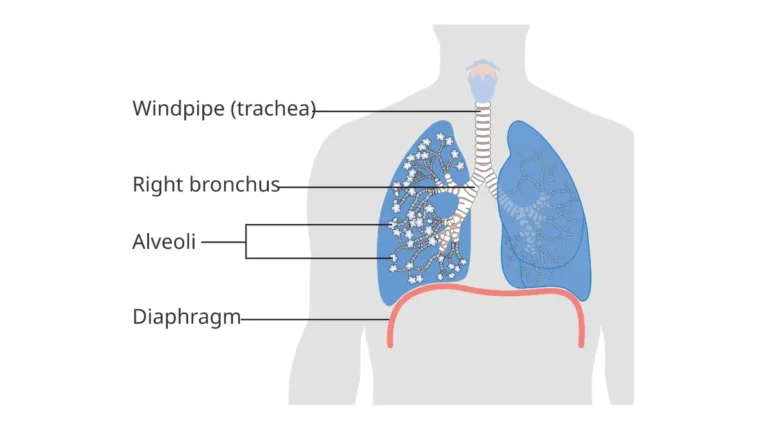
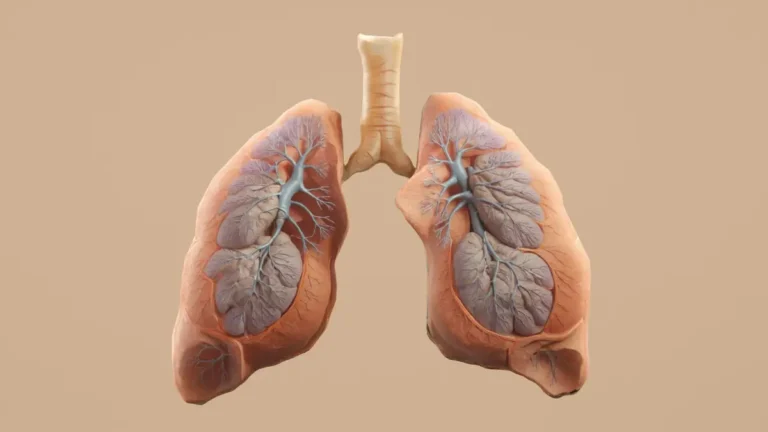
Here is a fact that surprises most people: lung tissue itself has no pain receptors. The pain you feel doesn’t come from the tumor directly — it comes from the structures the tumor is pressing against, infiltrating, or irritating. The Roswell Park Comprehensive Cancer Center explains that the nerve endings with pain receptors are located in the lung lining (pleura), chest wall, bones, and surrounding muscles — not the lung tissue itself.
The four primary pathways through which lung cancer causes back pain:
- Pleural irritation: A growing tumor inflames or invades the pleura (lung lining), sending pain signals to the chest and back.
- Direct nerve compression: Tumors pressing on thoracic or brachial plexus nerves create radiating pain felt in the upper back, shoulder, or arm.
- Bone metastasis: When lung cancer spreads to the vertebrae or ribs, it triggers cancer-induced bone pain (CIBP) — one of the most severe and persistent pain types in oncology.
- Spinal cord compression: Advanced tumors pressing on the spinal cord create pain that radiates from the neck down through the lower back and into the limbs.
According to a peer-reviewed study in PMC/NIH, the skeletal system is the third most common site for cancer metastases, and lung cancer is among the cancers with the strongest predisposition to spread to bone — causing pain, hypercalcemia, and potential spinal cord compression.
What this means for you: If your back pain has no clear injury trigger, doesn’t improve with rest, and is accompanied by any respiratory symptom — even a mild, persistent cough — do not dismiss it as a muscle strain. Read on.
Lung Cancer Back Pain Location — The Exact Map
Lung cancer back pain location is not fixed. Where you feel it depends entirely on where the tumor is growing and whether the cancer has spread. Here is a location-by-location breakdown that no competitor currently offers in this format.
Location-by-Location Pain Guide
| Back Region | What It Signals | Most Common Cause |
|---|---|---|
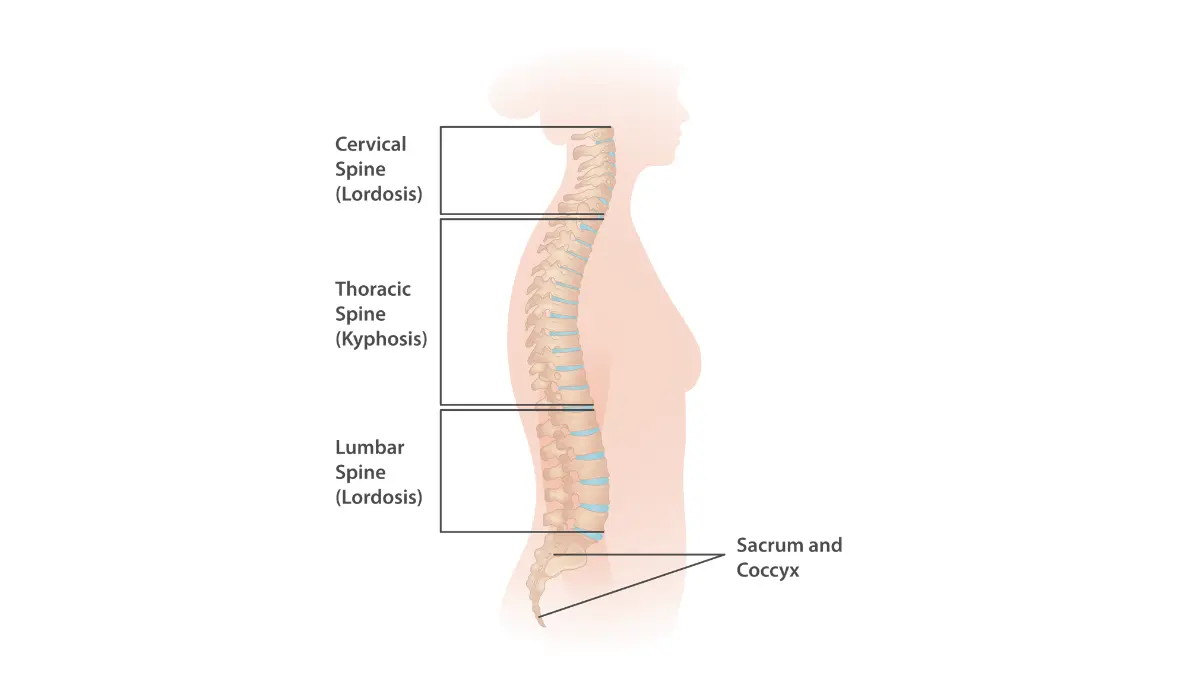
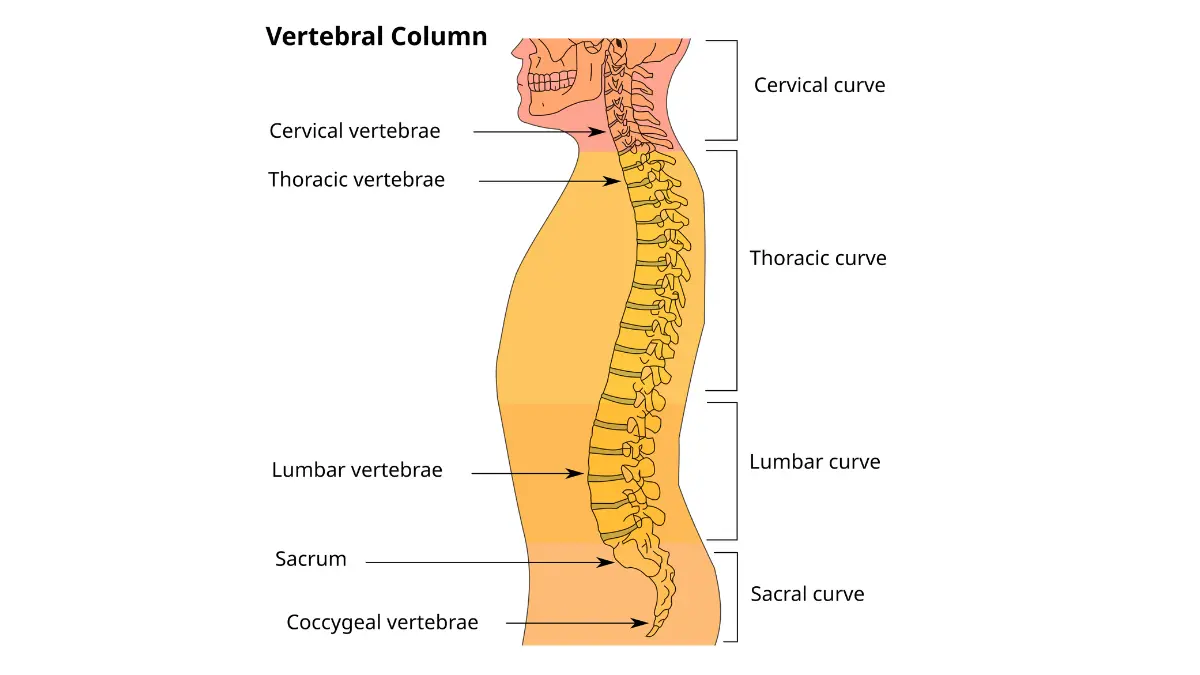
| Upper back / between shoulder blades | Pancoast tumor, pleural irritation | Apical (top-lobe) tumor, nerve compression |
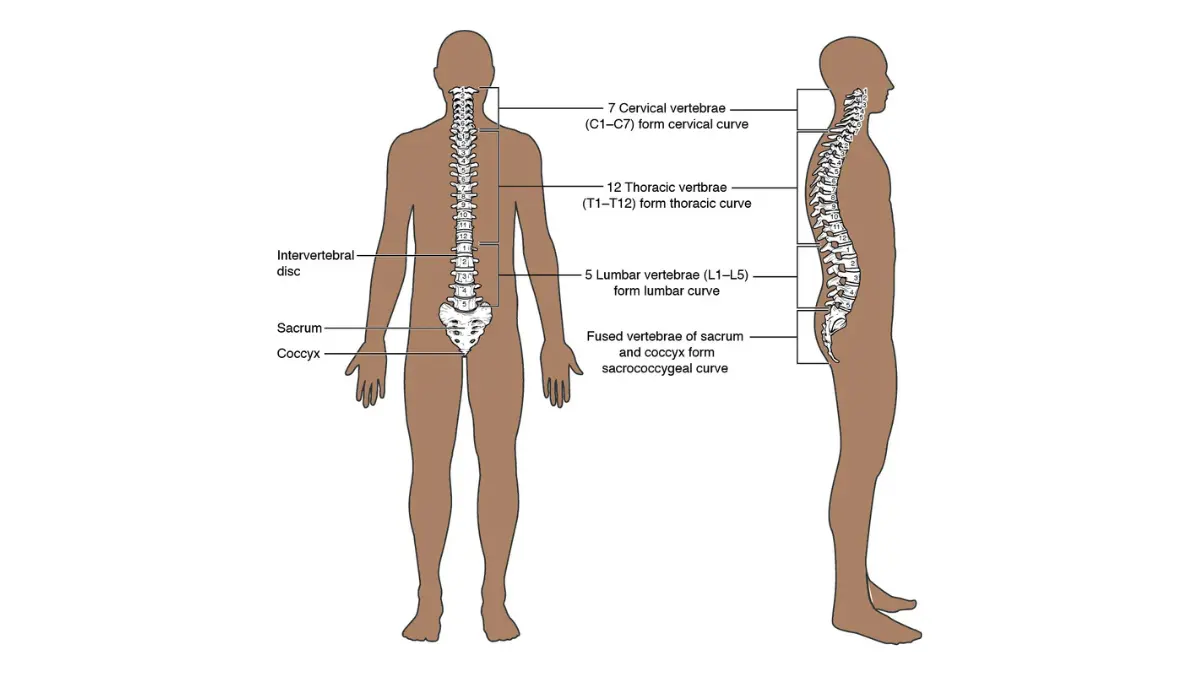
| Middle back / thoracic spine | Vertebral metastasis, regional spread | Cancer spread to thoracic vertebrae (T1–T12) |
| Lower back / lumbar | Bone metastasis (lumbar spine), hypercalcemia | Advanced Stage III–IV disease |
| Left side only | Left-lobe tumor, left pleural effusion | Localized left-lung tumor pressing chest wall |
| Right side only | Right-lobe tumor, liver-to-diaphragm radiation | Localized right-lung tumor |
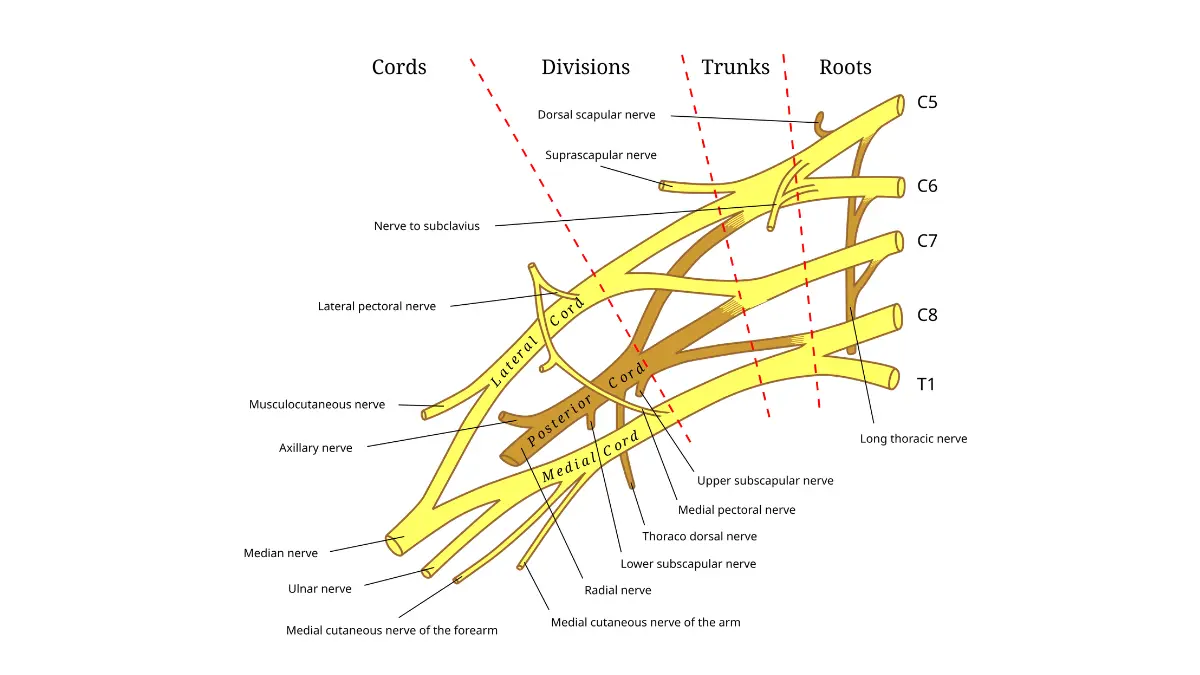
| Shoulder blade (scapula) | Pancoast syndrome, C8/T1 nerve root involvement | Upper-lobe apical tumor affecting brachial plexus |
Pancoast Tumor: The Upper Back Pain Specialist
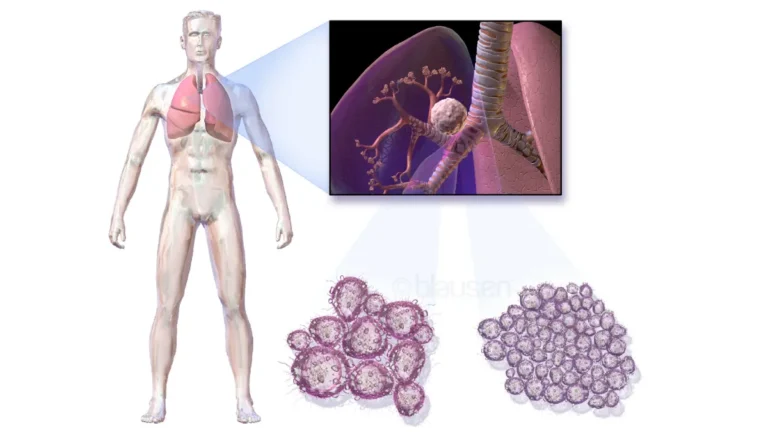
Pancoast tumors are a specific subset of lung cancer — growing at the very top (apex) of the lung — that produce a signature pain profile called Pancoast syndrome. According to research published in Regional Cancer Care Associates, these tumors account for 3–5% of all lung cancers, yet they are responsible for a disproportionate number of misdiagnosed back pain cases.
Key Pancoast pain characteristics:
- Deep, aching pain between the shoulder blades
- Pain radiating down the arm (sometimes to fingers)
- Associated Horner’s syndrome (drooping eyelid, small pupil, decreased sweating on one side of the face)
- 96% of patients with Pancoast tumors report shoulder or upper back pain as their first symptom
If you have a family history of lung cancer, use our Genetic Risk Assessment Tool to understand your personal risk profile.
Middle Back Pain: The Spinal Metastasis Signal
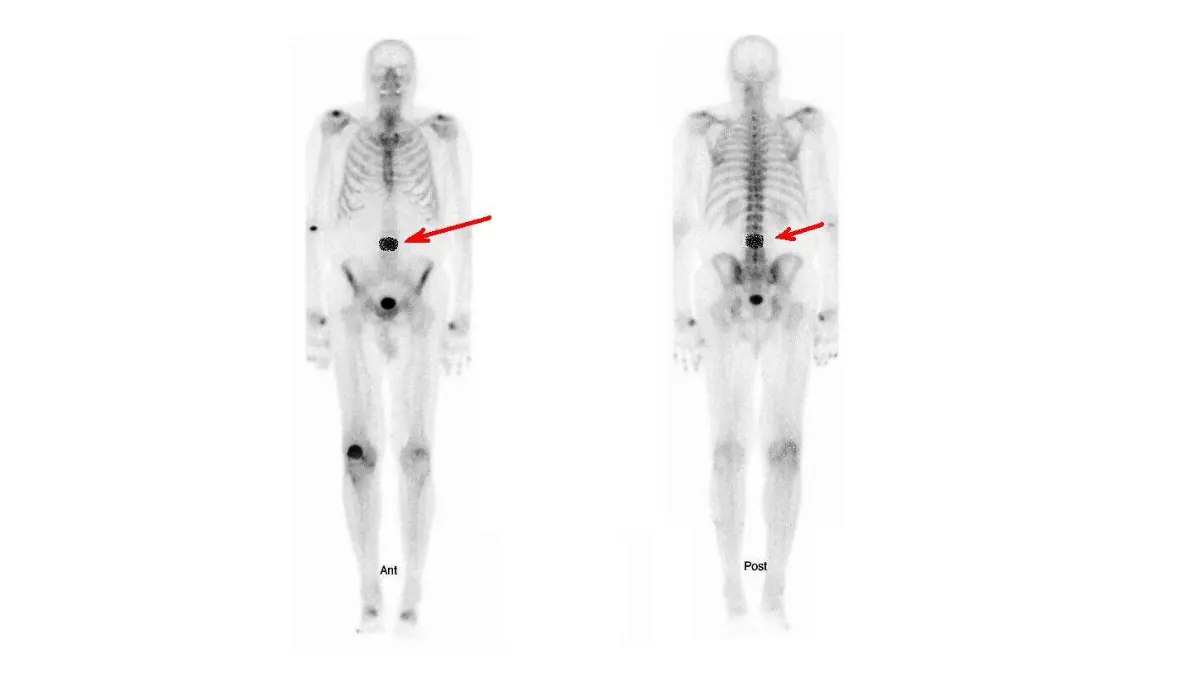
Pain in the mid-back along the thoracic spine is less common in early stages. When it appears, it often signals that lung cancer has spread to the thoracic vertebrae — the bones running alongside the mid-back. Research in PMC (NIH) confirms that the spine accounts for 50% of all bone metastasis locations in NSCLC patients, making it the most frequently affected skeletal site.
Lower Back Pain: The Advanced Stage Warning
Lower back pain is less common as a first sign of lung cancer. When it appears, it typically signals advanced disease with lumbar vertebral metastasis or hypercalcemia — elevated blood calcium caused by bone destruction. Both require immediate medical evaluation.
What Type of Pain Is It? Cancer vs. Regular Back Pain
This is the question every patient asks — and where all top competitors fall short. Here is the definitive side-by-side comparison.
Cancer Back Pain vs. Mechanical Back Pain
| Feature | Lung Cancer Back Pain | Regular Mechanical Back Pain |
|---|---|---|
| Onset | Gradual, no injury or strain trigger | Usually follows physical activity or injury |
| Duration | Persistent — weeks to months | Resolves within days to a few weeks |
| Pain at night | Yes — frequently wakes you from sleep | Usually improves lying down |
| Response to rest | Does NOT improve with rest | Typically improves with rest |
| Response to OTC painkillers | Limited or no effect | Usually responds well |
| Associated symptoms | Cough, weight loss, fatigue, shortness of breath | None |
| Pain character | Deep, dull, aching OR sharp nerve pain | Muscular, stiff, positional |
| One-sided? | Often yes — follows tumor location | Usually bilateral or central |
Pain type descriptions to know:
- Dull, deep, aching bone pain: Most associated with bone metastasis. Constant, not position-dependent.
- Sharp, shooting nerve pain: Occurs when tumors compress spinal nerves or the spinal cord. May radiate into arms or legs.
- Pleuritic pain: Sharp chest-to-back pain that worsens when you breathe in, cough, or laugh. This signals pleural involvement.
- Paraneoplastic pain: Rare but real — the immune system attacks nervous tissue, causing back pain even without cancer spread. Mentioned in the NCI’s NSCLC treatment guidelines as a documented presentation.
Night pain is the most reliable red flag. Unlike mechanical back pain, lung cancer back pain routinely wakes patients from sleep. If you are having difficulty sleeping due to persistent back pain, our Sleep Calculator can help you track your sleep disruption patterns to share with your physician.
Stage-by-Stage Pain Progression
No competitor currently maps back pain against lung cancer staging. This section is a first-of-its-kind resource for patients.
At What Stage Does Lung Cancer Cause Back Pain?
| Stage | Back Pain Likelihood | Primary Cause | Key Detail |
|---|---|---|---|
| Stage I | Rare (< 5%) | Minimal pleural irritation only | Tumor confined to lung — rarely presses external structures |
| Stage II | Possible | Local chest wall or nerve involvement | Larger tumors may begin pressing on pleural nerves |
| Stage III | More common | Regional lymph node spread, larger tumors | Thoracic nerve compression increases |
| Stage IV | Very common (25%+) | Spinal metastasis, bone mets, hypercalcemia | Back pain often becomes a primary symptom |
To understand the full staging picture, read our detailed guide on Lung Cancer Stages Explained.
NSCLC vs. SCLC: Does the Cancer Type Affect Back Pain?
Yes — significantly.
Non-Small Cell Lung Cancer (NSCLC) tends to grow more slowly. Back pain from NSCLC usually emerges in Stage III or IV as tumors enlarge and metastasize to bone. See our comparison of NSCLC vs. SCLC for a full breakdown.
Small Cell Lung Cancer (SCLC) is far more aggressive and spreads rapidly. The NCI’s SCLC treatment guidelines confirm that bone metastases and the resulting back pain can appear significantly earlier in SCLC than in NSCLC — sometimes within weeks of initial symptoms.
The hypercalcemia connection: When lung cancer spreads to bones, it destroys bone tissue, releasing calcium into the bloodstream. This condition — hypercalcemia — causes additional back and muscle pain alongside nausea, extreme thirst, fatigue, and confusion. It is a medical emergency requiring immediate IV treatment.
What this means for you: Early-stage lung cancer is unlikely to cause back pain. If you are experiencing back pain alongside any early signs of lung cancer, do not wait for symptoms to worsen — request imaging from your physician now.
Red Flags — When Lung Cancer Back Pain Requires Emergency Care
This section could save a life. Spinal cord compression from lung cancer is an oncologic emergency — every hour of delay increases the risk of permanent paralysis.
🚨 Go to the Emergency Room Immediately If You Have:
- Sudden severe back pain + leg weakness, numbness, or inability to walk
- Loss of bladder or bowel control alongside back pain (spinal cord compression)
- Back pain + sudden difficulty breathing or chest tightness
- Back pain + one-sided arm weakness, facial drooping, or confusion
- Back pain + coughing up blood (hemoptysis)
According to a documented case report in PMC/NIH, a 52-year-old non-smoker was initially treated for sciatica for eight weeks before spinal metastases from lung adenocarcinoma were identified. He had no respiratory symptoms. By the time diagnosis occurred, multiple skeletal sites were involved. Early referral changed the trajectory of his care.
📅 Book an Urgent Appointment This Week If You Have:
- Back pain lasting more than 4 weeks with no injury cause
- Night pain that consistently wakes you from sleep
- Back pain + unexplained weight loss of 10 lbs or more
- Back pain + chronic cough or hoarseness lasting more than 3 weeks
- Back pain that does not respond to over-the-counter pain relievers
- Back pain + fatigue and loss of appetite
For a full list of warning signs to monitor, see our article on lung cancer signs and early warnings and lung cancer symptoms in women, which presents a distinct pain pattern often missed in female patients.
Use our Symptom Checker to document your full symptom profile before your appointment.
Diagnosis, Pain Management & Your Next Steps
How Doctors Diagnose Lung Cancer Back Pain
Your physician will not jump straight to a lung cancer diagnosis. The workup is systematic:
| Test | What It Detects |
|---|---|
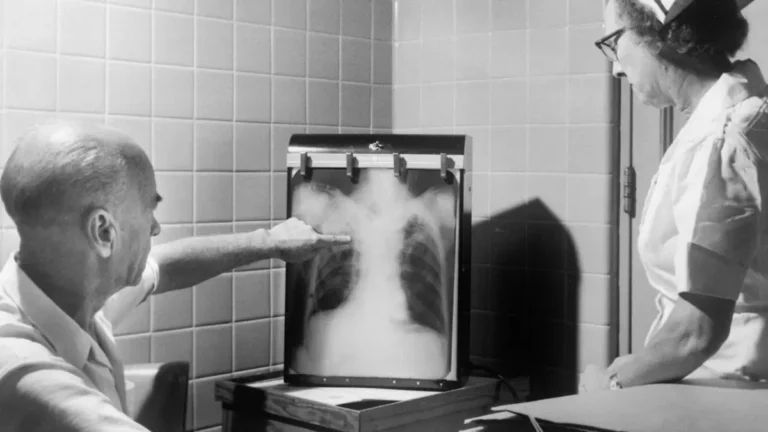
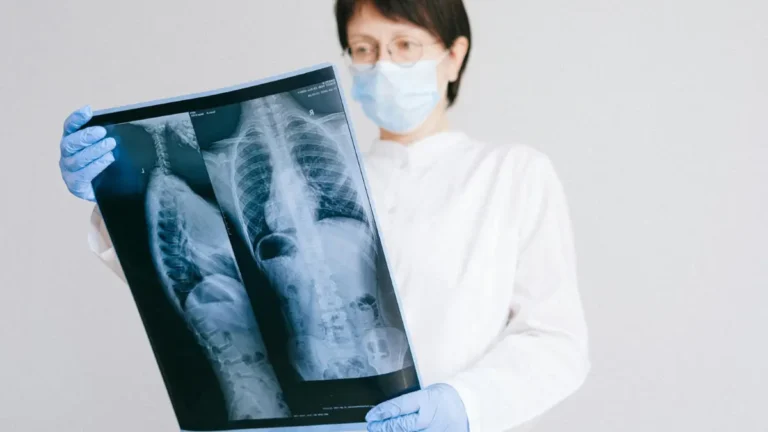
| Chest X-ray | Large tumors, pleural effusion, shadows |
| CT Scan | Small tumors, lymph nodes, early bone changes |
| MRI | Spinal cord compression, soft tissue invasion |
| PET Scan | Active cancer spread throughout the body, bone metastases |
| Bone Scan | Skeletal metastasis at multiple sites |
| Biopsy | Confirms cancer type and molecular profile |
Important: CT scans detect tumors X-rays miss. If your doctor orders only an X-ray and it is normal, but symptoms persist — request a CT scan.
Pain Management Options for Lung Cancer Back Pain
The NIH’s research on interventional pain management in lung cancer identifies several effective approaches depending on the cause of back pain:
For mild to moderate pain:
- OTC analgesics (NSAIDs, acetaminophen) — limited effectiveness for bone-origin pain
- Prescription opioids in escalating doses under oncology supervision
For bone metastasis pain:
- Bisphosphonates (zoledronic acid) and denosumab — proven to reduce bone pain and prevent skeletal fractures
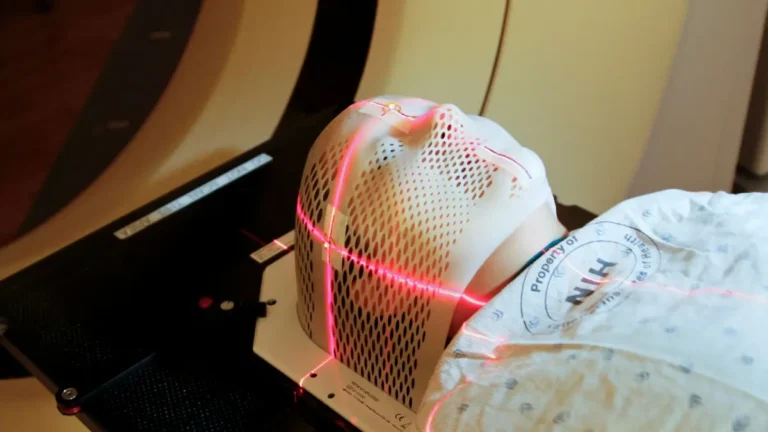
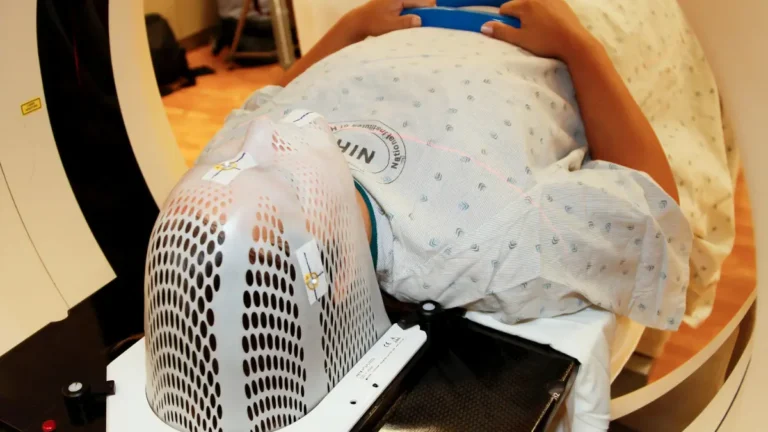
- Radiation therapy — the gold standard for localized bone metastasis pain relief
For nerve compression pain:
- Nerve blocks and epidural steroid injections
- Stereotactic body radiation therapy (SBRT)
For spinal cord compression:
- High-dose corticosteroids (emergency treatment)
- Urgent surgery or radiation — time-critical
Palliative and supportive care options:
- Physical therapy and guided, low-impact exercise
- Acupuncture (evidence-supported for cancer pain)
- Heat therapy and TENS units for muscular component of pain
If you are managing medications for pain, use our Pill Identifier to verify your prescriptions. Patients managing hypercalcemia from bone metastases are typically advised to increase fluid intake — our Water Intake Calculator can help establish a daily hydration target.
5 Questions to Ask Your Oncologist About Back Pain
- Is my back pain coming from the tumor, nerve compression, or bone spread?
- Do I need a bone scan or PET scan to check for spinal metastases?
- Should I be on bisphosphonates or denosumab to protect my bones?
- Is there a risk of spinal cord compression based on my imaging?
- What are the warning signs I should go to the ER for immediately?
For a comprehensive overview of your lung cancer journey, start with our What Is Lung Cancer pillar article, and review current lung cancer statistics and survival rates to understand the full clinical picture.
Frequently Asked Questions
1. What does lung cancer back pain feel like?
It is typically a deep, dull, aching pain that does not improve with rest. It may feel like pressure between the shoulder blades, a persistent throb in the mid-back, or sharp radiating nerve pain if the spinal cord or nerves are involved. Night pain that wakes you from sleep is a hallmark feature.
2. Where exactly does lung cancer cause back pain?
The most common location is the upper back and between the shoulder blades, especially with Pancoast tumors. Middle-back pain signals possible thoracic vertebral metastasis. Lower-back pain is associated with lumbar bone spread in advanced disease.
3. Can lung cancer cause lower back pain?
Yes, but it is more commonly seen in advanced-stage lung cancer when cancer has spread (metastasized) to the lumbar vertebrae or caused hypercalcemia from bone destruction.
4. Is back pain from lung cancer worse at night?
Yes. Night pain that consistently wakes you from sleep is one of the most significant distinguishing features of cancer-related back pain versus mechanical back pain, which typically improves with rest.
5. How is lung cancer back pain different from regular back pain?
Cancer-related back pain does not improve with rest, does not respond to standard OTC pain relievers, has no injury trigger, is often one-sided, and is accompanied by systemic symptoms like unexplained weight loss, fatigue, or chronic cough.
6. Can early-stage lung cancer cause back pain?
Rarely. Back pain is uncommon in Stage I lung cancer. It becomes progressively more likely as the disease advances to Stage III and IV.
7. What is a Pancoast tumor and how does it cause back pain?
A Pancoast tumor is a lung cancer growing at the top (apex) of the lung. It compresses the brachial plexus nerve network, causing pain in the upper back, shoulder blade, and arm — often mimicking arthritis or a rotator cuff injury.
8. Does lung cancer cause pain between the shoulder blades?
Yes. Upper back pain between or around the shoulder blades is a classic pattern for apical (top-lobe) lung tumors and Pancoast syndrome.
9. What is the connection between bone metastasis and back pain in lung cancer?
When lung cancer spreads to the vertebrae, it triggers cancer-induced bone pain (CIBP) — a complex pain involving both nociceptive and neuropathic components that is often severe, constant, and position-independent.
10. When should I go to the ER for back pain related to lung cancer?
Immediately if you experience: leg weakness or numbness with back pain, loss of bladder or bowel control, sudden severe back pain worsening rapidly, or any sign of spinal cord compression. These are oncologic emergencies.
11. How is lung cancer back pain treated?
Treatment depends on the cause. Options include bisphosphonates or denosumab for bone metastasis, radiation therapy for localized bone pain, nerve blocks for neuropathic pain, and surgery or high-dose steroids for spinal cord compression. Palliative care specialists can also provide multi-modal pain relief.
📋 Medical Disclaimer: This article is for educational purposes only and does not constitute medical advice, diagnosis, or treatment. Always consult a qualified healthcare professional or oncologist for any medical concerns. If you are experiencing symptoms described in this article, seek immediate medical attention.
For more lung cancer resources, visit our comprehensive lung cancer guide and lung cancer FDA-approved treatments 2026.
About this content
How this article was put together: researched from recognised health sources, drafted with the help of AI tools, and edited by hand, with sources linked throughout.

Sameer Patel is the founder and editor of My Medicine Advisor. He is not a doctor or medical professional — before starting this site he worked in banking,…
Medical disclaimer
The content on MyMedicineAdvisor is provided for general informational and educational purposes only and is not a substitute for professional medical advice, diagnosis, or treatment. Health information on this website should not be used to diagnose, treat, cure, or prevent any condition without guidance from a qualified healthcare professional. Always seek the advice of your doctor, physician, or another licensed healthcare provider with any questions you may have regarding a medical condition, symptoms, medications, or treatment decisions.