
Metastatic Breast Cancer: Trusted Treatment Guide by Subtype
Metastatic breast cancer treatment in 2026 depends on receptor status — which can change between your original tumor and the metastatic site.

Metastatic breast cancer treatment in 2026 depends on receptor status — which can change between your original tumor and the metastatic site.
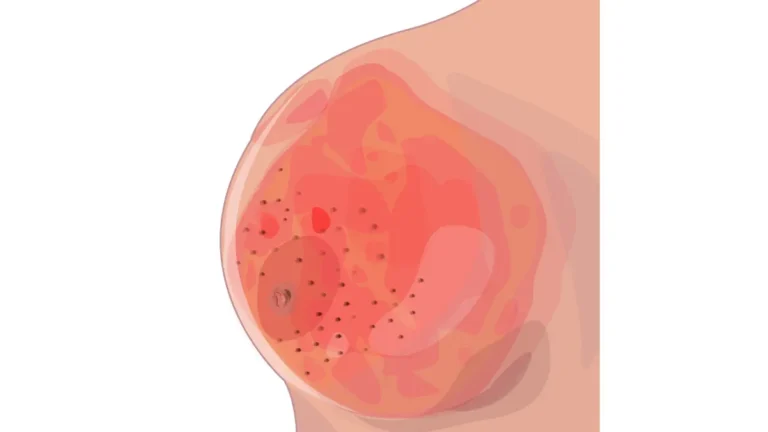
Inflammatory breast cancer is Stage IIIB at every diagnosis per NCCN 2026 — it invades lymphatic vessels in the breast skin, never forming a lump.
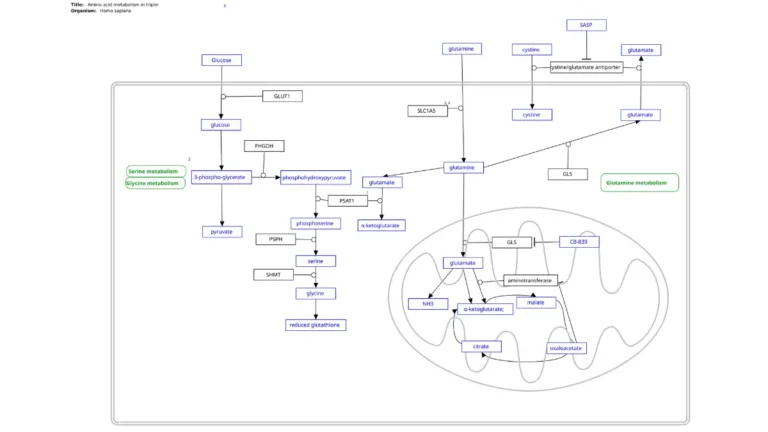
HER2-positive breast cancer entered a new treatment era in 2026 after Enhertu reached 92.4% IDFS in DESTINY-Breast05 patients.
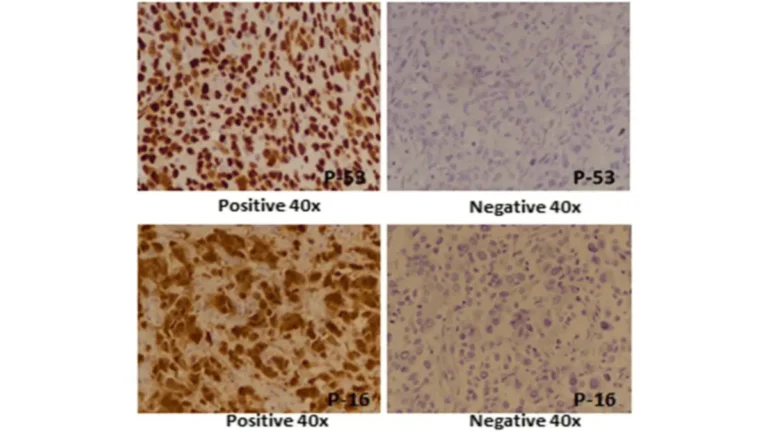
Triple-negative breast cancer: Stage I carries ~91% 5-year survival, but Stage IV drops to 12%. A gynecologic oncologist explains what pCR changes.
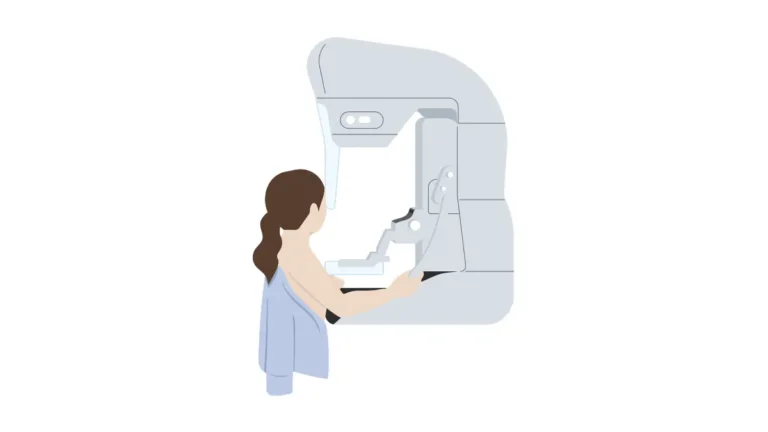
Breast cancer mammograms: ACS, USPSTF, and ACR now align on age 40 — but BRCA carriers start a decade earlier. Know your protocol.
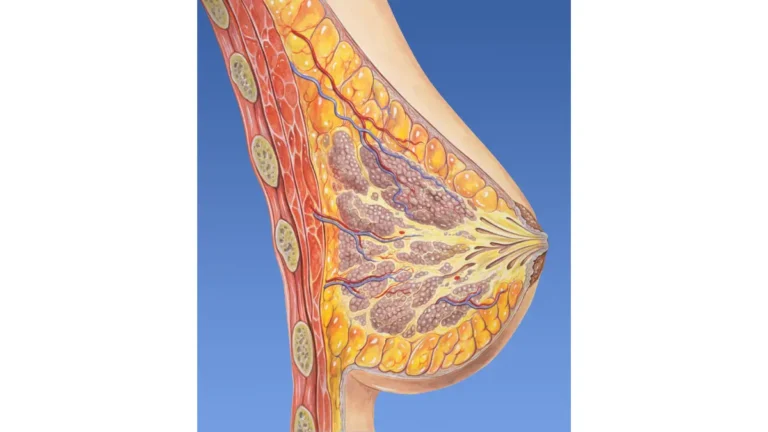
Breast cancer risk: BRCA1 mutation raises lifetime risk to 72%. Each daily drink adds 10% more — and a 20% Tyrer-Cuzick score changes your care plan.
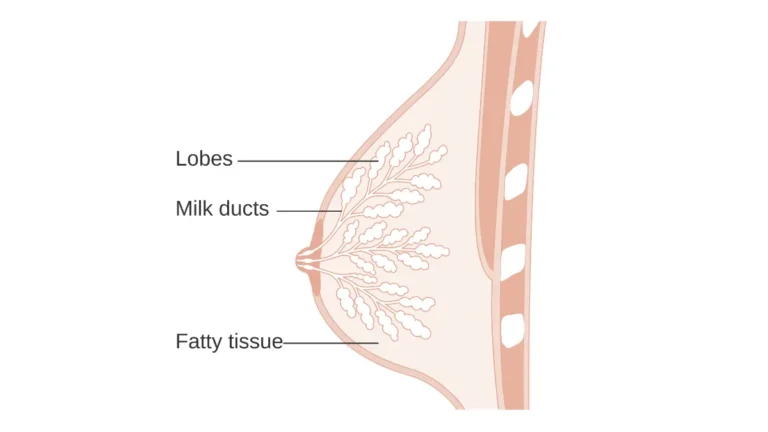
Breast cancer types determine which drugs you get. TNBC needs pembrolizumab; HER2+ needs trastuzumab. Know your type before your first appointment.
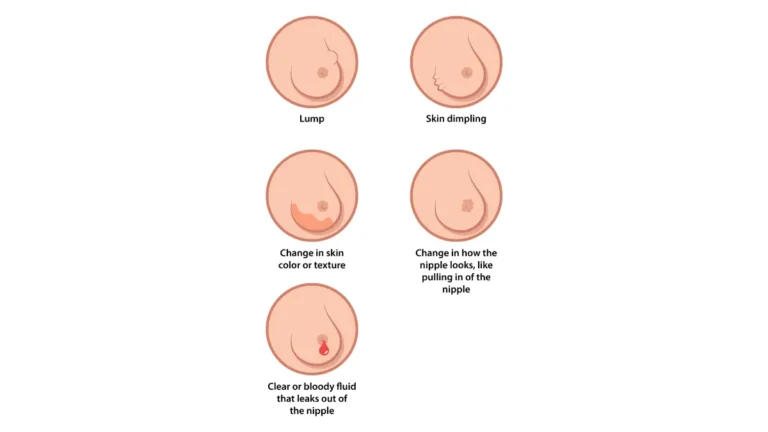
Stage IV breast cancer survival: 31% in 2026 data. A board-certified gynecologic oncologist explains what each stage and subtype means for your prognosis.
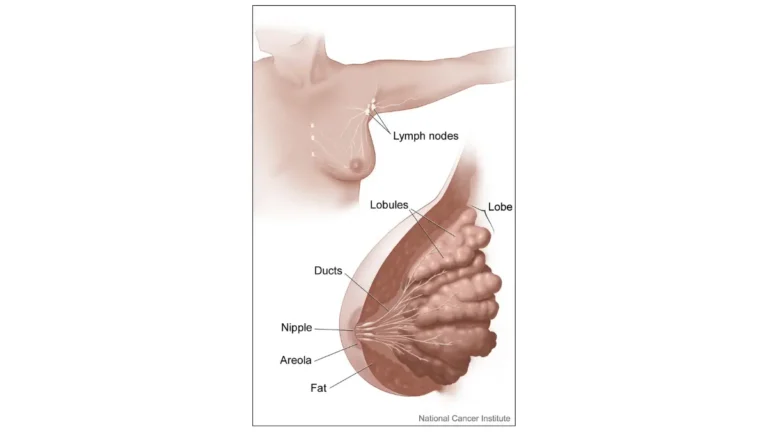
Breast cancer staging goes beyond a number. Your biomarker profile, TNM substage, and NCI SEER 2026 survival data shape your actual prognosis.
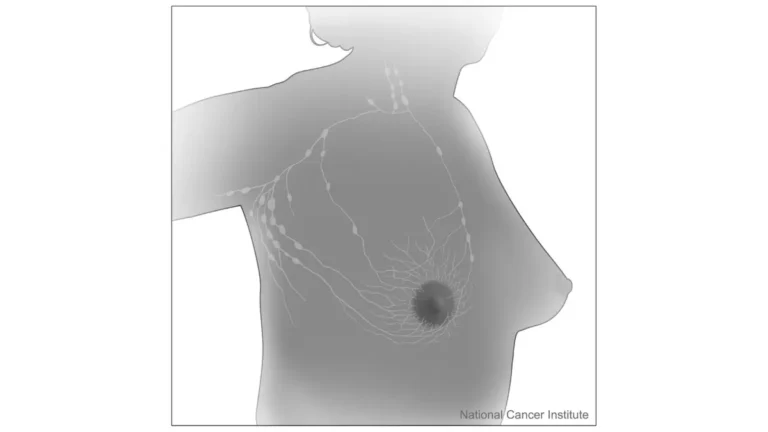
Breast cancer symptoms — most of them painless — have a 99% 5-year survival rate when localized. Here's what an oncologist checks first.

Breast cancer stage guides treatment—but receptor subtype changes the plan. An oncologist explains all four treatment pathways using NCCN 2026.