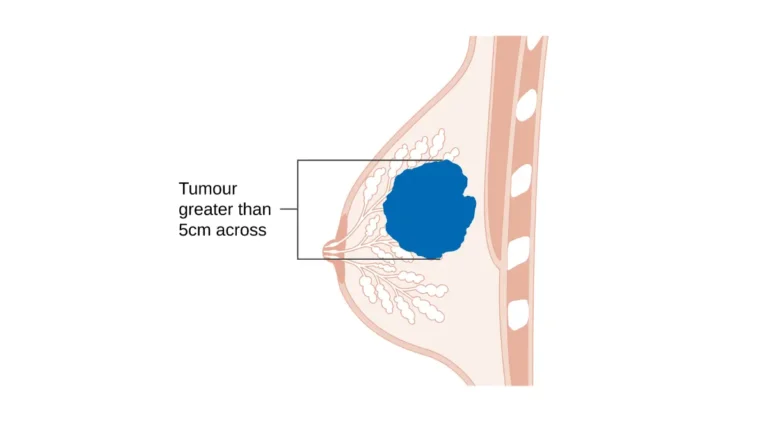
Breast Cancer Questions Every Oncologist Must Answer
Breast cancer questions organized by 5 NCCN 2026 clinical decision phases — asking about Oncotype DX may safely remove chemo from your plan.

Breast cancer questions organized by 5 NCCN 2026 clinical decision phases — asking about Oncotype DX may safely remove chemo from your plan.

Breast cancer clinical trials are written into NCCN 2026 guidelines as a first-line option — not a fallback. Here's what eligibility actually requires.
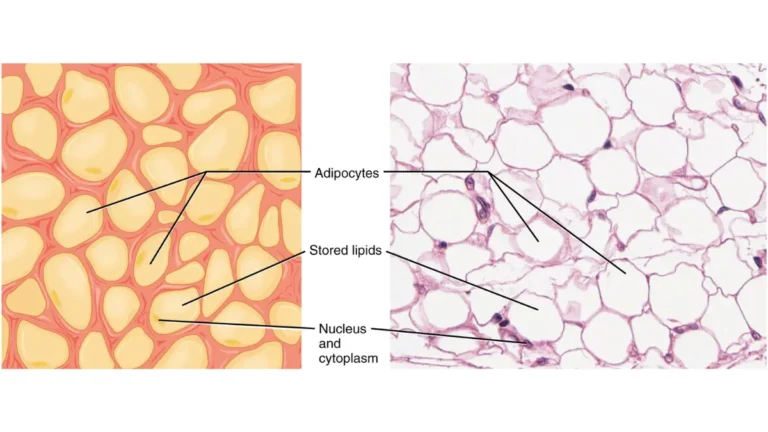
Obesity and breast cancer share a hormonal pathway — fat tissue produces estrogen via aromatase, competing with aromatase inhibitor therapy.
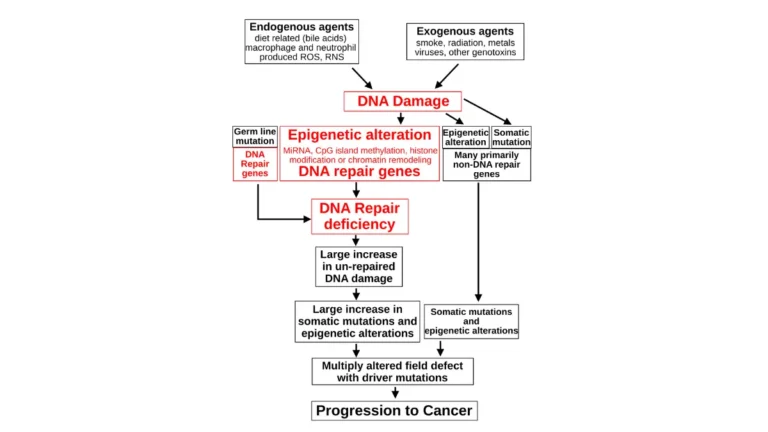
Alcohol raises breast cancer risk 7–10% per drink — no safe threshold exists. See how estrogen, DNA damage, and BRCA status amplify that risk.
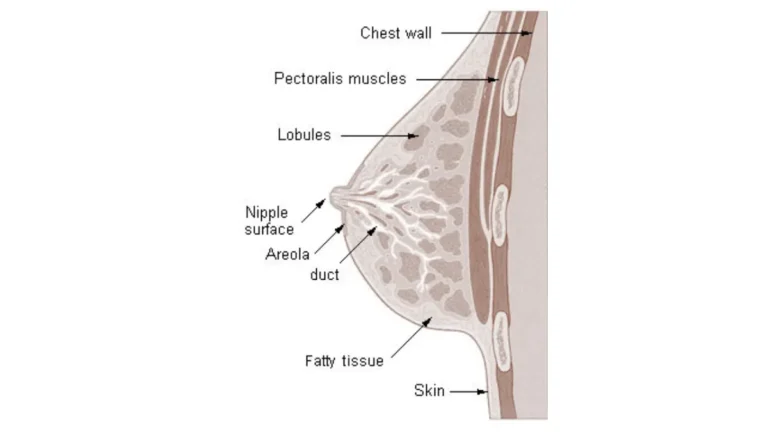
Breast cancer prevention changes dramatically once a Gail Model score reaches 1.7%. Many eligible women are never offered chemoprevention.
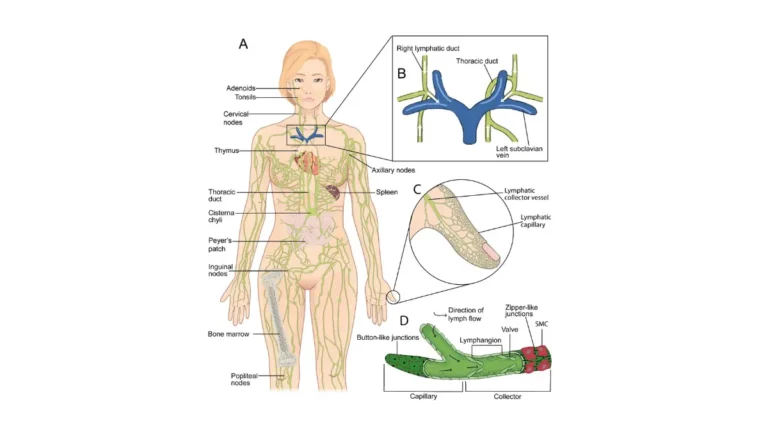
Lymphedema after breast cancer surgery can exist at Stage 0 — before swelling appears. NCCN 2026 names CDT as Category 1. A sleeve alone isn't enough.
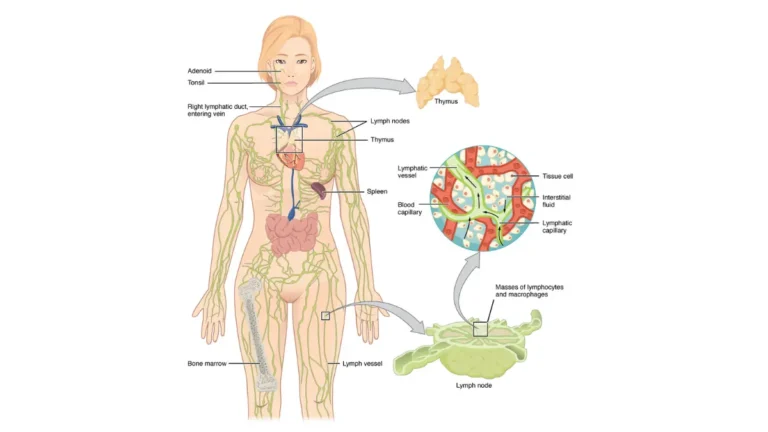
Life after breast cancer has a clinical roadmap — most survivors never receive it. A gynecologist names the three care gaps survivors should close.

Recurrent breast cancer isn't one diagnosis — it's three. Local types aren't stage 4. CDK4/6 inhibitors now lead ER-positive distant recurrence treatment.
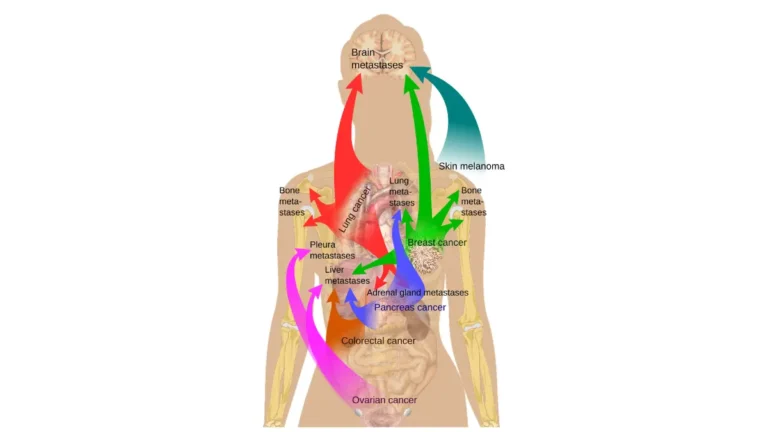
Stage 4 breast cancer treatment is now subtype-specific — T-DXd, CDK4/6 inhibitors, and PARP inhibitors matched to HER2, ER+, and BRCA status in 2026.
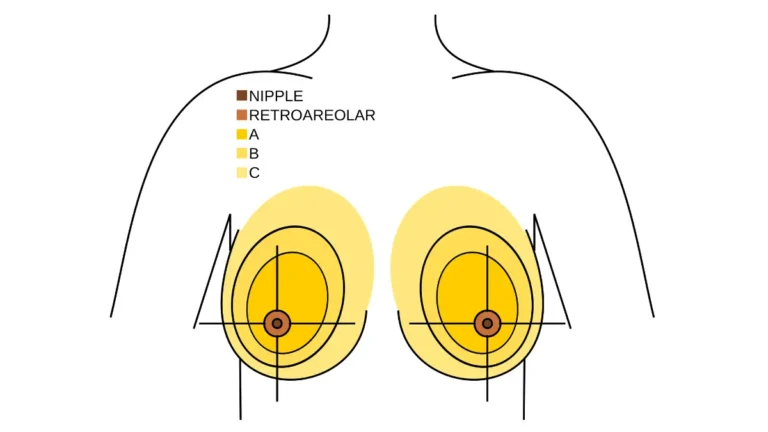
Dense breast tissue raises cancer risk 2.5x in BI-RADS D patients — and mammogram sensitivity can fall to 60–70% in dense tissue.
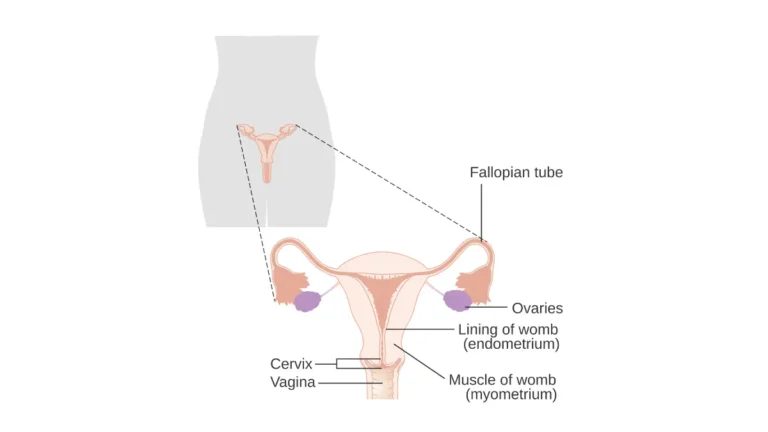
Egg freezing is clinically safe for ER+ breast cancer patients — a fact most premenopausal patients aren't told before their first oncology appointment.