
Finding a Breast Cancer Clinical Trial
Breast cancer clinical trials are written into NCCN 2026 guidelines as a first-line option — not a fallback. Here's what eligibility actually requires.

Clear information on cancer symptoms, screening, staging and treatment, written to help you understand your situation and talk to your care team.
Breast cancer clinical trials are written into NCCN 2026 guidelines as a first-line option — not a fallback. Here's what eligibility actually requires.

Obesity and breast cancer share a hormonal pathway — fat tissue produces estrogen via aromatase, competing with aromatase inhibitor therapy.
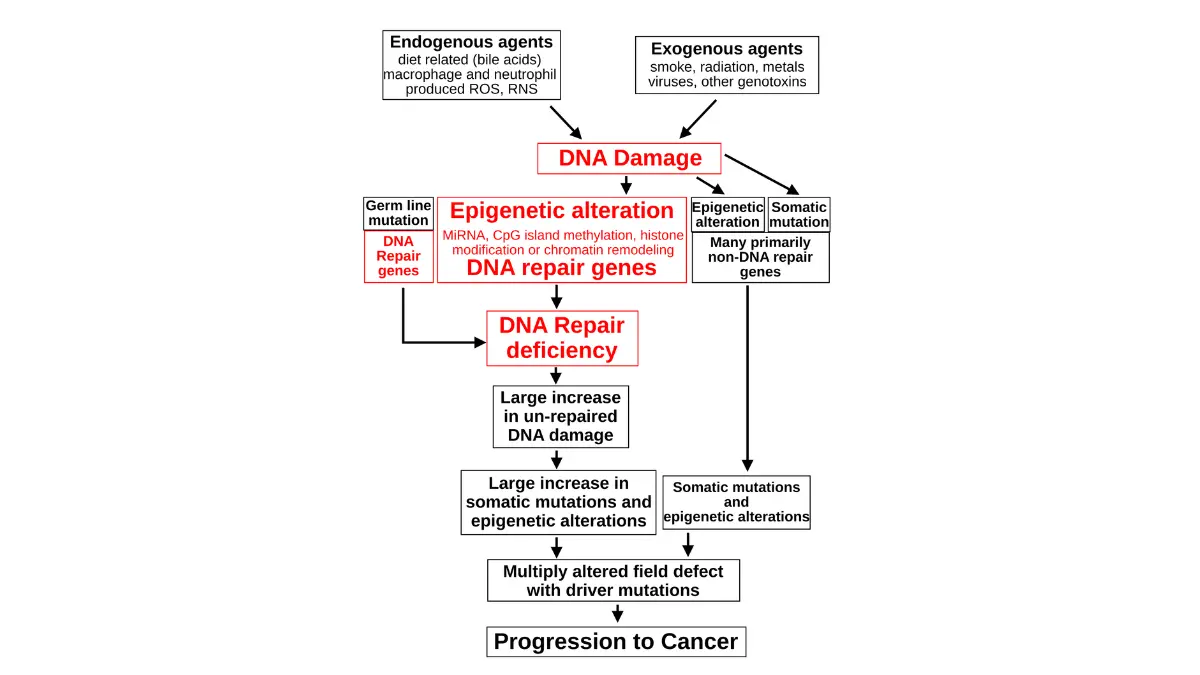
Alcohol raises breast cancer risk 7–10% per drink — no safe threshold exists. See how estrogen, DNA damage, and BRCA status amplify that risk.
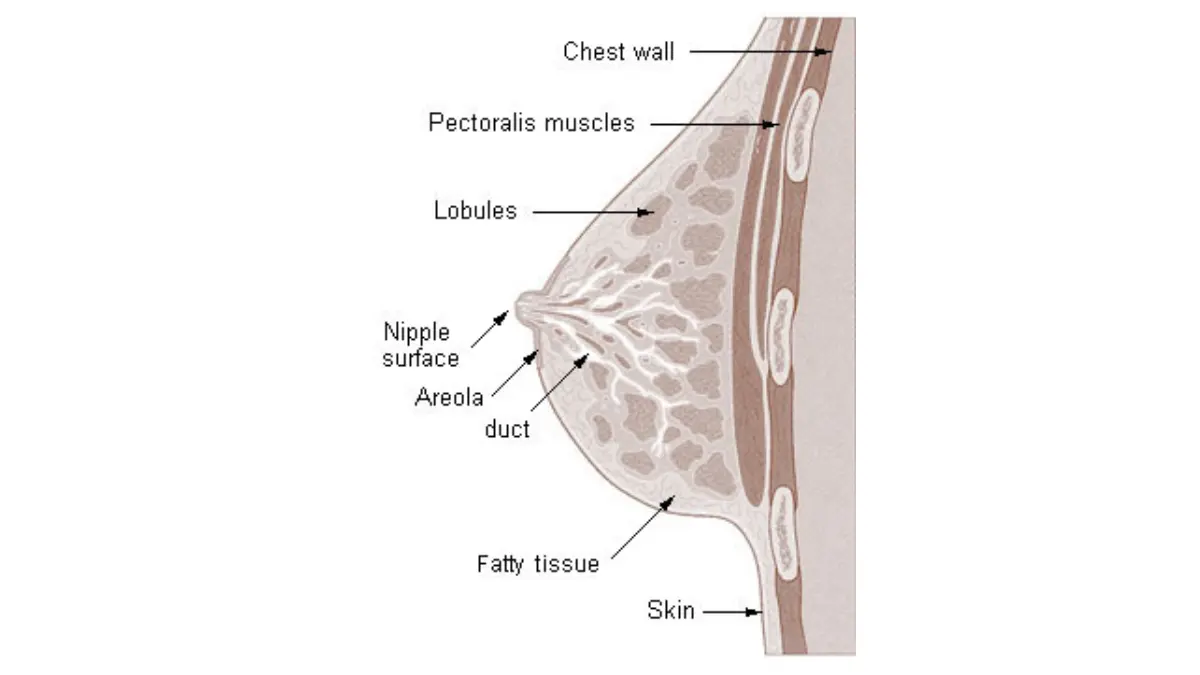
Breast cancer prevention changes dramatically once a Gail Model score reaches 1.7%. Many eligible women are never offered chemoprevention.

Lymphedema after breast cancer surgery can exist at Stage 0 — before swelling appears. NCCN 2026 names CDT as Category 1. A sleeve alone isn't enough.
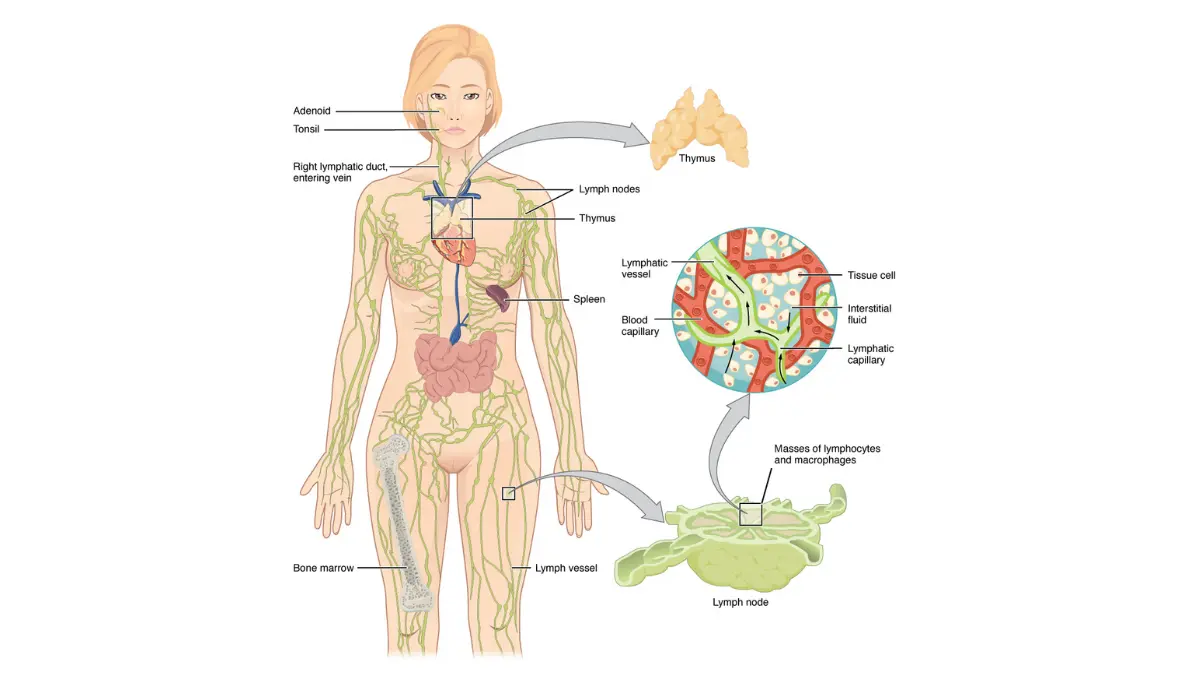
Life after breast cancer has a clinical roadmap — most survivors never receive it. A gynecologist names the three care gaps survivors should close.

Recurrent breast cancer isn't one diagnosis — it's three. Local types aren't stage 4. CDK4/6 inhibitors now lead ER-positive distant recurrence treatment.

Dense breast tissue raises cancer risk 2.5x in BI-RADS D patients — and mammogram sensitivity can fall to 60–70% in dense tissue.

Egg freezing is clinically safe for ER+ breast cancer patients — a fact most premenopausal patients aren't told before their first oncology appointment.
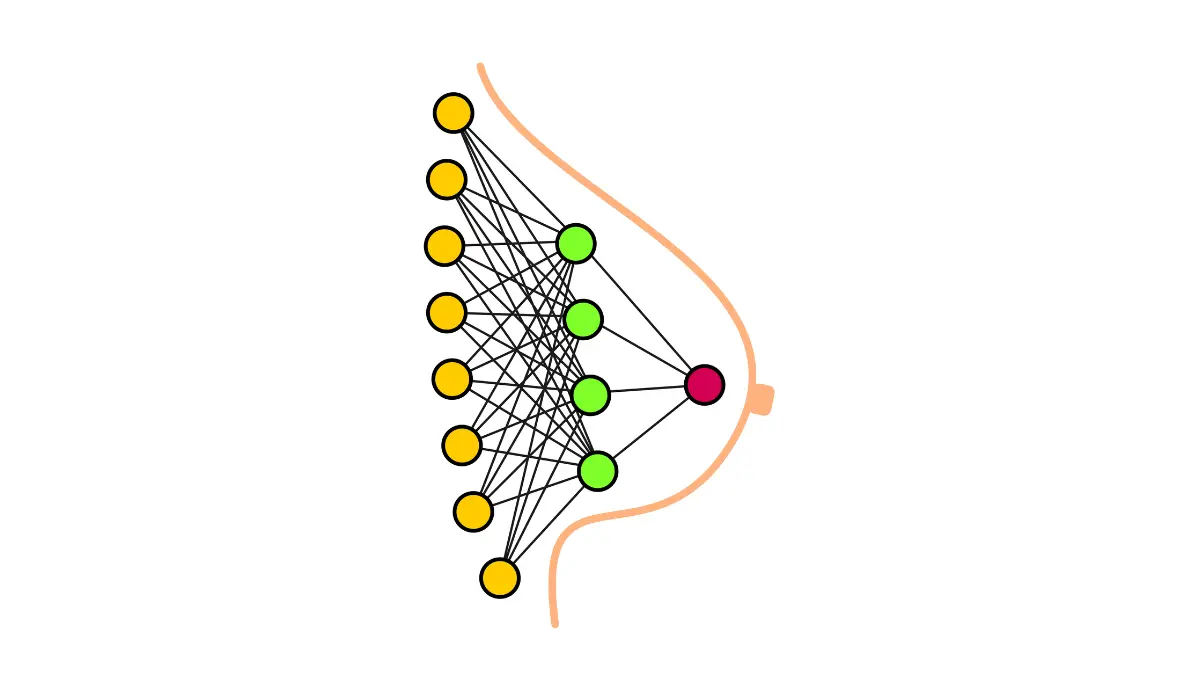
Breast cancer during pregnancy carries a ~99% five-year survival rate at Stage I per 2026 NCI SEER data — but only when specialist care begins within 48 hours of diagnosis.

Male breast cancer's most dangerous symptom is painlessness. 75–80% of cases present with a painless lump men dismiss for 12+ months.
