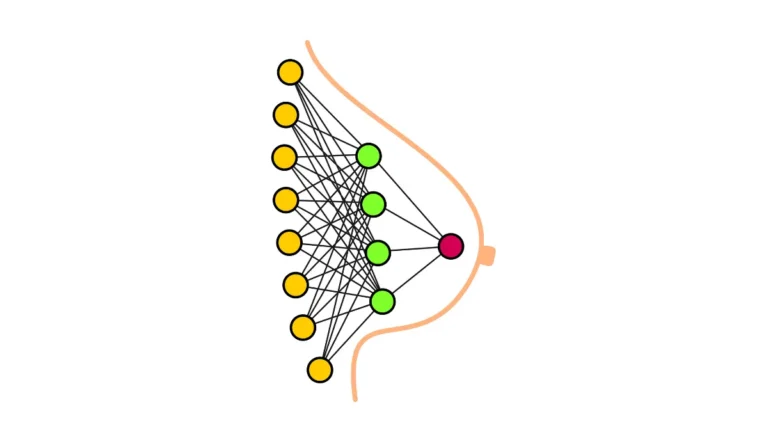
Breast Cancer During Pregnancy — A Gynecologic Oncologist’s Guide
Breast cancer during pregnancy carries a ~99% five-year survival rate at Stage I per 2026 NCI SEER data — but only when specialist care begins within 48 hours of diagnosis.

Breast cancer during pregnancy carries a ~99% five-year survival rate at Stage I per 2026 NCI SEER data — but only when specialist care begins within 48 hours of diagnosis.
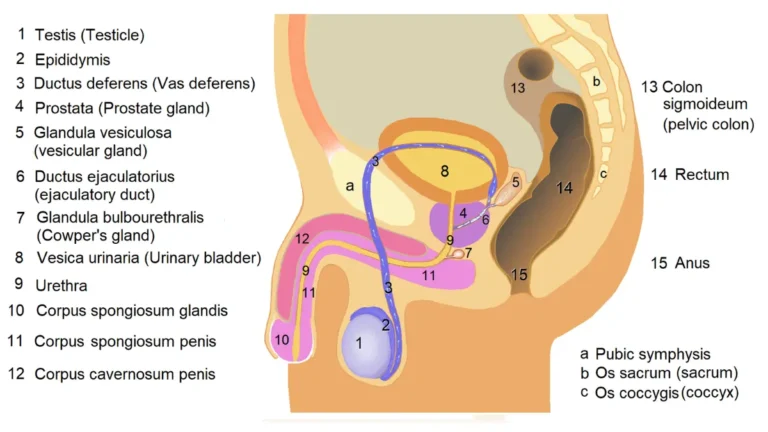
Male breast cancer's most dangerous symptom is painlessness. 75–80% of cases present with a painless lump men dismiss for 12+ months.
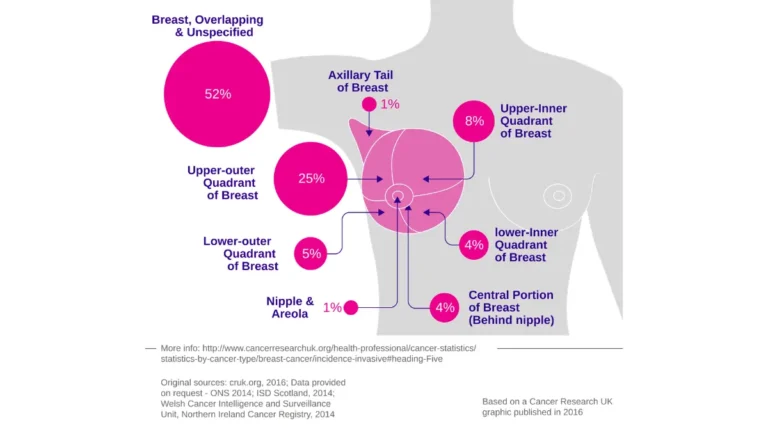
Black women with TNBC lose tamoxifen access. An oncologist explains 2026 NCCN screening age, BRCA testing, and pembrolizumab eligibility.
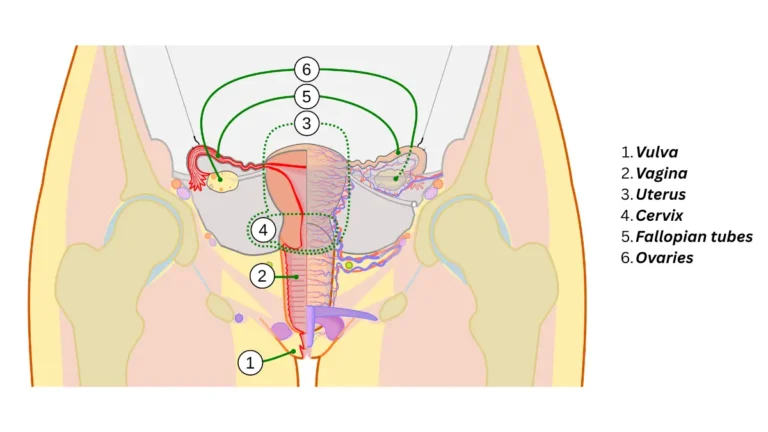
BRCA gene test positive means predisposition, not diagnosis — but for BRCA1 carriers, lifetime breast cancer risk reaches up to 72%.

Breast reconstruction after mastectomy means choosing between implants and DIEP flap — and radiation therapy changes which option is clinically safer.
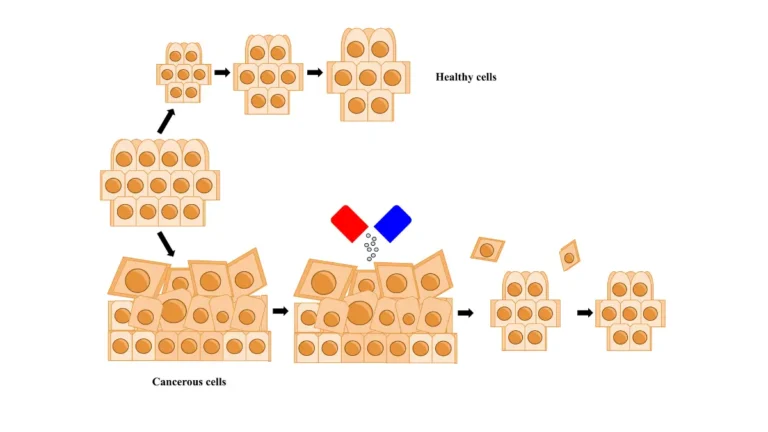
Chemo side effects aren't inevitable. A gynecologic oncologist maps AC vs. Taxol, the 3-drug antiemetic protocol, and the ER fever threshold.

Tamoxifen vs aromatase inhibitors: AIs suppress estrogen 95%+ — but only in postmenopausal women. Menopausal status determines your drug, per NCCN 2026.
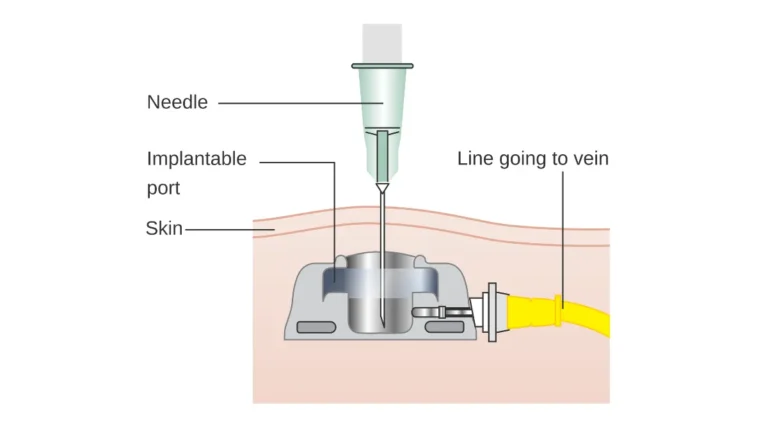
Breast cancer chemotherapy cycles in waves. Day 1 is rarely the hardest — most patients don't know this. Get the AC-T timeline and NCCN 2026 thresholds.
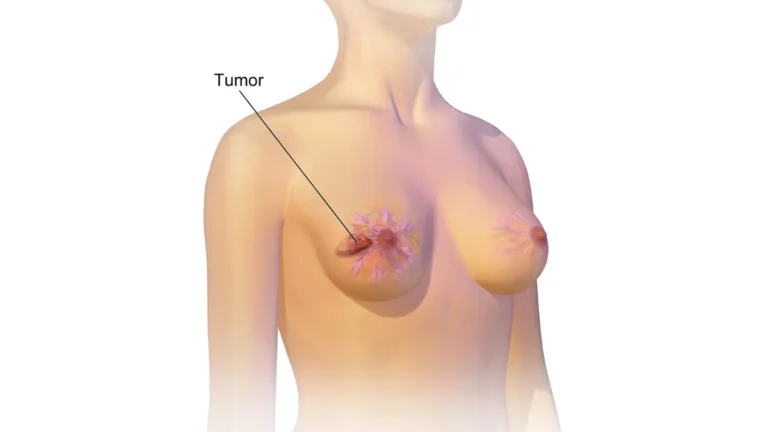
ost breast cancer radiation patients qualify for 15 sessions, not 25. NCCN 2026 guidelines and ASTRO's cardiac threshold <2 Gy explained.

Lumpectomy vs mastectomy: for Stage I-II, survival rates are equal. Here are the 5 factors surgeons weigh before deciding.
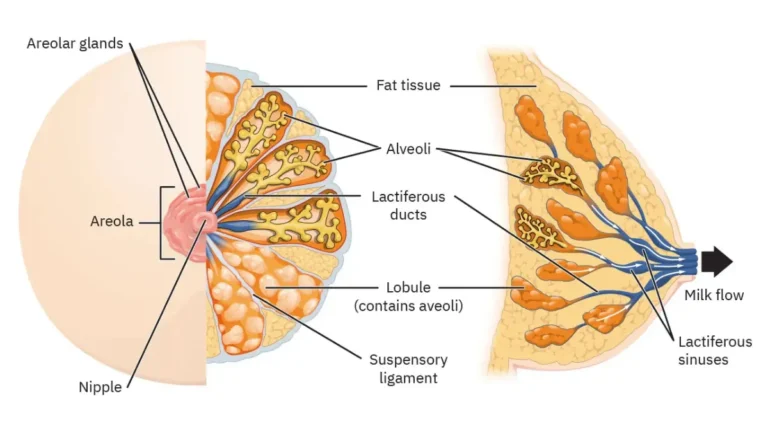
DCIS breast cancer: 99% survival rate when treated, but grade 3 with comedo necrosis changes the surgical decision. A gynecologic oncologist explains.