
What causes prostate cancer? 6 risk factors and what each adds
Prostate cancer risk rests mostly on age, ancestry, family history and genes. Under the 2026 ACS guideline, Black men start yearly PSA tests at 45.

Clear information on cancer symptoms, screening, staging and treatment, written to help you understand your situation and talk to your care team.
Prostate cancer risk rests mostly on age, ancestry, family history and genes. Under the 2026 ACS guideline, Black men start yearly PSA tests at 45.
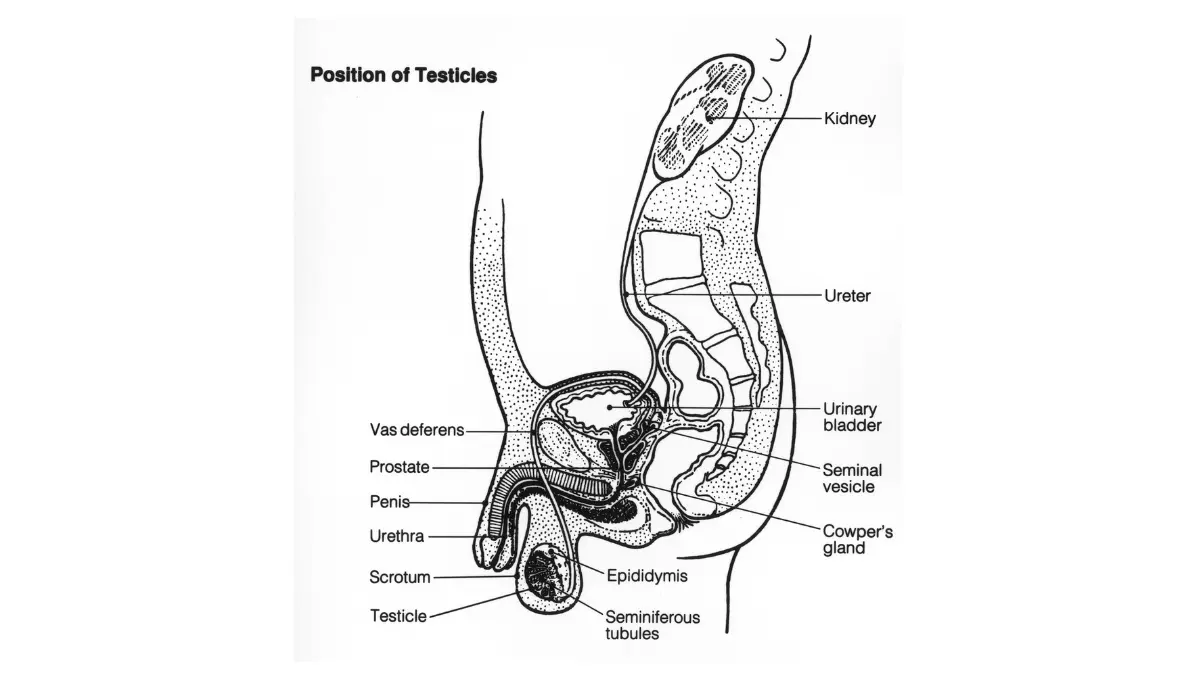
A PSMA PET scan spots prostate cancer spread that older scans miss, and trials show it's far more accurate. Here's how to read your results.
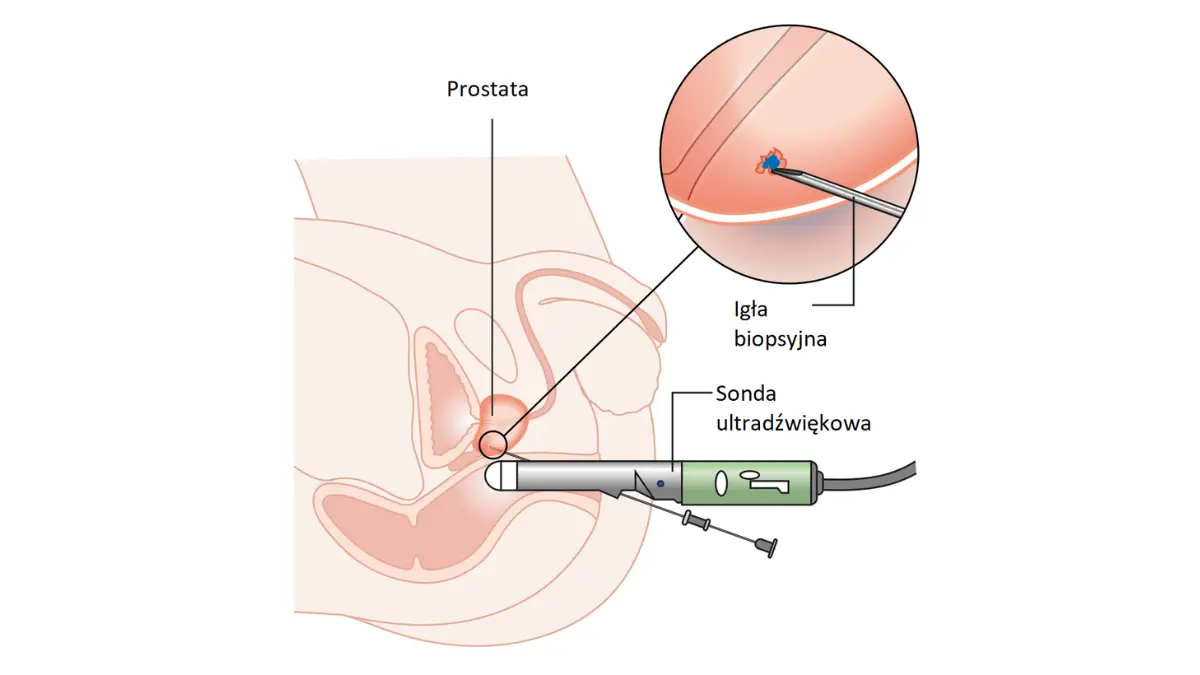
A prostate biopsy is the only way to confirm or rule out cancer after a high PSA. Here's what to expect, from MRI-guided biopsy to your Gleason score.
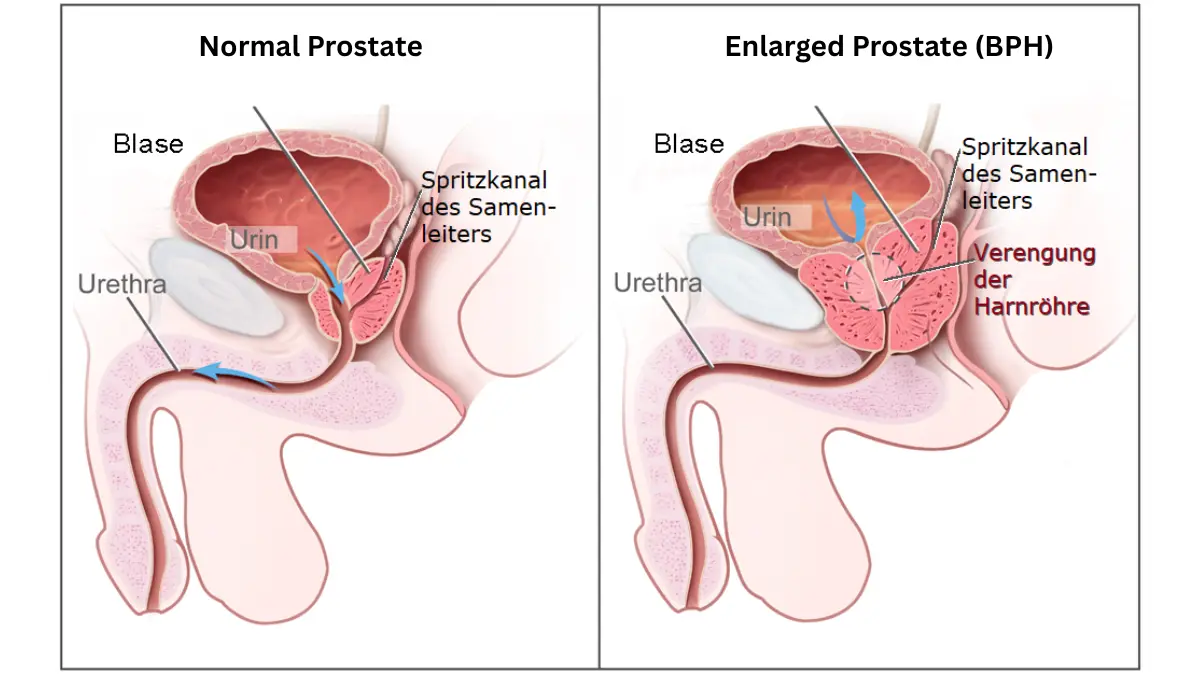
A high PSA on its own doesn't mean cancer. BPH, infection, recent exercise, and finasteride can all raise it—and many elevations settle on a repeat test.
In one large US study, half of men in their 40s had a PSA under 0.68 ng/mL. Compare your result by age and see what triggers a retest.
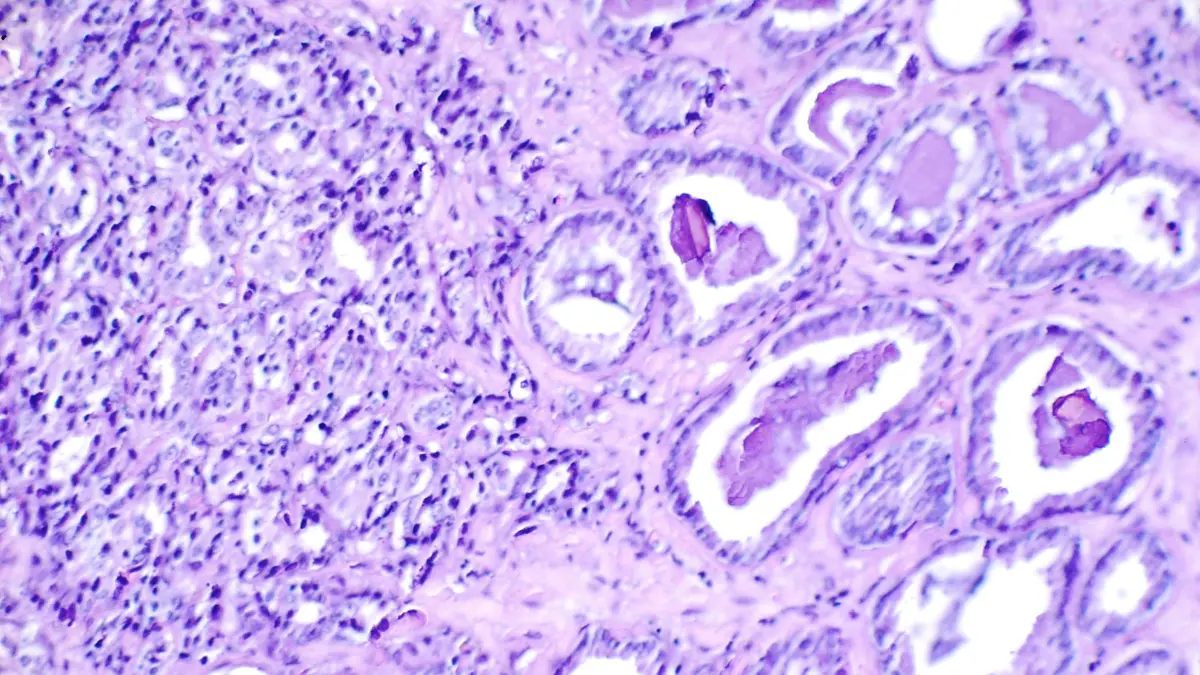
Your Gleason score grades prostate cancer from 6 to 10—but a 7 isn't one thing, and the score alone doesn't predict survival. Here's what it really means.

Stage 4 prostate cancer is treatable, not curable, and its survival rate is higher than older figures suggest. Here's what the numbers mean for you.

Prostate cancer stages range from 1 to 4, set by how far it has spread, your PSA, and your Grade Group. Here's what your stage really means.

USPSTF now recommends annual mammograms from age 40 — and every state funds free breast cancer screening for uninsured women through the CDC's NBCCEDP.

Most breast cancer caregivers aren't told the 100.4°F rule — a fever at that threshold during chemo means call the oncology line now, not tomorrow.

Breast cancer questions organized by 5 NCCN 2026 clinical decision phases — asking about Oncotype DX may safely remove chemo from your plan.

