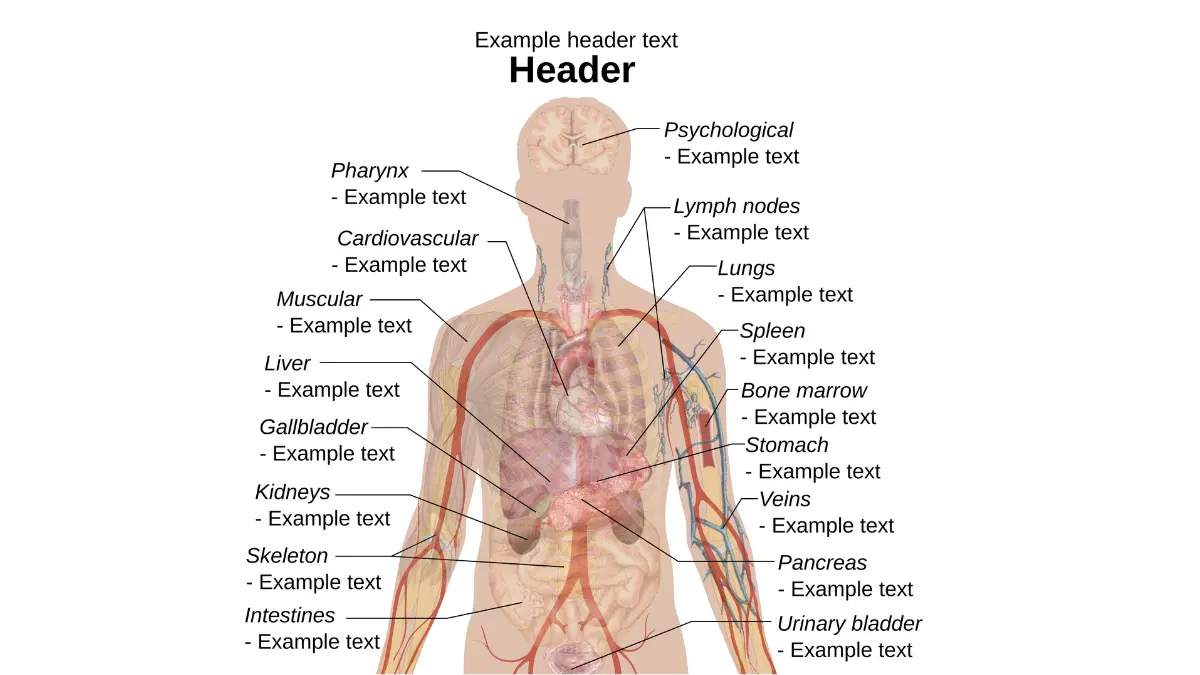
What a Normal CBC Result Really Means for Cancer
Got a normal CBC but still fear cancer? A normal count makes blood cancers less likely, yet it can't see solid tumors—only a biopsy rules cancer out.

Got a normal CBC but still fear cancer? A normal count makes blood cancers less likely, yet it can't see solid tumors—only a biopsy rules cancer out.
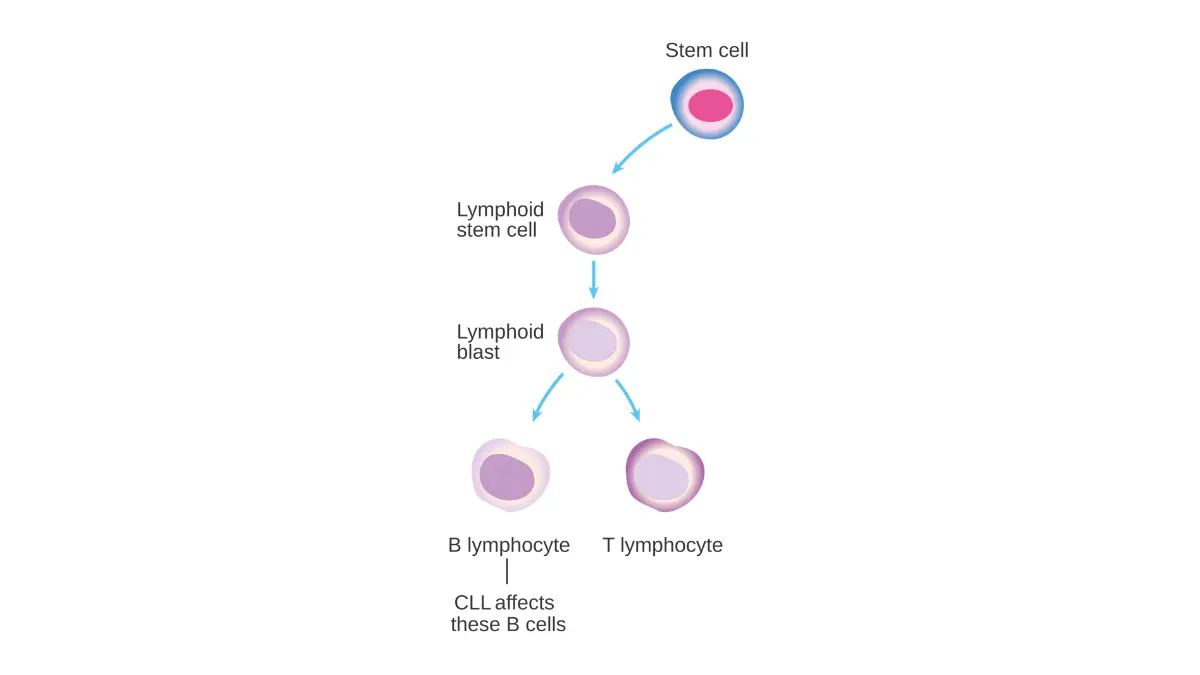
Can a CBC detect leukemia? It can raise suspicion—an abnormal white count, low platelets, blasts—but a bone marrow test is what confirms the diagnosis.
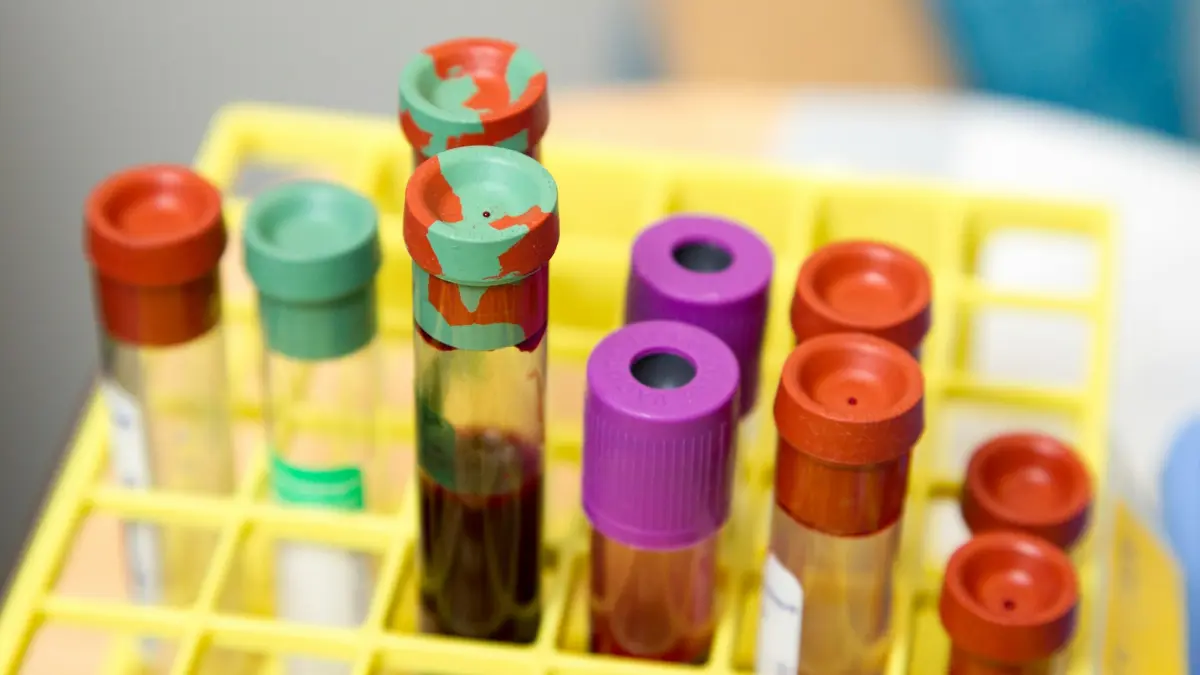
A CBC detects cancer only indirectly — it flags blood cancers like leukemia, but a normal result never rules cancer out. See what your counts really mean.
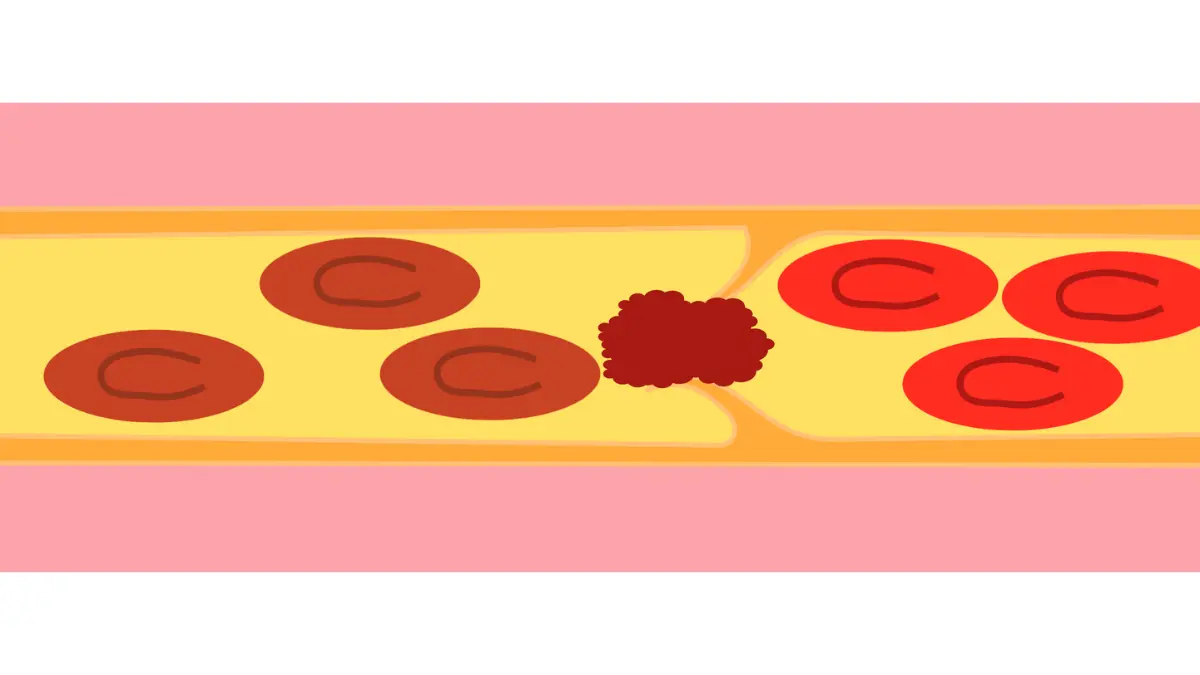
A high platelet count is often a temporary reaction to infection, low iron, or surgery — not a blood cancer. Here's how doctors tell the difference.
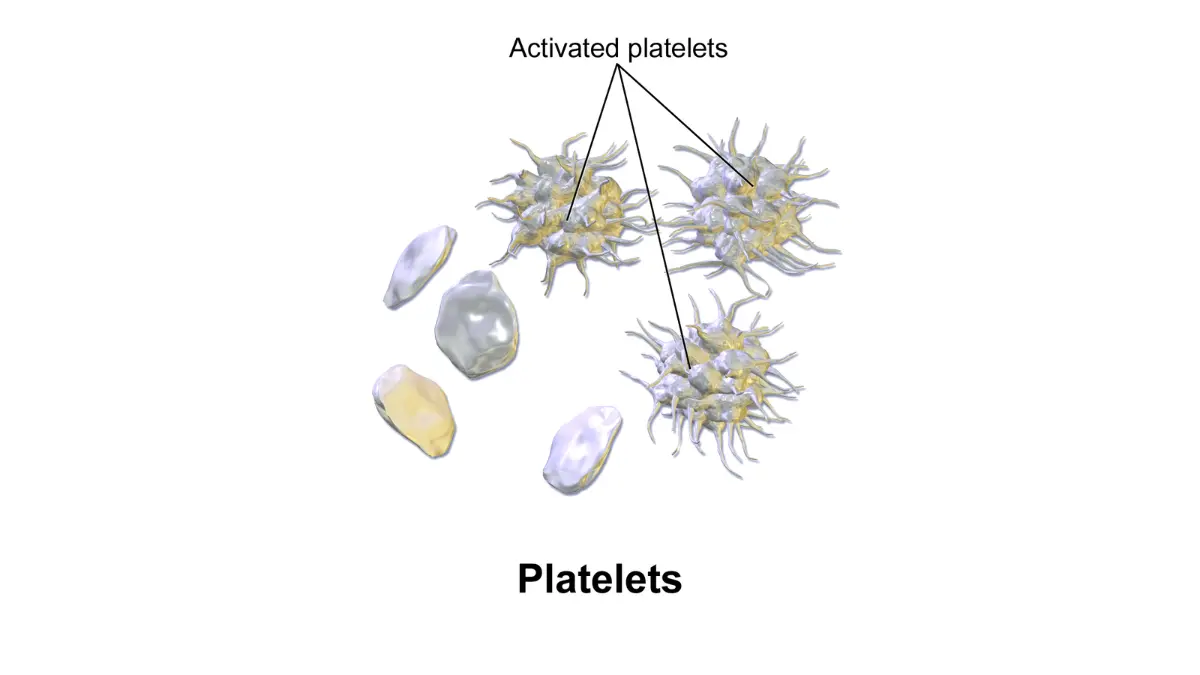
Low platelet count causes range from ITP to a common lab artifact. See how doctors tell a true low count from a false alarm — and which numbers matter.
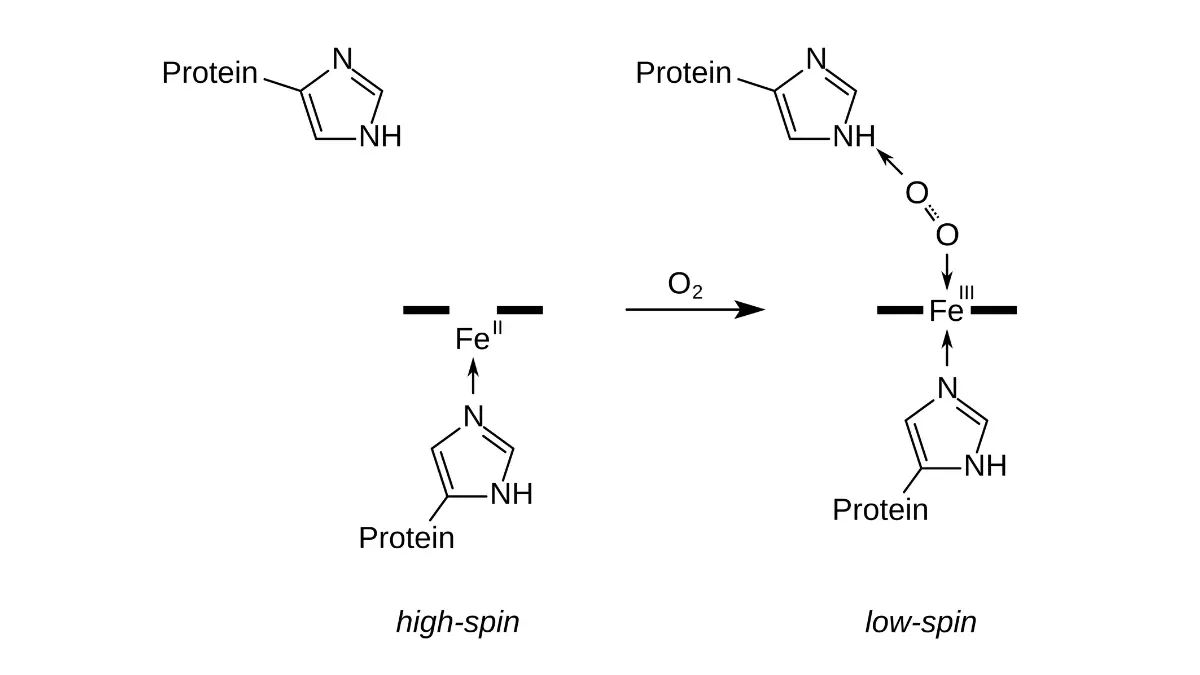
Hematocrit vs hemoglobin sound alike but measure different things—and can disagree on who's anemic. Here's the real difference.
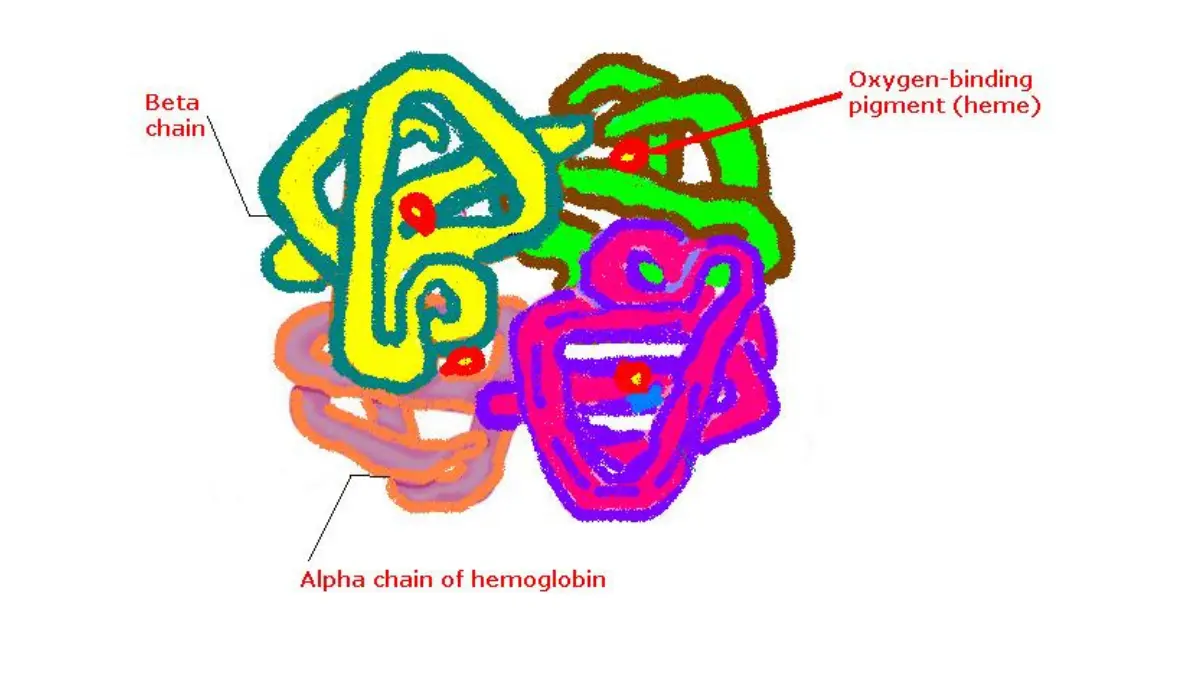
MCH vs MCHC differ: one is the amount of hemoglobin per red cell, the other its concentration — and a high MCHC is often a lab artifact, not disease.
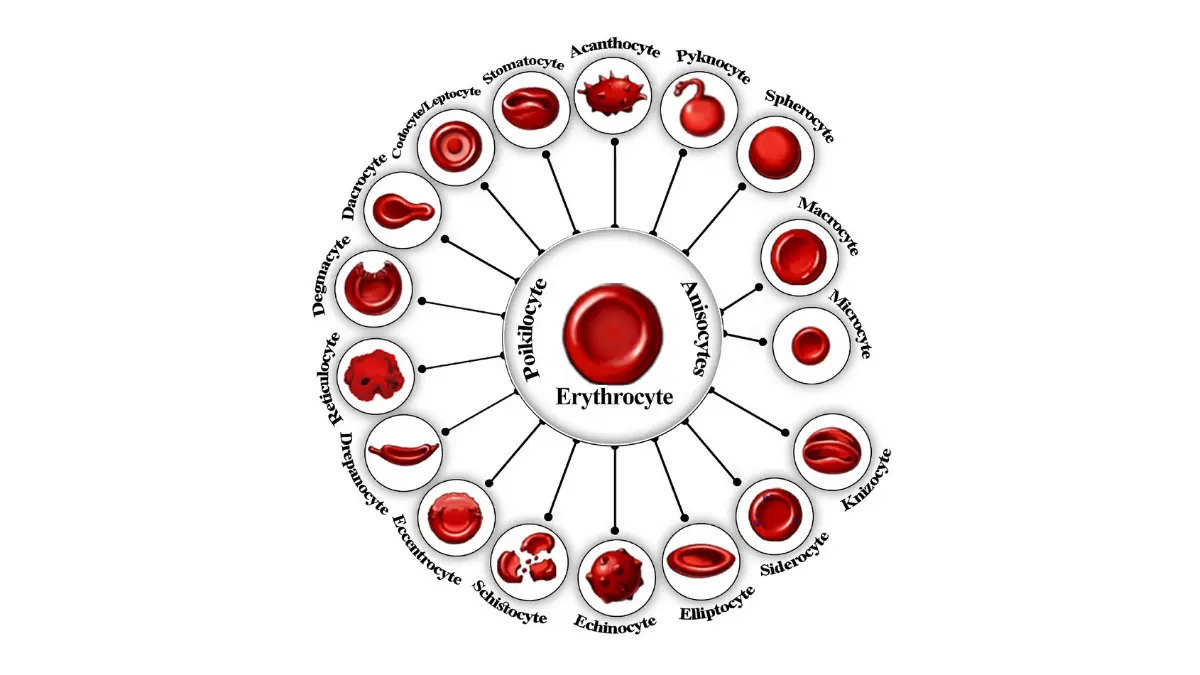
A high RDW on your CBC flags that your red blood cells vary in size. Read alongside your MCV, it points toward a cause — most often a common deficiency.
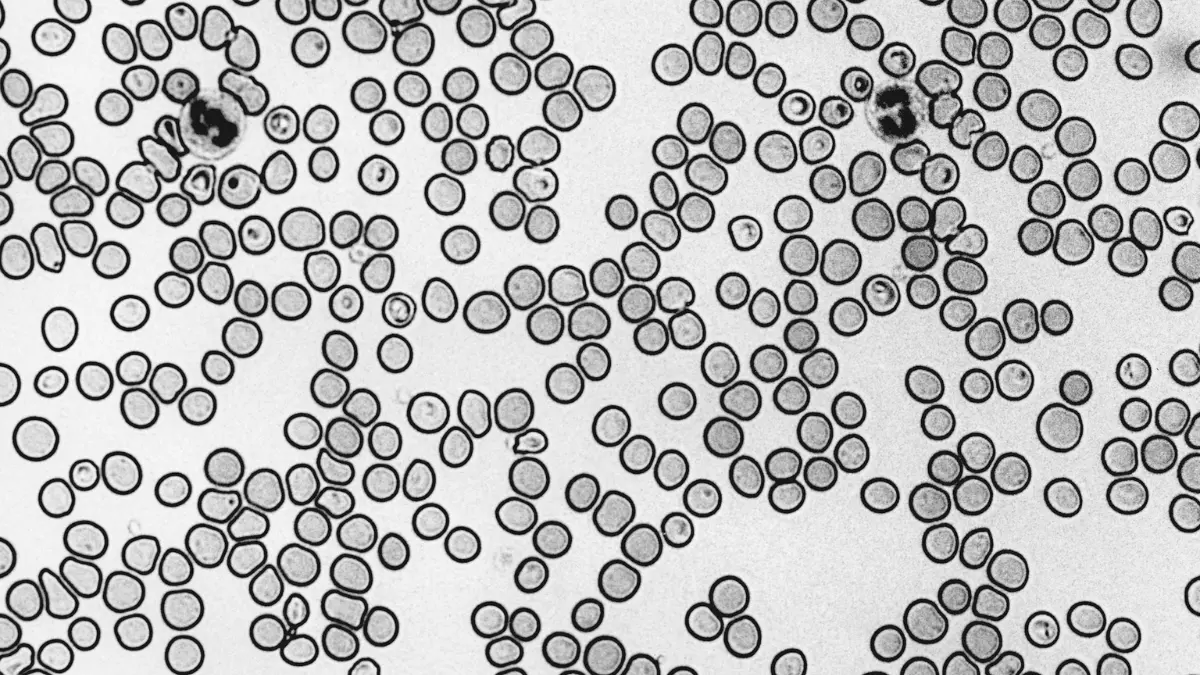
A high or low MCV rarely tells the whole story alone. See what a result above 100 or below 80 means—and why a normal MCV isn't always reassuring.
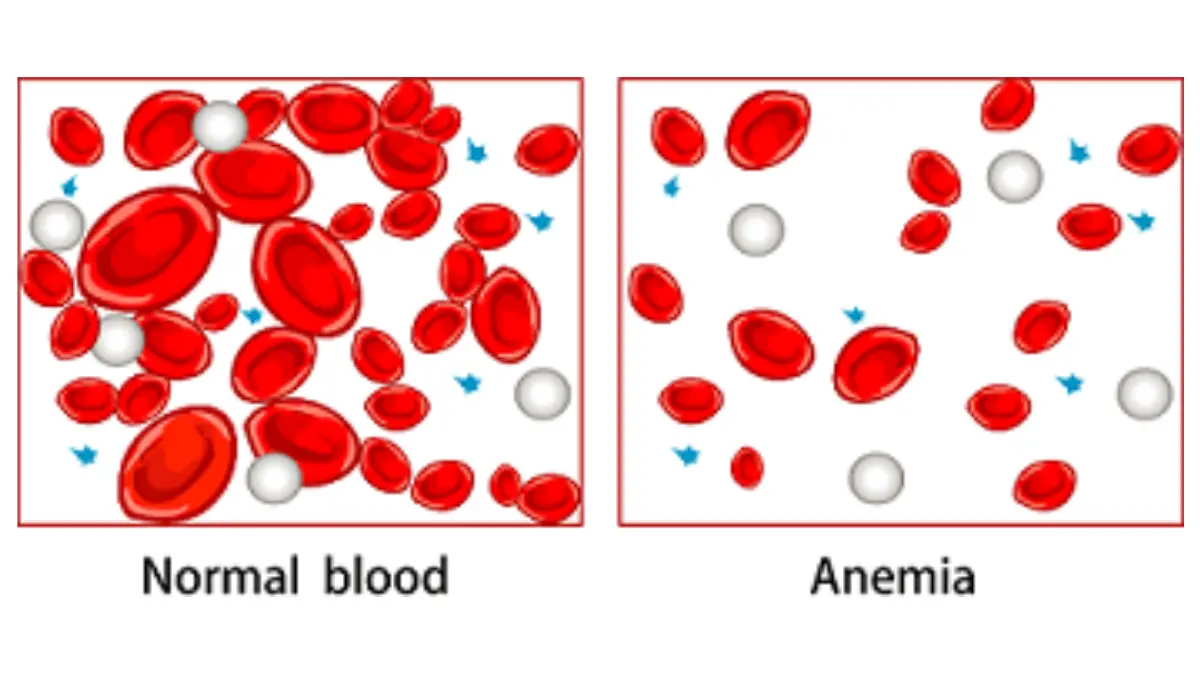
A low hemoglobin—below 13 g/dL in men, 12 in women—is only the start. Your MCV reveals the real cause, and some numbers mean it's an emergency.